

19 min 51 sec
Eat to Beat Depression and Anxiety: How to Eat Your Way to Better Mental Health with Nutritional Psychiatry Techniques
By Drew Ramsey
Explore the transformative power of nutritional psychiatry. This summary explains how specific nutrients and dietary habits can strengthen your brain, balance your gut, and provide a natural defense against depression and anxiety.
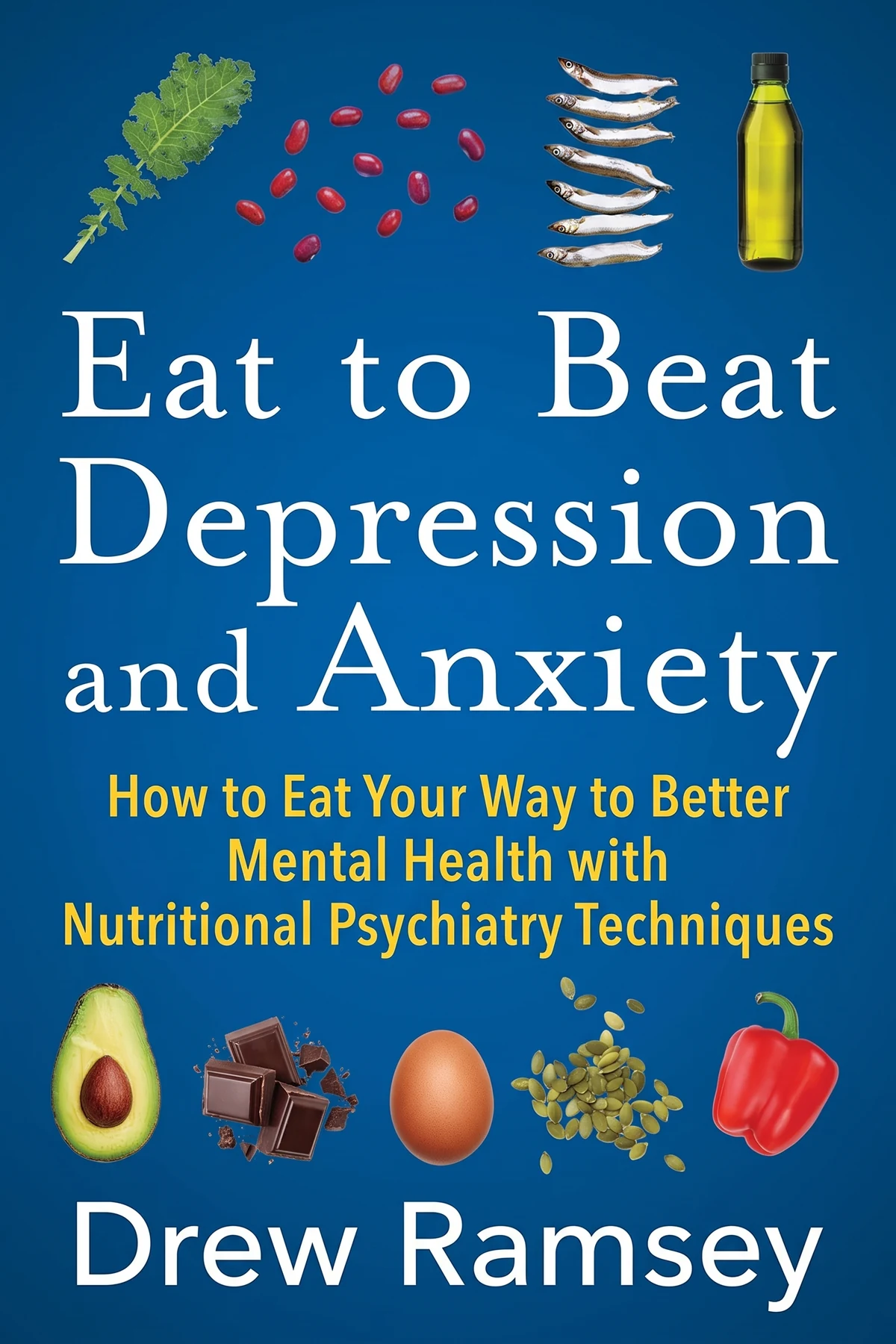
Table of Content
1. Introduction
1 min 33 sec
In an era where many of us feel constantly overwhelmed by the pressures of modern life, the conversation around mental health has never been more urgent. We often look to external solutions or complex interventions to find relief from the weight of depression and anxiety. However, there is a powerful sanctuary for healing that we visit several times a day: the dining table. It is here that we have the opportunity to directly influence the health of our most vital organ—the brain.
The connection between what we eat and how we feel is not just a matter of physical fitness; it is the foundation of emotional well-being. This exploration into the relationship between nutrition and the mind introduces us to the world of nutritional psychiatry. It moves beyond the confusing noise of fad diets and superfood trends to offer a grounded, science-based approach to eating for mental clarity and stability.
At the heart of this discussion is the idea that the brain is a high-performance engine. It may only account for a small fraction of your body weight, but it demands a staggering twenty percent of your daily energy. When we deprive this engine of the specific minerals, fats, and vitamins it needs to function, our mood and cognitive abilities are often the first things to suffer. Over the next few chapters, we will uncover how small, thoughtful adjustments to your plate can foster a healthier microbiome, spark the growth of new brain cells, and help you navigate the challenges of anxiety and depression with newfound resilience.
2. The Science of Nutritional Psychiatry
1 min 56 sec
Discover how your diet acts as a biological architect, shaping the connections in your brain and offering a new path for managing mental health symptoms.
3. The Power of Epigenetics and Brain Growth
1 min 52 sec
Learn how your lifestyle choices can actually influence your genetic expression and help physically expand the memory centers of your brain.
4. The Gut-Brain Connection and the Microbiome
1 min 57 sec
Uncover the secret conversation happening between your digestive system and your mind, and why your gut bacteria are key to emotional stability.
5. Combating Chronic Inflammation with Food
1 min 44 sec
Explore how common dietary habits trigger brain inflammation and how you can use colorful produce and healthy fats to calm the immune system.
6. The Essential Green and Colorful Foundations
1 min 40 sec
Take a closer look at the power of leafy greens and rainbow vegetables as the primary building blocks for a resilient and happy mind.
7. The Role of Seafood and Quality Proteins
1 min 49 sec
Discover why the fats found in the ocean and the nutrients in grass-fed meats are vital for building a healthy, functioning brain.
8. Nuts, Seeds, and the Joy of Dark Chocolate
1 min 47 sec
Learn about the small but mighty snacks that can give your brain a quick boost and why high-quality chocolate is a legitimate mental health tool.
9. Overcoming the Psychological Barriers to Change
1 min 49 sec
Explore why changing your diet is so difficult and how to approach your relationship with food with kindness and personal insight.
10. Practical Steps for a Brain-Healthy Kitchen
2 min 01 sec
Get practical advice on how to organize your cooking space and plan your meals to remove the stress from healthy eating.
11. Conclusion
1 min 43 sec
As we wrap up our look into the connection between our plates and our mental health, the most vital takeaway is that your diet is a dynamic tool you can use to influence your well-being. Whether you are currently facing significant mental health challenges or simply want to optimize your brain’s performance, the power to start is already in your hands. This approach isn’t about the rigid rules of a fad diet or the pressure to be perfect. Instead, it’s about using the science of nutritional psychiatry to make informed, compassionate choices that respect your body and your mind.
Remember that true change happens in small, incremental steps. You don’t have to overhaul your entire kitchen overnight. You might start by simply adding more leafy greens to one meal a day or swapping a processed snack for a handful of walnuts. These small acts of self-care accumulate, helping to grow your hippocampus, diversify your microbiome, and calm systemic inflammation. One particularly effective habit to start with is incorporating more nuts into your routine. This simple change can boost your levels of brain-derived neurotrophic factor, the protein that helps your brain stay adaptable and protects it from the damaging effects of chronic stress.
By viewing food as both fuel and medicine, you are taking an active role in your own healing and resilience. Be patient with yourself, celebrate your progress, and trust that with every nutrient-dense bite, you are building a stronger, healthier foundation for your mind. You have the ability to eat your way to a more stable, vibrant, and peaceful life—one meal at a time.
About this book
What is this book about?
We are currently living through a period of significant mental health challenges, with rising rates of stress, anxiety, and low mood. While traditional treatments like therapy and medication are vital, there is an often-overlooked tool available to everyone: the food on our plates. This summary dives into the emerging field of nutritional psychiatry to show how your diet directly influences your brain’s architecture and emotional resilience. You will discover the biological mechanisms that connect the gut and the brain, and why maintaining a healthy microbiome is essential for a stable mood. The guide breaks down the essential food categories—from leafy greens to seafood and dark chocolate—that provide the building blocks for brain growth and inflammation reduction. Beyond just a list of ingredients, it offers a compassionate approach to changing your lifestyle, emphasizing small, sustainable goals and a kitchen setup that supports success. This isn't about a restrictive diet; it’s about empowering you to eat your way toward a more vibrant and mentally healthy life.
Book Information
About the Author
Drew Ramsey
Drew Ramsey, MD, is a prominent psychiatrist, author, and farmer who serves as a professor of psychiatry at Columbia University. In his clinical practice, he integrates talk therapy and medication with targeted dietary interventions to treat depression and anxiety. A leading voice in nutritional psychiatry, his work has been featured in major publications like the New York Times, the Atlantic, and Men’s Journal. He is also the author of The Happiness Diet.
Ratings & Reviews
Ratings at a glance
What people think
Listeners find this guide educational and accessible, noting its useful diagrams and actionable suggestions. The material is thoroughly documented, with one listener highlighting the data-driven methodology and another emphasizing the focus on the mind-gut connection. Listeners value the recipes and feasible strategy for modifying dietary habits; one review specifically mentions seafood as brain-healthy food. The work earns praise for its mental wellness benefits, including one listener who notes it helped with depression, and listeners find it simple to apply.
Top reviews
Bee
Dr. Ramsey has written a game-changer for anyone navigating the fog of mental health struggles. The focus on the mind-gut connection feels deeply researched yet remains accessible enough for someone currently dealing with low energy or brain fog. Truth is, most health books make you feel guilty for your choices, but this one maintains a refreshingly nonjudgmental tone throughout. I loved the emphasis on adding nutrient-dense food categories like leafy greens and seafood rather than obsessing over what to cut out. It’s a practical, data-driven guide that actually offers a roadmap for improving your emotional well-being through small, manageable changes to your grocery list. This book is a must-have resource.
Show morePlernpiriya
Wow, the way this book connects nutritional deficiencies to actual neurotransmitter function blew my mind. It’s rare to find a health book that is so well-researched yet manages to stay incredibly easy to read during a busy week. By focusing on what TO eat instead of just a list of forbidden foods, Ramsey makes the transition to a brain-healthy diet feel like an exciting addition to your life. I’ve already noticed a difference in my daily anxiety levels after incorporating more of the suggested seafood and leafy greens. This is a must-read for anyone who wants to understand the profound impact our gut health has on our mental clarity.
Show moreJulian
Look, I’ve always known eating better helps, but seeing the actual science behind the Mediterranean diet’s effect on depression was the kick I needed. The author’s suggestion to try his plan for six weeks to jumpstart emotional health felt like a manageable challenge rather than a life sentence. I particularly loved the focus on the mind-gut connection and how easy it was to implement his 'brain food' categories into my existing routine. It feels like one of the most motivating books I’ve read in a long time. For anyone struggling with their mood, this data-driven approach offers a genuine sense of hope and agency. My brain feels better already.
Show moreMuk
Finally got around to reading this after hearing so much about the 'brain food' trend on social media. While much of the advice leans toward the classic Mediterranean diet, the specific focus on how these nutrients interact with our brain chemistry provides a fresh perspective. I appreciated the simple steps provided to jumpstart a six-week plan without feeling overwhelmed by complicated culinary requirements. The recipes are decent, though some felt like slightly elevated versions of basic salads that most people already know how to make. Still, for a quick read that motivates you to prioritize your mental wellness through nutrition, it’s a solid resource for your bookshelf.
Show moreLeila
As someone who has tried every supplement under the sun, focusing on whole food categories like leafy greens and nuts felt much more sustainable. The author avoids the 'superfood' trap by suggesting broad categories of food that are easy to find at any local grocery store. Personally, I found the discussion of how specific minerals support neurotransmitters to be the most motivating part of the entire book. It shifted my perspective from eating for aesthetics to eating for cognitive resilience and emotional stability. The tone is encouraging, making it feel like you have a supportive doctor sitting right there in the kitchen with you as you cook.
Show morePornthip
The chapter on seafood was particularly eye-opening because I always assumed it was just about heart health rather than emotional stability. This book does a fantastic job of illustrating the mind-gut connection with practical advice that doesn't require a total kitchen overhaul. Gotta say, the inclusion of helpful illustrations and mind maps made the scientific portions much easier to digest during my morning commute. While some of the meal ideas like shakshuka were familiar, the specific tweaks to boost brain health were appreciated. It's a very realistic approach for anyone who feels intimidated by the idea of changing their long-term eating patterns. Small changes really do make a difference.
Show morePloy
Picked this up specifically because I wanted an anti-inflammatory approach that wasn't just another restrictive diet. There is a lot of good information presented in a really accessible way, especially regarding the crossover between migraine management and mental health. I really appreciated the nonjudgmental tone and the emphasis on making small, manageable changes incrementally to get the best results. The book is perhaps a bit longer than it needs to be, but the core message is vital. It’s refreshing to see a focus on how food makes you feel internally rather than just how it makes you look in a mirror. I highly recommend it for everyone.
Show moreGiulia
To be fair, while the data-driven approach is impressive, I found the first few chapters a bit wordy and repetitive. It felt like there was quite a bit of filler meant to pad the page count before we finally reached the actual dietary recommendations. Most of the information regarding anti-inflammatory foods is common sense for anyone who follows health trends, though the specific links to depression and anxiety are well-explained. The mind-map for vitamins was helpful for a visual learner like me, but I wish the author had spent less time on anecdotes and more on unique recipes. It’s an okay starting point but not groundbreaking.
Show moreMingkwan
Ever wonder if your lunch is the reason you're feeling sluggish and anxious by mid-afternoon? This book explores that question through some pretty cool research being done on how food affects our daily mental state. In my experience, the first half of the book drags a bit with introductory filler, but the later sections on specific food categories are quite useful. It essentially advocates for a jazzed-up Mediterranean diet, which isn't exactly a secret, but the mental health angle is interesting enough to keep reading. It’s a decent guide for beginners, though seasoned health enthusiasts might find it a bit too basic in parts. It's an okay read overall.
Show moreChamp
Not what I expected given the hype surrounding the author's credentials. Frankly, the explanations felt oversimplified and a bit outdated compared to other recent publications on the microbiome and mental health. I was looking for a more rigorous tool to optimize my nutrition for wellness, but instead, I got a lot of 'common sense' wrapped in heavy filler. If you already know that vegetables are good for you and processed sugar is bad, you probably won't find much new information here. The recipes were also a bit of a letdown, as they didn't feel particularly inspired or unique for a dedicated cookbook. It’s a disappointing effort.
Show moreReaders also enjoyed
ADHD an A-Z: Figuring It Out Step by Step
Leanne Maskell


Alcoholics Anonymous
Alcoholics Anonymous World Services
A Liberated Mind: How to Pivot Toward What Matters
Steven C. Hayes
AUDIO SUMMARY AVAILABLE
Listen to Eat to Beat Depression and Anxiety in 15 minutes
Get the key ideas from Eat to Beat Depression and Anxiety by Drew Ramsey, plus 5,000+ more titles in English and Thai.
- 5,000+ titles
- Listen as much as you want
- 7-day free trial
- Cancel anytime







