
20 min 34 sec
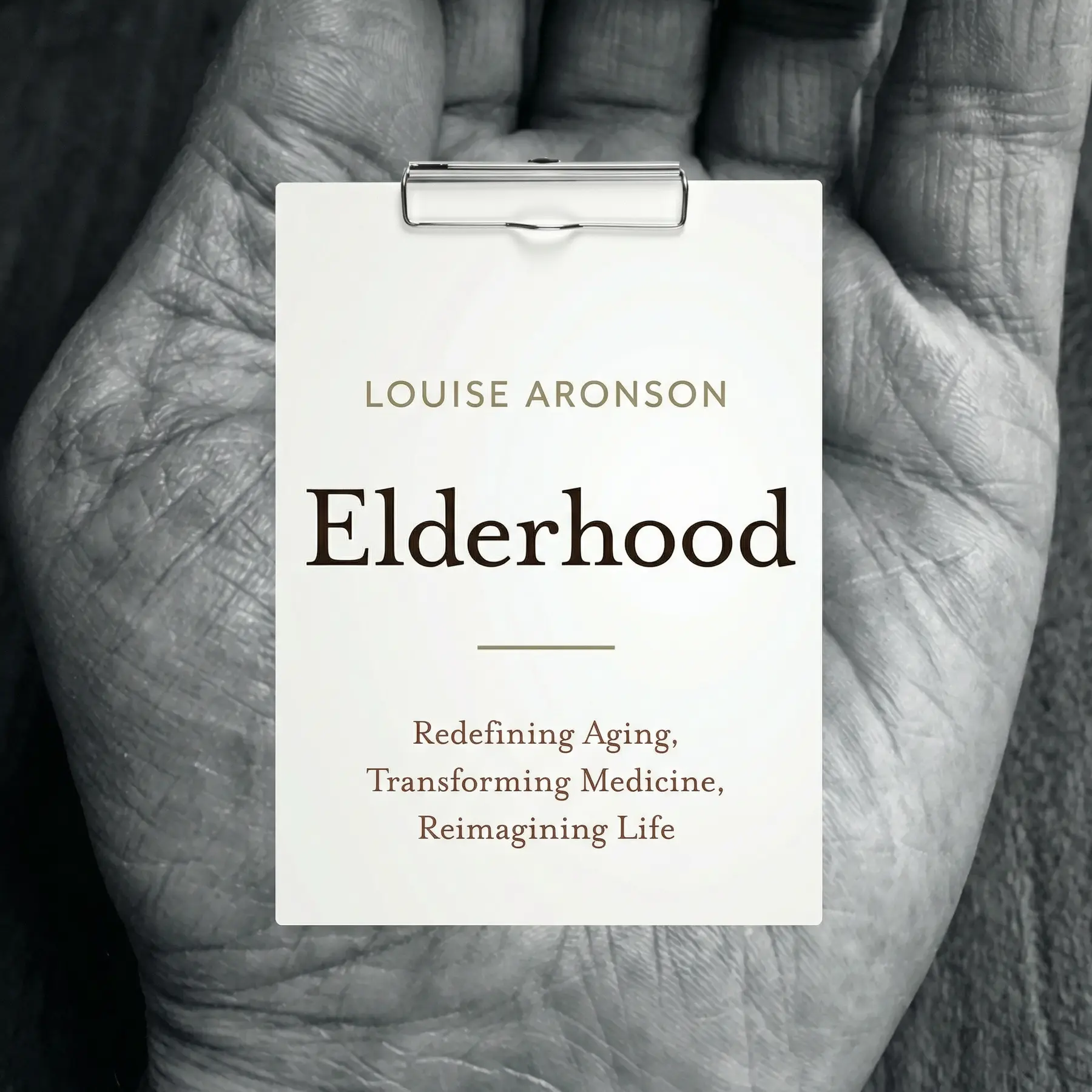
Elderhood: Redefining Aging, Transforming Medicine, Reimagining Life
Elderhood redefines the final third of life, moving away from viewing aging as a medical failure and instead celebrating it as a distinct, vibrant, and essential stage of the human experience.
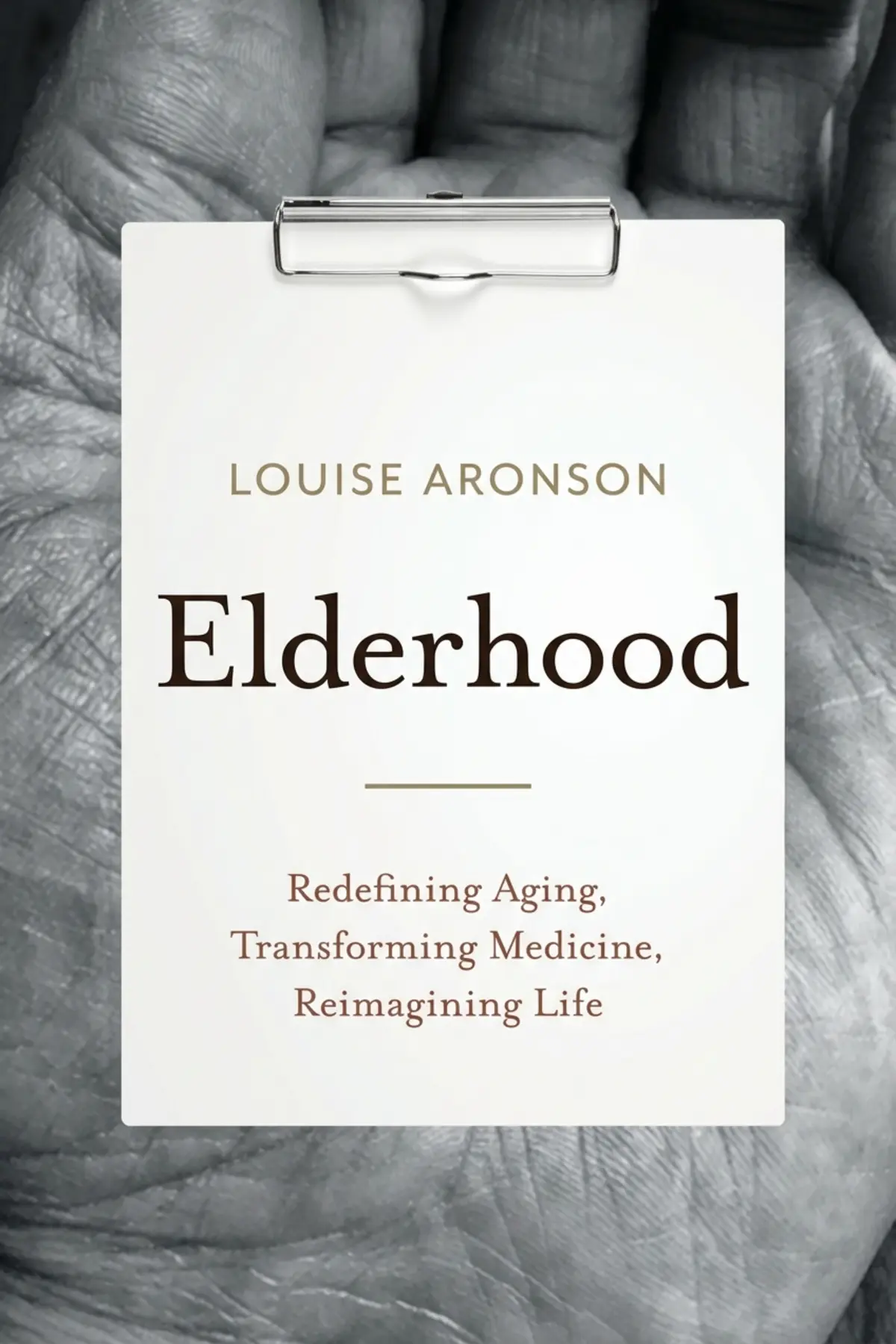
Table of Content
1. Introduction
2 min 10 sec
Picture a crisp winter morning in Baltimore back in 2012. A small group of medical professionals decided to conduct a bit of an informal survey. They walked through the city streets and stopped random passersby to ask one very specific, very simple question: “Can you tell us what a geriatrician is?”
You might expect that in a modern city, most people would have a general idea. But the results were startling. Regardless of their age or their level of schooling, the vast majority of people had absolutely no clue. One person even guessed that a geriatrician was someone who served up scoops at a Ben and Jerry’s ice cream parlor. This humorous misunderstanding points to a much darker reality. In the United States, we are profoundly ignorant about the medical specialty dedicated to the elderly because, as a culture, we are deeply uncomfortable with the concept of aging itself.
We live in an era where we are increasingly sensitive to various forms of prejudice. We strive to root out racism and sexism in our public and private lives. Yet, ageism remains one of the last socially acceptable biases. We see it in the way the medical establishment prioritizes cure over care, and in the way we treat old age as a problem to be solved rather than a life stage to be lived. Why do we treat the final third of our lives with such distaste, or even disgust?
This exploration isn’t just for those who are already considered seniors. It’s for everyone. Barring a tragedy, we are all traveling toward the same destination. The lessons we’re about to explore offer a roadmap for that journey. We will dive into the heart of geriatrics to understand how we can reclaim the dignity of aging. We’ll look at why happiness often peaks after the age of sixty, the dangers of over-medicating the elderly, and how we can redesign our society to support a meaningful, fulfilling elderhood. It’s time to stop looking at aging as a descent and start seeing it as a unique and vital part of the human story.
2. Redefining Our Vocabulary
2 min 35 sec
The words we use to describe aging shape our subconscious biases and determine how we treat people in their later years.
3. The Paradox of Happiness
2 min 20 sec
Contrary to the stereotype of the grumpy senior, data suggests that life after sixty is often one of the most content periods of a person’s life.
4. The Vital Importance of Connection
2 min 33 sec
Medical care alone is insufficient for a good life; elders require deep relationships and a clear sense of purpose to thrive.
5. The Biology of Aging and the Trial Gap
2 min 15 sec
Modern medicine often fails seniors because most drug research excludes the very people who will be using the medications most frequently.
6. When Aging Becomes a False Diagnosis
2 min 11 sec
The bias that ‘everything is just old age’ can lead to dangerous medical oversights where treatable emergencies are dismissed as inevitable decline.
7. The Danger of the Prescribing Cascade
2 min 24 sec
The common practice of treating one drug’s side effects with another drug can lead to a downward spiral of health for elderly patients.
8. The Politics of Care and the Definition of Medical Needs
2 min 29 sec
The current healthcare system often prioritizes expensive surgical interventions over the simple, functional tools that allow seniors to remain independent.
9. Conclusion
1 min 37 sec
As we look back at the journey through elderhood, one thing becomes strikingly clear: the way we approach aging today is a choice, not a biological necessity. We have built a system and a culture that views the final stage of life through a lens of decline and disease. But it doesn’t have to be this way. By changing our language, we can shift our mindset. By moving from the word “old” to the concept of “elderhood,” we acknowledge that the later years of life hold as much potential for growth, joy, and purpose as any other stage.
We’ve seen that the medical system needs a profound overhaul—one that accounts for the unique biology of the aging body and avoids the traps of over-medication and ageist assumptions. We’ve also seen that for an elder to truly thrive, they need more than just physical maintenance; they need deep social connections and a sense of being a valued part of the world.
The most important step you can take today is to start breaking the silence. Talk about aging. And, perhaps even more importantly, talk about death. It may feel uncomfortable, but acknowledging our mortality is the only way to ensure we live well until the very end. When we speak openly about what we want our final years and our final days to look like, we reclaim our agency. We give ourselves and our loved ones the gift of clarity and the opportunity to say what needs to be said before it’s too late. Elderhood is not a problem to be solved; it is a life to be lived. Let’s start treating it with the dignity and the wonder it deserves.
About this book
What is this book about?
For many, the word “old” conjures images of decline, frailty, and an inevitable loss of agency. In Elderhood, geriatrician Louise Aronson argues that this perspective is not only limited but deeply harmful. She reveals how the modern medical system and society at large have failed to recognize aging as a natural, nuanced phase of life, often treating it more like a disease than a developmental stage. By examining the history of medicine and the current state of elder care, Aronson exposes the systemic ageism that dictates how we treat the oldest members of our community. The book promises a path toward a more compassionate and effective approach to aging. It explores the physiological differences of the elderly body, the psychological importance of purpose and connection, and the political forces that shape healthcare coverage. Through a series of moving patient stories and professional insights, it offers a vision of life after sixty that is defined by growth and wisdom rather than just decline. This is a call to action to transform our institutions and our mindsets, ensuring that the years we add to our lives are years truly worth living.
Book Information
About the Author
Louise Aronson
Louise Aronson is a distinguished geriatrician, professor, and writer with a career spanning more than three decades. She is currently a professor of Geriatrics at UCSF and has directed the Northern California Geriatrics Education Center. Recognized for her excellence in medical education, she received the American Geriatrics Society Clinician-Teacher of the Year Award. In addition to her medical work, Aronson is an accomplished author whose first book, A History of the Present Illness, was published in 2013.
Ratings & Reviews
Ratings at a glance
What people think
Listeners find this book educational and skillfully written, with one listener noting it provides specific details about medicine contraindications. They also consider it crucial reading for those who are aging, as one review highlights the author's decades of experience in treating older adults. The book is lauded for its empathetic look at the realities of aging and death, and listeners find the content consistently engaging. However, reactions to the font size are mixed; several listeners mention it is smaller than they expected, and some find the content depressing.
Top reviews
Sudarat
Wow. Dr. Aronson has crafted a brilliant, multi-faceted reexamination of what it means to age in a society that often prefers to look away. Following her journey from a history major to a seasoned geriatrician provides such a unique lens on the medical industry. I found the distinctions she makes between the 'young-old' and the truly infirm absolutely essential for how we structure care. Her writing is compassionate and deeply informed by decades of clinical experience. While some might find the historical tangents a bit dense, I thought they added necessary weight to her argument about why we treat elderhood as a disease rather than a life stage. It’s a holistic masterpiece that pairs perfectly with Gawande’s 'Being Mortal.' If you have aging parents or plan on growing old yourself, you simply cannot skip this. It changed how I view my own future.
Show moreOtt
Finally got around to reading this while navigating my father’s dementia journey, and it was a total lifeline. Aronson writes with a level of empathy that you rarely see from high-level physicians. She doesn't just see a collection of chronic diseases; she sees a human being with a history. I loved the 'naughty geezer' stories because they reminded me that life doesn't stop just because you need a cane. The way she breaks down elderhood into distinct phases—early, middle, and advanced—makes so much more sense than just lumping everyone over 65 together. It’s a refreshing and insightful look at a stage of life we all hope to reach. The prose is beautiful, and the message is vital. We need more doctors who think like this. This book gave me the language to advocate for my parents more effectively in the exam room.
Show moreEarn
Dr. Aronson has delivered a staggering, essential piece of cultural and medical criticism. Her ability to weave together the history of how we view aging with the modern-day failures of our clinics is masterclass. I was fascinated by the exploration of 'successful aging' and how it relies more on self-acceptance than on trying to cure the incurable. The stories of her own parents added a layer of vulnerability that made the clinical parts more digestible. It’s a multifaceted look at a stage of life that is often ignored or feared. Even the 'boring' parts about medical school debt and residency felt necessary to show why our system is so broken. This is a book I will be gifting to my siblings as we look toward caring for our own parents. It’s informative, well-written, and deeply necessary.
Show moreLaor
As a nurse practitioner, I found Dr. Aronson’s perspective on the 'failure to care' culture in modern medicine incredibly resonant. She expertly highlights how our system prioritizes high-tech interventions like cochlear implants over simple fixes like hearing aids or better eyeglasses. The section on pharmaceutical trials was a massive eye-opener; we are literally prescribing medications to the elderly that were never tested on their age group! Her discussion of contraindications and the dangers of polypharmacy is life-saving information. The sentence structure is varied and the tone is professional yet accessible. My only gripe is that the print size in the paperback edition is unnecessarily small, making it difficult for the very demographic that needs it most to read comfortably. Despite that, the clinical insights here are top-tier and should be mandatory reading in every med school.
Show moreYuki
This book should be required reading for anyone who plans on getting old—which is all of us, right? Aronson is a gifted storyteller, and her vignettes of patients are both heartbreaking and hopeful. She makes a compelling case for why geriatrics is just as specialized and necessary as pediatrics. Why do we have doctors who specialize in the first eighteen years of life but treat the last forty years as an afterthought? It's a valid question that she explores through history, anthropology, and her own clinical practice. Some of the sections on her medical school prerequisites felt a bit like filler, and the pacing slows down significantly in the middle. However, the overall message about reimagining life's third act is too powerful to ignore. It's a deep dive into the soul of medicine. I feel much better prepared for the future after finishing it.
Show moreAmara
Picked this up after seeing it recommended for fans of Atul Gawande, and while it's much denser, it's equally important. Dr. Aronson doesn't sugarcoat the reality of aging in America. She exposes the systemic biases that make it harder for older adults to get the care they deserve. I was particularly struck by the discussion on how pharmaceutical companies gloss over side effects in the elderly. It makes me want to go through my mother’s medicine cabinet with a fine-tooth comb! The writing style is elegant, shifting between sharp analytical critiques and soft, humanizing stories. It can be a heavy read at times, and some chapters feel a bit academic for the average reader. Still, the core argument—that we need to value elders as human beings rather than medical problems—is something every person needs to hear.
Show morePreeda
Not what I expected, but maybe exactly what the medical community needs to hear. Aronson’s critique of the 'curative over caring' model is spot on. We spend so much money on end-of-life interventions that don't improve quality of life while ignoring the simple things that do. The anecdotal evidence regarding how medical schools provide almost zero geriatric education is frankly shocking. While the book can be a bit repetitive and the historical facts sometimes feel heavy-handed, the passion behind the writing is undeniable. It’s a call to arms for a more compassionate approach to the end of life. I did find the print size a bit of a struggle, and the tone can get a bit depressing if you read too much at once. Take it in small doses. It’s worth the effort for the perspective shift it provides.
Show moreWipada
To be fair, I went into this expecting a practical guidebook and instead got a sprawling medical memoir. While I completely agree with the author’s premise that the American healthcare system is a total dumpster fire for seniors, the delivery is incredibly repetitive. She makes the same point about the lack of geriatric training in medical schools over and over until it feels like a lecture. At 400 pages, it is a very long commitment for a layman just looking for advice on navigating red tape. I appreciated the stories of patients like Dimitri, but the author’s personal trials sometimes overshadowed the actual analysis of aging. It’s an important message, but it really needed a more ruthless editor to trim the fat and keep the pacing from becoming so tedious. I ended up skimming the last third just to reach the conclusion.
Show moreSawit
The truth is, this is a 200-page message trapped inside a 400-page book. Aronson is clearly brilliant and her dedication to her patients is inspiring, but the structure of the book is quite monotonous. Moving from birth to death through those various 'chapters' felt a bit forced. I appreciated the specific details about how hospitals are penalized for not 'fixing' people fast enough, which leads to sick seniors being sent home prematurely. That is terrifying and true. But the author’s constant inclusion of her own emotional struggles made it feel more like a memoir than a social critique. I wanted more data and fewer personal grievances. It’s a well-researched volume, but the 'burn-out' the author describes began to rub off on me as a reader. I respect the work, but I didn't necessarily enjoy the experience of reading it.
Show moreSakura
Look, I really wanted to like this after hearing the author’s fascinating interview on NPR, but the reading experience was a slog. This book is 400 pages of stating the obvious. We get it: the elderly are treated poorly by doctors. Did we need twenty different anecdotes to prove the same exact point? It felt less like a thoughtful analysis and more like a self-indulgent diary of the author’s own career frustrations and burnout. I wanted to learn something new about negotiating the medical industry, but instead, I was subjected to repetitive complaints about administrative bureaucracy. Also, the font is tiny! For a book about aging, you’d think they would consider the eyesight of their readers. It’s way too drawn out and depressing for a casual read. I honestly found myself wanting to reach for a romance novel just to escape the gloom.
Show moreFeatured in
Readers also enjoyed
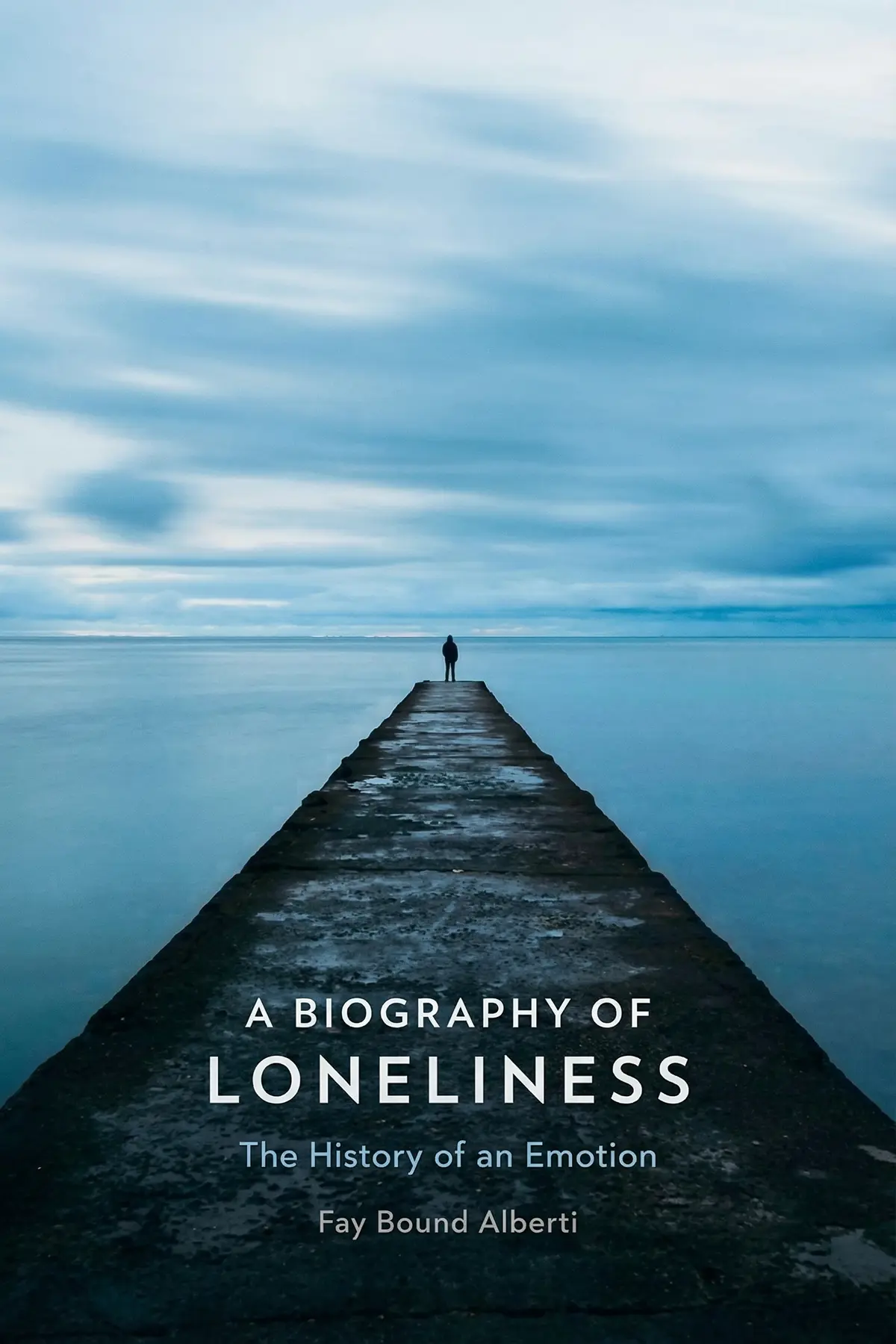
A Biography of Loneliness: The History of an Emotion
Fay Bound Alberti
A Force for Good: The Dalai Lama's Vision for Our World
Daniel Goleman
A Room of One’s Own
Virginia Woolf
Abolish Rent: How Tenants Can End the Housing Crisis
Tracy Rosenthal
Abortion: Our Bodies, Their Lies, and the Truths We Use to
Jessica Valenti
AUDIO SUMMARY AVAILABLE
Listen to Elderhood in 15 minutes
Get the key ideas from Elderhood by Louise Aronson, plus 5,000+ more titles in English and Thai.
- 5,000+ titles
- Listen as much as you want
- 7-day free trial
- Cancel anytime







