

ADHD an A-Z: Figuring It Out Step by Step
Leanne Maskell
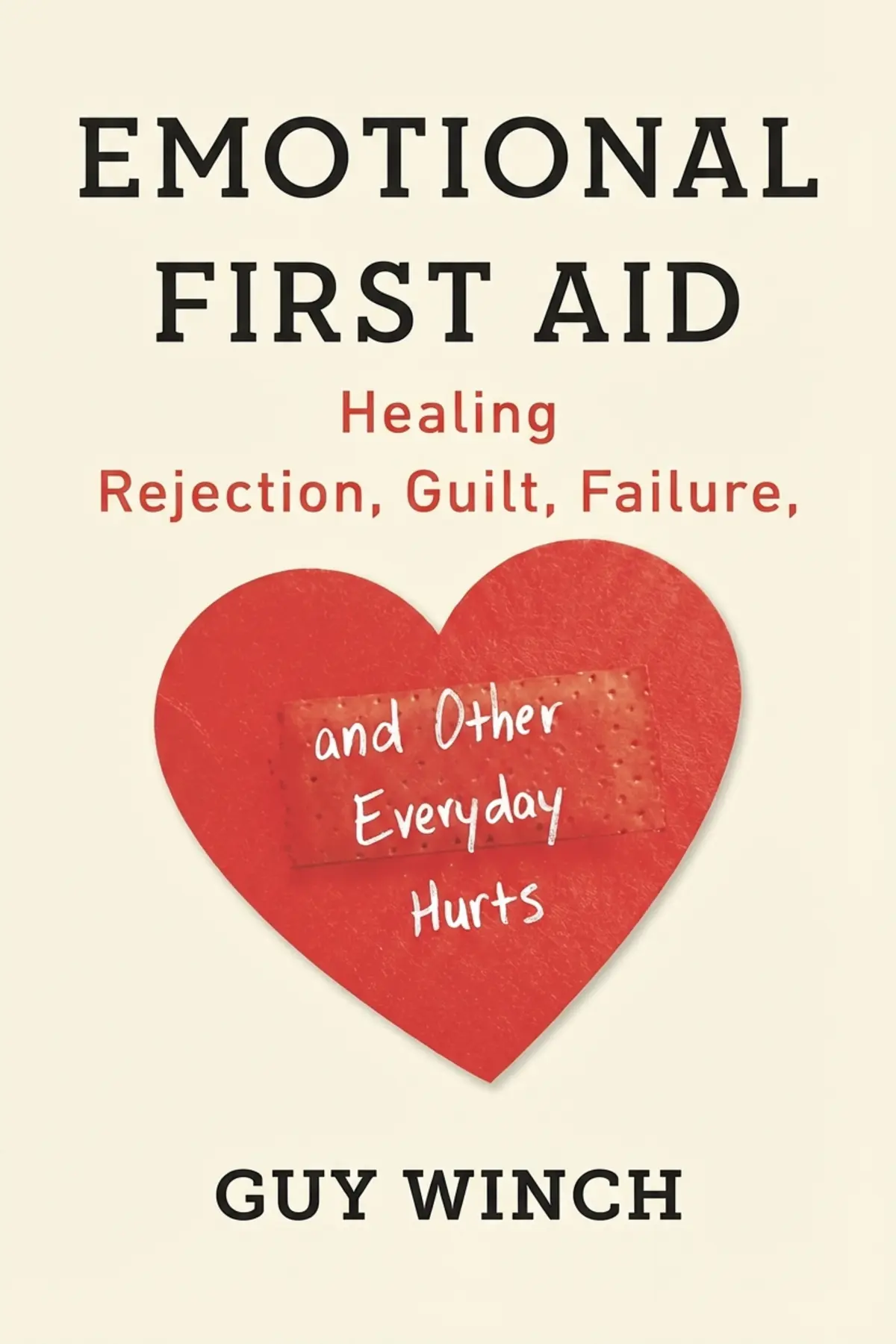
Discover a psychological first aid kit for life’s everyday challenges. This summary provides practical, science-based strategies to treat emotional wounds like rejection, loneliness, and failure, fostering long-term resilience and mental well-being.
1 min 34 sec
Think about the last time you cut your finger while chopping vegetables or scraped your knee on a sidewalk. Chances are, you didn’t just ignore it and hope for the best. You probably washed the wound, applied an antiseptic, and covered it with a bandage. We have been trained since childhood to practice physical first aid. We understand that even a small infection can become a major health crisis if it isn’t tended to properly.
But now, think about the last time you felt the sting of rejection after a date went poorly, or the heavy, isolating fog of loneliness. How did you treat those wounds? For most of us, the answer is that we didn’t. We tend to expect our minds to simply ‘get over it’ without any active intervention. This creates a dangerous double standard: we prioritize our physical health while leaving our emotional well-being to fend for itself.
This is the core problem that Guy Winch addresses. We are walking around with ‘psychological infections’—small emotional hurts that, if left untreated, can fester into long-term issues like chronic low self-esteem, clinical depression, or debilitating anxiety. The goal of this journey is to provide you with an emotional first aid kit. We will explore the most common psychological injuries we face—rejection, loneliness, loss, guilt, rumination, failure, and low self-esteem—and look at the specific ‘bandages’ and ‘treatments’ required for each. By the end, you’ll see that mental health isn’t just about big crises; it’s about the daily maintenance of your internal world.
2 min 04 sec
Rejection is more than just an unpleasant feeling; it is a psychological wound that can damage your self-worth and social connections if left untreated.
1 min 58 sec
Loneliness is not just about being alone; it is a subjective feeling that can trap us in a cycle of self-protection and social withdrawal.
2 min 05 sec
Major life changes can shatter our sense of identity, making it necessary to intentionally reclaim who we are and find meaning in the pain.
1 min 56 sec
Guilt can be a useful social tool, but when it lingers, it becomes toxic; the only way to release it is through genuine restitution and self-forgiveness.
1 min 57 sec
Constantly replaying painful memories is like picking at an emotional scab; stopping the cycle requires a shift in perspective and strategic distraction.
2 min 07 sec
Failure is an inevitable part of growth, but it can be paralyzing if we don’t treat the loss of confidence and the anxiety it creates.
2 min 05 sec
Low self-esteem makes you vulnerable to every emotional hurt; strengthening it requires self-compassion and a sense of personal empowerment.
2 min 00 sec
As we conclude this journey through the world of emotional first aid, it’s worth returning to the metaphor we started with. We live in a world that is obsessed with physical fitness and hygiene. We track our steps, we monitor our heart rates, and we carry hand sanitizer everywhere. These are good habits, but they are incomplete if we ignore the health of our minds. The psychological wounds we’ve discussed—the pain of rejection, the fog of loneliness, the weight of guilt—are just as real as a broken bone or a viral infection.
The core takeaway is that you are not a passive observer of your own emotional life. You have the tools to intervene. By practicing reaffirmation after a rejection, by challenging the pessimistic lens of loneliness, by reclaiming your identity after a loss, and by silencing your inner critic with self-compassion, you are building a mental immune system that will serve you for the rest of your life. You are moving from a state of ’emotional vulnerability’ to one of ’emotional resilience.’
However, it’s also important to recognize the limits of first aid. Just as you would go to a surgeon for a major injury that a bandage couldn’t fix, there are times when emotional pain is too deep to handle alone. If you find that these tools aren’t enough—if guilt, loss, or low self-esteem are making it impossible to function—please reach out to a professional. There is no shame in seeking a ‘specialist’ for your mental health.
Starting today, make a commitment to practice better emotional hygiene. The next time you feel an emotional ‘sting,’ don’t just push it aside. Stop, assess the wound, and apply the right psychological treatment. Your mind, just like your body, deserves to be cared for, protected, and healed. By taking these small steps, you ensure that the everyday hurts of life remain just that—small scrapes—rather than lasting scars.
Most of us know how to treat a physical scrape or a burn, yet we are often helpless when faced with emotional injuries. We sustain psychological wounds constantly—whether from a social snub, a professional setback, or the heavy weight of guilt—but we rarely have the tools to heal them. This exploration into our inner lives bridges that gap, offering a manual for emotional hygiene. The promise of this work is simple yet profound: by applying specific treatments to common psychological hurts, we can prevent minor setbacks from spiraling into chronic conditions like depression or anxiety. It shifts the focus from passive suffering to active healing, teaching readers how to bolster their self-esteem, break the cycle of loneliness, and reclaim their identity after a loss. It is about building a mental immune system that is just as robust as our physical one, ensuring that the inevitable scrapes of life do not leave lasting scars.
Guy Winch, PhD, is a licensed psychologist with more than two decades of clinical experience. He is a prominent voice in the movement to integrate the science of emotions into daily life. Winch has contributed to PsychologyToday.com and has authored titles such as The Squeaky Wheel and How to Fix a Broken Heart. His 2014 TED Talk, titled Why We All Need to Practice Emotional First Aid, is celebrated as one of the most inspirational talks on the platform, consistently ranking among the top most-viewed presentations.
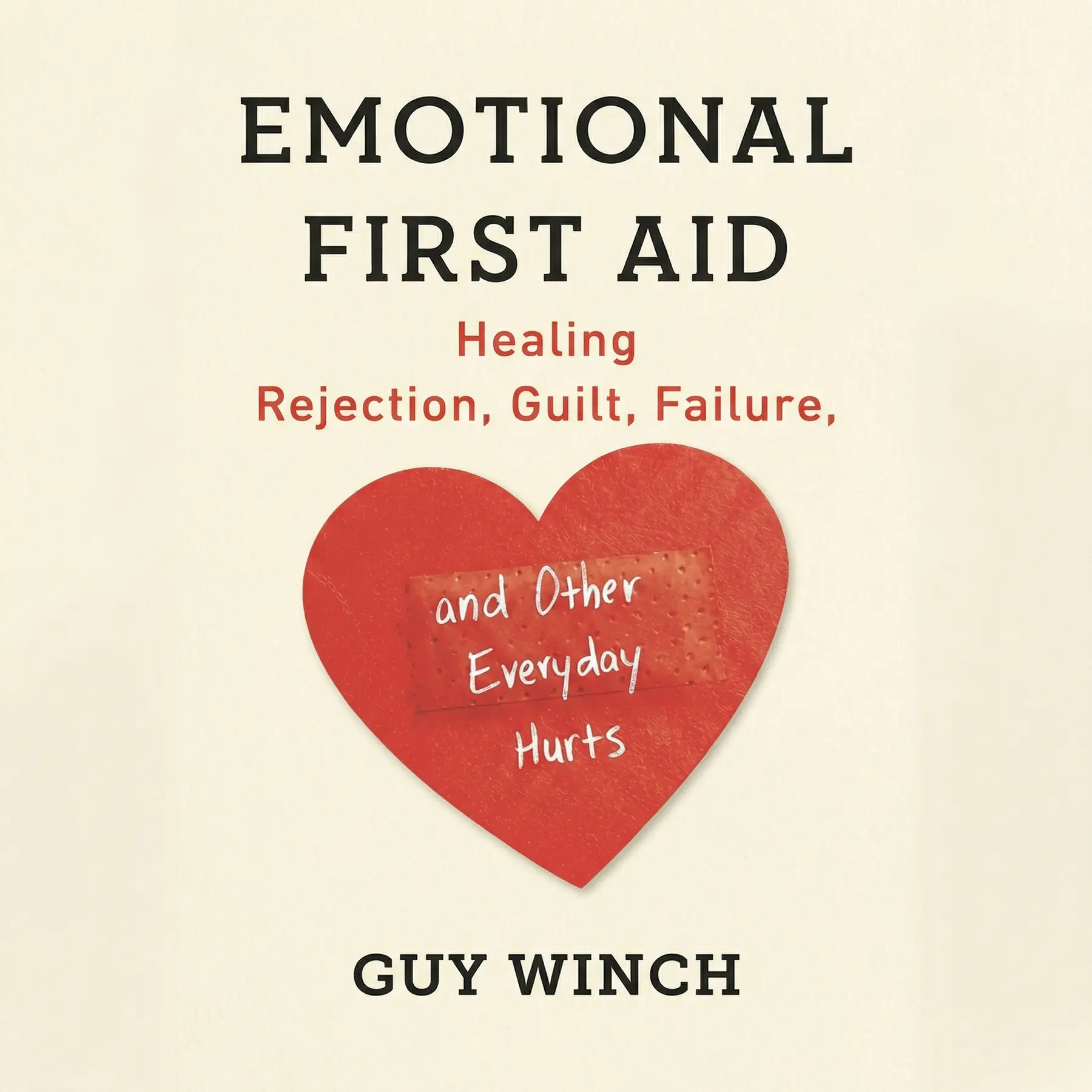
Listeners find this work to be articulate and easy to follow, providing useful methods for resolving personal challenges. The book also delivers advice on navigating various feelings and features concrete, sequential protocols for improving emotional well-being. Additionally, listeners value the author’s sense of humor and find the material very simple to apply.
Finally got around to reading Dr. Winch’s guide, and I’m genuinely surprised by how much I needed these 'bandages' for my brain. We spend so much time sanitizing physical wounds but leave our psychological injuries to fester in the dark. It makes no sense. The way Winch breaks down the seven most common emotional maladies is nothing short of brilliant because he offers tangible, step-by-step instructions rather than vague platitudes. I specifically appreciated the humor woven throughout; it keeps the heavy topics from feeling like a chore. This is an easy-to-use manual that belongs in every household’s actual medicine cabinet. Frankly, I think we'd all be a lot healthier if we took our 'emotional chest colds' as seriously as a fever. If you follow the specific treatment plans, you might actually see real change in how you handle rejection or failure.
Show moreEver wonder why we treat a scraped knee with more care than a broken heart? Guy Winch challenges that neglect in this fantastic, easy-to-use book. I loved the comparison between emotional chest colds and psychological pneumonia; it’s such a vivid way to describe how small setbacks can spiral into major depressions if left untreated. The instructions are incredibly tangible. I actually tried one of the exercises for rumination—the one about breaking the cycle of 'picking at emotional scabs'—and it worked surprisingly fast. It’s rare to find a self-help book that is both humorous and rigorously evidence-based. Truth is, most of us were never taught how to handle failure or loss in a healthy way. This book fills that gap perfectly. It’s a five-star resource that I’ve already started recommending to my entire friend group.
Show moreWow, I didn't realize how much I was 'picking at emotional scabs' until I read the chapter on rumination. This book is a total game-changer for anyone who overthinks every tiny social interaction or failure. Guy Winch writes with such clarity and humor that you feel like you're talking to a very smart, very kind friend. The tangible, step-by-step instructions for each malady are what set this apart from other self-help titles. It’s not just about 'feeling your feelings'; it's about active, science-based healing. I especially loved the section on building a 'psychological immune system' to ward off the damage of low self-esteem. Not gonna lie, I’ve used the rejection exercises twice this month already. If you want a book that actually tells you *what to do* instead of just describing your problems, this is the one.
Show moreThe metaphor of an 'emotional medical cabinet' is something I’ll be thinking about for a long time. This book is incredibly well-written and serves as a vital resource for anyone looking to bolster their mental immune system. I found the chapter on loneliness particularly insightful, especially the part about how our 'relationship muscles' weaken when we isolate ourselves. Winch provides very clear, actionable techniques that feel grounded in actual science rather than just 'good vibes' and fluff. My only minor gripe is that some of the sections felt a bit like they were meant for people with very mild issues. If you are dealing with deep, chronic trauma, this might only be a starting point. Still, for the daily cuts and scrapes of existence, it is a practical and readable guide that I’ll likely revisit when I'm feeling a bit bruised by life.
Show moreAs a therapist, I am always on the hunt for digestible resources to recommend to my clients, and this has moved to the top of my list. The language is accessible and avoids the 'ndakik' or overly medical jargon that usually turns people off from psychology books. Winch identifies rejection, loneliness, and low self-esteem as legitimate injuries that require active treatment. It is a very practical, step-by-step approach. My clients have found the specific exercises for boosting 'emotional immunity' to be particularly helpful. I do think the book can be a bit simplistic at times, but as Winch himself notes, this is just 'first aid.' It isn't meant to replace long-term therapy for deep-seated issues. For what it is—a toolkit for daily resilience—it is exceptionally well-executed and helpful for anyone feeling stuck.
Show moreThis book is basically a toolkit for life's inevitable bruises. I appreciated how Winch organizes the chapters into 'treatments' and 'dosages' just like a real medical manual. It makes the advice feel very concrete. Got rejected? Flip to chapter one. Dealing with a blow to your self-esteem? Check chapter seven. Personally, I found the section on rumination the most life-changing. It’s so easy to get caught in a loop of negative thinking, and having a literal plan to stop 'picking at the wound' was exactly what I needed. The writing style is friendly and never feels like it's talking down to the reader. While some of the case studies are a bit dated, the core advice remains timeless and effective. It's a solid four-star guide that I'll keep on my nightstand for those bad days when I just need a quick fix.
Show morePicked this up on a whim and found the writing style incredibly inviting and clear. It’s organized so logically that you can use it as a reference guide whenever a specific issue pops up. The treatment plans for failure and rejection were particularly relatable for me. Winch has a knack for taking complex psychological concepts and turning them into easy-to-digest steps. I did find the repetitive structure a bit much after a while, but it’s a minor flaw in an otherwise excellent book. The emphasis on 'emotional hygiene' is a message we all need to hear more often. It’s practical, humorous, and genuinely easy to use. I’ll definitely be keeping this one on my shelf for future 'emergencies.' A very solid 4-star read for anyone looking to improve their daily mental health.
Show moreI wanted to love this more given the constant Buzzfeed hype, but it felt a bit repetitive in the middle chapters. To be fair, the premise is solid. Winch identifies seven key emotional wounds and gives you a roadmap for how to fix them. I enjoyed the layout; you can easily skip to the section that applies to your current situation without feeling lost. However, reading it cover-to-cover was a bit of a slog because the structure of each chapter is almost identical. It works much better as a reference book than as a narrative read. Also, some of the guilt-related advice felt slightly off to me, as if he were suggesting we should prioritize alleviating our own guilt over setting healthy boundaries. It’s a decent three-star read that offers some good 'first aid,' even if it doesn't quite get to the root of the problem.
Show moreLook, the advice here is undeniably helpful, yet I couldn't help but feel some sections were a bit glossed over for the sake of simplicity. I've read a lot of self-help, and while Winch’s presentation is unique, many of the techniques are ones you've likely heard elsewhere if you're a fan of the genre. The 'first aid' metaphor is clever, but it sometimes limits the depth of the discussion. For example, the treatment for loss and trauma felt a little light given the gravity of those topics. It’s a great book for those minor 'emotional scrapes' we all get at work or in social settings, but it might not be enough for the 'broken bones' of life. I’d recommend it as a primer or a gift for someone new to mental health awareness, but seasoned readers might find it a bit basic.
Show moreTo be fair, the science is solid, but the author’s take on certain case studies really rubbed me the wrong way. Specifically, the example of the woman who accidentally ran over her mother’s foot felt poorly handled. Winch focuses entirely on the daughter's guilt and suggests she should offer a 'recompense'—basically promising never to walk away during an argument. In my experience, that sounds like rewarding emotional abuse or a lack of boundaries. He ignores the much deeper, complex dynamics of that relationship to illustrate a simple point about guilt. It felt reductive. While the book is readable and has some helpful tips for minor failure or rejection, it lacks the nuance required for more complicated interpersonal hurts. If you're looking for something that addresses the messy reality of family dysfunction, this 'first aid kit' is probably too shallow for your needs.
Show moreLeanne Maskell

William B. Irvine
AUDIO SUMMARY AVAILABLE
Get the key ideas from Emotional First Aid by Guy Winch, plus 5,000+ more titles in English and Thai.







