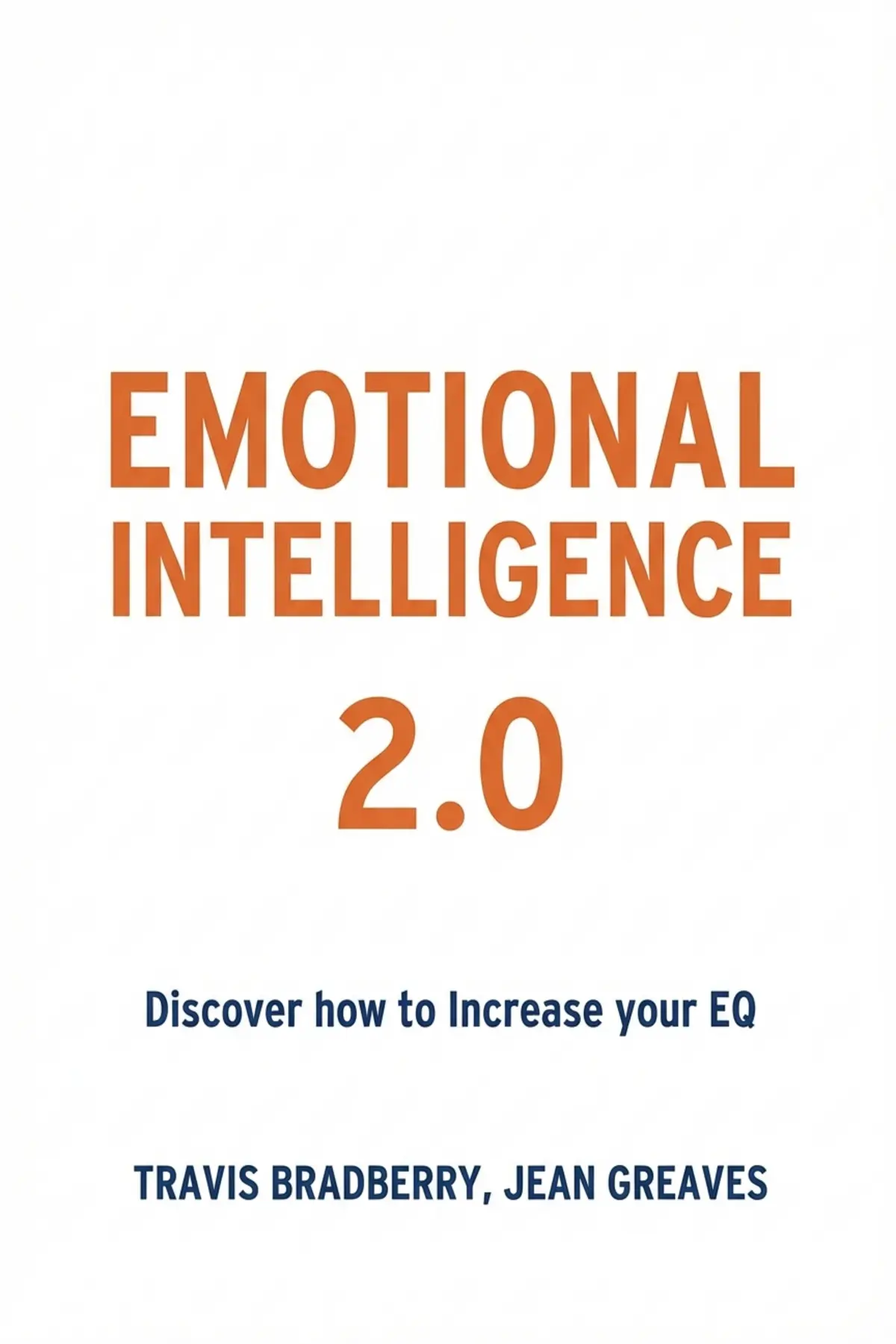
Emotional Intelligence 2.0
Travis Bradberry
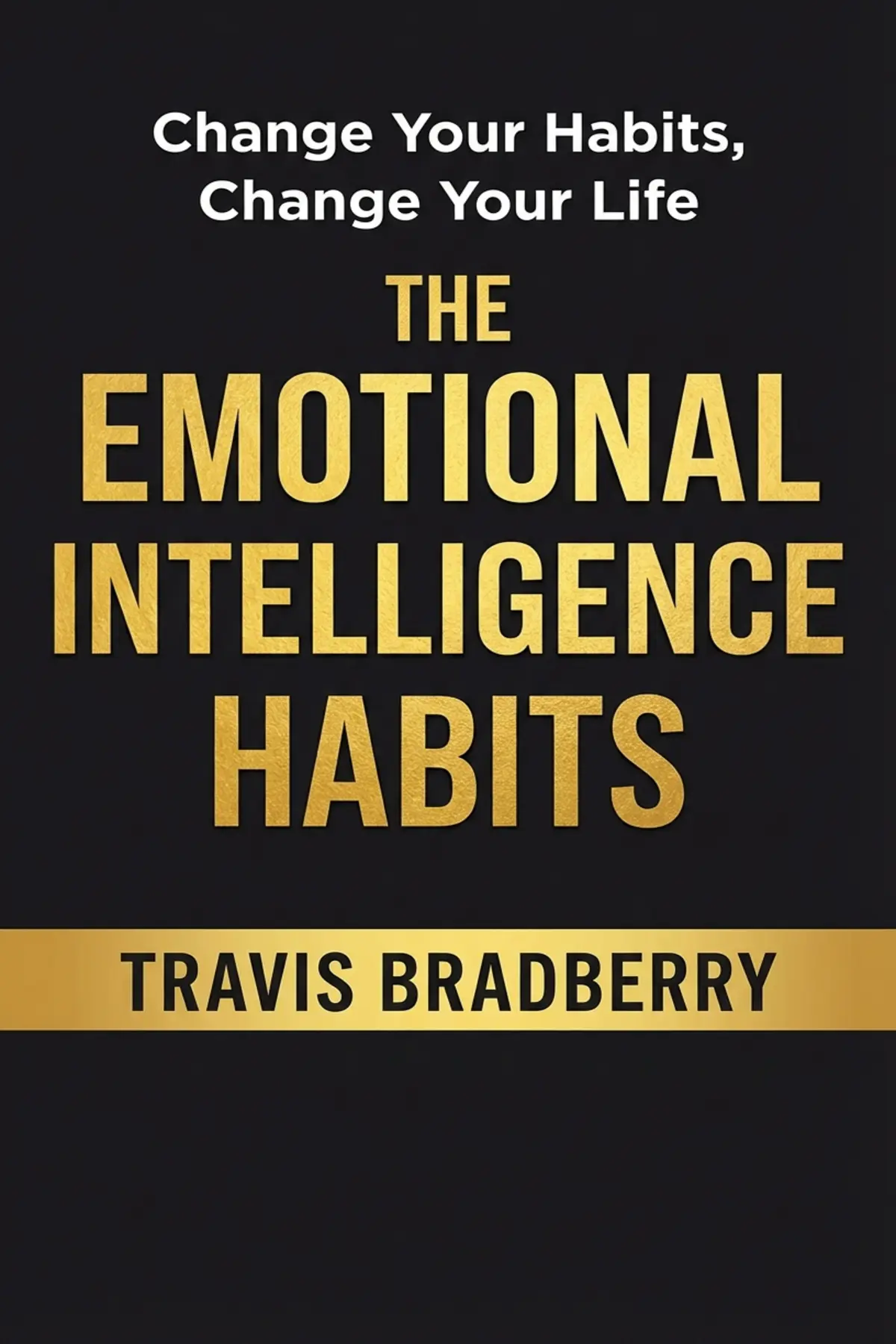
Emotional Intelligence Habits provides a practical roadmap for enhancing self-awareness and social skills. It outlines specific, repeatable behaviors that improve mental clarity, communication, and resilience in both professional and personal spheres.
2 min 12 sec
We often find ourselves looking at individuals who seem to have an invisible advantage. These are the people who navigate the roughest professional waters with calm, maintain deep and lasting relationships, and always seem to have their internal compass pointed in the right direction. It is easy to assume they were simply born with a special gift or a superior intellect, but the reality is much more accessible than that. The secret to their success isn’t a high IQ; it is a high level of emotional intelligence, often referred to as EQ.
Emotional intelligence is the ability to recognize, understand, and manage our own emotions while simultaneously influencing the emotions of others. Those who sit at the pinnacle of their fields aren’t immune to the stressors of life—they don’t live in a world without arguments or anxiety. Instead, they have developed a sophisticated toolkit for handling these inevitable human experiences. They know who they are, and they know how to connect with the world around them in a way that generates respect and results.
In this exploration of Emotional Intelligence Habits, we are going to dive into the core strategies that define the emotionally intelligent overachiever. While there are dozens of habits that contribute to this state of being, we will focus on five foundational pillars: the biological necessity of rest, the deep work of self-discovery, the hidden language of the body, the art of resolving friction, and the essential pursuit of life balance.
What makes this journey so powerful is that EQ, unlike IQ, is flexible. It is a muscle that can be strengthened. By understanding the underlying mechanics of how we think and act, and by applying practical, repeatable exercises, anyone can elevate their performance and their well-being. This isn’t just about being ‘nicer’ or ‘softer’—it’s about becoming more effective, more resilient, and more attuned to the signals that drive human behavior. Let’s begin by looking at the most fundamental, yet often overlooked, requirement for a high-functioning mind.
2 min 47 sec
Discover why your ability to handle complex emotions starts in the bedroom and how specific nighttime routines can dramatically sharpen your cognitive edge.
2 min 43 sec
Learn the vital distinctions between your fixed traits and your flexible skills, and see how identifying your personal default settings can give you a social superpower.
2 min 26 sec
Uncover why more than half of what you say has nothing to do with words and how to use physical cues to build instant rapport.
2 min 22 sec
Explore the ‘sweet spot’ of communication that allows you to stand your ground without creating enemies, and learn a simple one-word swap to end arguments.
2 min 39 sec
Find out why the most successful people in the world view ‘doing nothing’ as a high-performance activity and how to protect your sanity in a high-demand world.
1 min 27 sec
As we have seen, emotional intelligence is not a static trait that you are either born with or without. It is a dynamic collection of habits that can be cultivated through intentional practice and self-reflection. By focusing on the fundamentals—mastering your sleep, understanding your personality, refining your body language, navigating conflict with assertiveness, and maintaining a healthy life balance—you can fundamentally change the way you interact with the world.
The journey toward a higher EQ begins with the small, daily choices you make. It starts with the decision to put your phone away an hour before bed, the effort to use ‘and’ instead of ‘but’ in a heated discussion, and the discipline to take a walk when you feel your stress levels rising. These might seem like minor adjustments, but their cumulative effect is profound. They build a foundation of resilience and clarity that allows you to lead more effectively and connect more deeply.
Remember the throughline: your success is not just determined by what you know, but by how you manage yourself and how you relate to others. Emotional Intelligence Habits provides the framework, but you must provide the consistency. Start today by picking just one of these habits to implement. Notice the shift in your energy, the change in your colleagues’ reactions, and the improvement in your overall sense of well-being. By changing your habits, you truly do have the power to change your life.
Have you ever wondered why some people navigate high-stress meetings and complex social dynamics with effortless grace? The answer isn't a higher IQ—it’s emotional intelligence, or EQ. Emotional Intelligence Habits explores how success is rooted in the way we manage ourselves and our interactions with others. Unlike static traits, emotional intelligence is a set of skills that can be learned and refined through consistent practice. The book promises a transformative shift by focusing on thirty-five specific habits shared by top performers. By mastering areas like physical presence, conflict resolution, and cognitive recovery, you can break through performance plateaus. It serves as a practical guide for anyone looking to foster deeper connections, reduce burnout, and achieve a more balanced, fulfilling life through the power of habit formation.
Travis Bradberry is a leader in the field of emotional intelligence. His previous books, including the Wall Street Journal best seller Emotional Intelligence 2.0, have sold over 3 million copies and are available in more than 150 countries. Bradberry is also the cofounder of TalentSmart, a pioneering provider of emotional intelligence tools and training. He regularly delivers talks to Fortune 500 companies such as Coca-Cola, Microsoft, and Salesforce.
Travis Bradberry
Listeners find the book to be a superb resource that combines theoretical views on emotional intelligence with practical, common sense advice. They also value how it assists in navigating intricate feelings and improves their overall emotional well-being. However, the reliability of the codes draws criticism, with several listeners noting that codes were missing. Feedback on the depth of information is split; one listener considers it very rich, while another feels the material is dense.
Picked this up because I’ve always struggled with social cues in high-stakes meetings. It really hits the sweet spot between academic theory and common-sense advice that we often forget when stressed. I particularly liked the section on how sleep helps the brain clear out toxic proteins; it’s a physical reminder that EQ isn't just about feelings but also about biological health. Some of the advice is definitely bite-sized, which makes it easy to digest on a commute. Gotta say, I'm already noticing a difference in how I approach daily conflicts at the office.
Show moreBradberry has hit the mark again with a guide that feels both accessible and deeply transformative for anyone navigating a corporate environment. The focus on integrity traps—like promoting the wrong people just because they are 'favorites'—really resonated with my recent experiences. It’s refreshing to see an author address the dereliction of duty that occurs when managers choose the easy path over the right one. I found myself taking constant notes in the margins about how to better handle manipulators who try to one-up every problem you share. This isn't just a book you read; it is a manual for better human interaction.
Show moreWow, the section on 'neuronal mirroring' was a total game-changer for my social awareness. I never realized how much my own mood was being dictated by the negative energy of the people I spend the most time with. The book is structured so you don't have to read it linearly, which I appreciate because I could jump straight to the relationship management habits. Some parts felt a little repetitive, almost like a grandpa giving you life lessons over and over, but the core message is vital. It’s practical, actionable, and perfect for a quick morning read to set your mindset for the day.
Show moreAfter hearing so much about the 2.0 version, I decided to dive into this habit-focused sequel and it didn’t disappoint. The practical steps for overcoming motivational challenges and managing stress are explained in a way that actually makes sense for a fast-paced life. I loved the tip about how doing a favor for someone makes them like you more—it’s such a counterintuitive piece of social psychology! The book is engaging, accessible, and provides a clear roadmap for anyone looking to transform their interpersonal skills. It’s a must-read for anyone who feels stuck in their professional relationships.
Show moreEver wonder why some people just seem to 'get' people while others struggle to read the room? Bradberry attempts to bridge that gap by focusing on micro-behaviors rather than just broad psychological theories. In my experience, the most valuable part was the framework for self-management. The book explains that our brains are essentially partying in the limbic system before the rational prefrontal cortex even gets an invite to the conversation. While some of the workplace advice felt a bit geared toward managers, the habits for personal growth are universal. It is a solid, practical guide for anyone wanting to level up their social game.
Show moreThe chapter on managing emotional responses really opened my eyes to how often I let my 'animal brain' take the wheel during disagreements. Personally, I enjoyed the structured format of bite-sized advice pieces because I can only spare about ten minutes of reading time each morning. It covers everything from blue-light blocking glasses for better sleep to the nuance of making eye contact when a group laughs together. While some sections feel a bit like cheesy Instagram quotes, the underlying science about the hippocampus and complaining is legitimately scary. It’s definitely worth a skim if you want to understand your own triggers better.
Show moreFinally got around to finishing this, and while I didn't find every single habit life-changing, the structure is incredibly helpful for busy professionals. The way it breaks down social awareness into actionable micro-behaviors makes the concept of EQ feel much less 'fluffy' and more like a skill you can actually train. Truth is, I preferred the first half which built the framework more than the later chapters that felt a bit like a hodgepodge of self-help tropes. However, the advice on rising at the same time every morning and maintaining work-life balance is timeless. It’s a very rich resource if you take it in small doses.
Show moreAs someone who deals with high-pressure deadlines daily, I appreciated the focus on maintaining balance and the 'and' vs 'but' communication shift. Not gonna lie, I was skeptical about another self-help book, but the emphasis on how technology has made us immune to awe really struck a chord with me. The writing is very direct, almost to a fault, but that makes the strategies easy to implement immediately. I did feel the content was a bit dense in the middle, and I skipped the parts about leadership feedback since they felt a bit repetitive. Still, it’s a valuable tool for sharpening your emotional health and professional toolkit.
Show moreLook, the actual content is decent, but I was frustrated by the paywall-style approach to the EQ test. If you buy a book like this, the assessment should be an integral part of the experience, not a hidden code in an envelope that makes the book unreturnable. That said, the tips on mirroring body language and framing feedback using 'and' instead of 'but' were genuinely useful for my team meetings. It’s a mix of common-sense wisdom and interesting psychological insights. If you can ignore the marketing tactics, there’s value here, but keep your expectations realistic regarding the research depth.
Show moreFrankly, I found the writing style a bit frustrating because the author tends to state a great point and then spend three pages saying the exact same thing in different words. It feels like a very thin premise stretched into a full-length book. While the focus on micro-behaviors is a great concept, I wanted more data or case studies to back up the assertions. Many chapters read like a collection of inspirational slogans rather than a deep dive into behavioral science. It’s not a bad book if you like bite-sized advice, but it lacked the intellectual depth I was hoping for after the hype.
Show more

William B. Irvine

Andrew D. Thompson
Deepak Chopra
Richard Wiseman
AUDIO SUMMARY AVAILABLE
Get the key ideas from Emotional Intelligence Habits by Travis Bradberry, plus 5,000+ more titles in English and Thai.