
24 min 06 sec
Enemies and Neighbors: Arabs and Jews in Palestine and Israel, 1917-2017
By Ian Black
A comprehensive exploration of the hundred-year struggle between Israelis and Palestinians, chronicling how a century of conflict, shifting borders, and failed diplomacy has shaped the identities of two peoples claiming the same land.

Table of Content
1. Introduction
1 min 59 sec
When we look at the modern landscape of the Middle East, specifically the sliver of land between the Jordan River and the Mediterranean Sea, it is often through the lens of the latest news cycle. We see headlines of tension, military operations, and failed summits. But to truly grasp the weight of this struggle, one must look back much further than the current decade. The story of Israelis and Palestinians is not just a political dispute over borders; it is a profound and often tragic narrative of two different peoples whose identities have been forged in the crucible of their relationship with each other and with the land they both call home.
This journey begins over a century ago. In the late 1800s, as empires began to crumble and nationalisms were taking flight across the globe, the seeds of this neighborly enmity were sown. Since then, the region has seen the rise and fall of British colonial rule, the birth of a new state, multiple full-scale wars, and two grassroots uprisings that fundamentally changed the social fabric of the territory.
In recent years, historians have gained access to new archival materials that offer a clearer, more nuanced view of the past, allowing us to fact-check the traditional government narratives that have persisted for generations. What emerges is a story of missed opportunities and persistent friction. It is a chronicle of how an exclusionary attitude toward labor and cultural integration in the early twentieth century set the stage for a century of reprisal.
In this summary, we will walk through the pivotal moments that defined this century of conflict. We will see how the world’s major powers played a role in shaping the destiny of the land, how a refugee crisis transformed the Palestinian identity, and why the promise of peace in the 1990s eventually gave way to the hardening of hearts on both sides. This is more than a history lesson; it is an exploration of why this conflict remains one of the most enduring challenges of the modern era.
2. Early Settlements and the Roots of Exclusion
2 min 00 sec
Long before the official birth of modern states, small shifts in labor and land ownership in the late nineteenth century began to pull neighboring communities apart.
3. The British Mandate and the Escalation of Violence
2 min 04 sec
The end of World War I brought a new colonial power to the region, and with it, a series of promises that would eventually lead to open revolt.
4. The Great Uprising and the First Ideas of Partition
2 min 08 sec
As the Jewish population surged in the 1930s, the Arab community found a new, radical voice, leading to a massive revolt and the first suggestion of dividing the land.
5. The War of 1948 and the Birth of a Catastrophe
2 min 15 sec
The withdrawal of the British led to a full-scale war that would result in the birth of the state of Israel and the permanent displacement of hundreds of thousands.
6. The Era of Dispossession and the Rise of the PLO
2 min 00 sec
In the decades following the 1948 war, the Palestinian people struggled to maintain their identity under military rule and in exile, eventually finding a voice through new political movements.
7. The Six-Day War and the Reality of Occupation
2 min 06 sec
A lightning-fast military victory in 1967 gave Israel control over vast new territories, but it also brought millions of Palestinians under its direct administrative rule.
8. The First Intifada and the Turn to Diplomacy
1 min 54 sec
A spontaneous grassroots uprising in the late 1980s forced both the PLO and Israel to reconsider their strategies, leading to a historic move toward a two-state solution.
9. The Oslo Accords and the Fragility of Hope
1 min 56 sec
In the 1990s, secret negotiations led to a historic handshake on the White House lawn, promising a path to peace that would soon be derailed by extremism.
10. The Second Intifada and the Rise of Hamas
1 min 59 sec
The failure of the peace process in the early 2000s led to a much more violent uprising, characterized by religious nationalism and a hardening of borders.
11. A Managed Tragedy and the Uncertain Future
1 min 54 sec
The modern era of the conflict has been defined by recurring wars in Gaza and a deepening divide, leaving both sides in a state of seemingly permanent friction.
12. Conclusion
1 min 51 sec
In looking back over the hundred-year journey of Israelis and Palestinians, we see a landscape that has been perpetually reshaped by the forces of nationalism, displacement, and the persistent failure of diplomacy. From the first agricultural colonies of the 1880s to the modern, high-tech state of Israel and the fragmented territories of the West Bank and Gaza, the story is one of incredible resilience on both sides, but also of profound suffering. The central throughline of this history is the collision of two valid, but often mutually exclusive, national aspirations.
We have seen how early decisions by colonial powers and the exclusionary policies of the early settlers created a foundation of mistrust that was only deepened by the wars of 1948 and 1967. The rise of the PLO and the eventual shift toward the Oslo Accords provided a fleeting glimpse of a different future, but that hope was ultimately overtaken by internal divisions, the expansion of settlements, and the rise of religious extremism. Today, the conflict remains a ‘managed tragedy,’ a cycle of violence and reprisal that seems to have no clear exit.
However, the ultimate lesson of this history is not just one of despair. It is a reminder that the current reality is not an accident of nature, but the result of specific human choices. If the conflict was built by people, it can also be resolved by people. The actionable takeaway from this century of struggle is the need for a deep, mutual recognition of the other side’s history and humanity. For any lasting peace to take root, both Israelis and Palestinians must find a way to acknowledge the trauma of their neighbors without negating their own. As long as there are those who continue to work across the divide, refusing to be enemies, the possibility of a shared and peaceful future remains alive, however distant it may seem.
About this book
What is this book about?
This summary provides a deep dive into the complex history of the Israeli-Palestinian conflict, beginning in the late nineteenth century and spanning through the hundred years that followed. It moves beyond simple headlines to examine how the arrival of Jewish settlers and the eventual establishment of the state of Israel fundamentally altered the landscape of the Middle East, while simultaneously giving rise to a distinct Palestinian national consciousness. The narrative traces the transition from the British Mandate era and the pivotal wars of 1948 and 1967 to the rise of resistance movements like the PLO and Hamas. By examining the collapse of the Oslo peace process and the recurring cycles of violence in Gaza and the West Bank, it offers a sobering look at how both sides have become entrenched in their positions. Ultimately, it promises to clarify the historical roots of current tensions, showing how the search for peace has been repeatedly hampered by deep-seated trauma and political fragmentation.
Book Information
About the Author
Ian Black
Ian Black was a highly regarded British journalist, author, and Middle East expert. He is widely recognized for his distinguished career at the Guardian, where he occupied several key roles, including Middle East editor, diplomatic editor, and Jerusalem correspondent. Throughout his decades of reporting, Black earned a reputation for blending astute political analysis with the meticulous attention to detail typically reserved for historians, covering everything from major military conflicts and diplomatic summits to the intricacies of daily life across Israel and the Arab world.
Ratings & Reviews
Ratings at a glance

What people think
Listeners find the work extensively documented and skillfully composed, moving at a solid pace while shedding light on the struggle. Furthermore, the political subject matter is well-received; one listener points out that it delivers a superb survey of the political maneuvers. The text also champions the Palestinian side while maintaining a fair outlook. On the other hand, views vary on its readability and neutrality, as some consider it excellent while others characterize it as biased and unreadable.
Top reviews
Mo
Ian Black has accomplished something truly monumental here by condensing a century of heartbreak into a single, readable volume. The book tracks the conflict from the 1917 Balfour Declaration all the way to the 2017 era of Trump, providing a necessary perspective on how we reached this current deadlock. I was particularly struck by the inclusion of personal voices from both sides, which adds a layer of humanity often lost in dry political textbooks. The pacing is excellent for a 500-page history. Every chapter feels vital. It is a depressing journey, sure, but a necessary one for anyone who wants to understand the 'irrepressible conflict' mentioned in the Peel Commission report. This isn't just about dates; it’s about the soul of two peoples claiming the same small patch of earth.
Show moreTen
Detailed, sprawling, and deeply sobering. Black perfectly captures that famous Arthur Koestler quote about one nation promising the land of a third to a second. The way he weaves together the 1937 Peel Report, the Oslo Accords, and the rise of the Likud party is masterful. I’ve read a lot on this subject, but the nuances of Arafat’s leadership and the shifting Israeli security mindset were explained here with fresh clarity. It is hard to read about the suicide bombings of the early 2000s followed immediately by the construction of the separation wall, yet Black handles these volatile topics with a steady hand. Is it biased? Perhaps slightly, but in a conflict this polarized, every 'fact' is a battleground. This is as close to a comprehensive overview as you are likely to find.
Show morePrinya
As someone who has struggled to find a single-volume history that feels complete, this is a godsend for any serious student of the region. Black manages to be both a meticulous historian and a compelling storyteller, which is a rare feat in this genre. He doesn't shy away from the 'horrors of the ongoing occupation,' nor does he ignore the internal divisions within both the Palestinian and Israeli camps. The way he juxtaposes the rhetoric of the Balfour Declaration with the reality of the 1948 Nakba is particularly powerful. Personally, I think the book is balanced because it makes everyone feel a little bit uncomfortable. It forces you to confront the reality that there is no easy solution and that both sides have valid reasons for their mutual mistrust. A triumph of reporting.
Show moreKrisada
Finally, a comprehensive look at the region that doesn't shy away from the gritty political details or the human cost of a hundred-year war. Black’s ability to jump from the high-level diplomacy of the UN to the donkey carts of Gaza is what makes this book special. He captures the 'implacable hideous inevitability' of the conflict perfectly. I was especially impressed with the later chapters covering the 2014 Gaza war and the shift in international perception of the conflict. The book is heavily documented, yet it moves with the pace of a thriller, even when you already know the tragic ending. It’s an authoritative, sobering, and brilliantly executed history that should be required reading for anyone interested in why peace remains so elusive.
Show moreFatima
Picked this up after seeing it on a few 'must-read' lists for the Middle East, and I was mostly impressed. The level of detail regarding the British Mandate period and the subsequent 1948 and 1967 wars is staggering. Black does a fine job illustrating the political machinations of the UK and the US without losing sight of the people on the ground. My only minor gripe is that the book can feel a bit like a dense listing of facts at times, which might slow down casual readers. Still, the scholarship is evident on every page. It provides a much-needed counter-narrative to the simplified versions of this history we often get in the West. If you want a deep dive into the complexities of the occupation and the failure of the peace process, this is your book.
Show moreGift
How do you even begin to summarize a century of bloodshed and broken promises? Black attempts it by focusing on the 'neighbors' aspect—the proximity that makes the enmity so much more intimate and painful. The book shines when it analyzes the 1990s peace process and why it ultimately collapsed into the tragedy of the Second Intifada. Frankly, I found the earlier chapters on the Ottoman period and early Jewish immigration to be the most enlightening, as they set the stage for everything that followed. Some might find his critiques of Israeli policy harsh, but he backs his assertions with a wealth of primary sources. It’s an essential, if exhausting, read that successfully illuminates the political maneuvers that have kept this region in a state of perpetual war.
Show morePranee
The sheer depth of research in these 600-odd pages is staggering, yet the prose remains surprisingly accessible. I appreciated how Black didn't just focus on the 'great men' of history like Ben-Gurion or Arafat, but also looked at how ordinary citizens perceived the changing landscape. The chapter on the 1967 war and its aftermath was particularly illuminating for me. It shows how the occupation transformed from a temporary measure into a permanent, suffocating reality. While I think he could have spent more time on the internal Jewish debates regarding security and survival, the book still feels like a massive achievement. It’s a dense, challenging work that demands your full attention, but the payoff is a much more sophisticated understanding of the news today.
Show moreNarongrit
After hearing so much about the 'impartiality' of this book, I had to see for myself if it lived up to the hype. It mostly does. Black provides a gritty, unvarnished look at the 1980s and 90s, particularly the rise of Hamas and the tragic failure of the Oslo Accords. His description of the 'logic' behind the violence on both sides is chilling. One moment you're reading about the Deir Yassin massacre, and the next, you're looking at the retaliatory strikes that have defined the last twenty years. The book ends on a very pessimistic note in 2017, which feels entirely appropriate given the current state of affairs. It’s not an easy read by any means, but it’s an important one for anyone tired of the superficial takes often found on social media.
Show moreBae
Look, I really wanted to like this more given the high praise it receives in academic circles. While the writing is undeniably fluid and the historical structure is easy to follow, the author’s background as a Guardian writer seems to bleed through the pages. I was seeking a truly neutral analysis, but this felt tilted toward the Palestinian narrative at the expense of Jewish historical context. For example, the roots of Zionism are framed more as colonial nostalgia than a desperate flight from European pogroms. To be fair, the research is expansive and the documentation is top-notch. However, the emotional weight is distributed unevenly, making it a frustrating read for anyone hoping for a perfectly balanced scale. It’s a good book, just not the definitive, unbiased account it claims to be.
Show moreCooper
To be fair, the prose is elegant and the timeline is exceptionally well-organized, but I couldn't shake the feeling of a distinct narrative slant. The author seems to humanize the Palestinian 'martyrs' with vivid personal details while often reducing Israeli casualties to mere statistics. For instance, the descriptions of the 2003 Haifa restaurant bombing felt strangely clinical compared to the evocative stories of Palestinian families losing their land. It’s a shame, because the political analysis of the 1930s and 40s is actually quite brilliant. If you read this alongside something like 'My Promised Land' by Ari Shavit, you’ll get a better-rounded picture. On its own, it feels like a very well-written piece of advocacy disguised as a neutral history. Useful, but read it with a critical eye.
Show moreReaders also enjoyed
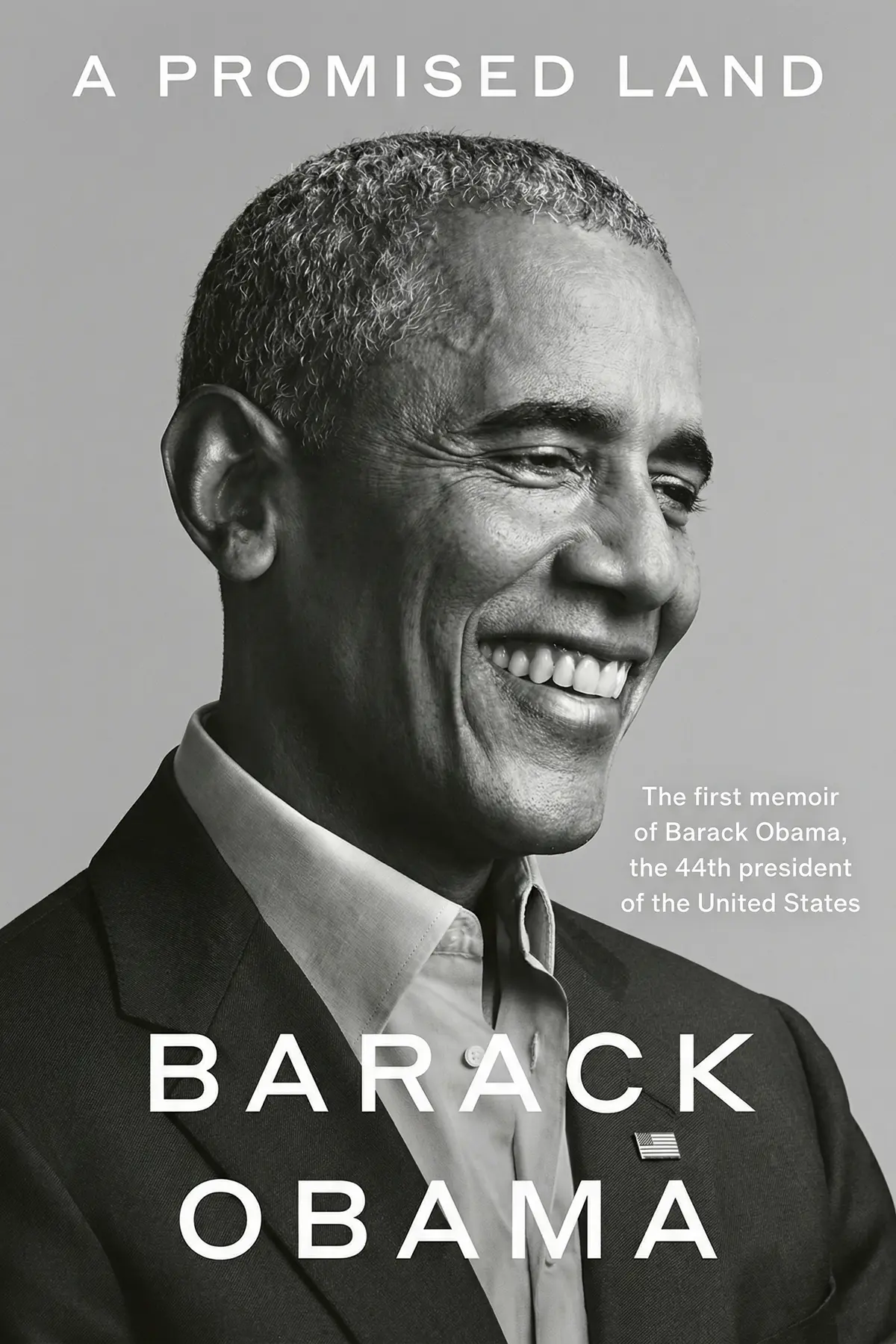
A Promised Land
Barack Obama
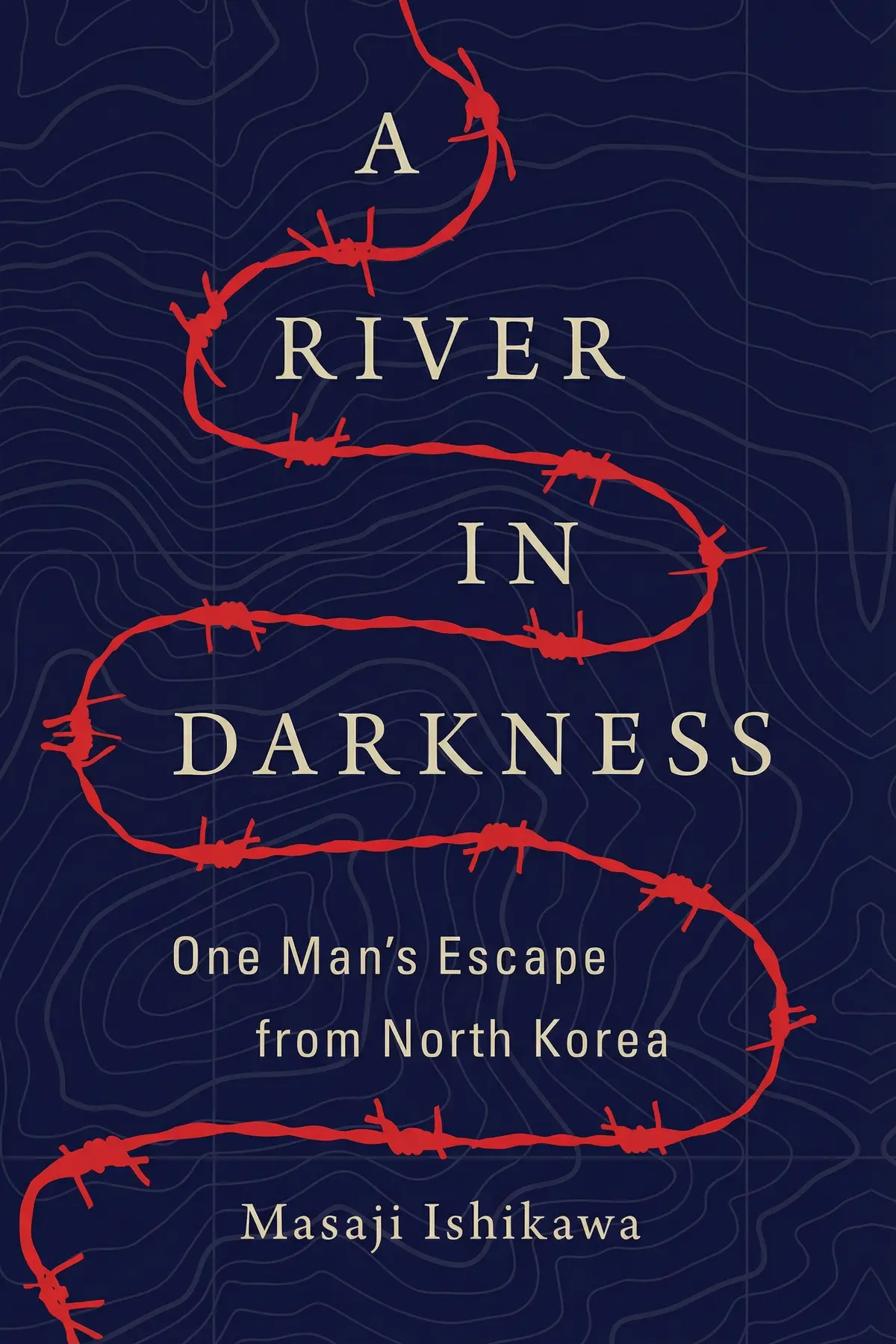
A River in Darkness: One Man’s Escape from North Korea
Masaji Ishikawa
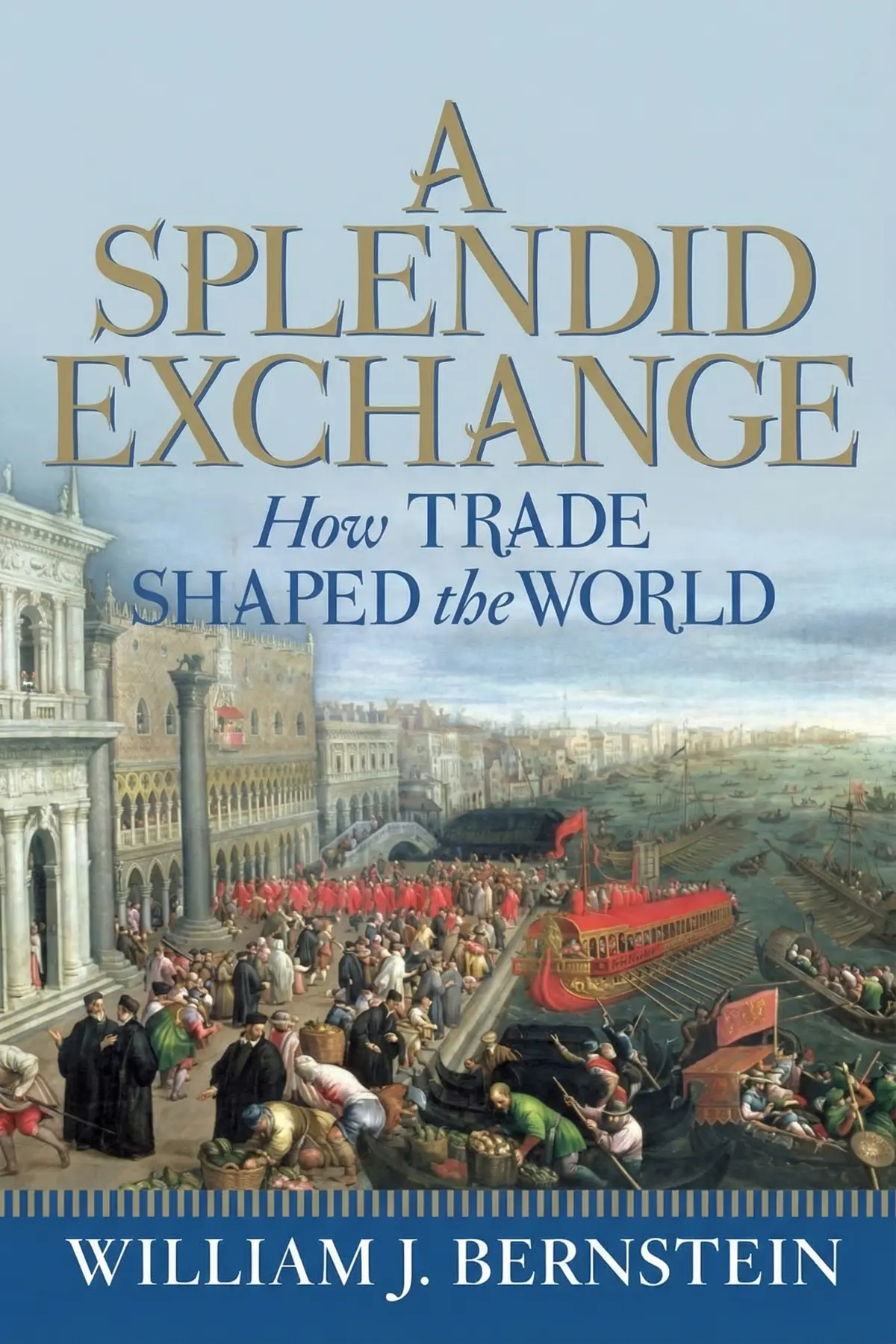
A Splendid Exchange: How Trade Shaped the World
William J. Bernstein
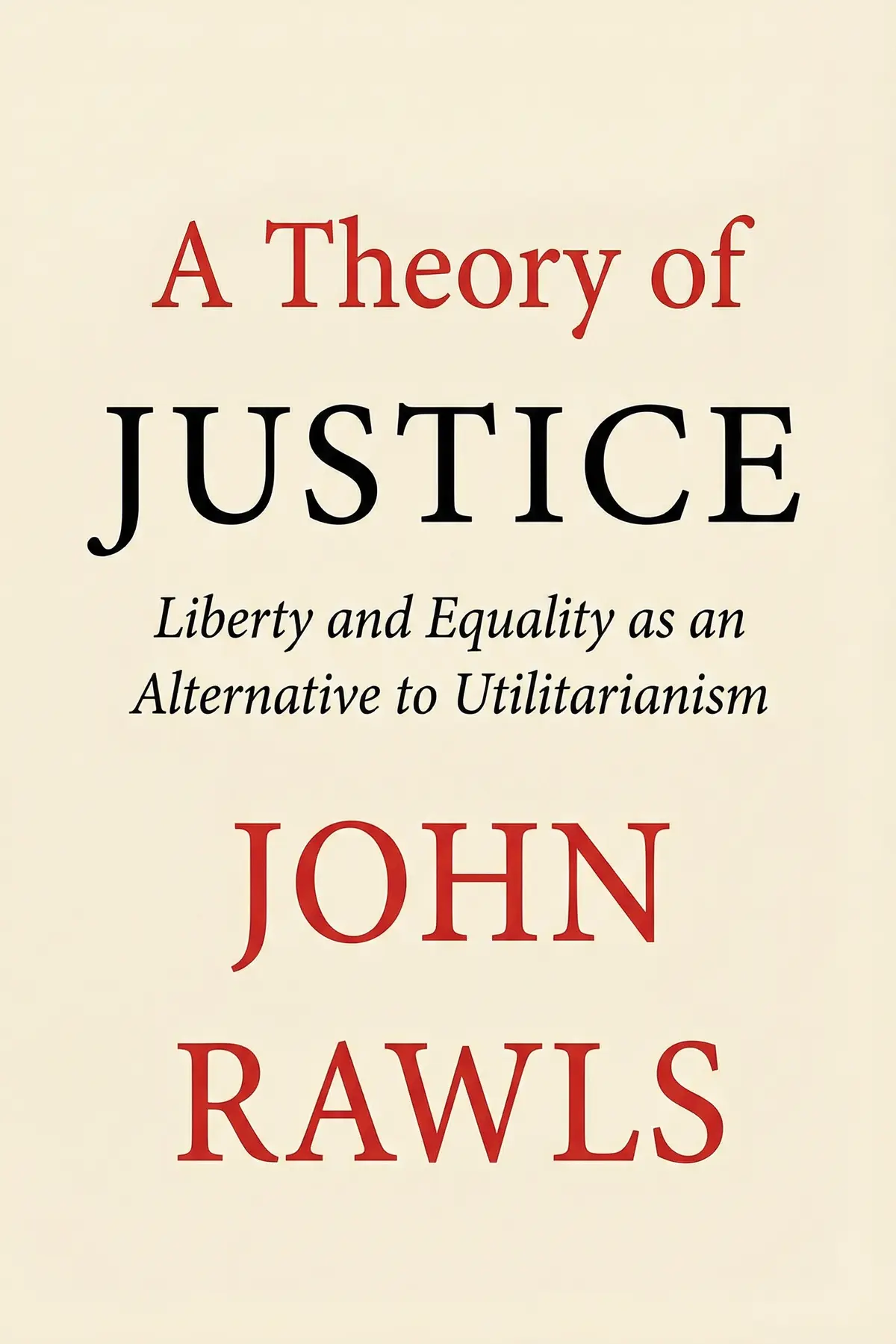
A Theory of Justice
John Rawls
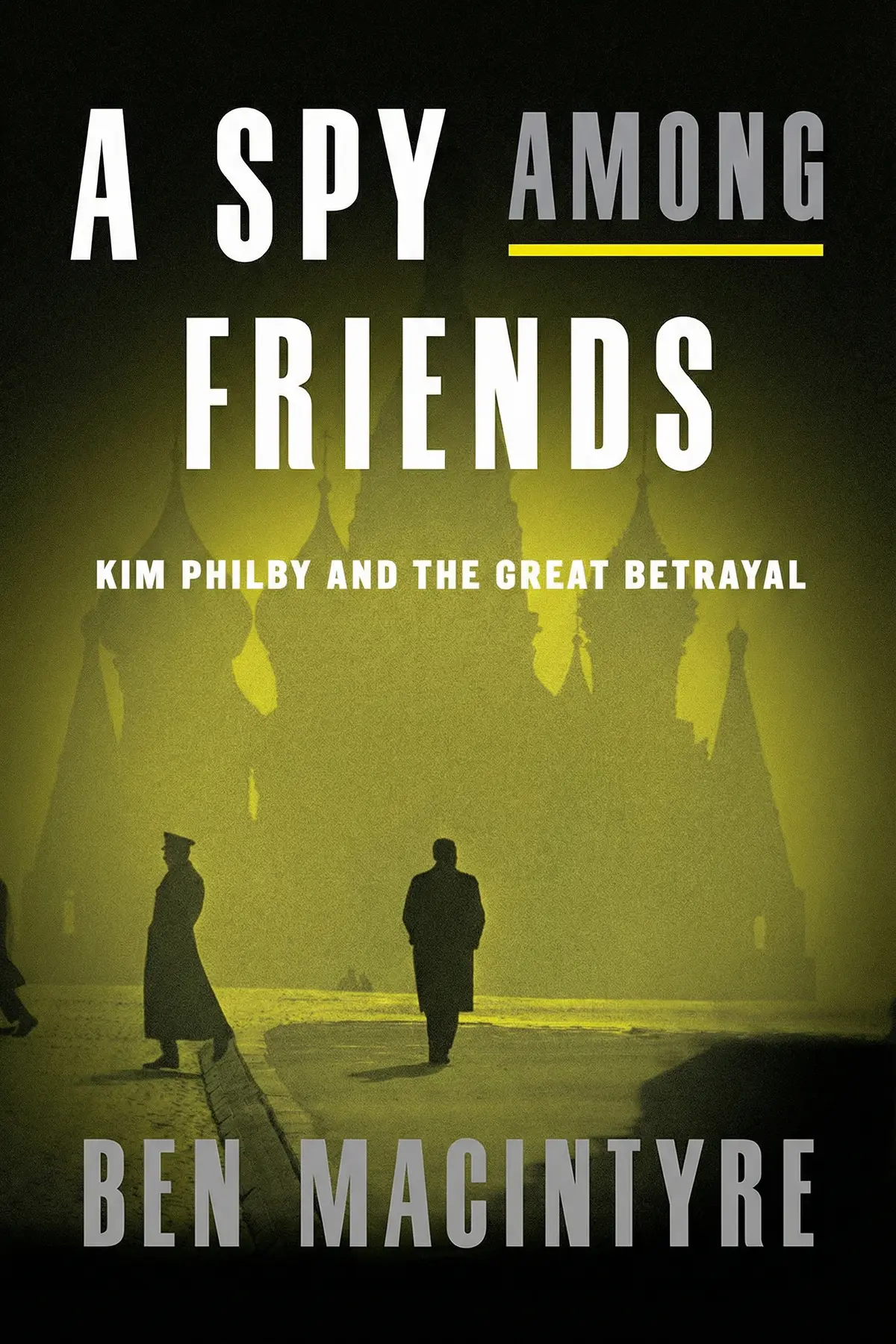
A Spy Among Friends: Philby and the Great Betrayal
Ben Macintyre

AUDIO SUMMARY AVAILABLE
Listen to Enemies and Neighbors in 15 minutes
Get the key ideas from Enemies and Neighbors by Ian Black, plus 5,000+ more titles in English and Thai.
- 5,000+ titles
- Listen as much as you want
- 7-day free trial
- Cancel anytime







