
26 min 31 sec
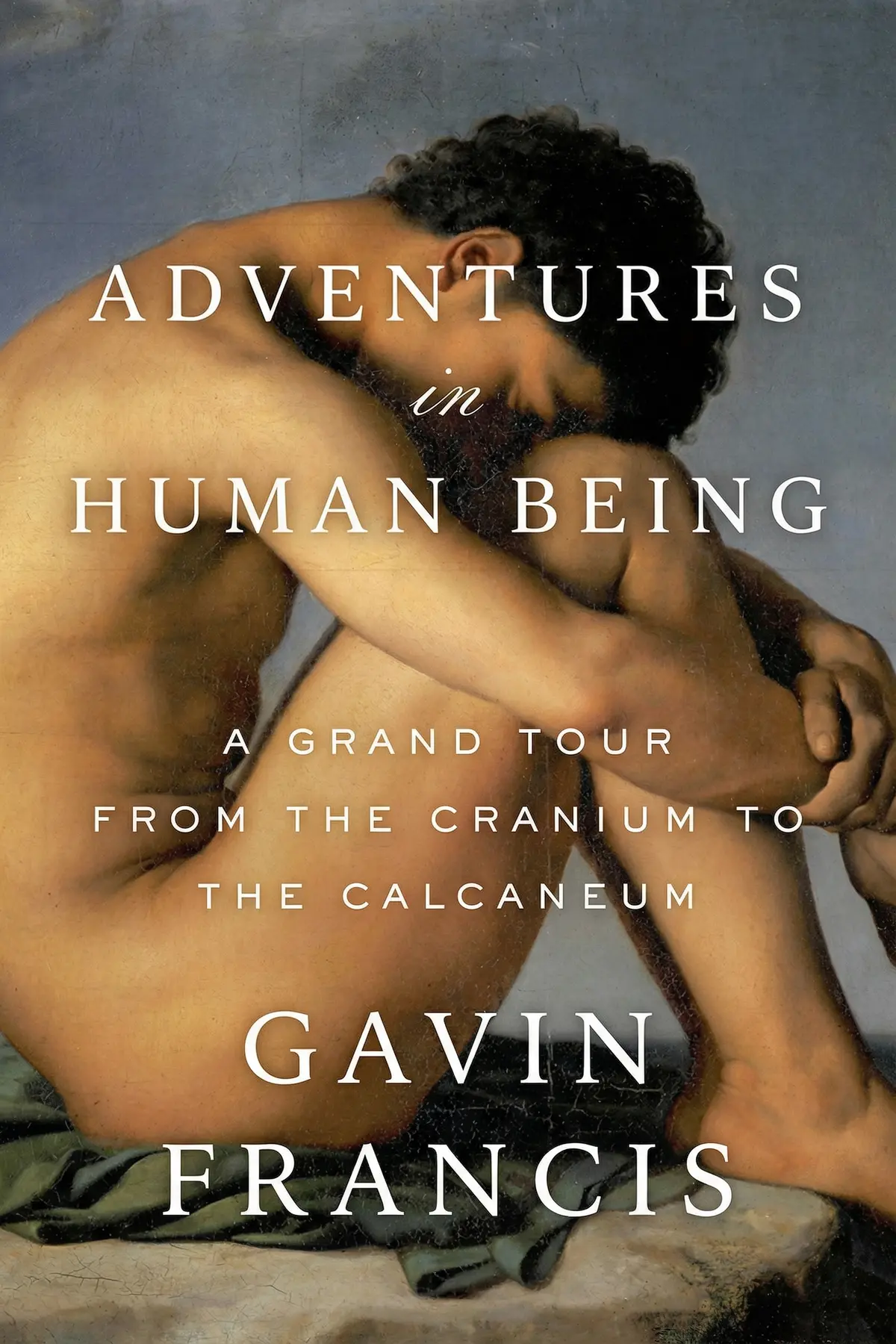
Entangled Life: How Fungi Make Our Worlds, Change our Minds and Shape Our Futures
An immersive exploration of the fungal kingdom, revealing how these often-overlooked organisms connect all life on Earth and offer groundbreaking solutions for our planet's most pressing environmental challenges.
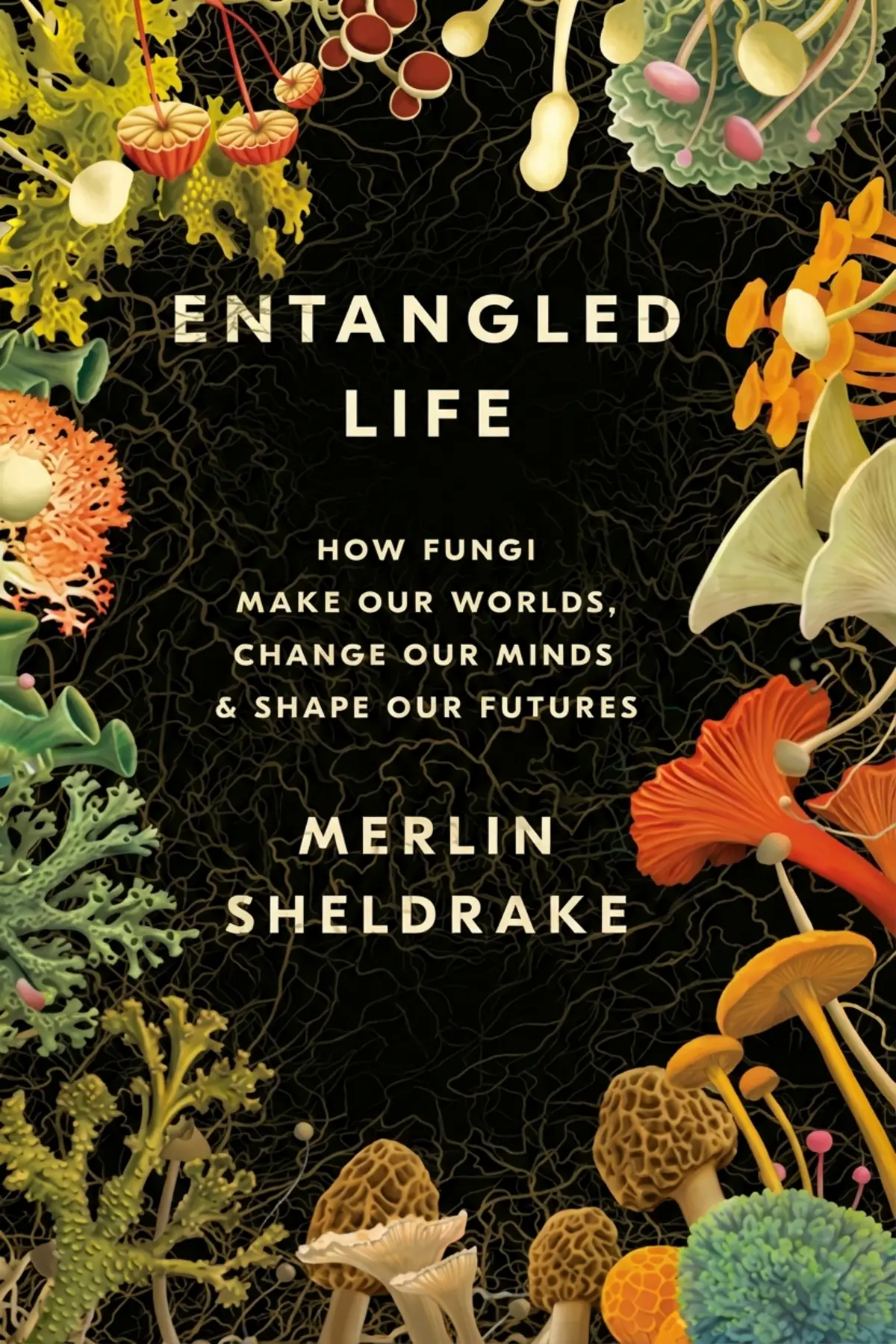
Table of Content
1. Introduction
1 min 51 sec
When you think about the natural world, your mind likely jumps to the visible giants: the towering oaks, the vast grasslands, or the diverse animals that roam the plains. But beneath every step you take, and within almost every living thing you see, lies a hidden kingdom that is just as vital—and perhaps even more mysterious. This is the world of fungi. While most of us only notice fungi when a mushroom pops up after a rainstorm or when mold appears on a piece of bread, these organisms are far more than just decomposers or culinary ingredients. They are the invisible thread that stitches the tapestry of life together.
In this exploration of Merlin Sheldrake’s work, we are going to dive deep into the fungal realm to understand why these organisms are so much more than they appear. We often overlook fungi because they don’t fit neatly into our categories of ‘plant’ or ‘animal.’ They inhabit a middle ground, operating through vast underground networks that can span miles, yet they remain largely out of sight. They are the architects of the soil, the primary communicators of the forest, and the chemical wizards that can alter the minds of insects and humans alike.
Throughout this journey, we will see how fungi challenge our most basic assumptions about what it means to be an individual and what it means to be intelligent. We’ll look at how they’ve shaped the history of our planet—literally enabling the first plants to survive on land—and how they might hold the key to our environmental future. From the intoxicating scent of truffles to the ‘zombie’ fungi that hijack the bodies of ants, the stories within this kingdom are as strange as they are significant. By the end, you’ll see that the world isn’t just a collection of separate organisms; it is a massive, entangled system, and fungi are the ones holding the connections.
2. Challenging Notions of Intelligence and Identity
2 min 56 sec
Discover how a brainless slime mold can outsmart urban planners and why the structure of mycelium forces us to rethink what it means to be an individual.
3. The Language of Aroma and Attraction
2 min 47 sec
Fungi have mastered a chemical vocabulary of scent to manipulate animals, plants, and even humans to ensure their survival and reproduction.
4. Lichens and the Power of Symbiosis
2 min 58 sec
Lichens are not just single organisms but radical partnerships that prove life can thrive in the most hostile environments by working together.
5. Fungi as Chemical Architects of the Mind
3 min 07 sec
Explore the eerie world of ‘zombie’ ants and the ancient history of psychedelic mushrooms to see how fungi manipulate behavior for their own ends.
6. The Ancient Alliance That Greened the Earth
2 min 45 sec
Life on land wouldn’t exist without an ancient deal between fungi and algae that allowed the first plants to survive outside of the water.
7. Navigating the Wood Wide Web
2 min 47 sec
Beneath the forest floor lies a complex social network where trees share resources, send warnings, and even harbor fungal hackers.
8. Fungal Economics and Cultural Lenses
2 min 46 sec
Does the underground network operate like a cutthroat capitalist market or a supportive socialist society? How we view fungi says more about us than them.
9. Fungi as the Key to an Environmental Future
2 min 50 sec
From eating plastic to building carbon-neutral homes, fungi offer a suite of radical solutions to help us repair our damaged planet.
10. Conclusion
1 min 44 sec
The world of fungi is a reminder that we are never truly alone and that no organism exists in a vacuum. As we have seen throughout this journey, fungi are the invisible architects of our world, from the ancient partnerships that allowed plants to colonize the land to the modern networks that keep our forests healthy and our atmosphere stable. They challenge our ideas of what it means to be intelligent and push us to reconsider the very boundaries of our own identity. They are creatures of connection, thriving on the relationships they build with trees, animals, and even us.
Looking ahead, the potential for fungal collaboration is one of the most exciting frontiers in science and ecology. By harnessing their natural abilities to decompose waste and create new materials, we have a chance to address some of the most daunting environmental challenges of our time. But perhaps the greatest lesson we can take from the fungal kingdom is a shift in perspective. Fungi teach us that life is ‘entangled’—that every living thing is part of a larger, reciprocating system.
The next time you see a mushroom in the grass or smell the damp, earthy air of a forest, take a moment to consider the vast, pulsing network beneath your feet. It is a world of constant communication, ancient wisdom, and radical cooperation. By learning to listen to the language of fungi and respecting the vital role they play, we can find better ways to live in harmony with the planet. The future of our world may not be found in a new machine or a cold algorithm, but in the soft, persistent growth of a mycelial thread, weaving us all together into a more resilient whole.
About this book
What is this book about?
This summary dives deep into the mysterious and multifaceted world of fungi, moving beyond the simple mushroom to uncover a hidden network that sustains life as we know it. It explores how fungi challenge our definitions of intelligence and individuality, demonstrating that even brainless organisms can solve complex puzzles and create vast, efficient networks. Readers will learn about the ancient partnership between fungi and plants that allowed life to colonize land hundreds of millions of years ago, and how this relationship continues to regulate our atmosphere today. The book also covers the intriguing ways fungi interact with human and animal consciousness, the potential for fungi to consume toxic waste and plastic, and the revolutionary possibilities of fungal-based building materials. It is a journey into the 'wood wide web' that promises to change how you perceive the natural world.
Book Information
About the Author
Merlin Sheldrake
Merlin Sheldrake is a distinguished fungal biologist who earned his PhD in tropical ecology from Cambridge University. His academic research has focused extensively on fungal biology and the historical context of Amazonian ethnobotany. Beyond his scientific pursuits, Sheldrake is a multi-talented individual with passions for music, brewing, and fermentation, bringing a unique and creative perspective to the study of natural systems.
Ratings & Reviews
Ratings at a glance
What people think
Listeners find this work both immersive and thoroughly documented, commending its enthralling mix of scientific facts and intriguing viewpoints on the world of fungi. The prose is lauded for making intricate scientific ideas easy to grasp, while the narrative keeps audiences hooked. Listeners value the way the title examines modern ecology and offers a deeper insight into the natural world, with one listener mentioning how it plunges into scholarly depths.
Top reviews
Adam
Ever wonder what's actually happening under your feet while you're hiking through the woods? Sheldrake’s exploration of the 'wood wide web' is nothing short of a revelation for the casual nature lover. To be fair, I had no idea that fungi were more closely related to animals than plants until I cracked this open. The author manages to demystify intricate ecological interactions without losing the sense of wonder that makes the subject so captivating. I was particularly fixated on the way mycelial networks seem to 'compute' decisions about where to grow. It is a harmonious fusion of biological data and lyrical storytelling that forces you to reconsider the very definition of intelligence. Truly, this book changed how I look at every patch of dirt I pass.
Show moreRatree
Wow, this was a mind-bending journey into a kingdom I previously took for granted. Before reading this, I thought mushrooms were just pizza toppings or occasional forest oddities. Sheldrake reveals a hidden world of 'gun cells' and zombie-ant fungi that feels more like science fiction than reality. His writing style is remarkably clear, successfully unravelling complex scientific concepts like mycorrhizal symbiosis for someone without a Ph.D. I loved the physical book itself too, especially knowing the illustrations were drawn using ink from shaggy ink cap mushrooms. It feels like the author is deeply entangled with his subject matter in a way that is infectious for the reader. If you want to understand the future of sustainable materials, like mycelial bricks, you need to read this.
Show moreSven
The illustrations alone, drawn with ink from shaggy ink cap mushrooms, make this book a treasure for any nature lover. Sheldrake has a gift for making the invisible visible, leading us through the dark, damp world of mycelium with the enthusiasm of a pioneer. I was stunned by the fact that fungi have been shaping the planet for over two billion years. The way he describes the symbiotic relationship between plants and fungi—where fungi essentially acted as roots before plants evolved them—is a masterclass in science writing. It is an engaging, well-researched, and ultimately humbling look at how much we rely on organisms we barely understand. This isn't just a book about mushrooms; it’s a book about the interconnectedness of all life.
Show moreMilk
Finally got around to reading this, and Sheldrake’s ability to unravel complex ecological concepts is unparalleled. He takes the reader from the microscopic level of hyphae to the massive scale of the 'wood wide web' without ever losing the narrative thread. I was especially impressed by the discussion on how fungi could revolutionize our manufacturing industries through myco-fabrication. Using mushrooms to grow leather or building materials is the kind of cutting-edge ecology the world needs right now. The book is well-researched, citing everything from ancient lava flow fossils to modern lab experiments on electrical impulses in mycelium. It’s a captivating blend of science and a fascinating perspective on the future of our planet. Definitely one of the best popular science books I've read in years.
Show moreCherry
As a biology enthusiast, I found Sheldrake’s exploration of fungal networks both enlightening and occasionally distracting. The science is undeniably pioneering, especially the sections detailing how fungi facilitate nutrient exchange between trees. However, I have to admit that the author’s tendency to wander into philosophical territory sometimes felt like a detour from the hard data I was craving. His personal anecdotes, like the story about stealing apples from Newton’s tree for cider, felt a bit juvenile for a professional academic. That said, the section on Paul Stamets and the history of mycology was brilliant. The truth is, even with the meandering prose, the sheer volume of fascinating facts makes this a worthwhile addition to any science shelf. It’s a solid look at the fungal frontier.
Show moreSomsri
Picked this up on a whim and ended up completely re-evaluating my place in the ecosystem. Sheldrake’s prose is very readable, though he does have a tendency to anthropomorphize fungal behavior more than some scientists might be comfortable with. Look, I get that he’s trying to make the subject accessible, but I found the linguistic debates a bit long-winded at times. Regardless, the chapters on how fungi can break down toxic waste and even radioactive material are absolutely fascinating. It’s a gripping look at how mycology might help us manage pollution and replace plastic with more sustainable mycelium fabrics. While the tone is almost spiritual at points, the underlying research into the academic world of mycology is clearly robust and deeply felt.
Show moreEnd
To be fair, I went into this expecting a dry textbook but found a lyrical meditation on symbiosis instead. Truth is, I was a bit miffed by how Sheldrake treated Beatrix Potter’s contributions regarding lichen, but that was my only major gripe. The rest of the book is a staggering display of how fungi make our world possible. The description of how nematode-eating fungi use tiny nooses to hunt is something I won't soon forget. Sentence by sentence, the book builds a case for fungi as the ultimate survivors and collaborators of the natural world. It’s an informative and thought-provoking read that bridges the gap between hard science and environmental philosophy beautifully. I'd recommend it to anyone who likes their science with a side of wonder.
Show moreBae
Look, I’m no scientist, but the way this book describes mycelial 'computation' is absolutely wild. Sheldrake makes a compelling case for fungal intelligence, even if he does get a little 'woo-woo' during the chapters on psilocybin. The truth is, the book is at its best when it sticks to the bizarre biological realities of things like the split gill fungus and its twenty-three thousand mating types. It’s an engrossing read that moves quickly, though some of the philosophical sections did feel like they were written while the author was under the influence of his subject matter. Still, for a layman, this is a perfect entry point into a world that is usually locked away in academic journals. It's informative, weird, and mostly wonderful.
Show moreHang
After hearing Merlin Sheldrake speak on a podcast, I knew I had to dive into his written work. The book is a fascinating glimpse into the world of all things fungi, from the truffles hidden in the forest floor to the yeast in our bread. Personally, I found the stories about fungal parasites that hijack insect brains to be the most alluring details in the whole volume. He writes with a clarity that keeps you fixated, even when discussing things as abstract as the 'experience' of a mushroom. While I think he could have been more critical of some of the speculative theories he presented, the overall impact is undeniable. It provides a much greater understanding of nature and the hidden networks that sustain our entire existence.
Show moreSuvannee
Frankly, I found the narrative structure of this book incredibly frustrating compared to the actual science presented. While the chapters on fungal parasites and the history of lichen were genuinely informative, they were buried under layers of aimless philosophical musing. I wanted more biology and less of Sheldrake’s personal journey or his thoughts on what fungi 'might' mean for human consciousness. To be honest, the chapter on psychedelics felt like a retread of Michael Pollan’s recent work without adding much new perspective from a biological standpoint. Also, his dismissive mention of Beatrix Potter’s early theories felt unfair given the historical context of women in science. It is a decent introduction to mycology, but you might find yourself skimming the fluff to get to the real meat.
Show moreReaders also enjoyed
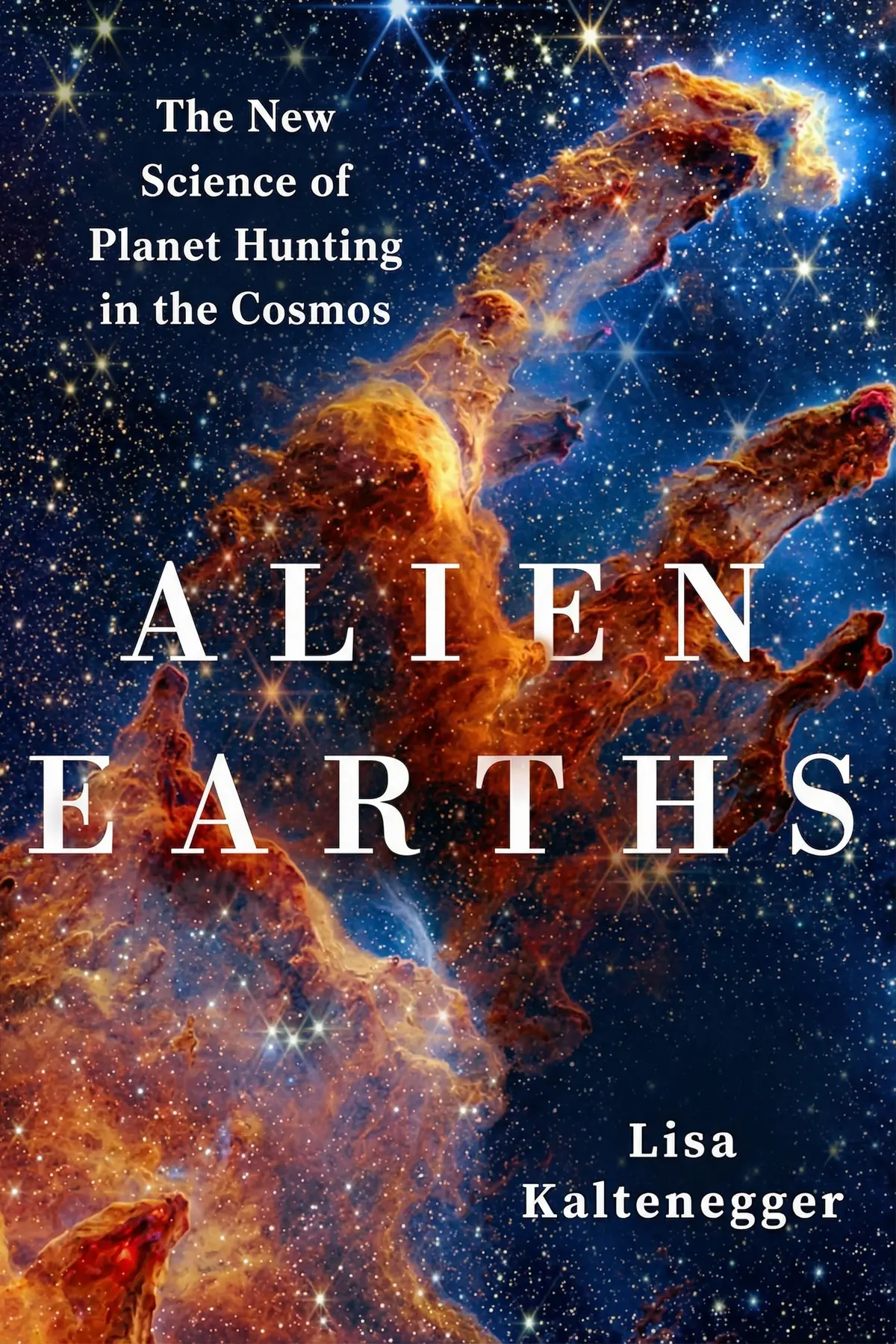
Alien Earths: The New Science of Planet Hunting in the Cosmos
Lisa Kaltenegger
A Life Decoded: My Genome: My Life
J. Craig Venter
A Planet of Viruses
Carl Zimmer
AUDIO SUMMARY AVAILABLE
Listen to Entangled Life in 15 minutes
Get the key ideas from Entangled Life by Merlin Sheldrake, plus 5,000+ more titles in English and Thai.
- 5,000+ titles
- Listen as much as you want
- 7-day free trial
- Cancel anytime







