
16 min 17 sec
Essays In Persuasion
John Maynard Keynes’s foundational essays analyze the economic turmoil of the early twentieth century and propose a revolutionary managed capitalism that continues to influence modern policy, international stability, and our vision of a balanced future.
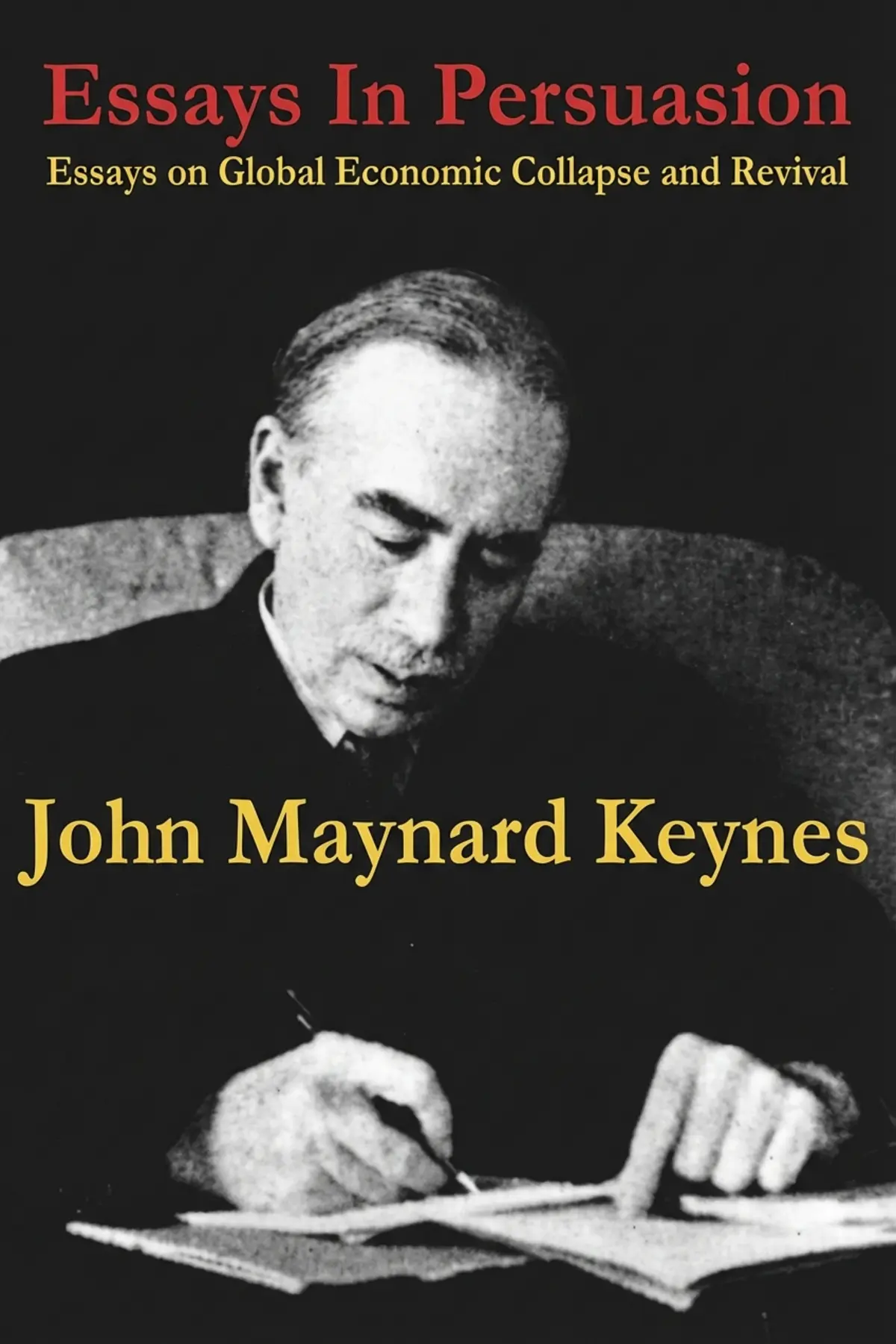
Table of Content
1. Introduction
1 min 43 sec
Imagine standing at a crossroads in human history where the old world is crumbling and the new one hasn’t yet been built. This was the reality for John Maynard Keynes as he observed the wreckage of Europe following the First World War. He wasn’t just a spectator; he was a participant in the meetings that would decide the fate of nations. Through the collection of writings known as Essays In Persuasion, we get to witness the birth of a new way of thinking—a philosophy that moved away from the idea that economies should be left to their own devices and toward the belief that they must be carefully steered to ensure the well-being of all people.
In this exploration, we aren’t just looking at dusty historical documents. We are tracing the throughline of our modern economic existence. The questions Keynes asked nearly a century ago are the same ones we find on the front pages of our newspapers today: How much should a government intervene in the market? What is the human cost of national debt? And perhaps most importantly, what is the ultimate purpose of wealth if not to give us more time for the things that truly matter?
Keynes believed that economics was not an end in itself, but a means to an end—a tool to solve the “economic problem” so that humanity could finally turn its attention to the arts, to leisure, and to the pursuit of a meaningful life. As we walk through his most influential essays, you’ll see how his predictions were often hauntingly accurate and how his vision for a managed, compassionate capitalism became the blueprint for the modern world. Let’s dive into the mind of the man who convinced the world that prosperity is something we can, and should, consciously create.
2. The Price of Insecure Peace
1 min 59 sec
Explore the dramatic scene at the Versailles negotiations, where Keynes warned that harsh economic punishments for a defeated nation would eventually lead to a global catastrophe.
3. The Evolution of Monetary Management
2 min 07 sec
Discover why the ancient reliance on the gold standard fell apart and how Keynes pioneered the idea of governments actively controlling the value of money.
4. Finding a Middle Path for Capitalism
2 min 09 sec
Learn how Keynes rejected both unregulated markets and total state control, proposing a ‘managed capitalism’ that balances individual freedom with social stability.
5. The Power of Purposeful Spending
2 min 02 sec
See why Keynes famously suggested that even paying people to dig and fill holes could be better for a stagnant economy than doing nothing at all.
6. Predicting a World of Abundance
2 min 10 sec
Keynes looked 100 years into the future and saw a world where technology solves the struggle for survival, leaving us with a very different kind of problem.
7. The Responsibility of Economic Stewardship
2 min 16 sec
In this final look at Keynes’s throughline, we see his belief that economics is a moral science that requires constant adjustment and international cooperation.
8. Conclusion
1 min 51 sec
John Maynard Keynes’s *Essays In Persuasion* is much more than a collection of historical economic arguments; it is a testament to the idea that thoughtful intervention can save us from our own systemic failures. Throughout these writings, Keynes successfully persuaded the world to abandon the passive, often destructive ‘hands-off’ policies of the past in favor of a managed capitalism that prioritizes employment, stability, and social welfare. He showed us that the economy is a tool that should serve humanity, rather than a master that we must blindly obey.
As we conclude this journey, the throughline is clear: our economic choices have profound moral and social consequences. Whether it is the way we handle international debt, how we manage inflation, or how we choose to spend public funds during a crisis, these decisions shape the very fabric of our civilization. Keynes’s optimistic vision for his grandchildren—our generation—challenges us to think about what we are doing with the incredible wealth and productivity we have inherited. Are we using it to create more work, or are we using it to create a better life?
The actionable takeaway from Keynes’s life and work is to remain pragmatic and compassionate in the face of economic change. We must be willing to let go of outdated ‘certainties’ when they no longer serve the public good. By viewing the economy as a manageable system that requires constant care and international cooperation, we can navigate the uncertainties of the twenty-first century. Keynes reminds us that while the ‘economic problem’ is a serious one, it is ultimately a problem that can be solved, allowing us to focus on the much more important task of living well.
About this book
What is this book about?
Essays In Persuasion serves as a compelling anthology of the intellectual journey of John Maynard Keynes, one of history’s most influential economists. The collection tracks his observations and arguments through the most volatile periods of the twentieth century, from the devastating aftermath of the First World War to the crushing weight of the Great Depression. It is a work that bridges the gap between technical economic theory and passionate public advocacy, exploring how financial decisions ripple out to affect social order, political peace, and the everyday lives of citizens across the globe. Listeners will find a profound promise in these pages: the idea that human intelligence can be applied to economic systems to prevent disaster and foster a more humane society. Keynes challenges the traditional notion that markets are self-correcting machines, instead arguing for a future where governments actively manage prosperity. Through these essays, you will discover the roots of modern social safety nets, the logic behind international financial institutions, and a surprisingly optimistic forecast for the lives of future generations. It is an essential roadmap for understanding why our current economic world looks the way it does.
Book Information
About the Author
John Maynard Keynes
John Maynard Keynes, who lived from 1883 to 1946, was a towering figure in British economics whose theories fundamentally changed the landscape of macroeconomics and global policy. He is best known for his landmark 1936 work, The General Theory of Employment, Interest and Money, but his influence extended far beyond academia. Keynes served as a vital advisor to the British Treasury and was a lead delegate at the Bretton Woods Conference, where the foundations of modern global finance were laid. In recognition of his immense contributions, he was granted a peerage as Baron Keynes of Tilton in 1942. His intellectual legacy is so vast that it established an entire school of thought known as Keynesian economics.
Ratings & Reviews
Ratings at a glance
What people think
Listeners find this to be a compelling listen and value its straightforward case for public spending. Opinions on the author's prose are divided, with some highlighting the sophisticated language while others find the text quite challenging to comprehend.
Top reviews
Suthinee
Reading this nearly a century later, it is impossible not to be struck by Keynes’ terrifying prescience regarding the Treaty of Versailles. He saw the vengeful reparations for exactly what they were—a blueprint for future European collapse and the rise of fascism. The prose here is remarkably elegant, far removed from the dry, impenetrable academic jargon we expect from modern economists. While some of the specific monetary debates regarding the Gold Standard feel a bit dated, his core arguments for institutional spending to stimulate growth remain the gold standard for policy thought. Truth is, the man was a genius of rhetoric. He manages to turn complex balance sheets into a moral crusade for the survival of Western civilization. It’s not just a book on finance; it’s a masterclass in how to change minds when the world is burning.
Show moreSkylar
Ever wonder what happens when a genius is ignored? This book is the answer. Keynes calls these essays his ‘croakings,’ the warnings of a Cassandra who saw the Great Depression coming while the rest of the world was obsessed with pre-1914 normality. His argument for public works is revolutionary: why pay people to stand on street corners and draw the dole when you could pay them to build a better country? The logic is so simple, yet it still faces resistance today. I found his vision of the 15-hour work week particularly moving, even if we are nowhere near achieving it yet. He understood that the ‘economic problem’ is just a hurdle to get over so we can finally focus on the art of living. This is essential reading for anyone who thinks economics is just about greed.
Show moreLuckana
Finally got around to this collection and it blew me away. The way Keynes discusses inflation and deflation as moral issues—not just numbers—is something we’ve completely lost in modern discourse. He explains how changing the value of money redistributes wealth in ways that frustrate design and disappoint expectation. It’s brilliant. The book feels incredibly relevant to our current situation with sovereign debt and global sanctions. He reminds us that you can’t just isolate a major economy without the consequences rippling back to your own doorstep. The prose is elegant, the arguments are clear, and the sense of urgency is palpable throughout. It’s a heavy read, but every student of history needs this on their shelf. Wow.
Show moreAnawin
This is where the real sting is. Forget the dry equations of the General Theory; these essays show Keynes as the master polemicist. He writes with such vigor and wit that you almost forget you’re reading about the collapse of the international monetary system. His ability to distill a national crisis into a clear choice between progress and decay is unparalleled. I particularly loved the final section where he looks toward a future of leisure and culture—it’s a rare moment of pure optimism in a field often called the dismal science. To be fair, he was wrong about the 15-hour week, but he was right about almost everything else. If you want to understand the 20th century, you have to read these ‘croakings.’ He wasn’t just an economist; he was a architect of the modern world.
Show moreIce
Why did I wait so long to tackle Keynes? This collection of essays, spanning the aftermath of WWI to the edge of the Great Depression, reveals a man who was as much a philosopher as a statistician. The highlight for me was ‘The Economic Consequences of Mr. Churchill,’ which serves as a blunt reminder that even the most iconic leaders can be absolutely mugged by special interests and bad advice. Keynes’ critique of the return to the gold parity is sharp, biting, and unfortunately, proved entirely correct. My only gripe is that some sections, particularly on specific 1920s currency adjustments, require a deep historical context that isn’t always provided. To be fair, he was writing for his contemporaries, not for us. Still, his liberal optimism in the face of prevailing gloom is infectious and deeply needed today.
Show moreMoon
The sections on German reparations are chilling in their accuracy. Keynes basically predicted that by crushing Germany’s economy, the Allies were ensuring a second world war. It’s a powerful lesson in the human cost of economic policy. I also enjoyed his take on the psychology of the businessman versus the profiteer; he really gets into how inflation destroys the social contract. The writing style is quite dense in the middle, but if you push through the technical bits about the exchange rate, there are gems on every page. Personally, I think his defense of ‘managed capitalism’ is the most sensible middle ground ever put to paper. He wasn’t a socialist, just a realist who knew that unregulated markets eventually commit suicide. A very thought-provoking read that stays with you.
Show moreSamroeng
After hearing so much about ‘Keynesianism’ as a political slur, I was surprised by how moderate and nuanced this book actually is. This isn't a radical manifesto; it’s a series of practical, often conservative, attempts to save the liberal order from collapsing under its own weight. His critique of the Labour Party is just as sharp as his critique of the Tories. Look, the man just wanted things to work. His focus on ‘context’ is what makes these essays stand out—he knew that an economic policy that worked in the 1800s couldn't just be copy-pasted into the post-war world. Some of the language is a bit flowery, and yes, it requires a bit of focus, but the intellectual payoff is huge. He was a jolly good chap with a pen that could cut through any amount of political nonsense.
Show moreSakura
Keynes is undoubtedly a master of prose, but I found this collection to be frustratingly uneven. The early chapters on the peace treaties are gripping, but once he moves into the weeds of the Gold Standard and mid-20s Liberal party politics, the pace slows to a crawl. It’s clear why some people find his style difficult to understand; he often assumes the reader is as intimately familiar with the Bank of England’s daily operations as he was. I also found his ruminations on Soviet Communism quite strange—he seems to loathe the boorishness of the proletariat while simultaneously trying to save capitalism from itself. Not gonna lie, I skipped about forty pages toward the end just to get to his essay on ‘Economic Possibilities for Our Grandchildren.’ That final section is the only part that felt truly timeless to me.
Show moreNoah
It’s fascinating to see the seeds of the welfare state being planted here, but the elitism is hard to ignore. Keynes writes with the supreme confidence of an intellectual who believes he can manage the world’s problems from a comfortable study in Cambridge. Some of his observations on the Jewish people and the ‘Red’ bookshops of Russia are uncomfortable to read through a modern lens, even if they were typical for a man of his class in 1931. On a technical level, the book is a bit of a slog. To be frank, unless you have a passion for the intricacies of inter-war deflationary cycles, much of this will feel like homework. He’s a brilliant polemicist, but the ‘persuasion’ sometimes feels more like a lecture from a very talented, very condescending uncle. Three stars for the historical value alone.
Show moreLogan
Proceed with caution if you value sound money or market autonomy. While Keynes is a gifted writer, this book is essentially a manual for the very government overreach that has led to our current era of endless debt. He dismisses the Gold Standard as a ‘barbarous relic’ because it prevents politicians from meddling with the currency, which is exactly why we need it. To me, his logic is a labyrinth of clever fallacies. He argues for counter-cyclical spending as if governments have the wisdom to stop spending when the boom returns—which they never do. Frankly, the man is too persuasive for his own good. He makes reckless interventionism sound like common sense. If you want to understand why our current economic system is so fragile, read this to see where the wrong turn was taken. It’s an important historical document, but a dangerous economic one.
Show moreReaders also enjoyed
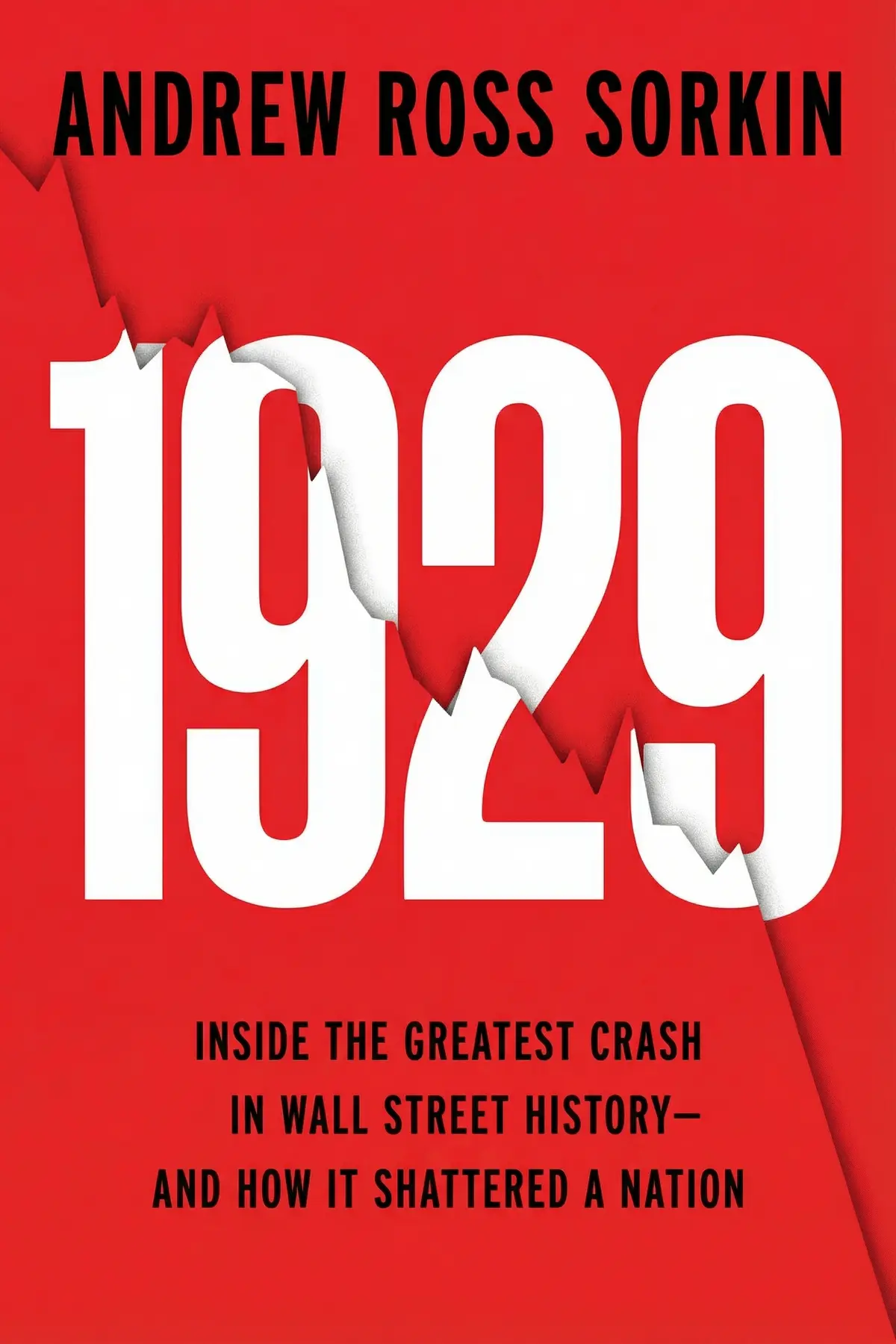
1929: Inside the Greatest Crash in Wall Street History--and How It
Andrew Ross Sorkin
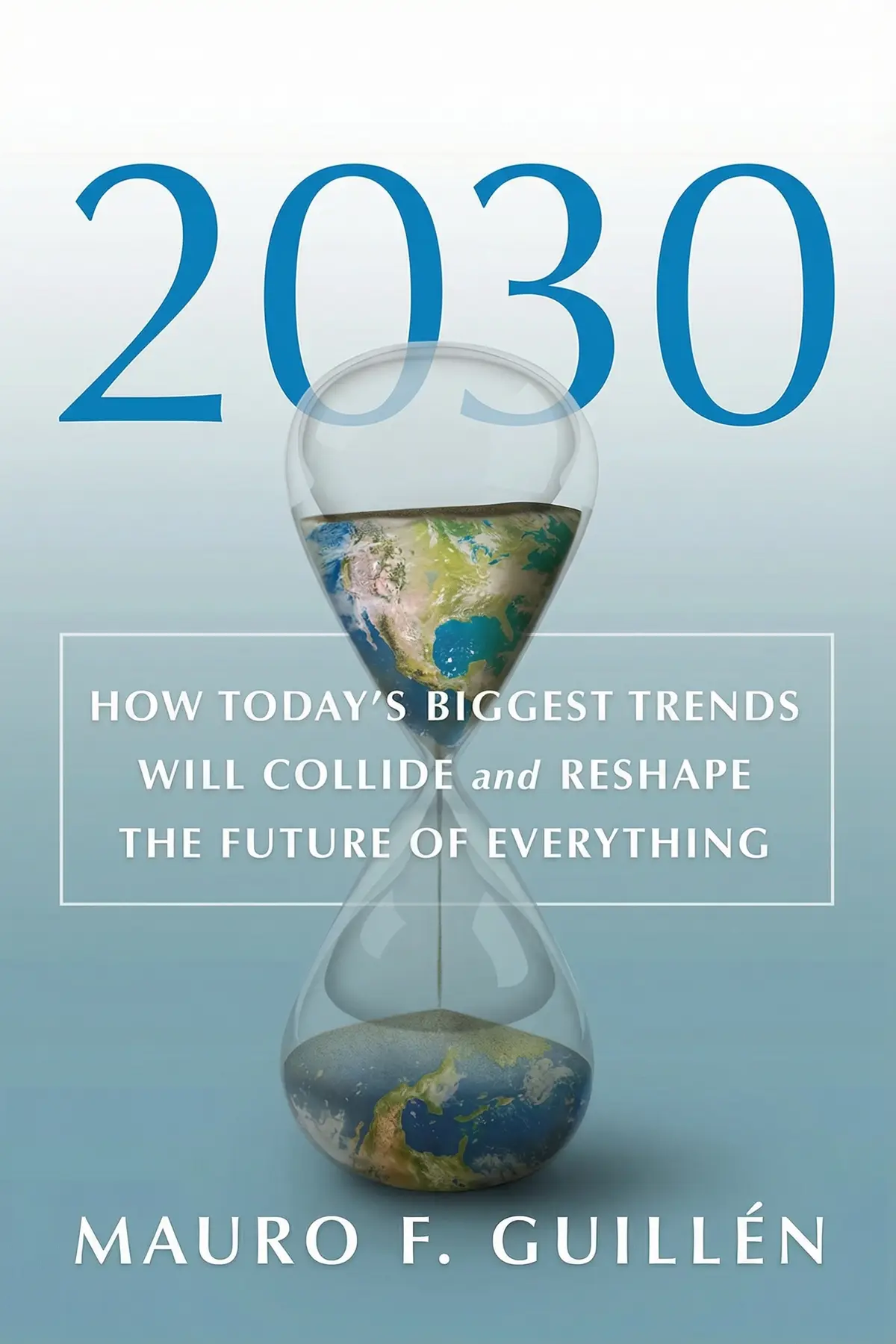
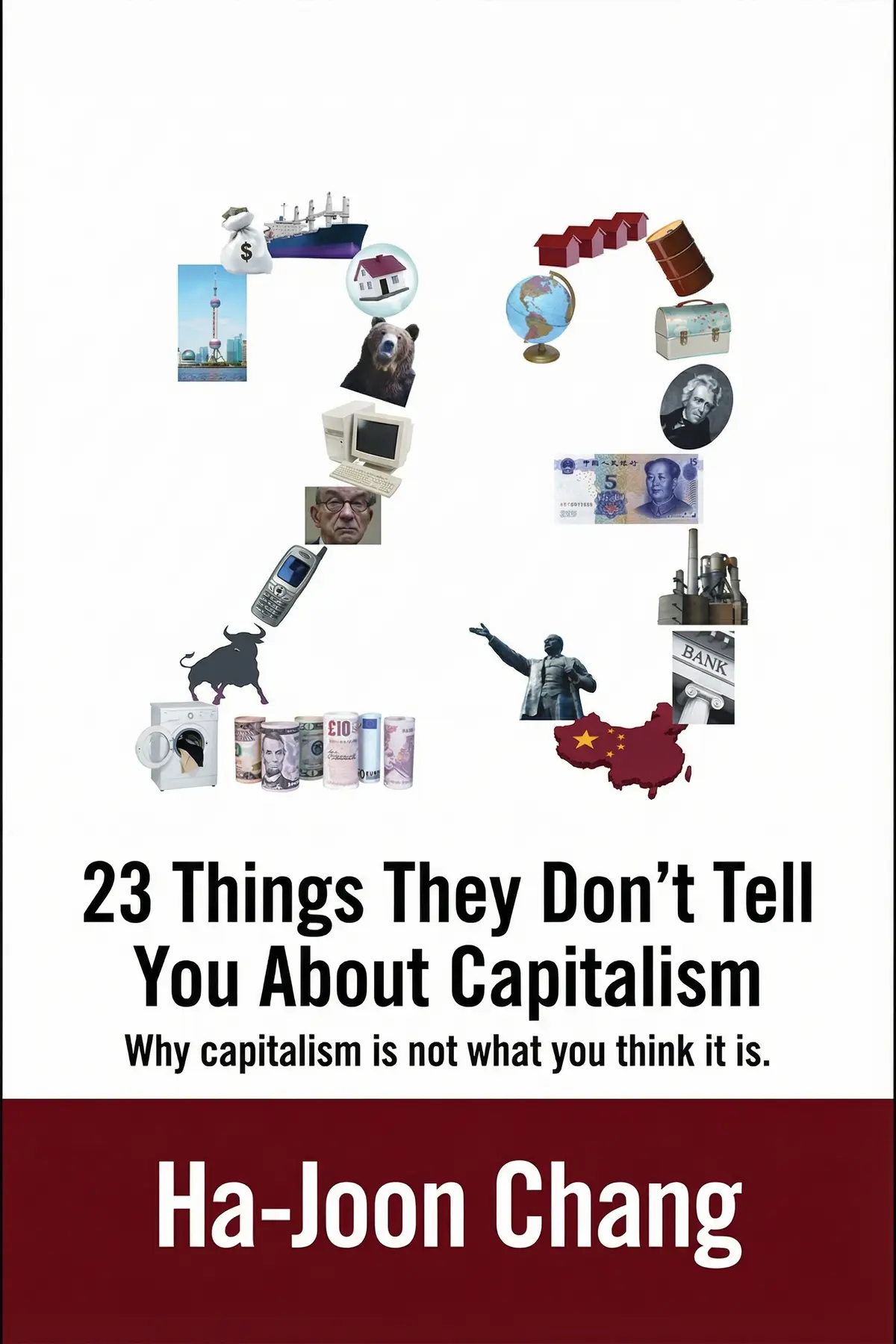
23 Things They Don’t Tell You About Capitalism
Ha-Joon Chang
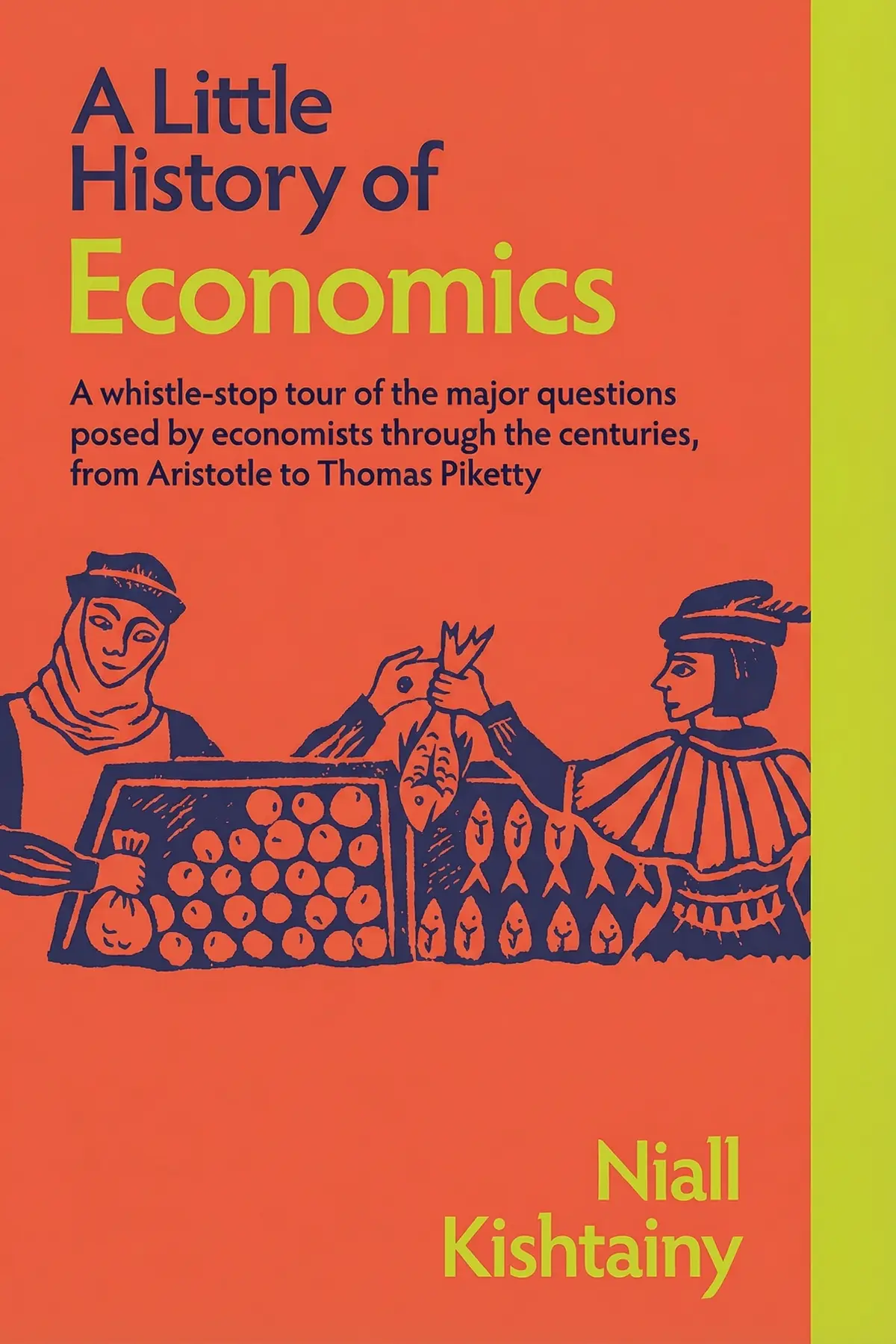
A Little History of Economics
Niall Kishtainy
A Splendid Exchange: How Trade Shaped the World
William J. Bernstein
AUDIO SUMMARY AVAILABLE
Listen to Essays In Persuasion in 15 minutes
Get the key ideas from Essays In Persuasion by John Maynard Keynes, plus 5,000+ more titles in English and Thai.
- 5,000+ titles
- Listen as much as you want
- 7-day free trial
- Cancel anytime







