
17 min 21 sec
Ethereum: Blockchains, Digital Assets, Smart Contracts, Decentralized Autonomous Organizations
Explore the revolutionary potential of Ethereum and blockchain technology. This summary explains how decentralized systems are moving beyond simple currency to reshape contracts, privacy, and the future of digital organization.
Table of Content
1. Introduction
1 min 21 sec
By now, the word Bitcoin has likely reached your ears, often accompanied by headlines of staggering price swings and overnight millionaires. But if you focus only on the currency aspect, you are missing the most profound part of the story. The real revolution isn’t just about a new form of money; it’s about the engine that drives it: blockchain technology.
Imagine a world where you don’t need a bank to prove you have money, a lawyer to enforce a contract, or a central government to verify a vote. This is the radical potential of decentralized systems. While Bitcoin proved we could have digital cash, Ethereum stepped onto the scene to prove we could have a digital society. It is often described as a ‘world computer’—a platform that isn’t just for moving coins but for running entire organizations and automated agreements without a middleman.
In this exploration of Henning Diedrich’s insights, we will look at how this technology evolved from a small group of privacy activists to a global movement. We will break down the complex mechanics of how these networks reach agreement across thousands of computers, the incredible energy they consume, and why smart contracts might be the most significant legal innovation of the century. As we look through this lens, we’ll see why Ethereum might just surpass its predecessors to become the foundational layer of the future internet. Let’s dive into the mechanics, the history, and the future possibilities of this groundbreaking tech.
2. The Cypherpunk Origins of Digital Privacy
2 min 13 sec
Discover how a group of privacy activists in the 1980s laid the groundwork for modern cryptocurrency as a defense against digital surveillance.
3. Understanding the Blockchain Mechanism
2 min 09 sec
Unpack the structural design of the blockchain, from its nested data blocks to the cryptographic signatures that ensure security.
4. Consensus, Miners, and the Cost of Trust
2 min 14 sec
Learn how decentralized networks reach a single ‘truth’ through proof-of-work, and the trade-offs in energy and speed this requires.
5. The Power of Smart Contracts and DAOs
2 min 08 sec
Explore how blockchain technology moves beyond currency to create self-executing contracts and autonomous digital organizations.
6. Forks and the Limits of Privacy
1 min 53 sec
Examine the technical risks of blockchain splits and the common misconceptions regarding total anonymity in digital ledgers.
7. Ethereum: The Versatile World Computer
2 min 03 sec
Distinguish Ethereum from Bitcoin and discover why its general-purpose design makes it a more flexible tool for the future.
8. Real-World Applications and the Path Ahead
2 min 12 sec
Look toward the horizon at how Ethereum could transform voting, banking, and land ownership, while acknowledging the hurdles of regulation.
9. Conclusion
1 min 08 sec
In the final analysis, the message is clear: the era of blockchain is just beginning, and it is far more than just a passing trend. We are moving from an internet where we communicate to an internet where we can securely exchange value and establish trust without a middleman. Ethereum represents the most sophisticated version of this vision, providing a flexible, programmable foundation for the next generation of digital infrastructure.
Whether it is through the automation of smart contracts, the creation of decentralized organizations, or the securing of our most important records, the throughline of this technology is the empowerment of the individual and the reduction of institutional friction. While technical hurdles like energy consumption and forks remain, and political challenges like regulation loom on the horizon, the core principles of decentralization are likely here to stay. As you move forward, keep an eye on how these decentralized systems begin to weave into the fabric of your daily life—from the way you sign agreements to the way you interact with global finance. The ‘world computer’ is already running; the only question is how we will choose to use it.
About this book
What is this book about?
While many recognize Bitcoin as a digital gold, the underlying technology of blockchain holds far more disruptive power than most realize. This exploration focuses on Ethereum, the general-purpose blockchain designed to be more than just a ledger for money. It is a foundation for decentralized applications, automated smart contracts, and a new way of structuring human organizations without central authorities. Readers will journey through the ideological roots of the digital privacy movement, the technical mechanics that keep blockchains secure, and the specific innovations that distinguish Ethereum from its predecessors. By understanding the shift from simple value transfer to programmable agreements, you will see how this technology aims to solve problems in banking, voting, and property rights. The promise is a world with less friction and more transparency, though significant hurdles like regulation and technical scalability remain. This guide provides a clear throughline for anyone looking to understand the next evolution of the digital world.
Book Information
About the Author
Henning Diedrich
Henning Diedrich is a prominent leader in the blockchain space. His professional background includes serving as an architect for IBM’s Open Blockchain project. Beyond corporate innovation, Diedrich collaborates with the European Union, where he researches the specific ways blockchain technology can be utilized to stabilize financial systems and prevent future economic crises.
Ratings & Reviews
Ratings at a glance
What people think
Listeners find this title serves as a comprehensive primer on blockchain technology and provides an extensive look at Ethereum. Furthermore, the prose is praised for being accessible and entertaining to follow. While they value the author's mastery of the topic, listeners have conflicting views on how simple the content is to grasp.
Top reviews
Roydao
Finally got around to finishing this, and I have to say, the historical context is worth the price of admission alone. Most people just talk about the price of Ether, but Diedrich goes deep into the cypherpunk movement and the philosophical fight for privacy that birthed this tech. The last fifty pages are absolute gold. They provide a vivid history of the road to Bitcoin and why Ethereum represents a more general-purpose evolution of those initial ideas. It’s not just about digital currency; it’s about digital scarcity and programs that cannot be stopped. Reading about the Cyberpunk’s Manifesto and the influence of Orwell’s 1984 made me realize why so many of us are obsessed with this potential. This is the book I’m going to give my friends when they ask why I believe in the future of decentralization.
Show moreWipawan
Wow, the way this book explains the Ethereum Virtual Machine (EVM) finally made it click for me. I’ve read a dozen articles online, but the analogy of the EVM being the common denominator for all these different languages like Solidity and Serpent was perfect. The author’s expertise is evident on every page. He doesn't just explain what it is, but why it was designed that way—including how gas prices are determined by supply and demand to keep the network running. I also loved the bit about sending a satellite node into space to make the network indestructible. It’s that kind of visionary thinking that makes this book more than just a technical manual. It’s a fun, engaging, and thorough introduction to the most robust blockchain available.
Show moreMoo
As someone who has been trying to wrap my head around smart contracts, this was a helpful guide. The author makes a compelling case that if a use case doesn't require guaranteed execution, it probably doesn't need a blockchain. That distinction is crucial. I appreciated the deep dive into how Ethereum differs from Bitcoin by storing actual balances and states rather than just transaction histories. The explanation of the DAO heist was also a highlight, even if it showed the safety risks inherent in such a complex environment. My only gripe is that some sections feel a bit dated since the market has moved so fast since 2016, but the core principles regarding the Ethereum Virtual Machine (EVM) remain very relevant for any developer or enthusiast today.
Show moreNarong
This book is an accessible entry point into the world of Ethereum, which is no small feat given how technical this stuff gets. Diedrich avoids making it a dry, academic slog by focusing on the implications of the technology. I loved the idea that smart contracts are basically just code and memory living on the chain. The author is very forthcoming about the limitations too. He admits Ethereum can be too slow for complex processes on the mainnet and that off-chain logic is often necessary. This honesty is refreshing in an industry full of hype. It’s an organic look at how the technology evolved from Bitcoin, and it really helped me contextualize why Ethereum is considered 'the' blockchain by so many insiders. Definitely a worthwhile read for the geeks among us.
Show moreValentina
Ever wonder how blockchain will actually impact the legal and insurance sectors? This book tackles those 'real world' applications with a lot of insight. Diedrich explains how many insurance markets don't exist because transaction costs are too high, but smart contracts change that equation by automating execution. No more going to court for small claims. I found the concept of 'ex-ante' regulation particularly mind-blowing—the idea that we can code rules into contracts to prevent violations before they even happen. It’s a quantum leap in how we think about compliance. The book also does a great job comparing Ethereum to other platforms like R3 Corda and Ripple. It provides a much-needed corporate perspective that you don't always get from the purely 'crypto-native' community.
Show moreRay
The section on the history of digital currency being a result of the cyberpunk movement was a revelation. It’s easy to forget that this tech was inspired by a desire to protect privacy and provide an alternative to the private banking system. This book does a great job of reminding us of those roots. The author explains how Ethereum is not just Bitcoin 2.0, but a way to build a general-purpose fintech blockchain. I particularly enjoyed the discussion on DAOs and how they can be programmed to maximize profit while being essentially unstoppable. It raises some heavy ethical questions that Diedrich isn't afraid to address. While the structure is a bit loose, the sheer volume of information makes it a must-read for anyone serious about the space.
Show moreJai
Picked this up because I wanted to understand the technical side of things like 'finality' and 'state channels.' Diedrich delivers there. He compares the speed of Ethereum to Visa and stock exchanges, which really helps put the performance metrics into perspective. It’s fascinating that while a credit card payment feels fast, a blockchain transaction is 'final' in a much more profound way. The explanation of how state channels can solve latency issues by using peer-to-peer cheques secured by bonds was excellent. The book also covers private chains and how they differ from the mainnet. Despite the occasional grammar hiccup, the writing style is very engaging and kept me turning the pages. It’s a solid, comprehensive look at where the industry was and where it's headed.
Show moreSue
Honestly, the information here is top-notch, but the presentation is a mess. It’s a classic case of a brilliant mind—Diedrich works at IBM and really knows his stuff—not having a strong editor to reign him in. You’ll find profound insights about how blockchains add a dimension of trust to data, sandwiched between glaring typos and confusing sentence structures. Is it readable? Yes, because the tone is casual and fun. Is it professional? Not really. The book is quixotic and feels like a draft at times. However, if you are looking for a deep dive into how 'gas' solves the halting problem or why oracle services are going to be a massive market, you won't find a better explanation. Just be prepared to do some mental gymnastics to navigate the layout.
Show morePlernpiriya
Truth is, I have mixed feelings about this one. On one hand, the author is clearly a pioneer in the space and provides a thorough understanding of Ethereum’s architecture. On the other hand, the book is frustratingly disorganized. It jumps from high-level philosophy about digital scarcity to low-level details about LevelDB and opcodes without much warning. Some of the technical sections are a bit dense, while the history sections feel like they’re written for a general audience. It lacks a cohesive flow. Still, I learned a lot about things I hadn't considered, like how zero-knowledge proofs could eventually solve the privacy issues on public chains. It's a useful resource, but I think most readers will find themselves skipping around rather than reading it cover-to-cover.
Show moreCaleb
Not what I expected, unfortunately. While the author, Henning Diedrich, clearly has the pedigree as an IBM expert, the actual production quality of this book is abysmal. I've never seen such a high frequency of spelling and grammatical errors in a published tech book. It reads like a first draft that skipped the editing process entirely, which makes it incredibly frustrating to get through despite the interesting content. The structure is all over the place. If you can stomach the typos, there is a decent explanation of how blockchains are really about the guarantee of execution rather than just being fancy databases. But frankly, it’s a tough sell. I wanted a professional guide to the most advanced blockchain available, but instead, I felt like I was proofreading someone's notes.
Show moreReaders also enjoyed

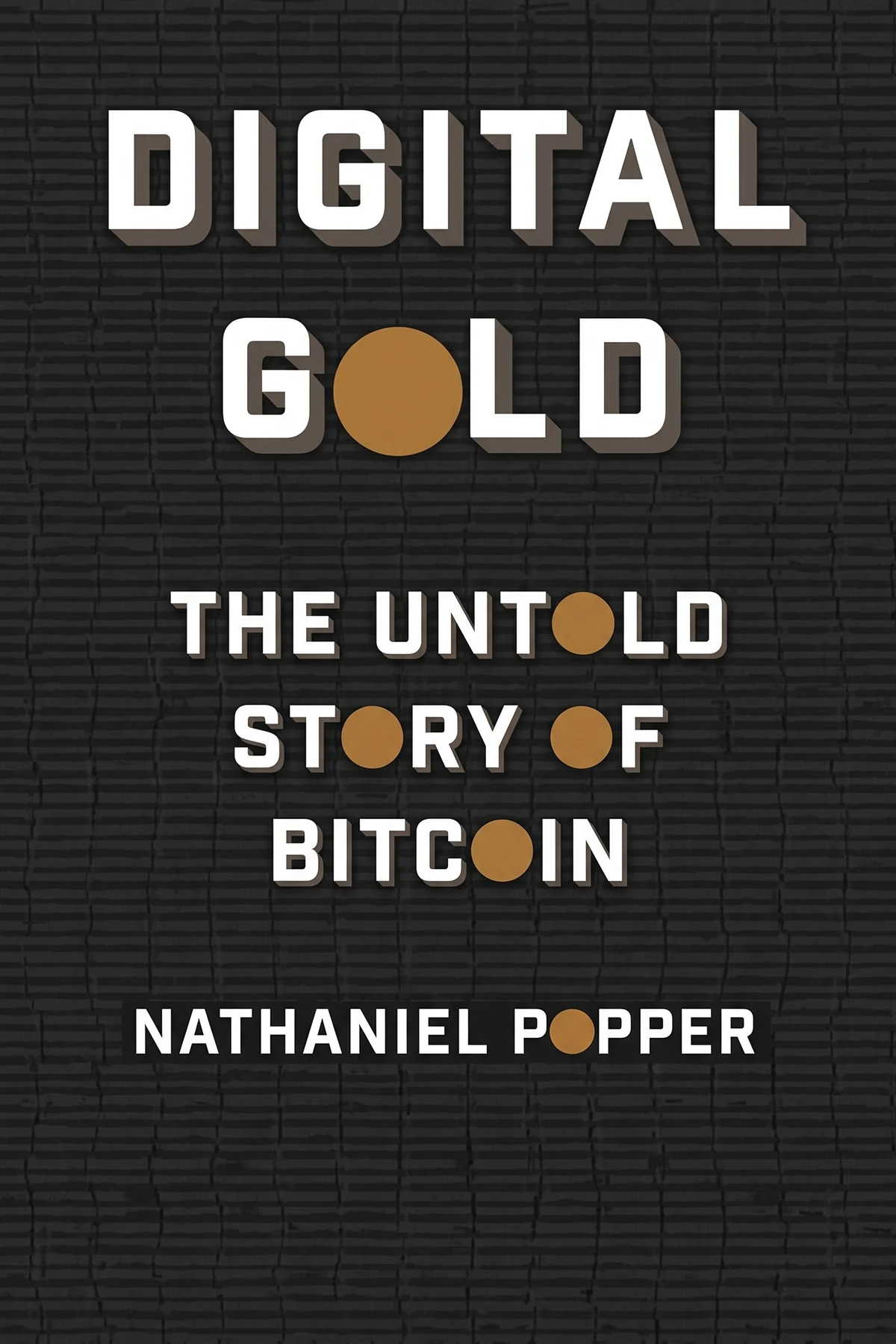
Digital Gold: The Untold Story of Bitcoin
Nathaniel Popper
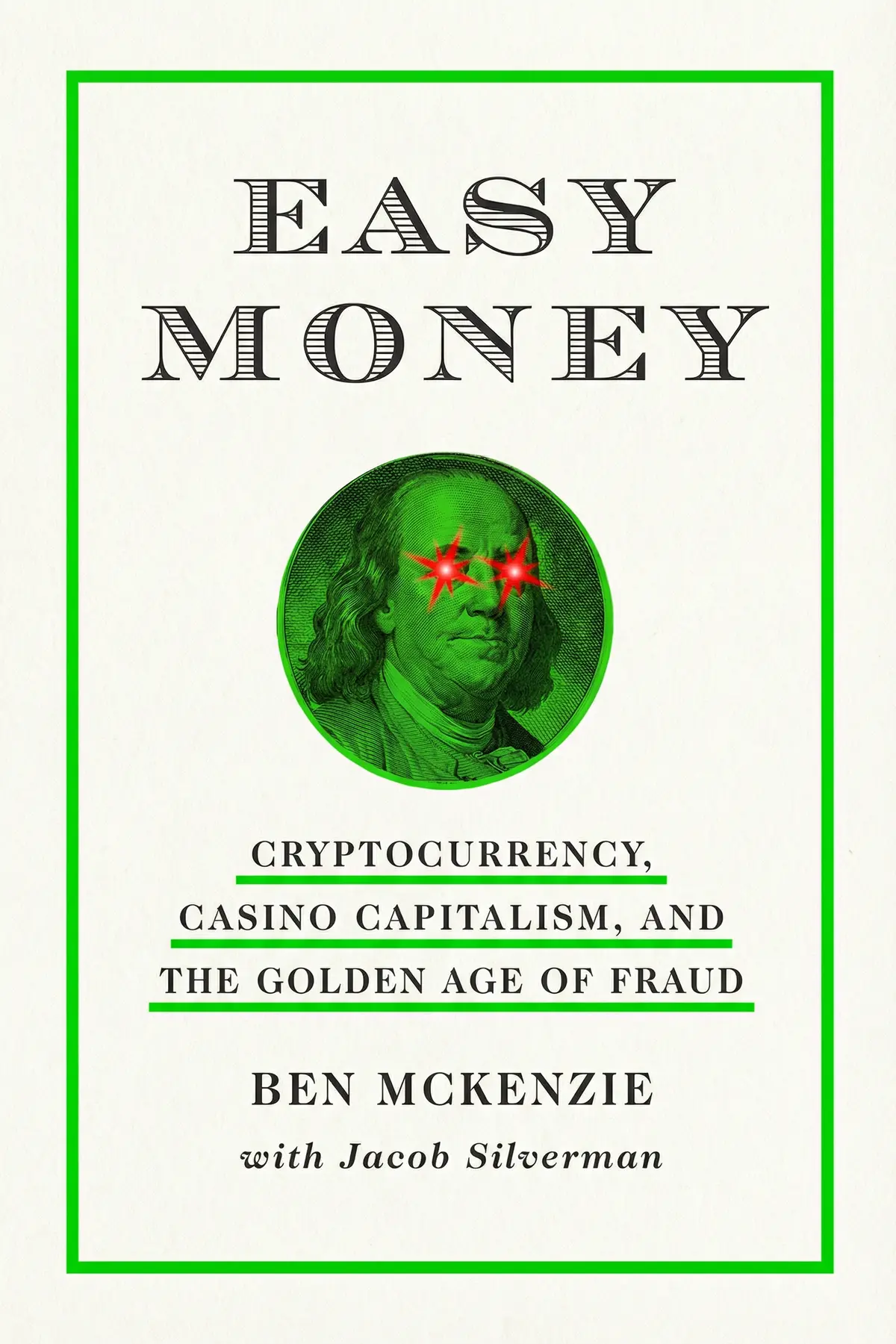
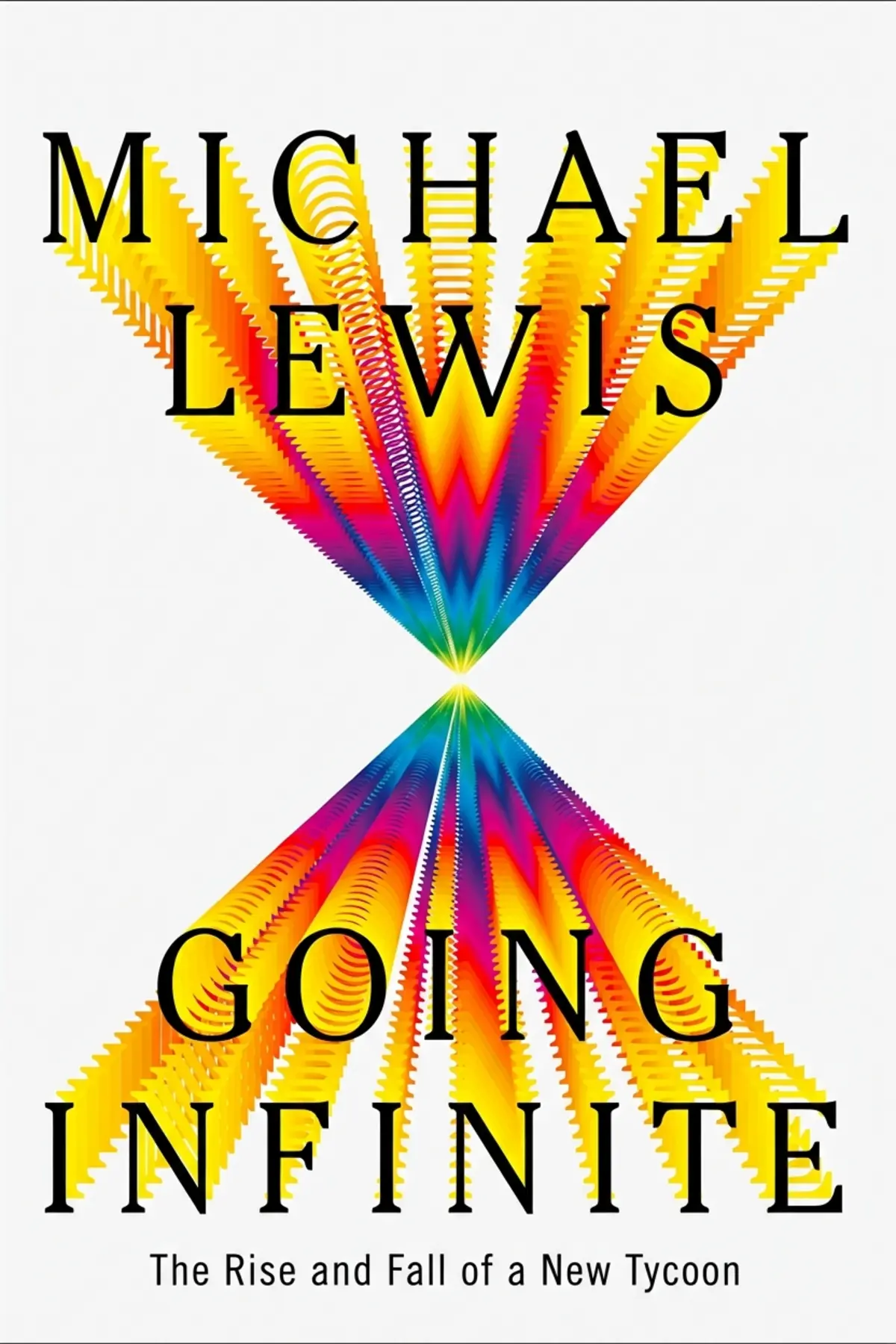
Going Infinite: The Rise and Fall of a New Tycoon
Michael Lewis



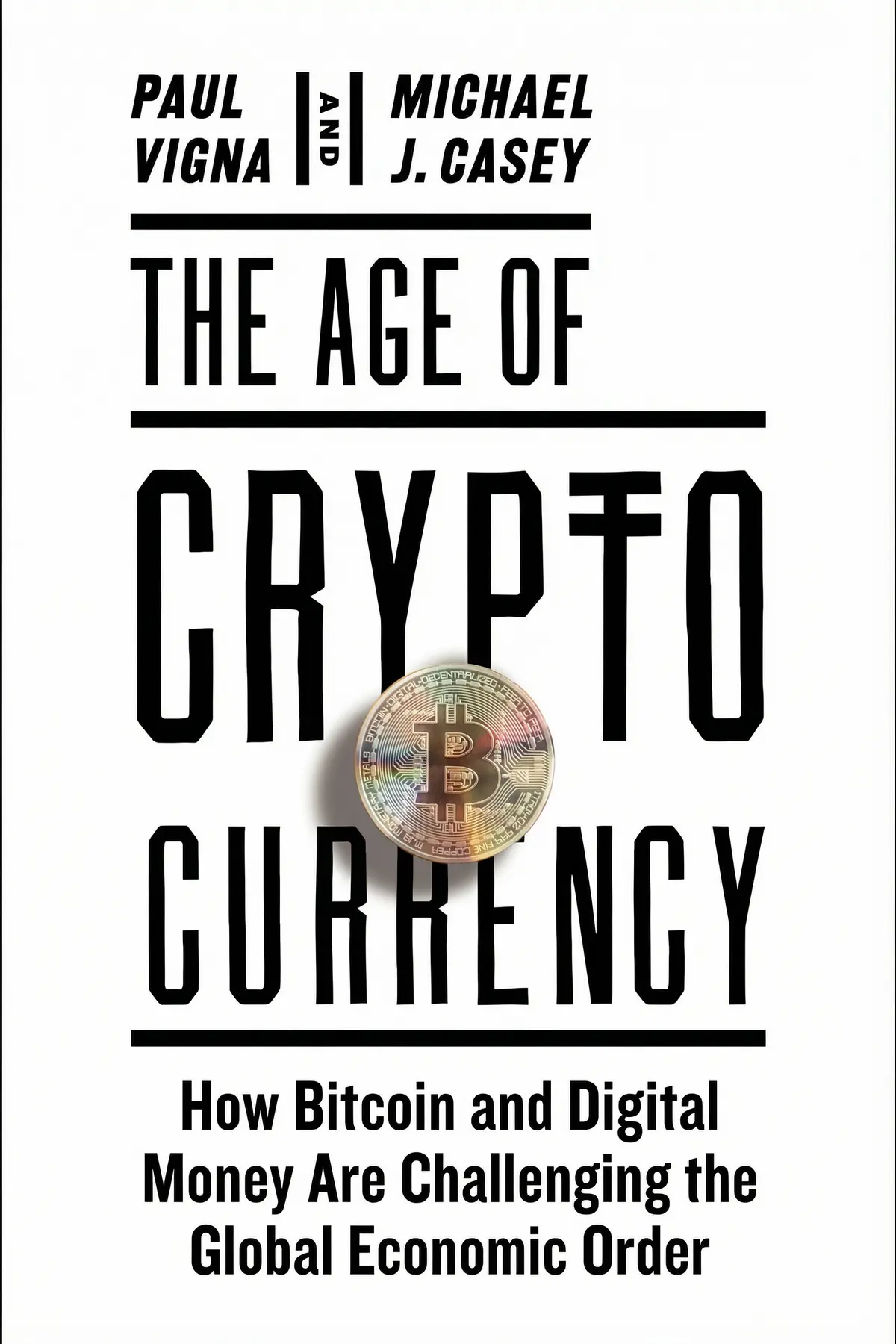
AUDIO SUMMARY AVAILABLE
Listen to Ethereum in 15 minutes
Get the key ideas from Ethereum by Henning Diedrich, plus 5,000+ more titles in English and Thai.
- 5,000+ titles
- Listen as much as you want
- 7-day free trial
- Cancel anytime







