
32 min 45 sec
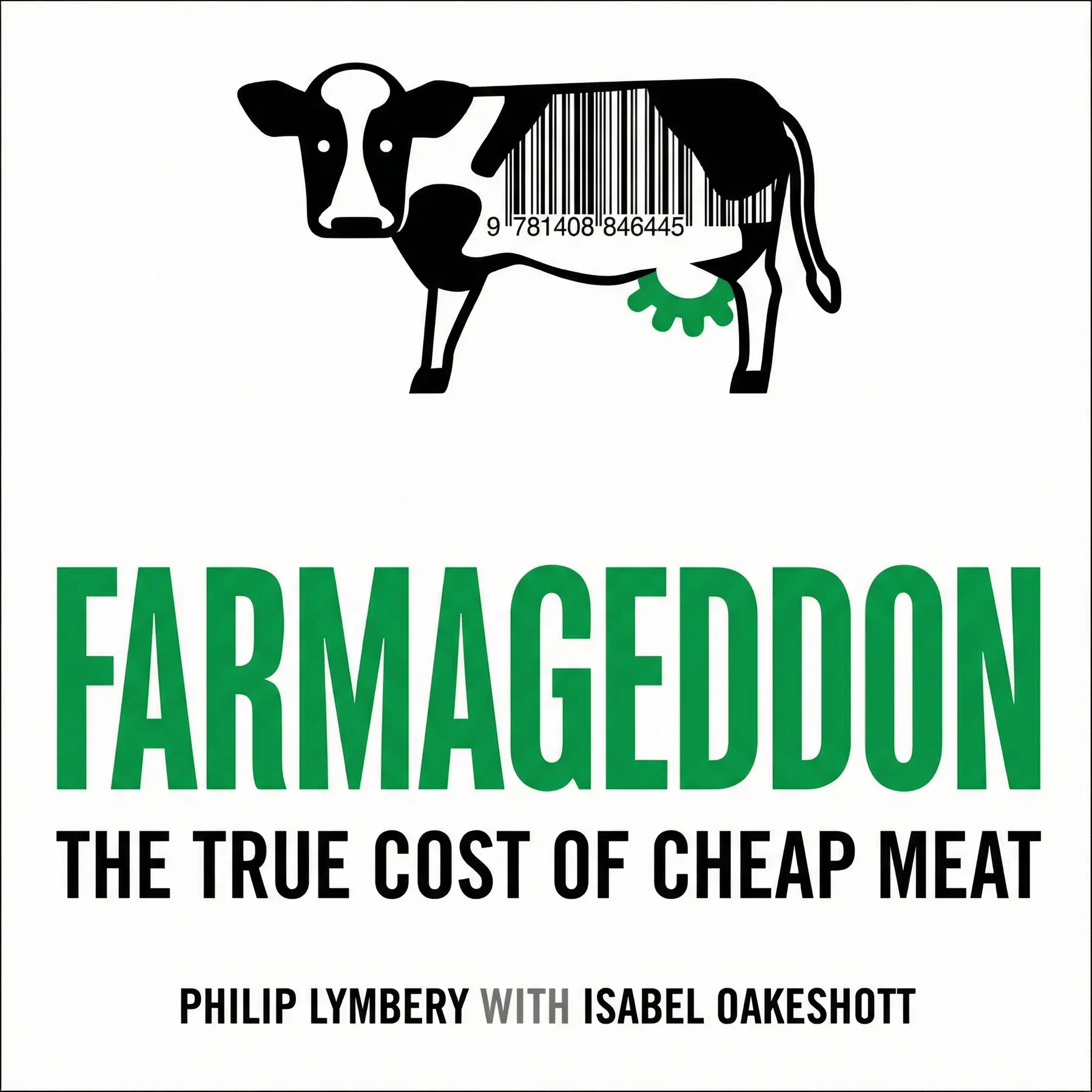
Farmageddon: The True Cost of Cheap Meat
Farmageddon exposes the hidden environmental, health, and ethical costs of industrial agriculture, revealing how the quest for cheap meat is damaging the planet and our well-being.
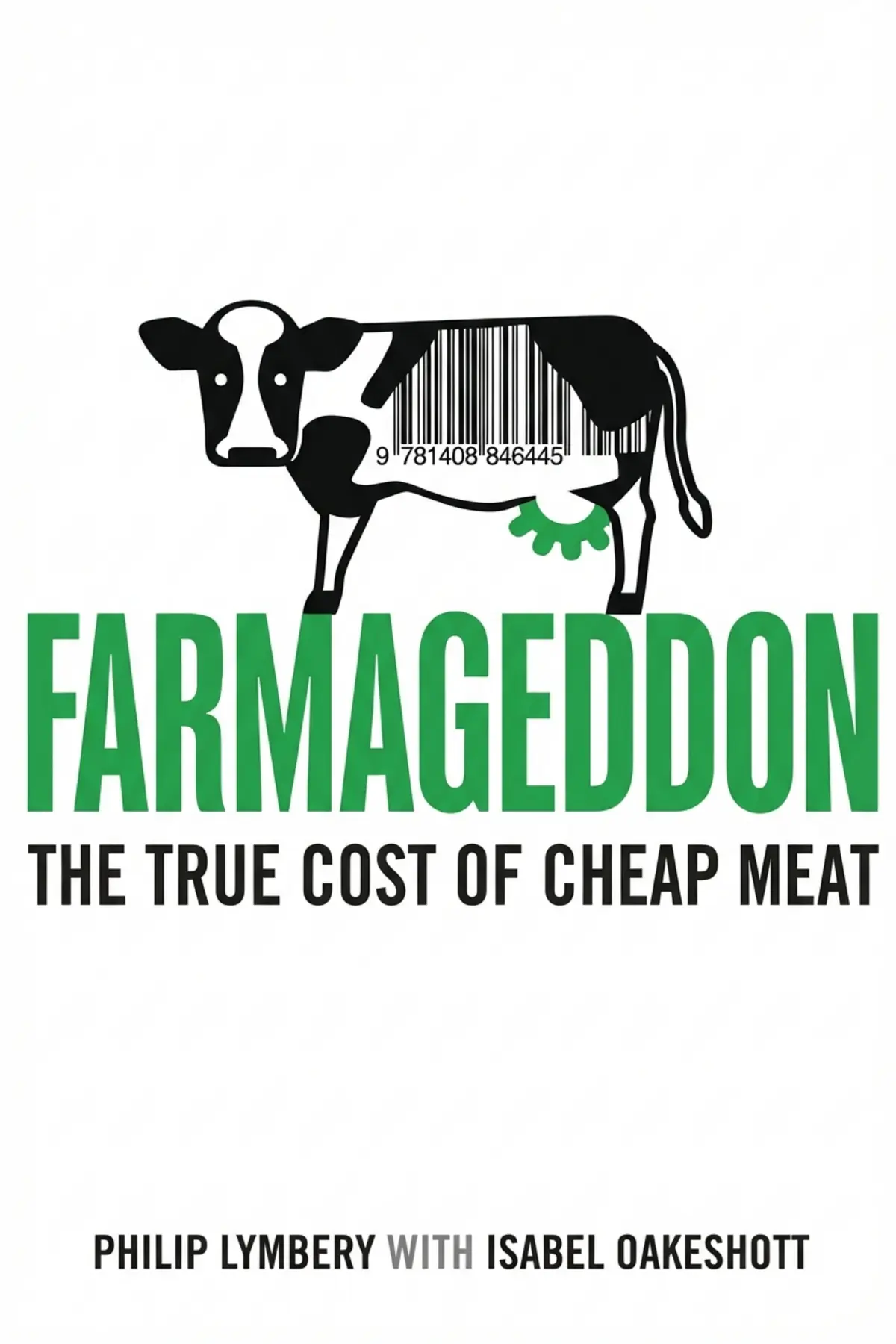
Table of Content
1. Introduction
2 min 07 sec
For thousands of years, the relationship between humans and agriculture was defined by the rhythm of the seasons and the limitations of the land. Our ancestors, and even our grandparents, would recognize a farm as a place of diversity—a patch of earth where various animals and crops lived in a somewhat balanced ecosystem. But as you look around the landscape today, that pastoral image is rapidly fading. It is being replaced by something much more mechanical, something more clinical, and something significantly more destructive. We have entered the era of the industrial mega-farm, a development that authors Philip Lymbery and Isabel Oakeshott call Farmageddon.
When we leave the concrete sprawl of the city, we expect to see rolling green hills and a thriving countryside. Instead, we are increasingly confronted by massive, windowless structures and vast fields of single-crop monocultures. These are the engines of our modern diet, designed to produce meat, milk, and eggs at the lowest possible financial cost. But as we will explore, the ‘cheap’ price tag on a carton of eggs or a pound of beef is a dangerous illusion. The true cost is being paid in ways that aren’t reflected at the checkout counter: through the poisoning of our water, the emptying of our oceans, and the degradation of our own health.
In this journey through the world of industrial farming, we will look at the startling mechanics of how our food is actually made. We will see why the air in some rural valleys is now more hazardous than in cities, and why the very creatures we rely on for our survival, like the humble honeybee, are being pushed to the brink of extinction. This isn’t just a story about animal welfare; it is a story about the sustainability of our civilization. By understanding the throughline of this industrial revolution, we can begin to see the shift that is necessary to save our environment and our future. We are going to uncover the hidden reality of the global food chain, and more importantly, we will discover the power we hold as consumers to turn the tide.
2. The Industrial Shift
2 min 13 sec
Traditional farms are vanishing as massive, specialized industrial facilities take over the global production of meat, milk, and eggs.
3. The Environmental Fallout of Waste
2 min 09 sec
Industrial farms generate staggering amounts of waste that contaminate local water supplies and poison the air in surrounding communities.
4. The Silent Countryside
2 min 21 sec
The disappearance of hedges and the heavy use of fertilizers are destroying the habitats and food sources of birds and bees.
5. The Crisis Beneath the Waves
2 min 18 sec
Fish farming and the demand for fishmeal are creating a miserable environment for aquatic life and depleting wild fish populations.
6. The Myth of Space Efficiency
2 min 11 sec
Factory farming uses massive amounts of ‘ghost acres’ to grow animal feed, diverting grain away from hungry people to livestock.
7. Depleting Vital Resources
2 min 14 sec
Industrial agriculture is a primary driver behind the rapid exhaustion of the world’s fresh water and oil reserves.
8. Global Hunger and Economic Instability
2 min 19 sec
The demand for livestock feed drives up global food prices, leading to increased poverty and putting immense pressure on small-scale farmers.
9. Health Risks in the Factory System
2 min 17 sec
Cramped conditions in factory farms foster the spread of diseases and lead to the rise of antibiotic-resistant superbugs.
10. The Promise and Peril of Genetic Modification
2 min 11 sec
While GM crops offer potential solutions for malnutrition, they are currently used primarily to support the inefficient industrial feed system.
11. Engineering the Animals
2 min 16 sec
Cloning and extreme selective breeding are being used to create ‘super-animals’ that produce more, but at a high cost to their welfare.
12. The Shift in China
1 min 59 sec
China’s rapid adoption of industrial farming and its massive demand for pork have led to significant public health scandals and safety concerns.
13. A Path Toward Sustainability
2 min 20 sec
Reducing food waste and returning to traditional, pasture-based farming can help restore our environment and ensure future food security.
14. The Power of the Informed Consumer
2 min 07 sec
Consumers hold the power to change the food system by understanding labels and choosing products from ethical, sustainable sources.
15. Conclusion
1 min 43 sec
The hidden reality of industrial agriculture is a far cry from the comforting images of farm life we are often shown. As we have seen, the current system is built on a foundation of environmental destruction, resource depletion, and a profound disregard for the welfare of both animals and humans. From the toxic lagoons of the Central Valley to the empty fishing grounds of Peru, the ‘true cost’ of cheap meat is being paid by the planet and our own future health. We are currently locked in a system that is inefficient, unsustainable, and increasingly dangerous.
But the story doesn’t have to end with Farmageddon. The throughline of this summary is clear: while the industrial revolution in farming has brought us to a point of crisis, we have the knowledge and the power to chart a different course. By reducing our personal food waste, supporting pasture-based agriculture, and becoming vigilant about the labels on our food, we can start to dismantle the factory farm model from the ground up. The transition back to a more diverse, resilient, and humane agricultural system is not just an idealistic dream; it is a practical necessity if we are to feed a growing world without destroying the very systems that sustain us.
Take this knowledge with you the next time you visit the grocery store. Remember that every purchase is a choice. You can choose to support a system that poisons the water and air, or you can choose to support farmers who are working to heal the land. By making conscious, informed decisions, we can turn away from the path of destruction and move toward a future where our food is as healthy for the planet as it is for us. The power to change the food system is, quite literally, in your hands.
About this book
What is this book about?
Farmageddon takes a deep look into the modern food system, moving from the idyllic imagery of traditional farms to the stark reality of industrial mega-farms. It uncovers how the massive concentration of livestock leads to catastrophic water and air pollution, the destruction of vital wildlife habitats, and the depletion of finite resources like fresh water and oil. The book highlights the global reach of this crisis, from the displacement of indigenous tribes in South America to the rising rates of farmer distress in India. Beyond the environmental impact, the text explores the direct consequences for human health, including the rise of antibiotic-resistant bacteria and the nutritional decline of factory-produced meat. It also addresses the controversial roles of genetic modification and animal cloning in modern food production. Ultimately, Farmageddon promises to empower consumers by providing the knowledge needed to decode misleading labels and support a more sustainable, humane, and resilient food future through informed purchasing decisions.
Book Information
About the Author
Philip Lymbery
Philip Lymbery is the chief executive officer of Compassion in World Farming and has dedicated his career to animal rights activism. He previously served as the communications director for the World Society for the Protection of Animals. Isabel Oakeshott is a distinguished political journalist and nonfiction writer who collaborates on investigative works regarding major social issues.
Ratings & Reviews
Ratings at a glance
What people think
Listeners find the text highly educational, and one listener draws attention to its thorough breakdown of agricultural techniques. Feedback on the prose is varied; listeners appreciate the accessible human narratives included, but they also remark on the use of particularly emotional language.
Top reviews
Gift
Wow. This was a punch to the gut that I didn't see coming. We all know industrial farming is bad, but Lymbery peels back the layers on the "true cost" of that cheap rotisserie chicken in a way that feels deeply personal. The writing balances human stories with terrifying statistics about antibiotic-resistant bacteria and the loss of biodiversity. I appreciated that the authors didn't just scream at me to go vegan, but instead argued for a return to sensible, mixed farming. Some parts are incredibly distressing, especially the descriptions of windowless concrete hangars where animals never see the sun. It’s a dense read, and the British perspective is quite prominent, but the message is universal. We are trading our future health for cheap calories today.
Show moreDek
Ever wonder why supermarket meat is so cheap while our environment pays such a high price? This book answers that question with brutal clarity and a wealth of investigative research that spans the entire globe. I was particularly struck by the connection between intensive farming and the decline of wild bird and butterfly populations. The authors don't just complain; they offer a three-part solution involving reducing food waste and prioritizing people over profit. It is a frightening read, certainly, but also an inspiring one if you believe in the power of the consumer. If you care about what you put into your body and the world your children will inherit, you need to read this immediately.
Show moreSaengdao
Lymbery doesn't just point fingers; he offers a roadmap for change that feels achievable for most families. The book highlights the "Farmageddon" we are facing if we continue to prioritize profit over animal welfare and soil health. I was fascinated (and disgusted) by the descriptions of mega-dairies where cows are essentially treated like milk-producing machines in barren carousels. The writing is clear, the research is extensive, and the authors make a compelling case for returning to traditional, pasture-based systems. It changed the way I think about the word "efficiency" in agriculture. Efficiency shouldn't mean more meat per square foot; it should mean a system that can sustain itself for generations.
Show moreJulian
This isn't just a book about animals; it's about the future of our planet's survival and the hidden costs of our modern diet. I was captivated by the way the authors linked intensive farming to everything from flu viruses to global droughts. The section on how corporate interests dominate the seed and fertilizer markets was particularly eye-opening for someone who isn't usually interested in economics. It's a massive, sprawling subject, but the narrative stays grounded through the authors' travels and first-hand observations. Even if you only agree with half of what they say, the data on pollution and waste is impossible to ignore. A five-star call to arms that every meat-eater should have on their shelf.
Show moreA
As someone who grew up near a traditional farm, seeing the shift toward these "mega-farms" described in the book is heartbreaking. Lymbery and Oakeshott do a fantastic job explaining how the cycle of pesticides and monocultures is essentially sterilizing our countryside. While the book is highly informative, I did find the prose a little dry in the middle sections when they dive into the specifics of policy. However, the sections on how edible fish are being ground up to feed land animals—a total waste of resources—really opened my eyes. It makes you realize that the system isn't broken; it's working exactly as intended for profit, not for people. We need more books that challenge the corporate takeover of our food chain.
Show moreSangduan
Finally got around to finishing this, and I have to say, the chapter on the overuse of antibiotics is terrifying. We are basically breeding superbugs just so we can cram more pigs into filthy, overcrowded sheds. The authors write with a sense of urgency that is hard to ignore, even if the "posh" tone of the narrative occasionally feels a bit detached from the grit of the subject matter. Truth is, I expected more photos to drive the point home, as sometimes the descriptions of lagoon waste feel abstract until you see the scale. Despite the lack of visuals, the evidence presented is damning for the industrial complex. It’s a solid read that will definitely change how you browse the meat aisle.
Show moreSelin
The chapter on mega-farms in the US really turned my stomach. The sheer scale of the environmental destruction detailed here is enough to make anyone reconsider their next burger. From the poisonous excrement lagoons to the way corporate farming displaces vulnerable farmers globally, the book covers an immense amount of ground. Personally, I found the "Farmageddon" concept a bit hyperbolic at first, but by the end, I was convinced. The authors argue that we need to farm as if the future mattered, which is a hauntingly simple idea. My only real gripe is that the economic drivers—the "why" behind the profit-seeking—could have been explored with more depth rather than just blaming the corporations themselves.
Show morePrasarn
It’s a grim reality check for anyone who thinks that putting a "free-range" sticker on a carton of eggs fixes everything. Lymbery exposes the loopholes and the "comfortable lies" told by the industry to keep us buying. I liked that the book didn't preach a strict vegan lifestyle, making it more accessible to the average person, though some of my more principled friends might find it too moderate. The focus on the global commodity chain—how soy from the Amazon feeds cows in Britain—was a highlight for me. Occasionally the writing felt a bit repetitive, and the British-centric viewpoint might alienate some international readers. Still, it’s a vital piece of investigative journalism.
Show moreLiam
To be fair, I went into this expecting a more evidence-based methodology, but found it relied quite heavily on emotive language and anecdotal "human interest" stories. While Lymbery is clearly passionate about animal welfare, some of the criticisms of GMOs felt a bit dated and didn't fully account for the complexities of feeding a global population. It's a moderate take that might appeal to those who aren't ready to go vegan, but for me, the solutions felt a bit surface-level. Why spend so much time discussing "humane slaughter" when the core issue is the commodification of living beings? It’s a decent overview of the current crisis, but it lacks the radical bite needed to really challenge the status quo.
Show moreAkosua
Look, I wanted to love this, but the narration and the somewhat detached writing style made it hard to stay engaged with such a depressing topic. It feels like a very British, upper-middle-class take on a problem that is killing the poorest people on the planet. I was hoping for more focus on the capitalistic drivers of the industry, but instead, we got a lot of descriptions of shimmering countrysides and emotive pleas. While the facts about antibiotic resistance are important, the book lacks a certain urgency in its call to action. It’s fine for a beginner, but if you’ve already read about factory farming, there isn't much new here. I’d recommend a more modern perspective if you're already aware of the basics.
Show moreReaders also enjoyed

AUDIO SUMMARY AVAILABLE
Listen to Farmageddon in 15 minutes
Get the key ideas from Farmageddon by Philip Lymbery, plus 5,000+ more titles in English and Thai.
- 5,000+ titles
- Listen as much as you want
- 7-day free trial
- Cancel anytime







