
14 min 29 sec
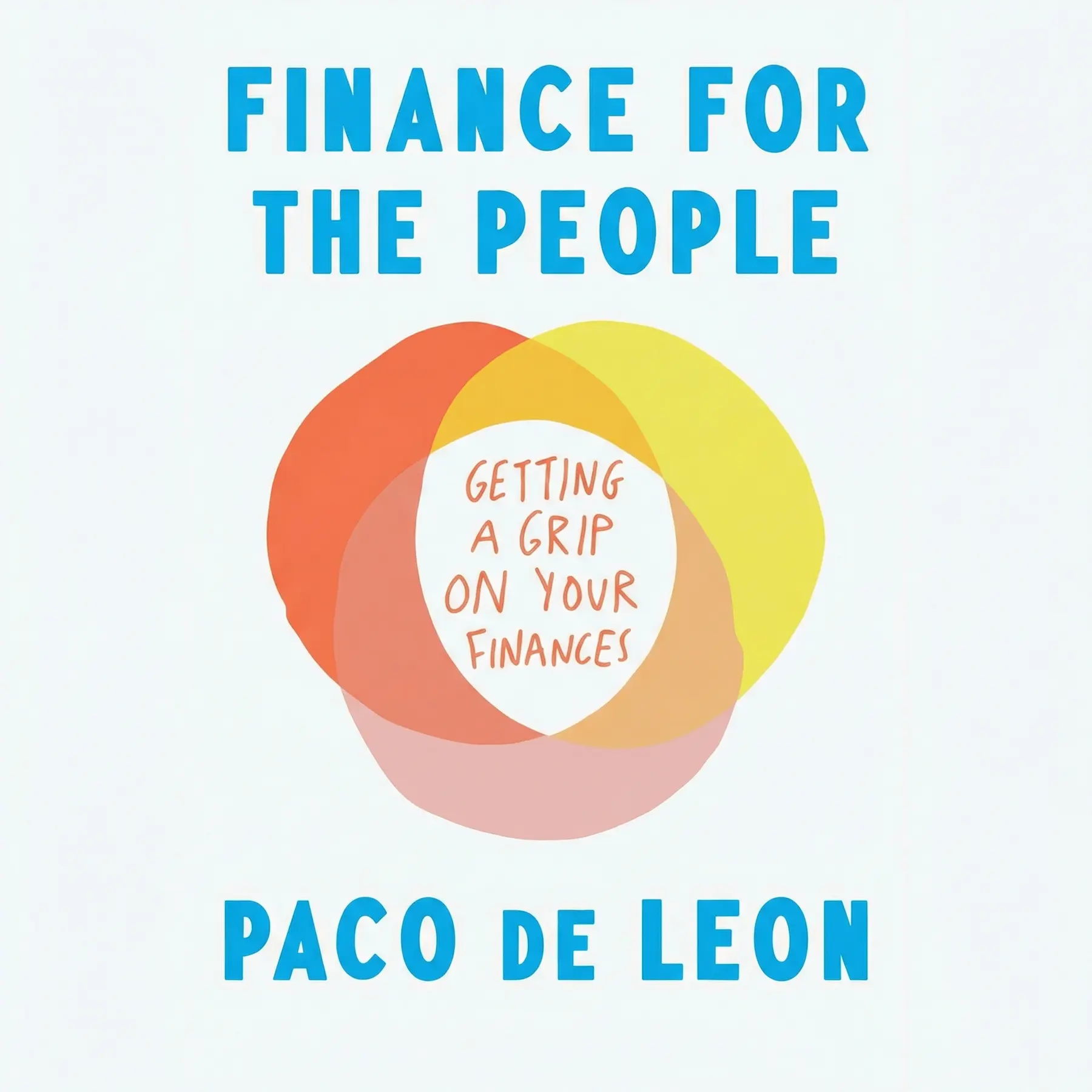
Finance for the People: Getting a Grip on Your Finances
By Paco de Leon
Paco de Leon redefines personal finance for a modern world, focusing on mindset, emotional wellness, and practical systems to bridge the gap between financial anxiety and sustainable, long-term wealth.
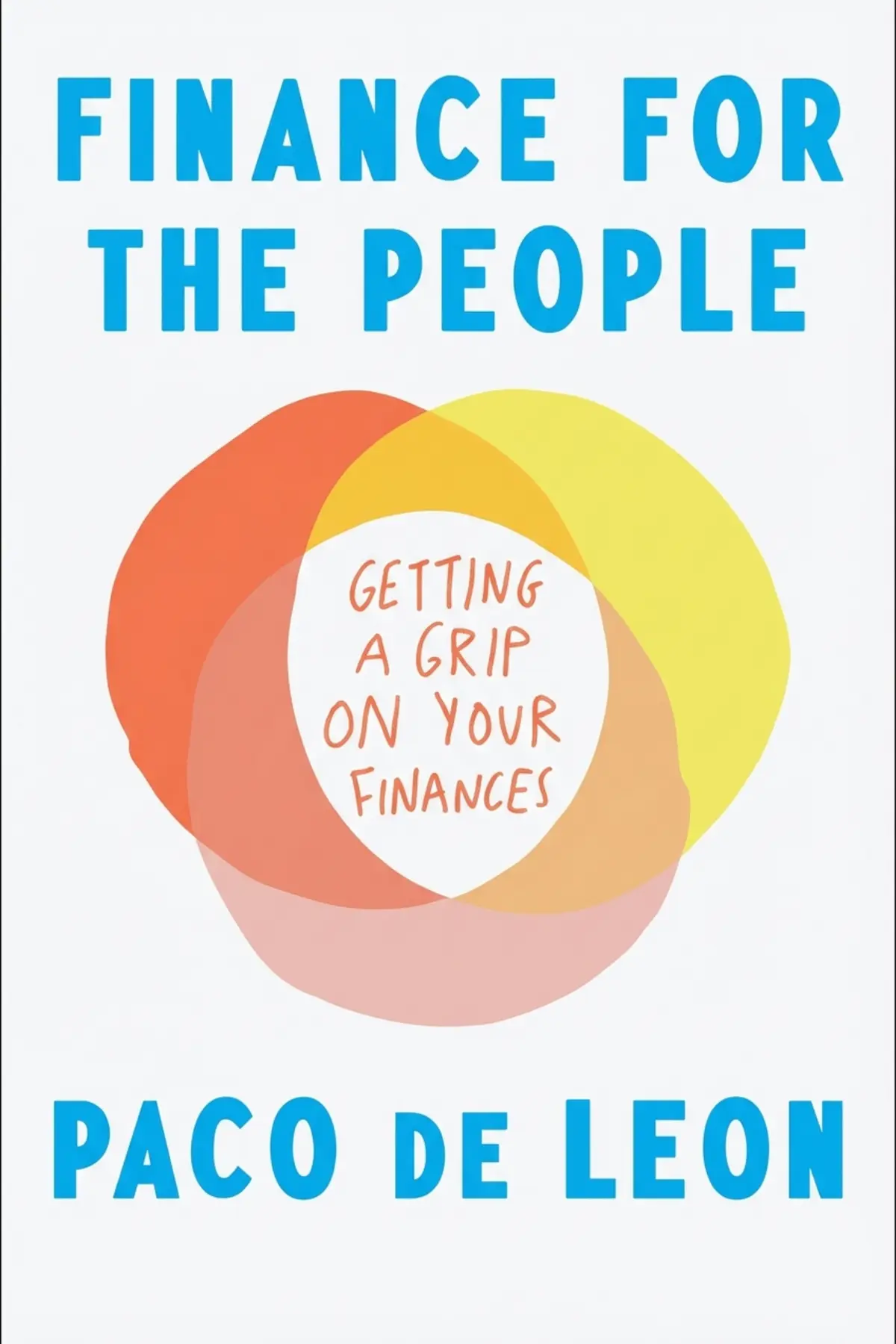
Table of Content
1. Introduction
1 min 29 sec
Money is rarely just about the math. If it were, we would all be perfect savers and rational investors. In reality, our relationship with finance is tangled up in our emotions, our history, and our sense of self-worth. For many, checking a bank balance isn’t a neutral act of data collection; it’s an experience fraught with anxiety, shame, or even a sense of impending doom. This is where most financial advice fails us—it focuses on the numbers while ignoring the human being behind the calculator.
Finance for the People changes that dynamic. It invites you to stop looking at money as a cold, external force and start seeing it as a tool that can be mastered once you understand your own internal wiring. The journey toward financial health isn’t just about cutting back on lattes or picking the right index fund. It is about untangling the psychological knots that keep you in a state of scarcity. This summary will walk you through the process of rebuilding your financial foundation from the ground up, starting with the stories you tell yourself and moving toward practical, automated systems that give you the freedom to live fully.
Throughout this exploration, we will look at how to handle the weight of debt without the crushing burden of shame, and how to focus on growth rather than just restriction. We are going to look at money as a flow—a resource that can be directed and managed to support the life you actually want to live. By the end, you’ll see that financial well-being isn’t a destination you reach; it’s a practice you develop.
2. Rewriting the Narrative of Your Financial Identity
2 min 20 sec
Does money feel like a mystery or a burden? Discover how the stories we were told as children about wealth shape our current financial reality and learn how to rewrite your script.
3. Mastering Emotional Awareness and Spending Patterns
2 min 13 sec
Why do we buy things we don’t need? Explore the emotional drivers behind your spending habits and find out how a simple tracking ritual can transform your financial self-awareness.
4. The Architecture of a Stress-Free Cash Flow System
2 min 30 sec
Say goodbye to complicated spreadsheets. Learn a streamlined approach to managing your cash flow using two distinct bank accounts that separate your survival needs from your personal enjoyment.
5. Expanding the Flow by Increasing Your Earning Power
2 min 21 sec
Frugality has its limits, but your potential to earn is far more flexible. Learn why focusing on increasing your income is more effective than just cutting back on your daily coffee.
6. Reframing Debt as a Path to Empowerment
2 min 18 sec
Debt doesn’t have to be a source of shame. Discover how to reframe your liabilities as strategic tools and build a sustainable plan to regain your financial independence.
7. Conclusion
1 min 18 sec
The path to financial mastery is not a sprint; it’s a lifelong practice of aligning your outer world with your inner values. Throughout this journey, we’ve seen that managing money is as much about psychological resilience as it is about mathematical literacy. By rewriting the inherited stories that no longer serve you, you clear the mental space needed to make better decisions. By creating automated systems that separate your survival from your enjoyment, you eliminate the friction and anxiety that lead to financial burnout.
True wealth isn’t just about the size of your bank account; it’s about the agency and freedom that money provides. It’s about having the resources to weather a storm and the ability to say “yes” to the opportunities that enrich your soul. As you move forward, remember to be patient with yourself. Financial habits take time to build, and setbacks are simply data points that show you where your system needs a tune-up.
Keep your focus on growth, not just restriction. Invest in yourself, cultivate a mindset of abundance, and stay connected to your “why.” When you treat your finances with intentionality and compassion, you turn money from a source of stress into a powerful engine for a fulfilling life. You have the power to write a new ending to your money story—one defined by security, generosity, and peace of mind.
About this book
What is this book about?
Money is often treated as a cold, clinical subject dominated by spreadsheets and hard math. However, for most people, money is deeply emotional, tied to our identity, and rooted in the stories we were told as children. Finance for the People acknowledges this human complexity, offering a compassionate guide to navigating the modern economic landscape. The book promises a path to financial literacy that doesn't ignore the messy psychological side of things. It moves beyond basic budgeting to explore why we feel the way we do about our bank accounts. From breaking down ancestral money myths to setting up automated banking structures that separate survival from fun, Paco de Leon provides a roadmap for anyone feeling overwhelmed by debt or stuck in a cycle of scarcity. It is a toolkit designed to help you regain agency and build a life of abundance.
Book Information
About the Author
Paco de Leon
Paco de Leon is a financial specialist and the creator of The Hell Yeah Group, which provides financial advice to creative agencies and production firms. Besides her well-received book Finance for the People, de Leon contributes to various notable publications and hosts the podcast Weird Finance.
Ratings & Reviews
Ratings at a glance
What people think
Listeners find this book to be a beneficial starting point for managing personal finances, with one listener highlighting that it addresses all the fundamental concepts. The work earns praise for its actionable tips, as one listener points out how it explores the psychological factors behind money habits. Many consider it an essential read, valuing its genuine tone and relatable comparisons. However, the humor receives a varied response from listeners.
Top reviews
Rafael
As someone who has always felt a physical knot in my stomach when opening bank apps, this book felt like a warm hug and a reality check all at once. Paco de Leon manages to dismantle the shame we carry about money by diving into the actual psychology of our habits. I loved the emphasis on the 'money mindset' and how our childhood experiences shape the way we view every dollar that enters our account. The illustrations are not just cute; they actually help visualize complex emotional barriers. It’s a rare finance book that prioritizes mental health alongside math. If you've spent years feeling guilty about your spending, the journaling prompts here will be a revelation. This isn't just about spreadsheets; it’s about healing your relationship with your resources. Truly a foundational read for my generation.
Show moreMuk
Picked this up because I wanted to understand why I spend when I'm stressed, and the psychological deep-dive here didn't disappoint. The author makes a brilliant case for why our financial health is tied to our social identity, covering how race, sex, and class dictate our risk tolerance. Frankly, most finance gurus ignore these systemic issues, so seeing them centered here was refreshing. The 'Financial Awesomeness' pyramid provided a clear, non-linear roadmap that made me feel successful for the small milestones I've already hit. I found myself scribbling notes in the margins about my own 'scarcity' narratives. It’s approachable, honest, and actually fun to read. Highly recommend for anyone who feels alienated by traditional, dry investment guides. This book understands that we are humans, not just calculators.
Show moreStella
Finally, a finance book that acknowledges the systemic barriers like race and gender instead of just telling us to skip the daily latte! Paco de Leon understands that our financial lives aren't lived in a vacuum. The chapter on negotiating pay raises and expanding income was particularly empowering for me. I’ve always lived with this nagging fear that my earnings were fixed by someone else’s whim, but this book helped me see my own agency. The exercises at the end of each chapter are actually useful, not just filler. It helped me realize that my oscillation between saving and binging was a trauma response to past job loss. That realization alone was worth the price of the book. It’s inclusive, radical, and necessary.
Show moreTom
Ever wonder why you have a 'scarcity' mindset despite having a steady paycheck? Paco de Leon breaks down these mental barriers with such grace and clarity. I loved the idea that wealth is what you own, not what you spend. It sounds simple, but the way she explains the tipping point where your wealth starts building itself really clicked for me. The illustrations keep the energy high even when discussing potentially dry topics like insurance or debt. I felt seen by the descriptions of financial anxiety. This book taught me that being financially independent means your security isn't tied to a single paycheck. It’s a total shift in perspective that I didn't know I needed. Highly recommend for the 'money-avoidant' folks out there.
Show morePracha
Wow. I didn’t expect to be doing journaling exercises in a book about money, but the reflection prompts really helped me unearth some weird childhood narratives that were still tanking my savings. The 'Financial Awesomeness' pyramid is a great visual tool. It helped me stop obsessing over the top-tier goals and focus on building my foundation first. This book is honest, inclusive, and feels like talking to a very smart friend who doesn't judge you for your credit card balance. The focus on reframing debt and building guardrails is genius. For the first time in my life, I feel like I have a plan that respects my future self. This is essential reading for millennials and anyone else who feels left behind by the traditional financial system.
Show morePaiboon
The illustrations and charts in this book are absolutely top-tier and make the subject matter feel much less intimidating. It covers all the essential bases like emergency funds, debt management, and the basics of investing without being condescending. I particularly appreciated the section on reframing debt as a tool rather than a source of constant shame. However, to be fair, if you already have a solid grasp on diversified portfolios and retirement accounts, you might find the second half a bit redundant. It’s definitely an introductory text. That said, the focus on shifting from a scarcity to an abundance mindset is a lesson even seasoned investors could benefit from. It’s a great gift for a recent grad or someone just starting their first 'big kid' job.
Show moreFah
After hearing Paco on a podcast, I was curious if the book would offer more depth than a short interview, and it mostly succeeds in bridging that gap. The way she weaves together sociology and economics is impressive. She doesn't just tell you to save; she asks you why you feel the need to spend in the first place. I appreciated the guardrails concept for separate accounts, which has already helped me curb some impulsive discretionary spending. My only gripe is that it can feel a bit repetitive in the middle chapters. Still, the focus on increasing income rather than just obsessing over frugality is a vital message. It’s a solid, 4-star guide for anyone needing a mindset shift.
Show moreBo
Does everyone need to read this? Probably not if you’re a CPA, but it’s the perfect gift for a recent grad who is terrified of their student loans. The author uses everyday analogies that actually make sense, making the 'economic theater' feel like something we can actually participate in rather than just watch from the sidelines. I really liked the practical tips on separate accounts for essentials versus fun money. It’s a very US-centric book, which is worth noting, but the core lessons about gratitude and abundance are universal. The writing style is conversational and easy to breeze through in a weekend. It’s a great 'get your life together' manual that doesn't feel like a lecture.
Show moreJoseph
While the illustrations are charming and the tone is incredibly accessible, I found the second half a bit too geared toward the American credit and student loan system. As an international reader, a lot of the practical advice on specific debt payoff plans didn't quite translate to my situation. Truth is, the book stays very much on the surface of financial strategy. The humor was also a bit hit-or-miss for me; sometimes it felt like it was trying a little too hard to be 'relatable' to millennials. It’s a decent starting point if you’ve never thought about your relationship with money before, but don’t expect deep technical insights into market trends or complex tax strategies. It’s more of a self-help book with a side of accounting.
Show moreRohan
Look, if you’ve never heard of an emergency fund or basic budgeting, this might be a revelation, but for anyone else, it’s mostly fluff. I felt like I was reading a very long marketing brochure for the author's financial planning business. The advice is extremely basic—almost to a fault. It skims the surface of real strategic ideas, choosing instead to focus on 'vibes' and mindset. While the drawings are nice, they take up a lot of space that could have been used for more substantial data or advanced concepts. Not gonna lie, I was disappointed by the lack of depth. If you’re over 25 and have ever Googled 'how to save money,' you probably already know 90% of what is in here.
Show moreReaders also enjoyed

AUDIO SUMMARY AVAILABLE
Listen to Finance for the People in 15 minutes
Get the key ideas from Finance for the People by Paco de Leon, plus 5,000+ more titles in English and Thai.
- 5,000+ titles
- Listen as much as you want
- 7-day free trial
- Cancel anytime







