
16 min 09 sec
Find Your Unicorn Space: Reclaim Your Creative Life in a Too-Busy World
By Eve Rodsky
Eve Rodsky explores how to reclaim personal time for creative pursuits. By identifying Unicorn Space, individuals can move beyond simple self-care to find meaningful self-expression and combat the burnout of modern domestic life.
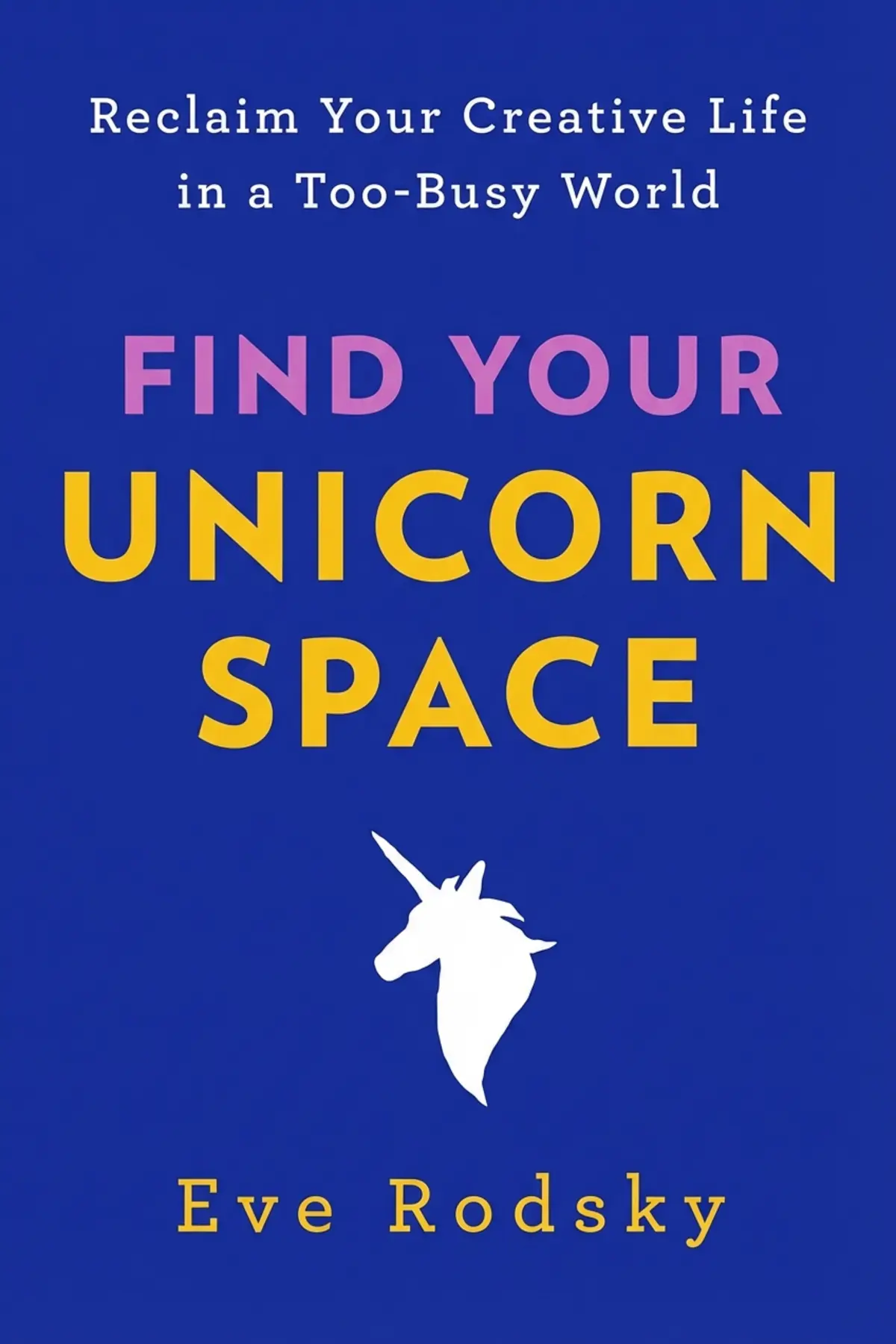
Table of Content
1. Introduction
1 min 47 sec
Have you ever looked at your calendar and realized that every single block of time belongs to someone else? Between the demands of your career, the endless needs of your family, the chores that never seem to end, and the social obligations you feel pressured to keep, it is incredibly easy to lose sight of who you are when you aren’t serving others. Most of us have been taught that being a responsible adult—especially a responsible parent or partner—means putting our own desires at the very bottom of the priority list. We treat our passions like luxuries we can only afford once everything else is perfectly finished. But the truth is, everything else is never perfectly finished.
Eve Rodsky suggests that this perpetual self-sacrifice isn’t just tiring; it’s actually detrimental to our health, our relationships, and our overall sense of purpose. When we stop making room for the things that light us up, we start to wither. We become shadows of ourselves, fueled by caffeine and obligation rather than inspiration and joy. This is where the concept of the Unicorn Space comes in. It is not about finding a few extra minutes to scroll through your phone or taking a quick nap. It is about intentionally carving out a physical and mental territory where you can be creative, expressive, and authentically yourself.
In the following discussion, we are going to explore why this space is so vital and why it feels so mythical—like a unicorn—to so many people. We will look at the cultural and domestic barriers that keep us from our passions, particularly the gendered expectations surrounding housework and childcare. Most importantly, we will walk through a practical framework for reclaiming your curiosity, setting firm boundaries, and giving yourself permission to exist as more than just a provider or a caregiver. By the end, you’ll see that your creative life isn’t a vanity project; it’s a necessity for a life well-lived.
2. Defining the Unicorn Space Beyond Basic Self-Care
2 min 01 sec
Discover why bubble baths and naps aren’t enough to sustain your spirit and how active creative expression differs from passive relaxation.
3. The Invisible Barriers and the Gender Gap in Personal Time
2 min 19 sec
Explore the systemic and psychological reasons why claiming creative time is often much harder for women than it is for men.
4. Negotiating Fairness and Setting Sustainable Boundaries
2 min 15 sec
Learn the practical steps for communicating your needs and holding the line when life tries to intrude on your creative space.
5. Connecting with Curiosity to Overcome Identity Loss
2 min 03 sec
Find out how to rediscover your interests when years of routine have left you feeling disconnected from your true self.
6. The Three Permissions Essential for Creative Growth
2 min 12 sec
Unpack the three mental shifts you must make to protect your creative time and silence your inner critic.
7. Choosing Completion Over Perfectionism
2 min 02 sec
Learn why finishing a project is more important than making it perfect and how to share your work with the world for true fulfillment.
8. Conclusion
1 min 30 sec
In the hustle and bustle of modern life, it is incredibly easy to feel like you are disappearing under the weight of your own responsibilities. We spend so much energy being ‘productive’ for the sake of others that we forget how to be ‘creative’ for the sake of ourselves. But as we have explored, the Unicorn Space is not a luxury or a frivolous distraction. It is the very thing that keeps us human. It is the territory where we reclaim our curiosity, our identity, and our joy.
Reclaiming this space isn’t always easy. It requires difficult conversations about domestic fairness, the strength to set firm boundaries, and the courage to ignore the siren song of guilt. It means giving yourself permission to be unavailable and choosing the messy reality of completion over the sterile dream of perfection. But the rewards are profound. When you make room for your passions, you aren’t just becoming a better artist, gardener, or writer; you are becoming a more vibrant, resilient, and present version of yourself.
As you move forward, start small. Find one thing that makes you curious and protect the time to explore it. Negotiate for that hour or that afternoon as if your well-being depends on it—because it does. Your family, your work, and the world at large don’t need a burned-out martyr; they need a person who is alive with purpose and inspiration. It is time to stop waiting for the perfect moment and start building your own Unicorn Space today. You have already done the work for everyone else; now, it’s time to do the work of being you.
About this book
What is this book about?
This summary explores the concept of Unicorn Space—the essential time and mental room needed to pursue activities that make us feel alive and uniquely ourselves. In a world where we are constantly bombarded by demands from work, family, and social obligations, our personal passions often fall to the bottom of the priority list. This is especially true for those who shoulder the bulk of domestic labor, leading to a loss of identity and chronic burnout. The promise of this exploration is a practical roadmap for reclaiming that lost sense of self. It goes beyond the basic advice of taking a bubble bath or getting more sleep. Instead, it focuses on the deep, active engagement required for true creativity and self-expression. By learning how to set firm boundaries, negotiate fairness within the household, and give oneself permission to be unavailable, readers can find a sustainable way to integrate their passions into their daily lives. It is a call to move from a state of mere survival to one of thriving through the intentional pursuit of curiosity and the sharing of our unique gifts with the world.
Book Information
About the Author
Eve Rodsky
Eve Rodsky is the New York Times best-selling author of Fair Play, which examines the distribution of unpaid labor within the home. Drawing on extensive research, Rodsky provides sustainable strategies to address the common issue of self-neglect, particularly among women.
Ratings & Reviews
Ratings at a glance
What people think
Listeners find the work highly readable and value its emphasis on prioritizing creative outlets. The development of the core concepts is well-regarded, with one listener characterizing the book as a natural evolution of the ideas presented. Furthermore, listeners describe the content as motivating, including one who notes it helps in reclaiming lost passions. The included exercises are also appreciated, with one listener mentioning they are worth doing. However, the writing style receives a varied response from listeners.
Top reviews
Wanida
Finally got around to reading this and wow, it actually changed my perspective on my own guilt. As a stay-at-home mom, I always felt like my photography was just a 'selfish' distraction from my kids and their needs. Rodsky’s argument that creative self-expression is essential for mental well-being helped me stop apologizing for taking that time. To be fair, she does reference her previous book a lot, but the new material here regarding the '3 Cs' stands on its own. The exercises are surprisingly practical and actually worth doing if you’re feeling stuck in a rut. I loved the diverse interviews, especially the one with Bob Ballard—it was so unexpectedly moving and went much deeper than the typical self-help anecdote. It’s an inspiring read that pushed me to stop calling my passions 'hobbies' and start treating them as vital parts of who I am as a human being.
Show moreGiulia
As someone who has been drowning in the 'invisible load' for years, this was a lifeline. Rodsky speaks directly to the exhaustion of modern motherhood. She doesn't just say 'take a bath'; she gives you a roadmap to reclaiming your curiosity. I loved the focus on 'purposeful sharing' and how it connects us to our community. The book is readable and deeply inspiring, especially the diverse stories from people who found their space against all odds. Personally, I didn't mind the bubbly tone because it felt like a friend cheering me on when I was ready to give up. If you feel like a shell of your former self, please read this. It’s a beautiful reminder that we are allowed to be more than just a list of chores and responsibilities.
Show moreMats
After finding Fair Play so transformative, I was eager to see where Rodsky went next. This feels like a natural evolution of her work on domestic labor, shifting the focus from mere 'survival' to actually living a life of meaning. The concept of 'Unicorn Space'—a dedicated place for pure creative self-expression that isn’t just another side hustle—really hit home for me. I appreciated the structured exercises throughout the chapters, though I'll admit the tone can be a bit much at times. Sometimes the 'rah-rah' energy feels slightly disconnected from the gritty reality of being bone-tired. Still, the message that creativity is a necessity rather than a luxury is something I deeply needed to hear. The interview with the 'Pie Lady' was a major highlight for me. It’s a solid 4 stars because while the delivery is bubbly, the core framework is genuinely useful for reclaiming your identity beyond your household roles.
Show moreOlivia
Ever wonder where your 'spark' went? I did, and that’s why I picked this up. Rodsky does a great job of distinguishing between 'self-care' (which is often just maintenance like sleeping or bathing) and 'unicorn space' (which is about true flourishing). I found the exercises really helped me identify why I’d stopped painting and how to reclaim that part of myself. Look, the writing is definitely 'rah-rah,' and if that’s not your vibe, you might get annoyed by the exclamation points. But if you can lean into the enthusiasm, there’s some solid psychology here. I appreciated the focus on sharing your pursuit with the world, which helped me move past my fear of being 'bad' at my art. It’s an empowering read for anyone feeling like they’ve lost their identity to their roles as a worker or parent.
Show moreOscar
The chapter on the three P's was exactly what I needed to get over my creative block. I’ve always been a perfectionist, which usually means I quit as soon as a project gets difficult or tedious. Rodsky’s insights into the creative process helped me realize that those 'stuck' parts are just part of the journey. I was surprised by how much I enjoyed the interview with Bob Ballard, the oceanographer; it added a layer of depth that I wasn't expecting from a book with a unicorn on the cover! While some of the domestic advice felt a bit like a rehash of her earlier work, the overall focus on valuing your own time is powerful. It’s a great, practical guide for anyone looking to rediscover a passion they’ve set aside for far too long.
Show morePornpimon
Is it just me, or is the terminology here a bit much? While the core concept of carving out space for yourself is great, I struggled with the delivery. Rodsky uses so many acronyms—FOMM, BHAAG, the 3 Cs—that I felt like I was back in a corporate HR seminar rather than a book about creativity. Not gonna lie, the 'Unicorn Space' branding is a little cringey for my taste and feels a bit dated. However, the book isn't without its merits. The section on overcoming perfectionism near the end was actually brilliant and helped me get back into my pottery. I just wish she’d spent less time talking about her impromptu Costco surveys and more time on the actual creative process. It's a readable, helpful guide if you can look past the relentlessly cheerful, 'girl-boss' tone that permeates every page.
Show moreLars
The truth is, this feels like an extended epilogue to Fair Play. While that book solved the 'who does the dishes' problem, this one tries to answer the question: 'now what do I do with the extra hour?' It’s a noble goal, but the execution is hit or miss. On one hand, the research on how creativity increases longevity is fascinating and well-cited. On the other hand, the author’s habit of constant self-referencing becomes tiresome after the fifth chapter. I also found the mixed messaging on monetization a bit confusing; she says it shouldn't be a side hustle, then highlights several people who turned their space into a career. It’s a decent enough read if you need permission to prioritize yourself, but it lacks the groundbreaking feel of her first book. It's readable, but it didn't quite change my life.
Show moreNitaya
Picked this up hoping for some general inspiration for my sewing projects, but it felt incredibly niche. If you aren't a cis-het woman in a marriage with a partner who doesn't do their fair share of the housework, a lot of this advice just won't land. The author spends an exhaustive amount of time on how to negotiate with husbands, which is fine for her specific demographic, but felt like a lot of filler to me. Personally, as someone who is single and child-free, I found myself asking: do I not deserve a 'Unicorn Space' without a 50-page lecture on domestic labor? There are some decent prompts hidden under all the corporate-style acronyms and 'Slay It Forward' catchphrases, but the good stuff is buried way too deep. It's a lot of fluff for a very simple message: go do your hobby. I ended up skimming significant chunks by the middle of the book.
Show morePacharapol
Too much filler, not enough substance. I really wanted to like this, but I couldn't get past the writing style. The author spends so much time explaining her own enlightenment and using marketing-speak for things that are essentially just hobbies. I don't need a 'Slay It Forward share,' I just need to be able to knit for an hour without someone asking me where the remote is! This is clearly written for a very specific type of woman, and as someone who doesn't fit that mold, I felt excluded. It's repetitive and honestly quite frustrating to read at times. Two stars only because the basic message—that women deserve time to create—is an important one, even if the delivery fails to resonate with anyone outside of a narrow demographic.
Show moreMeen
This book was a major disappointment for me. It assumes the reader has a massive amount of financial security and a specific type of domestic struggle that just isn't universal. To be frank, the author’s tone feels quite self-indulgent at times, with endless anecdotes about her high-powered friends and judgmental observations of people she meets. She even mentions a friend's private argument just to critique their communication style—it felt tacky and unnecessary. The content could have been a 1,500-word blog post: 'negotiate with your partner so you have time for a hobby.' Instead, we get hundreds of pages of adjectives and random references to Radiohead lyrics on Target journals. If you aren't a middle-class mom with an unhelpful husband, there is almost nothing here for you. Save your time and just go do whatever it is you enjoy doing without the buzzwords.
Show moreReaders also enjoyed
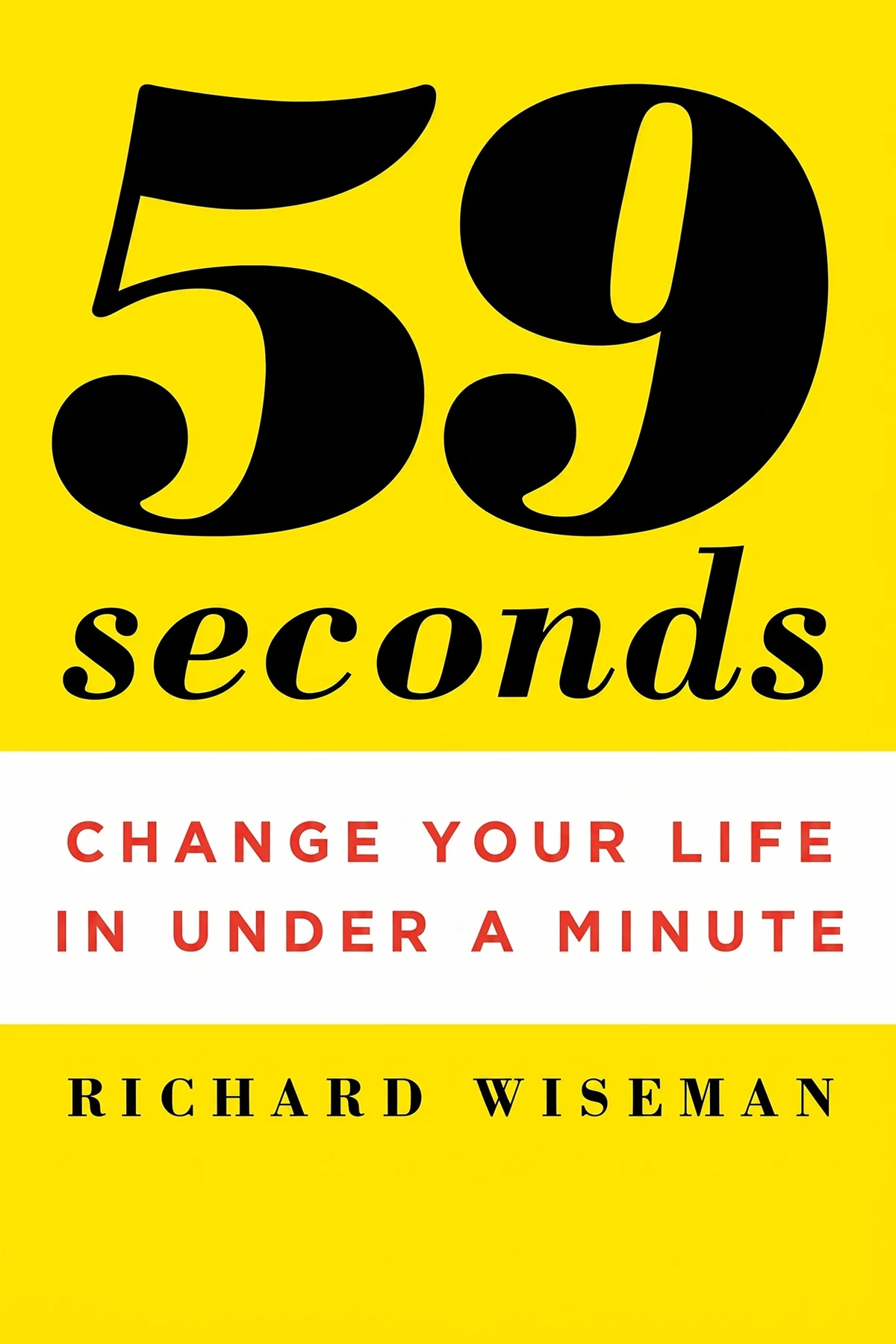
59 Seconds: Change Your Life in Under a Minute
Richard Wiseman
A Guide to the Good Life: The Ancient Art of Stoic Joy
William B. Irvine
A High-Performing Mind: Strengthen Your Mind and Live Your Best Life
Andrew D. Thompson
AUDIO SUMMARY AVAILABLE
Listen to Find Your Unicorn Space in 15 minutes
Get the key ideas from Find Your Unicorn Space by Eve Rodsky, plus 5,000+ more titles in English and Thai.
- 5,000+ titles
- Listen as much as you want
- 7-day free trial
- Cancel anytime







