
16 min 12 sec
First Bite: How We Learn to Eat
By Bee Wilson
First Bite explores the psychological and cultural forces that shape our palates. It reveals how our eating habits are learned behaviors that can be reshaped for a healthier relationship with food.
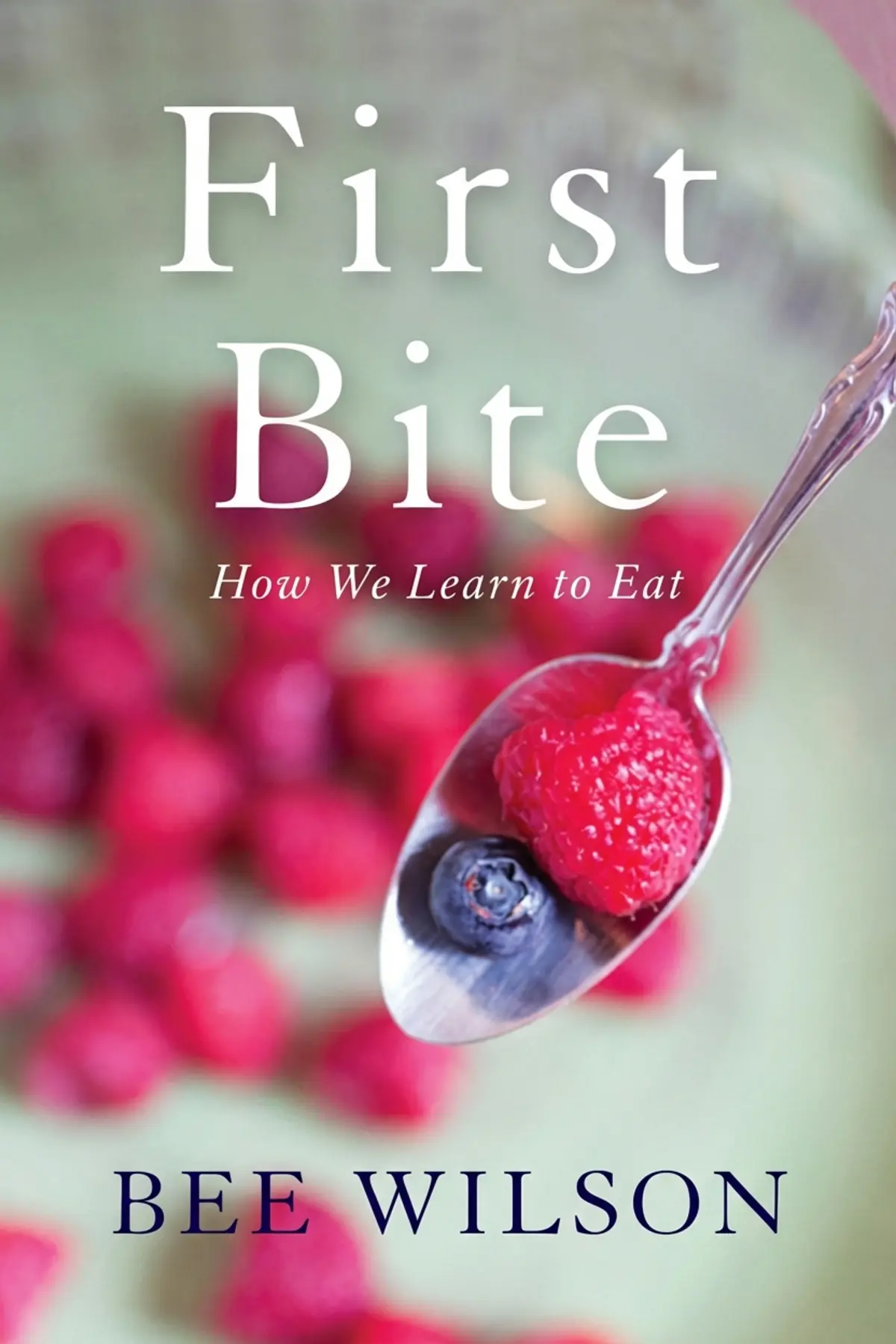
Table of Content
1. Introduction
1 min 39 sec
Think back to your favorite meal. Perhaps it is a steaming bowl of noodles, a specific type of soup, or a dish your grandmother used to make on rainy afternoons. If you try to describe why you love it, you might mention the texture or a specific spice, but the truth usually lies deeper than your taste buds. Most of our food preferences are tied to the narratives of our lives, particularly the experiences we had as children. From that very first spoonful of mush to the meals shared at the family table, our relationship with food is a learned language, one that shapes our cravings and our health for decades to come.
In this exploration of how we learn to eat, we are going to look at the intersection of psychology, culture, and biology. The central throughline here is that your palate is not a static part of your DNA; it is a flexible, evolving aspect of your identity. By understanding the forces that built your current habits—from the way your parents pressured you at dinner to the way marketers target children—you gain the power to reshape them.
We will examine why the concept of a ‘sweet tooth’ might be more about environment than evolution, how children are actually capable of making wise nutritional choices if left to their own devices, and what we can learn from the historical transformation of the Japanese diet. Whether you are struggling with a habit of emotional eating or trying to help a picky eater, the insights ahead will change the way you look at your plate. It is time to uncover why we eat the way we do and how we can find our way back to a more nourishing way of life.
2. The Learned Palate
1 min 59 sec
Think your cravings are written in your DNA? Discover why our preferences for sweet or savory are actually the result of environmental conditioning rather than biological destiny.
3. The Failure of Mealtime Pressure
1 min 55 sec
Parental force often backfires when it comes to healthy eating. Learn why children are actually better at self-regulating their nutrition than we often give them credit for.
4. The Trap of Kid Food Marketing
1 min 44 sec
Modern marketing has created a category of ‘child-friendly’ food that is anything but healthy. Explore why even well-intentioned health reforms often fail to hit the mark.
5. Ancestral Shadows and Emotional Eating
1 min 59 sec
How the memories of past famines can lead to modern obesity and why we often use food to quiet our emotions instead of fueling our bodies.
6. Gendered Plates and Weight Misperception
1 min 56 sec
Societal norms dictate different diets for boys and girls, leading to surprising nutritional gaps and a collective blindness to what a healthy weight actually looks like.
7. Distinguishing Hunger from Appetite
1 min 36 sec
In a world of constant snacking, we have lost touch with true hunger. Learn how to recalibrate your internal compass to recognize when you are actually full.
8. The Path to National Transformation
1 min 58 sec
Dietary habits aren’t just personal; they are cultural. Discover how Japan completely reinvented its national diet and how you can spark change in your own life.
9. Conclusion
1 min 26 sec
As we have seen throughout this journey, the way we eat is far more than a biological necessity; it is a complex tapestry woven from our early memories, our cultural history, and the social norms that surround us. The ‘first bite’ we take as children sets the stage, but it does not have to be the final word. The most important takeaway is that our palates are resilient and adaptable. No matter how many years you have spent as a picky eater or a comfort eater, the capacity to learn a new way of tasting is still within you.
To move forward, we must stop viewing food as a battleground or a source of guilt. Instead, we can look at it as a skill to be practiced. Start by paying closer attention to your body’s true signals of hunger and fullness. If you have children, lead by example rather than by pressure; show them that healthy eating is an exploration of flavor, not a chore.
Real change, whether in a single household or across an entire nation like Japan, comes from a place of encouragement and interest. By understanding the ‘why’ behind our cravings, we can begin to make conscious choices that lead to a more balanced and joyful relationship with the food on our plates. You have the power to retrain your brain, one bite at a time, and discover a world of nourishment that you may have never thought possible.
About this book
What is this book about?
Have you ever wondered why you crave certain flavors while others leave you cold? First Bite delves into the complex origins of our dietary preferences, arguing that our tastes are not fixed at birth but are meticulously constructed through our early environments and social experiences. Bee Wilson examines everything from the influence of family dynamics and gender roles to the aggressive marketing of processed foods, providing a roadmap for understanding how we became the eaters we are today. By dissecting the history of food culture and the science of satiety, this summary offers more than just an explanation of bad habits; it provides a promise of change. You will discover how to distinguish true hunger from emotional appetite and see how entire nations, like Japan, have successfully transformed their eating patterns. It is a guide to retraining the palate and rediscovering the joy of real nourishment.
Book Information
About the Author
Bee Wilson
Bee Wilson is a historian and author of many books, including Swindled and Consider the Fork. Also an acclaimed food journalist, Wilson was named food writer of the year in 2002 by BBC Radio and food journalist of the year in 2004, 2008 and 2009 by the Guild of Food Writers for her Sunday Telegraph column, The Kitchen Thinker.
Ratings & Reviews
Ratings at a glance
What people think
Listeners find this work captivating and skillfully composed, with one individual noting that it is highly educational regarding eating struggles in both youth and adults. Furthermore, the content provides useful observations about food choices and dietary patterns, as one listener emphasizes how the text shifts one’s viewpoint on nutritious eating. Listeners also value how easy the material is to digest, with one mentioning it is especially advantageous for new parents.
Top reviews
Sun
As someone who has spent years trapped in a cycle of emotional eating, Wilson’s perspective felt like a long-overdue breath of fresh air. She argues convincingly that our tastes aren't fixed at birth but are learned behaviors that can be shifted with patience and the right environment. I loved the section on how Japanese schools approach lunch as a form of education rather than just a break, which stands in stark contrast to our hurried Western habits. The book is remarkably non-judgmental, which is rare for the genre, and it offers real hope that we can unlearn the cues that lead us to overeat. I started trying the tiny-tastes method on myself with vegetables I used to hate, and remarkably, it’s actually working. It is a slow, thoughtful exploration of the psychology of the palate that I think everyone should read. Truly, this is the sanest book about food I have ever encountered.
Show moreSakura
The chapter comparing Western feeding habits to those in Japan was worth the price of the book alone! I never realized how much our cultural expectations around 'kid food' actually sabotage our children's ability to enjoy a diverse diet. Wilson’s exploration of the 'Tiny Tastes' method is revolutionary for parents of picky eaters, and it’s something I’ve already started recommending to my friends. The book is a brilliant mix of sociology, history, and psychology that feels incredibly relevant in our current age of processed food abundance. Personally, I found the section on the Minnesota Starvation Experiment to be a harrowing but necessary reminder of how biology can override our best intentions. It isn't just a book about nutrition; it's a book about what it means to be human in a world where food is everywhere. If you enjoy Mary Roach or Ed Yong, you will likely find this right up your alley. Simply fascinating from start to finish.
Show moreRod
While many readers might pigeonhole this as a parenting guide, it's actually a brilliant exploration of how our environment dictates our desires. Wilson’s writing is elegant and her research is thorough, weaving together disparate threads of history and science into a compelling narrative. I was particularly struck by the discussion on how guilt and peer pressure influence our eating habits more than we care to admit. The book doesn't offer easy answers or a 10-day detox plan, and that's exactly why it's so valuable. It demands that you look inward and analyze the experiences that shaped your own palate. Not gonna lie, some of the descriptions of eating disorders were difficult to read, but they were handled with such grace and importance. This is a must-read for anyone who wants to understand the complex, messy, and wonderful reality of human appetite. It’s easily one of the best books on food culture I’ve read in years.
Show moreEli
Picked this up because my toddler is currently refusing anything that isn't beige or bread-shaped, and I desperately needed some scientific reassurance. Wilson provides a wealth of insight into the 'flavor window' between four and seven months, which was fascinating, even if I’m a bit late to the party for my firstborn. The book isn’t just for parents, though; it’s a deep dive into how we all develop our idiosyncratic relationships with food through memory and culture. I particularly appreciated the discussion on how our adult habits are often just echoes of how our parents fed us decades ago. While some of the chapters felt a bit long-winded, the writing remains accessible and empathetic throughout the entire journey. It's a comforting read that avoids the typical finger-wagging you find in most nutrition books, focusing instead on the joy of expanding one’s palate. Truth is, I feel much better equipped to handle the dinner table battles now.
Show moreArthit
Ever wonder why you suddenly love olives as an adult when you despised them for your entire childhood? First Bite explains the mechanics behind that shift with incredible clarity and a lot of engaging anecdotes. Wilson moves beyond the 'we are what we eat' cliché to explore the complex web of family, economy, and biology that dictates our preferences. I found the chapters on how we perceive hunger to be particularly enlightening, especially the idea that hunger isn't just a physical sensation but a learned response. The book is quite readable, though it does lean heavily on pop-science at times rather than dense academic research. Still, for a general audience, it hits the right balance of being informative without being dry. I appreciated how she tackled the sensitive subject of eating disorders with such care and nuance. It’s a solid four-star read that will definitely change how you look at your next meal.
Show moreJonathan
Wilson writes with a level of compassion that is frankly rare in the world of nutrition and health writing today. Instead of prescribing a strict diet or demonizing specific food groups, she looks at the 'how' of eating—how we learn to crave sugar, how we learn to stop when we're full, and how we can change those patterns. The case studies she includes are fascinating, ranging from historical experiments to modern-day clinics treating extreme food phobias. Some of the repetitive sentences did start to grate on me by the end, and I think the book could have benefited from more 21st-century data. However, the core message that taste is a skill we can practice is incredibly empowering for anyone who feels stuck in their habits. It’s a very readable book that manages to be both academic and deeply personal at the same time. Definitely worth a look if you’re interested in the psychology behind your cravings.
Show moreMai
Finally got around to reading this after seeing it referenced in several health blogs, and it definitely changed how I view my dinner plate. The truth is, I always assumed my hatred for certain vegetables was just a permanent part of my DNA, but Wilson shows that’s rarely the case. We are much more flexible than we think, and our palates are capable of surprising evolution even well into adulthood. I loved the way she connected our personal food memories to the broader societal shifts in how we produce and consume calories. There’s a lot of ground covered here, from the trauma of forced feeding to the joy of discovering a new favorite dish. While it does get a bit technical in the psychology sections, the prose is generally very engaging and easy to follow. It’s a thoughtful, well-researched piece of work that offers a lot of practical wisdom for anyone looking to improve their relationship with food.
Show moreRay
I was expecting a sweeping historical overview of culinary traditions based on the title, but what I actually got was a deep dive into developmental psychology. While the information regarding how babies learn to like certain flavors is objectively interesting, it wasn't really what I signed up for when I bought the book. The author spends a vast amount of time on picky eating and childhood obesity, which feels like it's targeting a very specific demographic of parents. Look, the writing is solid and Wilson clearly knows her stuff, but the middle sections felt like a bit of a slog for a general reader. There are some gems toward the end about how our memories shape our cravings, but you have to dig through a lot of repetition to find them. It's an informative read, no doubt, but the marketing made it seem more like a history of the senses than a parenting guide.
Show moreIsaiah
To be fair, there is a wealth of fascinating information buried in these pages, but the delivery feels slightly bloated and repetitive at times. I enjoyed the parts about the history of baby food and how our ancestors’ fear of famine still influences our 'clean your plate' mentality today. However, I felt like the author kept making the same three points over and over again for nearly three hundred pages. The chapters are quite long, and if you aren't a 'foodie' or a parent, you might find your interest flagging around the midpoint. It’s an informative book, but it lacks the narrative drive that makes for a truly unputdownable read. I did learn a lot about the biology of taste, but I think a shorter, tighter version of this would have been much more effective. It’s a decent reference to keep on the shelf, but maybe not something I’d read cover-to-cover a second time.
Show moreEmily
This book could have easily been half its current length if the author didn't repeat her core thesis in nearly every single chapter. I was looking for a rigorous, groundbreaking look at modern nutritional science, but instead, I found a lot of recycled studies from the 20th century that felt a bit dated. The first half is almost entirely focused on feeding infants, which is incredibly boring if you don't have children or aren't planning on having them soon. By the time she got to eating disorders and adult habit changes in the second half, I was already checking how many pages were left. To be fair, Wilson is a talented writer with a nice prose style, but the structure of this book is just too padded for my taste. It felt more like a collection of long-form essays that hadn't been properly edited into a cohesive narrative. If you’ve read her other work, you’ve probably heard most of this already.
Show moreFeatured in
Readers also enjoyed
AUDIO SUMMARY AVAILABLE
Listen to First Bite in 15 minutes
Get the key ideas from First Bite by Bee Wilson, plus 5,000+ more titles in English and Thai.
- 5,000+ titles
- Listen as much as you want
- 7-day free trial
- Cancel anytime







