
23 min 08 sec
First Principles: What America's Founders Learned from the Greeks and Romans and How That Shaped Our Country
Thomas E. Ricks explores how the classical worlds of Rome and Greece provided the intellectual and moral foundation for America’s founders, shaping the nation’s core identity through ancient philosophy and history.
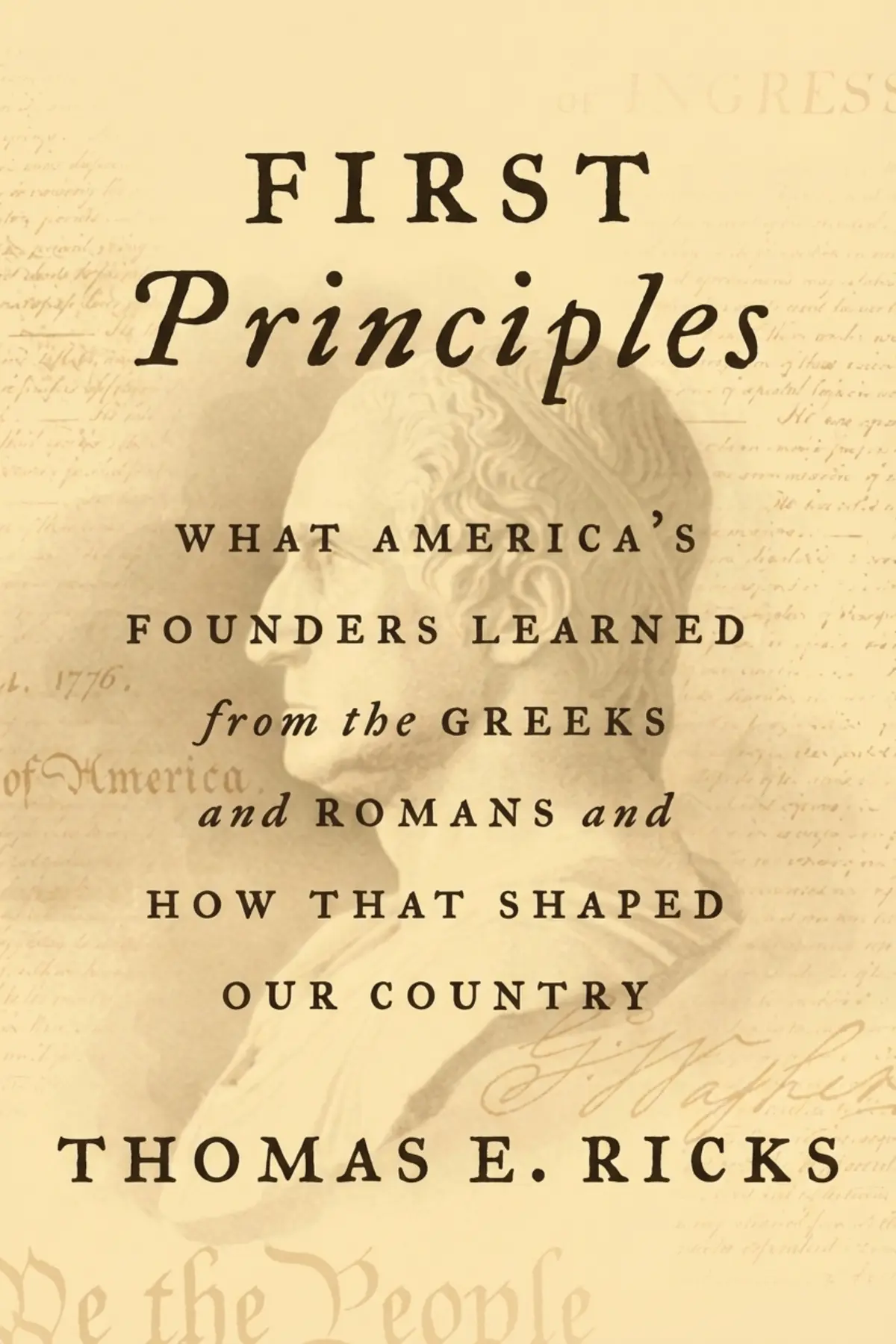
Table of Content
1. Introduction
1 min 56 sec
When you walk through the streets of Washington, D.C., the influence of the ancient world is impossible to miss. The soaring white columns, the marble pediments, and the sprawling monuments all echo a time long before the American Revolution. But the connection to the past goes much deeper than just the stone and mortar of the city’s architecture. The very concepts that define the United States—republicanism, democracy, and the balance of power—are gifts from the thinkers of ancient Greece and Rome.
In his insightful work, First Principles, Thomas E. Ricks invites us to step back into the eighteenth century to see the world through the eyes of the founding fathers. At that time, a classical education wasn’t just a sign of status; it was a prerequisite for leadership. The men who designed the American government didn’t just read the stories of the ancients; they lived by them. They looked to figures like Cicero, Cato, and Epicurus to find answers to the most pressing questions of their day: How do you build a country that lasts? How do you prevent a leader from becoming a tyrant? And what does it truly mean to be a virtuous citizen?
As we explore this narrative, we will see how the personal lives and political philosophies of George Washington, John Adams, Thomas Jefferson, and James Madison were shaped by their obsession with the classical world. We will follow Washington from the battlefields of the wilderness to the heights of national leadership, guided by Roman stoicism. We will see how Adams struggled with his own vanity in the shadow of Cicero, and how Jefferson wove Greek philosophy into the very fabric of the Declaration of Independence. Finally, we will look at how James Madison synthesized these ancient lessons with modern Enlightenment thought to create the Constitution. This journey is more than just a history lesson; it is an exploration of the fundamental ideas that continue to underpin the American experiment today. By returning to these first principles, we can better understand the origins of our political language and the enduring challenges of maintaining a republic.
2. The Roman Standard of Virtue
2 min 48 sec
Discover how the founding generation redefined the concept of virtue, looking to the Roman Republic as the ultimate model for self-sacrifice and public service.
3. Washington’s Education in Action
2 min 52 sec
Follow the transformation of a young George Washington as he learns the hard lessons of leadership on the battlefield and adopts a Roman code of conduct.
4. The Strategic Wisdom of Fabius and Cincinnatus
2 min 47 sec
Explore the two Roman archetypes that Washington embodied to win the war and then secure the peace by walking away from power.
5. John Adams and the Ghost of Cicero
2 min 44 sec
Witness the rise of John Adams, a man who modeled his life on Rome’s greatest orator, only to find that even the most eloquent leaders can fall prey to vanity.
6. Jefferson’s Greek Pursuit of Happiness
2 min 29 sec
Discover why Thomas Jefferson broke from his peers by looking to Greek philosophy, specifically Epicureanism, to define the American soul.
7. Madison and the Mechanics of the State
2 min 37 sec
Learn how James Madison used the intellectual tools of the Scottish Enlightenment to turn ancient history into a practical blueprint for the US Constitution.
8. The End of the Classical Era
2 min 50 sec
Witness the inevitable shift as the classical ideals of the founders gave way to the practical demands of a growing, partisan democracy.
9. Conclusion
2 min 05 sec
The story of America’s founding is often told as a tale of radical new ideas, but as we’ve seen, it was just as much a story of ancient wisdom rediscovered and repurposed. The men who built this country were not starting from a blank slate; they were standing on the shoulders of the giants of Greece and Rome. By looking back at their obsession with the classics, we can see that the American experiment was designed to be a ‘virtuous’ republic, one where the public good was meant to be the highest priority.
However, we also see the inherent tension in their vision. The founders struggled to balance the high-minded ideals of the ancient world with the practical realities of human nature and political disagreement. They realized that while virtue is the ideal, a government must be strong enough and smart enough to survive even when virtue is in short supply. This led to the creation of a system of checks and balances that remains one of the greatest political achievements in history.
Today, we may not read Cicero by candlelight or model our daily lives on the stoicism of Cato, but the principles they inspired are still very much alive. The challenges we face—maintaining a civil discourse, preventing the rise of tyranny, and ensuring that our leaders act for the benefit of the many rather than the few—are the same challenges that the founders grappled with over two centuries ago.
The actionable takeaway from this journey into the past is a call to refocus on the concept of the public good. In an age of intense individualism and partisan divide, the founders’ emphasis on ‘virtue’ as public-mindedness offers a vital perspective. We can honor their legacy not by merely admiring the past, but by participating in our own democracy with a renewed sense of responsibility. Whether it’s through local engagement, respectful debate, or holding our leaders to a higher standard of character, we can all contribute to the continued health of the republic. The ‘first principles’ of the ancients are not just historical curiosities; they are the tools we need to ensure that the American experiment continues to flourish for generations to come.
About this book
What is this book about?
What drove the men who designed the United States? In First Principles, Thomas E. Ricks argues that the answer lies in the dusty volumes of ancient history. While modern readers might see the Greek and Roman worlds as distant or irrelevant, the founding generation viewed them as essential survival guides. From George Washington’s obsession with Roman stoicism to Thomas Jefferson’s embrace of Greek Epicureanism, the classics provided a blueprint for leadership, governance, and personal character. This exploration traces the education and evolution of the first four presidents, showing how their engagement with ancient thinkers allowed them to build a new republic. It reveals how Roman ideals of public virtue eventually clashed with the messy reality of political partisanship, leading to a shift in the American identity. By understanding these first principles, we gain a clearer view of the framework of the American government and the philosophical tensions that continue to define the nation today. It is a journey into the minds of the founders and the ancient ghosts that guided their pens.
Book Information
About the Author
Thomas E. Ricks
Thomas E. Ricks is an accomplished journalist and author who dedicated nearly a decade to serving as the military correspondent for the Washington Post. A two-time winner of the Pulitzer Prize, he has established himself as a leading voice on national security and military history. Currently, he shares his expertise as an adviser at New America and through his award-winning blog for Foreign Policy magazine. He is also the author of the acclaimed bestseller Fiasco, which examines the American military experience in Iraq.
Ratings & Reviews
Ratings at a glance
What people think
Listeners find the work extensively researched and packed with historical detail, providing an exceptional and engaging experience. They also value how it offers a deeper understanding of the Founding Fathers' motivations and remains highly applicable to today's world. The writing is excellent, making the concepts easy for listeners to grasp. However, perspectives on the political themes are divided, with some describing it as political tripe. Additionally, reactions to the book's scope are varied; one listener notes it is full of stories, while another finds the epilogue irrelevant.
Top reviews
Charles
Picked this up because I wanted to understand the intellectual DNA of the United States, and I wasn't disappointed. Ricks does a masterful job tracing how the Stoic ideals of Rome and the democratic experiments of Greece filtered into the minds of Washington and Adams. I especially loved the section on how Washington used the play 'Cato' as a blueprint for his own leadership style. The prose is elegant and flows much better than your average academic history, making it a joy to read. While the epilogue gets a bit preachy regarding modern politics, the core historical narrative is absolutely rich with insight. It is a necessary read for anyone who thinks they know the Founders but hasn't looked at their bookshelves lately. You'll walk away with a much deeper appreciation for the 'public virtue' that built this country.
Show moreChon
Finally got around to reading Ricks' take on the Founders, and I am impressed by how he humanizes these icons. We often treat the 'Founding' as a monolith, but this book shows the messy, clashing ideologies between Jefferson’s Epicureanism and Washington’s Roman gravitas. It is easy to understand why they built the system the way they did when you see the texts they were obsessed with. The writing style is engaging and avoids the dull, academic cant often found in historical biographies. My only minor gripe is that the Greek influence gets a bit overshadowed by the Roman sections, but it is a small flaw in an otherwise stellar work. It is an extraordinary read that feels incredibly relevant to the struggles we face as a nation today. Highly recommended for your next history fix.
Show moreAna
Ever wonder why the architecture in D.C. looks the way it does? This book explains the mental architecture behind the stone. Ricks brilliantly connects the dots between Jefferson’s love of Greek ideals and the physical layout of our capital city. It is an extraordinary read that manages to be both deeply researched and incredibly accessible to the average reader. I found myself highlighting passages every few pages, especially during the discussion of Madison’s education at Princeton and the influence of Scottish educators. Frankly, this should be required reading in any civics class. It makes the past feel alive and relevant to the cultural and political struggles we face as a nation today. A wonderful writing style that makes complex ideas easy to digest.
Show morePakpoom
Ricks has a gift for making dense intellectual history feel accessible and urgent for a modern audience. His analysis of the first four presidents reveals a group of men who were desperately trying to learn from the mistakes of antiquity. The way he describes the shift from classical virtue to party interest is both tragic and enlightening. This isn't just a book for history nerds; it is a guidebook for anyone concerned about the state of our republic and the 'first principles' that should guide us. The writing is wonderful, the stories are compelling, and the lessons are timeless. I especially appreciated the inclusion of the Declaration of Independence in the appendix. It is an indispensable addition to any library focused on the American founding and its classical roots.
Show moreAnna
The concept of 'public virtue' feels so lost in our current era, but this book brings it back into sharp focus. Ricks argues that for the first four presidents, virtue wasn't just about personal morality; it was about sacrificing self-interest for the common good. Watching the evolution from Washington’s Roman stoicism to Madison’s realistic constitutionalism was genuinely eye-opening for me. However, the author’s disdain for John Adams's later years felt a bit heavy-handed at times, and he hits the 'current events' button pretty hard in the final chapters. If you can ignore some of the partisan snark in the epilogue, the actual history is top-tier and deeply researched. It really helps you understand why the Founders built the system with so many checks and balances. Definitely worth the time for history buffs.
Show moreSayan
It’s fascinating to see how the Roman model shaped Washington’s persona and the very fabric of our government. Ricks makes a compelling case that without the classical obsession with 'virtue,' the American experiment might never have launched at all. I was particularly struck by the sections on James Madison’s deep study of failed ancient confederacies; it makes our current political gridlock feel like a centuries-old problem rather than a modern invention. The book is mostly well-sequenced, though it drags a bit in the middle of the chapters on Adams’s presidency. Still, it provides incredible insight into the intellectual climate of the late 18th century. While some readers might find the modern comparisons annoying, I thought they added a layer of urgency to the historical narrative. A solid four-star addition to my library.
Show moreJoy
Wow, I didn't expect a book about classical philosophy to be such a page-turner. I have read many dry history books, but Ricks keeps things moving with short chapters and punchy subheadings that act as a great scaffolding. The exploration of how the Founders grappled with the contradiction of slavery while praising 'liberty' was handled with necessary sobriety and grit. It is a bit jarring when the author shifts from 1787 to modern politics in the epilogue, and I didn't agree with all his conclusions there. However, the journey through the minds of the first four presidents is worth the price of admission. It is a great refresher on why our institutions were built the way they were, even if the author's personal bias occasionally peeks through the curtain.
Show moreSupaporn
Look, I really enjoyed the majority of this book, but the author’s modern political bias is occasionally distracting. The history is peppered with snide remarks about current events that feel out of place in a serious work of non-fiction. Beyond the tone, however, the research into the first four presidents is fantastic. He spends a good deal of time talking about Washington's growth from a military leader to a symbol of Roman virtue. The chapter on the Scottish influence in American colleges was a revelation for me. Even with the minor flaws and the slightly preachy ending, the book offers a rich historical narrative that is hard to put down. It definitely lends a lot of insight into the minds of the people who designed our country.
Show moreElena
As someone who enjoys deep dives into the Revolutionary period, this was a bit of a mixed bag. On one hand, the narrative is fluid and Ricks is a talented storyteller who knows how to keep a reader's attention throughout. On the other hand, some of the scholarship feels a bit 'Professor Google,' especially when he glosses over the nuances of classical philosophy. The way he handles the Epicurean influence on Jefferson felt a little shallow compared to other biographies I've read. It is a good introduction for someone who isn't familiar with the period, but seasoned history buffs might find the analysis a bit pedestrian and the epilogue irrelevant. Truth is, the book is enjoyable but it doesn't quite live up to the promise of its subtitle.
Show moreWoramet
To be fair, the historical research here starts strong, but it eventually devolves into what I can only describe as political tripe. I wanted a book about the Greeks and Romans, not a lecture on Ricks's personal feelings about the 2016 election. There are some glaring issues with his interpretation of primary sources, specifically a Jefferson letter to Maria Cosway that he completely mischaracterizes to fit a narrative of 'emotional withdrawal.' It is a shame because the premise is excellent, but the execution feels lazy. If you want a rigorous academic study of classical influence, look elsewhere. This feels more like a long-form op-ed disguised as history. The story length is fine, but the accuracy is questionable in several key chapters, making it hard to trust the author's conclusions.
Show moreFeatured in
Readers also enjoyed
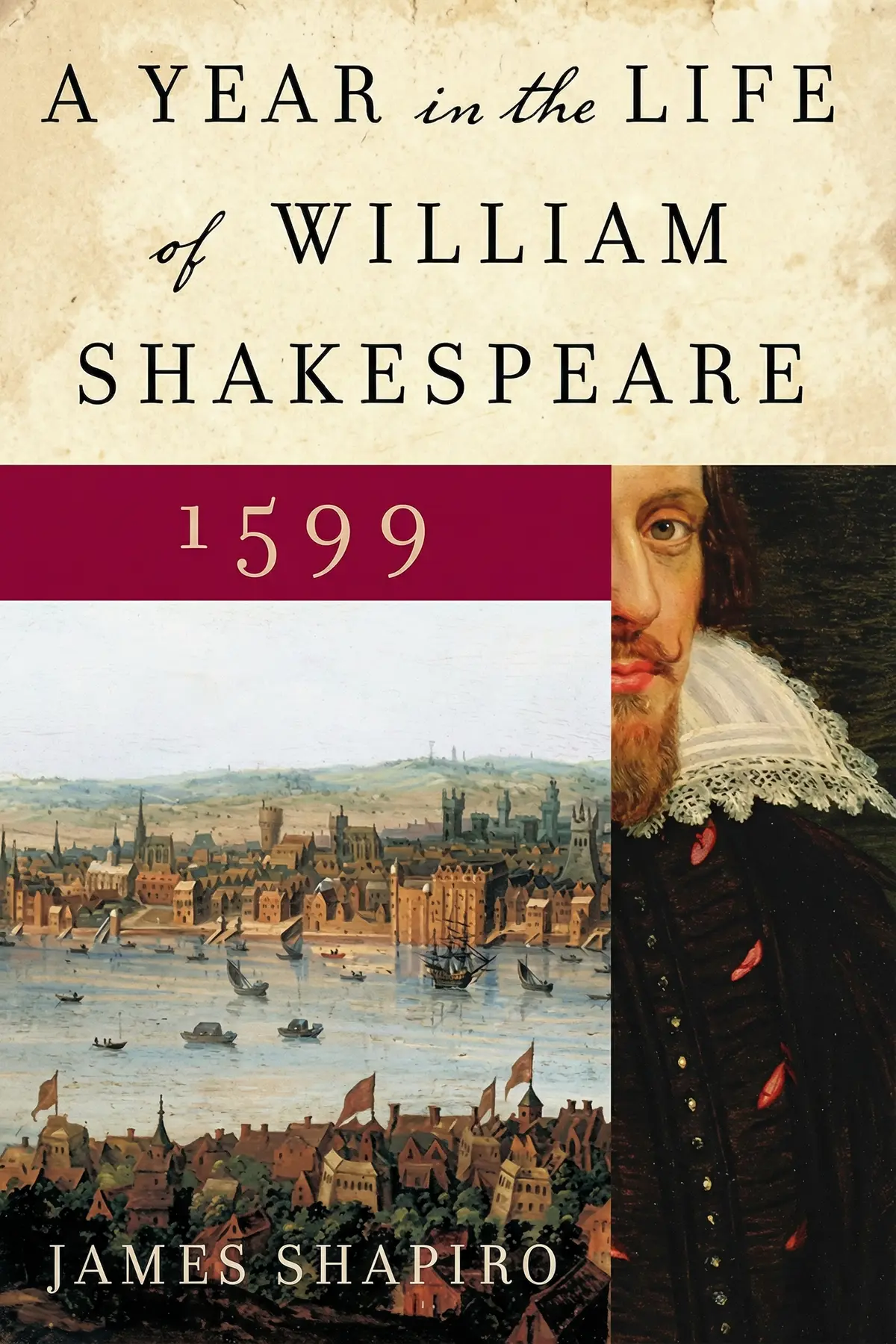
A Year in the Life of William Shakespeare: 1599
James Shapiro
A Warning
Miles Taylor

Agent Sonya: The Spy Next Door
Ben Macintyre
1491: New Revelations of the Americas Before Columbus
Charles C. Mann
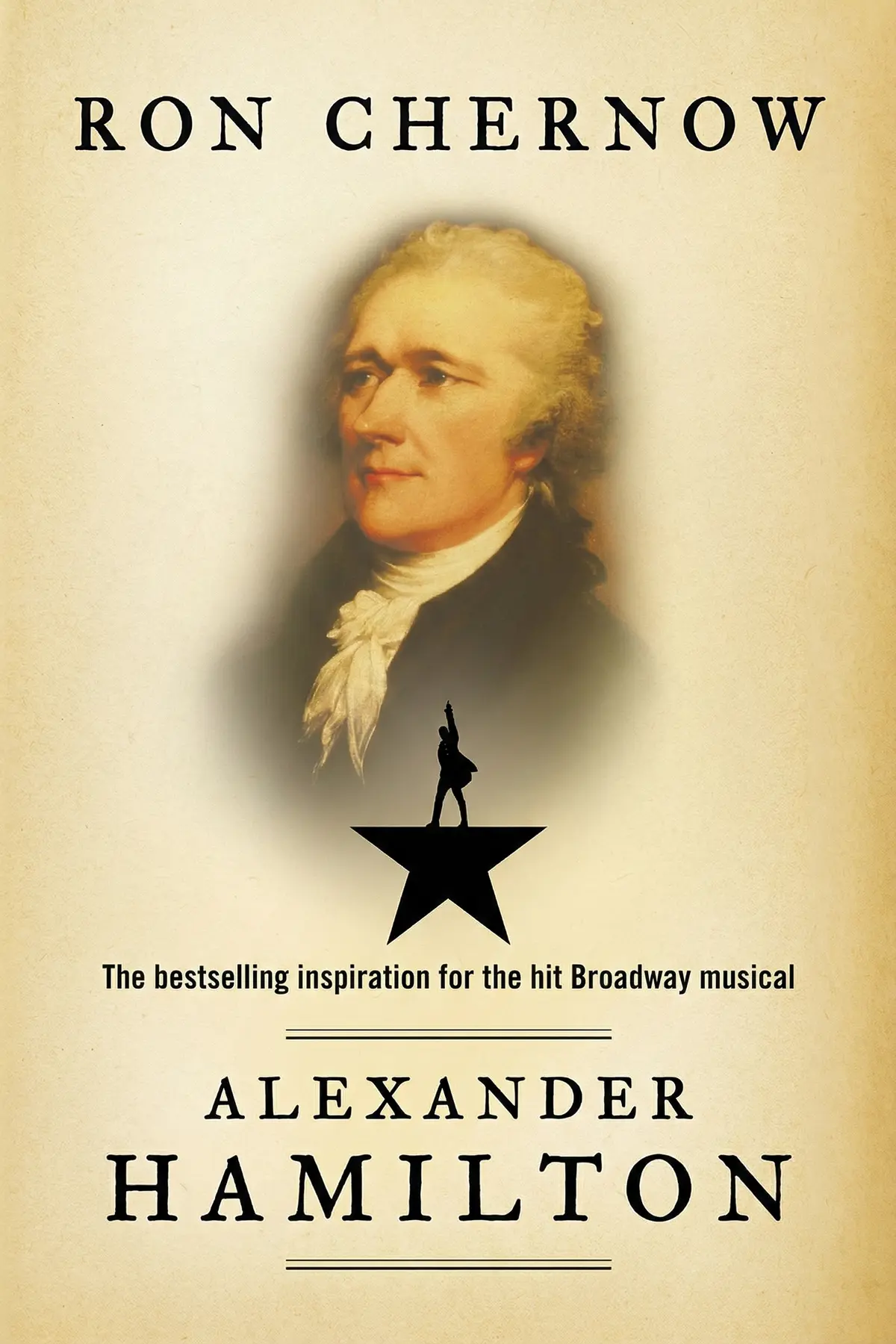
Alexander Hamilton
Ron Chernow
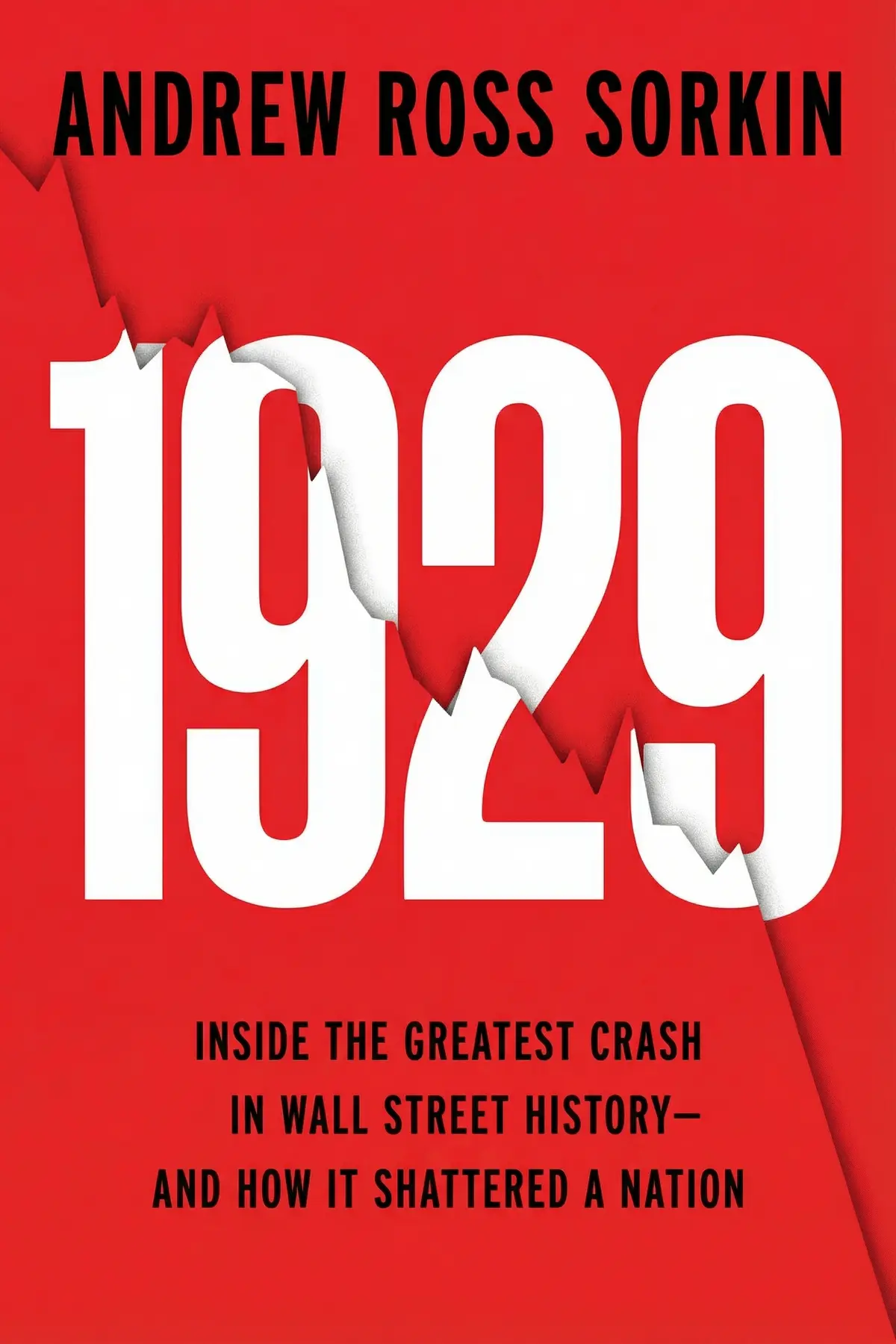
1929: Inside the Greatest Crash in Wall Street History--and How It
Andrew Ross Sorkin
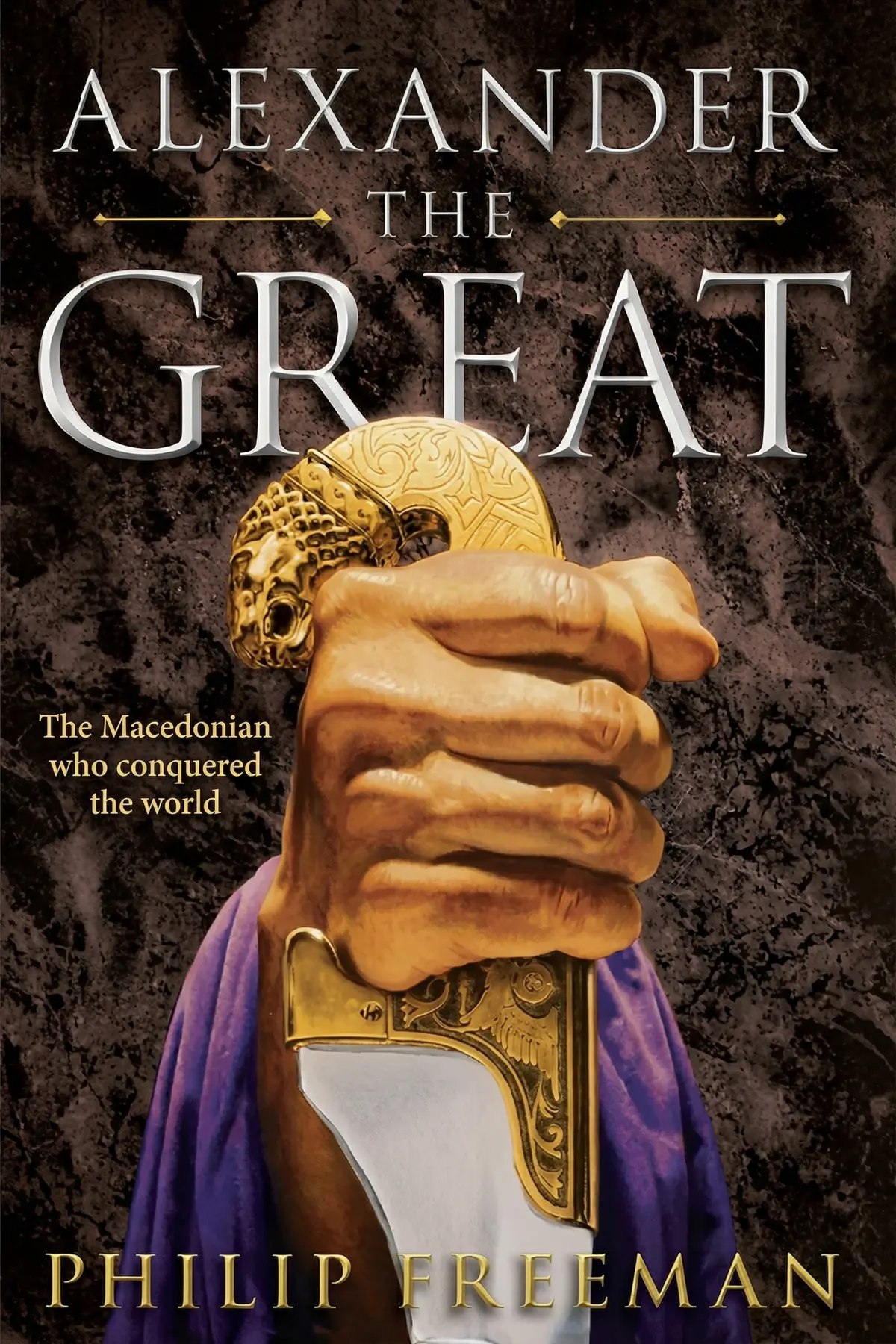
Alexander the Great
Philip Freeman
AUDIO SUMMARY AVAILABLE
Listen to First Principles in 15 minutes
Get the key ideas from First Principles by Thomas E. Ricks, plus 5,000+ more titles in English and Thai.
- 5,000+ titles
- Listen as much as you want
- 7-day free trial
- Cancel anytime







