
19 min 02 sec
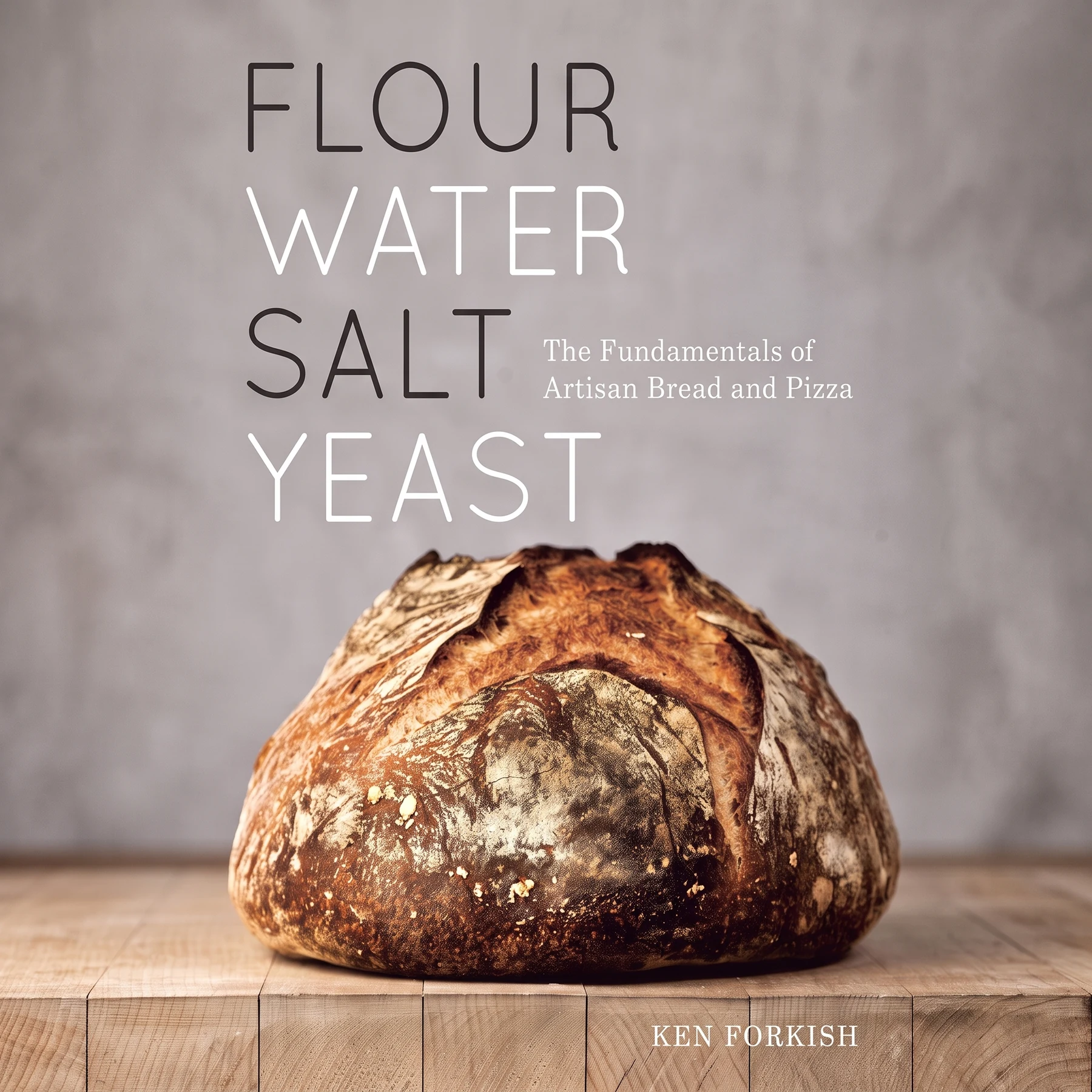
Flour Water Salt Yeast: The Fundamentals of Artisan Bread and Pizza
By Ken Forkish
Master the art of artisanal bread making with this guide to the fundamental chemistry of flour, water, salt, and yeast, designed for professional results in a home kitchen.
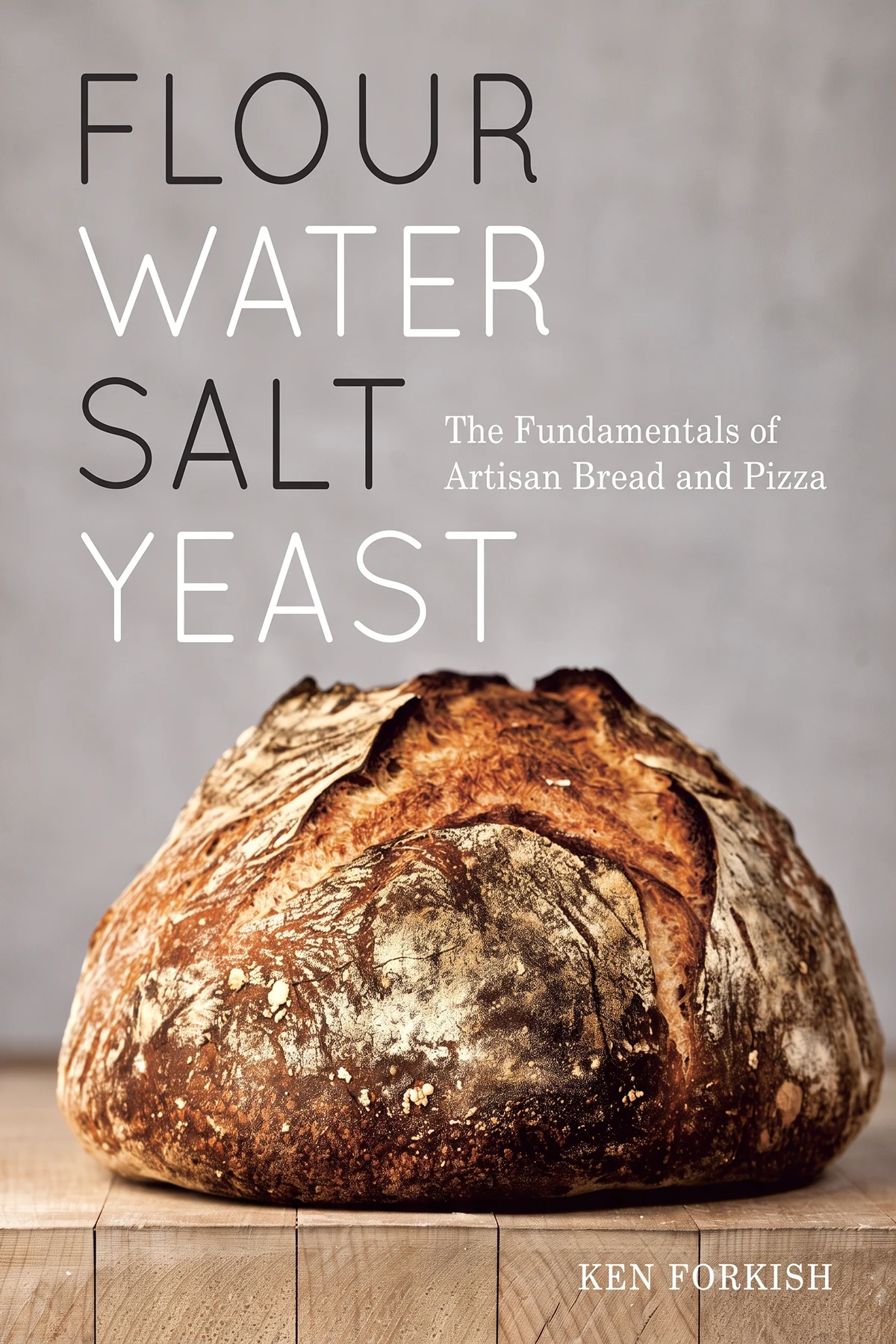
Table of Content
1. Introduction
2 min 19 sec
There is a specific, primal satisfaction that comes from the sound of a crusty loaf of bread being sliced open—the crackle of the crust and the sight of a beautiful, airy crumb. For many of us, this level of quality has always felt like something that belongs exclusively to high-end bakeries or quaint shops in the heart of Paris. We assume that achieving that deep, complex flavor and perfect texture requires specialized industrial equipment or decades of apprenticeship. However, the reality is that the secrets to world-class bread are far more accessible than they seem. They aren’t hidden in expensive machinery, but in the fundamental understanding of how a few basic ingredients interact over time.
In this exploration of the artisan method, we are looking at the transition from being a casual baker who follows a recipe to being a craftsman who understands the process. This isn’t just about mixing ingredients; it’s about managing a biological process. We will follow the journey of a tech executive who left the corporate world to master the oven, and in doing so, created a blueprint that anyone can follow. The core philosophy here is that bread is a living thing. When you combine flour, water, salt, and yeast, you are initiating a series of chemical reactions that are influenced heavily by the environment you create for them.
Over the course of this summary, we will break down the essential pillars of bread making. We’ll look at why temperature should be treated with the same precision as your flour measurement, and why your home oven—with the right modifications—can actually outperform professional equipment in some ways. We will walk through the specific techniques of mixing and folding that build the internal structure of the bread, and we will demystify the process of starting and maintaining a wild yeast culture, or levain, which can provide flavor for years to come.
Whether you are interested in a simple loaf you can start and finish in a single day, or you want to embark on the multi-day journey of sourdough, the throughline remains the same: it is the mastery of the fundamentals that allows for creativity. By the time we finish, you’ll understand that great bread is the result of patience, observation, and a few key pieces of gear. You’ll be ready to transform your kitchen into an artisan bakery, producing loaves and pizzas that are as beautiful to look at as they are delicious to eat. So, let’s begin by looking at the mindset of the baker and the six elements that form the foundation of every great loaf.
2. The Six Elements of Bread
2 min 50 sec
Bread is often defined by its four physical ingredients, but the true secrets of the artisan lie in two invisible forces that dictate flavor and texture.
3. Equipping the Home Bakery
2 min 26 sec
Professional results don’t require industrial ovens, but they do require a few specific tools that bridge the gap between home kitchens and artisan bakeries.
4. The Core Methodology of Mixing and Fermenting
2 min 24 sec
The secret to a perfect loaf lies in how the dough is handled during its early hours, focusing on gentle strength rather than heavy kneading.
5. The World of Pre-Ferments and Levain
2 min 28 sec
Elevate your bread from simple to complex by learning to manage long-term cultures and overnight starters.
6. The Final Transformation in the Oven
2 min 25 sec
The journey from raw dough to finished loaf concludes with the crucial steps of proofing, scoring, and the ‘bold bake’ technique.
7. Adapting the Method for Pizza and Focaccia
2 min 21 sec
The same fundamental principles that create world-class bread can be used to produce authentic, thin-crust pizza and flavorful focaccia.
8. Conclusion
1 min 49 sec
The journey through the world of flour, water, salt, and yeast is ultimately a journey toward understanding the harmony of nature and technique. We have seen how Ken Forkish’s transition from the tech world to the bakery was fueled by an obsession with the tiny details that separate a good loaf from a great one. The core takeaway is that you are now equipped to manage these details in your own kitchen. By treating time and temperature as ingredients, by investing in the right tools like the Dutch oven and the digital scale, and by respecting the biological process of fermentation, you have moved beyond the realm of the amateur.
Remember that bread making is a practice of observation. Every time you mix a dough, you are learning something about how your specific environment affects the rise. Don’t be discouraged if your first few loaves aren’t perfect; every mistake is a data point that will help you refine your ‘baker’s intuition.’ Whether you are maintaining a decades-old levain or simply mixing a same-day poolish, the throughline is the same: quality takes patience. The artisan method is not about shortcuts; it is about embracing the slow, transformative power of the oven.
As an immediate next step, I encourage you to check your kitchen inventory. Ensure you have a reliable digital scale and a heavy-bottomed pot with a lid. Then, pick a weekend and start your first 5-day levain culture or a simple same-day white bread. Pay attention to the feel of the dough during the pincer mix and the way it smells as it triples in size. When you finally pull that dark, mahogany-colored loaf from the oven and hear the crust crackle as it cools, you’ll realize that the true secret of the artisan isn’t a hidden recipe—it’s the mindful application of the fundamentals. Happy baking.
About this book
What is this book about?
Flour Water Salt Yeast serves as a comprehensive manual for anyone looking to bridge the gap between amateur home baking and professional artisan craftsmanship. The book breaks down the complex chemistry of bread into four primary ingredients, but adds the crucial dimensions of time and temperature to the equation. It provides a roadmap for creating everything from simple same-day loaves to complex, multi-day levain breads and authentic Italian-style pizzas. The promise of the book is that you do not need a massive commercial oven or a degree in culinary arts to produce world-class bread. By understanding how hydration affects crumb structure and how long fermentation builds flavor, readers can replicate the quality of a French boulangerie. It covers essential techniques like the pincer method for mixing and the use of a Dutch oven to simulate professional steam-injected environments, ensuring that every loaf has a crispy, dark crust and a light, airy interior.
Book Information
About the Author
Ken Forkish
Ken Forkish spent two decades in the technology industry before deciding to pursue a complete career transformation. He dedicated himself to the craft of baking, eventually founding the acclaimed Ken’s Artisan Bakery and Ken’s Artisan Pizza in Portland, Oregon. His expertise and passion for traditional methods earned Flour Water Salt Yeast significant industry awards, and he has continued to influence the culinary world through his follow-up work, The Elements of Pizza.
Ratings & Reviews
Ratings at a glance
What people think
Listeners view this guide as educational and thoroughly researched, noting that the clear instructions offer plenty of detail without becoming burdensome. The methods are simple to follow, and listeners applaud the superior bread they produce, with one highlighting the science behind artisan bread-making. Listeners appreciate how the text helps them master the craft of baking, considering it an essential tool for both domestic and professional bakers. The flavor profiles get glowing reviews, as listeners mention the tasty and visually striking results, with one pointing to the wonderfully caramelized crusts.
Top reviews
Madison
Finally, a bread book that treats baking like the chemistry experiment it actually is. Ken Forkish doesn't just give you a list of ingredients; he explains how temperature and time act as physical components of the dough. Using the Dutch oven method was a total revelation for my home kitchen because it creates that professional steam-injected environment without the thousand-dollar price tag. To be fair, the schedules are quite rigid and require you to plan your entire Saturday around the kitchen, but the results are undeniable. I’ve never seen a crumb structure so open and airy or a crust so perfectly crackled and caramelized. It is an investment in both time and effort, but the payoff is the best bread you’ve ever tasted.
Show moreUraiwan
I never thought I could produce a loaf with a perfectly caramelized, crackling crust in my basic apartment kitchen. This book completely demystified the process of artisan baking by focusing on the "four pillars" of flour, water, salt, and yeast. The instructions for the Saturday White Bread are incredibly clear, guiding you through the autolyse and the folding process without being overwhelming or overly academic. I especially appreciated the deep dive into hydration levels, as it helped me understand why my previous attempts at bread were always so dense and heavy. Not gonna lie, cleaning up after working with 80% hydration dough is a massive chore, but the smell of fresh boules makes it worth it. This is a must-have for anyone who wants to stop guessing and start baking with real precision.
Show moreRoo
The way this text breaks down the relationship between temperature and time changed my entire perspective on fermentation. Instead of just following a recipe blindly, I now understand how to manipulate the environment to get the exact flavor profile I want. Starting a levain was intimidating, but the book walks you through the maintenance of a sourdough culture with such detail that success felt almost guaranteed. I’ve had amazing luck with the pizza dough recipes, which produce a crust that is both chewy and crispy in all the right places. Personally, I think the folding technique is much more meditative than using a loud stand mixer, and it helps you feel the gluten development in real-time. This isn't just a cookbook; it’s a masterclass in the chemistry of artisan baking.
Show moreLuke
Wow, just wow—the depth of flavor you get from these long, slow ferments is unlike anything you can find at a typical grocery store. Before reading this, I didn't realize that using a Dutch oven could create such a professional, thick crust right in a standard home oven. The pizza section is a fantastic bonus, and the overnight pizza dough has become a weekly staple in our household because it's so easy to prep in advance. I love that the book focuses on a few high-quality ingredients rather than overcomplicating things with unnecessary additives. In my experience, the key is to trust the "dark" bake; that deep brown color is where all the complex, nutty flavors are hidden. If you want your house to smell like a French bakery, this is the book you need to buy.
Show moreJoseph
If you are serious about moving past "bread machine" loaves and into the world of artisan baking, just buy this book immediately. It is well-researched, informative, and provides a clear roadmap for mastering everything from a basic white loaf to complex sourdoughs. The focus on weight-based measurements ensures that your results are easy to duplicate, which is a huge relief after years of inconsistent volume-based baking. I particularly appreciated the troubleshooting tips regarding room temperature and water heat, as those variables usually ruin my dough. Not gonna lie, it's a bit of a learning curve to handle such wet dough without adding extra flour, but the payoff is an incredible, airy texture. This is easily the most useful baking book on my shelf, and I recommend it to everyone.
Show moreTod
Forkish’s journey from IBM to a Portland bakery is undeniably inspiring, even if his specific methods feel a bit daunting for the average person at first glance. The photography is stunning, making the book a beautiful addition to any coffee table, yet the real value lies in the technical depth of the recipes. I’ve been experimenting with the poolish-based breads, and the complexity of flavor is significantly better than anything I’ve managed with a stand mixer. My only gripe is that he completely dismisses mechanical mixing, which can be physically taxing on those of us with wrist issues or limited mobility. Frankly, you’ll need some serious hand strength to manage these high-hydration doughs throughout the day. It’s an aspirational guide that produces professional-quality loaves if you're willing to put in the manual labor.
Show morePlernpiriya
This is essentially the "Bread 101" textbook I didn't know I needed, even if the tone feels a bit elitist at times. The truth is, Forkish knows his craft, and his insistence on using a kitchen scale for everything—including water—is the only way to get consistent results. I started with the Saturday 75% Whole Wheat, and the flavor was exceptionally deep, likely due to those long room-temperature fermentations he advocates for. Some might find the "dark" bake a bit much, as the crust often borders on looking burnt, but the taste is pure caramelization. My main struggle is fitting his 12-hour schedules into a busy work week, but the "overnight" recipes offer a bit more flexibility. It's a gorgeous, well-researched guide that will definitely elevate your skills if you are patient.
Show morePrim
Picked this up after failing miserably with a few Pinterest recipes, and the difference in the quality of my output is night and day. The level of detail Forkish provides regarding the "stretch and fold" technique is helpful, though I wish there were more process photos of the actual shaping. His focus on high-hydration doughs results in a spectacular crumb, but it definitely takes a few tries to handle that level of stickiness without making a total mess. To be fair, some of the intro material about his life in France feels a bit long-winded, but the actual recipes are gold. I particularly enjoyed the section on using a biga for added complexity. It’s a solid resource for anyone ready to move beyond basic loaves and into more professional, "artisan" territory.
Show moreChatchai
The chapter on equipment is a lifesaver, especially the recommendation to use a preheated Dutch oven to mimic the steam of a professional bakery. I struggled initially with the "pincer method" for mixing, but after watching a few of Forkish’s YouTube videos alongside the text, it finally clicked. There is a certain amount of privilege baked into the narrative, as not everyone has the time or the high-end kitchen tools he suggests. However, the science of the "poolish" and the "levain" is explained so clearly that even a total novice can understand the "why" behind each step. It’s a very technique-heavy book, so don’t expect quick results if you’re in a rush. If you're willing to invest the time, your bread will be better than anything you’ve ever made.
Show moreBoss
Look, the photography in this book is absolute top-tier, but the actual usability for a casual home baker is somewhat questionable. While the science behind the long fermentation is fascinating, the sheer volume of "folding" required is a nightmare for anyone with carpal tunnel or arthritis. Forkish insists that nobody needs a stand mixer, but some of us physically cannot handle wet, sticky dough for hours on end without assistance. Furthermore, the schedules are so strict that they feel more like a full-time job than a fun weekend hobby. The results are tasty, don't get me wrong, but the amount of flour I ended up wasting during the learning curve was frustrating. If you have the luxury of time and perfectly healthy joints, you might love this, but it’s not for everyone.
Show moreReaders also enjoyed






AUDIO SUMMARY AVAILABLE
Listen to Flour Water Salt Yeast in 15 minutes
Get the key ideas from Flour Water Salt Yeast by Ken Forkish, plus 5,000+ more titles in English and Thai.
- 5,000+ titles
- Listen as much as you want
- 7-day free trial
- Cancel anytime







