

A Biography of Loneliness: The History of an Emotion
Fay Bound Alberti
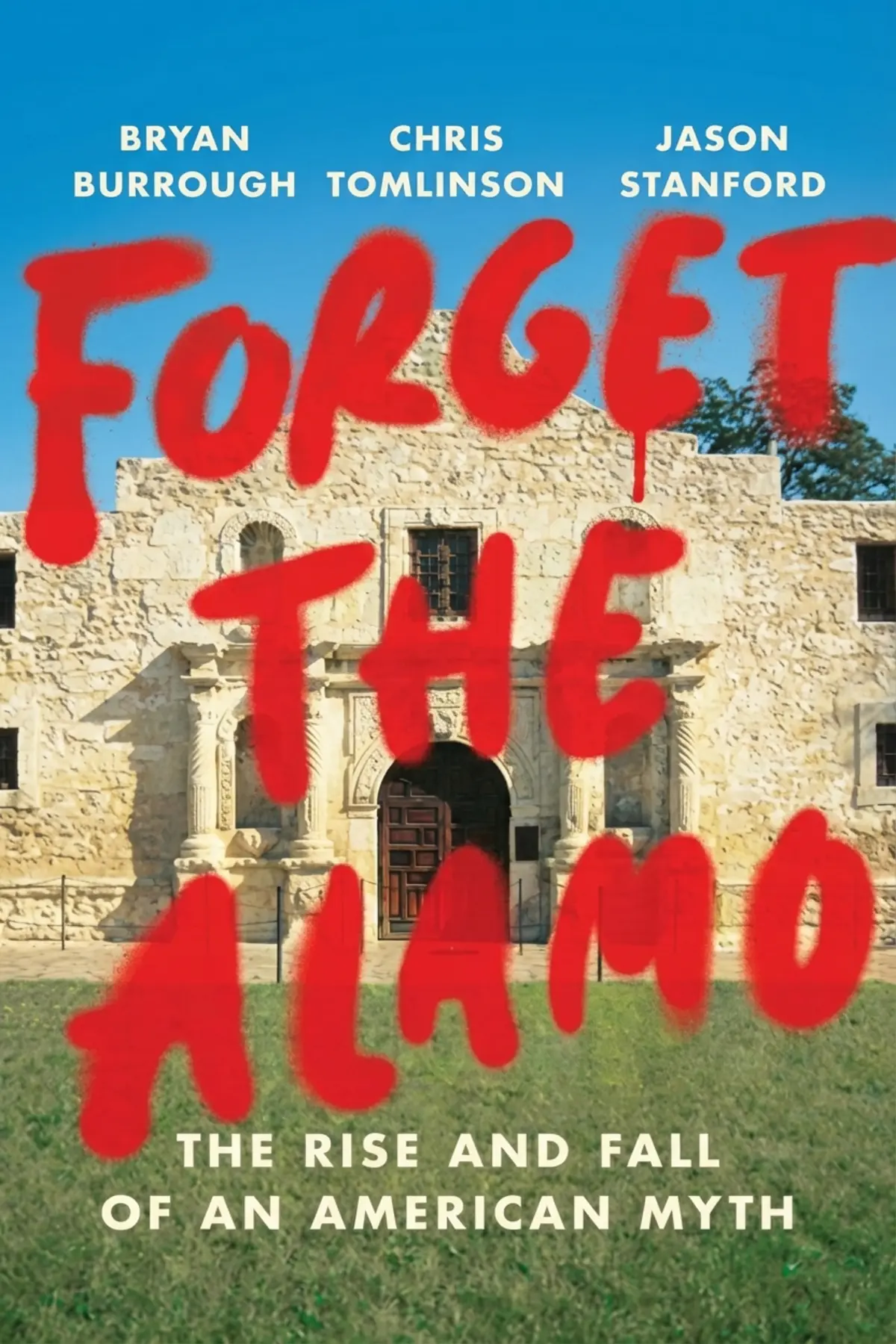
Explore the hidden history of Texas as this deep dive deconstructs the legendary Battle of the Alamo, revealing how economic interests and slavery shaped a narrative long dominated by myth.
1 min 49 sec
Every culture has its founding myths, those stories that are passed down through the ages to define who a people are and what they stand for. In the United States, few stories carry as much weight or as much emotional baggage as the Battle of the Alamo. It’s a tale that has been immortalized in film, literature, and even mandated school curricula. We are taught to remember it as a clash of civilizations, where a small band of freedom-loving rebels made a final, heroic stand against the forces of tyranny. We think of men like Davy Crockett and Jim Bowie as paragons of bravery who sacrificed everything for the dream of an independent Texas.
But what if the story we’ve been told is largely a work of fiction? What if the real motivations behind the conflict had less to do with high-minded ideals of liberty and more to do with the cold, hard economics of human bondage? The reality of the Alamo is far more complex, and in many ways, far more uncomfortable than the Hollywood version suggests. To understand the true history of Texas, we have to look past the smoke and the legends to see the economic and social forces that were actually at play in the early nineteenth century.
In this exploration, we’re going to look at the factors that the history books often leave out. We will examine how the global demand for cotton and the institution of slavery set the stage for war. We’ll take a closer look at the flawed individuals who have been elevated to the status of saints, and we’ll see how their personal failures led them to that fateful mission in San Antonio. Perhaps most importantly, we will look at how this myth was deliberately constructed after the battle to serve a political purpose, and how that legacy continues to shape the identity of Texas and the people who live there today. It’s time to move beyond the legend and look at the facts of what really happened at the Alamo.
1 min 56 sec
Discover how the legendary status of the Alamo is not just a cultural phenomenon but a legally enforced version of history in the state of Texas.
1 min 57 sec
The true origins of the Texian-Mexican struggle were rooted in the soil, fueled by the global demand for cotton and the labor that produced it.
2 min 01 sec
As Mexico forged its identity as an independent nation, its commitment to ending slavery became a primary point of friction with Anglo settlers.
2 min 08 sec
The three men at the center of the Alamo legend were not the flawless heroes depicted in film, but flawed individuals running from their pasts.
2 min 08 sec
A series of political misunderstandings and the rise of authoritarianism in Mexico City pushed the Texians and Tejanos toward open revolt.
1 min 57 sec
Early military successes gave the Texian rebels a false sense of security, leading to the fateful decision to occupy the Alamo.
2 min 04 sec
The choice to stand at the Alamo was a tactical nightmare, characterized by poor leadership and a failure to heed repeated warnings.
2 min 15 sec
Contradicting the legend of a heroic last stand, historical evidence suggests attempts at surrender and a chaotic, brutal end to the battle.
2 min 03 sec
In the wake of the defeat, Sam Houston and the Texas press transformed a military catastrophe into a powerful tool for recruitment and vengeance.
2 min 01 sec
The Alamo myth has long served as a tool for racial marginalization, shaping the social landscape of Texas for generations.
1 min 52 sec
The physical site of the Alamo has become a battleground in its own right, as different groups fight over how the story should be told.
1 min 55 sec
Modern efforts to revitalize the Alamo have been complicated by the inclusion of artifact collections with questionable origins.
1 min 42 sec
The story of the Alamo is a powerful reminder of how easily history can be bent to serve the needs of the present. For nearly two centuries, the myth of the heroic stand has functioned as a cornerstone of Texan identity, providing a sense of pride and a shared origin story for millions of people. But as we have seen, this narrative was constructed on a foundation of omission and exaggeration. By ignoring the central roles of the cotton industry and the institution of slavery, the traditional story has obscured the true motivations that drove the region toward revolution. By elevating flawed men to the level of mythic heroes, it has flattened the human reality of the struggle.
Reflecting on the true history of the Alamo doesn’t mean we have to stop finding the events significant, but it does mean we have to change the way we talk about them. It requires an acknowledgment of the pain that the myth has caused to those it excluded and marginalized. It asks us to look at the founders of Texas not as saints, but as complex figures who were deeply influenced by the economic and social prejudices of their time. The ongoing debates over the physical site and the artifacts within it show that this process of re-evaluation is far from over.
Ultimately, the lesson of the Alamo is that a state or a nation is only as strong as its willingness to confront its own past. When we cling to myths because they make us feel good, we lose out on the deeper, more important truths that history has to offer. By moving toward a more accurate and inclusive narrative, Texas has the opportunity to build a future that is grounded in reality rather than fiction. It is a difficult and often contentious journey, but it is the only way to truly honor the diverse and complicated people who have called this land home.
Forget the Alamo examines the stark divide between the legendary stories of Texas independence and the complicated historical realities of the 1836 conflict. While the public has long been fed a heroic tale of brave frontiersmen standing against a cruel dictator, the book argues that the primary drivers of the rebellion were actually tied to the preservation of slavery and the expansion of the cotton industry. The authors trace the origins of these myths, from the earliest newspaper propaganda to the cinematic spectacles of the mid-twentieth century. Beyond the battlefield, the narrative explores how this manufactured history has impacted generations of Texans, particularly the Latino community. It scrutinizes the lives of iconic figures like Davy Crockett and Jim Bowie, revealing their human flaws and desperate motivations. The book concludes with a look at modern-day efforts to preserve or rewrite this history, including the controversy surrounding artifact collections and the management of the historic site itself. It promises a clearer, more inclusive understanding of the events that birthed the Lone Star State.
Bryan Burrough lives in Texas and was a former award-winning reporter for the Wall Street Journal. He is the author of several books, including The Big Rich and the best-selling Barbarians at the Gate. Chris Tomlinson is a former war correspondent for the Associated Press who has covered numerous conflicts across the globe. He is currently a columnist for major Texas newspapers and wrote Tomlinson Hill. Jason Stanford is a former writer for Texas Monthly and the Texas Tribune, as well as a political consultant and contributor to the Austin American-Statesman.
Listeners find this work exceptionally accessible and extensively researched, offering a novel take on the traditional Alamo story. The prose is modern and captivating, with one listener remarking that it is written like an expanded newspaper article. They value its factual approach and see it as a significant contribution to Texas history, while one review specifically points out the book's thorough examination of social relationships.
Picked this up after seeing it mentioned in a news segment about local censorship and political pushback. As someone who grew up in the Texas public school system, this was a massive wake-up call regarding the 'Heroic Anglo Narrative' we were forced to memorize. The authors do a fantastic job of peeling back the layers of myth to show that the revolution was deeply tied to the preservation of slavery. Seeing the 'holy trinity' of Bowie, Travis, and Crockett described as flawed, often desperate men was eye-opening. Frankly, it makes the actual history much more human and interesting than the cardboard cutouts Disney gave us. The writing is incredibly accessible, moving at a pace that feels more like a long-form investigative article than a dry textbook. Every Texan needs to read this if they want to understand the actual foundation of our state.
Show moreFinally got around to reading this after hearing my uncle rant about it at Thanksgiving, and I’m glad I did. The authors managed to make a centuries-old battle feel relevant to our current culture wars. It was fascinating to learn how the 'Alamo myth' was essentially manufactured decades later by politicians and filmmakers like John Wayne. The truth about Jim Bowie being a literal slave trader is a dark cloud that traditionalists refuse to acknowledge, but this book brings it into the light. I loved the breezy writing style because it made a complex web of Mexican politics and American land-grabbing easy to follow. It’s a bold, well-documented piece of work that prioritizes historical truth over patriotic comfort. Not gonna lie, I’ll never look at the San Antonio 'shrine' the same way again.
Show moreWow, the authors really didn't hold back when describing William Travis as a 'pompous agitator' or exposing the reality of the Alamo's tactical insignificance. For years, we’ve been told these men bought Sam Houston time, but the evidence here suggests Santa Anna was right to call it a 'small affair.' The book excels at showing how history operates on two levels: what actually happened and the story we tell ourselves to feel better. I was particularly struck by the accounts of how Mexican-American students have been treated in Texas schools because of this legend. It’t a vital, necessary read that uses a light touch to handle some very heavy baggage. The fact that it’s written by three white Texans gives it a certain level of credibility that might help it reach a wider audience. This is history at its most provocative and essential.
Show moreAfter hearing all the controversy, I had to see for myself what the fuss was about. This book is a brilliant deconstruction of how a defeat was turned into a 'shrine of liberty' through decades of propaganda. The authors do a great job explaining that Stephen F. Austin was essentially a sellout who lobbied hard for slavery in a country that had abolished it. It’s a quick, punchy read that utilizes contemporary sources to ground its arguments in reality. I especially liked the exploration of the 'Second Battle of the Alamo' and the role of Tejana activists. It’s refreshing to see a history book that acknowledges the oral traditions of the Mexican American community. This is a well-documented and necessary correction to the whitewashed versions of the past we’ve all been sold.
Show moreLook, if you want the Disney version of Texas history, stay far away from this well-documented and challenging piece of non-fiction. The authors take a sledgehammer to the Heroic Anglo Narrative, but they do it with such engaging prose that you can't put it down. I was fascinated by the 'historiography' sections which explain how movies and TV shows cemented the lies we now accept as fact. The detail about Travis’s 'line in the sand' being a total fabrication was a particularly satisfying moment. It’s rare to find a history book that manages to be this funny while also being so deeply informative. They’ve managed to capture the messy, complicated social relationships of the frontier perfectly. This is an essential read for anyone who wants to understand why we fight so much over our past.
Show moreHow much of our childhood education is actually based on marketing rather than meticulous evidence? This book tackles that question head-on by deconstructing the legendary battle while focusing heavily on the social relationships and political tensions of the 1830s. I particularly appreciated the section on the Tejanos, whose contributions are so often erased from the traditional 'shrine' narrative. To be fair, the second half of the book, which focuses on the modern-day bickering over the site’s renovation, felt a bit long-winded compared to the thrilling historical breakdown. The inclusion of Phil Collins and his questionable artifact collection was a bizarre but hilarious highlight that illustrates how deep the obsession goes. It’s a contemporary, snappy read that doesn't shy away from uncomfortable truths about cotton and land speculation. While the 'dad jokes' peppered throughout were hit-or-miss, the core research is undeniably solid.
Show moreThe first third of the book is an absolute masterclass in setting the scene for why the Texas Revolution actually happened. Most of us were taught it was about 'liberty,' but the authors prove it was largely about the liberty to own other human beings. This isn't just a dry list of dates; it's a deep dive into the messy, often corrupt lives of the men we turned into martyrs. Personally, I found the analysis of the 20th-century myth-making even more compelling than the battle itself. My only real complaint is that the ending gets bogged down in very specific San Antonio city planning disputes. Despite that, the contemporary feel of the prose makes it a page-turner for anyone interested in American history. It is a refreshing, factual approach that definitely challenges the status quo.
Show moreTruth is, I wasn't expecting to be so entertained by a book that spends so much time discussing property rights and historiography. Burrough, Tomlinson, and Stanford write with a contemporary flair that avoids the smugness usually found in revisionist texts. They lay out the inconvenient facts about the Texas Revolution—specifically the push for slavery—without sounding like they’re giving a lecture. I did find the chapters on the physical preservation of the mission to be a bit tedious at times. Do we really need twenty pages on the infighting between early preservationists? However, the overall narrative is strong enough to overcome those slower moments. It provides a much-needed perspective on how social relationships and racism shaped the Texas we know today. Definitely an important addition to any history buff’s library.
Show moreWhile the research here is clearly extensive, I found the snarky, conversational tone a bit too 'modern newspaper' for such a serious subject. Look, I appreciate the effort to debunk the 'line in the sand' myth and the focus on the role of slavery, but the flippant language often undermined the gravity of the events. Phrases like 'pissing people off' felt out of place next to discussions of 19th-century warfare and systemic oppression. I also felt like the authors spent way too much time on the internal politics of the Daughters of the Republic. It’s an important contribution to Texas historiography, but the execution felt a bit mean-spirited toward anyone who values the traditional story. It’s worth a read for the facts, though you might find the 'revisionist' attitude a little grating if you prefer a more objective, academic style.
Show moreNot what I expected from a book titled 'Forget the Alamo'—it felt more like a direct attack on Texas heritage than a balanced historical account. The authors seem determined to paint every defender as a villain or a fool while ignoring the genuine bravery it took to face Santa Anna's army. To be fair, I knew there were slaves at the Alamo, but the way this book centers the entire conflict on that one issue feels lopsided. The tone is often condescending toward anyone who grew up loving the legend of Davy Crockett. I found the 'expanded newspaper article' writing style to be a bit shallow for such a monumental topic. If you’re looking for a book that celebrates Texas, this isn't it. It felt more like a political statement than a serious work of history.
Show moreFay Bound Alberti
Ben Macintyre
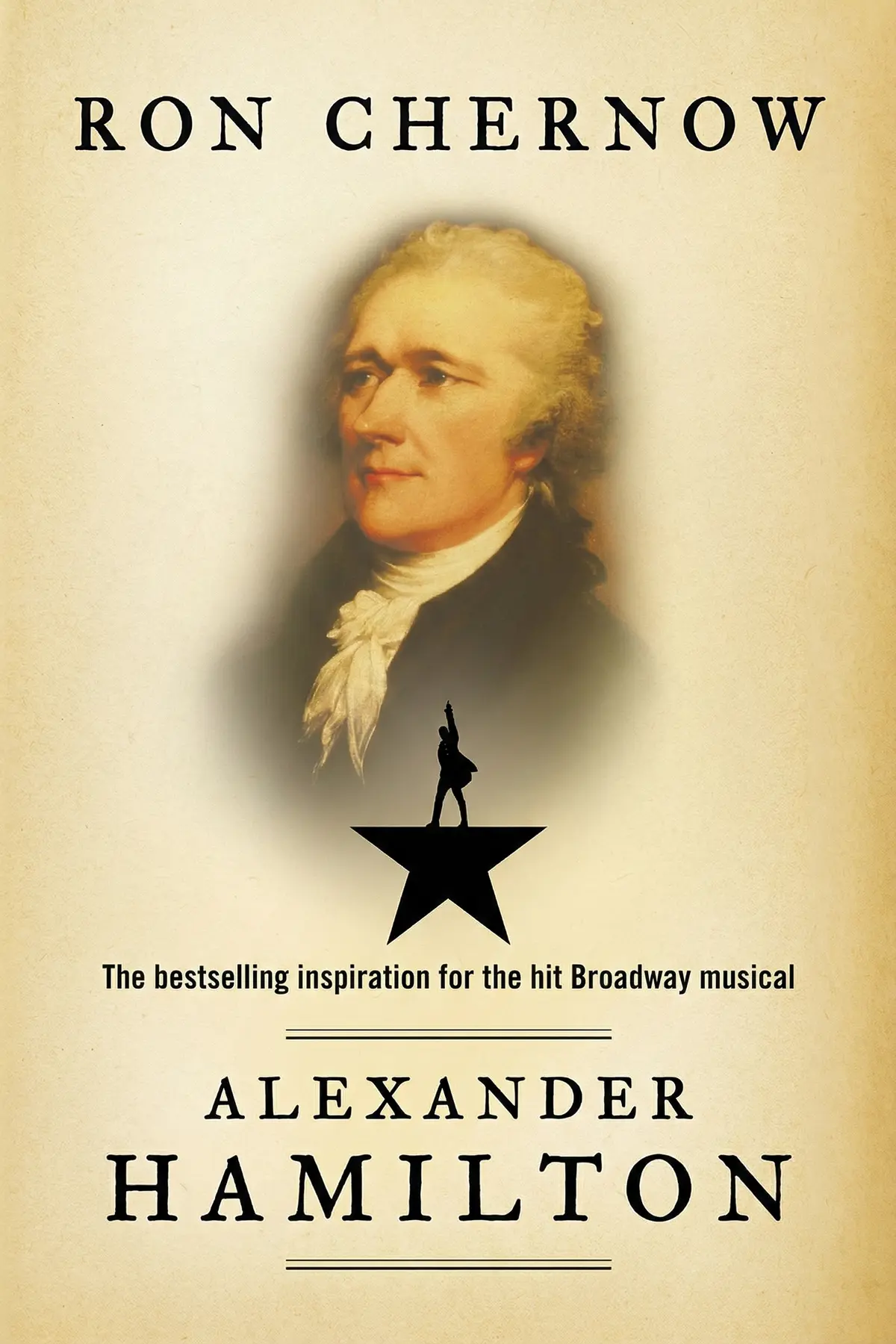
Ron Chernow
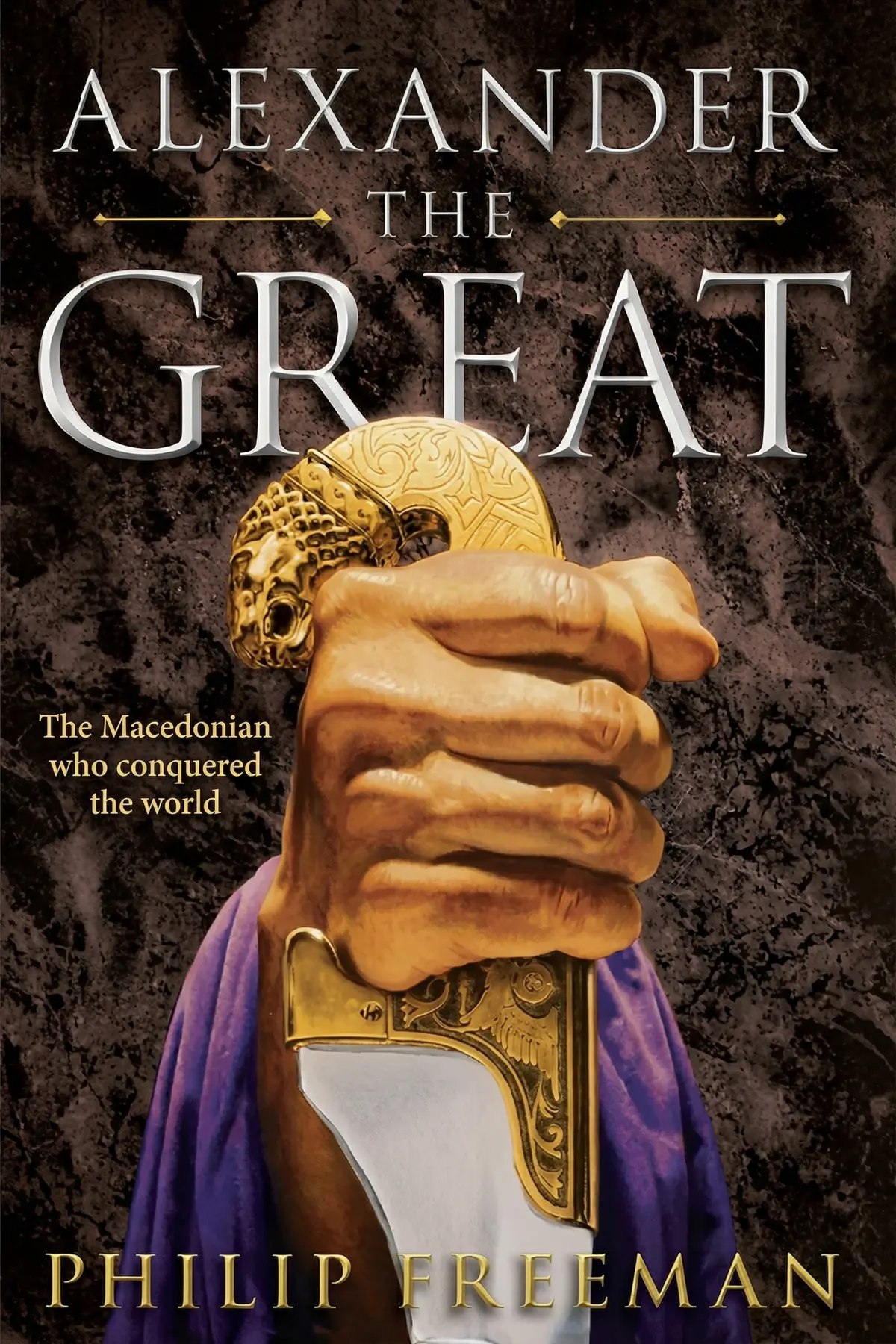
Philip Freeman
Michael Axworthy
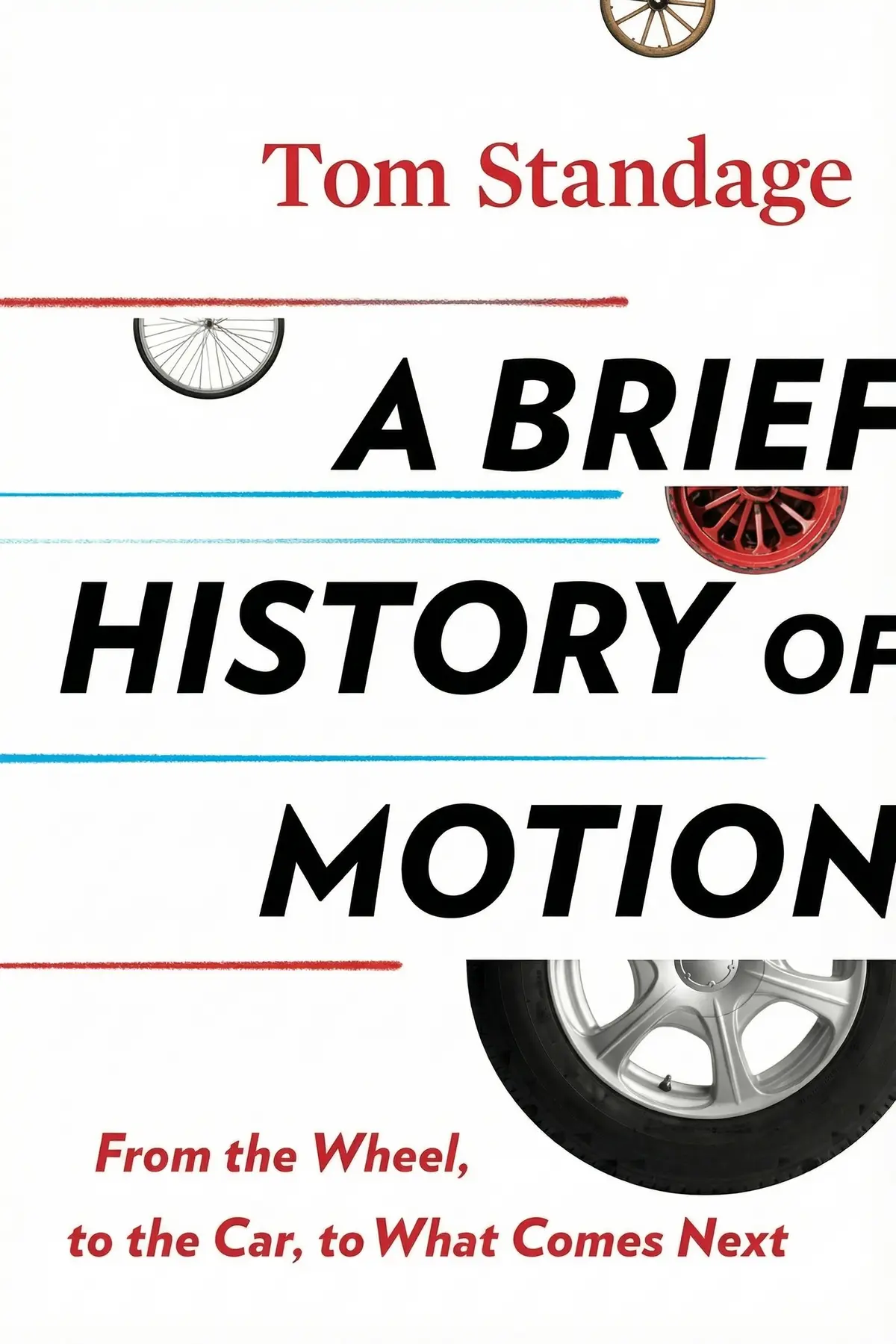
Tom Standage
Ishmael Beah
AUDIO SUMMARY AVAILABLE
Get the key ideas from Forget the Alamo by Bryan Burrough, plus 5,000+ more titles in English and Thai.







