
13 min 41 sec
Forgive: Why Should I and How Can I?
Forgive explores the profound necessity of mercy in a fractured world. Timothy Keller examines the spiritual and practical dimensions of letting go of resentment to find personal peace and societal healing.
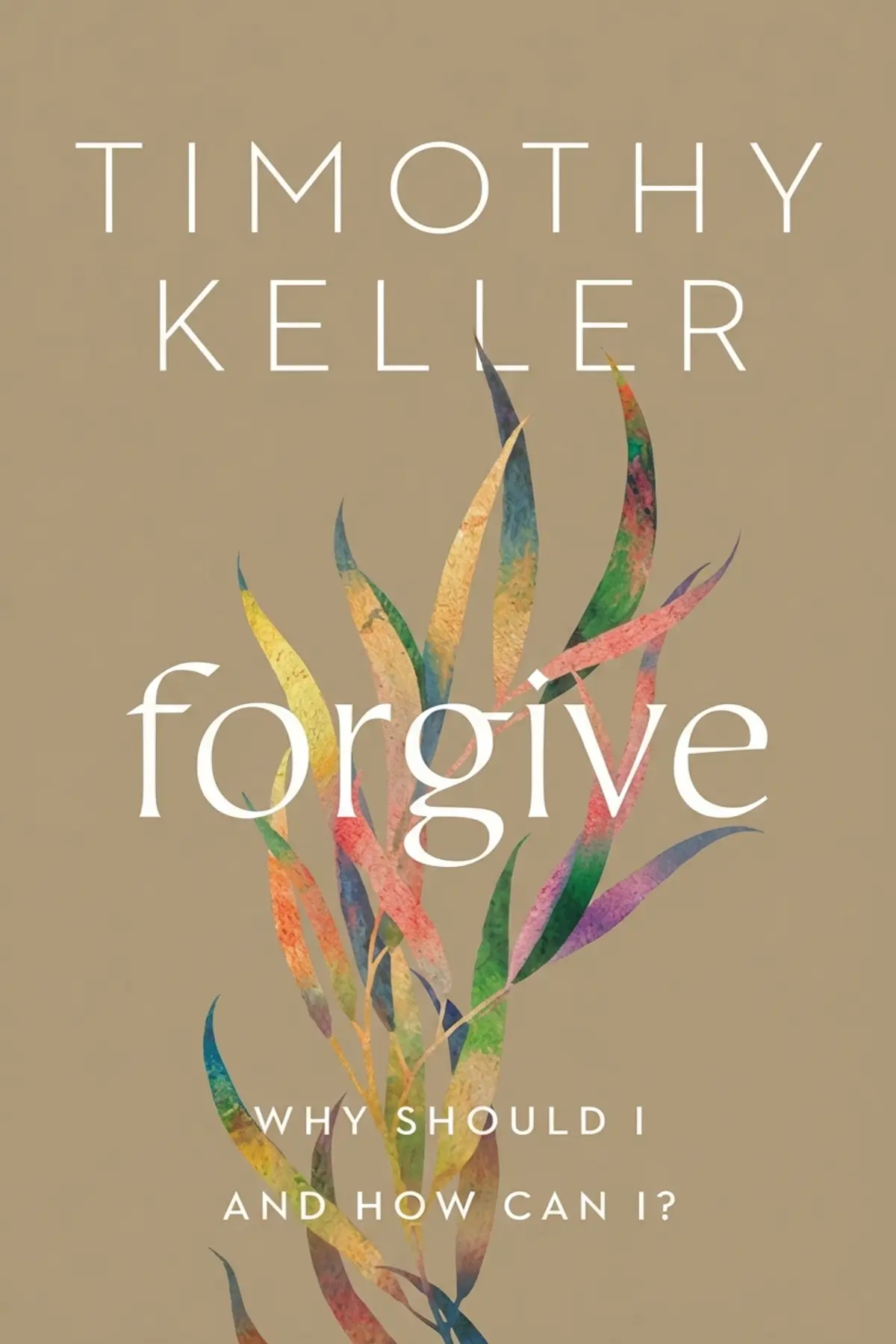
Table of Content
1. Introduction
1 min 18 sec
Every single day, we navigate a world where people fail one another. Whether it is a small slight in a hallway or a life-altering betrayal, the reality of human interaction is that we inevitably cause harm or have harm inflicted upon us. This creates a fundamental dilemma for the human experience. How do we resolve the pain and the debt that follow these violations? Should we cling to our right to punish, or is there a way to let go that doesn’t sacrifice our sense of justice?
Many of us feel caught between two extremes. On one side is a desire for retribution—the need to see the offender suffer as much as we have. On the other side is a vague, often forced idea of moving on that doesn’t actually address the wound. Timothy Keller’s Forgive offers a different path. It suggests that forgiveness is not a sign of weakness or a dismissal of wrongdoing, but a powerful, necessary tool for both personal tranquility and social health. By exploring the deep roots of how we view debt and mercy, we can find a way to recognize the humanity in those who have wronged us and discover a practical method for mending what is broken. This journey isn’t just about feeling better; it’s about understanding the throughline of grace that can transform our lives and our communities.
2. The Concept of Forgiveness as Canceled Debt
2 min 18 sec
What if we viewed wrongdoing as a financial transaction? This perspective reveals that forgiveness is actually the act of absorbing a cost rather than demanding payment.
3. Why Modern Culture Struggles with Mercy
2 min 06 sec
In an era of public shaming and individual emotional priority, the act of truly letting go has become an act of counter-cultural rebellion.
4. The Harmonious Relationship Between Forgiveness and Justice
2 min 03 sec
Many believe that to forgive is to abandon justice, but these two concepts are actually two sides of the same coin, working together to heal the world.
5. Practical Steps for Extending and Receiving Grace
2 min 17 sec
True reconciliation is a process, not a feeling. It requires a specific set of actions that involve both the heart and the voice.
6. The Foundational Difference in Perspectives on Human Worth
2 min 16 sec
Understanding why we should forgive often comes down to how we view our fellow human beings: as people with inherent dignity or as subjects in a game of honor.
7. Conclusion
1 min 23 sec
As we reach the end of this exploration, the central message is clear: forgiveness is the essential glue that holds a fractured world together. It is the act of canceling a debt that you have every right to collect, choosing instead to absorb the cost for the sake of peace and reconciliation. By identifying wrongdoing, separating the act from the person, and making the inward decision to let go, we free ourselves from the suffocating grip of resentment.
Remember that this process does not negate the need for justice or accountability. In fact, true forgiveness and true justice work in tandem to ensure that harm is addressed and that the cycle of abuse is broken. Whether you are seeking to forgive a small slight or a major betrayal, the path remains the same. It requires humility, a commitment to human dignity, and a willingness to extend the same grace that we all, at one point or another, will surely need.
Take this as a call to action. Look at the ledgers of your own life. Where are you holding a debt that is poisoning your spirit? By choosing to forgive, you aren’t just doing something for the other person; you are reclaiming your own future. Let the pursuit of restoration be your guide, and you will find that the heaviest burdens are the ones we finally decide to put down.
About this book
What is this book about?
At its core, this book is an exploration of one of the most difficult human actions: forgiving those who have deeply hurt us. We live in an era characterized by outrage, public shaming, and a breakdown of communal trust. Timothy Keller argues that the modern world has lost its way regarding reconciliation, often oscillating between harmful silence and vengeful accountability. He proposes that true forgiveness is not about ignoring justice but about canceling a debt in a way that heals both the victim and the community. The promise of this work is a clear, step-by-step path toward giving and receiving forgiveness. By looking through a lens of faith and human empathy, Keller explains how to separate a person’s worth from their worst actions. He provides a framework for how we can pursue justice without being consumed by bitterness. Ultimately, the book serves as a guide for anyone looking to break the cycle of hurt and move toward a life of emotional freedom and restored relationships.
Book Information
About the Author
Timothy Keller
Timothy Keller is a prominent writer and pastor who founded Redeemer Presbyterian Church in Manhattan. His work has had a global impact, as he has assisted in establishing over 300 churches across various countries. Keller is recognized as a prolific author of several bestsellers, including The Reason for God, Hidden Christmas, and The Prodigal God.
The Reason For God: Belief In An Age Of Skepticism
Timothy Keller
Ratings & Reviews
Ratings at a glance
What people think
Listeners find that this book emphasizes the core principles of genuine forgiveness while providing actionable steps throughout each chapter. Furthermore, they value its clear style, empathy, and challenging ideas, with one listener highlighting how it merges biblical wisdom with real-life insight. The caliber of the prose is also highly praised, and listeners admire the book's genuine nature. Nevertheless, several listeners mention it is not the easiest read.
Top reviews
Maya
Wow. Keller has a way of taking a concept as overused as "forgiveness" and making it feel like you are hearing it for the first time. He argues that forgiveness isn't just about moving on; it’s about absorbing the cost of the wrong into your own heart, which is profoundly disruptive to our modern sense of justice. While the book can be intellectually dense in places, the Gospel-saturated responses to our cultural hang-ups are incredibly refreshing. I found myself lingering on the idea that our true capacity to forgive others only flows from our own experience of being forgiven by Christ. It is not a light afternoon read, but it is definitely one of his most vital contributions to the church. The writing is clear, reasonable, and masterfully articulate.
Show moreHannah
The chapter on granting forgiveness—specifically Chapter 10—is worth the entire cost of the book on its own. It provides a practical, step-by-step roadmap for a process that often feels vague and unattainable in most Christian literature. I also appreciated how the appendices functioned as a mini-manual for reconciliation, addressing those "what if" scenarios that usually go unanswered. Truth is, Keller doesn't shy away from the hard stuff, like how forgiveness often happens in a hundred small moments rather than one grand gesture. While some might find the structure a bit academic, the heart behind it is clearly pastoral and deeply concerned with the reader's spiritual health. It is a gift to anyone who has ever felt stuck in bitterness.
Show moreThanakorn
This book dusted off cobwebs in my heart that I did not even realize needed dusting in the first place. I went into this thinking I had a pretty firm grasp on the theology of grace, but Keller’s "disruptive" approach proved me entirely wrong. He explains that forgiveness is a form of voluntary suffering, which is a convicting thought when you are nursing a deep grudge. Not gonna lie, I had to put the book down several times just to process the weight of what was being said about the cross of Jesus Christ. It is an encouraging conviction, the kind that draws your heart deeper into truths you already believe but have lost amazement for. Truly, this is Keller at the pinnacle of his writing.
Show moreSven
Ever wonder why it is so much easier to talk about grace than it is to actually practice it in your own relationships? Keller tackles this head-on by showing how the cross is the only pathway to individual forgiveness. He makes a compelling case that we cannot truly forgive others until we have been thoroughly leveled by our own need for mercy. I loved the emphasis on how forgiveness is essentially an act of taking the debt on yourself so the other person does not have to pay it back. It is a hard, Gospel-saturated pill to swallow, but it is the only thing that actually brings peace in the long run. Highly recommended for anyone who feels trapped in a cycle of hurt and retaliation.
Show moreSamroeng
In a culture where "everything is permitted but nothing is forgiven," this book serves as a much-needed correction. Keller is incredibly articulate here, laying open the heart of what it means to live as a forgiven person in a broken world. I was particularly struck by how he describes forgiveness as a process that occurs in the heart before it ever manifests in a conversation. The authenticity of the prose makes it clear that he is not just theorizing; he is speaking from a place of deep conviction and wisdom. It is a timely word that feels both urgent and timeless, providing a roadmap for anyone drowning in a sea of modern outrage. This might honestly be his best work since The Reason for God.
Show moreSayan
Picked this up with a bit of arrogance, thinking I already knew everything there was to know about the topic from a biblical perspective. I was wrong, and I am glad for it, because the insights here are nothing short of life-changing. Keller shows that forgiveness is the only way to break the cycle of retaliation that is currently tearing our society apart at the seams. The way he balances the need to receive grace with the obligation to give it is masterfully done. It is not a light or breezy read, but the richness of the truth it offers makes every page worth the effort. This is definitely a book I will return to many times over the coming years for its profound real-life insight.
Show moreLillian
Finally got around to reading this, and frankly, it lived up to the hype. Keller manages to blend ancient biblical wisdom with a sharp-eyed look at how our current society views accountability and grace. One of the best takeaways for me was the distinction between the internal heart work and the external reconciliation process. Sometimes the prose gets a bit bogged down in philosophical debates, making it not the easiest read for a casual Sunday afternoon. However, the sheer authenticity of the writing makes the effort worthwhile. It is a timely word for a world that seems to have forgotten how to offer mercy without compromising truth. I appreciated the roadmap provided in the early pages, though it took some work to digest.
Show morePla
As someone who sometimes struggles with dense theological texts, I found this to be a bit of a mountain to climb, though the view from the top was excellent. Keller excels at expositing the culture, showing us exactly why our modern world is so quick to cancel and so slow to reconcile. He argues that without a Gospel-centered foundation, we simply lack the capacity to handle the wrongs done to us without becoming bitter. The writing quality is top-notch, though some of the appendices felt like they should have been integrated into the actual chapters to help the flow. It is a thought-provoking piece that demands your full attention and rewards you with a much deeper understanding of God’s character and our own need for mercy.
Show moreDao
To be fair, I expected something a bit more practical and less heavy on the philosophical framework. While the principle stuff was excellent, I occasionally felt like the author was pointing to other resources rather than giving the answers right there in the main text. There were moments where he would say "lots more could be said about this elsewhere," and I was left wishing those insights were included in the body of the book instead of the back. It is a solid read because the theological depth is undeniable, but it felt a bit like a lecture series at times. If you are looking for a quick "how-to" guide with immediate applications, this might feel a little too detached from the messy reality of daily life.
Show moreKwan
Look, I love Tim Keller’s work, but this was not quite what I was looking for in terms of a practical manual. It is deeply Biblical and points everything back to the staples of the faith, but it felt a bit repetitive in the middle sections. I personally would have preferred fewer contemporary philosophical questions and more real-life anecdotes to help ground the theories in everyday situations. That said, the core message about the importance of being forgiven is something we all need to hear over and over again. It is a solid book with great intentions, even if the academic tone makes it feel a bit distant at times compared to his earlier, more accessible works. It requires a lot of mental energy to finish.
Show moreReaders also enjoyed

A New Earth: Awakening to Your Life’s Purpose
Eckhart Tolle
A Return to Love: Reflections on the Principles of a Course in Miracles
Marianne Williamson
Abundance: The Inner Path to Wealth
Deepak Chopra
Aflame: Learning from Silence
Pico Iyer
Alcoholics Anonymous
Alcoholics Anonymous World Services

A Force for Good: The Dalai Lama's Vision for Our World
Daniel Goleman


All My Knotted-Up Life: A Memoir
Beth Moore

Autobiography of a Yogi
Paramahansa Yogananda
AUDIO SUMMARY AVAILABLE
Listen to Forgive in 15 minutes
Get the key ideas from Forgive by Timothy Keller, plus 5,000+ more titles in English and Thai.
- 5,000+ titles
- Listen as much as you want
- 7-day free trial
- Cancel anytime







