
19 min 27 sec
Available in:English
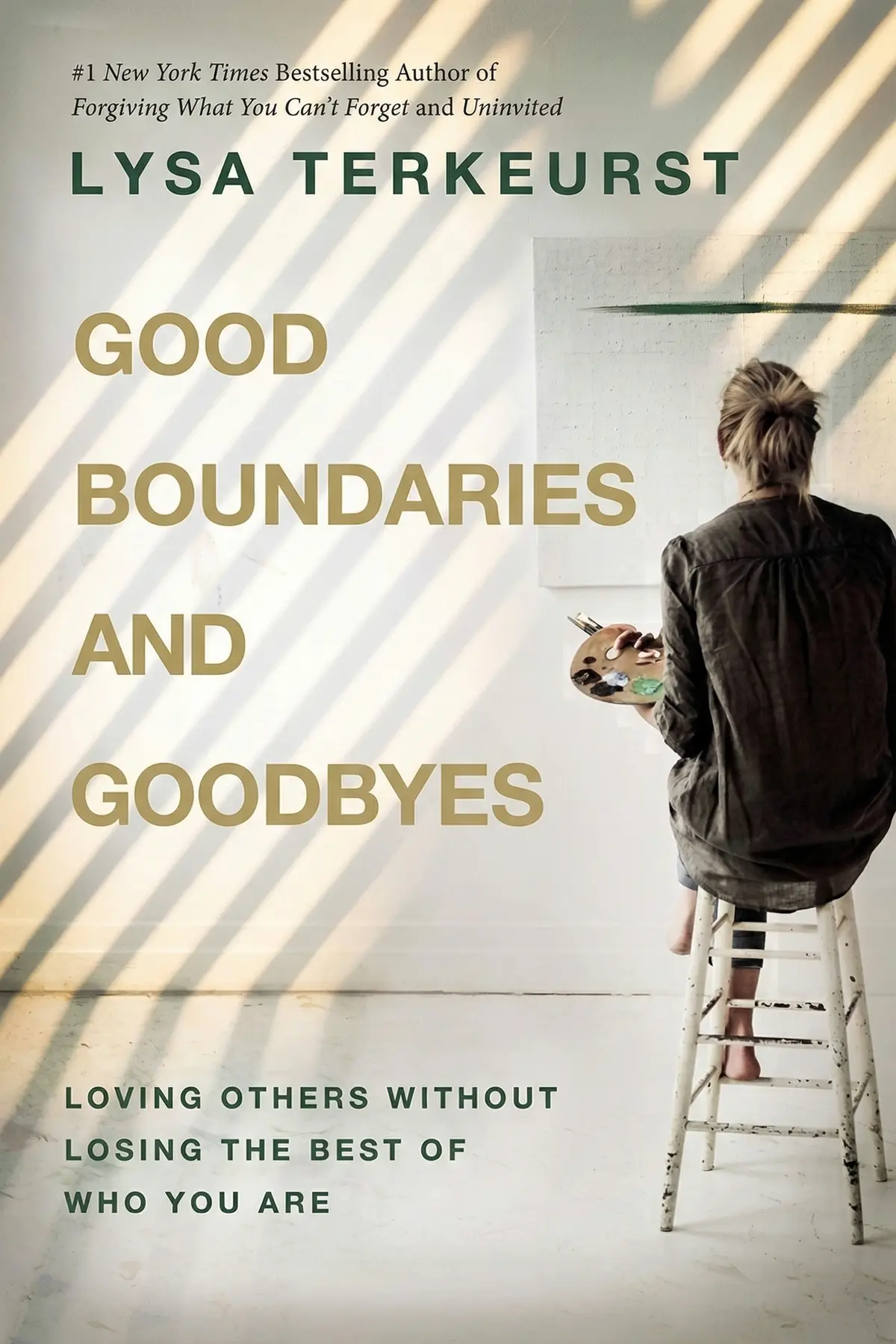
Forgiving What You Can’t Forget: Discover How to Move On, Make Peace with Painful Memories, and Create a Life That’s Beautiful Again
A compassionate guide to finding emotional and spiritual liberation by decoupling your healing process from the actions of those who hurt you, offering practical tools to move past deep-seated trauma.

Table of Content
1. Introduction
1 min 59 sec
Imagine standing in the wreckage of a life you thought was secure. For Lysa TerKeurst, this wasn’t a metaphor; it was the reality she faced when the foundation of her marriage crumbled. In the wake of discovering her husband’s infidelity, her immediate instinct was one of erasure. She wanted to scrub her environment of every reminder of the life they had built together. She packed away the photographs and hid the mementos, hoping that if she couldn’t see the evidence of their history, she wouldn’t have to feel the weight of the betrayal. But as she soon discovered, you cannot simply pack away pain. The more she tried to hide from the memories, the more they seemed to haunt her, proving that physical distance from a problem does not equal emotional healing.
This realization serves as the entry point for a profound exploration of what it means to heal. We often think of forgiveness as something we do for the benefit of the person who hurt us, or perhaps as a sign that we’ve moved past the injury entirely. However, the journey we are about to embark upon reveals a different truth. Forgiveness is a necessary tool for the person who has been wronged. It is the process of untethering your future from the damage of your past. Throughout this summary, we will look at how to navigate the messy middle ground between the shock of a wound and the peace of a restored heart.
You will discover that healing doesn’t require the participation of the offender and that waiting for things to feel ‘fair’ is a trap that only keeps you stuck. We will explore the way our early experiences shape our current reactions and why the most difficult things to forgive are often the things we cannot change. This is not just about moving on; it is about making sense of the story you’ve lived so that you can begin writing a new, more hopeful chapter. By the end, you’ll see that while the pain might be part of your history, it doesn’t have to be the architect of your future.
2. The Necessity of Forgiveness in the Healing Journey
2 min 25 sec
Discover why true restoration is impossible without releasing resentment, and how relying on a higher power can help you bridge the gap when your own strength fails.
3. Decoupling Your Recovery from Restitution
2 min 09 sec
Learn why waiting for an apology or a sense of fairness is a dangerous trap that keeps your emotional well-being held hostage by the offender’s choices.
4. The Danger of Numbing and Hyper-Spiritualization
2 min 20 sec
Uncover how common coping mechanisms like toxic positivity and emotional avoidance actually prevent the deep work required for lasting transformation.
5. Collecting the Dots by Reviewing Your History
2 min 10 sec
Explore how revisiting childhood memories and past relationship dynamics can reveal the hidden origins of your current emotional triggers and reactions.
6. Connecting the Dots to Understand Belief Systems
2 min 16 sec
Analyze how past traumas interact with the pain of others to create a complex web of misunderstanding, and why recognizing this is key to empathy.
7. Correcting the Dots and Reframing Your Story
2 min 10 sec
Discover how to actively challenge negative internal narratives and replace them with life-giving perspectives that empower you to move forward.
8. Releasing the Weight of Unchangeable Hurt
2 min 03 sec
Understand why the most permanent losses require the deepest surrender, and why choosing forgiveness over revenge is the ultimate act of self-care.
9. Conclusion
1 min 55 sec
As we reach the end of this journey, it’s important to acknowledge one final truth: forgiveness is not a destination where you arrive and then stay forever. It is a continuous, ongoing process. Just like a broken tooth that can suddenly throb with pain when you bite into something hard, old traumas have a way of resurfacing when we least expect them. You might think you’ve forgiven someone entirely, only to see a photograph or hear a song that sends a wave of resentment crashing back over you. When this happens, it doesn’t mean your progress was a lie or that you’ve failed. It simply means you’ve encountered a trigger, and it’s time to apply the tools of forgiveness once again.
The throughline of this entire experience is the separation of your healing from the world’s fairness. We have seen that you can heal even if the other person stays broken. We have seen that by collecting, connecting, and correcting the ‘dots’ of your life, you can gain a mastery over your emotional reactions that seemed impossible in the heat of the betrayal. You have the power to stop being a victim of your history and start being the steward of your future.
So, as you move forward, carry with you the strategy of ongoing forgiveness. When the pain hits like a steam train, don’t let it derail you. Instead, pause and ask yourself what that feeling is trying to tell you. Is it an old fear? Is it a call to grieve a little more? Is it a reminder to release a debt one more time? By greeting these triggers with curiosity rather than shame, you maintain your freedom. You have the capacity to build a life that is not defined by what was taken from you, but by the grace you have chosen to walk in. The path is long and sometimes steep, but it leads to a place of peace, resilience, and a life that is truly, beautifully yours again.
About this book
What is this book about?
Forgiving What You Can't Forget explores the complex and often painful journey of letting go when the wounds are deep and the memories refuse to fade. Lysa TerKeurst shares her personal experiences of betrayal and childhood trauma to demonstrate that forgiveness isn't about excusing an offender’s behavior or waiting for an apology that may never come. Instead, it is a spiritual and emotional necessity that allows the victim to reclaim their peace. The book promises a path toward restoration, teaching readers how to separate their recovery from the choices of others. It introduces a multi-step framework for processing past pain, which involves identifying the origins of current emotional reactions, revising broken belief systems, and reframing suffering through the lens of growth. By integrating psychological insights with faith-based principles, the narrative provides a roadmap for anyone stuck in a cycle of resentment, helping them build a life that is beautiful again despite the scars of the past.
Book Information
About the Author
Lysa TerKeurst
Lysa TerKeurst serves as the president of Proverbs 31 Ministries, an organization dedicated to supporting women in their spiritual journeys and relationships with God. She is a recognized leader in Christian literature and a New York Times best-selling author, known for influential works such as It’s Not Supposed to Be This Way and Uninvited. When she isn't leading her ministry or writing from her favorite spot at her gray farm table in North Carolina, she focuses on helping others navigate life's most difficult seasons with grace.

Ratings & Reviews
Ratings at a glance
What people think
Listeners find the text very approachable and value the perspectives shared on forgiveness, specifically noting how it aids in the process of self-forgiveness. Furthermore, the work offers practical counsel on challenging topics and presents significant information from a scriptural viewpoint. Listeners also characterize the title as a restorative guide for navigating through pain, highlighted by exceptional prose written with a raw and sincere tone. Nevertheless, the spiritual elements trigger varied responses; some appreciate the biblical basis while others feel it is too heavily centered on Christian doctrine.
Top reviews
Wittaya
Wow, what an absolute journey of healing and grace. Lysa has this incredible gift for taking the most painful parts of her life and turning them into a map for others to follow out of the darkness. I didn't just read this book; I lived it, highlighting almost every other page because the words resonated so deeply with my own recent trauma. She moves past the surface-level definitions of forgiveness and gets into the grit of how to handle the 'can't forget' parts of your history. The writing is outstanding and feels incredibly personal, almost like you’re sitting across the table from a friend who truly understands your ache. I found the scriptural references to be life-giving and perfectly timed for the chapters they inhabited. If you are struggling with self-forgiveness or holding onto a grudge that is rotting your peace, please pick this up.
Show moreElias
As someone who has struggled with bitterness for years, this book provided the exact scriptural perspective I needed to finally start exhaling. TerKeurst doesn’t sugarcoat the process or pretend that saying 'I forgive you' magically erases the scar tissue left behind by others. Instead, she offers a deeply sincere and vulnerable tone toward healing that feels both manageable and deeply spiritual. I loved how she emphasized that forgiveness isn't about the other person’s behavior, but about our own heart's freedom. The easy-to-read format made it possible to digest heavy concepts without feeling overwhelmed or discouraged by my own progress. It’s a meaningful resource that I plan to keep on my nightstand for those days when the old hurts try to resurface. Truly, it’s a lamp for the dark corners of the soul.
Show moreAnna
After hearing so much buzz about this title, I decided to see if the hype was justified. She walks the reader through the agonizing process of reconciling the 'good' God we worship with the 'bad' things He allows to happen. While the heavy focus on her divorce was expected given her history, it did occasionally feel like the book was a bit too centered on her own therapy sessions. However, the way she uses biblical stories to illustrate her points is masterful and provides a much-needed anchor. It’s not just a book about moving on; it’s a guide on how to stay soft in a world that wants to make you hard and cynical. Some parts felt a bit wordy, and I think a tighter edit would have helped the pacing significantly. It remains a powerful testament to her faith.
Show morePornpimon
This was a lamp to the dark corners of my heart that I had been ignoring for far too long. I’ve read a lot of Christian books on forgiveness, but most of them feel like they’re written by people who haven't actually suffered. Lysa, however, writes from the trenches, and her unfiltered transparency about the 'unstable' moments of grief made me feel so much less alone in my own struggle. The sections on self-forgiveness were a total game-changer for me, helping me realize that I was holding myself to a standard that even God doesn't require. It’s a beautifully written, healing resource that manages to be both profoundly spiritual and incredibly practical at the same time. Don't rush through it—let the chapters simmer so you can really hear what God might be saying to you through her words.
Show morePreeda
Truth is, I needed this more than I realized when I first picked it up. I was expecting a light guide on how to be a 'better Christian,' but what I got was a profound deep-dive into the very nature of grace. Lysa manages to balance her personal story with biblical truths in a way that feels both authentic and authoritative. The writing style is outstanding—it’s conversational yet deeply meaningful, making complex theological concepts feel accessible to anyone. I really appreciated the focus on how forgiveness is a decision we make for ourselves rather than a gift we give to those who hurt us. This book has been a significant part of my healing journey over the last few months. It provides a much-needed roadmap for navigating the pain of the past without letting it dictate your future.
Show moreRoo
Finally got around to reading Lysa's latest, and it’s a gut-punch in the best way possible. She writes from a place of raw, jagged honesty that you just don't see in most Christian circles anymore. I appreciated how she tackled the messy intersections of pain and faith without offering those 'just pray it away' platitudes that usually drive me crazy. While the book is deeply rooted in her personal divorce story, the scriptural insights she provides offer a solid foundation for anyone dealing with betrayal. My only minor gripe is that it can feel a bit repetitive in the middle sections, looping back to the same themes of her husband’s infidelity. However, the practical steps for letting go of the need for an apology that will never come are worth the price of admission alone. This is an incredibly healing resource for the weary soul.
Show morePita
Look, I’ll be the first to admit that I was skeptical about another Christian living book that promised 'healing and peace' in ten easy steps. Thankfully, this isn't that kind of book. It’s messy, complicated, and doesn't offer easy answers, which is exactly why it actually works. Lysa’s unflinching look at her own pain makes the scriptural advice feel earned rather than just quoted from a Sunday school manual. I particularly liked the focus on setting boundaries as a part of the forgiveness process, as that's an area where many believers get confused. There were moments where the narrative felt a little too 'me-centered,' but the overall message is so powerful that it’s easy to overlook those small irritations. A great read for anyone who is tired of carrying around heavy baggage.
Show moreFort
The chapter on 'Forgiving God' was where this book almost lost me entirely. It feels a bit dangerous to suggest God needs our forgiveness when, biblically speaking, He is perfect and incapable of sin. I understand she was trying to articulate our human feelings of resentment toward our circumstances, but the phrasing was definitely problematic. Beyond that, the book functions more as a memoir of her marriage's collapse than a traditional self-help guide or Bible study. Frankly, if you aren't interested in the play-by-play of her divorce, you might find yourself skimming large portions of the text. There are some beautiful nuggets of wisdom here about moving forward, but they are buried under layers of personal narrative that don't always feel universal. It’s an okay read, but maybe not the theological deep-dive I was hoping for.
Show moreManee
Ever wonder if forgiveness is actually possible when the other person isn't sorry? Lysa tries to answer that, but the result is a bit of a mixed bag for me personally. On one hand, her scriptural foundations are strong, and she clearly knows her Bible inside and out. On the other hand, the constant repetition of her personal trauma started to feel like a distraction rather than an illustration. I found myself wishing for more diverse examples of hurt—maybe stories about workplace betrayal or childhood wounds—to make it feel more inclusive. Not gonna lie, the tone can be quite intense and emotional, which might not be everyone’s cup of tea if you prefer a more analytical approach. It’s helpful in spots, but you really have to dig through the memoir-style storytelling to find the practical application.
Show moreYaowares
This book felt more like a 10-hour counseling session where I wasn't the patient, but just an observer to the author's own processing. I went in expecting actionable steps and psychological insights, but instead, I got a lot of 'I' and 'me' and constant references to her specific marital issues. It’s marketed as a guide for everyone, yet it feels very narrow in scope, focusing almost exclusively on one type of betrayal. To be fair, her writing style is accessible, but the theology feels a bit unstable and overly emotional at times. I was especially put off by the anecdotes where she admits to taking her anger out on innocent people without much resolution. It’s hard to take a lesson on forgiveness seriously when the narrative feels so centered on the author's personal grievances rather than broader biblical truth.
Show moreFeatured in

Readers also enjoyed
Abundance: The Inner Path to Wealth
Deepak Chopra
Aflame: Learning from Silence
Pico Iyer

ADHD an A-Z: Figuring It Out Step by Step
Leanne Maskell

AUDIO SUMMARY AVAILABLE
Listen to Forgiving What You Can’t Forget in 15 minutes
Get the key ideas from Forgiving What You Can’t Forget by Lysa TerKeurst, plus 5,000+ more titles in English and Thai.
- 5,000+ titles
- Listen as much as you want
- 7-day free trial
- Cancel anytime







