
17 min 41 sec
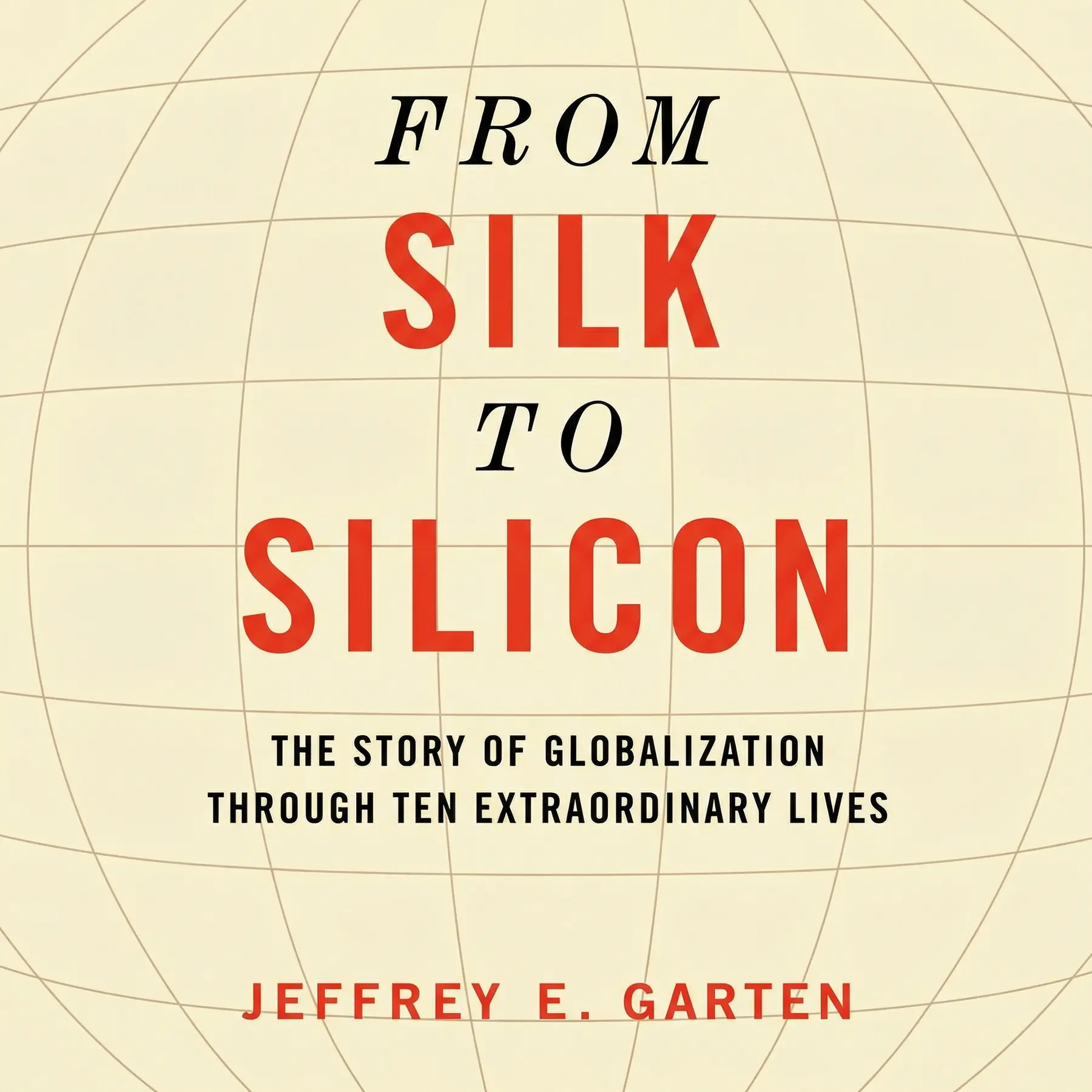
From Silk to Silicon: The Story of Globalization Through Ten Extraordinary Lives
Explore the history of globalization through the lives of ten visionary leaders. From ancient conquerors to modern tech pioneers, learn how specific individuals reshaped the world's economic and social landscape.
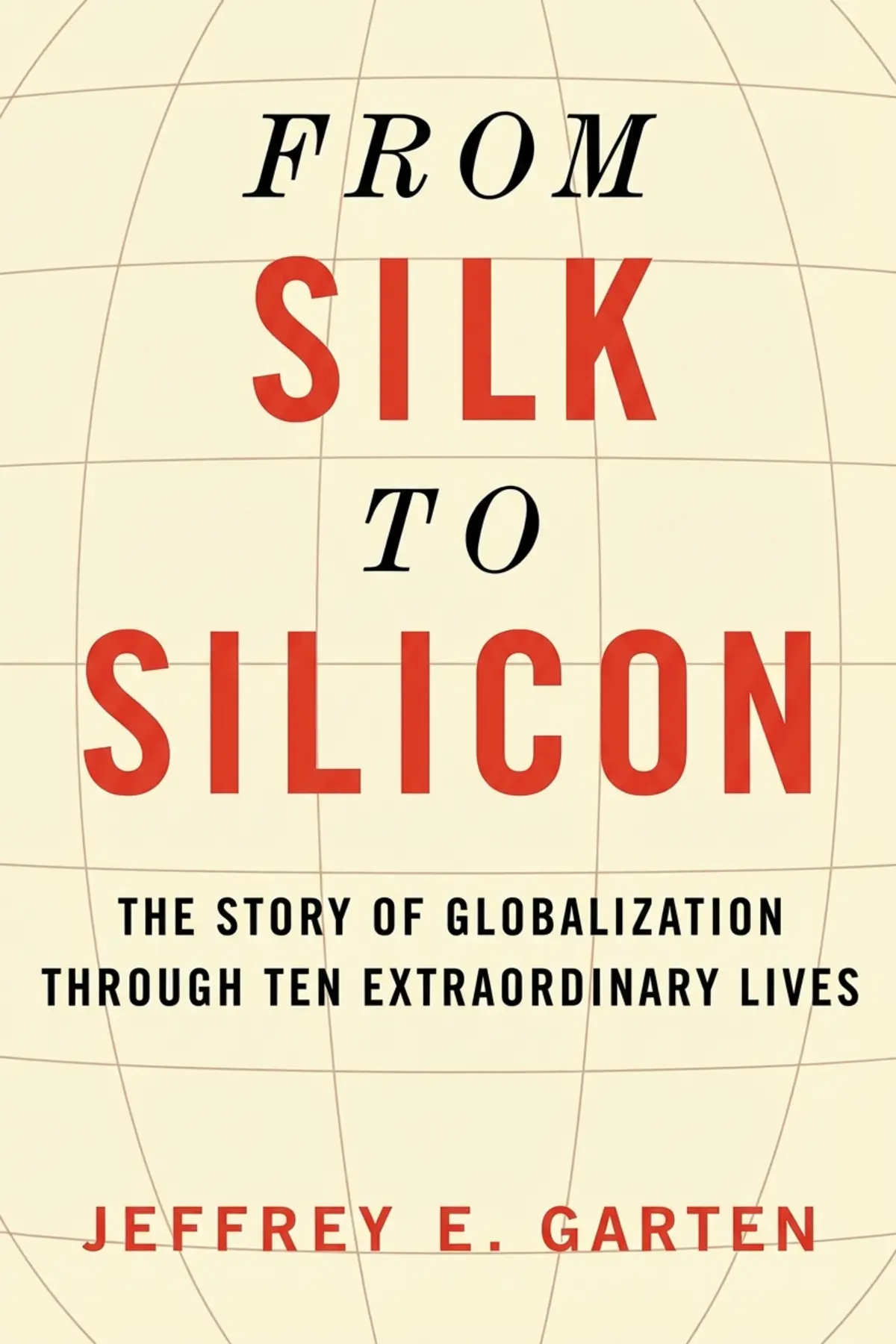
Table of Content
1. Introduction
1 min 34 sec
Imagine for a moment the world as it existed a thousand years ago. Communities were isolated, separated by vast oceans and treacherous mountain ranges. Information traveled at the speed of a horse, and the idea of a ‘global’ economy was nothing more than a fantasy. Yet, today, you can buy a product manufactured in Shenzhen, financed by a bank in London, and have it delivered to your doorstep in New York within days. This didn’t happen by chance. It was the result of a long, often turbulent process we call globalization.
In our exploration of From Silk to Silicon, we are going to look at this massive historical shift through a unique lens: the lives of the individuals who actually made it happen. History isn’t just a series of vague trends or faceless forces; it is driven by the ambitions, the innovations, and sometimes the sheer brutality of people who saw the world differently. We are talking about emperors who unified continents, bankers who funded empires, and tech geniuses who shrunk the world into a single microchip.
Over the next several minutes, we will trace the throughline of human connectivity. We’ll see how the Silk Road laid the groundwork for modern trade, how the pursuit of maritime routes accidentally gave birth to global exploitation, and how the rise of corporate power eventually forced governments to reconsider their own sovereignty. We will also examine the more modern architects of our world—the leaders who opened up closed economies and the innovators who moved us from physical trade to the digital age. This is the story of how we became one world, told through the lives of the people who held the pen.
2. The Mongol Empire and the Birth of Global Trade
2 min 04 sec
Discover how a brutal conqueror transformed into a pioneer of administrative efficiency and religious freedom, creating the first truly global trade route.
3. Portuguese Exploration and the Discovery of the Global Map
2 min 16 sec
Trace the journey of a prince who pushed the boundaries of the known world, blending scientific discovery with a dark new era of human trade.
4. The Rise of Corporate Sovereignty in India
2 min 01 sec
Explore the era when a single private company possessed its own army and governed a subcontinent, challenging the power of nations.
5. Finance and the First Instant Communications
2 min 04 sec
Witness the dual revolution of global banking and the transatlantic cable, projects that shrunk the world through money and messages.
6. Industrial Giants and the Dream of a United Europe
2 min 06 sec
See how the pursuit of monopoly oil power in America coincided with a visionary effort to erase borders in Europe.
7. The Neoliberal Shift and the Era of Privatization
1 min 54 sec
Relive the controversial reign of Margaret Thatcher, whose iron-willed policies reshaped the British economy toward a free-market future.
8. The Rise of Modern China and the Silicon Revolution
2 min 09 sec
Examine how a pragmatic Chinese leader and a tech-obsessed immigrant created the manufacturing and computing power of the modern world.
9. Conclusion
1 min 33 sec
As we look back at the journey from the dusty trading posts of the Silk Road to the high-tech clean rooms of Silicon Valley, a clear picture emerges. Globalization is not an inevitable, faceless force of nature. It is a story of human agency. It is the result of people like Genghis Khan seeking order, Prince Henry seeking discovery, and Andrew Grove seeking innovation. Each of these figures pushed the boundaries of what was possible, connecting people across vast distances and building the systems that allow us to live in a global society.
But as we’ve seen, this progress often comes with a shadow. The same forces that brought us instant communication and global wealth also brought us the slave trade, corporate exploitation, and social displacement. The lesson of From Silk to Silicon is that globalization is a powerful tool, but like any tool, its impact depends on who is wielding it and for what purpose.
Today, we are the beneficiaries of this thousand-year history. We live in a world that is more connected and more prosperous than ever before, but we also face the challenges of maintaining that connectivity in a sustainable and equitable way. As you navigate your own role in this globalized world, remember that individuals still have the power to shape the future. The next chapter of this story hasn’t been written yet, and it will be defined by the leaders, innovators, and thinkers of our own time. Whether we continue to build bridges or start building walls is the great question of our age. What we do with the world these ten figures built is now up to us.
About this book
What is this book about?
The world we live in today, characterized by instant communication and global trade, was not an accident. It was the result of deliberate actions taken by a handful of influential figures over the last thousand years. From Silk to Silicon examines the evolution of our interconnected planet by profiling the trailblazers who broke down barriers between nations and cultures. This journey begins with the brutal yet stabilizing conquests of Genghis Khan and moves through the maritime explorations of the Portuguese and the corporate dominance of the British East India Company. It covers the rise of international finance, the birth of the telecommunications age, and the shift toward neoliberal economics. By looking at these diverse figures—ranging from bankers and oil tycoons to politicians and tech innovators—the summary promises to reveal the DNA of the modern global economy. You will discover how individual ambition, for better or worse, forged the systems of trade, governance, and technology that define the twenty-first century.
Book Information
About the Author
Jeffrey E. Garten
Jeffrey E. Garten is a distinguished educator and policy expert who teaches global economy at the Yale School of Management. His extensive career includes serving in high-level positions across four different presidential administrations, including those of Nixon, Ford, Carter, and Clinton. In addition to his work in government and academia, Garten is an accomplished author. He previously wrote The Big Ten: The Big Emerging Markets and How They Will Change Our Lives, which explored the rising economic powers of the late twentieth century.
Ratings & Reviews
Ratings at a glance
What people think
Listeners find the work offers an engaging overview of the history of globalization told through the life stories of ten remarkable figures. Beyond the expertly crafted prose, listeners also value the book's high level of readability. At the same time, listeners express conflicting opinions regarding how the author handles the dynamics of globalization and mercantilism.
Top reviews
Saengdao
This book offers a fascinating look at the connective tissue of our modern world by focusing on individuals rather than abstract forces. Jeffrey Garten identifies ten 'hedgehogs' whose singular focus and resilience shifted the trajectory of history, starting with the brutal but efficient empire-building of Genghis Khan. I loved how the narrative bridged the gap between the ancient Silk Road and the high-tech innovations of Andrew Grove at Intel. To be fair, the 'great man' theory of history is a bit dated, but it makes for an incredibly readable and engaging story. The author’s background as a dean at Yale really shines through in the polished, clear prose. It’s rare to find a book that covers banking, steam cables, and political reform with such consistent clarity and verve.
Show moreAria
Look, most history books are dry as dust, but Garten manages to keep things moving with a pace that feels more like a documentary than a lecture. By centering the story of globalization on ten specific people, he turns a complex economic concept into a series of relatable, if often ruthless, human stories. I particularly appreciated the inclusion of Jean Monnet and the focus on supranationalism, which felt incredibly relevant given today's political climate. The author’s argument that these people weren't necessarily trying to change the world but were just 'doing' is a refreshing take on historical impact. Not gonna lie, I learned more about the origins of the bond market from the Rothschild chapter than I did in four years of business school. This is top-tier non-fiction for anyone interested in how the world actually works.
Show moreTak
Finally got around to reading this and found the structure really effective for breaking down such a massive, intimidating topic. Instead of drowning the reader in statistics, Garten uses the life of John D. Rockefeller to explain the energy revolution and global philanthropy. The book is an amazing feast of history, and I loved the 'hedgehog' metaphor for these relentless individuals who wouldn't take no for an answer. The transition from the physical Silk Road to the silicon chip is handled with a level of grace that few authors could achieve. Even the chapters on subjects I thought I knew well, like Margaret Thatcher, managed to offer fresh insights into their impact on international trade. It’s an essential read for anyone who wants to understand the long-term trends shaping our current global landscape.
Show moreOrathai
Ever wonder how we actually got to this hyper-connected world where a crisis in one country affects everyone else? Garten’s selection of ten figures provides a unique lens, though some choices like Margaret Thatcher felt a bit like a stretch for a book on globalization. While the chapter on Genghis Khan was gripping and full of surprising details about his childhood, later sections on people like Cyrus Field felt more like standard biographical reports. The writing is smooth, but I think the book occasionally glosses over the darker side of these 'achievements,' particularly regarding colonialism and slavery. Still, for a general reader looking to understand the historical roots of our global economy, this is a solid and informative pick. It definitely makes you think about who the next accidental globalist might be.
Show moreDuang
Picked this up because I’m a bit of an economics nerd, and I wasn't disappointed by the breadth of history covered here. Garten does a masterful job showing how individuals like Mayer Amschel Rothschild essentially invented the global financial plumbing we take for granted today. The prose is accessible and keeps things moving, which is impressive given the dense subject matter of transatlantic cables and microchip manufacturing. I did notice a slight bias toward celebrating the progress of globalization while treating the resulting social dislocation as a secondary concern. In my experience, books that try to cover this much ground often lose the thread, but the ten-biography structure keeps the narrative focused. It's a great choice for anyone who enjoyed Peter Frankopan’s work but wants something more character-driven.
Show moreElise
The chapter on Genghis Khan was a total adrenaline shot to start the book, highlighting how a man with such a traumatic childhood could reshape the world. I was hooked by the details of his early life, including the brutal way he dealt with his own family to ensure survival. Garten’s writing style is sophisticated yet very easy to digest, which makes the complex history of global trade feel like a series of interconnected adventures. My only real gripe is that the chapter on Cyrus Field and the telegraph felt significantly less interesting than the others, almost like a filler segment. Nevertheless, the book successfully argues that globalization is a human-driven process that started long before the internet existed. It’s a thought-provoking read that challenges you to look at history through a much wider lens.
Show moreAndrew
As someone who works in tech, I found the profile of Andrew Grove particularly enlightening because it grounded modern computing in a much longer historical context. Garten avoids the trap of making this a purely Western story by including figures like Deng Xiaoping, showing how China's resurgence was a deliberate pivot. The book is well-crafted, and the way it connects the dots between the 13th century and the 21st is genuinely impressive. My one critique is that the author’s definition of globalization is so broad that it sometimes feels like he's just describing general history. However, the readability of the text is a huge plus, and I found myself finishing the whole thing in just a few sittings. It's an excellent primer for anyone curious about the intersection of leadership and global change.
Show moreCharlotte
Garten chooses a 'great man' approach to history that is both engaging and controversial, but it definitely makes for a cohesive narrative. I was especially struck by the story of Robert Clive, a clerk who basically stumbled into building an empire through sheer audacity and corruption. The book excels at showing how accidental many of these global shifts were, driven more by personal ambition or survival than a grand vision. While the writing is excellent, I do think the author struggles to prove that every one of these ten figures fits his specific definition of a 'globalizer.' Some of the connections felt forced, especially in the later chapters on modern political figures. That said, the historical details are rich enough to keep any enthusiast satisfied for the duration.
Show moreRungrat
After hearing several recommendations, I finally dove into this history of globalization, but I found the experience to be a bit of a mixed bag. The first few chapters are thrilling, especially the deep dive into how the Mongol Empire facilitated the spread of Chinese technology like gunpowder and the compass. However, as the book progressed into the 20th century, the energy seemed to flag, and the arguments became less convincing. I felt that equating Deng Xiaoping’s internal market reforms with globalization was a bit of an analytical leap that didn't quite land for me. Frankly, some sections were quite dry and reminded me of a mandatory college textbook rather than a popular history read. It’s well-researched, but I wish the author had spent more time on the human cost of these massive shifts.
Show moreSofia
Not what I expected, and frankly, I’m disappointed by the lack of critical distance Garten maintains from his subjects. The book often reads like a hagiography of powerful figures, glossing over the horrific human rights abuses of people like Robert Clive and Prince Henry the Navigator. It felt like a celebration of mercantilism and exploitation disguised as an objective history of 'progress' and global connectivity. To be fair, the research is extensive, but the moral vacuum in which these stories are told made it difficult for me to enjoy. If you're looking for a critical analysis of how globalization has disenfranchised billions, you won't find it here; this is for the WTO crowd. I found the narrative repetitive and ultimately quite boring once the initial novelty of the biographies wore off.
Show moreReaders also enjoyed



A Year in the Life of William Shakespeare: 1599
James Shapiro
Age of Anger: A History of the Present
Pankaj Mishra
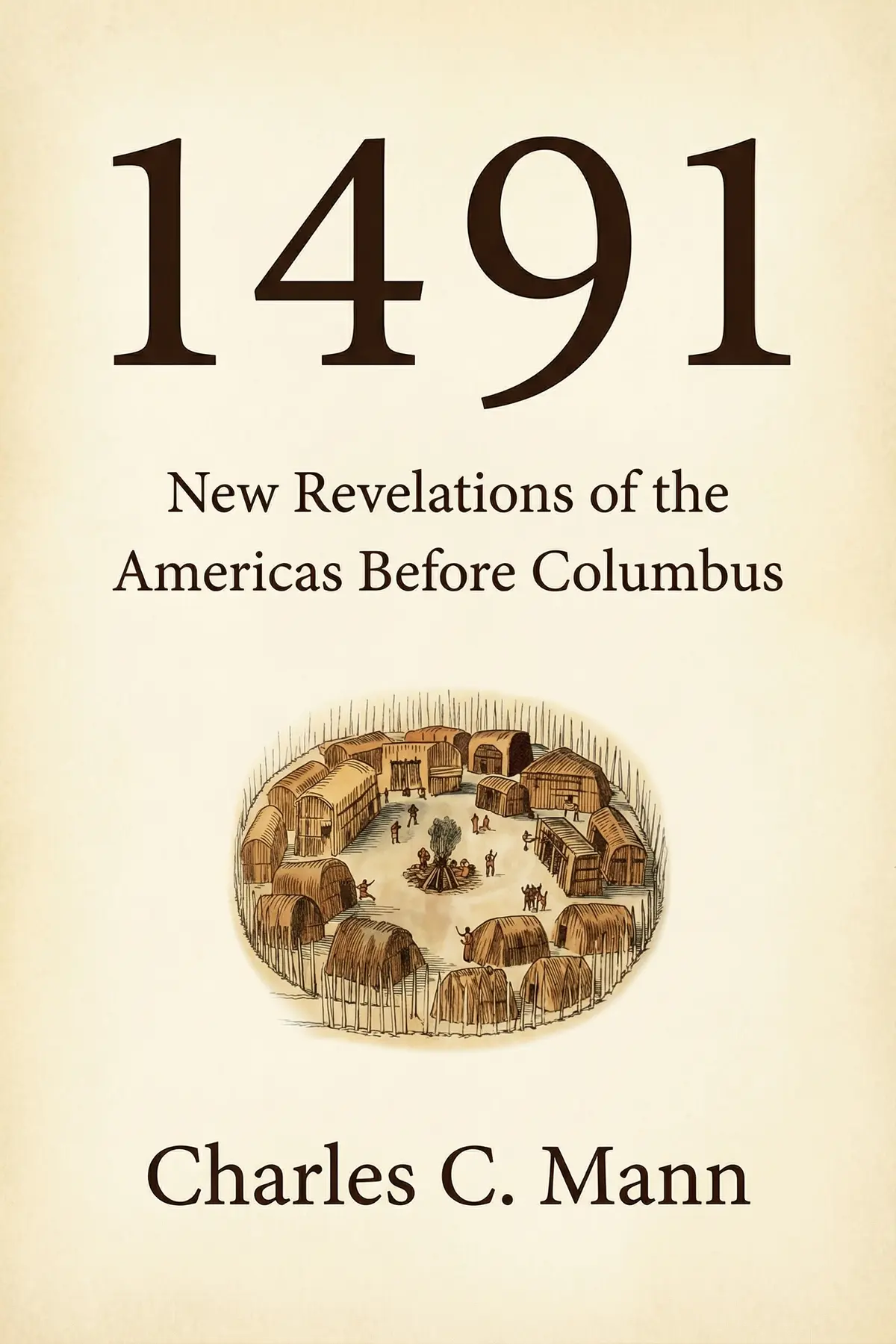
1491: New Revelations of the Americas Before Columbus
Charles C. Mann

Agent Sonya: The Spy Next Door
Ben Macintyre

A Biography of Loneliness: The History of an Emotion
Fay Bound Alberti
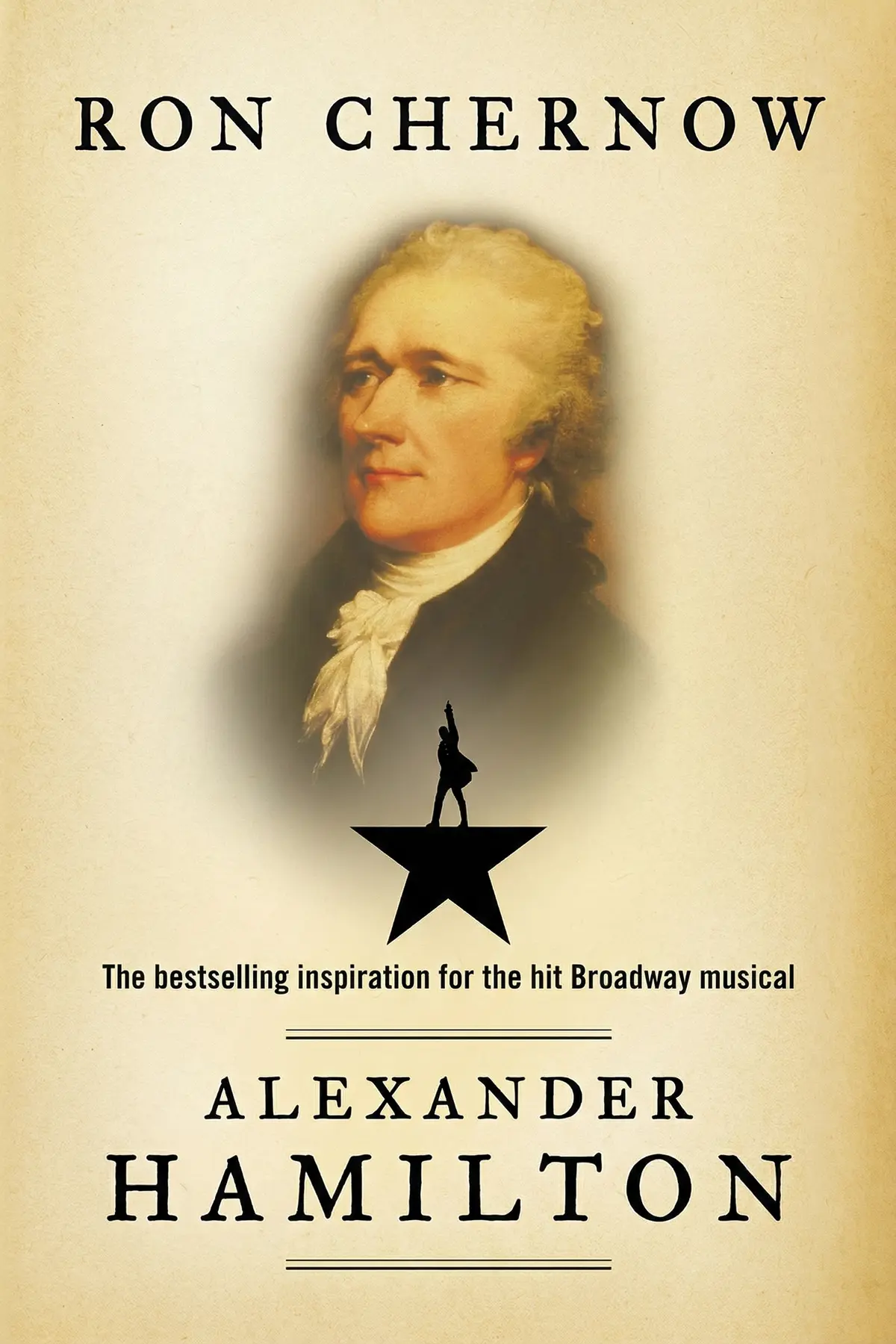
Alexander Hamilton
Ron Chernow
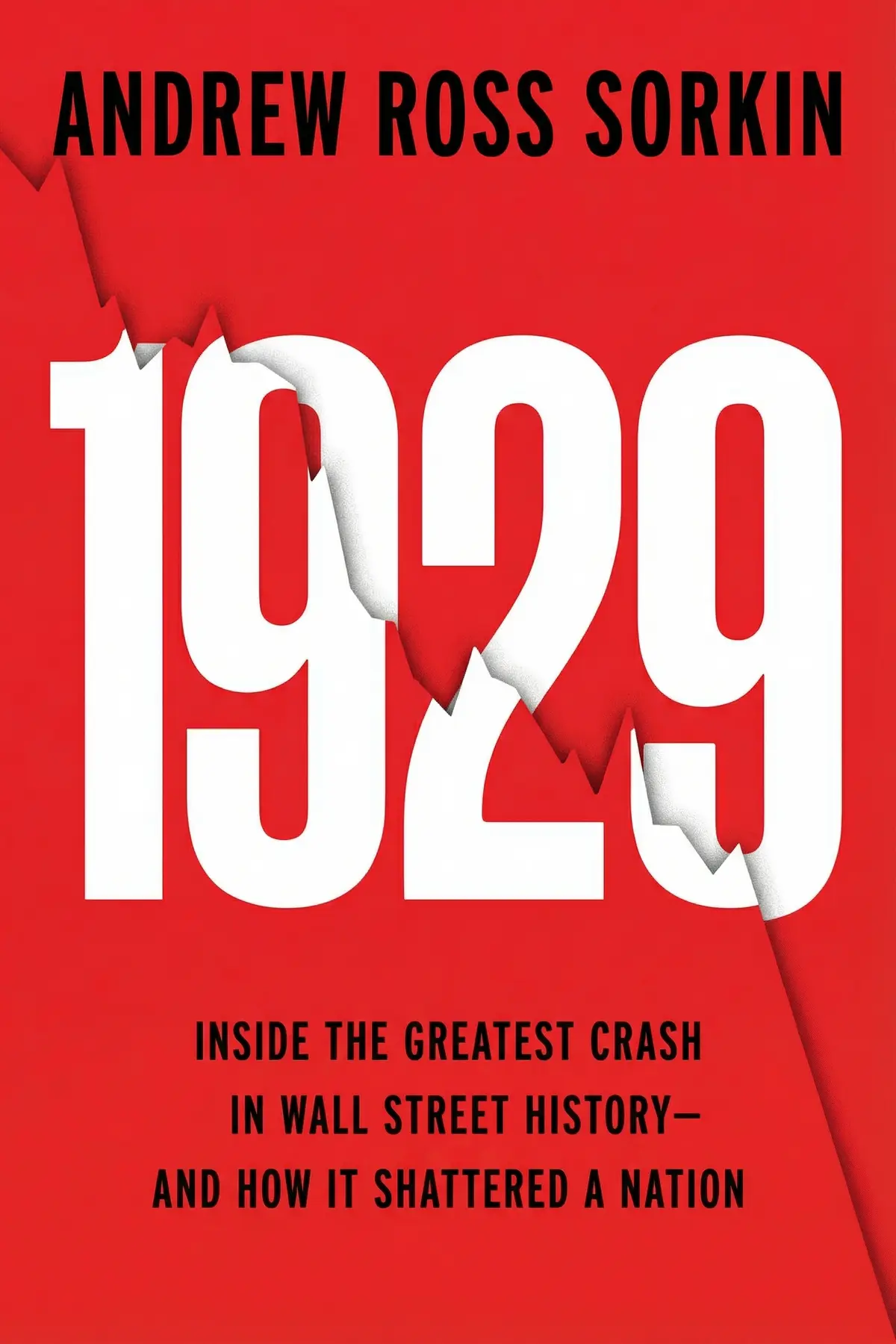
1929: Inside the Greatest Crash in Wall Street History--and How It
Andrew Ross Sorkin
AUDIO SUMMARY AVAILABLE
Listen to From Silk to Silicon in 15 minutes
Get the key ideas from From Silk to Silicon by Jeffrey E. Garten, plus 5,000+ more titles in English and Thai.
- 5,000+ titles
- Listen as much as you want
- 7-day free trial
- Cancel anytime







