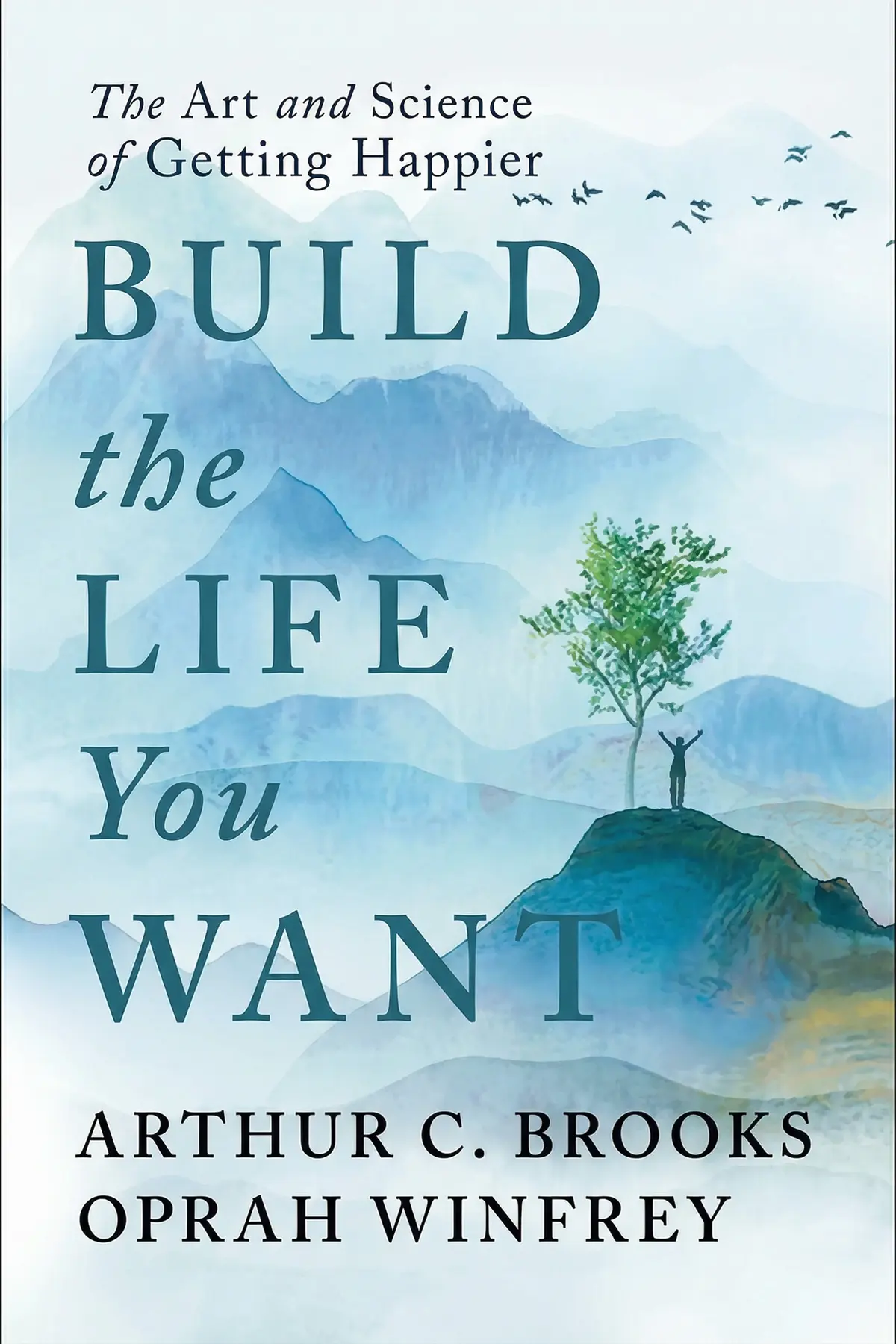
Build the Life You Want: The Art and Science of Getting Happier
Arthur C. Brooks
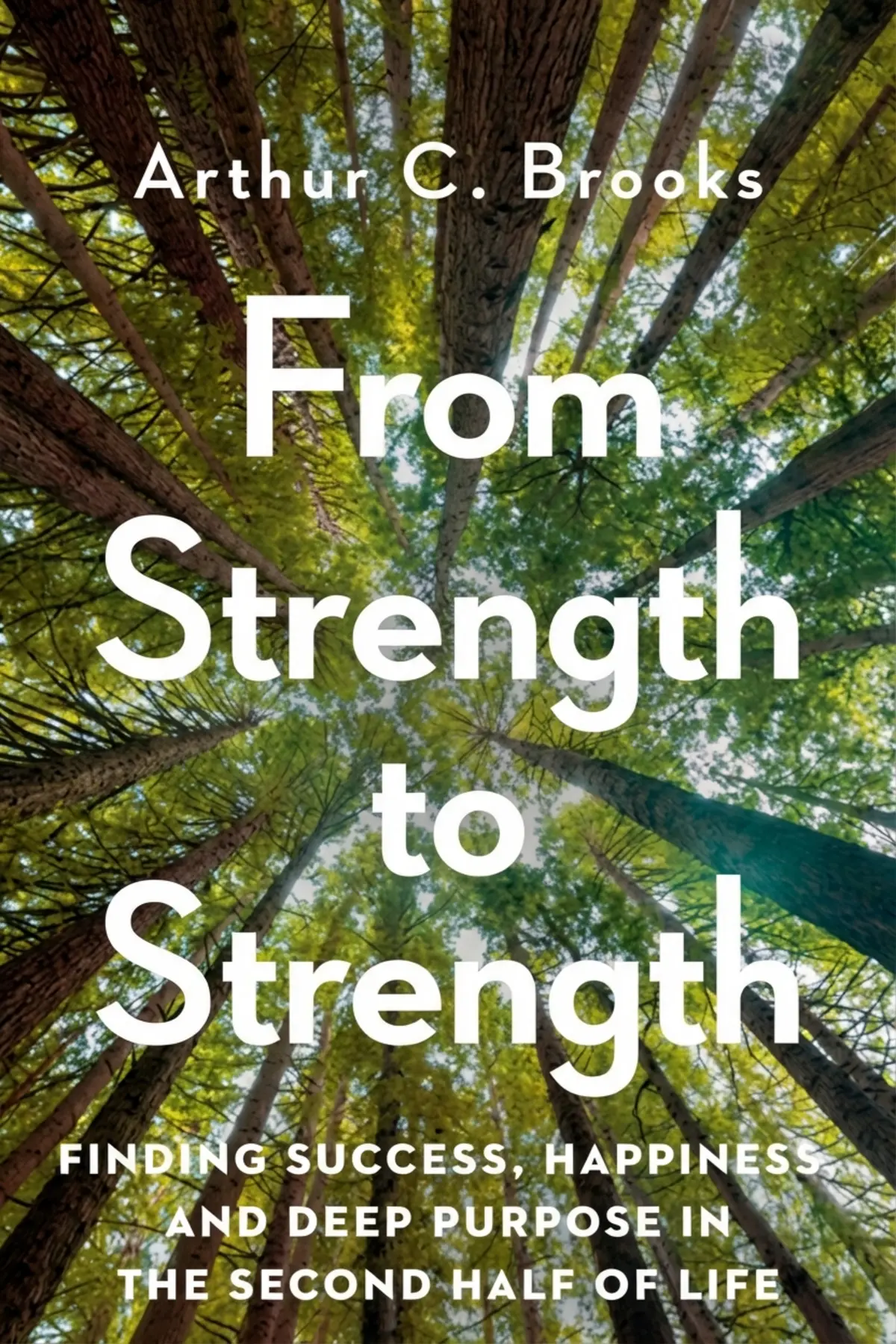
Explore how to navigate the transition from youthful ambition to lasting fulfillment. This guide reveals how shifting from raw intelligence to wisdom can turn professional decline into a meaningful second act.
1 min 42 sec
For many of us, the first half of our lives is defined by a singular pursuit: the climb. We are taught that if we work harder, run faster, and think more creatively than everyone else, we will reach a plateau of permanent satisfaction. This is the era of the high achiever, a time when our brains seem capable of endless processing and our energy feels bottomless. But there is a hidden trap in this model. Eventually, the very traits that fueled our early ascent—the quick problem-solving, the long hours, the relentless focus—begin to lose their edge. This isn’t a failure of character; it is a biological and professional reality.
What happens when the formula that always worked stops producing results? For many, this realization brings a sense of quiet desperation or a frantic attempt to double down on old habits. But there is a different way to view this transition. The shift into the second half of life doesn’t have to be a story of decline and loss. Instead, it can be an invitation to step onto a second curve—one that is built on a different kind of strength entirely.
This summary provides a guidebook for that transition. We will look at why our professional peaks often happen much earlier than we expect and why even the most famous figures in history, like Charles Darwin, struggled with this shift. Most importantly, we will explore how to identify the specific type of intelligence that grows as we age, allowing us to find a deeper, more sustainable kind of success. By the end of this journey, the goal is to see the later years not as a fading light, but as an opportunity to build a life of moral excellence, connection, and profound joy. Let’s explore how to move from strength to strength.
3 min 03 sec
Even the most brilliant minds eventually face a peak followed by a inevitable slowing of their powers. Discover why this happens much earlier than most people realize.
2 min 56 sec
While one type of brainpower fades, another rises to take its place. Learn how to leverage the wisdom of age to find a new kind of success.
3 min 25 sec
Sometimes the most courageous thing you can do for your future is to leave your past behind. Explore the benefits of the ‘strategic retreat.’
3 min 14 sec
Success in the second half of life requires a shift from external rewards to internal character. Discover the difference between ‘résumé’ and ‘eulogy’ virtues.
1 min 40 sec
The transition from the first half of life to the second is one of the most significant challenges any of us will face. It is a period that requires us to let go of the very tools and identities that brought us our initial success. However, as we have explored, this is not a journey of inevitable decline. It is an opportunity to trade a narrow, exhausting form of achievement for a broader, more enduring form of happiness.
By understanding the natural shift from fluid to crystallized intelligence, we can stop fighting the biological clock and start leaning into our growing wisdom. We can learn the art of the ‘strategic retreat,’ knowing when to walk away from old roles to make space for new ones. And most importantly, we can shift our focus from the fleeting rewards of the résumé to the lasting impact of our character.
As you think about your own path, take a moment to look at your future through a different lens. If you have a ‘bucket list’ of goals, ask yourself: which of these are just about piling up more worldly trophies, and which are about building deeper connections and contributing to the well-being of others? Start deprioritizing the former and investing heavily in the latter.
Remember that aging is not a problem to be solved, but a process to be embraced. By moving from a life of striving to a life of service, and from a focus on the self to a focus on others, you can ensure that your later years are your most meaningful. The first curve was about getting; the second curve is about giving. This is the secret to finding purpose and deep joy in the second half of life. Stay courageous, stay curious, and continue moving from strength to strength.
Many high achievers spend the first half of their lives climbing a mountain of success, only to find that the skills which got them to the top begin to fade. This summary explores the inevitable shift in our cognitive abilities and why many successful people feel a sense of loss as they age. Rather than fighting this decline, the book proposes a strategic pivot. By understanding the difference between fluid and crystallized intelligence, readers can learn to move from a life of frantic striving to one of deep purpose. Through historical examples, scientific research, and personal anecdotes, the text illustrates how to trade professional prestige for meaningful connection and wisdom. The ultimate promise is a roadmap for the second half of life that is defined not by diminishing returns, but by growing character and joy.
Arthur C. Brooks is an American social scientist, Harvard professor, and columnist for the Atlantic. For over a decade, he served as president of the American Enterprise Institute. His past titles include Love Your Enemies, The Conservative Heart, The Road to Freedom, Gross National Happiness, and Who Really Cares?
Arthur C. Brooks
Listeners find this book to be profound, noting that its research-based content highlights the value of crystallized intelligence and makes it a vital read for middle age, particularly for high achievers. Offering actionable guidance, the work assists in enhancing one's purpose and daily living through its beautiful prose. Listeners express differing views regarding the work’s flow and overall coherence.
Picked this up during a particularly grueling month at the office, and the concept of the 'striver's curse' hit home harder than I expected. Brooks argues that our early-career edge—what he calls fluid intelligence—eventually fades, but we can pivot to crystallized intelligence to find lasting fulfillment. It’s a research-driven wake-up call that doesn’t just offer platitudes; it provides a roadmap for anyone terrified of their own professional decline. While some might find the religious mentions a bit heavy-handed, I felt the blend of social science and ancient wisdom was exactly what I needed. It’s rare to find a book that addresses the specific anxiety of high achievers with such empathy and clarity. Truly, this is essential reading for anyone over forty who feels like they’re running on a treadmill that’s only getting faster.
Show moreWow, this was the exact perspective shift I needed as I approach my fiftieth birthday and start questioning my long-term career path. The author’s vulnerability about his own transition from a professional musician to a think-tank president adds a layer of authenticity that many self-help books lack. He masterfully connects the dots between biological decline and spiritual growth, showing that our later years can actually be our most impactful if we change our metrics for success. I particularly loved the 'Aspen grove' metaphor for human connection; it really shifted how I view my relationships with colleagues and family. It’s a profound, life-affirming book that helps you stop mourning your youth and start embracing your wisdom. Highly recommended for any 'striver' who feels like they’re hitting a wall.
Show moreThe chapter on the 'reverse bucket list' changed my entire outlook on my career goals and what I actually want for my future. Instead of constantly chasing the next promotion or accolade, I’m learning to strip away the clutter and focus on the relationships that actually sustain me. Brooks provides a brilliant synthesis of history, art, and science to prove that our value doesn't end just because we aren't the 'young phenoms' anymore. This isn't just a book about aging; it's a book about living a more intentional and virtuous life regardless of your birth year. Frankly, I think every ambitious person in their 30s should read this now to avoid the crisis that usually hits a decade later. It is a masterpiece of practical philosophy that I've already recommended to five friends.
Show moreAs someone who has spent decades defining myself by my resume, the chapter on 'self-objectification' was a massive gut punch. Brooks writes with a sophisticated yet accessible tone, drawing on everything from Bach to Buddhist philosophy to explain why we get so miserable as we age. To be fair, the second half of the book meanders a bit into his personal faith, which might not resonate with everyone looking for a strictly secular self-help guide. However, the 'reverse bucket list' idea—the notion of chipping away at desires rather than accumulating them—is a game-changer for my mental health. It’s a solid 4-star read that offers a refreshing perspective on aging that isn't just about 'staying young.' Instead, it's about getting better at being old, which is a much more sustainable goal.
Show moreEver wonder why the things that used to make you happy now just leave you feeling exhausted and hollow? This book explores the shift from 'fluid' to 'crystallized' intelligence, suggesting we should move toward roles that involve teaching and mentoring as we age. Personally, I found the data on professional decline quite alarming—apparently, even mathematicians peak in their late 20s—but the author’s optimism provides a necessary counterbalance. The writing is polished, though the pacing slows down significantly in the middle chapters when he pivots toward more spiritual themes. Still, the core message about prioritizing 'eulogy virtues' over 'resume virtues' is something I will be thinking about for a long time. It’s a thoughtful guide for anyone navigating the 'second half' of their life journey.
Show moreNot what I expected, but in a good way, especially regarding the deep dive into how we can find joy after our 'peak' productivity years have passed. Brooks makes a compelling case for shifting our focus from 'doing' to 'being,' and his advice on building a stable foundation of faith and family is timely. I appreciated the practical tips, like the seven predictors of happiness, even if some of them (like 'don't smoke') seem fairly obvious to most adults. The writing style is conversational but intelligent, making complex sociological theories easy to digest during a commute or before bed. My only real gripe is that he occasionally treats his specific path—becoming a teacher—as the only valid way to use crystallized intelligence. Overall, it's a valuable resource for anyone feeling the 'mid-life slump' and looking for a way out.
Show moreIn my experience, books that try to mix religion and social science often fail, but Brooks manages to weave them together with a surprising amount of grace. He doesn't shy away from the hard truths of human decline, yet he manages to leave the reader feeling empowered rather than depressed. I found the section on 'success addiction' particularly convicting, as it forced me to confront how much of my identity is tied to my job title. The book can be a bit 'preachy' in spots, and his focus on the elite 'striver' class is definitely a narrow lens, but the underlying truths are universal. It’s a thoughtful exploration of how to age with dignity and purpose in a culture that worships youth above all else. A very solid and helpful read for the soul.
Show moreAfter hearing Brooks on a podcast, I had high hopes for a revolutionary take on retirement, but the actual book felt a bit like a recycled collection of Atlantic articles. While the distinction between different types of intelligence is fascinating, the author spends way too much time beating that one drum before descending into some fairly standard self-help tropes. You'll find the usual suspects here: the Harvard Study of Adult Development, mindfulness, and the importance of friendships. Don’t get me wrong, it’s a well-written and pleasant enough read, but it lacks the 'aha' moments I was craving. It’s basically a high-brow version of 'stop and smell the roses,' wrapped in some academic jargon to make it feel more prestigious than it actually is.
Show moreFinally got around to reading this after seeing it on several 'best of' lists, and I have to say, my feelings are pretty mixed. On one hand, the science behind how our brains change as we age is genuinely illuminating and helped me understand my own frustrations at work. On the other hand, the book is incredibly repetitive, and a good editor could have easily trimmed fifty pages without losing any of the core message. It also leans very heavily into the author’s personal religious journey toward the end, which felt a bit jarring compared to the data-heavy opening chapters. Look, it’s a decent read if you’re in the target demographic of high-achieving professionals, but for the average person, it might feel a bit out of touch. It’s an okay book with a few great insights.
Show moreThe premise started strong, but the elitism throughout the narrative eventually made it impossible for me to finish with any enthusiasm. Brooks seems to be writing exclusively for CEOs and Ivy League professors who can afford 'walking retreats' and have the luxury of worrying about their 'legacy' while sitting in their second homes. If you aren't part of the top 1% of earners, much of this advice feels detached from the reality of working-class survival. Furthermore, the constant name-dropping of famous friends and the sudden shift into Catholic proselytizing felt like I was being cornered at a dinner party by someone very impressed with their own Rolodex. Truth is, there’s a decent 20-page article buried in here about shifting your career focus, but the rest is just fluff and ego.
Show more
Deepak Chopra
Robin Ryan
Richard Wiseman
AUDIO SUMMARY AVAILABLE
Get the key ideas from From Strength to Strength by Arthur C. Brooks, plus 5,000+ more titles in English and Thai.