
21 min 22 sec
From Third World to First: Singapore and the Asian Economic Boom
By Lee Kuan Yew
Explore the improbable transformation of Singapore through the eyes of its founding father, Lee Kuan Yew. This account details how a resource-poor island achieved first-world status through pragmatic leadership and discipline.
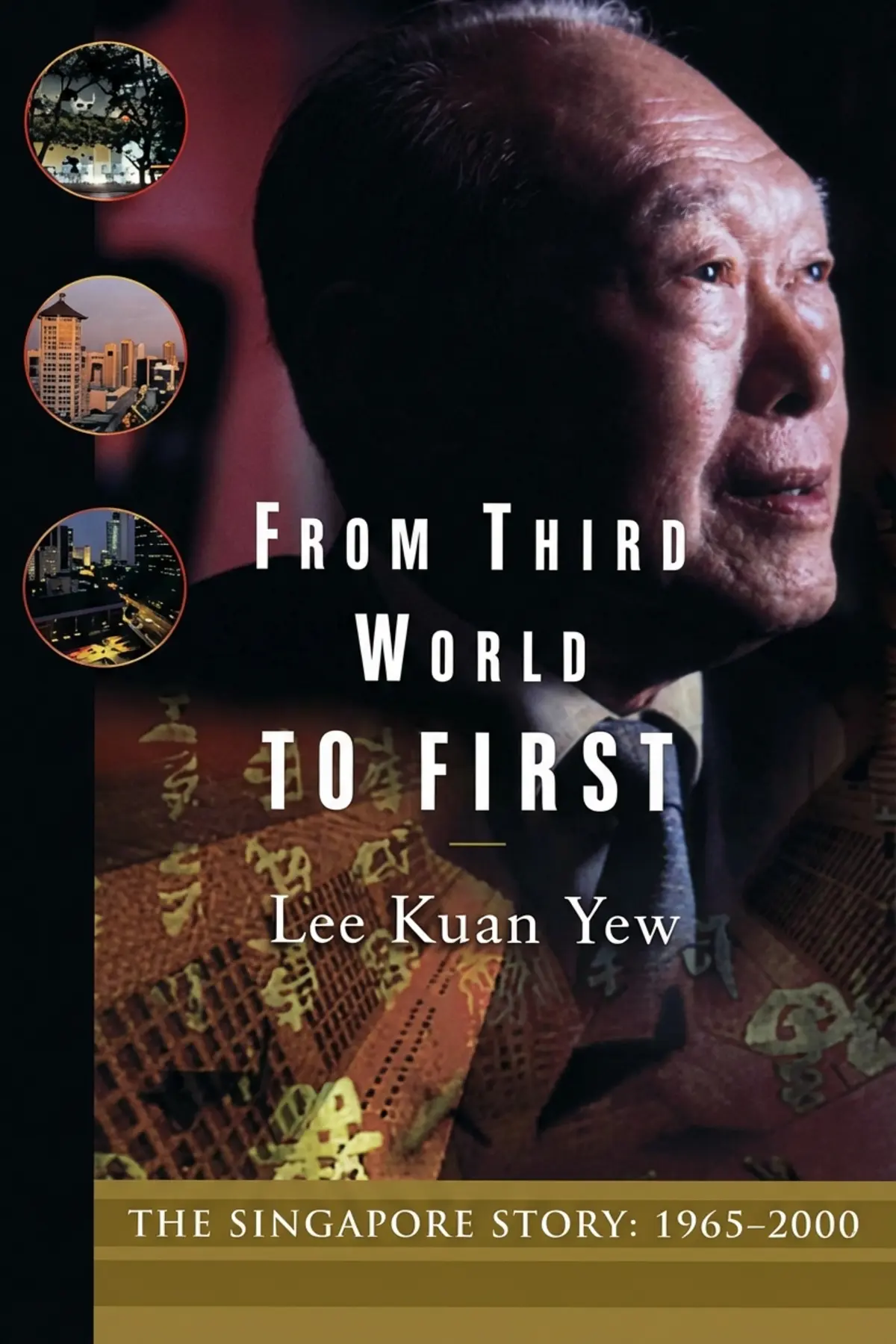
Table of Content
1. Introduction
1 min 55 sec
When we think of modern Singapore today, we often picture a landscape of gleaming glass towers, hyper-efficient public transit, and a level of prosperity that rivals any Western capital. It is easy to assume that such success was inevitable or the result of simple geography. But the reality is far more dramatic and unlikely. In 1965, the idea of a successful, independent Singapore was almost laughable to international observers. The city-state had just been expelled from Malaysia, leaving it as a tiny island with no hinterland, no natural resources—not even enough water to sustain its people—and a population deeply divided by ethnic tensions and political instability.
In this exploration of Lee Kuan Yew’s memoirs, we go behind the scenes of one of the most successful national experiments in human history. We will look at how a small group of leaders, led by Lee, refused to accept the predicted failure of their country. Their story is not just about economics; it is about the raw psychology of survival. It is about making the hard, often unpopular decisions required to turn a vulnerable trading post into a first-world powerhouse in just a few decades.
Through this narrative, we will uncover the throughline of Lee Kuan Yew’s philosophy: a relentless, unsentimental pragmatism. Whether it was courting foreign investors, enforcing strict social discipline, or navigating the complex egos of global superpowers, every move was calculated for one purpose: the continued existence and prosperity of Singapore. We will see how they built an army from scratch, how they convinced the world’s biggest companies to bet on a tiny island, and how they cultivated a sense of belonging in a place that many felt had no right to exist. This is the story of how willpower, combined with strategic brilliance, can rewrite the destiny of a people.
2. The Trauma of Independence and the Birth of Security
2 min 23 sec
Discover how a nation born out of rejection managed to build a formidable defense from nothing, using secret alliances and a new social identity.
3. A Radical Economic Strategy Based on Global Connection
2 min 15 sec
Explore why Singapore chose to ignore the conventional wisdom of the 1960s, turning instead to multinational corporations to fuel its growth.
4. The Social Contract of Home Ownership and Savings
2 min 02 sec
See how a mandatory savings plan and a focus on property ownership turned a restless immigrant population into a stable nation of stakeholders.
5. Establishing an Ironclad Culture of Integrity
2 min 19 sec
Understand the extreme measures taken to ensure the Singaporean government remained free of the corruption that plagued other new nations.
6. Navigating Regional Tensions and Healing Old Wounds
2 min 13 sec
Learn about the delicate diplomatic maneuvers and symbolic gestures used to manage relationships with larger, often hostile neighbors.
7. The Strategic Alignment with Global Superpowers
2 min 20 sec
Discover how Singapore leveraged the rivalries and interests of the US, China, and Japan to secure its own place in the world.
8. The Obsession with Human Talent and Education
2 min 15 sec
Examine the controversial but unwavering focus on cultivating a high-quality workforce as Singapore’s only sustainable resource.
9. Planning for the Future and the Handover of Power
2 min 04 sec
See how Singapore’s founding generation meticulously prepared for their own exit to ensure the nation’s long-term stability.
10. Conclusion
1 min 36 sec
The story of Singapore’s rise from a struggling colony to a premier global city-state is a testament to what can be achieved through unwavering pragmatism and a clear-eyed view of reality. Lee Kuan Yew did not have the luxury of ideology; he had only the necessity of survival. By rejecting the easy paths of populism and dependency, he built a society founded on the hard truths of self-reliance, integrity, and strategic foresight.
As we look back on this journey, the throughline is clear: Singapore succeeded because its leaders were willing to make the difficult, often controversial choices that prioritized long-term stability over short-term comfort. They built a nation of homeowners, established a world-class education system, and turned honesty into a national competitive advantage. They proved that even a tiny island with no resources can become a global powerhouse if it possesses the discipline to manage its people and its reputation with absolute precision.
The takeaway for any leader or student of history is that success is never guaranteed; it is a temporary state that must be maintained through constant vigilance and a refusal to become complacent. Lee Kuan Yew’s memoirs serve as a reminder that the world does not owe any nation a living. Prosperity must be earned, defended, and planned for generations in advance. As you move forward, consider the power of looking at challenges not through the lens of what is popular, but through the lens of what is necessary for long-term survival. That is the enduring lesson of the Singapore story.
About this book
What is this book about?
This summary explores the remarkable journey of Singapore from its precarious expulsion from Malaysia in 1965 to its emergence as a global financial and technological hub. It chronicles the leadership of Lee Kuan Yew, the nation's first prime minister, as he navigated the challenges of building a national identity from a diverse immigrant population, securing the borders of a tiny territory, and fostering a world-class economy without natural resources. Listeners will learn about the unorthodox strategies Lee employed, such as embracing multinational corporations at a time when other developing nations shunned them, and creating a unique social contract based on home ownership and compulsory savings. The narrative also delves into the strict anti-corruption measures that defined the Singaporean government and the strategic diplomacy required to survive among regional giants. It is a masterclass in pragmatic governance and long-term strategic planning.
Book Information
About the Author
Lee Kuan Yew
Lee Kuan Yew served as the inaugural prime minister of Singapore, holding the office for three decades from 1959 until 1990. Following his tenure as prime minister, he continued to provide strategic guidance to the government as a senior minister. This volume represents the second part of his memoirs, building upon the narrative started in his previous book, The Singapore Story.
Ratings & Reviews
Ratings at a glance
What people think
Listeners find this work compelling and accessible, offering a motivating perspective on the development of Singapore guided by its influential figures. The prose is exceptional, and listeners value the candid depiction of both achievements and setbacks. They commend the strategic governance and political insight shared throughout the narrative, as one listener highlighted the emphasis on providing schooling prospects for every citizen.
Top reviews
Marco
This book provides a masterclass in how a tiny island with no natural resources transformed into a global powerhouse within a single generation. Lee Kuan Yew’s writing is exceptionally clear and persuasive, making complex geopolitical strategies feel like straightforward common sense. I was particularly struck by his unwavering focus on education as the great equalizer for all citizens. While some might find his approach a bit authoritarian, the results he achieved for Singapore are undeniably impressive and well-documented here. It’s an inspiring read that doesn’t shy away from the hard choices required for national survival. Truly a visionary outlook on leadership.
Show morePim
After hearing so much about the "Singapore Model," I finally delved into this volume and came away deeply impressed by LKY’s pragmatism. He is refreshingly—or perhaps shockingly—politically incorrect, especially regarding his views on genetics and social engineering. In my experience, most politicians hide behind platitudes, but Lee calls it exactly as he sees it, comparing his methods to a high-stakes survival game where only the efficient thrive. The way he leveraged Singapore’s location while cracking down on corruption is a lesson for any modern leader. It’s not just a history book; it’s a blueprint for efficiency that challenges Western democratic norms.
Show moreAkosua
Wow. It is rare to find a political memoir that is both this engaging and this brutally honest about the realities of governance. Lee Kuan Yew doesn't just talk about his successes; he explains the logic behind the failures and the constant fear of being swallowed by larger neighbors. The narrative of taking a country from Third World to First is genuinely inspiring, even if you disagree with his "tough love" approach to social discipline. I appreciated the focus on creating a meritocracy where educational opportunities were prioritized above all else. This is essential reading for anyone interested in the mechanics of power and nation-building.
Show moreArthit
Ever wonder how a tiny "red dot" managed to outperform much larger, resource-rich nations? This book answers that question through the lens of a man who refused to follow traditional ideological paths. Lee Kuan Yew combined free-market economics with strict social controls, and the result was a stable, prosperous society that many now envy. The truth is, his focus on low corruption and high-quality infrastructure set a standard that most First World countries are currently struggling to maintain. It’s a dense read, but the clarity of his vision makes every page worth the effort. He truly outdid the leaders of the West in sheer political longevity.
Show moreSara
The chapter on China's leadership and Lee’s interactions with Deng Xiaoping is worth the price of the book alone. You get a front-row seat to the intellectual exchange that helped shape the modern world’s economic landscape. Lee’s writing style is eloquent and surprisingly fast-paced, though he does spend quite a bit of time congratulating his own cabinet. I found the sections on the "green garden city" initiative particularly interesting because it showed his attention to even the smallest details of national identity. It’s a fascinating account of a legendary political career that balanced rule of law with firm state intervention.
Show moreSamroeng
Look, whether you love or hate his methods, you cannot argue with the staggering transformation Lee Kuan Yew achieved for his people. This book is a detailed roadmap of that journey, emphasizing that a nation's fate depends more on leadership quality than on natural resources. I loved the section on how they built a world-class education system from scratch to give every child a fighting chance. It’s an easy-to-read, deeply engaging memoir that manages to be both a history lesson and a political philosophy text simultaneously. Any aspiring policy maker needs this on their shelf immediately to understand the true cost of success.
Show moreKiattisak
Picked this up hoping for a granular manual on urban planning, but it’s more of a high-level philosophical memoir. While the prose is outstanding and the vision is vast, I found myself wishing for more technical details on HDB development and the actual relocation of the river settlements. Lee spends a lot of time on international relations and his perceptions of neighboring leaders, which is fascinating but occasionally feels like a series of "told you so" moments. Despite that, the book remains a captivating look at how political acumen and discipline can shape a nation’s destiny. It is a very easy read despite the density of the subject matter.
Show moreDen
As someone who follows Southeast Asian history, I found Lee’s analysis of the region’s shifting alliances to be the most valuable part of the book. His blunt assessment of communist leaders in Vietnam and the chaos of the Khmer Rouge provides a perspective you simply won’t get from Western academics. Personally, I think the book serves as a perfect companion to understanding why Singapore feels so different from its neighbors. However, it is worth noting that the story ends in 2000, so it misses the massive shifts in the global economy over the last two decades. Still, his far-sighted vision remains incredibly relevant today.
Show morePang
Finally got around to finishing this, and I have to say the "Jack Bauer" comparison I've heard others use really fits Lee's personality. He was willing to do whatever it took—whether that meant banning chewing gum or jailing opponents—to ensure Singapore’s survival in a hostile environment. Frankly, the book can be a bit repetitive when he discusses regional geopolitics, and his "bell curve" theories are definitely uncomfortable to read today. Still, the underlying message of hard work, discipline, and long-term planning is something every citizen should contemplate. It's a remarkably transparent look at a very complex man who built a nation from nothing.
Show moreWararat
To be fair, the writing quality here is excellent, but I found the heavy dose of state propaganda quite difficult to stomach at times. Lee presents himself as the ultimate "know-it-all," and while he certainly delivered results, the book glazes over the more unsavory tactics used to silence political rivals. It’s frustrating to see him dismiss legitimate human rights concerns as mere Western interference while justifying his own progressive tightening of the screw. If you can read between the lines, there is a lot to learn about power, but don't expect a balanced or objective historical account. The lack of detail on Myanmar was also disappointing.
Show moreReaders also enjoyed
A Life Decoded: My Genome: My Life
J. Craig Venter

Adults in The Room: My Battle With Europe’s Deep Establishment
Yanis Varoufakis
A Long Way Gone: Memoirs of a Boy Soldier
Ishmael Beah

All Creatures Great and Small
James Herriot
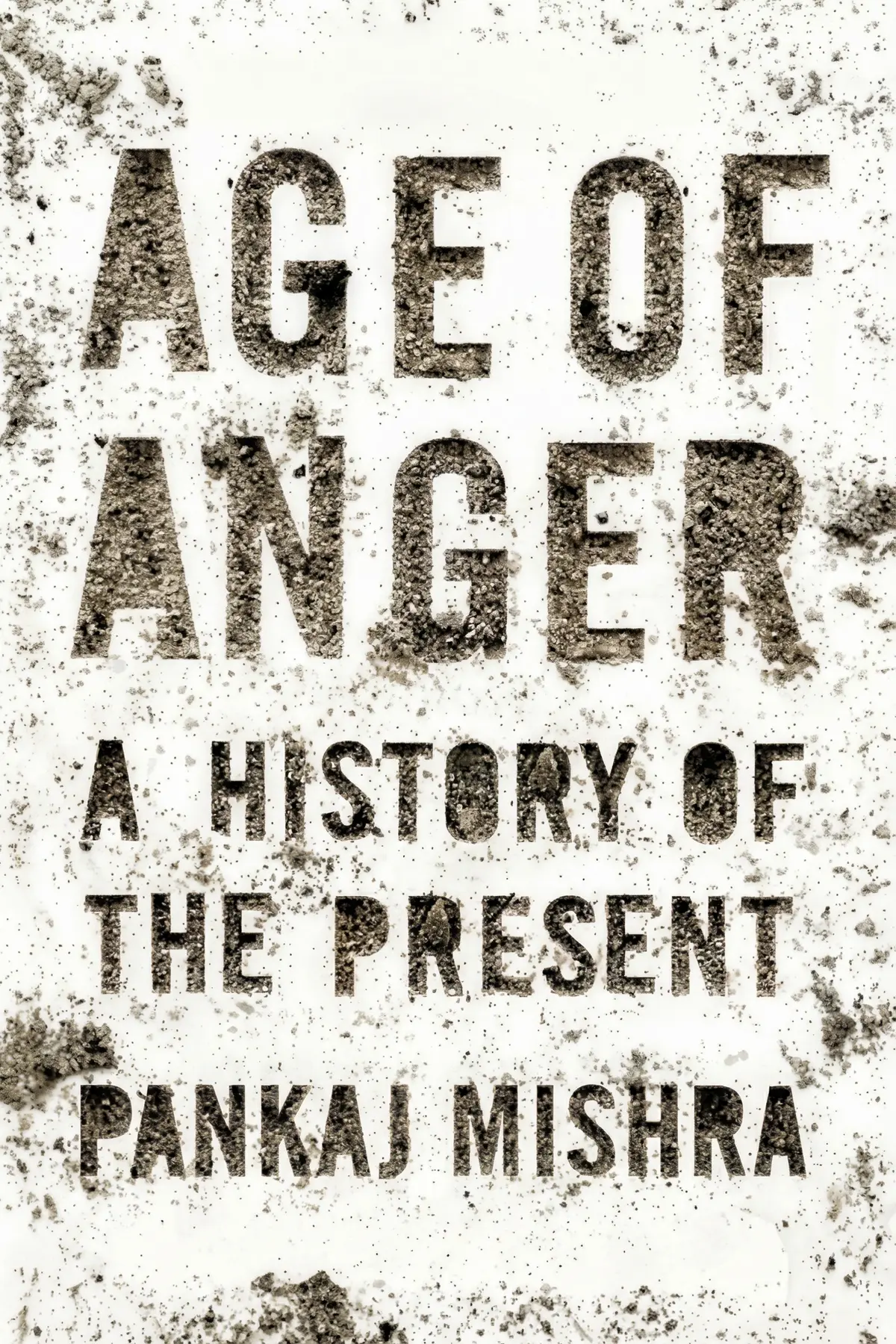
Age of Anger: A History of the Present
Pankaj Mishra
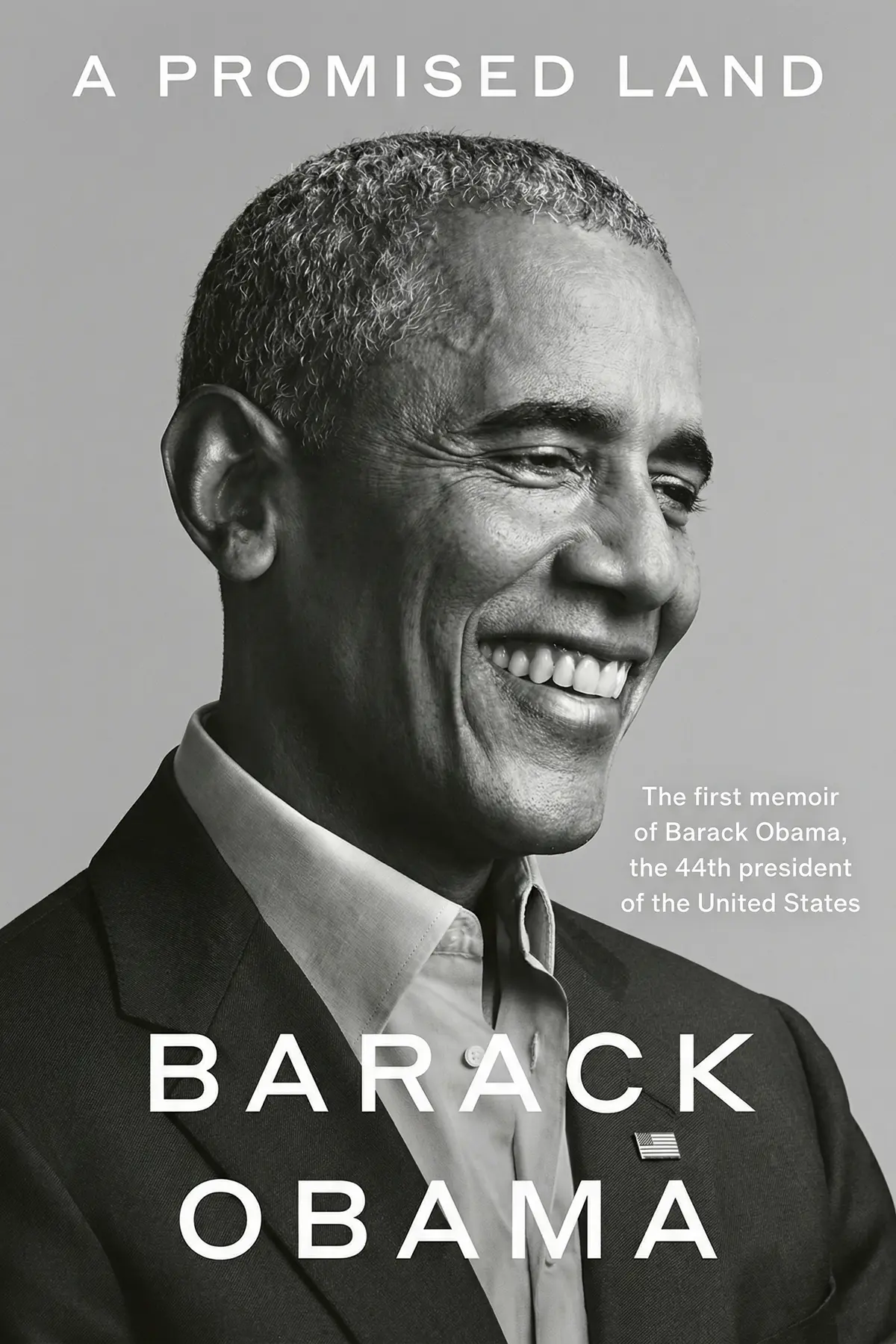
A Promised Land
Barack Obama
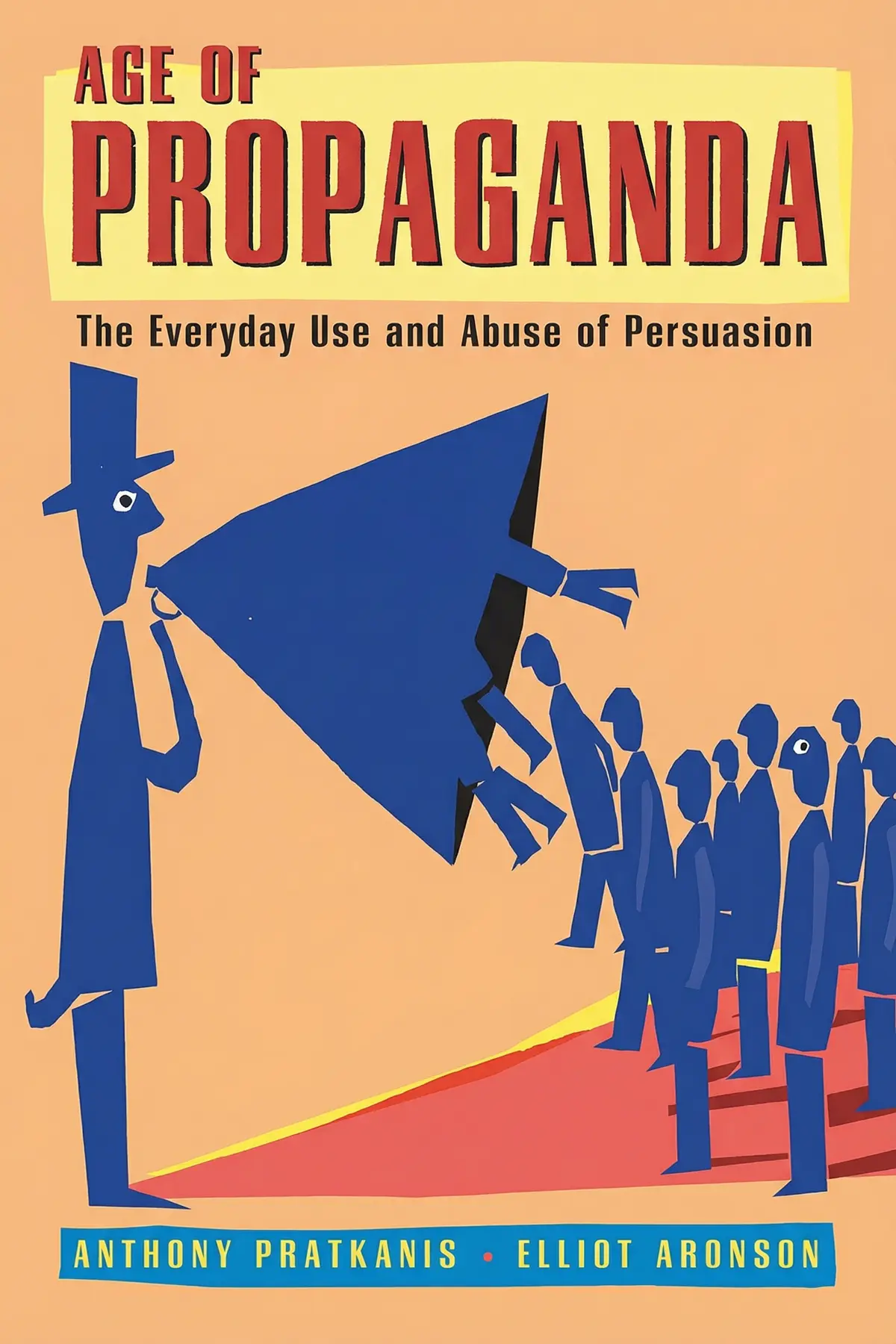
Age of Propaganda: The Everyday Use and Abuse of Persuasion
Anthony Pratkanis
AUDIO SUMMARY AVAILABLE
Listen to From Third World to First in 15 minutes
Get the key ideas from From Third World to First by Lee Kuan Yew, plus 5,000+ more titles in English and Thai.
- 5,000+ titles
- Listen as much as you want
- 7-day free trial
- Cancel anytime







