
21 Lessons for the 21st Century
Yuval Noah Harari
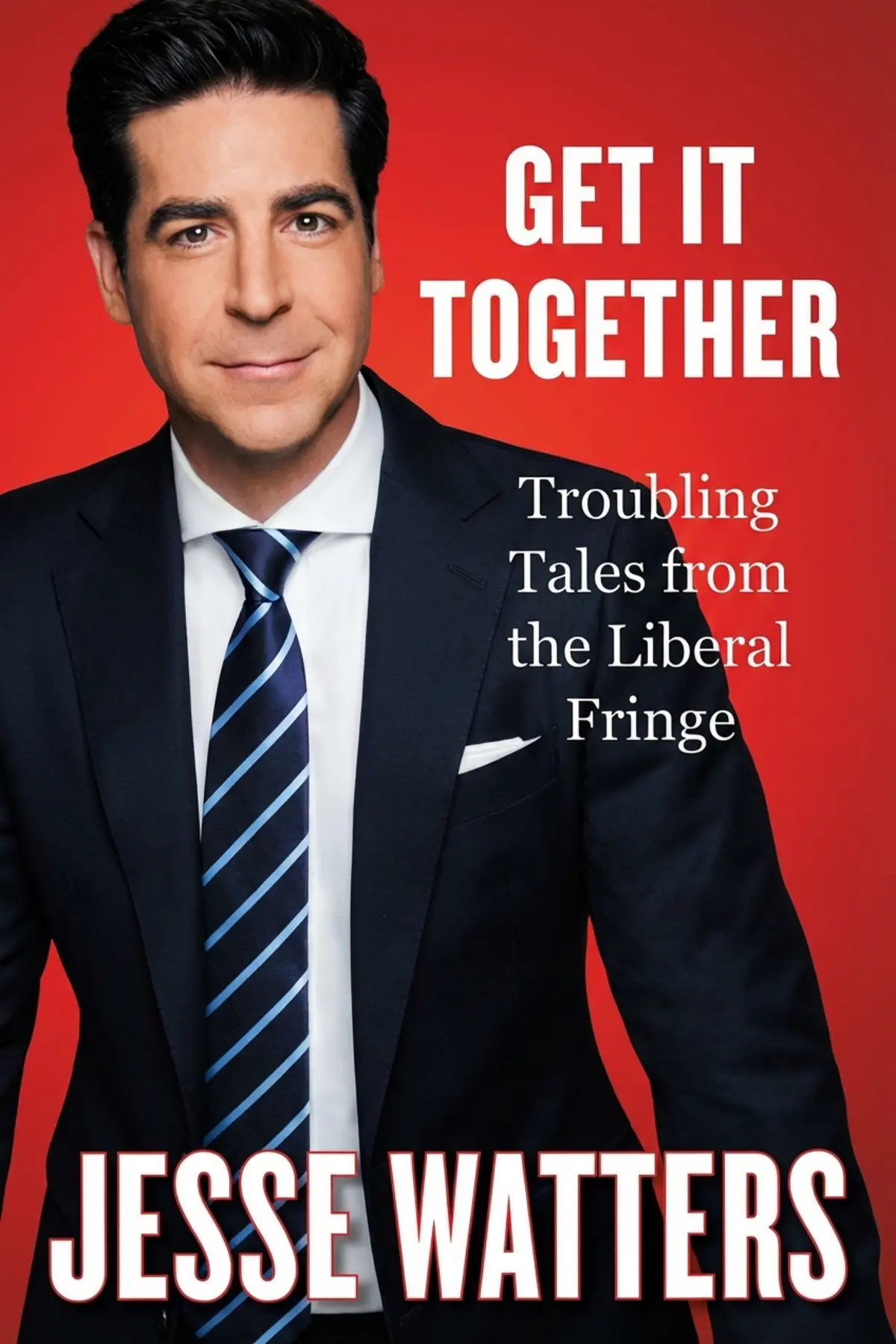
Jesse Watters explores the psychological roots of radical political ideologies by interviewing activists and academics, arguing that personal trauma often fuels the desire to dismantle long-standing societal institutions and norms.
1 min 50 sec
In the modern American landscape, the sense of a shared reality often feels like it is slipping away. We witness protests that seem increasingly volatile, demands for policies that sound like science fiction to some, and a level of ideological entrenchment that makes civil conversation feel nearly impossible. For many observers, especially those on the conservative side of the aisle, the rise of what some call the ‘liberal fringe’ is more than just a political disagreement; it feels like an existential threat to the stability of the nation. But what if the source of this radicalism isn’t actually found in policy papers or intellectual manifestos? What if the real driver of these extreme beliefs is something far more intimate and painful?
This is the central inquiry of Jesse Watters’s work. As a television host accustomed to the fast-paced, often combative world of political news, Watters decided to slow down and look closer. He realized that to understand the state of the union, he first had to understand the state of the individual. By sitting down with people whose views he finds baffling—or even dangerous—he attempts to peel back the layers of their political identities to find the human beings underneath.
What he discovered is a recurring pattern of personal trauma, chaotic upbringing, and unresolved psychological wounds. The throughline of this summary is the idea that ‘hurt people hurt society.’ It suggests that when individuals cannot resolve their own internal conflicts, they often project those struggles onto the broader world, demanding that society change because they cannot find peace within themselves. Over the course of this journey, we will explore several deep-dive case studies that illustrate this phenomenon, moving from the physical pain that changed Watters’s own perspective to the heartbreaking stories of the people he interviewed. It is an exploration of the radical heart and a plea for a return to personal accountability.
2 min 03 sec
An unexpected health crisis forces a prominent media figure to slow down and observe the quiet struggles of those around him, sparking a new curiosity.
1 min 59 sec
The compelling theory that individuals who lack control over their own lives often seek to exert extreme control over societal structures through radical demands.
2 min 04 sec
A respected political philosopher’s radical views on immigration are put under the microscope, revealing a potential link to a search for fundamental fairness.
1 min 59 sec
A story of a woman who escaped a wealthy but oppressive upbringing only to find a sense of belonging in a movement that rejects her entire background.
2 min 02 sec
Exploring the more surreal fringes of identity and lifestyle choices, where the line between personal struggle and social advocacy becomes blurred.
1 min 54 sec
A concluding look at why preserving societal structures matters and why true progress begins with the individual rather than the institution.
1 min 38 sec
The journey through the ‘liberal fringe’ as documented by Jesse Watters is more than just a political critique; it is a psychological deep dive into the roots of modern American division. By moving past the slogans and the protests, we find a collection of individuals who are often using the political stage to work through personal tragedies. Whether it is the professor seeking a ‘fair’ world to compensate for childhood betrayal, or the activist finding in a movement the family they never had, the pattern remains the same: personal pain is being projected onto the public square.
Watters’s final takeaway is a sobering one. He suggests that a society cannot survive if it becomes the dumping ground for every individual’s unresolved trauma. While empathy is essential, it must be balanced with a firm commitment to the structures and norms that keep a civilization functioning. The throughline of this summary—that hurt people hurt society—is a warning and a call to action.
The actionable closing here is a return to the self. Before we demand that the world change its borders, its laws, or its definitions of reality, we are encouraged to look inward. True social progress doesn’t come from dismantling institutions, but from individuals taking responsibility for their own healing and their own conduct. By focusing on personal accountability and the health of our own families and communities, we can build a society that is strong enough to withstand the storms of the fringe. In the end, ‘getting it together’ is not just a suggestion for the activists Watters interviewed; it is a prerequisite for anyone who wishes to contribute to a stable and flourishing future.
Have you ever wondered what drives a person to embrace beliefs that seem entirely disconnected from mainstream reality? In this summary, we explore the provocative argument that many of the most extreme movements in modern America are actually fueled by unresolved personal baggage. Jesse Watters, a well-known conservative commentator, steps away from the news desk to conduct a series of deep-dive interviews with individuals on the political fringe. From a professor advocating for the complete elimination of national borders to an activist who found a sense of family within the Black Lives Matter movement, Watters seeks to find the human story behind the radical rhetoric. The promise of this exploration is a deeper understanding of the 'why' behind the division. By examining the chaotic childhoods and traumatic pasts of his subjects, Watters suggests that what we often mistake for political conviction is actually the projection of internal pain onto the world. Ultimately, it is a call for individual healing and personal responsibility as the primary solutions to societal unrest.
Jesse Watters is a prominent American political commentator and television host, best known for his work on Fox News. He has become a staple of conservative media through his man-on-the-street interviews and his hosting roles. In addition to his broadcasting career, he is a bestselling author, having previously published a successful autobiography titled How I Saved the World.

Listeners find the book compelling and well-crafted, valuing its candid glimpses into various lives and different viewpoints. They enjoy the featured interviews and find it funny, with one listener noting how Jesse's one-liners add to the humor. The storytelling receives favorable feedback, with one listener highlighting how well the chapters are put together. Listeners have mixed reactions to the book's emotional content, with some appreciating its heart while others find it mean-spirited.
Watters really delivers a punch with this one, blending his signature snark with some genuinely unsettling profiles. I wasn't sure what to expect after his last book, but this deep dive into the 'liberal fringe' is both hilarious and deeply concerning at the same time. The way he structures these chapters makes it incredibly easy to keep turning pages, even when the subjects are making your skin crawl. You get these sharp one-liners that remind you why he's a top-tier commentator, but there’s also a surprising amount of heart here. He’s not just mocking; he’s trying to understand why these people are so broken. The chapter on the emotional support squirrel had me laughing out loud, while others were just a tragic look at modern America. To be fair, it’s a quick read that stays with you long after you put it down. It captures the chaos of our current culture perfectly.
Show moreFinally got around to reading this and I’m genuinely impressed by the depth Watters shows here. Most people know him for his quick wit on TV, but this book proves he can actually sit down and listen to people he fundamentally disagrees with. He tackles some really heavy topics—the section on the man defending pedophiles was almost too much to stomach—but he handles it with a strange mix of curiosity and firm common sense. It’s not just a roast; it’s an investigation into the collapse of the traditional family unit. The storytelling is top-notch, and the chapters are organized in a way that keeps the momentum going. I think some people might find it too harsh, but the truth is often uncomfortable. This is easily his most mature work to date, proving he has more layers than his critics give him credit for.
Show moreNot what I expected at all, but in a good way! This isn't just another political book where the author screams at the camera for 300 pages. Instead, we get these intimate, bizarre, and often hilarious portraits of people who have completely lost the plot. The squirrel lady was a highlight for me, mostly because Jesse's reactions to her were absolutely priceless. He has this way of pointing out the absurdity of a situation with just a single sentence. Beyond the laughs, there is a very real message about how we've started to worship victimhood in our culture. It makes you realize that a lot of what we call 'politics' is actually just people acting out their own internal crises. Highly recommended for anyone who wants a reality check on the current cultural moment. It’s funny, dark, and incredibly honest.
Show moreWow. Jesse really went there. This book is an unflinching look at the casualties of the modern cultural war. It’s not always a comfortable read—the pedophile explainer and the radical sex worker chapters are particularly rough—but it feels incredibly honest. He captures the essence of these individuals without completely stripping away their humanity, even when their views are totally abhorrent. The overarching theme that 'forces want you to see yourself as oppressed' is a powerful takeaway that everyone should consider regardless of their political leanings. It’s a wake-up call to get our own houses in order before we try to redesign society. The humor is still there, but it’s tempered by a newfound depth that I really appreciated. A must-read for 2024 if you want to understand the madness. Jesse's evolution as a writer is clear on every page.
Show moreEver wonder why people cling to such radical ideologies even when those beliefs seem to ruin their personal lives? Watters explores this through 22 interviews that are as fascinating as they are disturbing. I found the connection between childhood trauma and adult activism to be the most compelling part of the entire narrative. Most of these subjects seem to be projecting their 'daddy issues' or past abuse onto the government, looking for a savior in all the wrong places. While the humor is there, it's often overshadowed by the sheer tragedy of these people's lived experiences. I did find the formatting a bit confusing at times, as it wasn't always clear where the interviewee ended and Jesse began. Still, it’s an eye-opening look at how personal pain transforms into political rage. It makes you think twice about the motives behind the loudest voices on social media.
Show moreAfter hearing so much buzz about this, I decided to see if the hype was real or just bulk orders. What I found was a surprisingly somber reflection on the state of American mental health through the lens of political activism. Jesse manages to maintain his personality, but he dials back the 'me' focus to let these activists tell their own stories. Some of it is genuinely heartbreaking, especially the homeless addict whose life has just spiraled out of control. You can see the patterns of self-destruction repeating across almost every chapter, which makes the 'Get It Together' title feel more like a plea than a command. It’s a departure from his previous comedic style, and while it isn't always 'fun' to read, it feels important. My only gripe is that some interviews go on a bit too long and lose their initial impact.
Show moreAs someone who follows politics closely, I found this to be a fascinating study of the intersection between personal psychology and ideology. Watters does a great job of letting the subjects speak for themselves, which often reveals more than any commentary ever could. Look, some of these people are clearly struggling with deep-seated issues that have nothing to do with policy and everything to do with their upbringing. The 'anti-racist' white woman was a perfect example of someone searching for a purpose to fill a void in her own life. While the book can be quite depressing in sections, it’s a necessary look at the 'fringe' that seems to be driving so much of our national conversation. It’s well-written and moves fast, even if some of the topics are tough to swallow for the faint of heart.
Show moreThis book is a bit of a mixed bag for me, despite being a fan of the author’s show. On one hand, the interviews are undeniably interesting and provide a window into a world I never want to visit. On the other hand, it’s quite repetitive and the individuals chosen are so far on the fringe that it’s hard to see how this applies to the average voter. It gets a bit dry after the tenth person who blames their parents for everything wrong with the world. I actually think the epilogue is the strongest part of the book because it ties all these anecdotes together into a broader theme of victimhood. Without that final chapter, the whole thing would just feel like a freak show. It’s worth a read if you’re interested in psychology, but don’t expect a lot of laughs throughout the middle sections.
Show moreIs this really the best we can do for political discourse in 2024? Watters has put together a collection of the most extreme, mentally unwell individuals he could find and held them up as representatives of the entire left wing. It feels less like a serious sociological study and more like a high-budget version of 'pointing and laughing' at people who clearly need professional help. While the writing is snappy and Jesse’s voice comes through clearly, the tone often feels mean-spirited and unnecessarily cruel. He focuses on characters like the 'African Nationalist' or the 'anti-natalist' who are so far out on the fringe they don't reflect any mainstream reality. Frankly, it’s a disappointing follow-up that chooses to punch down instead of offering any real solutions for a divided country. The epilogue was the only part where I felt he actually made a coherent, non-insulting point.
Show morePicked this up hoping for some actual political insight, but it’s just a collection of weird anecdotes. I don’t understand the point of interviewing a few unstable people and acting like it explains the entire country's political shift. The writing is okay, I guess, but the content is just sad and boring. I stopped halfway through because I couldn't care less about the 'purple-haired' stereotypes he kept recycling. It feels like he went looking for the most broken people possible just to make a cheap point. There’s no empathy here, just a lot of self-righteousness disguised as 'research.' If you want to read something that actually unifies people, look elsewhere. This isn't StoryCorps; it's just a mean-spirited circus. I am disappointed that this is what passes for a bestseller these days.
Show moreYuval Noah Harari
Jacinda Ardern
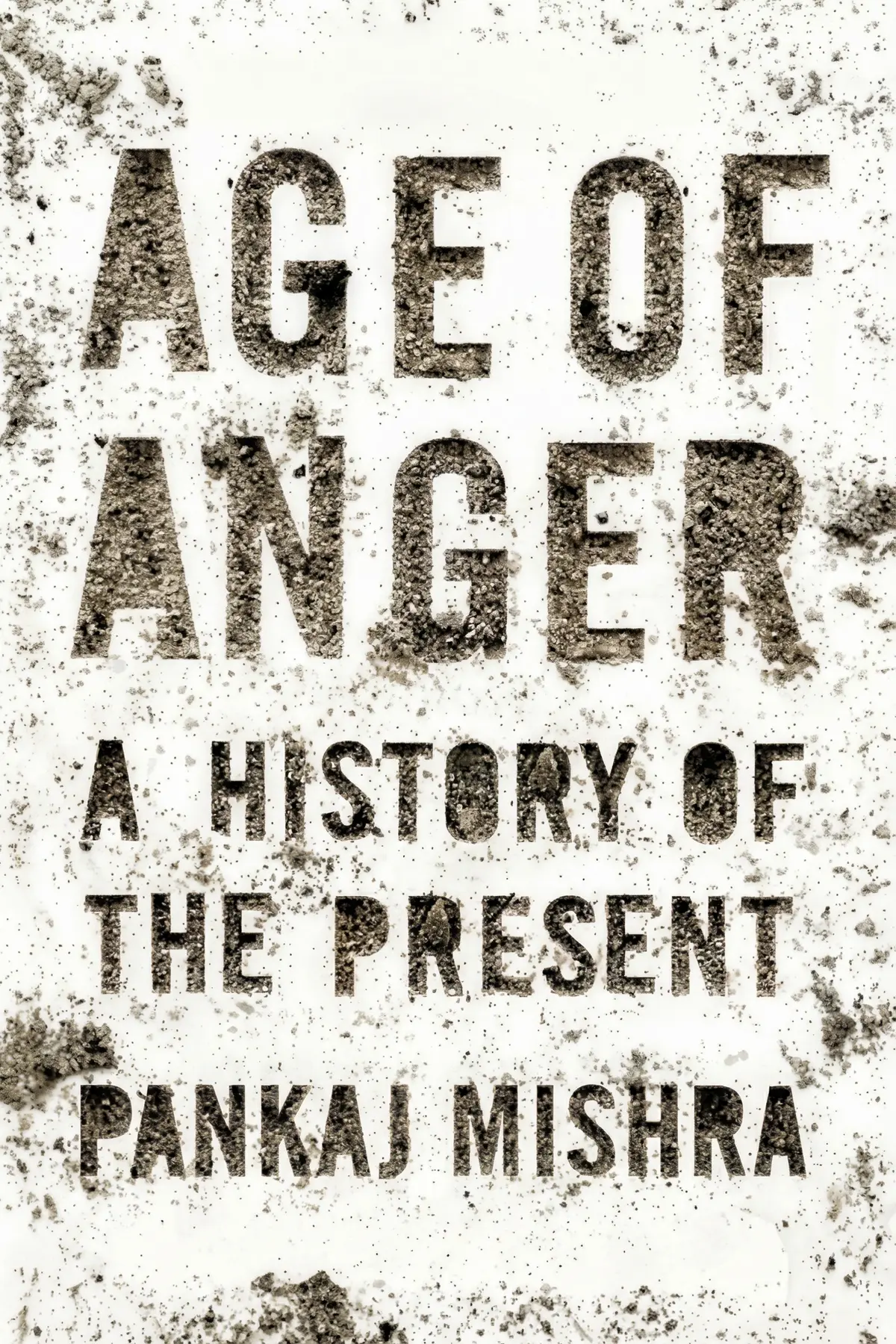
Pankaj Mishra
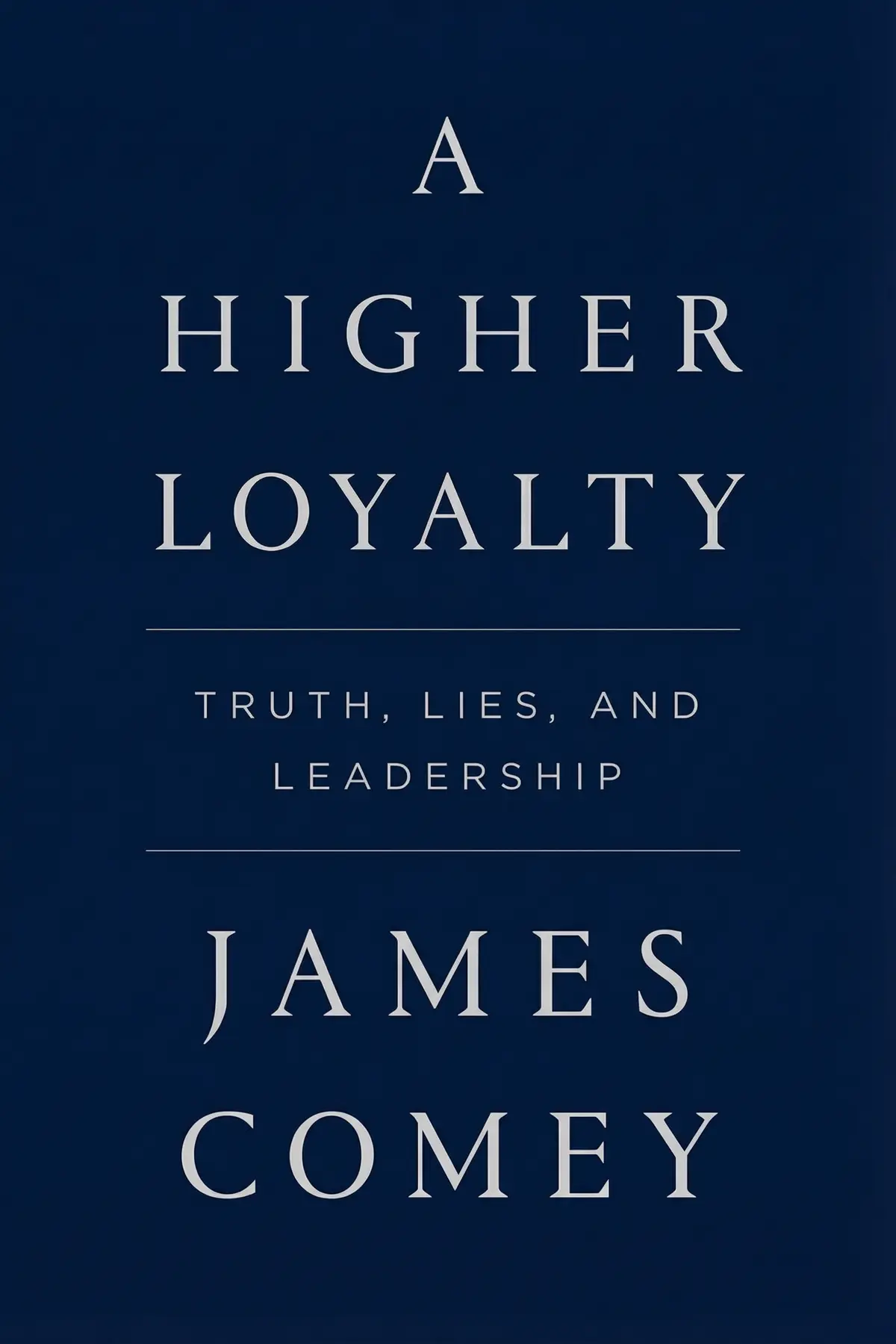
James Comey
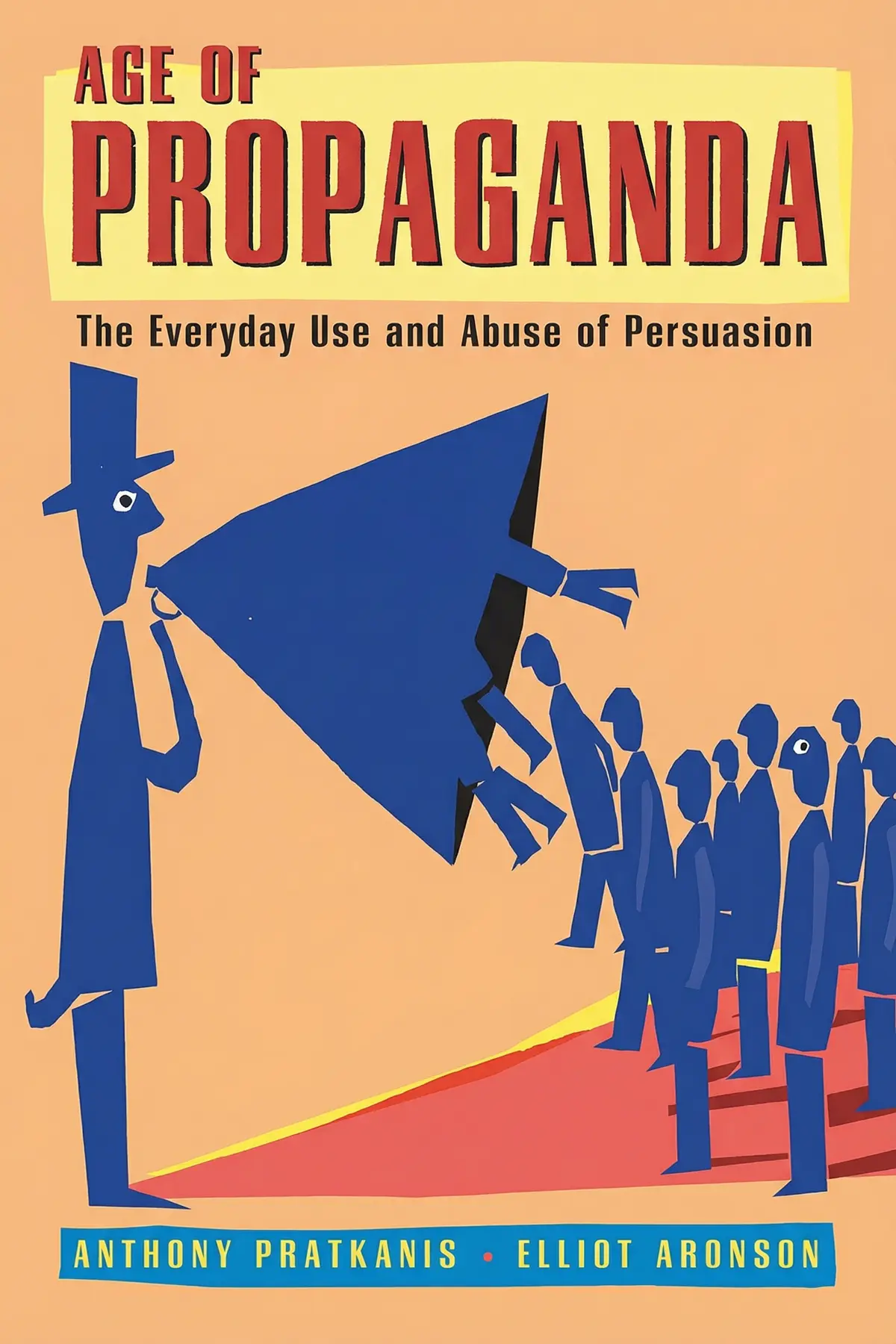
Anthony Pratkanis
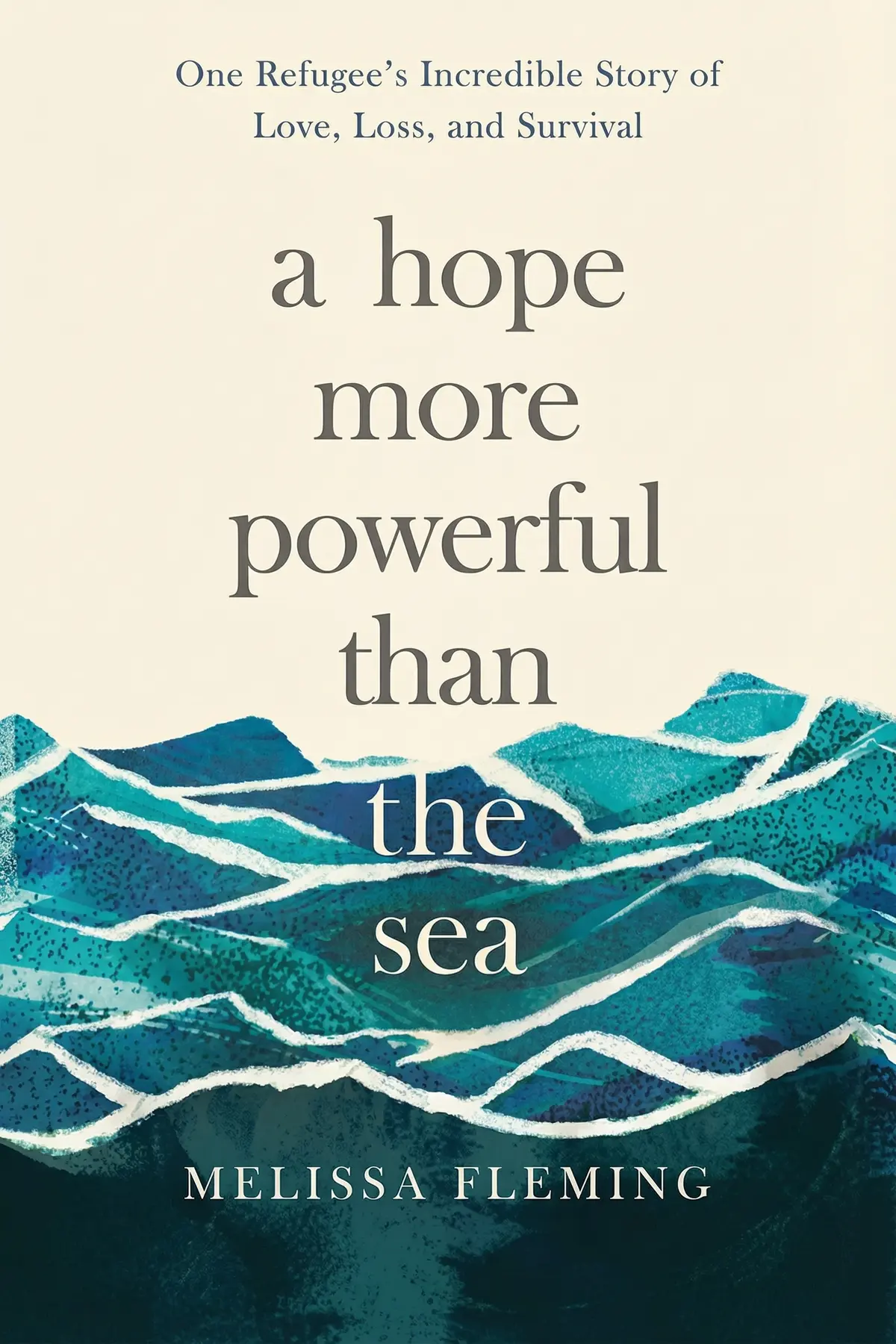

Barack Obama
Masaji Ishikawa
AUDIO SUMMARY AVAILABLE
Get the key ideas from Get It Together by Jesse Watters, plus 5,000+ more titles in English and Thai.







