
Abortion: Our Bodies, Their Lies, and the Truths We Use to
Jessica Valenti
Explore how decades of pop culture, from 90s music to reality TV, created a world where women are taught to value themselves through a lens of objectification, competition, and narrow commercial empowerment.
1 min 37 sec
Think back for a moment to the media that defined your world as you were growing up. The songs that played on loop, the glossy magazines on the stands, the movies that everyone was talking about—at the time, these probably just felt like background noise. They were entertainment, simple diversions meant to pass the time. But culture is never just a backdrop. It is a script, and that script has a profound power to write our internal understanding of what it means to be a person in the world.
For women, the pop culture of the last several decades has been particularly loaded. It hasn’t just reflected who women are; it has actively shaped ideas of ambition, desire, and value. In this summary, we are going to look at the ‘postfeminist’ landscape that emerged at the end of the twentieth century and see how it fundamentally altered the way women view themselves and each other. We’ll see how radical movements were sanitized for the mass market and how a new kind of ’empowerment’ was sold through a lens of sexual objectification.
This isn’t just a history lesson. It’s a roadmap to understanding the invisible assumptions that still influence modern life today. By decoding the logic behind the music videos, the reality shows, and the celebrity scandals, we can begin to see why our culture values certain kinds of femininity over others. The goal is to develop a new lens—one that allows us to see the machinery of self-surveillance and commercialized identity for what it really is. By the end of this journey, you’ll be better equipped to identify these patterns in the world around you and, perhaps, begin to write a different story for yourself. Let’s look at how this all began.
2 min 49 sec
Discover how the turn of the millennium used ‘irony’ and ‘choice’ to replace political activism with a narrow, highly sexualized vision of female power.
2 min 54 sec
Explore the transition from the authentic, underground anger of the punk scene to the manufactured and commercialized ‘Girl Power’ of the mid-nineties.
2 min 40 sec
Trace the rise of a stark, voyeuristic aesthetic that favored vulnerability over strength and transformed models into passive, manageable subjects.
2 min 20 sec
See how the rise of reality TV and early webcams turned everyday life into a performance, teaching women to find value in being watched and judged.
2 min 39 sec
Examine the dark peak of celebrity tabloid culture and how its eventual collapse led to a new, corporate version of individualistic empowerment.
1 min 33 sec
As we wrap up our look at the themes within Sophie Gilbert’s work, it’s clear that the pop culture of the last few decades hasn’t just been ‘fun’—it’s been a powerful force in shaping how women relate to themselves and the world. We’ve seen how the radical energy of the early 90s was smoothed over and sold back to us as a commercialized version of empowerment. We’ve traced the way the ‘porno chic’ aesthetic and reality TV normalized a culture of constant self-surveillance and competition. And we’ve seen how even the ‘Girlboss’ era often just repackaged the same focus on individualism over community.
The throughline in all of this is the way postfeminism has consistently used the language of choice to distract us from the loss of collective power. But knowledge is a form of resistance. By understanding how these narratives were constructed, you can start to dismantle their influence on your own life. You can look at a marketing campaign or a television trope and see the gears turning behind the scenes.
The actionable takeaway here is to start being a more conscious consumer of the stories you are told about yourself. Question the archetypes. Look for the places where women are supporting each other rather than competing. By reclaiming your narrative from the digital gossip machine and the corporate hustle, you can begin to define empowerment on your own terms. True authority doesn’t come from being the perfect object of a camera’s lens; it comes from having the agency to decide who you are, away from the gaze of the world. Thank you for listening to this BookBits summary. Please leave us a rating if you found this helpful—we appreciate your feedback.
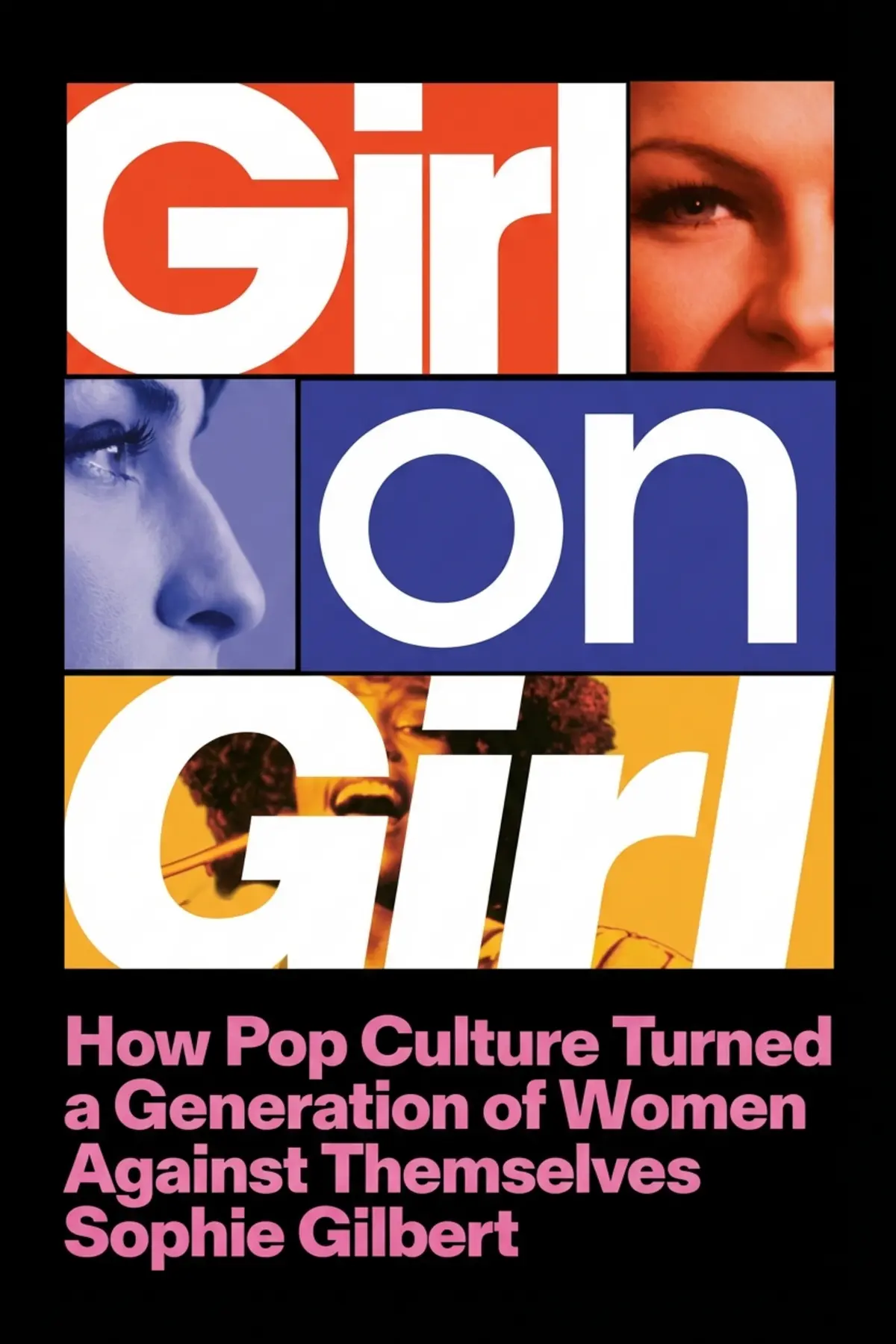
Girl on Girl examines the intricate and often hidden ways that modern popular culture has shaped female identity and relationships. By looking back at the definitive moments of the last few decades, it reveals how media narratives and marketing strategies have frequently turned women against themselves, prioritizing individual success and sexual availability over collective solidarity. Through a deep dive into music, fashion, and the rise of the digital gossip machine, the book promises to peel back the layers of the postfeminist era. It shows how authentic movements for liberation were co-opted and sold back to the public as consumer choices. From the underground energy of the punk scene to the hyper-surveilled world of reality television and the corporate 'Girlboss' movement, you will see the evolution of a culture that often rewards passivity while punishing authentic expression. Ultimately, the book offers a framework for recognizing these patterns, providing the insight necessary to reclaim personal narratives and envision new, more authentic forms of female authority and connection in a world still saturated by the logic of the camera's gaze.
Sophie Gilbert is a staff writer at The Atlantic, where she focuses her professional attention on the worlds of television, literature, and popular culture. Her insightful cultural commentary has earned her significant acclaim, including winning the 2024 National Magazine Award for Reviews and Criticism. Additionally, her distinguished work led to her being named a finalist for the Pulitzer Prize in Criticism in 2022.
Listeners find this to be a keen and meticulously documented examination of how media exploitation and tabloid malice in the 1990s and 2000s molded female identity. Although some listeners believe the study can sometimes feel like a simple chronological timeline or miss new perspectives, a great number enjoy the captivating prose and the impactful reimagining of cultural history. Additionally, they admire how the writer links varying movements—such as reality television and teen comedies—to the wider "pornification" of the mainstream, as one listener points out that the book acts as a "blistering reminder" of the way commercial interests capitalize on female insecurities. They further remark on how effectively the title exposes the systemic forces and structural patterns that drove the public humiliation of famous "it girls" at the start of the millennium.
Sophie Gilbert manages to articulate exactly what was so haunting about growing up in the 2000s. She deftly unpacks how the media didn't just report on the "it girls" of the era, but actively participated in their psychological destruction for profit. I found the sections on the "pornification" of the mainstream particularly chilling, as she links reality TV tropes directly to more aggressive forms of internet pornography. While the subject matter is heavy, her writing style keeps you engaged, even when the topics—like the public shaming of Britney and Paris—become difficult to revisit. It’s a blistering reminder of the systemic forces that taught an entire generation of women to be their own worst enemies. This is cultural criticism at its most sharp and enraging.
Show moreAs someone who came of age during the peak paparazzi era, reading this was like finally getting a diagnosis for a long-term illness. Gilbert perfectly captures that specific brand of cruelty that defined the early 2000s tabloid culture. We were conditioned to view women like Lindsay Lohan and Britney Spears as punchlines rather than human beings, and this book exposes the mechanics of that dehumanization. It is a sharp, enraging, and deeply necessary look at how the patriarchy rebranded itself as "edgy" humor to sell magazines. I especially appreciated the opening chapters on the 90s backlash to feminism. Highly recommend for any millennial woman who wants to understand the cultural forces that shaped her self-image.
Show moreWow. Not what I expected at all, but in the best way possible. This isn't just a book about celebrities; it's an autopsy of the culture that raised us to hate ourselves and each other. Gilbert’s writing is sharp and her ability to synthesize disparate trends—from heroin chic to Abu Ghraib—is masterclass level. It’s a dense read, and the content is undeniably grim, but it’s essential for understanding why we are where we are today. The way she dismantles the "girlboss" myth toward the end was particularly satisfying to read. If you’re interested in how media shapes identity, you need to pick this up immediately.
Show moreEver wonder how the media managed to turn the public against vulnerable young women so effectively? Gilbert’s autopsy of the 90s and 2000s is a blistering, enraging, and ultimately necessary look at the "pornification" of our culture. She masterfully connects the dots between the rise of the internet, the cruelty of tabloids, and the way profit motives exploit female insecurity. This isn’t just about celebrities; it’s about the systemic forces that shaped how an entire generation of women views their own bodies. The way she links teen comedies to the burgeoning manosphere is particularly brilliant and chilling. It’s a dense, sharp, and provocative piece of cultural criticism that I couldn’t put down despite the grim subject matter. One of the best books I've read this year.
Show moreWhile the research is undeniably thorough, I struggled with the structure of certain chapters. Specifically, the amount of space dedicated to Lena Dunham’s Girls felt excessive compared to other, more impactful cultural touchstones of the decade. At times, it felt less like a deep sociological analysis and more like a chronological catalog of things I already remember living through. Truth is, if you’ve already read a lot of modern feminist theory, some of these arguments about the "aughts" might feel like well-trodden ground. That said, Gilbert is a talented writer, and her ability to connect teen comedies to the rise of the manosphere is genuinely impressive. It’s a solid addition to the genre even if it occasionally hits a repetitive note.
Show morePicked this up on a whim because I was curious about the "pornification" thesis, and Gilbert didn't disappoint. She does a fantastic job of illustrating how the line between mainstream entertainment and degrading imagery became blurred during the transition to the digital age. It’s enraging to see how things like up-skirt photos were treated as "scandals" rather than the sexual harassment they actually were. I did find the prose a bit academic at points, which made it feel a little slower than a typical pop-culture read. However, the insights into how capitalism commodifies female insecurity are worth the effort. It’s a powerful reframing of a history we often dismiss as mere tabloid gossip. Definitely worth a read for the historical context alone.
Show moreThe connection Gilbert draws between the "harmless" teen comedies of the 90s and the modern incel movement is absolutely fascinating. She argues that movies like American Pie weren't just about losing virginity, but about the entitlement men were taught to feel toward female bodies. It’s a powerful reframing of cultural history that I hadn’t fully considered before. My only real gripe is that the tone can be a bit inconsistent; some sections feel like a breezy culture blog while others read like a PhD dissertation. Still, the core arguments are incredibly strong and gave me a lot to think about regarding current trends. It makes you realize that progress is rarely a straight line.
Show moreFinally got around to reading this, and I’m feeling pretty middle-of-the-road about the whole thing. Gilbert is clearly a talented writer, and her cataloging of the shift from supermodels to the "heroin chic" aesthetic is well-researched and engaging. However, for anyone who actually lived through the 2000s and paid attention to the media, much of this feels like a recap rather than a revelation. It’s a solid historical outline, but I was looking for a deeper evolution of the thesis as the book progressed. The writing also skews a bit too academic for a book about pop stars and American Pie. It’s not a bad read by any means, but it definitely feels like it’s treading a well-worn path. I’d recommend it to someone younger who didn’t experience the era firsthand.
Show moreTo be fair, the subtitle is incredibly misleading here. I didn't expect nearly half of the book to be a graphic description of sexual violence in 90s cinema and "gonzo" porn. It felt less like a cultural critique and more like an unnecessarily explicit think-piece that went on for a hundred pages too long. Gilbert jumps from topic to topic without ever really landing on a cohesive point, making the whole reading experience feel disjointed. While I appreciate the effort to catalog the cruelty of the paparazzi era, I’ve heard these arguments about Britney and Paris a thousand times before. It lacks the fresh insight I was hoping for and leans way too heavily on describing the "vibe" of the era rather than analyzing it.
Show moreLook, I’m just going to say it: this felt like a massive nothing-burger. I was promised a deep dive into how pop culture turned women against themselves, but what I got was a tedious laundry list of every celebrity scandal from 2003. Gilbert seems obsessed with proving that Lena Dunham’s Girls is the most important cultural artifact of our time, and if you disagree, you just don't "get it." It’s incredibly frustrating to read something that presents itself as academic analysis but lacks any original thesis. Most of these arguments have been made more effectively elsewhere by writers who aren't trying so hard to be "edgy." I found the constant repetition of the word "aughts" to be the final nail in the coffin. I simply couldn't finish it.
Show moreJessica Valenti



Johny Pitts
bell hooks

Fay Bound Alberti

Daniel Goleman

AUDIO SUMMARY AVAILABLE
Get the key ideas from Girl on Girl by Sophie Gilbert, plus 5,000+ more titles in English and Thai.







