

17 min 19 sec
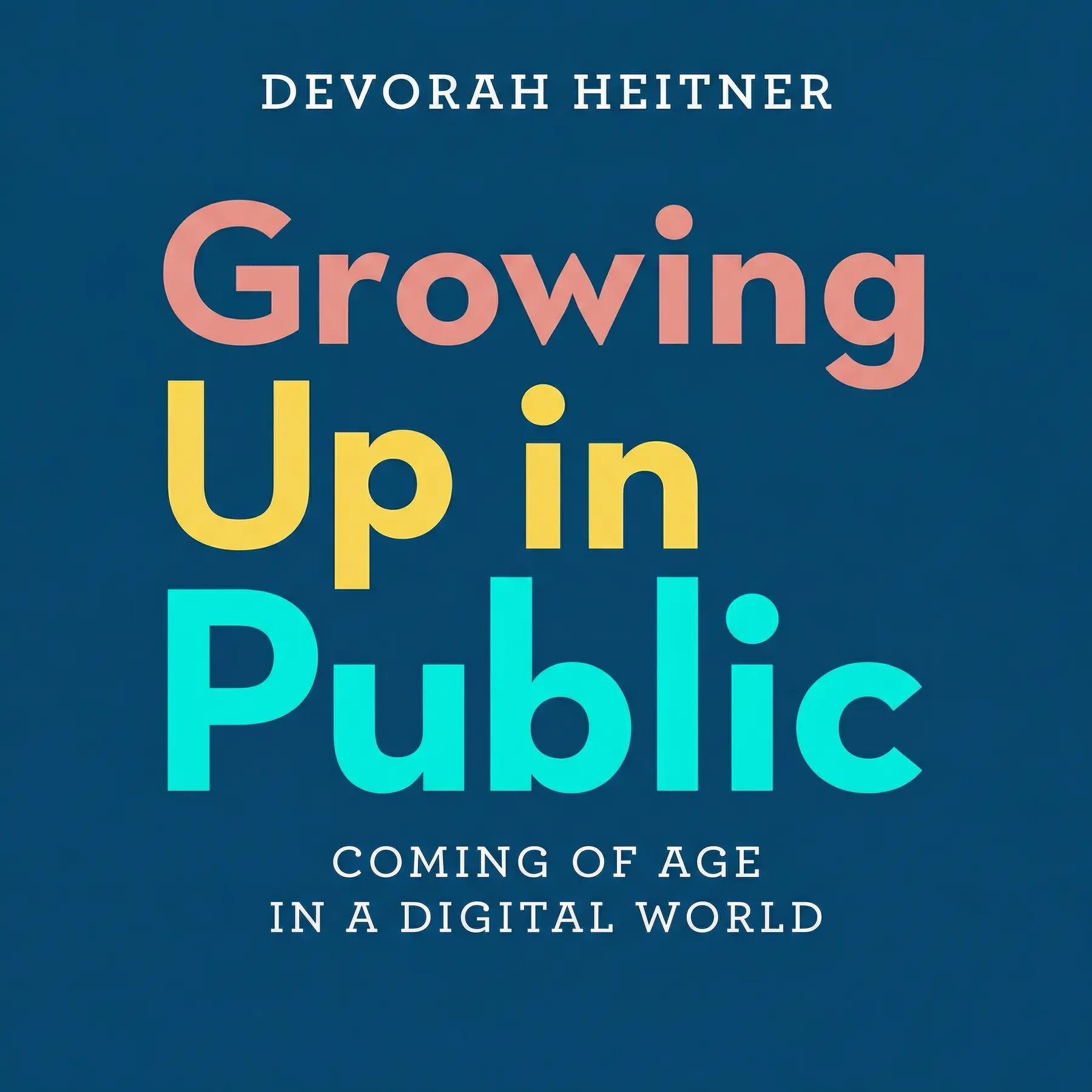
Growing Up in Public: Coming of Age in a Digital World
Growing Up in Public explores how parents can mentor their children through the complexities of the digital age, focusing on trust, privacy, and character development rather than strict surveillance and control.
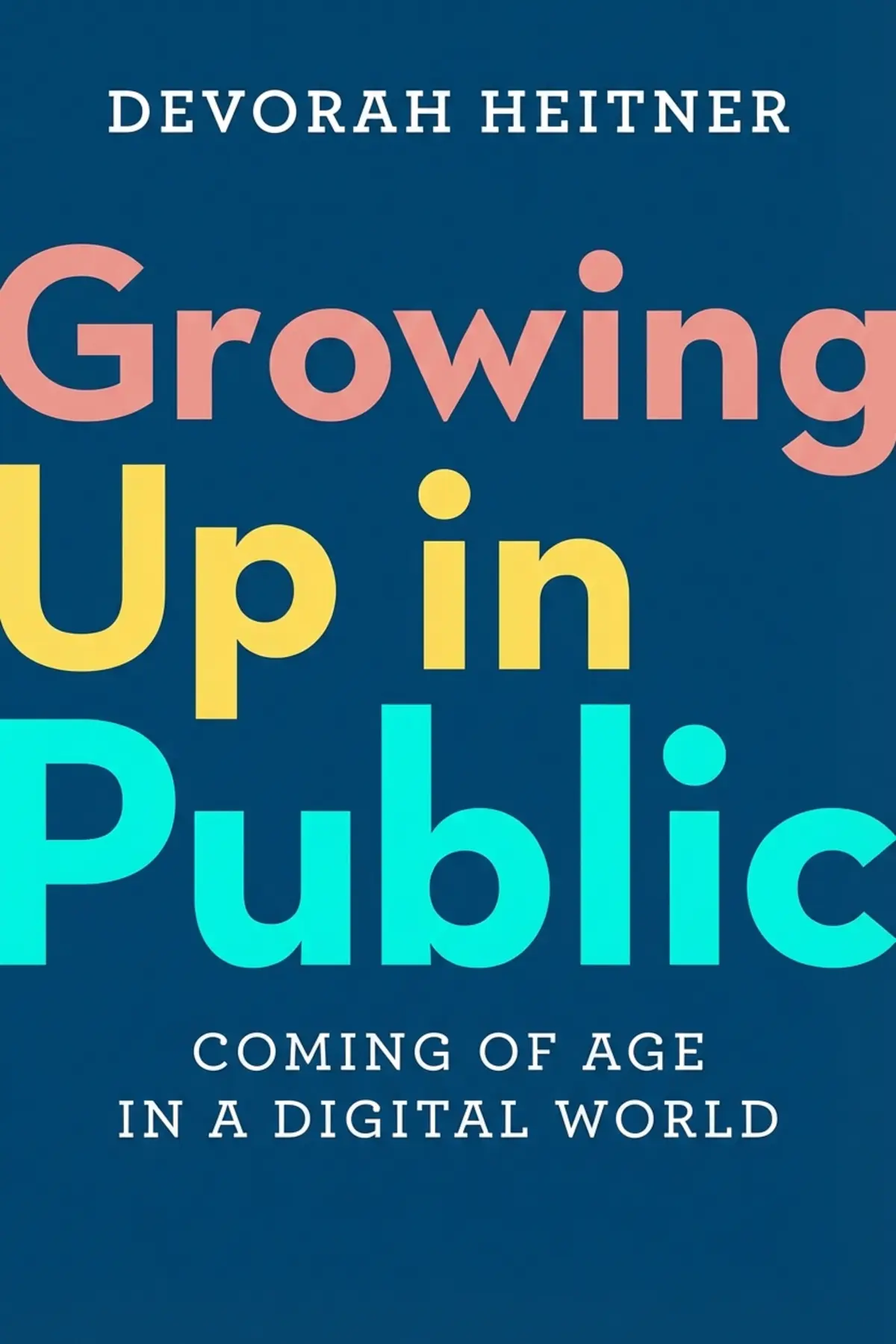
Table of Content
1. Introduction
1 min 36 sec
In the past, the boundary between a child’s private world and the public eye was clear. Children could experiment, fail, and act out in the relative anonymity of their backyards or local parks. Today, however, that boundary has dissolved. Growing up now happens on a digital stage, where every milestone, every social interaction, and every lapse in judgment can be captured, shared, and archived forever. This shift has left many parents feeling a mix of anxiety and a need for control, often leading them toward high-tech surveillance.
But as we will explore, the path to raising a healthy, responsible adult in the twenty-first century isn’t through more monitoring, but through more mentoring. The heart of this journey is about moving away from the role of a digital police officer and toward the role of a supportive guide. It’s about recognizing that while technology has changed the landscape, the developmental needs of children—for autonomy, for privacy, and for the room to make mistakes—remain as vital as ever.
This summary provides a bridge between parental fears and practical, empathetic solutions. We will look at how to navigate the complexities of digital footprints, the nuances of online identity, and the importance of preserving trust in an era of constant connectivity. By focusing on character development and open communication, we can help the next generation navigate their public-facing lives with resilience and wisdom. Let’s dive into how we can empower our children to grow up in public without losing their sense of self or their security.
2. The Counterproductive Nature of Digital Surveillance
2 min 57 sec
Discover why constant digital monitoring can actually hinder your child’s growth and how to transition from being a tech-policeman to a supportive mentor.
3. Identity Construction in the Digital Spotlight
2 min 48 sec
Explore how the permanent nature of the internet changes the way adolescents experiment with their personalities and the pressure they feel to be perfect.
4. The Ethics of Parental Sharing and Child Privacy
2 min 42 sec
Delve into the complexities of ‘sharenting’ and learn how to celebrate your child’s life while still respecting their right to a private digital footprint.
5. Teaching the Art of Mindful Sharing
2 min 42 sec
Help your children move from impulsive posting to intentional self-expression by understanding the motives and consequences of their online behavior.
6. Navigating and Learning from Digital Mistakes
2 min 47 sec
When a digital misstep goes viral, how can parents help their children take accountability and grow without being crushed by public shame?
7. Conclusion
1 min 47 sec
As we have seen, the digital world has not changed the core principles of parenting, but it has certainly raised the stakes. Raising a child today means accepting that their journey into adulthood will be partially documented and frequently public. This reality can be daunting, but it also offers a unique opportunity to build a relationship based on deep trust and active mentorship. The transition from monitoring to mentoring is perhaps the most significant shift a modern parent can make. By choosing to be a guide rather than a guard, you empower your child to develop the internal tools they need to navigate the complexities of life online and offline.
The throughline of this journey is the cultivation of character. Technology will continue to evolve, and new platforms will inevitably replace the ones we use today. However, values like empathy, integrity, and respect for privacy are timeless. When we focus on these foundations, we give our children something far more valuable than a set of rules—we give them a compass. We teach them that their digital footprint is a reflection of their character and that they have the power to shape that reflection through mindful, intentional choices.
In the end, growing up in public doesn’t have to be a source of constant fear. With open communication, a respect for autonomy, and a commitment to learning from mistakes, parents can help their children thrive. We can celebrate their milestones, support their identity exploration, and guide them through their missteps, all while preserving the precious bond that makes parenting so rewarding. By modeling the very responsibility and resilience we hope to see in them, we can ensure that the next generation is ready to face the world—public or otherwise—with confidence and heart.
About this book
What is this book about?
Growing Up in Public addresses the modern parental dilemma: how to guide children who are coming of age in a world where every mistake can be permanently recorded online. It moves away from the common narrative of fear and restriction, instead offering a framework of supported digital autonomy. The book promises to show parents how to foster a relationship built on communication and mentorship rather than covert tracking and policing. By exploring topics like social media identity, the ethics of sharing a child’s life online, and the importance of allowing for digital privacy, the book provides a roadmap for raising responsible digital citizens. It emphasizes that while the tools of childhood have changed, the fundamental need for a safe space to grow, experiment, and even fail remains the same. The goal is to help parents protect their children’s future without stifling their current development or damaging the bond of trust.
Book Information
About the Author
Devorah Heitner
Devorah Heitner, Ph.D., is a renowned public speaker and author specializing in the intersection of media, technology, and society. Her expertise is particularly focused on guiding parents and children to engage thoughtfully and responsibly with digital media. She is also known for her book Screenwise, which explores similar themes.
Ratings & Reviews
Ratings at a glance
What people think
Listeners find this title to be a thorough, well-documented, and insightful manual that is uniquely useful for parents of tweens and vital for teachers. The content is praised for its hands-on advice; specifically, one listener emphasizes the book's nuanced take on social media, and another says it makes navigating tough topics easier. Listeners also enjoy the clear presentation and kind perspective, with one review observing that the material helps fortify connections within the family.
Top reviews
Lena
Finally got around to reading this, and it’s a breath of fresh air for any parent feeling suffocated by the digital age. Instead of the usual fear-mongering about 'screen time,' Devorah Heitner focuses on the relationship between parent and child. The distinction she makes between 'mentoring' and 'monitoring' changed how I approach my son’s phone use. While it’s tempting to just install tracking apps and call it a day, she argues that surveillance doesn't actually teach kids how to make good choices when we aren't looking. I loved the practical advice on navigating hard conversations about privacy and social media etiquette. Truth is, we can't protect them from every mistake, so teaching them how to recover and maintain their dignity is a much more sustainable strategy. Highly recommended for parents of tweens who want to build trust instead of resentment.
Show moreSumalee
What stood out most to me was the discussion on 'sharenting'—something I definitely needed to hear as a mom who loves posting photos. This book challenges us to look at our own digital habits before we start policing our kids. Do we respect their privacy, or are we building their digital footprint without their consent? Heitner’s tone is empathetic, acknowledging that parenting in this era is legitimately difficult. I found the advice on college preparation—like making sure they can handle their own emails and financial documents—really practical. It’s not just about safety; it’s about fostering independence. Some might find her approach a bit too permissive regarding things like Discord or gaming, but I think the focus on open communication is the right way to go. It helped me realize that a family media policy should be a living document based on mutual respect rather than a set of rigid rules.
Show moreAey
As a middle school educator, I see the digital drama play out every day, but Heitner offers a perspective that’s often missing from the panic-driven headlines. The book is incredibly easy to read and feels more like a conversation with a wise friend than a dry academic lecture. I especially appreciated the sections on how social media acts as an 'intensifier' for normal adolescent milestones. It’s not just that kids are online; it’s that they are doing all their messy, awkward growing up in front of a potential audience. While I wish there was a bit more hard scientific data to back up some of the broader claims, the focus on empathy is a necessary counter-balance to the current culture of surveillance. It’s a thought-provoking guide that helps parents move away from catching their kids doing wrong and toward helping them do right. Essential reading for school districts.
Show moreGin
Picked this up after a rough incident involving my daughter’s group chat, and I appreciated the focus on character development. It’s easy to get caught up in the 'how-to' of privacy settings, but this book focuses on the 'why' of digital citizenship. Heitner encourages us to guide our children through the inevitable messy moments rather than just shielding them from every possible risk. The writing style is accessible and quick, though I did find some sections a bit repetitive. I particularly liked the advice on teaching kids to answer emails politely and manage their own digital presence before they head off to college. It’s about building virtue and self-efficacy, which is a much bigger goal than just keeping them off TikTok. A solid, compassionate resource for anyone raising children in this hyper-connected world.
Show moreDao
Look, I don't agree with everything here—especially the stance on tracking apps like Life360—but the core message about trust is vital. Heitner suggests that excessive surveillance can actually hinder a child's development of autonomy. While that's a hard pill to swallow in an era where we worry about everything, I can see the logic in her 'mentoring' approach. The book does a great job of framing social media as a place for romantic possibilities and activism, not just a den of bullies. My main critique is that she tends to gloss over the serious risks of things like sexting. Treating a felony-level mistake with the same weight as a college admission post felt a little cavalier to me. Still, the book is a great conversation starter and helped me realize that my own phone habits are part of the problem. It’s a 4-star read for the empathy alone.
Show moreChamlong
Is it perfect? No. But 'Growing Up in Public' gave me the language to talk to my son about his digital footprint without him getting defensive. We often forget that our kids are the first generation to deal with a permanent record of every mistake they make. Heitner’s empathy for adolescents is clear, and it helped me shift my perspective from 'police officer' to 'consultant.' The advice on managing finances and social security numbers as they transition to college was a practical bonus I didn't expect. I do think the author is a bit too trusting of children’s judgment at times—let’s be real, they’re still kids. But the focus on fostering two-way trust rather than covertly reading every text message is a perspective I think more parents need to hear. It’s a comprehensive guide that will definitely spark some necessary, if difficult, family discussions.
Show moreMatteo
Ever wonder why we feel the need to track our kids' every move via GPS 24/7? This book forced me to look at my own parental anxieties rather than just policing my teenager’s behavior. Devorah Heitner makes a compelling case for why we should step back and let our kids have some degree of privacy. She argues that if we want them to be responsible adults, we have to actually let them practice being responsible. I really liked the sections on how to handle 'sharenting' and how to help kids navigate the social pressures of 'likeable' content. While I think she dismisses the harms of certain platforms a bit too easily, the overall message about building a relationship based on trust is excellent. It’s a quick, helpful read that provides a solid framework for anyone trying to navigate the complexities of raising responsible digital natives in a world that never logs off.
Show moreTen
The 'mentoring vs monitoring' mantra is great in theory, but I struggled with how anecdotal the evidence felt throughout the chapters. Don't get me wrong, there are some pearls of wisdom here that will help our family navigate social media, but I was expecting more objective data. Most of the sources seem to be the author’s friends or specific anecdotes rather than peer-reviewed research. Frankly, it feels a little outdated already, especially with what we now know about the addictive nature of these platforms. However, the chapter on helping kids recover from online mistakes was genuinely helpful. It moved me away from the impulse to shame and toward a model of accountability. I’d give it a 3.5 if I could. It’s a good starting point for parents who haven't thought about these issues, but those looking for a deep scientific dive might be disappointed.
Show moreStella
To be fair, Heitner writes with a lot of warmth, but the chapter on sexting really gave me pause and left me feeling conflicted. On one hand, her non-fear-mongering approach is refreshing compared to the usual 'sky is falling' parenting books. On the other hand, the advice felt almost too casual regarding legal and psychological risks. I appreciated the call to action for parents to look at their own digital habits—setting a strong example is something we often overlook. However, the lack of academic sources at the back of the book was disappointing for something billed as a comprehensive guide. It’s a lot of 'mentoring' and not enough 'boundary setting' for my taste. If your kids are already deep in the digital world, this offers good damage control strategies, but I wouldn't call it the definitive manual for tech safety.
Show moreDylan
This book feels dangerously out of touch with the reality of brain development and social media addiction. I was hoping for a balanced look at technology, but what I got was a very permissive, almost 'laissez-faire' attitude toward serious risks. The author seems to dismiss well-documented research on cognitive damage from apps, instead choosing to focus on anecdotes from her own social circle. Suggesting that parents should just 'roll with it' when kids make serious digital errors is not the advice I need while trying to prep my kids for competitive colleges. Furthermore, the tone often minimizes the legitimate concerns of parents who want to delay social media until their children are developmentally ready. If you're looking for a book that relies on rigorous scientific data and provides a cautious approach to tech, this isn't it. It felt more like a media scholar’s opinion piece than a clinical guide for development.
Show moreFeatured in
Readers also enjoyed








AUDIO SUMMARY AVAILABLE
Listen to Growing Up in Public in 15 minutes
Get the key ideas from Growing Up in Public by Devorah Heitner, plus 5,000+ more titles in English and Thai.
- 5,000+ titles
- Listen as much as you want
- 7-day free trial
- Cancel anytime







