
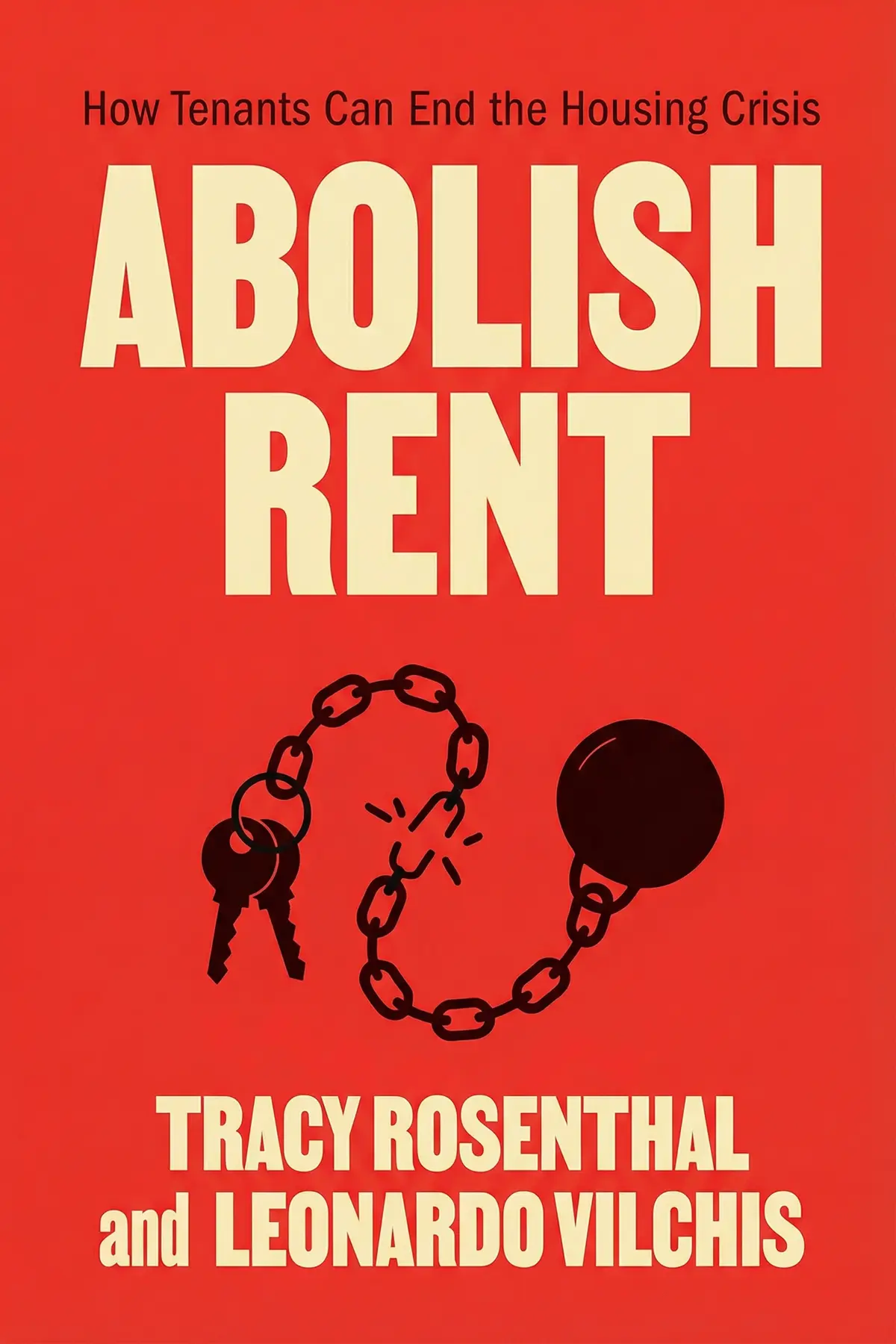
Abolish Rent: How Tenants Can End the Housing Crisis
Tracy Rosenthal
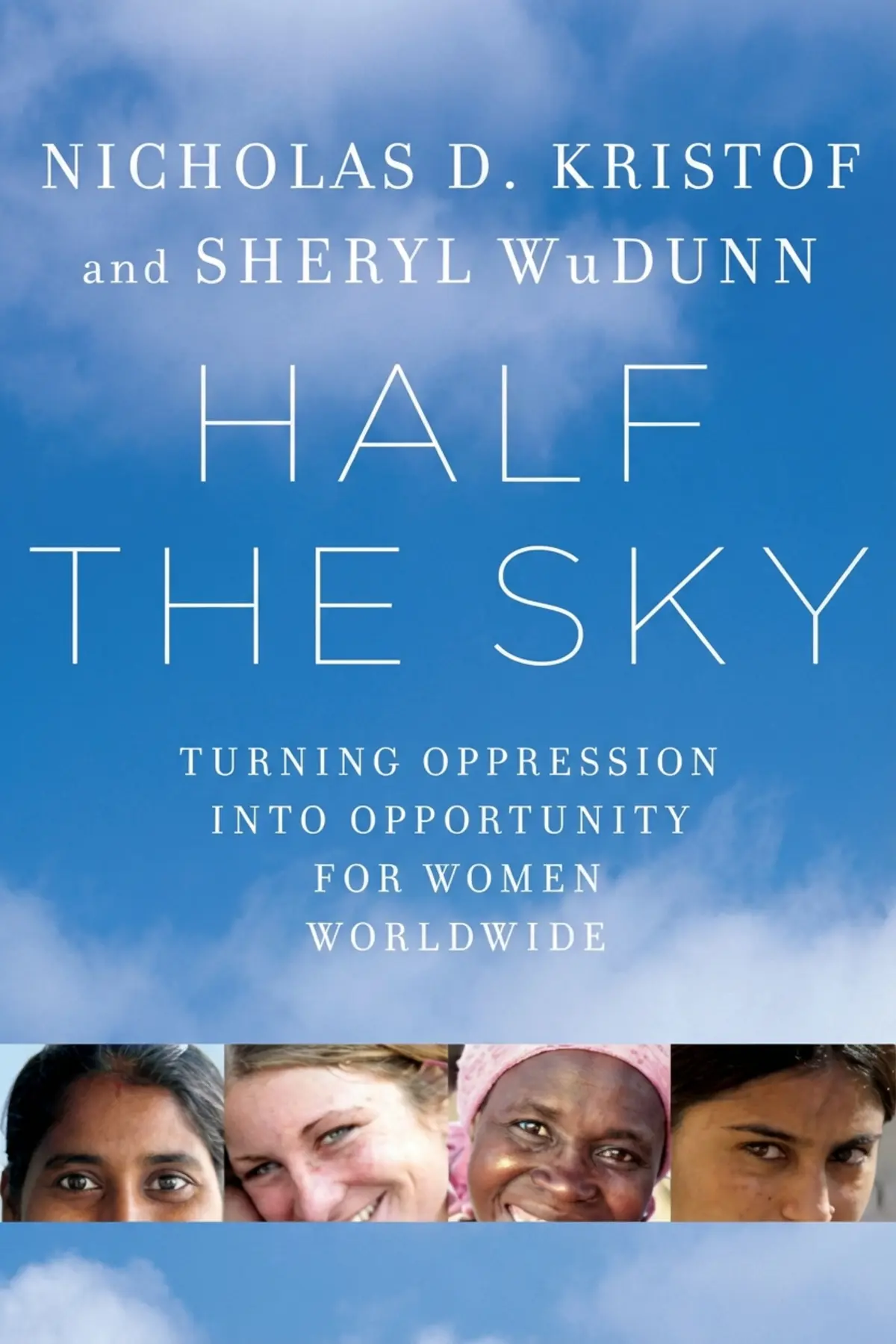
Half the Sky explores the systemic oppression of women globally, from sex trafficking to maternal mortality. It argues that empowering women is the primary moral challenge—and the greatest economic opportunity—of our modern era.
1 min 44 sec
Every century or so, humanity faces a moral challenge so profound that it defines the era’s struggle for progress. In the nineteenth century, it was the abolition of slavery. In the twentieth, it was the fight against totalitarianism. Today, that central moral challenge is the global subjugation of women and girls.
We often hear about the progress we’ve made, but the reality on the ground in many parts of the world tells a much darker story. Imagine an industry larger than the illegal arms trade, one that thrives on the sale and exploitation of human beings. This is the world of modern sex trafficking, but it is only one piece of a much larger puzzle. From the preventable deaths of mothers in childbirth to the systematic denial of education, the challenges facing half the world’s population are staggering.
However, this isn’t just a catalog of tragedies. It is a roadmap for transformation. The core idea we will explore is that the most effective way to fight poverty and promote global stability isn’t through traditional top-down aid, but by empowering women. When a girl stays in school, when a mother survives childbirth, and when a woman is given the tools to start a small business, the ripple effects transform her family, her village, and eventually her nation.
Over the course of this summary, we will look at why these issues persist—touching on deep-seated cultural norms, the complexities of religion, and the failures of the international community. We will also see how simple, often overlooked solutions can create massive change. The goal isn’t just to understand the problem, but to see the incredible potential that is unlocked when we finally treat women as equal partners in the human story. Let’s begin by looking at the harshest reality of this inequality: the modern slave trade.
2 min 00 sec
Discover why modern human trafficking is more prevalent today than historical slavery and learn the psychological mechanisms used to keep women trapped in cycles of abuse.
1 min 50 sec
The fight against trafficking requires more than just rescue operations; it demands unified leadership, long-term social support, and a shift away from flawed regulatory models.
1 min 52 sec
Examine how deeply ingrained cultural norms and even well-intentioned foreign aid can unintentionally reinforce the systemic violence and inequality faced by women.
1 min 37 sec
Learn why maternal mortality is often more about social status than medical technology, and how small investments in education can save countless lives.
1 min 39 sec
Explore the complex relationship between religion and gender equality, and why progress requires bridging the divide between secular and religious advocates.
2 min 02 sec
Discover the surprising tools—from iodized salt to television soap operas—that are proving to be remarkably effective in the fight for women’s empowerment.
1 min 23 sec
As we reach the end of this journey, the throughline is unmistakable: the fate of the world is inextricably linked to the status of women. We have seen the horrors of modern slavery and the tragic, preventable loss of life in childbirth. We have explored how cultural traditions and religious divides can both hinder and help the cause of equality. But more importantly, we have seen that change is not only possible; it is happening.
The key takeaway is that empowering women is the single most effective way to reduce poverty and increase global stability. When women are educated, healthy, and economically active, they invest back into their families and communities at much higher rates than men do. This is the ‘double dividend’ of gender equality.
However, this isn’t a task for someone else to handle. The movement for global equality needs your voice and your support. Whether it is through donating to organizations that fight obstetric fistula, supporting local microfinance initiatives, or simply raising awareness about the reality of human trafficking, every action counts. The goal is to move from being a bystander to being an advocate. By unlocking the potential of the other half of the sky, we aren’t just helping women; we are building a more prosperous and just world for everyone. Let’s take that first step toward a future where every girl can go to school and every woman can live with the dignity she deserves.
This work serves as a clarion call to address the global subjugation of women. It moves beyond simple statistics to share the stories of those surviving sex slavery, gender-based violence, and preventable medical conditions like obstetric fistula. The authors demonstrate that these aren't just isolated tragedies but symptoms of a pervasive culture that often views women as less than human. By examining the roles of religion, education, and local customs, the book illustrates why traditional aid sometimes fails and how targeted interventions can succeed. The promise of this exploration is clear: when we invest in girls and women, we unlock a massive reservoir of human potential that can transform entire nations. It’s a guide for moving from passive awareness to active participation in its call for a global movement for equality, suggesting that the emancipation of women is the most effective way to fight global poverty and extremism.
Nicholas Kristof and Sheryl WuDunn are a trailblazing husband-and-wife journalism team. They share the distinction of being the first married couple to receive a Pulitzer Prize, awarded for their coverage of China as correspondents for The New York Times. Kristof has also earned a second Pulitzer for his commentary on the genocide in Darfur. WuDunn’s extensive career includes roles as a foreign correspondent in Asia, a business editor, and a television anchor; today, she serves as a banking executive. Together, they use their reporting expertise to shed light on global human rights issues.
Listeners consider this work an essential read, praising its superb writing and thoroughly researched data. They characterize it as a revelatory journey that sheds light on the challenges faced by women globally, with a specific focus on developing nations. The narrative contains agonizing accounts balanced by hopeful conclusions that soften the emotional weight, and listeners value the way it weaves together diverse stories from across the globe. They find the material deeply moving, mentioning that it motivates them to take a more proactive role in aiding fellow human beings.
This book is a gut punch that every person living in a developed nation needs to experience. Kristof and WuDunn don’t just give you a dry list of statistics about global poverty; they provide names, faces, and stories that haunt you long after you close the cover. By focusing on individual narratives—like women surviving sex trafficking or overcoming obstetric fistulas—the authors make the 'moral challenge' of our century feel deeply personal. I found the section on micro-finance particularly inspiring because it offers a tangible solution rather than just doom and gloom. It’s a rare work that can move you to tears while simultaneously providing a roadmap for how to actually help. While the subject matter is undeniably harrowing, the emphasis on resilience and the power of education for girls left me feeling hopeful. This isn't just a book you read; it's a call to action that changes how you view your own place in the world.
Show moreFinally got around to reading this after seeing it on so many 'must-read' lists, and it totally lived up to the hype. The way it weaves together the horrors of slavery and rape with success stories of female entrepreneurs is masterful. It avoids being purely depressing by showing exactly where our donation dollars go and which grassroots organizations are actually making a difference on the ground. I particularly loved the photographs included in the book; seeing the faces of these brave women made their struggles and triumphs feel so much more immediate. Some of the chapters, especially the ones on honor killings and genital mutilation, are incredibly difficult to get through, but they are necessary. We cannot fix what we refuse to see. This book pulls back the curtain on global injustice and demands that we pay attention. It is truly an inspirational guidebook for humanity.
Show moreWow. Just... wow. I’ve never read anything that made me feel so small and so motivated at the same time. The authors describe the struggle for gender equality as the 'paramount moral challenge' of our century, comparing it to the fight against slavery in the 19th century. After reading these accounts of child sex trafficking and maternal neglect, it’s hard to disagree. What I appreciated most was that they didn't just leave me feeling guilty; they provided a list of vetted charities like CAMFED and Tostan where people can actually get involved. The stories of women rising from the ashes of their circumstances to lead their communities are nothing short of miraculous. It’s an emotional rollercoaster that everyone should ride. My perspective on global poverty has been completely transformed. It’s a must-read for anyone who cares about human rights and wants to see a more equitable world for the next generation.
Show moreEvery so often, a book comes along that effectively reboots your moral compass, and for me, this was it. The authors are journalists, so the prose is sharp and fast-paced, keeping you engaged even when the topics are devastating. I learned so much about the economic impact of investing in women—how educating a girl can lift an entire village out of poverty. It’s brilliant, well-documented, and incredibly moving. I found the chapter on the 'missing girls' in Asia due to infanticide and neglect to be particularly chilling. It’s a wake-up call to the fact that we are losing a massive portion of human potential simply because of gender. The blend of heart-wrenching anecdotes and positive endings helps temper the sadness and keeps you reading. If you want to understand the world as it actually is—and how it could be better—you need to read this book immediately.
Show morePicked this up for a book club and was surprised by how much it stuck with me. It’s not just a collection of sad stories; it’s an evidence-based argument for why the empowerment of women is the key to global stability and economic growth. The stories of women like Meena, who escaped a brothel and then helped others do the same, are better than any fiction. I appreciated the practical advice at the end of the book, which turned my 'what can I even do?' feeling into 'here’s how I can help.' The authors highlight that $10 can provide a girl with school supplies, which makes the huge problem of global education feel manageable. It’s a well-written, informative, and deeply emotional journey. We often live in a bubble in the West, and this book is a necessary burst to that bubble. Truly a life-changing read.
Show moreIn my experience, books on global poverty can be too dry or too academic, but Kristof and WuDunn avoid that trap entirely. They use the power of storytelling to make you care about women thousands of miles away as if they were your own neighbors. The chapters on fistula were especially informative, as it’s a condition I had never even heard of, yet it affects millions. Seeing the photos of the women mentioned made the experience even more impactful. Some critics might point to the authors' Western perspective as a flaw, but I think they are intentionally writing for a Western audience to shake them out of their apathy. It worked on me. The book manages to be both a tragic account of human rights abuses and a hopeful testament to human resilience. I’ve been recommending this to everyone I know because the world needs more people who are aware of these issues.
Show moreEver wonder why gender equality is often sidelined in international policy? This book argues convincingly that it is the central humanitarian issue of our time. The writing style is very journalistic, which makes the medicine go down easier, though some might find the 'spoon-feeding' of anecdotes a bit manipulative. I appreciated the specific focus on maternal mortality and the simple, cost-effective solutions proposed, like salt iodization and better rural health clinics. However, I did notice a bit of a paternalistic tone at times, where the Western authors seem to position themselves as the necessary saviors for the 'developing world.' Despite that slight discomfort with the framing, the core information is vital. The stories of women like those in the Congo who have survived unthinkable trauma are incredibly powerful. It’s an eye-opening read that serves as an excellent primer for anyone who wants to understand the intersection of poverty and misogyny globally.
Show moreLook, the subject matter here is undeniably heavy, dealing with everything from sex trafficking to genital mutilation. It isn't an easy read by any stretch of the imagination. However, Kristof and WuDunn do a solid job of balancing the 'if it bleeds, it leads' journalism with genuine solutions. I liked the focus on micro-loans and how something as simple as a television in a rural village can actually change social norms regarding women's roles. My only real gripe is that they sometimes gloss over the complexity of the local cultures, making everything seem like a simple problem that a bit of Western cash can fix. That said, the authors’ passion is evident on every page. They clearly care about these women, and their ability to make these distant problems feel relevant to a U.S. audience is impressive. It’s a powerful, eye-opening experience that definitely inspired me to be more active in global causes.
Show moreAs someone who follows international development, I found myself deeply torn during the entire reading experience. On one hand, the authors deserve immense credit for bringing mainstream attention to issues like fistulas and the importance of female education. These are topics that rarely get the coverage they deserve in the U.S. media. On the other hand, the 'Western gaze' here is impossible to ignore. The authors often portray victims in a way that feels 'othering,' focusing on their beauty or youth to garner sympathy, which felt a bit exploitative to me. I also struggled with the lack of discussion regarding how neoliberal policies and historical colonialism contributed to these conditions. It's a very 'American-centric' view of how to fix the world. To be fair, if this is the first book someone reads on global women’s rights, it’s a good starting point, but I’d recommend following it up with more nuanced perspectives from local activists.
Show moreThe section discussing maternal mortality and sex work left me with a deeply uncomfortable, almost icky feeling regarding the authors' tone. While I acknowledge the importance of the subject matter, the execution felt steeped in ethnocentrism and paternalism. Kristof and WuDunn seem to treat the women they interview as objects of pity rather than full human beings with agency. I noticed a frustrating pattern where Western men were referred to by their last names while the women in the 'Third World' were almost always just first names. It felt like a 'white savior' narrative where the solution is always more Western intervention and less about dismantling the systems that cause this suffering. Frankly, the statistics were often vague or poorly cited, and the cheerleading for sweatshops as a 'virtuous' solution for women was hard to swallow. I’d suggest looking for books by female authors from these regions instead for a more authentic and less patronizing perspective.
Show moreTracy Rosenthal
Jessica Valenti
Johny Pitts
bell hooks
Fay Bound Alberti
Daniel Goleman
AUDIO SUMMARY AVAILABLE
Get the key ideas from Half the Sky by Nicholas D. Kristof, plus 5,000+ more titles in English and Thai.







