
21 min 33 sec
Hallelujah Anyway: Rediscovering Mercy
By Anne Lamott
Explore the transformative power of radical kindness and mercy. This guide reveals how embracing our imperfections and finding humility allows us to navigate life’s darkest moments with a spirit of hope.
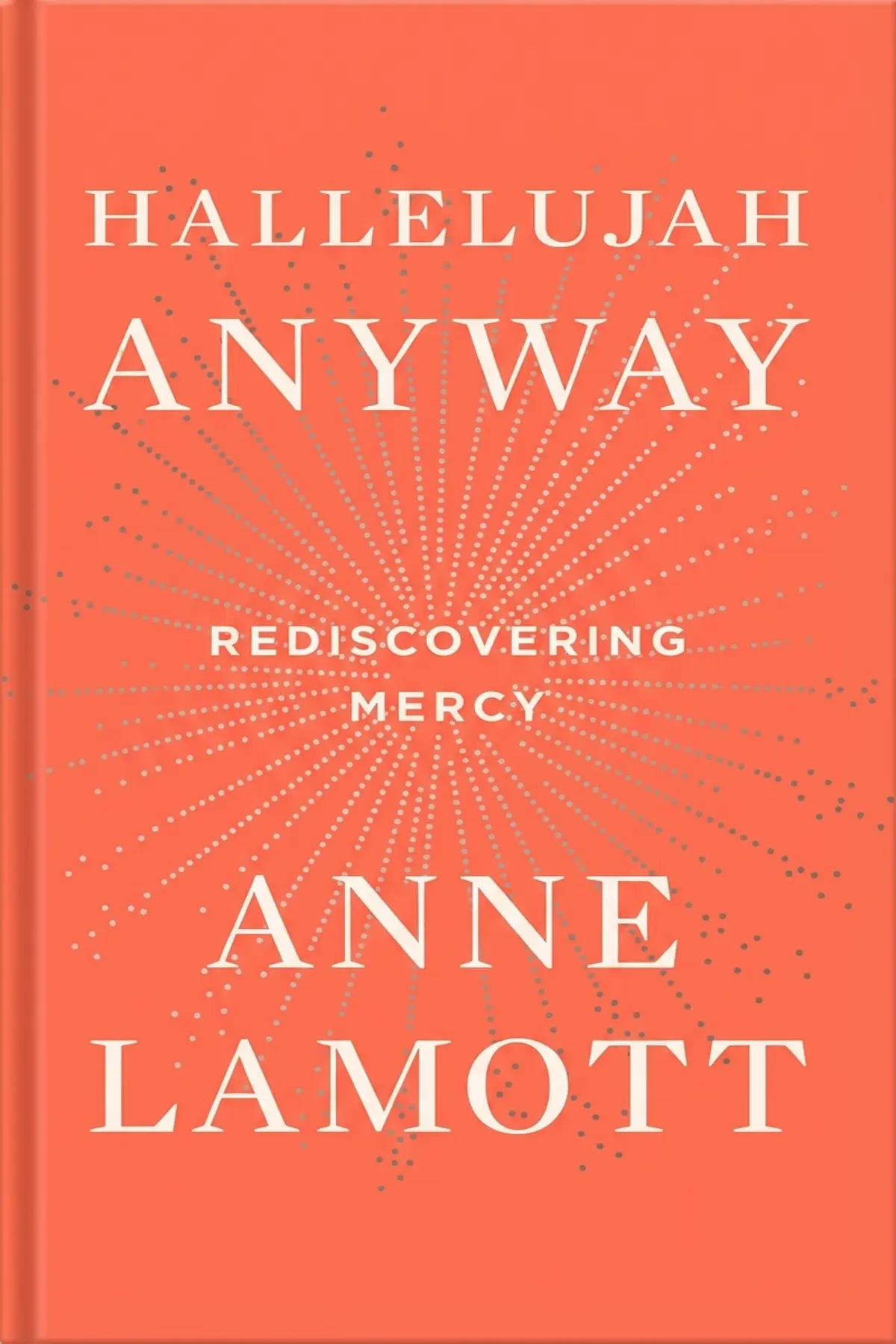
Table of Content
1. Introduction
1 min 41 sec
In a world that often feels like it’s spinning out of control, many of us find ourselves searching for a lifeline. We look at our lives—the mistakes we’ve made, the relationships that have frayed, and the heavy weight of our own expectations—and we feel a sense of profound exhaustion. It can seem as though finding a path back to a meaningful, joyful existence is an impossible task. We wonder if we have drifted too far from the person we were meant to be. But what if the answer isn’t about working harder or being better, but about something much softer and more profound? What if the way forward is paved with mercy?
This is the central invitation we are exploring today: the idea that we can move from confusion and despair into a state of radical kindness. This isn’t about a surface-level politeness or a simple act of charity. Instead, it’s about a deep, transformative mercy that extends to both our own wounded selves and to the people around us who might also be struggling. It is a way of looking at the mess of life and finding the courage to say ‘Hallelujah anyway.’
Throughout this journey, we will look at how we can reclaim the humility we were born with and why society often makes that so difficult. We will examine the ways our pasts have shaped us and how we might begin to unfold the tightly bundled defenses we’ve built over the years. We’ll talk about why more ‘stuff’ never fills the void and how we can find true consolation in the middle of our darkest hours. Ultimately, the goal is to discover how a life lived with an open heart—even when that heart is breaking—can lead us back to a place of genuine connection and peace. It’s about learning to breathe again and finding the grace that exists in the here and now.
2. The Elusive Path of Humility
2 min 12 sec
True mercy begins with a humble heart, yet modern life often trains us to prioritize fame and self-protection over quiet kindness.
3. Recovering the Lost Language of Happiness
2 min 19 sec
Childhood struggles often bury our capacity for joy, but reaching back into our memories can help us find the keys to our current happiness.
4. The Courage to Unfold
2 min 14 sec
We often coil ourselves tightly to meet the expectations of others, but true mercy requires us to accept our flaws and begin to let go.
5. Beyond the Distraction of More
2 min 20 sec
Material things often serve as a smokescreen for our inner pain, but true peace comes from facing the difficult realities of life with an open heart.
6. The Necessity of Shared Grief
2 min 03 sec
Faith doesn’t protect us from despair, but having others who are willing to weep with us provides the consolation we need to heal.
7. Rediscovering the Rule of Love
2 min 08 sec
By adopting a childlike perspective and living in the present, we can move past our fears and appreciate the abundance that surrounds us.
8. The Quiet Work of Time and Acceptance
2 min 20 sec
Mercy isn’t an instant fix; it’s a gradual healing process that requires us to stop fighting the chaos of life.
9. Finding Teachers in the Shadows
2 min 21 sec
Unexpected shortcuts to mercy can be found in life’s hardest trials or through the guidance of those who lead with quiet grace.
10. Conclusion
1 min 55 sec
As we come to the end of this journey through the landscape of mercy, it’s worth reflecting on the central throughline that connects all these ideas. Life is undeniably difficult, often chaotic, and frequently unfair. We are all carrying wounds from the past and weights from the present. However, the path to a meaningful life isn’t found by escaping this reality, but by leaning into it with a spirit of ‘Hallelujah anyway.’
We’ve seen that mercy is not a destination we reach by being perfect, but a practice of being kind to ourselves in our imperfection. It involves reclaiming the humility of our childhood, unfolding the defenses we’ve built to protect ourselves, and letting go of the material distractions that promise happiness but deliver only clutter. We’ve learned that grief shared is grief halved, and that by living in the present moment, we can tap into a reservoir of gratitude that we often ignore.
True inner freedom comes when we stop fighting the world and start accepting it, recognizing that even our deepest trials can be the very things that crack our hearts open to let the light in. Whether it’s through the slow passage of time or the sudden perspective shift of a difficult diagnosis, the goal remains the same: to find a way back to love.
As you move back into your daily life, try to carry this radical kindness with you. It doesn’t have to be a grand gesture. It can be as simple as practicing a random act of kindness for someone who usually gets on your nerves. When you encounter someone whose views or temperament frustrate you, try to remember that they are likely navigating their own hidden pain and seeking the same mercy you are. By offering empathy instead of judgment, you don’t just help them—you transform yourself. Mercy is a choice we make over and over again, and it is the only choice that truly allows us to find peace in a broken world.
About this book
What is this book about?
Hallelujah Anyway is a deep dive into the spiritual and emotional landscape of mercy. It addresses the universal struggle of feeling inadequate or overwhelmed by life's inherent messiness. Rather than offering a quick fix or a shallow set of instructions, it proposes a profound shift in perspective—one rooted in kindness toward oneself and others. The book explores how childhood experiences, societal pressures, and the pursuit of material wealth often distract us from the simple, humbler truths that lead to genuine peace. Through a series of reflections on faith, humanity, and the natural world, the text promises a roadmap back to a state of grace. It emphasizes that mercy is not just a nice sentiment but a radical, active force that can mend broken relationships and soothe personal despair. By learning to accept our flaws and reconnect with a childlike sense of wonder, we can find the strength to say 'Hallelujah' regardless of our circumstances. It is a call to slow down, breathe, and recognize the abundance of love already surrounding us.
Book Information
About the Author
Anne Lamott
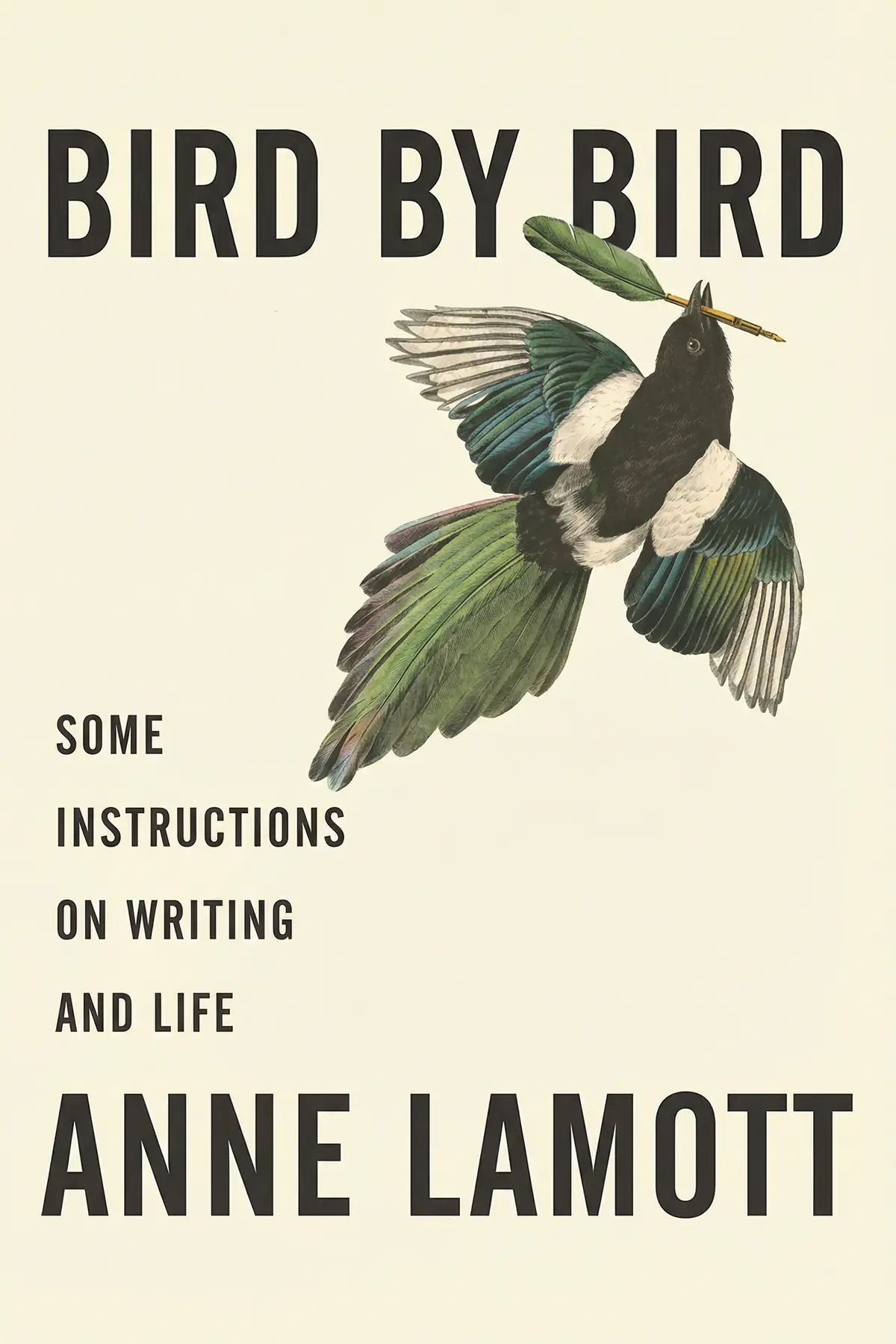
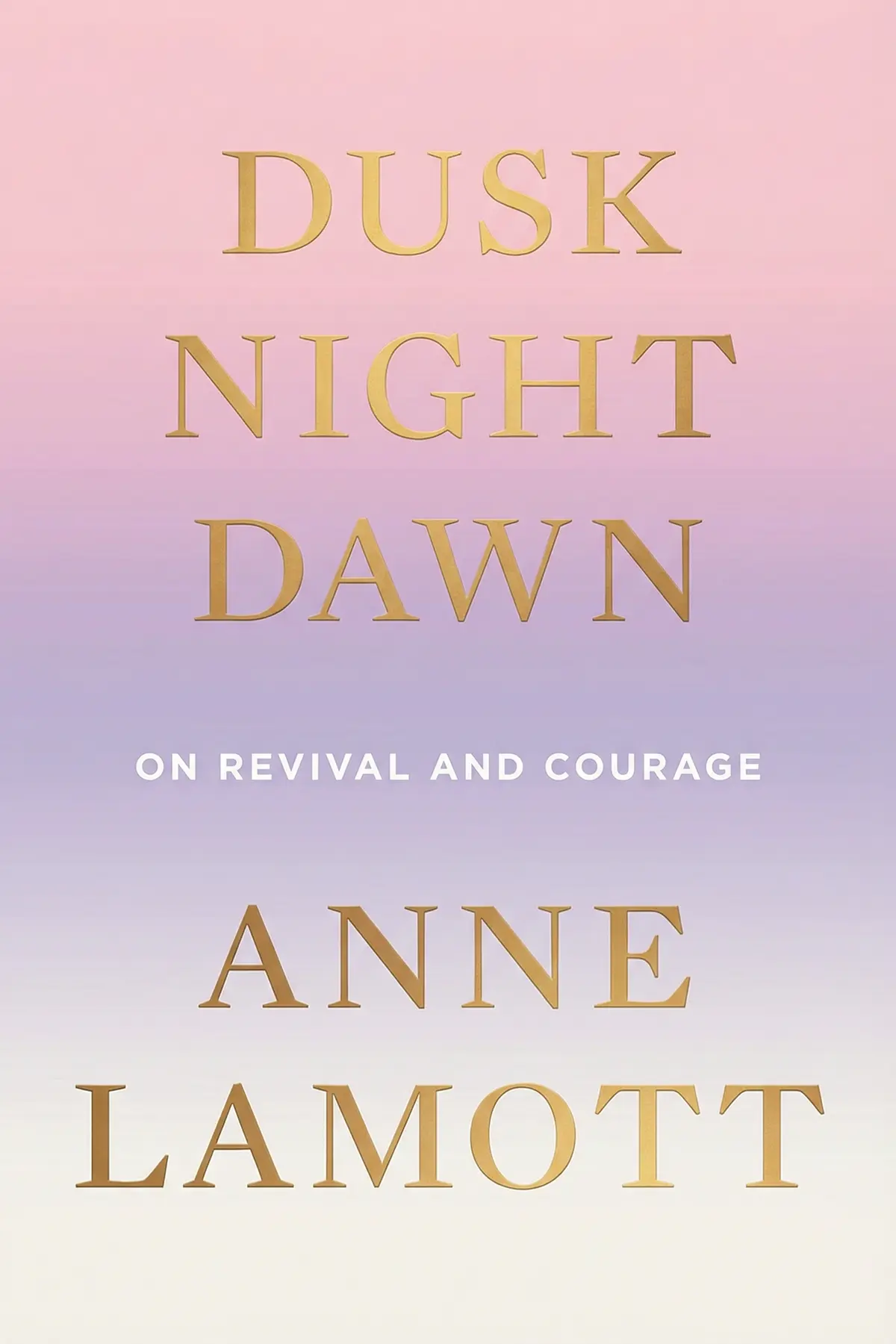
Anne Lamott is a California native and a winner of the 1985 Guggenheim Fellowship. Her many bestselling books include works of fiction and nonfiction, and some are considered modern classics, such as Bird by Bird: Some Instructions on Writing and Life and the novel Crooked Little Heart.
Ratings & Reviews
Ratings at a glance
What people think
Listeners find this work both spiritually deep and accessible, with one listener noting the way it turns ordinary life dramas into moments of spiritual awakening. The writing style receives favorable marks; one listener points to the author's trademark vulnerability, while others enjoy the humor and relatable stories. Listeners value the writer's sincerity and consider the book a fast, pleasant read. Opinions on the pacing are split, as some find the flow engaging while others characterize it as rambling.
Top reviews
Ava
Wow. This was exactly what my soul needed this week. Personally, I think this might be some of the most profound wisdom Lamott has ever shared. She doesn't offer easy answers or religious jargon; instead, she gives us raw, unfiltered honesty about how hard it is to be a human being. The way she defines mercy—as something radical and undeserved—really hit home for me. It’s about accepting the 'great big mess' of ourselves and others without the need to fix everything immediately. I’ve been struggling with some old resentments, and her words about how we only hurt ourselves by holding onto anger were a necessary wake-up call. It's a short book, but I found myself underlining something on almost every page. Highly recommended for anyone who feels a bit battered by the world right now and needs a reminder that they are still worthy of love.
Show moreJoshua
The world is currently such a loud, angry place that reading these pages felt like a cooling balm for a fevered mind. Lamott’s central message is simple: mercy is the only thing that actually works. Whether she’s talking about the tragedy of suicide or the simple act of listening to a friend, she reminds us that connection is our greatest prize. I loved the quote about how mercy 'blocks the terror' and allows us to breathe again. It’s a quick, enjoyable read that manages to be both funny and devastatingly sad. Not gonna lie, I teared up during the section on the funeral. She captures the complexity of grief and faith in a way that very few authors can. This is a book I’ll be gifting to several friends this year who are going through their own personal storms.
Show moreJong
Finally got around to reading this during a particularly rough month, and I'm so glad I did. Lamott’s honesty is such a gift. She talks about 'bad brain' and mental health in a way that feels incredibly relatable to those of us who have lived it, even if her phrasing is a bit unorthodox. To me, this book is about the miracle of apology and the relief of being seen in all our brokenness. It’s funny, biting, and incredibly wise. I particularly loved the Japan stories and the way she explores the idea of 'sneaky grace' entering our lives when we least expect it. It’s not a long book, but the impact it had on my perspective was huge. In a world that demands perfection, she offers us the permission to be flawed and still shout hallelujah. Hallelujah, indeed.
Show moreYaowaluk
Anne Lamott has this uncanny ability to make you feel like you're sitting at her kitchen table sharing a bowl of ice cream while she tells you the most embarrassing things about herself. This book is a masterclass in 'sneaky grace,' showing how kindness can slip past our armor when we finally stop trying to be perfect. I loved the story about the disagreement with her son; it was a refreshing reminder that even the most 'enlightened' among us struggle with pride and the need to be right. While some parts of the narrative felt a little thin, her insights on how mercy protects us like a cloak were beautiful. It’s a great reminder that life is a mess, but we can say 'hallelujah anyway' because love is still present in the muck even when we are failing to be our best selves.
Show moreKae
After hearing so much about her 'signature vulnerability,' I finally dove into this short volume on mercy. Look, it isn't a traditional theological treatise, and if you're looking for academic rigor, you'll be disappointed. But if you want a book that speaks to the heart, this is it. Lamott transforms the mundane—like an argument about a comment she made or a trip to a funeral—into something holy. I appreciated her willingness to admit that she doesn't always have it together. The pacing can be a bit slow in the middle, and she does ramble, but that’s part of the charm. It feels like a real conversation. It’s a book for those of us who are tired of being 'good' and just want to be real. Her humor keeps the heavier topics from becoming too much to handle, though I wish there was more of it.
Show moreOscar
Ever wonder why it's so much harder to forgive yourself than to forgive a stranger? This book dives deep into that struggle with all the humor and vulnerability I've come to expect from Anne Lamott. While I'll admit the layout is a bit weird—it really is a very short book disguised as a longer one through some clever editing—the quality of the insights makes up for the lack of quantity. She has a way of sanding down the sharp edges of life with her wit. I appreciated that she doesn't pretend that being kind is easy; she admits she fails at it constantly. That kind of honesty is rare in spiritual nonfiction. It’s a quick read, but one that lingers in your mind long after you finish the last chapter. It reminds us that mercy isn't just a feeling; it's a practice.
Show morePranee
Picked this up because the title promised a sense of hope I desperately needed during a rough patch. Truth is, it’s a bit of a mixed bag. On one hand, Lamott’s writing is undeniably approachable; she has a way of turning everyday dramas into spiritual awakenings that feels very grounding. On the other hand, the book is incredibly rambling. I often found myself rereading paragraphs just to figure out how the author got from point A to point B. One minute she’s talking about an expensive sweater she wants to buy, and the next she's diving into the theology of the cross. It’s a quick read, and fans of her specific style of vulnerability will likely find enough gems to make it worth their time, but it lacks the punch of her earlier work. A nice, light read, but not her best.
Show morePloy
Is it her best work? Probably not. Is it still worth reading? Yeah, mostly. To be fair, if you’ve read everything else she’s written, you might find this a little redundant. It feels like a 'greatest hits' collection of her usual themes: grace, recovery, and the absurdity of being alive. The writing is witty and tender, but the structure is loose—almost to a fault. I enjoyed the personal anecdotes, particularly the ones involving her son, but I wanted more of them and fewer generalities about 'us' and 'we.' It's a bit scattered, but Lamott’s voice is so distinct that it carries you through the weaker sections. It’s a thoughtful book about compassion, even if it feels like it could have used one more round of editing to tighten the focus. Plus, referencing that Candi Staton song was a nice touch.
Show morePia
As a longtime fan of Lamott, it hurts to say that this one missed the mark for me. While I usually adore her signature blend of humor and grit, this volume felt scattered and, frankly, a bit lazy. Many of the anecdotes about her family and her recovery felt recycled from her previous memoirs, and the central theme of 'mercy' never quite coalesced into a meaningful argument. I also found myself deeply uncomfortable with the way she describes mental illness as 'bad brain' and her insensitive portrayal of a 'common' alcoholic as someone not housebroken. It felt elitist and out of touch with the very people she claims to advocate for. There are brief moments where her brilliance shines through—like the chapter on her trip to Japan—but they are few and far into the background of a book that feels rushed and repetitive.
Show moreTakeshi
Maybe it’s just me, but I found this collection of essays to be incredibly frustrating. I came looking for a deep theological exploration of mercy, but instead, I got a series of thin platitudes that felt more like a social media feed than a published book. To be fair, the formatting makes it look substantial, but the double-spacing and wide margins hide the fact that there isn’t much content here—maybe 50 pages of actual text. The author's frequent jabs at men and her dismissive tone toward those who disagree with her specific brand of spirituality felt abrasive rather than enlightened. I was especially bothered by her take on Jesus, which seemed to strip away anything sacred in favor of a comfortable, self-serving narrative. It felt less like a book about divine forgiveness and more like a manifesto on feeling good about your own flaws without any real accountability.
Show moreReaders also enjoyed
A New Earth: Awakening to Your Life’s Purpose
Eckhart Tolle
A Return to Love: Reflections on the Principles of a Course in Miracles
Marianne Williamson
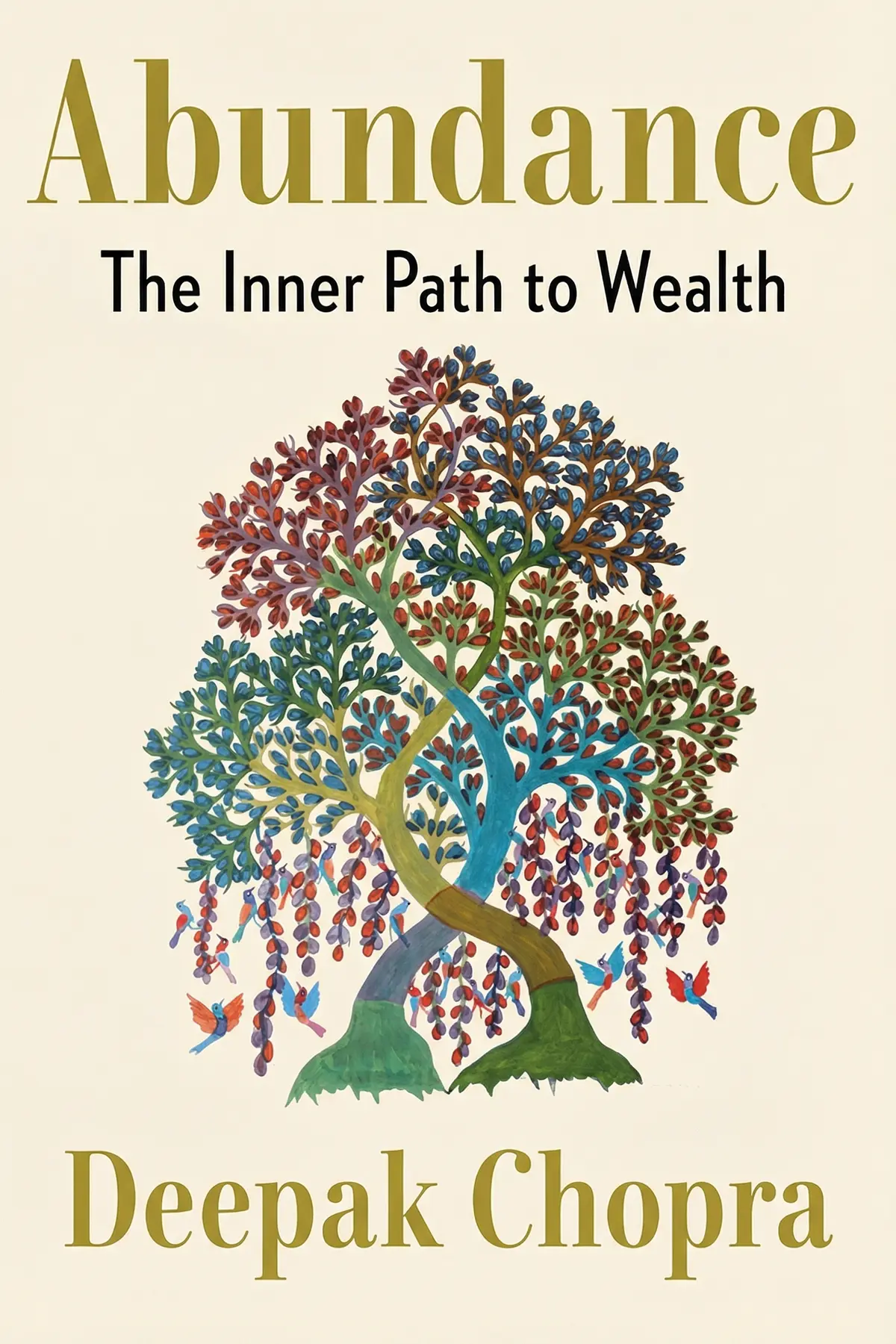
Abundance: The Inner Path to Wealth
Deepak Chopra
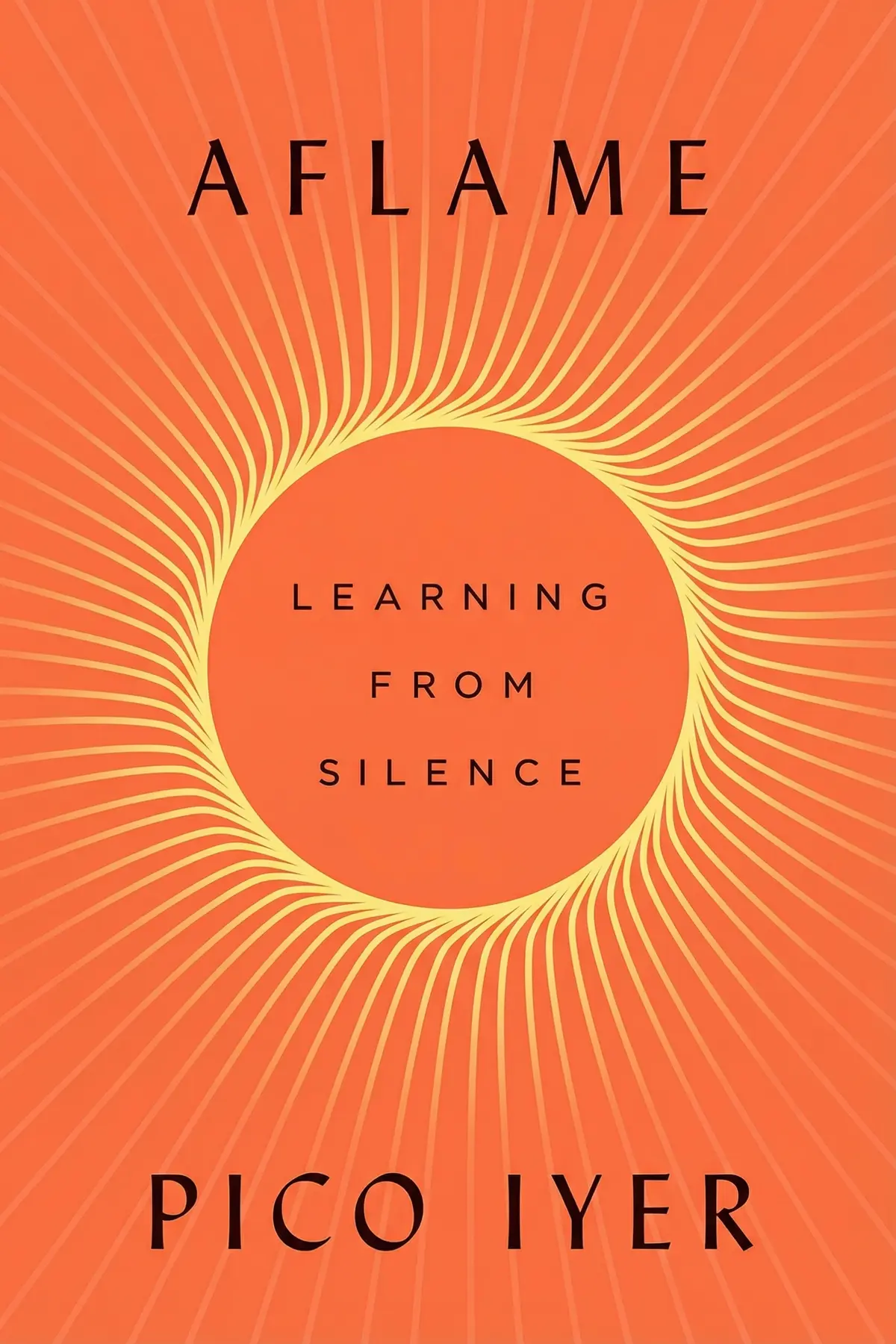
Aflame: Learning from Silence
Pico Iyer
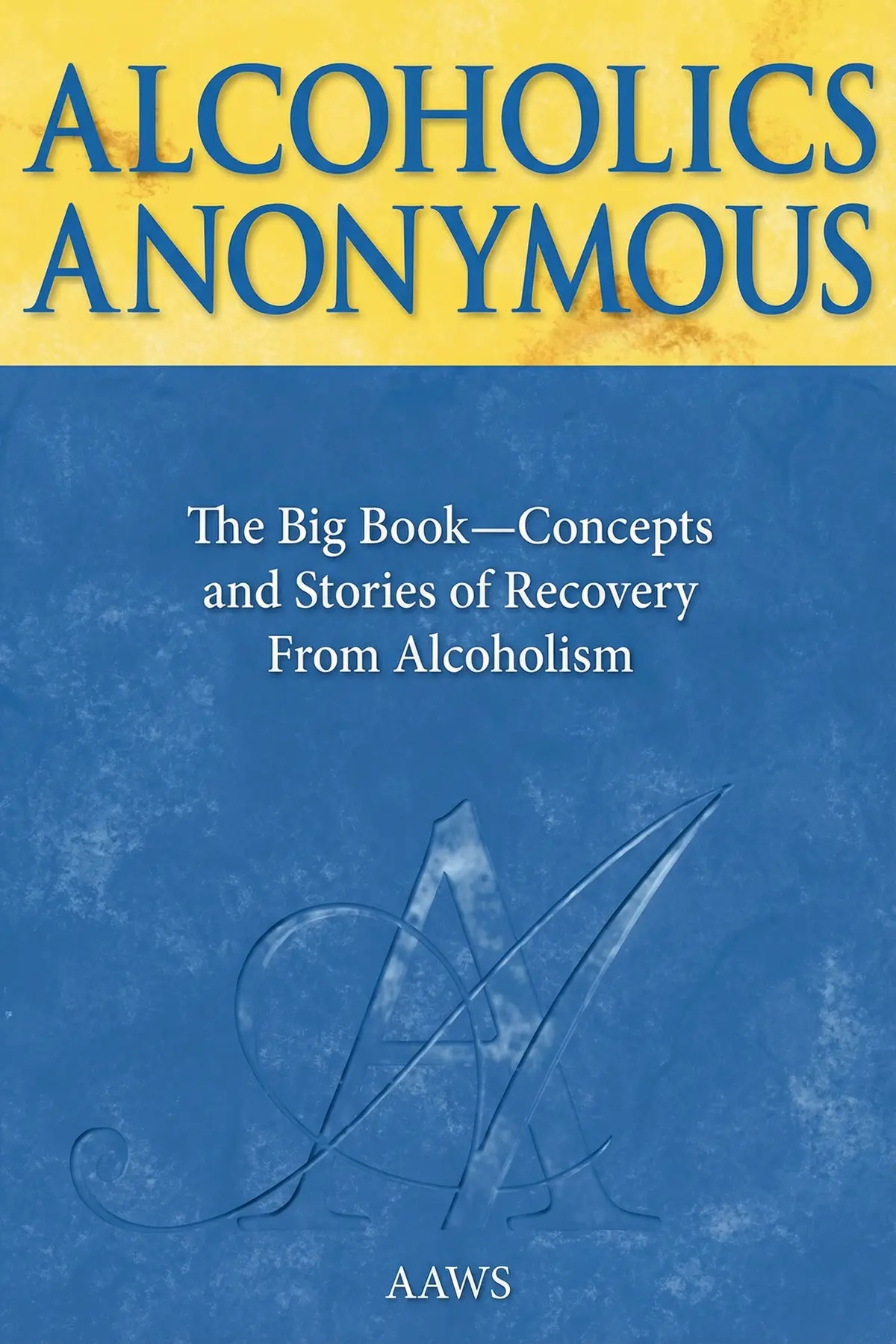
Alcoholics Anonymous
Alcoholics Anonymous World Services
A Force for Good: The Dalai Lama's Vision for Our World
Daniel Goleman

All My Knotted-Up Life: A Memoir
Beth Moore

Autobiography of a Yogi
Paramahansa Yogananda
AUDIO SUMMARY AVAILABLE
Listen to Hallelujah Anyway in 15 minutes
Get the key ideas from Hallelujah Anyway by Anne Lamott, plus 5,000+ more titles in English and Thai.
- 5,000+ titles
- Listen as much as you want
- 7-day free trial
- Cancel anytime







