

24 min 56 sec
Happy: Why More or Less Everything is Absolutely Fine
By Derren Brown
Happy challenges modern myths about positive thinking by revisiting Stoic wisdom. Learn to find lasting contentment by separating what you can control from what you cannot in an unpredictable world.
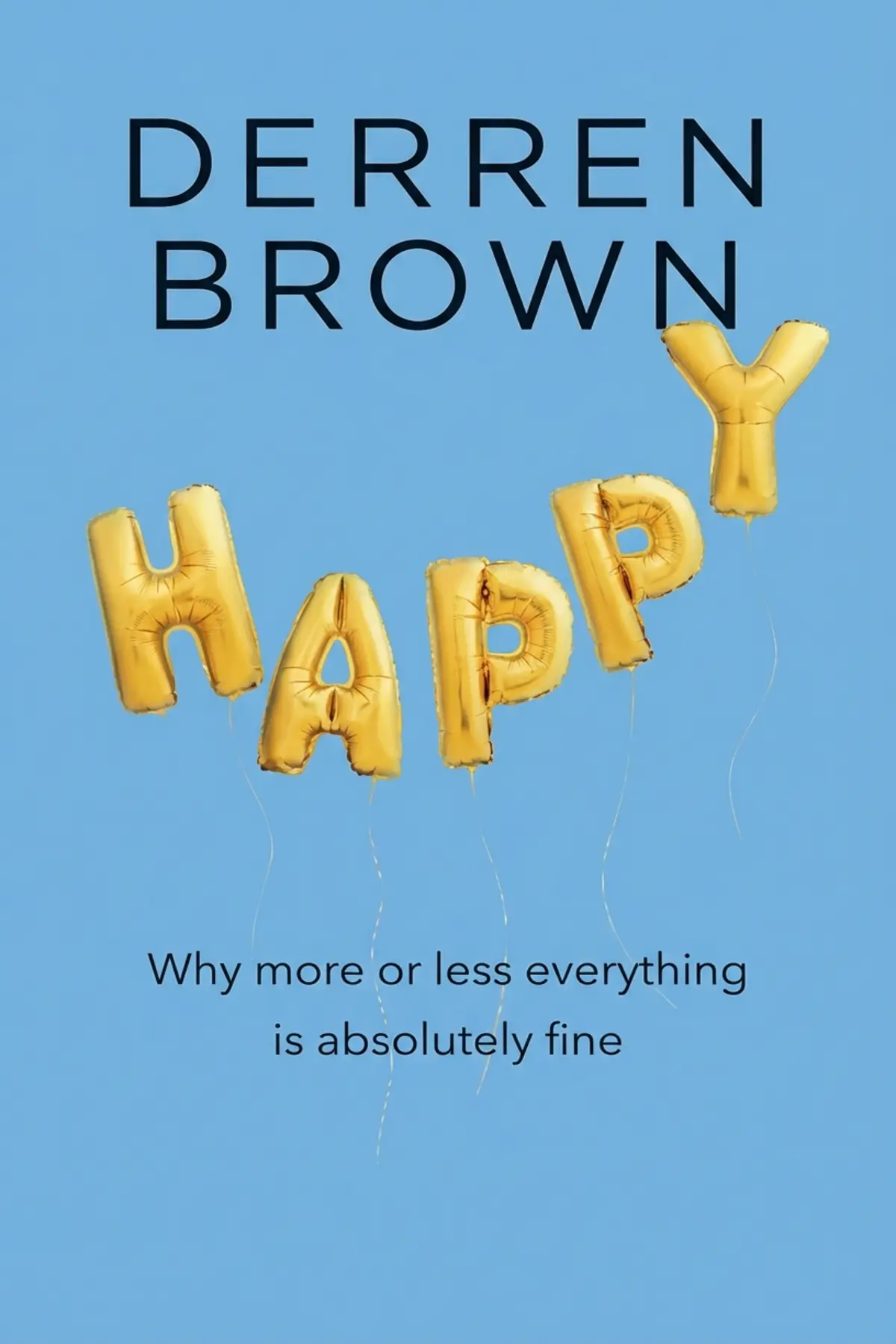
Table of Content
1. Introduction
2 min 05 sec
In the ancient world, philosophers often had a reputation for being somewhat out of touch. There’s an old Greek joke about a philosopher who was so busy staring at the stars and contemplating the mysteries of the universe that he walked right into a well. This image of the ‘absent-minded professor’ suggests that philosophy is a luxury for those who don’t have to deal with the grit and grime of real life. But if you look at the Stoics, a group of thinkers from Greece and Rome, you’ll find the exact opposite. For them, philosophy wasn’t about abstract theories or celestial mechanics; it was a survival manual for the everyday person. It was a practical, down-to-earth guide on one specific, vital question: How can we lead a happy life?
The Stoics didn’t promise wealth, fame, or the absence of pain. In fact, they lived through wars, plagues, and political upheavals. Instead, they offered a radical insight that is just as powerful today as it was two millennia ago. They argued that our misery doesn’t come from the world around us, but from our internal reaction to it. The happiest people aren’t those who have the best luck, but those who have learned to stop wasting their energy on things they simply cannot influence.
In this exploration of Derren Brown’s insights, we are going to look at how these ancient ideas can serve as an antidote to the stresses of the modern age. We live in a world of social media comparisons, relentless consumerism, and a ‘positive thinking’ culture that often makes us feel like failures if we aren’t constantly smiling. By revisiting the wisdom of thinkers like Epictetus, Marcus Aurelius, and Epicurus, we can discover a more robust, stable form of contentment.
We’ll explore why chasing the next big purchase is a losing game and how to reclaim your peace of mind when a colleague gets the promotion you wanted. We’ll look at the mechanics of anger and why our ‘stories’ about life are often the source of our pain. Ultimately, this isn’t about ignoring the world, but about engaging with it on your own terms. It’s about finding the throughline of your own life and realizing that, despite the chaos outside, you have the power to decide how you feel. Let’s begin this journey into a deeper, more resilient kind of happiness.
2. The Roots of Contentment
2 min 32 sec
Ancient wisdom suggests that our relationship with things is more important than the things themselves. Discover why a simple life can be more rewarding than one filled with luxury.
3. Mastering the Internal Narrative
2 min 49 sec
External events don’t dictate your emotions; your interpretation of them does. Explore how a Roman Emperor used this insight to maintain peace during times of war.
4. The Freedom of Letting Go
2 min 40 sec
True liberation comes from distinguishing between what is within your power and what is not. Learn the simple question that can end your daily frustrations.
5. Performance Over Outcome
2 min 26 sec
When we tie our self-worth to results, we set ourselves up for failure. Discover how to find satisfaction in the process, regardless of the prize.
6. The Power of Paying Attention
2 min 30 sec
Over-analyzing the hidden motives of others is a recipe for anxiety. Learn how to trust first impressions and stay grounded in the present moment.
7. The Poison of Anger
2 min 31 sec
Anger is often seen as a sign of strength, but the Stoics saw it as a temporary madness. Discover why the ‘red mist’ is the greatest threat to what we value most.
8. Cooling the Fire
2 min 31 sec
Learn practical techniques to defuse your temper before it takes over. Discover how to identify the hidden fears that drive our most heated reactions.
9. The Digital Sanctuary
2 min 54 sec
Curiosity often leads to conflict and anxiety. Explore why modern technology makes it harder to be a Stoic and how to reclaim your digital peace.
10. Conclusion
1 min 58 sec
As we wrap up this exploration of a Stoic approach to happiness, it all comes back to a single, powerful shift in focus. We often spend our lives looking outward, waiting for the world to provide us with the right circumstances to finally feel good. We wait for the right partner, the right amount of money, or the right recognition. But as the Stoics taught us, that is a recipe for a life of perpetual anxiety, because the world is fundamentally unpredictable.
Real happiness—the kind that doesn’t evaporate when things go wrong—is found by looking inward. It’s about realizing that while you are not the master of the world, you are the master of your own mind. You have the power to decide which stories you tell yourself, which emotions you allow to take root, and where you choose to spend your attention. By separating the things you can control from those you cannot, you stop fighting the waves and start learning how to sail.
The throughline of this journey is that more or less everything is absolutely fine, provided you don’t demand it to be perfect. When you stop obsessing over outcomes and start focusing on your own performance and character, you become resilient. You can handle the rude waiter, the forgotten birthday, or the missed promotion, because your sense of self-worth isn’t tied to those external events.
As an actionable step, try starting your day with a moment of Stoic reflection. Before you dive into the chaos of emails, chores, and news, take a minute to think about the day ahead. Anticipate the things that might go wrong—the traffic jam, the difficult client, the rainy weather. Remind yourself that these things are out of your hands. Decide, right then, that you won’t let them disturb your inner peace. Focus instead on how you want to *act* in response to those challenges. If you make this a daily habit, you’ll find that the world hasn’t changed, but your experience of it has. You’ll find yourself moving through life with a calm, steady sense of contentment, knowing that whatever happens, you have the internal tools to handle it. Happiness isn’t something you find; it’s something you practice.
About this book
What is this book about?
Happy explores the intersection of ancient philosophy and modern psychology to redefine our understanding of a good life. Derren Brown argues that our contemporary obsession with positivity and material success often leads to more anxiety than fulfillment. By looking back at the teachings of the Stoics and Epicureans, the book offers a practical framework for navigating the pressures of the twenty-first century. The promise of this work is a shift in perspective. Instead of trying to force the world to bend to our will, we can learn to manage our internal reactions to external events. Through concepts like the dichotomy of control and the practice of self-awareness, the book provides tools to mitigate anger, reduce the stress of consumerism, and find a steady sense of tranquility that isn't dependent on luck or the approval of others.
Book Information
About the Author
Derren Brown
Derren Brown is a writer and television presenter best known for his 2000 series Mind Control, a fascinating and occasionally unnerving exploration of psychological manipulation. Brown is also the author of Tricks of the Mind and Confessions of a Conjurer.
Ratings & Reviews
Ratings at a glance
What people think
Listeners find this work deeply perceptive, especially valuing how it examines Stoic philosophy and its practical use in achieving fulfillment. Many call the writing engaging, original, and clear, and one listener highlights the inclusion of introspective exercises. This thoroughly researched guide offers a transformative experience, assisting people in reducing stress and reframing their outlook on personal obstacles.
Top reviews
Noppadol
Wow. This isn't your typical 'think positive' rubbish that usually fills the self-help shelves. Derren Brown has crafted a brilliant, grounded guide to Stoicism that actually feels applicable to the modern world. Instead of promising that the universe will provide if you just manifest hard enough, he explains that most of our misery comes from trying to control things we simply can't. The concept that our external circumstances are 'preferred indifferents' was a total game-changer for my anxiety. I finally understand that the glass in my mouth is just sugar glass—it only cuts if I let it. This book is dense and requires some actual brain power, but it’s remarkably life-changing if you’re willing to put in the work. It’s refreshing to hear from someone who doesn't claim to be a guru but just wants us to be a little less miserable.
Show moreTim
As someone who has struggled with the toxic positivity of the New Age movement for years, this was a breath of fresh air. Brown dismantles the 'law of attraction' nonsense with surgical precision and replaces it with something far more durable: Stoicism. The way he explains how we arrange our lives to let events reinforce old, negative fables about ourselves was eye-opening. We are the authors of our own misery because of the stories we insist on telling. I found the exercises for self-reflection to be practical rather than fluffy. It’s well-researched, deeply thoughtful, and surprisingly moving toward the end when he discusses death and the 'memento mori' concept. If you want a book that treats you like an adult with a brain, this is the one. It’s the only self-help book you actually need to read.
Show moreClaire
Ever wonder why the things we think will make us happy usually leave us feeling empty? This book answers that question by stripping away the commercialized version of happiness we’ve been sold. Derren Brown uses his background in psychology and mentalism to show how easily we are fooled by our own expectations. The section on the 'stage door' girl and the scripts our parents hand us was incredibly profound. I found myself highlighting entire pages. It’s a meaty, challenging read that doesn't offer easy answers, but it offers something better: a way to be resilient. Frankly, it’s the most honest book on human nature I’ve read in a long time. It helped me realize that most of my daily stresses are entirely optional. Life-changing stuff.
Show moreWit
Personally, I found the section on death and 'memento mori' to be the most profound part of the whole experience. It sounds morbid, but Brown explains how embracing our mortality is actually the key to living a vibrant, present life. The writing is sophisticated and elegant, though I can see why some might find it a bit wordy. For me, the complexity was part of the charm. It felt like a deep conversation with a very intelligent friend who isn't afraid to tell you the hard truths. The way he links ancient Greek philosophy to our current obsession with career success and status is masterful. It has genuinely helped me step back from the rat race and focus on what I can actually control: my own reactions. Absolutely brilliant.
Show moreLiam
I've been a fan of Derren's mentalism for years, so I expected some tricks, but this is a serious philosophical work. It is remarkably well-researched and avoids all the usual clichés of the self-help genre. Instead of telling you to reach for the stars, he suggests you might be happier just looking at the pavement and realizing you’re not currently falling. That might sound bleak, but it’s actually incredibly liberating. The focus on Stoicism provides a solid foundation for dealing with the 'slings and arrows' of life without losing your mind. It’s a long journey of a book, and yes, some of the vocabulary is a bit much, but the payoff is a much calmer state of mind. Everything is more or less fine.
Show moreDylan
After hearing Derren speak about this on a podcast, I decided to dive in, and I’m glad I did. This isn't a book about being 'happy' in the bubbly, manic sense; it's about finding a quiet, robust baseline where you’re more or less absolutely fine. He does a fantastic job of taking ancient thinkers like Epictetus and making their advice feel relevant to someone scrolling through Instagram in 2024. My only gripe is that it occasionally feels written from a place of significant privilege. It’s easy to say external events shouldn't bother you when you aren't worrying about the rent, though he does acknowledge the Stoic roots in slavery. Look, it’s a heavy read that demands your full attention, but the shift in perspective regarding how we tell stories about our own lives is worth the price of admission.
Show moreLars
Finally got around to finishing this beast of a book. It’s a fascinating deep dive into why we’re so bad at being content. Derren’s central argument—that we need to balance our desires with reality—is simple, yet he explores it with such nuance that you can't help but re-evaluate your entire life. I especially appreciated the sections on how we view our past. The idea that we 'join the dots' to create a narrative where we are either the hero or the victim is so true it hurts. My only real complaint is the verbosity. Sometimes it felt like he was using five obscure words when one simple one would do, which might alienate some readers. Still, the message is powerful. It’s a great introduction to philosophy for people who want to lower their daily anxiety levels and live more intentionally.
Show moreLek
The chapter on celebrity felt a bit out of place for me, truth be told. I’ve followed Derren’s career for years, but this book was a bit of a slog in places. While the core message about Stoic philosophy and managing our internal narrative is vital, the delivery is incredibly wordy. It felt like I needed a dictionary on standby for every other sentence, which made the reading experience feel more like an academic chore than a journey toward happiness. To be fair, there are some absolute nuggets of wisdom buried in here, particularly regarding how we shouldn't hand over our life force to people who hurt us in the past. However, the editor really should have trimmed the fat. It’s a 500-page book that probably could have been 250 pages without losing the heart of the message. Good, but definitely not an easy beach read.
Show moreMalee
Look, there is a lot of wisdom here, but you have to dig through mountains of guff to find it. I appreciate the intellectual depth Derren brings to the table, but the repetition became grating after the third or fourth chapter. He makes a brilliant point about the 'aim' versus the 'target' in life, then proceeds to belabor that point for another thirty pages. To be fair, his take on anger and social media is spot on and very much needed in today’s climate. I just wish the tone was a bit more accessible. It’s a bit dry, reminding me of a university textbook, and it took me nearly three months to get through. If you have the patience for a long-form philosophical debate with a magician, go for it, but don't expect a quick fix.
Show morePakpoom
Not what I expected, and I found the writing style incredibly dense and frankly a bit pretentious. I really wanted to like this because I think Derren is a National Treasure, but I felt like I was back in a philosophy lecture I was failing. The discussion on the Rumyodin anagram and the sheer amount of academic jargon made me feel genuinely stupid. I struggled to connect with the idea that our past is just a story we tell ourselves, especially when living with the very real, physical weight of trauma every day. Maybe I’m just not the target audience, or maybe my brain is too 'wobbly' for this kind of rigorous logic. It felt like the book was talking down to me from a high mountain of intellectual stability. I gave up about halfway through because it was making me more anxious, not less.
Show moreReaders also enjoyed
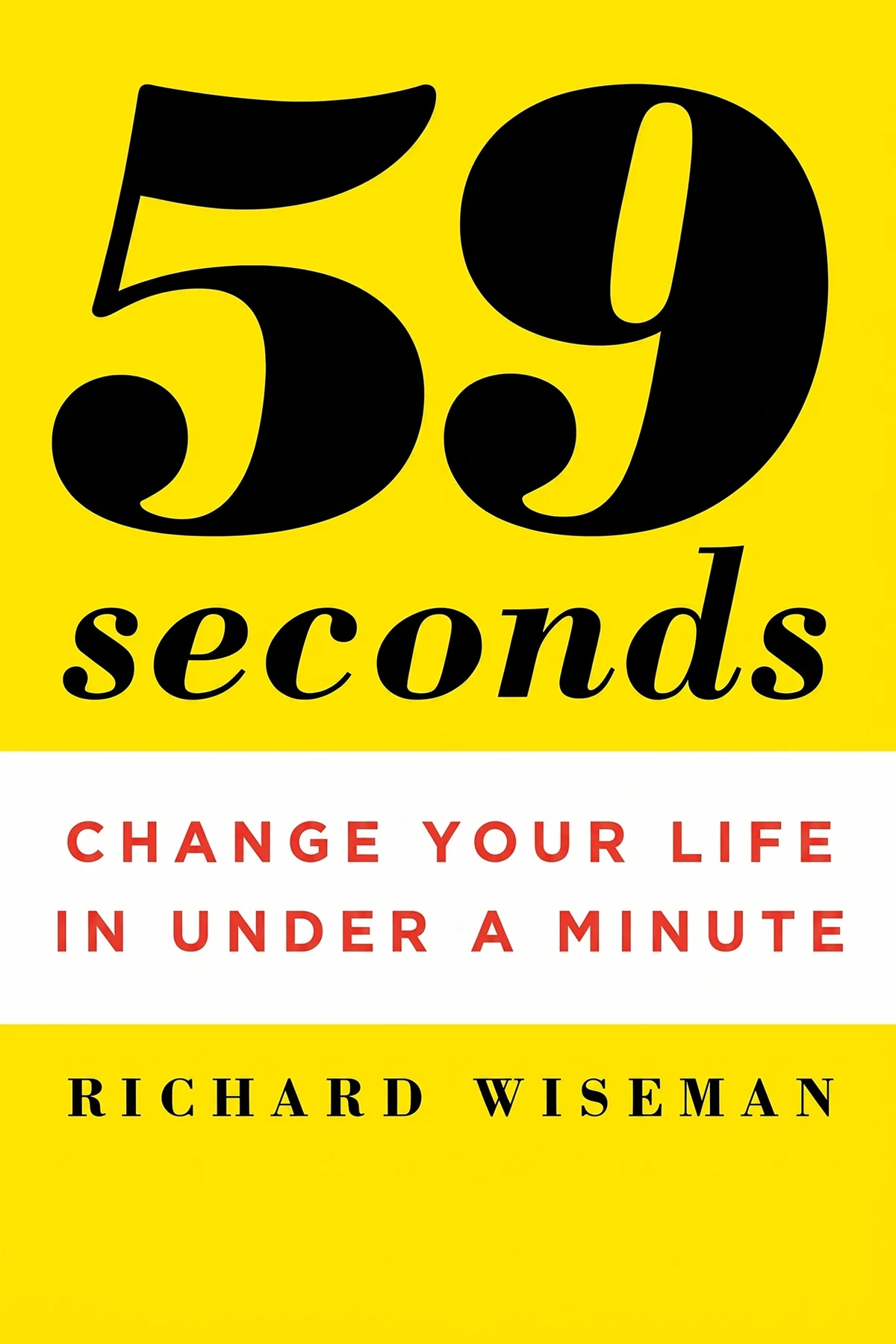
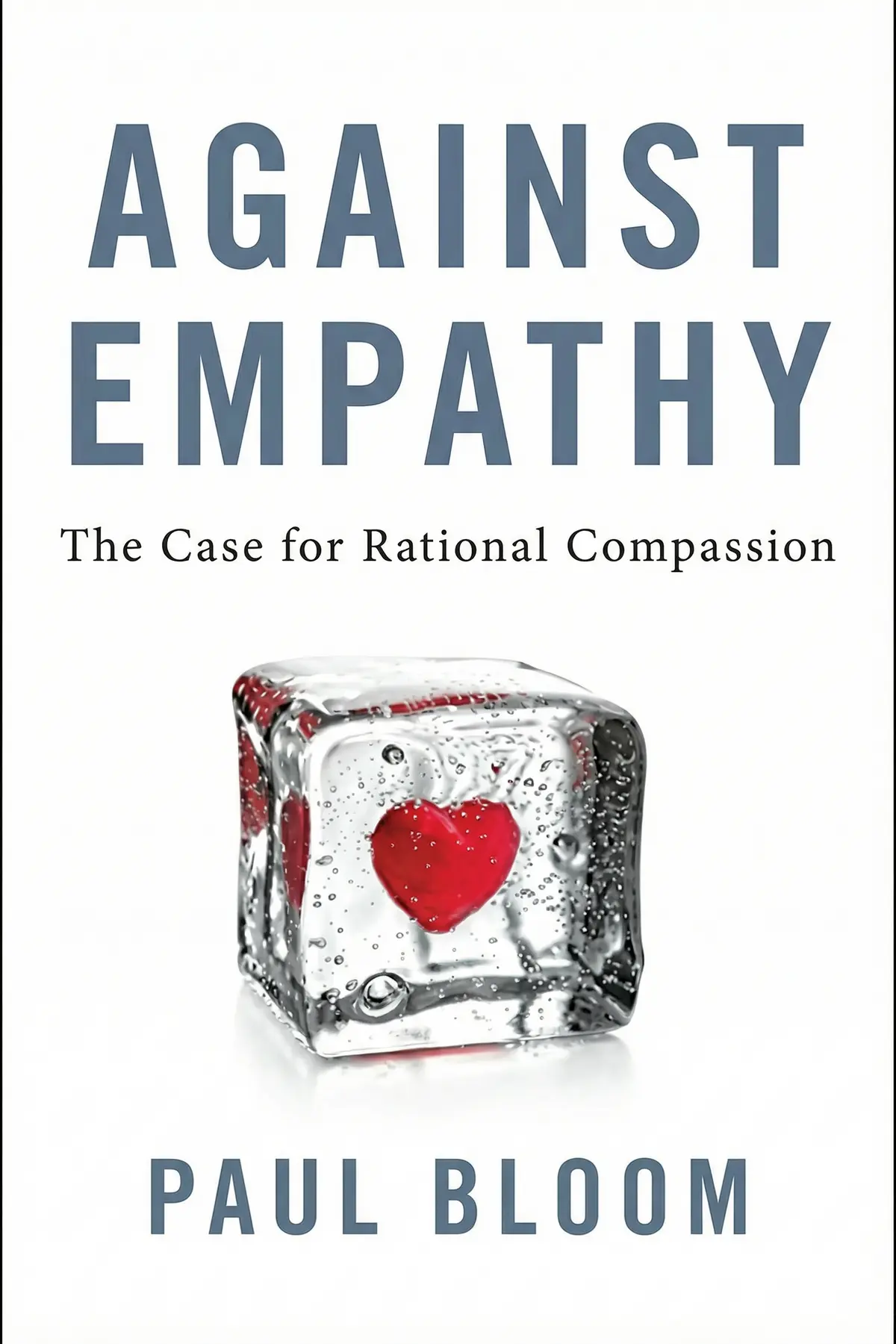
59 Seconds: Change Your Life in Under a Minute
Richard Wiseman
A Guide to the Good Life: The Ancient Art of Stoic Joy
William B. Irvine
A High-Performing Mind: Strengthen Your Mind and Live Your Best Life
Andrew D. Thompson
AUDIO SUMMARY AVAILABLE
Listen to Happy in 15 minutes
Get the key ideas from Happy by Derren Brown, plus 5,000+ more titles in English and Thai.
- 5,000+ titles
- Listen as much as you want
- 7-day free trial
- Cancel anytime







