
16 min 24 sec
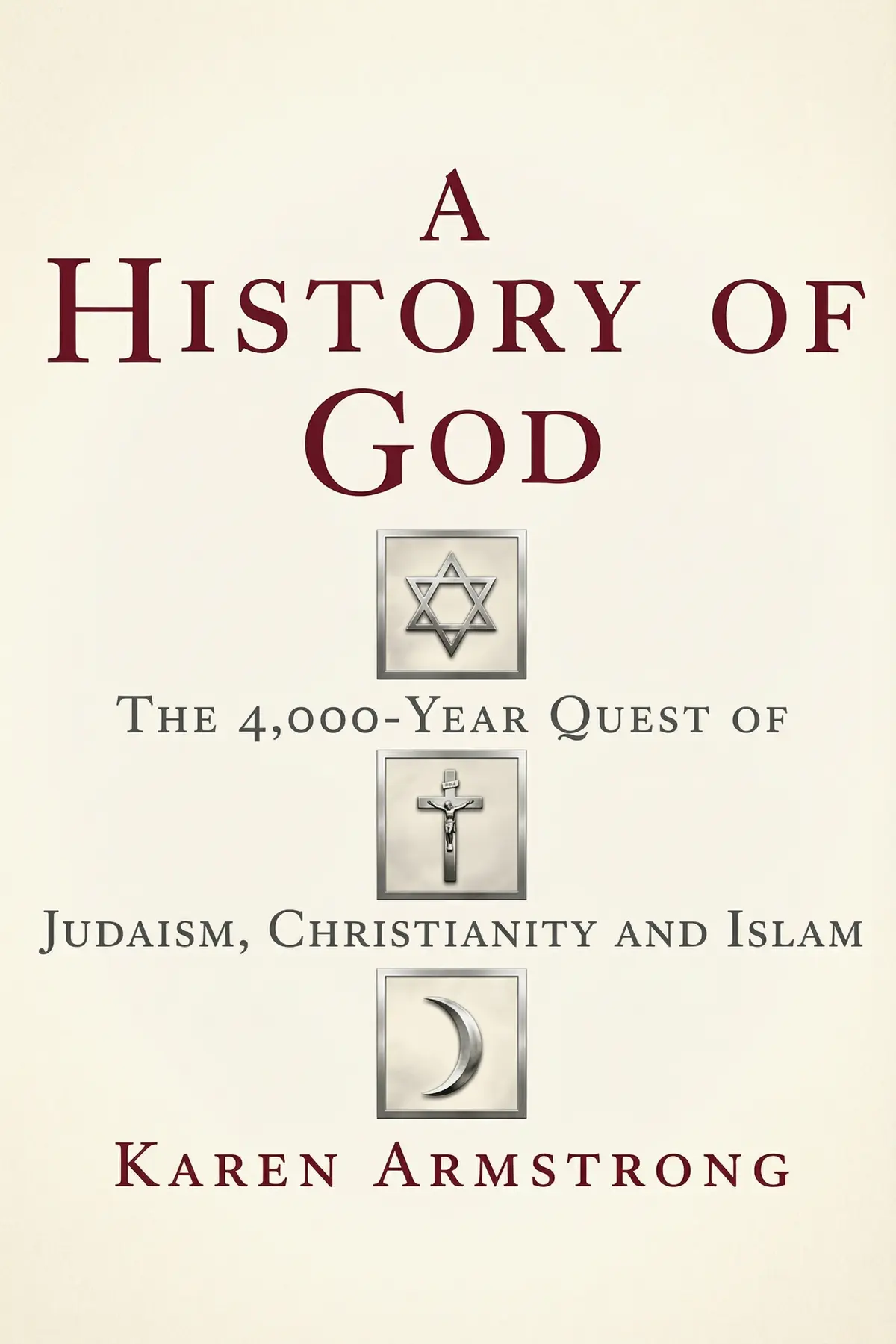
Hiroshima
By John Hersey
A haunting journalistic masterpiece documenting the lives of six people who survived the 1945 atomic bombing of Hiroshima, tracing their paths from the moment of impact through decades of recovery and reflection.
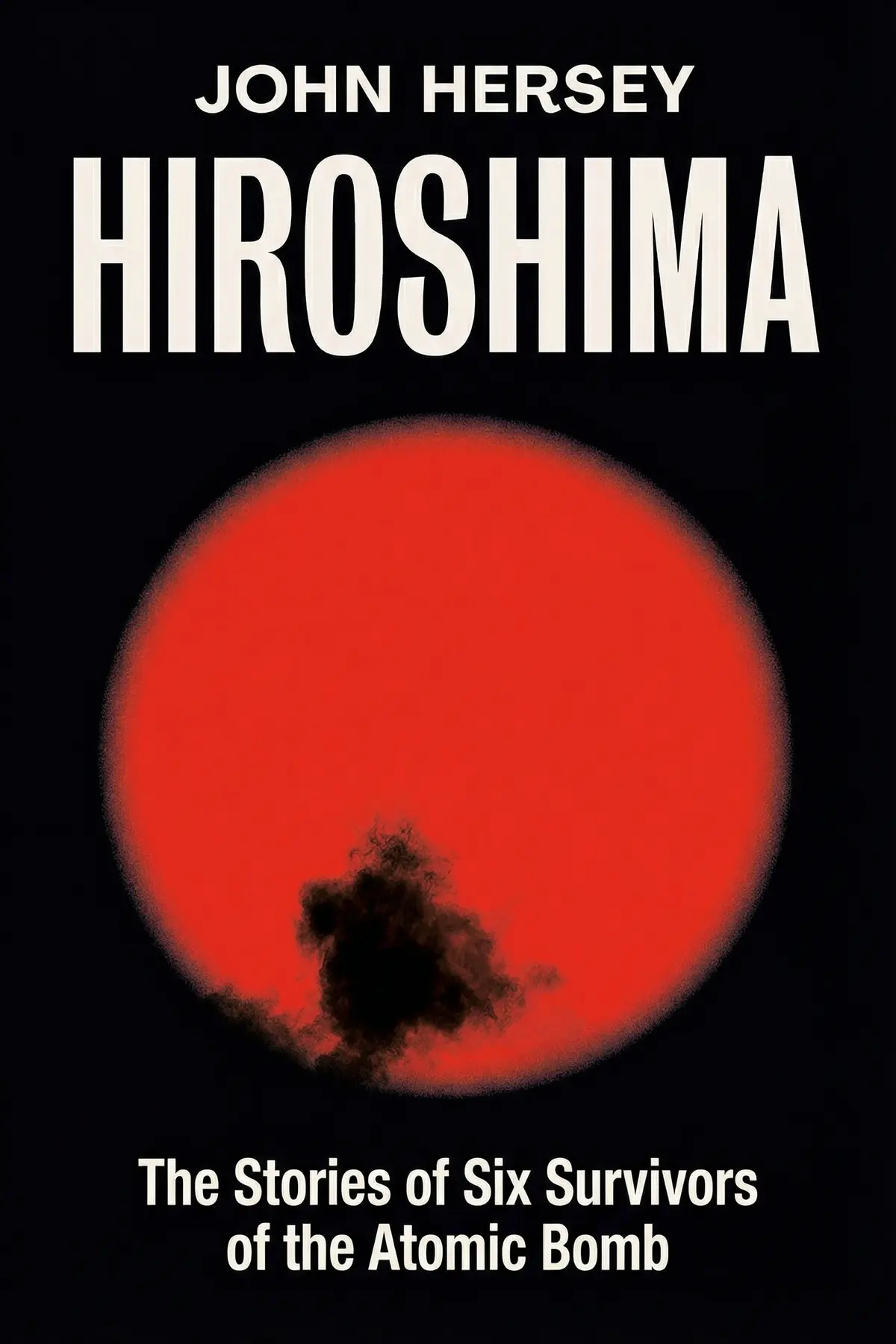
Table of Content
1. Introduction
1 min 58 sec
Imagine a typical Monday morning in a bustling city. People are commuting to work, preparing for the day’s heat, or simply enjoying a quiet moment of reading. In the Japanese city of Hiroshima, August 6, 1945, began just like any other summer day. But at exactly 8:15 a.m., the course of human history—and the lives of tens of thousands of people—was irrevocably altered by a single, blinding flash of light.
Journalist John Hersey set out a year later to uncover what that moment actually felt like for those on the ground. He didn’t focus on the physics of the bomb or the strategies of the generals. Instead, he sought out the human story. He found six individuals who were among the lucky few to survive the initial blast despite being within the city limits. Their stories are not just accounts of a historical disaster; they are a testament to the sheer randomness of survival and the profound resilience required to live through the unthinkable.
This account is a landmark in journalism, often cited as one of the earliest examples of the ‘New Journalism’ style. It uses the narrative techniques of a novel to present factual events with an emotional weight that a dry report could never capture. By intertwining the experiences of a clerk, two doctors, a priest, a tailor’s widow, and a clergyman, Hersey creates a panoramic view of a city’s destruction and its slow, painful rebirth.
As we walk through these events, we will see how the explosion transformed the environment, how the survivors navigated a landscape that had become unrecognizable, and how the trauma of that day continued to echo through their lives for the next forty years. This narrative serves as a sobering reminder of the devastating effects of nuclear warfare, viewed not through the lens of statistics, but through the lived reality of those who remained after the smoke cleared. It is a story of shock and pain, but also of compassion and the determination to keep moving forward, even when the world as you know it has ceased to exist.
2. The Randomness of Survival
2 min 06 sec
Explore the precise and mundane moments that separated life from death for six residents as the world’s first atomic weapon detonated over their city on a clear August morning.
3. A Landscape of Silent Suffering
2 min 08 sec
Witness the immediate, surreal aftermath of the explosion through the eyes of those who stepped into a world of dust, silence, and incomprehensible physical suffering.
4. The Overwhelmed Healers
2 min 03 sec
Follow the harrowing journey of the medical professionals who worked through exhaustion and trauma to treat a seemingly infinite line of the dying.
5. The Mystery of the Invisible Poison
2 min 10 sec
Discover how the survivors faced a terrifying second wave of illness as the unseen effects of radiation began to manifest weeks after the initial blast.
6. The Hibakusha Identity
2 min 07 sec
Examine the social and psychological toll on the survivors, who became a marginalized class in post-war Japan while struggling with lifelong health issues.
7. Legacy and Resilience
2 min 20 sec
Trace the final chapters of the survivors’ lives into the 1980s, seeing how the memory of Hiroshima evolved from a personal tragedy into a global warning.
8. Conclusion
1 min 32 sec
The story of Hiroshima is one that we are often tempted to look at through the lens of history books or political debate, but John Hersey’s account forces us to look at it through the eyes of the people who were there. We have followed six individuals from the moment of a blinding flash into a world of rubble, through the terror of radiation sickness, and into the long decades of recovery. Their lives remind us that behind every statistic of war, there are individual human beings with families, careers, fears, and hopes.
What we can take away from these stories is a profound appreciation for human resilience. Whether it was Mrs. Nakamura’s quiet persistence, Dr. Sasaki’s tireless service, or Father Kleinsorge’s unwavering faith, these survivors showed that even when the entire world is stripped away, the human spirit can find a way to endure. They lived with the ‘shikata ga nai’—the acceptance of what cannot be changed—while simultaneously working to build something new from the ashes.
Ultimately, the throughline of this narrative is the enduring cost of modern conflict. The effects of the atomic bomb did not end when the fires went out or when the war was signed away on a battleship. They continued in the bloodstreams of the survivors, in the stigma they faced in society, and in the memories that shaped their old age. As we reflect on their journey, we are left with a sobering responsibility: to remember their stories so that the ‘silent sunrise’ of August 6 never happens again. Their resilience is our inspiration, but their suffering is our warning.
About this book
What is this book about?
On August 6, 1945, the world changed forever when the United States deployed an atomic bomb over the city of Hiroshima. John Hersey's classic account focuses not on the geopolitical strategies or the high-level military decisions, but on the ground-level human reality of that day and the years that followed. Through the eyes of six individuals—including two doctors, a priest, a widow, and a clerk—we witness the terrifying flash of light, the immediate devastation of the city, and the baffling onset of radiation sickness. The book offers a profound look at the resilience of the human spirit and the shared trauma of a community that had to rebuild from literal ashes. It promises a deeply empathetic journey into the heart of one of history’s most harrowing events, providing a sobering reminder of the human cost of nuclear conflict and the quiet strength found in the struggle to survive. By following these survivors into the mid-1980s, we see how a single moment in time can ripple through an entire lifetime, shaping identity, faith, and purpose.
Book Information
About the Author
John Hersey
John Hersey was a distinguished American journalist born in China in 1914, eventually moving to the United States in 1925. An alumnus of Yale University, where he later taught, Hersey was a prolific writer who bridged the gap between fiction and non-fiction. He won the Pulitzer Prize in 1945 for his novel A Bell for Adano. However, it was his reportage on the aftermath of the atomic bomb in Hiroshima that remains his most enduring work, widely considered a milestone in modern journalism.
Ratings & Reviews
Ratings at a glance
What people think
Listeners consider this work gripping and expertly crafted, especially valuing the way it follows the experiences of 6 different survivors. Furthermore, they view it as a necessary read, particularly for those in high school, and praise the depth of research and historical precision. However, the production quality gets varied reviews; several listeners pointed out typos and noted that certain parts were omitted, specifically chapter 5 and the 1985 Aftermath section.
Top reviews
Palm
This book doesn't just list statistics; it breathes life into them. John Hersey manages to take the incomprehensible scale of the atomic bomb and shrink it down to the size of a human heart by following six specific survivors. I was particularly moved by the story of the young factory worker, Miss Sasaki, and her long road to recovery. To be fair, the prose is quite sparse and detached, but that almost makes the descriptions of skin "hanging from faces" more visceral because the author isn't trying to manipulate your emotions with flowery language. It is a haunting, gut-wrenching account that should be mandatory reading for every human being. The way it transitions from the morning of the blast to the long years of radiation sickness afterward provides a complete picture of a tragedy we often only see in black-and-white photos.
Show moreNarongrit
As a history buff, I thought I knew what happened in 1945, but reading this was a completely different experience. We always hear about the "big" numbers—100,000 dead—but Hersey forces you to look at the individual faces of those who were just trying to survive. Seeing the world through the eyes of a German priest and a Japanese doctor provides a unique perspective on the chaos of that day. Frankly, the descriptions of the burns and the "silent" victims fleeing the city will stay with me for a long time. It’s not an easy read by any means, but it is a necessary one. We need to remember that these were people with families and dreams, not just enemies or statistics on a page.
Show moreVilaiporn
Wow, I was not prepared for how deeply this would affect me. John Hersey doesn't rely on flashy adjectives to tell his story. He just presents the facts as they happened to Father Kleinsorge, Dr. Fujii, and the others. This "matter of fact" style makes the reality of the atomic bomb so much more terrifying because it feels so real. You feel the heat of the flash and the confusion of the citizens who had no idea what had just hit them. Personally, I found the section on radiation sickness to be the most disturbing part of the book. It’s one thing to survive a blast, but quite another to watch your body waste away from an invisible poison weeks later. Truly a life-changing read.
Show moreCharlotte
The sheer resilience of the human spirit documented here is nothing short of miraculous. Even in the face of "hell on earth," you see people like Dr. Sasaki working for days without sleep to help others. This book is a powerful testament to our ability to endure the unthinkable. Hersey’s prose is spare, but it captures the spirit and resolve of the Japanese people with incredible dignity. I was moved to tears by the final sections detailing how the survivors' lives turned out decades later. It makes you realize that survival isn't just about staying alive during the blast; it's about the courage to keep living every day after. Truly a masterpiece of reporting.
Show moreLek
Hersey's journalistic approach creates a chilling distance that somehow makes the horror feel more immediate. Instead of a sweeping political analysis of Truman’s decision, we get the granular details of a doctor trying to function in a hospital where most of his colleagues are dead. Truth is, I found the first half covering the immediate blast much more engaging than the later updates added in the 1980s. Some might find the matter-of-fact tone a bit dry, but I think it was necessary to avoid turning such a catastrophe into a melodrama. My only gripe is that my copy seemed to have some formatting issues, with a few typos that pulled me out of the narrative. Still, it is an essential piece of historical reporting that gives a human face to those who were silenced.
Show moreAlice
Following the lives of two doctors, a seamstress, and three others gives a panoramic view of the tragedy that no textbook could ever provide. I picked this up because I wanted to understand the human side of the Manhattan Project's aftermath. The writing is reminiscent of Yasunari Kawabata—simple, direct, and incredibly powerful in its restraint. It’s fascinating how the book was originally suppressed in Japan by the US military; you can see why they’d want to hide the sheer level of suffering depicted here. My version was missing the famous Chapter 5 "The Aftermath" section, which was a huge disappointment since I wanted the full scope of their lives decades later. Despite that, the initial four chapters are a masterclass in narrative non-fiction.
Show moreOwen
The second half of the book, which delves into the long-term effects of radiation sickness, is where the true terror lies. It’s moving to see how these survivors—the "hibakusha"—tried to reclaim their lives in a world that often wanted to forget them. I think Hersey did a brilliant job of humanizing the victims without making the book feel explicitly like a political lecture. He lets the tragedy speak for itself. In my experience, most war books focus on the soldiers, so focusing on a widowed seamstress or a young clerk felt refreshing and deeply grounding. It’s a somber reminder of why world peace should be our only goal.
Show moreSomrutai
After hearing about this book for years, I finally sat down with it and realized why it's required reading in so many schools. It’s one thing to know the date August 6th, 1945, and quite another to understand the "complete and utter chaos" that occurred at 8:15 am. The way Hersey weaves the six narratives together is seamless. You see the same events from different corners of the city, which helps you grasp the scale of the devastation. I think every high school student should have to read this to understand the true cost of war. It’s a short book, but it carries a weight that lasts much longer than the time it takes to read.
Show moreKamol
While the content is undeniably vital for everyone to read, this specific digital edition was a bit of a mess. I encountered numerous typographical errors and even noticed that sections of the 1985 update seemed to be cut off mid-sentence. Look, Hersey's work itself is five stars, but the presentation here makes it hard to recommend this particular version. The stories of the six survivors are heartbreaking and offer a "vision of hell on earth" that everyone should confront. However, when you're trying to immerse yourself in such a serious subject, a glaring typo every ten pages is a major distraction. If you're going to read this classic, do yourself a favor and find a high-quality physical copy instead of a cheap e-book.
Show moreTim
I really wanted to appreciate this classic, but I found the dry, clinical tone almost impossible to get through. Not gonna lie, I expected something a bit more emotional given the subject matter. Instead, it felt like reading a very long newspaper article from the 1940s. While I understand that Hersey was a journalist and was intentionally being objective, I struggled to form a real connection with any of the survivors because the narrative kept jumping around so much. Also, my edition was missing Chapter 5 entirely! It just ended abruptly. I recognize the historical importance of this book, but as a reading experience, it just didn't click for me.
Show moreReaders also enjoyed
A History of Iran: Empire of the Mind
Michael Axworthy
A History of the World in 6 Glasses
Tom Standage
A Long Way Gone: Memoirs of a Boy Soldier
Ishmael Beah
A Splendid Exchange: How Trade Shaped the World
William J. Bernstein
A Spy Among Friends: Philby and the Great Betrayal
Ben Macintyre
AUDIO SUMMARY AVAILABLE
Listen to Hiroshima in 15 minutes
Get the key ideas from Hiroshima by John Hersey, plus 5,000+ more titles in English and Thai.
- 5,000+ titles
- Listen as much as you want
- 7-day free trial
- Cancel anytime







