
20 min 32 sec
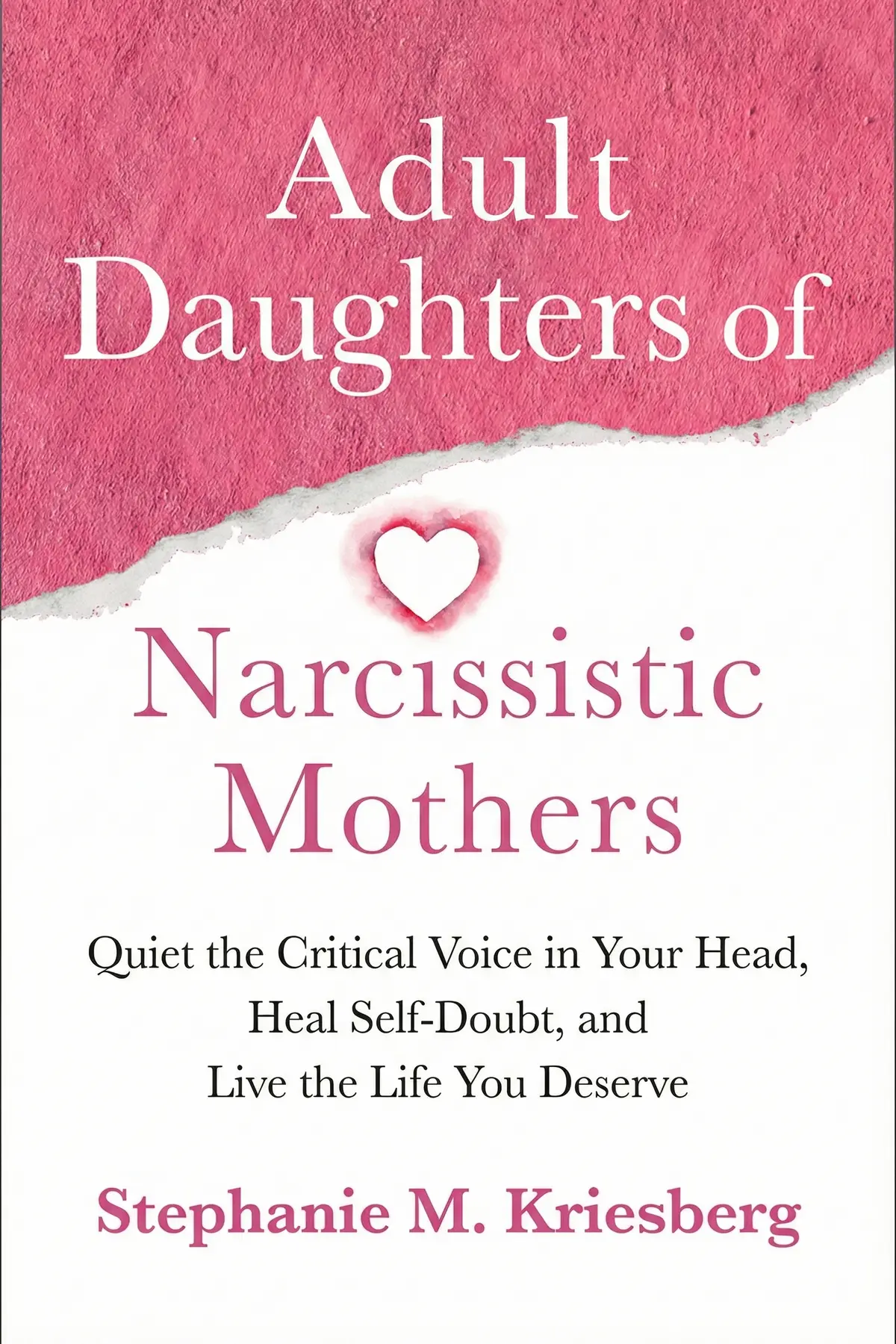
How Am I Doing?: 40 Conversations to Have with Yourself
By Corey Yeager
A guide to self-assessment that uses forty critical questions to help you improve mental health, clarify goals, and build a more authentic life through intentional internal dialogue.
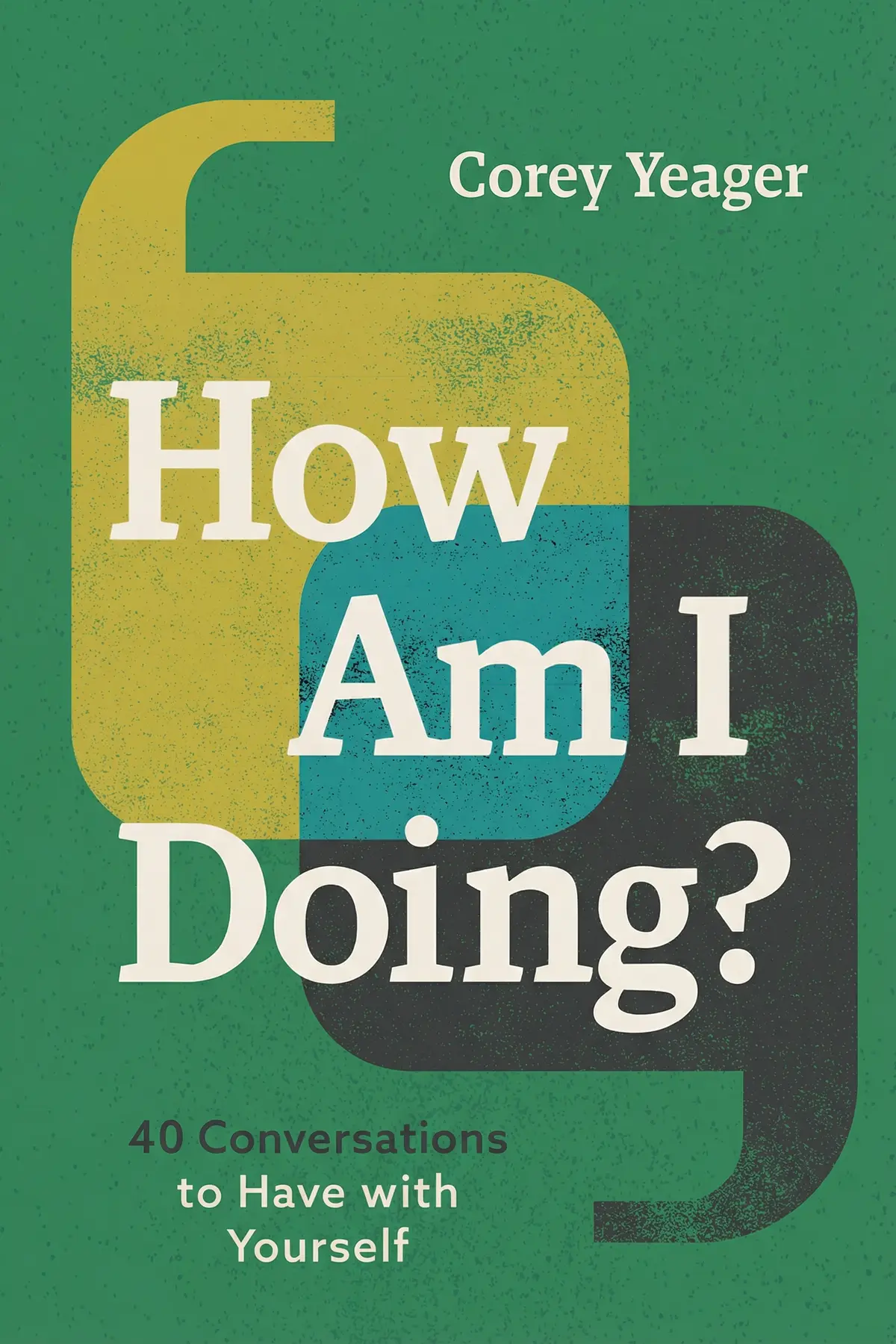
Table of Content
1. Introduction
1 min 49 sec
We have all been there. You are driving alone in your car, or perhaps you are just finishing up your morning routine in the bathroom, and suddenly, you realize you are talking to yourself. Maybe you are rehearsing a difficult conversation, or perhaps you are just narrating your to-do list for the day. For many of us, this realization comes with a bit of a shock. We look around to see if anyone is watching, wondering if this habit of talking to ourselves is a sign that we have finally lost our grip on reality. But what if that internal voice is actually your most valuable asset? What if the key to unlocking your best life isn’t found in a seminar or a textbook, but in the very dialogue you are already having with yourself?
This is the core premise we are exploring today. Rather than viewing self-talk as a quirk or a sign of eccentricity, we should see it as a powerful tool for self-discovery. It is a safe, private space where you can be completely honest with yourself without fear of judgment. It is, in many ways, the ultimate performance review—a check-in with the one person who truly knows every detail of your life. By leaning into these internal conversations, you can build a map of who you are, where you have been, and exactly where you want to go.
Throughout this journey, we will explore a framework designed to sharpen this internal focus. Based on the insights of a high-performance therapist, we will look at how specific questions can act as catalysts for change. This is not about surface-level affirmations or quick fixes. Instead, it is about developing a deep awareness of your thoughts and feelings so that you can navigate the world with greater clarity. Whether you are looking to improve your career, your relationships, or your overall sense of peace, the throughline remains the same: the answers you need are already inside you, waiting to be unearthed through the right conversation.
2. The Necessity of Self-Prioritization
2 min 22 sec
Discover why putting yourself first isn’t an act of selfishness, but a fundamental requirement for showing up effectively for the people you love.
3. Bridging the Gap Between Dreams and Reality
2 min 17 sec
Learn how to transform your most ambitious and seemingly impossible goals into a concrete, actionable roadmap for success.
4. The Mirror as a Tool for Perspective
2 min 17 sec
Explore a unique technique for objective self-evaluation by changing the way you interact with your own reflection.
5. Turning Weakness into a Source of Freedom
1 min 56 sec
Find out why being honest about your flaws can actually save you time, energy, and lead to more meaningful connections.
6. Decoding the True Source of Anger
2 min 14 sec
Uncover the hidden emotions that often hide behind the mask of frustration and learn a better way to process intense feelings.
7. Reframing Your History to Power Your Future
1 min 53 sec
Learn why you can’t change what happened yesterday, but you can change how those events define who you are today.
8. A Four-Step Approach to Learning from Failure
2 min 03 sec
Move beyond simple apologies and discover a holistic process for turning every mistake into a building block for character.
9. The Power of the Twenty-Three-Second Intention
2 min 02 sec
Find out how a tiny sliver of time can be used to dramatically shift your mindset and improve your performance in any situation.
10. Conclusion
1 min 39 sec
As we come to the end of this exploration, it is clear that the most important conversations you will ever have are the ones that happen inside your own mind. We have looked at how to value yourself as the center of your own universe, how to break down wild dreams into manageable steps, and how to use tools like the mirror and the twenty-three-second rule to stay present and intentional. These aren’t just abstract concepts; they are practical strategies for navigating the complexities of modern life. The performance review of your life is an ongoing process, and you are the one in charge of the assessment.
By engaging with the questions that Dr. Yeager poses, you are taking a proactive step toward mental clarity. You are moving away from a life of reaction and toward a life of intention. Remember that growth is not about perfection; it is about the willingness to be honest with yourself about where you are and where you want to go. Whether you are uncovering the hidden emotions behind your anger or learning to be grateful for your mistakes, you are building a stronger, more resilient version of yourself.
As a final parting thought, remember to bring a sense of lightness to this journey. While self-improvement is important, it shouldn’t be a somber chore. Look for opportunities to laugh more throughout your day. Laughter is more than just a reaction to something funny; it is a physiological reset that lowers stress and boosts your overall health. It reminds us not to take ourselves too seriously. As you continue to talk to yourself and work through these forty conversations, keep a sense of humor and a spirit of curiosity. The path to self-discovery is a long one, so you might as well enjoy the ride.
About this book
What is this book about?
This summary explores the art of internal communication as a tool for personal development. Drawing on the expertise of a professional psychotherapist, it examines how intentional self-talk can uncover hidden truths about our values, our weaknesses, and our aspirations. It provides a structured approach to what the author calls personal performance reviews, moving beyond superficial check-ins to deep, meaningful reflection. The promise of the book is a clearer understanding of your own narrative. By engaging with specific questions about your past, your dreams, and your daily habits, you can stop reacting to the world and start moving toward the person you want to become. It emphasizes that self-care isn't a luxury but a prerequisite for being present for others, offering practical techniques like the mirror exercise and the twenty-three-second intention-setting rule.
Book Information
About the Author
Corey Yeager
Dr. Corey Yeager is a licensed professional in marriage and family therapy. He currently applies his clinical expertise as the team psychotherapist for the NBA’s Detroit Pistons. Dr. Yeager is also deeply dedicated to therapeutic work within service-based organizations and the African-American community.
Ratings & Reviews
Ratings at a glance
What people think
Listeners find the book very approachable and value the inclusion of stimulating exercises alongside practical, grounded suggestions.
Top reviews
Nathan
Dr. Yeager has such a calming presence that even through the written word, you feel like you’re sitting in a room with a trusted coach. I opted for the audiobook version which he narrates himself, and his voice adds an authentic layer of intimacy that makes the 40 questions feel like a real dialogue. Look, the question about who is the most important person in your life really hit home for me—I’m so used to putting everyone else first that answering 'I am' felt almost transgressive. The way he blends sports analogies with deep psychological work makes the concepts easy to digest without feeling like he's talking down to the reader. It is an excellent resource for anyone in the Black community looking for a relatable perspective on mental health. I’ve already bought two extra copies to give as gifts to my brothers this year.
Show morePhimwan
Wow, the exercise about finding your locus of control hit me right when I needed it most. I’ve been feeling so overwhelmed by things outside of my influence lately, and Dr. Yeager’s 40 conversations helped me narrow my focus back to what I can actually change. The book feels less like a textbook and more like a series of gentle nudges toward a better version of yourself. I especially loved the focus on the 'backstage' of the mind; it really helped me understand why I react to certain stressors the way I do. Gotta say, the layout of the book is beautiful and makes the process of self-reflection feel less like a chore and more like a gift to yourself. If you are struggling with your internal dialogue, please pick this up. It’s a fast read but the impact lingers long after you finish the last page.
Show moreAnawin
This book is a solid entry point for anyone who feels intimidated by the high-brow language often found in the psychology section. Dr. Yeager uses his background with the Detroit Pistons to ground his advice in a way that feels incredibly approachable and down-to-earth. The structure is built around forty specific questions that serve as a roadmap for self-discovery, which I found much more helpful than a vague narrative. While some of the prompts felt a bit like common sense to me, the 'Tell Your Story' activities forced me to actually sit down and confront my own habits. To be fair, it’s a quick read, but the real value comes from how much time you’re willing to spend with the reflection exercises. It’s the kind of guide I wish I’d had when I was graduating college and felt completely lost about who I was supposed to be.
Show moreAom
Ever wonder if you’re actually as self-aware as you think you are? This book definitely challenges that assumption. The chapter on what makes you feel 'alive' was particularly poignant for me because it asked me to look at my physical reactions—like my heart rate and energy spikes—rather than just my thoughts. Dr. Yeager’s writing style is punchy and direct, which I appreciated during my morning commute. Not gonna lie, I skipped a few of the journaling prompts because I’m just not the type to write things down, but even just thinking about the answers provided a lot of clarity. The book is short, but the questions are weighty enough that you shouldn't rush through it in one sitting. It's a wonderful tool for anyone entering a major life transition or just feeling stuck in their current routine.
Show moreKae
As a guy who usually finds self-help books a bit too 'fluffy' or abstract, I appreciated the directness and the sports-world context Dr. Yeager brings to the table. He speaks a language that feels familiar, using the frame of being 'coachable' to talk about mental health and personal growth. The chapters are quite short, which makes it perfect for someone with a busy schedule or a short attention span. Personally, I found the section on 'untruths you tell yourself' to be the most challenging and rewarding part of the whole experience. It’s not necessarily reinventing the wheel when it comes to psychology, but it presents the information in a way that feels very fresh and relevant for today. This is a great resource for men who might otherwise avoid the 'therapy' label but still want to do the work.
Show moreAstrid
Finally got around to reading this during a particularly messy transition at work, and the timing couldn't have been better. Dr. Corey Yeager has a way of stripping away the jargon to get to the root of human behavior. The book is essentially a collection of forty prompts that act as a mirror, showing you parts of yourself you might have been ignoring or hiding 'backstage.' While I felt that some of his personal stories were a little disconnected from my own reality as a woman, the core messages about awareness and intentionality are universal. It’s a very accessible book that doesn't demand you have a PhD to understand how your brain works. It’s a worthwhile investment for your mental health, especially if you’re looking for a low-pressure way to start your own self-healing journey.
Show moreMax
Frankly, if you have already spent significant time in therapy or have a shelf full of self-help books, you might find this a bit repetitive. The 40 conversations are designed to be accessible, which is great for beginners, but I found myself skimming several chapters because the questions felt like things I had already explored years ago. I did appreciate the analogy about the 'front stage' versus the 'backstage' of our subconscious, as it provided a clear mental image of how our hidden thoughts drive our public actions. Truth is, the author’s personal anecdotes sometimes took up more space than the actual advice, which made the book feel more like a memoir-lite at times. It is a decent refresher, but don’t expect groundbreaking psychological theories if you’re already well-versed in the genre.
Show moreYulia
To be fair, the 'Tell Your Story' sections are a bit of a mixed bag depending on your personal background. Some of the activities, like the one about getting 'unstuck' by writing down ten choices, were incredibly practical and helped me regain a sense of control over a bad work situation. However, other questions felt a bit loaded, almost like there was a right or wrong answer the author wanted me to arrive at. The tone is very encouraging, which is nice, but it occasionally verges on being a little too 'positive vibes only' for my taste. It’s an easy, approachable read that would probably work well for someone who is skeptical about traditional therapy. I think it’s a 3.5-star book that does a good job of opening the door to self-reflection without being too overwhelming or academic.
Show moreYuwadee
Not what I expected, as it felt more like a guided journal than a deep psychological text, but it had its moments. The 40-question structure is a clever way to break down the massive, intimidating question of 'how am I doing?' into bite-sized pieces that are easier to handle. Some questions, like the ones about your mistakes and what healing you seek, are heavy and require a lot of emotional labor. Others felt a little bit like filler to get to that round number of forty. To be honest, I think the author’s voice is the strongest part of the book—he’s very likable and clearly cares about his clients. It’s a solid 3-star read for me, mostly because I wanted a bit more 'why' behind the questions and a little less 'how to' in the activities.
Show moreNitaya
I really wanted to like this, but I couldn't get past how much time was spent on the author's own life stories instead of the actual reflection work. It felt like I was listening to a very long motivational speech where the speaker keeps circling back to their own accomplishments. Some of the questions provided were way too open-ended, while others were simple 'yes or no' prompts that didn't really lead to a deeper understanding of my subconscious. In my experience, a workbook should focus primarily on the reader's journey, but here the balance felt off. I DNF’d around question fifteen because I wasn’t feeling engaged with the subjects anymore. It might be a good fit for a total novice, but for me, it just lacked the depth I was looking for in a self-reflection tool.
Show moreReaders also enjoyed
A High-Performing Mind: Strengthen Your Mind and Live Your Best Life
Andrew D. Thompson
Alcoholics Anonymous
Alcoholics Anonymous World Services
Abundance: The Inner Path to Wealth
Deepak Chopra
A Liberated Mind: How to Pivot Toward What Matters
Steven C. Hayes
AUDIO SUMMARY AVAILABLE
Listen to How Am I Doing? in 15 minutes
Get the key ideas from How Am I Doing? by Corey Yeager, plus 5,000+ more titles in English and Thai.
- 5,000+ titles
- Listen as much as you want
- 7-day free trial
- Cancel anytime







