
16 min 50 sec
How Mumbo-Jumbo Conquered the World: A Short History of Modern Delusions
An incisive look at how irrationality, pseudoscience, and economic mythology have displaced logical thinking in modern society, challenging the superstitions that currently shape our political, academic, and personal lives.
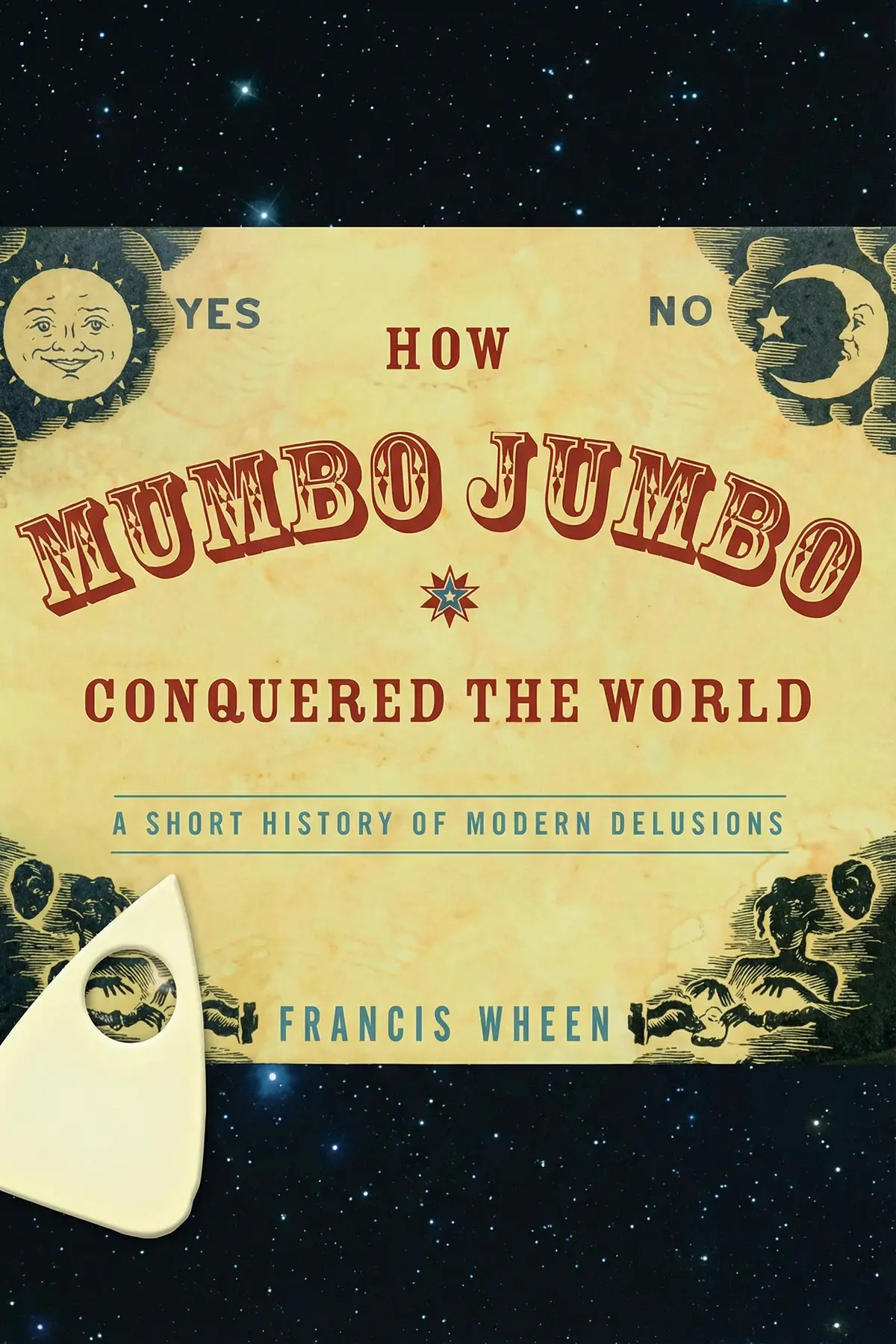
Table of Content
1. Introduction
1 min 25 sec
Have you ever looked at the landscape of modern society and felt a nagging sense that logic has been pushed to the sidelines? We live in an era that likes to congratulate itself on its technological advancements and scientific prowess, yet under the surface, a different story is unfolding. There is a sense that the solid ground of the Enlightenment—the era that championed reason, evidence, and intellectual clarity—is slowly turning into a swamp of superstition and irrationality. We see it in the way political discourse is conducted, in the staggering growth of the self-help industry, and in the bizarre theories that claim to explain our global destiny.
This exploration isn’t just about pointing out oddities; it’s about understanding a systemic shift. We are witnessing how ‘mumbo-jumbo’—that peculiar blend of jargon, pseudo-science, and unfettered ideology—has managed to conquer the world’s most powerful institutions. From the boardrooms of global corporations to the hallowed halls of universities, the preference for comfortable myths over uncomfortable facts has become the new normal. In the following segments, we will pull back the curtain on how these delusions took root. We will examine the economic fantasies that redefined our social contract, the gurus who turned common sense into a multi-billion dollar commodity, and the intellectual trends that tried to argue that objective reality doesn’t even exist. By the end, the goal is to see these patterns clearly so we can begin the work of restoring a more rational foundation for our future.
2. The Economic Mirage of Neoliberalism
2 min 44 sec
Explore how the rise of free-market fundamentalism replaced social safety nets with a belief in the inherent wisdom of markets, leading to unforeseen consequences for the global working class.
3. The Rise of the Self-Help Industry
2 min 10 sec
Discover the curious connection between economic instability and the massive growth of personal development gurus who trade in expensive common sense and spiritual jargon.
4. Simplistic Theories of Global History
2 min 01 sec
Examine how sweeping academic theories about the end of political evolution and the inevitable clash of cultures have obscured the true complexity of our world.
5. The Linguistic Fog of Post-structuralism
2 min 33 sec
Uncover the dangers of an academic movement that claimed objective reality is an illusion, inadvertently opening the door for the denial of historical truths.
6. The Marketing of Modern Politics
1 min 54 sec
See how political movements began using focus groups and ‘progressive’ buzzwords to mask policies that were often indistinguishable from the ones they opposed.
7. Reclaiming the Legacy of Reason
2 min 25 sec
Reflect on the historical power of rational debate and cultural exchange, and why challenging irrationality is essential for the survival of a free society.
8. Conclusion
1 min 38 sec
The journey through the landscape of modern delusions brings us to a vital realization: the rise of irrationality is not an accident of history, but a consequence of choices we make about how we communicate and what we value. We have seen how the seductive simplicity of ‘trickle-down’ economics, the hollow promises of celebrity gurus, and the confusing jargon of postmodern academics all serve the same purpose. They provide a shield against the complex, often difficult truths of our reality. They offer the illusion of certainty and the comfort of easy answers while the actual structures of our society become increasingly fragile.
However, the conquest of ‘mumbo-jumbo’ is not a permanent state of affairs. We possess a powerful antidote in the form of the rational, evidence-based tradition that has guided human progress for centuries. The path forward requires a renewed commitment to intellectual honesty. It means asking tough questions about the economic policies that shape our lives, demanding clarity from our political leaders, and refusing to accept nonsense just because it is phrased in sophisticated language.
As an actionable step, start by becoming a more critical consumer of information. When you hear a grand theory that claims to explain everything, or an economic promise that sounds too good to be true, look for the evidence. Be wary of ‘free-market’ rhetoric that ignores social costs, and be skeptical of gurus who promise secret shortcuts to success. By insisting on logic, nuance, and historical context, we can begin to dispel the fog of modern delusions and rebuild a world where reason once again reigns supreme.
About this book
What is this book about?
Have you ever wondered why common sense seems to be in short supply in the modern era? This summary explores the retreat from Enlightenment reason toward a world dominated by 'mumbo-jumbo'—from the hollow promises of the self-help industry to the pseudo-intellectualism of postmodern academia. You will learn how economic theories like neoliberalism were marketed as rational despite their devastating real-world effects, and how political leaders began using linguistic tricks to bridge the gap between their actions and their rhetoric. The book provides a sobering promise: by identifying these modern delusions, we can begin to reclaim a world based on evidence, logic, and shared human progress.
Book Information
About the Author
Francis Wheen
Francis Wheen is an award-winning author and journalist. He is a regular contributor to The Guardian and is renowned for his writings on Karl Marx.
Ratings & Reviews
Ratings at a glance
What people think
Listeners describe this work as a clever and biting protection of reason that offers a "brilliant" takedown of contemporary myths. They value the extensive examination of varied subjects like neoliberal economics, self-help experts, and religious extremism. The author’s perceptive social commentary is also praised; one listener notes the fascinating study of the "collective grief" following Princess Diana's death. Although some find the organization occasionally disjointed, most consider the writing superb and the observations incredibly ahead of their time.
Top reviews
Maja
Francis Wheen has managed to articulate exactly why the modern world feels like a fever dream of irrationality and piffle. He takes a sledgehammer to everything from neoliberal economic theories to the absurd rise of self-help gurus like Deepak Chopra. To be fair, his defense of Enlightenment values is a breath of fresh air in a society that seems to prioritize feeling over factual reality. I found the section on the Sokal affair particularly enlightening, as it exposes the academic rot of postmodernism. While he might be a bit cynical, his wit is razor-sharp and the prose flows with a wonderful, polemic energy. It is a brilliant takedown of the delusions we have allowed to govern our lives since the late seventies.
Show moreNina
This book is brilliant, intelligent, and wickedly funny, standing as a testament to why rational thought matters in a world gone mad. Wheen’s exploration of the collective grief after Princess Diana’s death is worth the price of admission alone. He manages to be both a historian and a cultural critic, weaving together disparate threads like the CIA and alternative medicine into a cohesive warning. The prose is sharp and fast-paced, making even the denser chapters on economic theory feel vital. It is a spectacular slap in the face to the absurdity of modern life. I beg you to read this if you are tired of the hogwash being fed to us daily.
Show moreTee
Finally got around to this 2004 classic, and it is frightening how prescient it remains in our current post-truth era. Wheen’s analysis of how we traded Reason for a messy cocktail of religious fundamentalism and market-force voodoo is spot on. I particularly enjoyed the skewering of Tony Blair and the bizarre sentimentality surrounding the death of Lady Di. Truth is, we are still living in the shadow of the mumbo-jumbo he describes here, perhaps even more so now than when he wrote it. The prose is splendid and full of bite, even if some of the economic sections made my eyes glaze over. This is a solid read for anyone who misses common sense.
Show moreMatteo
Picked this up on a whim and was immediately sucked into Wheen’s sharp-penned defense of the Enlightenment. He does a fantastic job of showing how irrationality is not just a fringe phenomenon but something that has deeply infected our political and corporate leadership. The way he connects the rise of Islamic fundamentalism with the hollow neoliberalism of the West is actually quite brilliant. Gotta say, his Last Sensible Man persona can be a bit much, but his targets are almost always deserving of the hits. It is a riveting account of how we have let emotion-led thinking drive the bus for far too long.
Show moreRatree
After hearing so much about Wheen’s cultural critiques, I was glad to find a book that actually challenges the clash of civilizations narrative. He does not hold back on anyone, from the Derridettes in academia to the invisible hand worshippers in the financial sector. While the book is definitely a product of its time, the underlying message about the death of Reason is more relevant than ever. Some of the chapters felt a bit like he was shooting fish in a barrel, but man, he is a good shot. It is a witty, necessary defense of the mind against the encroaching fog of modern superstition.
Show moreKomsan
To be fair, Wheen is a bit of a grouch, but he is the kind of grouch the world desperately needs right now. This book is a wide-ranging analysis of why we believe in things that are clearly bollocks, from UFOs to the infallibility of the free market. Not gonna lie, some of the transitions between topics are a bit jarring and left me feeling a little disoriented. But the core argument, that we have abandoned the intellectual tools of the Enlightenment, is delivered with such panache that it is hard to stay mad. It is a sharp, insightful, and occasionally frustrating look at our own collective stupidity.
Show moreKwan
Ever wonder why common sense feels so uncommon these days? Wheen tries to answer that by looking at the modern delusions that have replaced rational thought since the Enlightenment started to fade. Personally, I think he makes some great points about the trickle-down economics of Reagan and Thatcher being a form of secular magic. However, the book tries to cover too much ground in under four hundred pages. One minute we are talking about Mayan rebirthing techniques, and the next we are diving into the intricacies of the dot-com bubble. It is a bit of a scattergun approach that leaves some of the more complex arguments feeling underdeveloped.
Show moreSiriporn
The chapter on the Peoples’ Princess was a highlight, but the rest of the book felt like a chaotic scattergun approach to cultural criticism. Wheen is clearly a smart guy, and his takedown of happy-clappy business gurus is genuinely hilarious. To be fair, though, his insistence that everything from religion to certain sociological theories is mere mumbo-jumbo feels a bit reductive at times. He attacks Noam Chomsky and Thomas Friedman in the same breath, which feels like he is just looking for a fight. I enjoyed the witty writing style, but I left the book feeling like I had just listened to a very long, very loud rant at a pub.
Show moreYam
This book reads like Bill Bryson’s nastier, more political and much sneerier younger brother. I started off enjoying the cynicism, but by chapter six, I was honestly just exhausted by the author’s relentless negativity. Wheen pours contempt on everything from Thatcherism and the CIA to homeopathy until the categories become meaningless. Frankly, the narrative structure is a complete mess, jumping from the Ayatollah to Princess Diana without a clear connective thread. He seems to think he is the only sensible man left on earth, which is a bit rich coming from someone who generalizes this much. It is simply too much piffle about piffle for my liking.
Show moreSamart
Look, I wanted to love this takedown of nonsense, but Wheen’s relentless sneering eventually became as tiresome as the mumbo-jumbo he despises. He treats every subject with the same level of vitriol, whether it is the horrific genocides of Pol Pot or just some harmless person using crystals. In my experience, a good critique needs a bit of nuance to be effective, and there is absolutely none to be found here. The section on economic migration and globalization felt especially out of place and lacked the mumbo-jumbo angle he promised. It is a very dated 2004 time capsule that has not aged as gracefully as I had hoped.
Show moreReaders also enjoyed
A Warning
Miles Taylor

A Biography of Loneliness: The History of an Emotion
Fay Bound Alberti
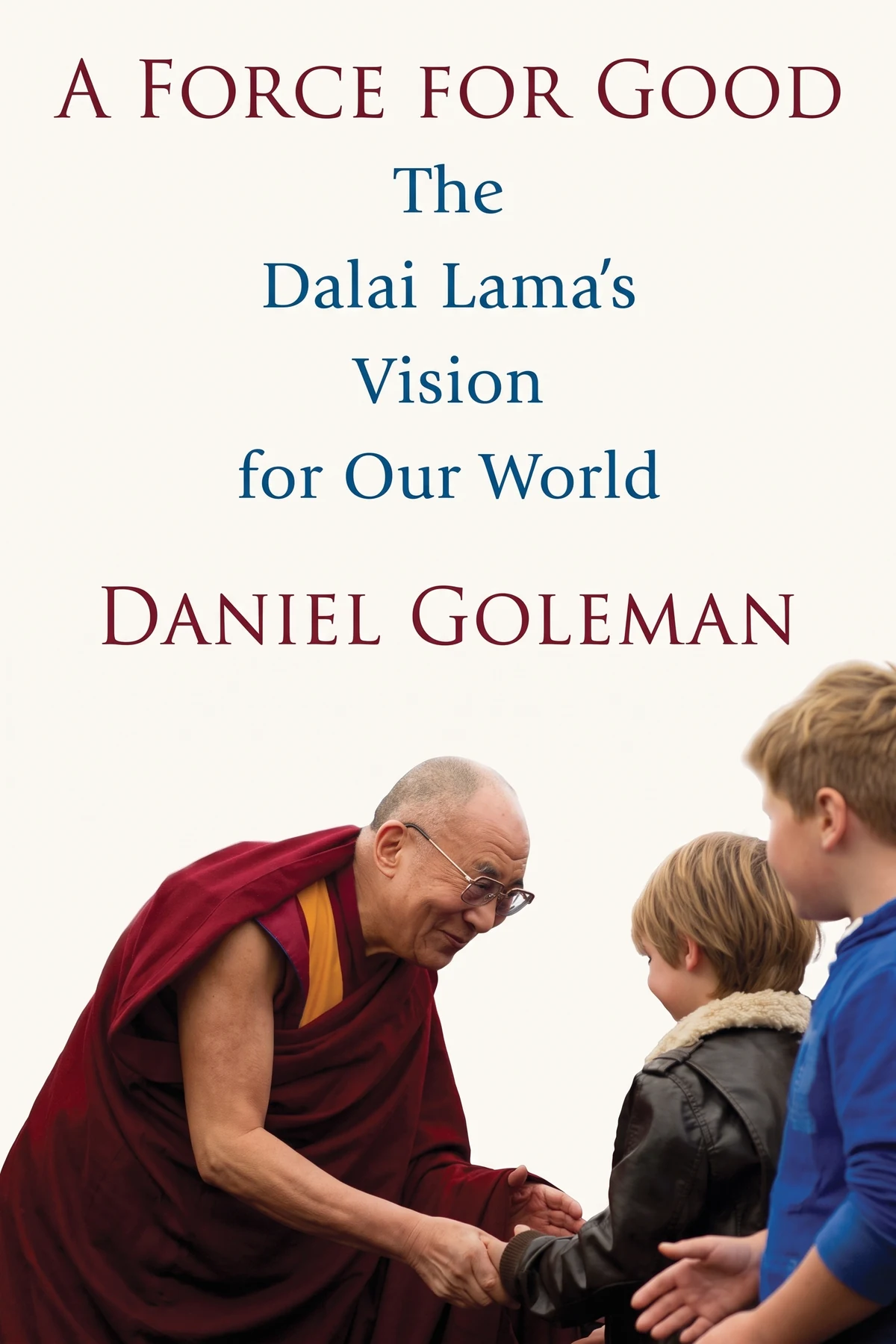
A Force for Good: The Dalai Lama's Vision for Our World
Daniel Goleman
Abolish Rent: How Tenants Can End the Housing Crisis
Tracy Rosenthal
Abortion: Our Bodies, Their Lies, and the Truths We Use to
Jessica Valenti
AUDIO SUMMARY AVAILABLE
Listen to How Mumbo-Jumbo Conquered the World in 15 minutes
Get the key ideas from How Mumbo-Jumbo Conquered the World by Francis Wheen, plus 5,000+ more titles in English and Thai.
- 5,000+ titles
- Listen as much as you want
- 7-day free trial
- Cancel anytime







