
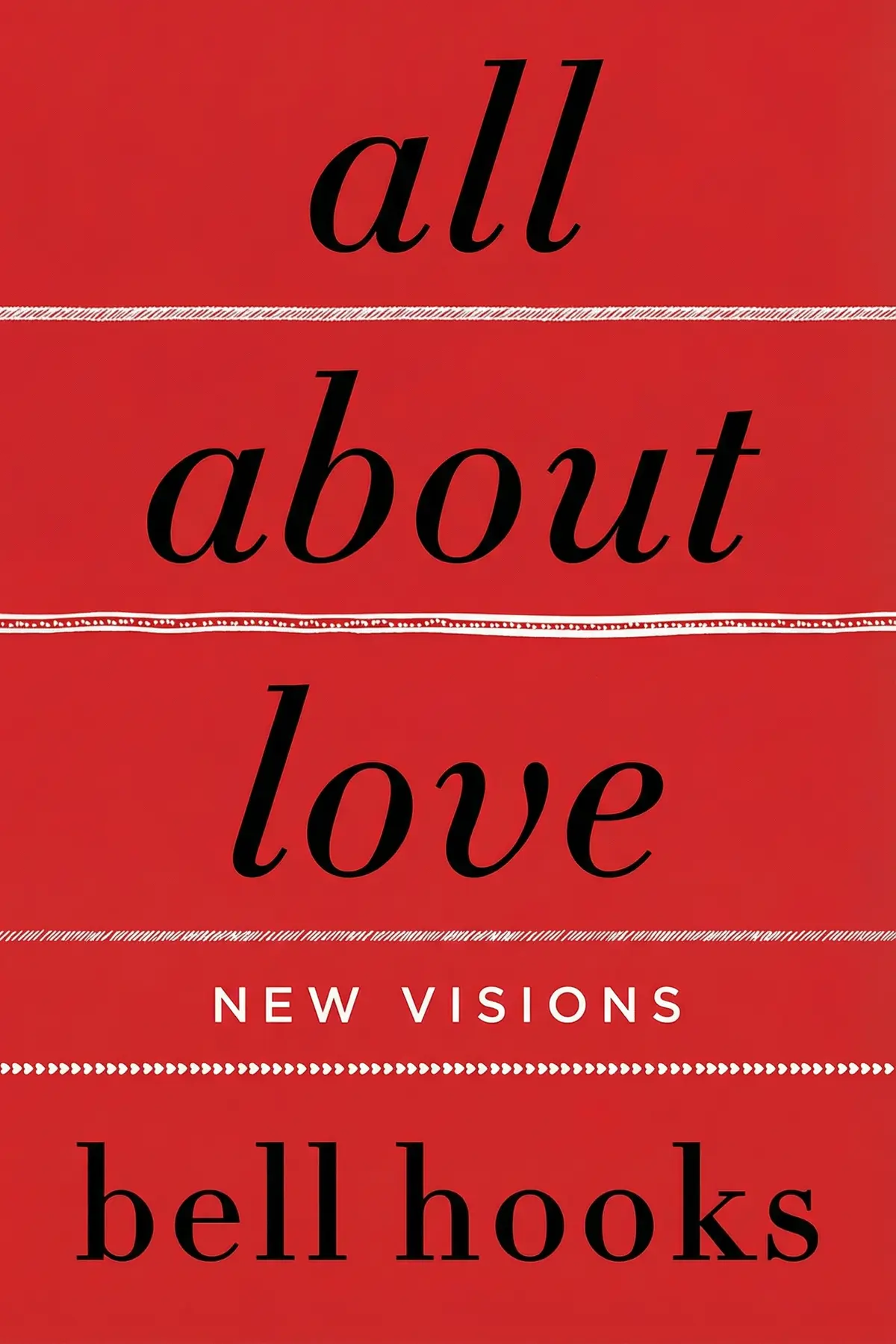
All About Love: New Visions
bell hooks
Explore practical, research-backed strategies for navigating the marital strain that often follows parenthood. Learn to improve communication, balance household labor, and reconnect with your partner amidst the chaos of raising children.
2 min 15 sec
Imagine the scene: not long ago, you and your partner were a team, navigating life with ease and a shared sense of adventure. You might have bickered over where to eat or whose turn it was to walk the dog, but your bond felt unshakeable. Then, a baby arrived. Suddenly, that seamless partnership feels like a memory. In its place is a high-stakes, low-sleep environment where every minor detail—from a misplaced pacifier to an unwashed dish—becomes a potential flashpoint for a massive argument. You find yourself looking at the person you love and wondering how you ended up feeling like resentful coworkers rather than romantic partners.
If this sounds familiar, you aren’t alone, and you certainly haven’t failed. The reality is that the arrival of a child doesn’t just add a new person to the family; it completely rewires the dynamics of the marriage. The workload increases exponentially, leisure time evaporates, and the emotional stakes skyrocket. It is perhaps the most significant stress test a relationship will ever face. When the dust of early parenthood settles, many couples find themselves stuck in a cycle of tally-keeping, silent treatment, and exhaustion-induced snapping.
This isn’t just about a lack of sleep. It’s about the fundamental shift in how roles are perceived and how labor is shared. The transition to parenthood often unearths deep-seated expectations and biological differences that can lead to a sense of profound unfairness. However, acknowledging the friction is the first step toward fixing it.
In the following pages, we are going to explore the throughline of reclaiming your partnership. We will look at why resentment builds and how to dismantle it. We’ll dive into the specific areas where modern marriages often stall: the invisible labor of the household, the way we speak to one another during a crisis, the stress of family finances, and the often-neglected world of physical intimacy. By the end, you’ll see that while life will never go back to the way it was before kids, it can evolve into something more robust, honest, and ultimately, more rewarding. Let’s look at how to stop the cycle of frustration and start building a stronger family unit.
2 min 32 sec
Resentment often stems from the unseen tasks that keep a family running. Discover why this mental load falls unevenly and how to bridge the gap.
2 min 49 sec
The way you argue can either erode your bond or strengthen it. Learn the difference between toxic fighting and healthy communication.
2 min 59 sec
Chores are the leading cause of parental bickering. Shift from ‘helping’ to true collaboration with these practical tips.
2 min 42 sec
Money is rarely just about dollars and cents; it’s about power and values. Learn to discuss finances without the friction.
2 min 37 sec
Physical connection often takes a backseat after kids, but it’s vital for a healthy marriage. Find out how to spark the flame again.
1 min 39 sec
The transition to parenthood is a profound upheaval that can leave even the strongest marriages feeling strained. But as we have explored, the resentment that often grows during this time isn’t a sign that the love has vanished. Instead, it is a signal that the old ways of relating no longer fit the new reality. By bringing the invisible labor into the light, you can begin to share the mental load and reduce the isolation that breeds frustration. By mastering the art of the ‘soft start-up’ and the ‘repair attempt,’ you can transform your arguments from character attacks into constructive problem-solving sessions.
Rebuilding your domestic partnership requires a move away from the ‘helper’ mentality and toward a model of true shared responsibility. Whether it’s through clearly defined chores, financial transparency, or intentional ‘us’ time, the goal is to stop acting like coworkers and start acting like teammates again. Remember that these changes don’t happen overnight. They require patience, a sense of humor, and a commitment to seeing your partner as an ally rather than an adversary.
Ultimately, the throughline of a successful post-kids marriage is evolution. You cannot return to the couple you were before, but you can become something more resilient. By addressing the root causes of friction and prioritizing your connection, you can build a marriage that is not only surviving parenthood but thriving within it. You are creating a new story together—one that is defined by mutual respect, shared labor, and a love that has been tested and strengthened by the beautiful, messy reality of family life.
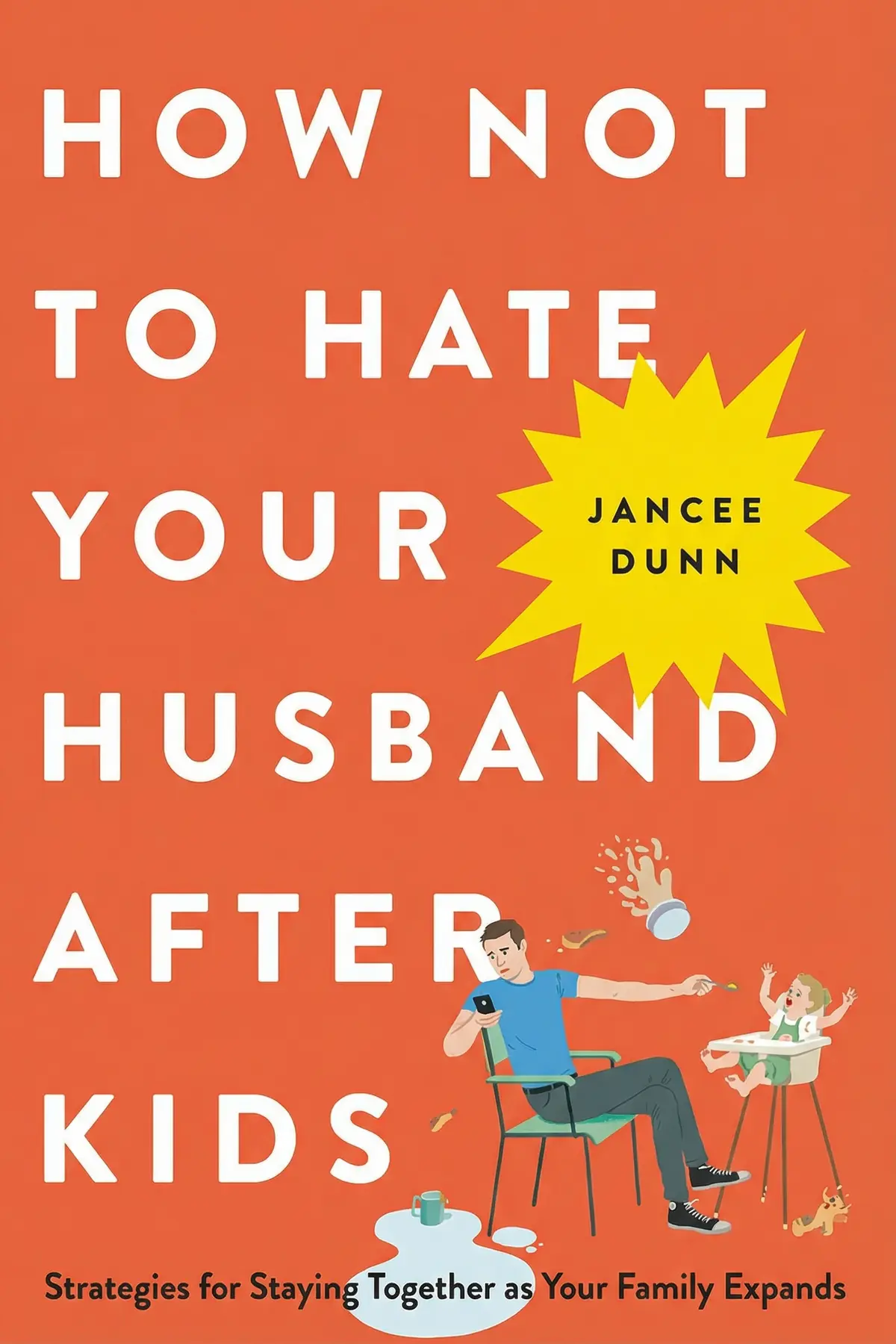
The transition into parenthood is often celebrated as a joyful milestone, yet for many couples, it marks the beginning of unprecedented marital friction. How Not to Hate Your Husband After Kids tackles this taboo subject head-on, investigating why even the most loving relationships can suddenly feel like a battlefield once a baby arrives. The book identifies the primary catalysts for resentment, including the unequal distribution of domestic labor, the weight of the invisible mental load, and the communication breakdowns fueled by exhaustion. By blending personal anecdotes with expert insights and sociological research, the book provides a roadmap for couples to move from being conflict-prone roommates back to being a supportive team. It offers actionable advice on everything from fair chore division and financial transparency to maintaining intimacy and managing disagreements in front of children. The ultimate promise is that while your relationship will inevitably change after kids, it doesn't have to deteriorate. Instead, by addressing these core stressors, couples can build a partnership that is more resilient and deeply connected than it was before the diaper bags and sleepless nights began.
Jancee Dunn is a journalist and best-selling author known for her ability to combine candid, humorous, personal storytelling with research-backed insight. Dunn formerly wrote for Rolling Stone and currently writes The New York Times' Well column. Her previous books include Hot and Bothered, Why Is My Mother Getting a Tattoo?, and But Enough About Me.
Listeners find this to be an exceptional guide for new parents, packed with useful strategies for enhancing home life and marital bonds. The writing is highly amusing, leading listeners to laugh out loud multiple times, and incorporates thorough research and various studies. Listeners value its candid and relatable style, with one listener noting it's particularly helpful for mothers new and old.
This book was a total lifesaver during our difficult transition into toddlerhood. Jancee Dunn strikes a perfect balance between self-deprecating humor and rigorous academic research. I found myself cackling at her descriptions of domestic warfare one minute and highlighting marriage counseling tips the next. It’s incredibly validating to hear that your rage over a pile of dirty laundry isn’t just 'postpartum hormones' but a systemic issue in how we divide labor. The way she incorporates experts like the Gottmans makes the advice feel grounded and actually applicable to real life. Frankly, it’s refreshing to read a parenting book that doesn’t treat the father like a secondary character or an idiot. It’s about building a partnership that survives the chaos of raising tiny humans. I’ve already bought copies for three of my friends who are expecting.
Show moreEver wonder why you suddenly want to divorce your best friend the moment a baby enters the picture? This book explains the 'why' with such clarity and wit that I finished it in two sittings. Dunn doesn't just complain; she goes on a literal quest, interviewing everyone from FBI negotiators to sex therapists. The result is a toolkit that actually works for de-escalating those 2 AM arguments about who worked harder that day. Truth is, I needed to hear the parts about my own sarcasm being a problem just as much as I needed tips for my husband. It’s a brave memoir that isn’t afraid to look messy. Seeing her and Tom navigate their way back to a loving place gave me so much hope for my own marriage.
Show moreWow, this book hit home in ways I wasn't prepared for. I spent the first year of my son's life feeling like a 'miserable crank,' and this book finally gave me permission to stop. The author’s vulnerability about her marriage is what makes the advice stick. She isn't lecturing from a mountain; she’s in the trenches with you, wearing her striped shirt and skinny jeans. The specific action steps, like the 'check-in' meetings and the way they divided chores to avoid the 'nagging' cycle, have already improved our household vibe. Personally, I think the title is a bit clickbaity, but the content is pure gold. It’s a well-researched guide on how to actually like the person you’re co-parenting with. Highly recommended for any baby shower gift basket!
Show morePicked this up at the library on a whim and ended up buying a copy for my permanent shelf. I haven't laughed this hard at a non-fiction book in years. Jancee Dunn is hilarious, but more importantly, she is honest about the ugly parts of marriage. We all want to pretend we’re the perfect couple, but the reality involves a lot of resentment over who gets to nap. Her journey to fix her 'tiny fuse' while holding her husband accountable for his 'lazy' habits was incredibly cathartic to read. The interviews with the FBI hostage negotiator were surprisingly relevant to toddler tantrums and husband-negotiations alike. If you feel like you're carrying the weight of the world on your shoulders, read this. You’ll feel seen, validated, and equipped with actual tools to change things.
Show moreFinally, a parenting book that admits we aren't all blissful earth mothers in linen dresses. Jancee’s honesty about her own flaws—like her 'tiny fuse' and the biting comments she’s hurled at Tom—was shockingly relatable. The chapter on 'maternal gatekeeping' was a massive wake-up call for me. I didn't realize how often I was pushing my husband away by correcting how he changed diapers or packed the diaper bag. To be fair, some of the Brooklyn-centric descriptions felt a little out of touch for those of us not living the 'triple kale salad' lifestyle. However, the core psychological insights are universal and easy to digest. The advice on preventing the 'angry shrew' transformation is worth the cover price alone. I wish I had read this before my first child was born.
Show moreAs someone who usually avoids self-help, I was surprised by how much I enjoyed this. It reads more like a funny memoir but packs a punch with its practical takeaways. I especially loved the section on 'blocking time' for personal rest. We get so caught up in being 'compulsively busy' that we forget how to just exist as people outside of our parental roles. My only gripe is that Tom’s 'reformation' feels a bit superficial at times. He seems like a nice guy, but some of his behavior—like forgetting school pickups—is just inexcusable. Still, the book gave me the vocabulary to talk to my own spouse about the 'mental load' without starting a screaming match. It’s a fast, hilarious, and genuinely helpful read for any new mom.
Show moreAfter hearing several moms in my playgroup rave about this, I decided to give it a go. It’s a fascinating look at how domestic dynamics shift after kids, often without us even realizing it. The concept of 'maternal gatekeeping' was the biggest 'ah-ha' moment for me. I realized I was part of the problem by not letting my husband figure things out on his own. In my experience, most parenting books are too dry, but Jancee Dunn keeps things moving with her snarky tone and vivid storytelling. I do wish there was more for couples who aren't in high-pressure, white-collar environments, but the emotional truth remains the same. It’s about learning to see your spouse as an ally again instead of just another person you have to manage.
Show moreThe chapter on 'appreciation' being the magic bullet for marriage woes really resonated with me. We often get so bogged down in the 'invisible labor' that we forget to say thank you for the small things. This book serves as a great bridge between a funny memoir and a serious relationship guide. Got to say, the husband Tom comes across as a bit of a project, which might annoy some readers. I found myself getting frustrated on the author's behalf during the bike ride incident! But the way they work through it using expert advice is both practical and inspiring. It’s a solid 4-star read that offers much more depth than your average 'mommy-blog' style book. It’s definitely worth a read for anyone struggling with the post-baby shift.
Show moreIs the advice in this book good? Yes, mostly. But the author's lifestyle is a bit hard to swallow sometimes. Between the mentions of her 'Brooklyn mom uniform' and the boutique ginger ales, I felt like I was reading a dispatch from an alien planet of privilege. Her husband, Tom, also drove me crazy. That story about him going for a five-hour bike ride while she was drowning in chores made me want to scream on her behalf. Not gonna lie, I struggled with how much work Jancee had to do just to get him to act like a basic partner. It felt more like a guide on how to 'manage' a man-child than a roadmap for an equal marriage. It’s funny and well-researched, but the dynamic she describes is pretty depressing if you think about it too long.
Show moreNot what I expected based on the glowing reviews I had seen on social media. While the research segments are interesting, I found the author’s personal anecdotes to be really off-putting and even a bit toxic. She admits to being verbally abusive to her husband, calling him a 'useless piece of crap' over something as minor as spaghetti. It was hard for me to root for a couple where the communication is that broken. Also, the constant parenthetical asides and 'Brooklyn hipster' vibes made the writing style feel very cluttered. Look, if you’re into memoirs about wealthy people hiring experts to fix their problems, you’ll like this. For me, it felt like she was just finding 'life hacks' to tolerate a lazy partner rather than building a real team. I’d recommend reading a proper Gottman book instead of this pop-psychology version.
Show morebell hooks

Abigail Shrier
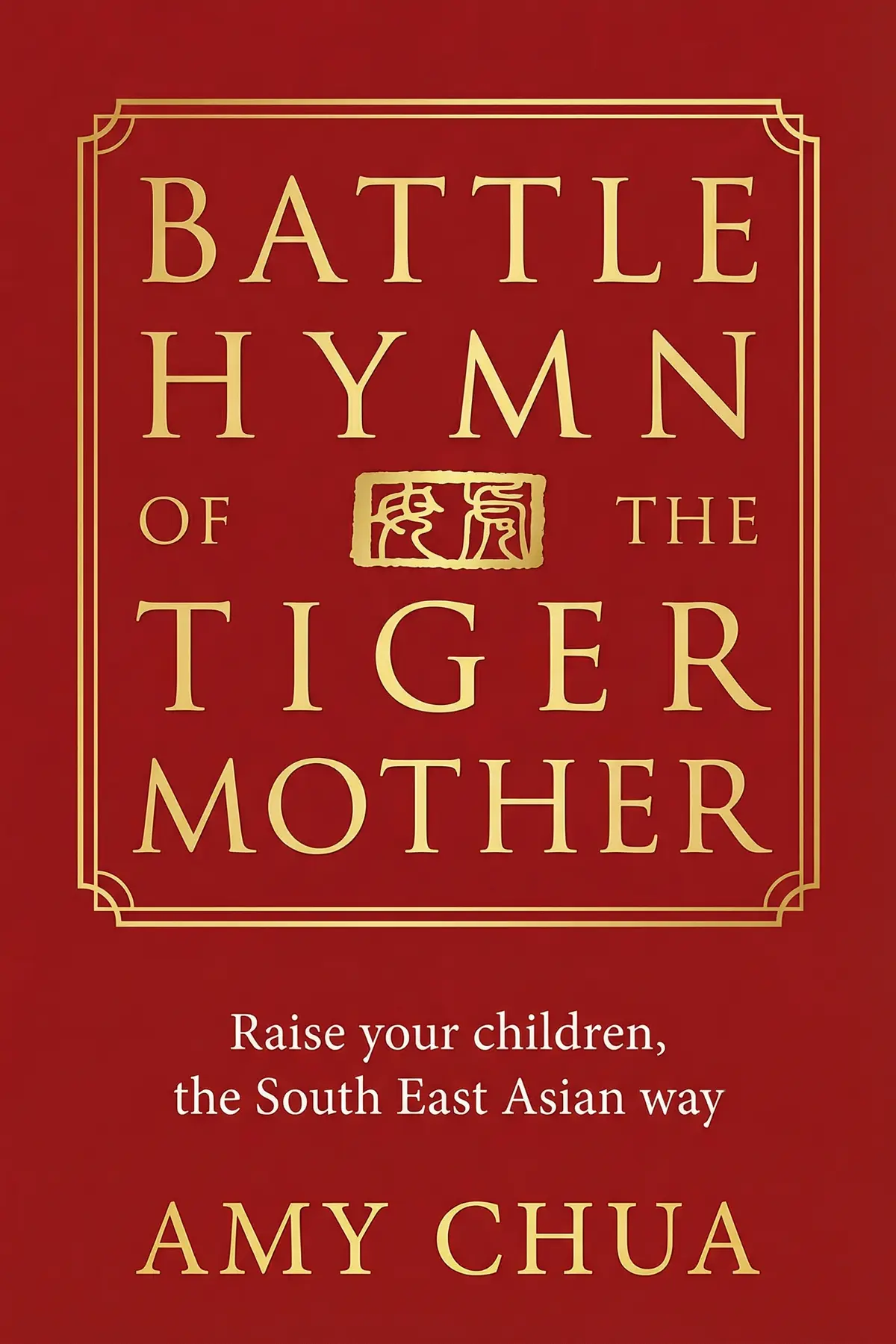
Amy Chua
AUDIO SUMMARY AVAILABLE
Get the key ideas from How Not to Hate Your Husband After Kids by Jancee Dunn, plus 5,000+ more titles in English and Thai.







