
20 min 10 sec
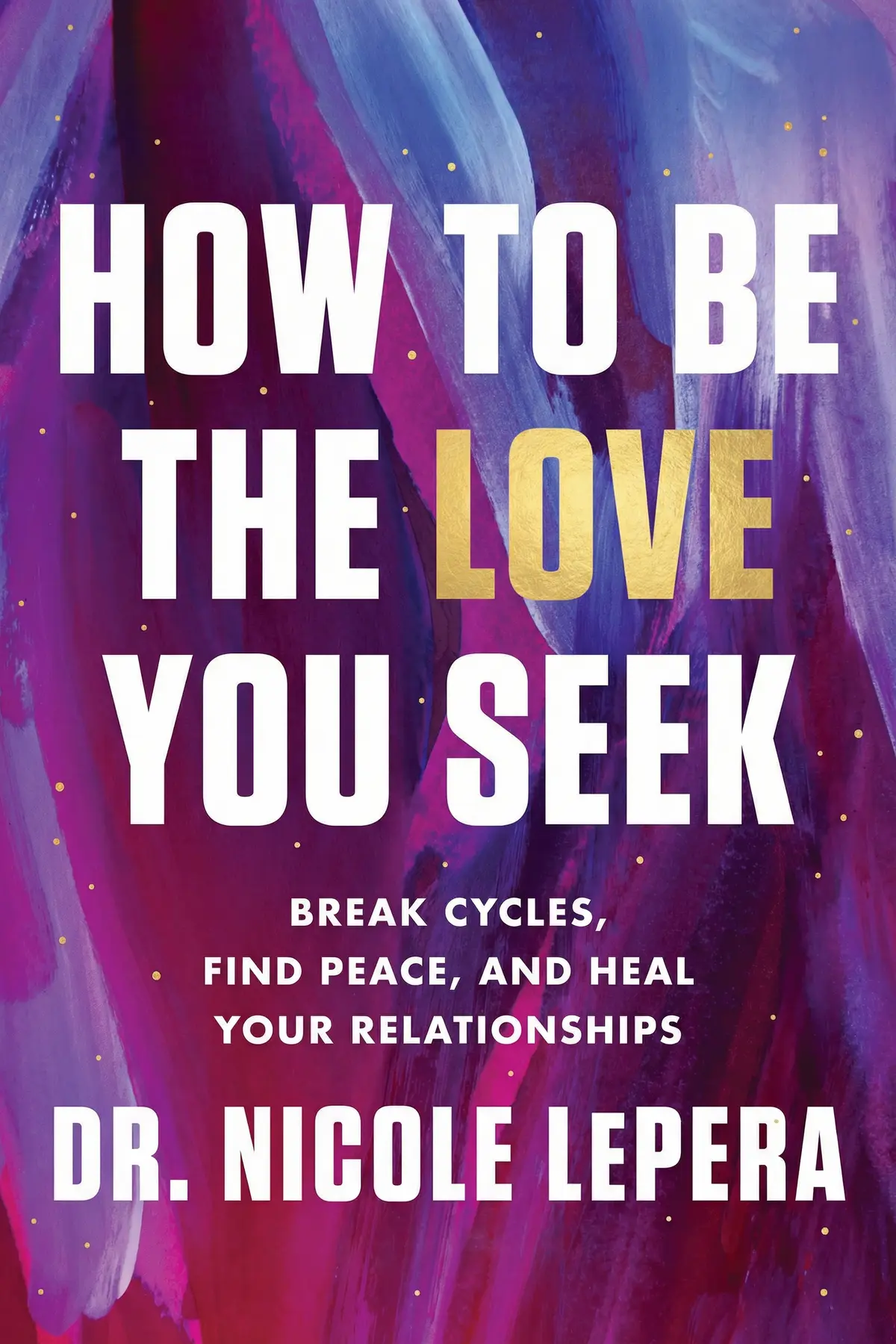
How to Do the Work: Recognize Your Patterns, Heal from Your Past, and Create Your Self
A comprehensive manual for self-healing, this guide explores how childhood experiences and physical health intersect to create persistent behavioral patterns, offering a holistic path toward reclaiming mental and emotional well-being.
Table of Content
1. Introduction
2 min 20 sec
Imagine, for a moment, that you have checked every box for success. You have the career you worked years for, a stable home, and a partner who loves you. By every external metric, you should be thriving. Yet, when you wake up in the morning, the first thing you feel isn’t gratitude or excitement—it’s a heavy, inexplicable exhaustion. Your mind feels clouded by a persistent fog, your body feels tense, and you find yourself snapping at the people you care about most. This was the exact reality for Dr. Nicole LePera. Despite her extensive training as a clinical psychologist, she found herself weeping over a simple bowl of oatmeal, unable to reconcile her professional expertise with her internal state of burnout and dissociation.
This breakdown was the catalyst for a radical shift in her perspective. She realized that traditional talk therapy, which focuses primarily on the mind, was leaving out a crucial piece of the puzzle: the body. Her journey toward recovery led her to develop the concept of holistic psychology—a way of looking at human health that recognizes the inseparable link between our physical state, our mental processes, and our spiritual well-being. This approach acknowledges that we are not just a collection of symptoms to be managed with a pill or a weekly conversation; we are complex systems where gut health, nervous system regulation, and childhood memories all play a role in how we show up in the world.
In this exploration, we are going to dive deep into what it truly means to ‘do the work’ of self-healing. We will look at why so many of us live our lives on a subconscious autopilot, governed by patterns we developed before we were even old enough to understand them. We’ll explore the physiological underpinnings of our anxiety, the profound impact of childhood ‘small-t’ trauma, and the essential practice of reparenting ourselves. This isn’t just about understanding why we feel the way we do; it’s about taking active, daily steps to change our internal environment so that we can finally step into our most authentic selves. Whether you feel stuck in your relationships, trapped by your past, or simply disconnected from your own life, the throughline here is empowerment. It is the realization that the power to heal doesn’t reside solely in a doctor’s office or a therapist’s chair—it resides within you.
2. The Paradigm Shift to Holistic Healing
2 min 20 sec
Discover why treating the mind in isolation often fails and how the emerging science of epigenetics proves our environment and habits can reshape our genetic destiny.
3. Breaking the Subconscious Autopilot
2 min 12 sec
Explore the hidden forces that drive 95 percent of your daily actions and learn how to cultivate the ‘conscious witness’ required to interrupt negative cycles.
4. The Silent Impact of Childhood Trauma
2 min 06 sec
Learn how ‘small-t’ traumas and emotional neglect lead to dissociation and why your adult behavior is often a echo of your youngest self’s survival strategies.
5. Calming the Body's Alarm System
2 min 16 sec
Understand the physiological toll of chronic stress and discover practical tools to soothe your nervous system through breath, sleep, and nutrition.
6. Reparenting and the Power of Self-Trust
2 min 00 sec
Learn to challenge the core beliefs that hold you back by becoming the wise, supportive parent your inner child always needed.
7. Setting Boundaries as an Act of Love
2 min 02 sec
Differentiate between physical, resource, and emotional boundaries to end the cycle of people-pleasing and build more authentic relationships.
8. From Trauma Bonds to Conscious Connection
2 min 23 sec
Recognize the addictive nature of chaotic relationships and learn how self-healing transforms your ability to build stable, co-regulated communities.
9. Conclusion
2 min 31 sec
As we reach the end of this journey into the principles of holistic psychology, it’s important to reflect on the central promise of ‘doing the work.’ This is not a quick fix or a set of life hacks designed to make you ‘happy’ overnight. Rather, it is an invitation to embark on a lifelong process of self-discovery and self-reclamation. We have seen how our physical health, our childhood memories, and our daily habits are all threads in the same tapestry. To pull on one is to affect the whole. By addressing our gut health, calming our nervous systems, and gently confronting our ‘inner child,’ we begin to untangle the knots that have kept us stuck in the past.
The throughline of everything we’ve discussed is the transition from being a passive observer of your life to being its conscious creator. Most of us have spent years being driven by subconscious impulses and survival strategies that were never ours to begin with—they were simply the best tools our younger selves had at the time. Doing the work means having the courage to set those old tools down and pick up new ones. It means choosing awareness over autopilot, boundaries over people-pleasing, and self-compassion over self-criticism. It’s a path that requires patience, especially when the old patterns inevitably resurface.
If there is one final takeaway to carry with you, it is the power of small, consistent action. Transformation doesn’t happen in a single ‘lightbulb moment’ on a mountaintop; it happens in the mundane choices you make every single day. It happens when you choose to take a deep breath instead of shouting, or when you keep that one small promise you made to yourself this morning. These tiny victories accumulate. They build the self-trust and the physiological resilience that eventually lead to a profound shift in how you experience the world.
So, your actionable advice for today is this: choose one small habit to change, and commit to it for the next week. Don’t try to overhaul your entire life at once—that’s a recipe for burnout. Instead, pick something incredibly simple. Maybe it’s drinking a full glass of water before your morning coffee, or spending two minutes observing your thoughts without judgment before you get out of bed. By sticking to this one small commitment, you are sending a powerful signal to your subconscious: you are someone who can be trusted. You are someone who is worthy of care. And most importantly, you are someone who is finally ready to do the work.
About this book
What is this book about?
How to Do the Work is an exploration of holistic psychology, a field that bridges the gap between traditional clinical practices and the interconnected reality of the mind and body. It addresses the common feeling of being stuck or disconnected despite traditional therapy, positing that true transformation requires looking at our physical health, our subconscious habits, and our early childhood attachments simultaneously. The book promises to move beyond the superficial management of symptoms. Instead, it offers a framework for identifying the root causes of our distress, such as unprocessed trauma and survival mechanisms that no longer serve us. By teaching readers how to observe their thoughts, regulate their nervous systems, and set healthy boundaries, it provides a roadmap for becoming one's own healer and building a life of authentic connection.
Book Information
About the Author
Nicole LePera
Dr. Nicole LePera is a clinical psychologist who received her education at Cornell University and went on to earn her PhD from the New School for Social Research. She is widely recognized for her influential Instagram platform, @the.holistic.psychologist, where she reaches an audience of over three million followers across the globe with her insights on mental health and self-healing.
Ratings & Reviews
Ratings at a glance
What people think
Listeners find this book incredibly accessible and transformative, providing straightforward accounts of deep psychological themes and hands-on activities. The layout is orderly, and listeners value the way it aids in self-discovery and evolving their outlooks. They prize how it deconstructs sentiments and moods to build a more joyful, significant life, and welcome its approachable technique for bonding with their genuine selves.
Top reviews
Sue
Wow. This truly feels like the manual for being a human that I never received growing up. Dr. LePera manages to bridge the gap between heavy clinical psychological concepts and actual, everyday habit shifts that feel attainable for someone who isn't a scientist. Her sections on the gut-brain connection were eye-opening for me because I never realized how much my physical inflammation was driving my anxious thought loops. Frankly, the writing style is exceptionally approachable, turning what could have been a dense textbook into a roadmap for self-discovery. While some parts felt a bit similar to her Instagram content, having it all organized in one place makes the reparenting work feel much more concrete and structured. If you are tired of just talking about your problems and actually want to start shifting your nervous system, this is the place to begin.
Show moreNarong
As someone who has struggled with chronic stress and digestive issues for years, I found the holistic approach here to be a total game-changer. It’s rare to find a psychologist who acknowledges that our mental state is inextricably linked to our biology and what we put in our bodies. The exercises on nervous system regulation—like conscious breathing and witnessing your triggers—have actually helped me lower my baseline anxiety in a way that traditional talk therapy never did. I love how she emphasizes that we are our own best healers because it shifts the power back to the individual. Some might find the language a bit 'woo,' but if you look at the references in the back, the foundation is there. This is a book I’ll be coming back to whenever I feel myself slipping back into old, toxic patterns.
Show moreAva
Ever wonder why you keep dating the same person with a different face or why you can't stop people-pleasing at work? Nicole LePera dives into the 'why' behind those behaviors with such clarity that it feels like she’s reading your personal journal. The concept of 'reparenting' was totally new to me, but it makes so much sense when you see how your unmet needs from childhood are still running the show. I appreciated that she shared her own struggles with burnout and disconnection; it made her feel like a real person rather than just a distant expert. The book is very well-structured, moving from the physical body to the emotional self and finally to how we relate to the world. It’s a lot to process, but the life-changing perspective it offers is worth every second of the read.
Show moreSomsak
Truth is, I was skeptical about another 'self-help' book by an influencer, but Dr. LePera actually delivers on the promise of the title. This isn't just fluffy affirmations; it's a practical guide that asks you to look at the ugly parts of yourself and take responsibility for changing them. The breakdown of how the ego protects us from pain was particularly impactful for my own growth journey. I’ve started implementing the 'daily promises' she suggests, and I can already feel a shift in my self-trust. It’s a dense read that requires you to actually stop and reflect rather than just skimming through. For anyone looking to live more authentically and break free from the autopilot of their past, I can’t recommend this highly enough.
Show moreSarawut
After hearing about the 'holistic psychologist' for months, I decided to see what all the hype was about regarding her debut book. Truth is, it's essentially a comprehensive deep-dive into her social media posts, but with much more nuance and several practical exercises that force you to confront your own patterns. I particularly appreciated the way she explains 'small-t' trauma, as it helped me validate experiences that I previously thought weren't 'bad enough' to warrant healing. There’s a lot of focus on boundaries and the ego, which can be a tough pill to swallow when you realize how much of your identity is built on old wounds. My only gripe is that it occasionally feels a bit repetitive, and the tone is somewhat authoritative. Still, it’s a solid read for anyone looking to build a foundation in self-awareness.
Show moreGioia
Finally got around to finishing this, and I have to say the section on inner child work is some of the most accessible writing on the topic I've encountered. Dr. LePera breaks down why we get stuck in these 'autopilot' loops and gives you the tools to actually pause before reacting. I’ve read Gabor Maté and Van der Kolk, and while this isn't nearly as academic, it serves as a great 'Psych 101' for the social media generation. It’s practical, it’s punchy, and it doesn’t sugarcoat the fact that 'doing the work' is going to be incredibly uncomfortable at times. I did feel that the chapters on physical health were a bit out of place compared to the deep emotional work, but I understand the holistic intent. It’s a great companion for anyone already in therapy who needs a little extra homework to stay on track.
Show moreHang
Picked this up during a particularly rough patch, and it provided exactly the kind of structure I needed to start making sense of my family dynamics. The way she describes 'parent figures' instead of just parents was helpful for someone with a complicated upbringing involving multiple caregivers. I found the chapter on boundaries to be the strongest, specifically the part about how enforcing them will likely upset other people—and why that’s okay. To be fair, the book can feel a bit elitist in its assumptions about how much free time the reader has to dedicate to these practices. Not everyone can spend an hour on 'self-care' every morning. However, if you take the concepts and adapt them to your own life, there is a lot of wisdom to be found here.
Show moreSaengdao
The chapter on trauma-bonding was a major 'aha' moment for me, as it explained so much about my past relationship failures. I’ve been following the author on Instagram for a while, and while the book covers similar ground, the added depth and case studies make it worth the purchase. She has a way of explaining complex trauma in a way that doesn't feel overwhelming or triggering, which is a difficult balance to strike. My only real criticism is the lack of intersectionality; it would have been great to see more acknowledgement of how different identities face different barriers to healing. Still, the core message of self-accountability and breaking generational cycles is powerful stuff. It’s a solid guide for anyone ready to stop being a victim of their past.
Show moreNam
In my experience, this book is a bit of a mixed bag, offering some brilliant insights alongside some fairly questionable 'wellness' advice. On the positive side, the focus on self-awareness and learning to witness your thoughts is fantastic and should be taught in schools. But then you hit sections that feel like spiritual bypassing, where the solution to deep-seated issues is just to 'do the work' without acknowledging external stressors like systemic inequality. I also found the title a bit aggressive—'How to Do the Work' implies this is the only way, which feels a bit exclusionary. It’s a useful tool if you’re already in a stable place, but it might be a bit much for someone in the middle of a crisis. Take what works for you and leave the rest behind.
Show moreAmy
This book was a massive disappointment for me personally, primarily because it leans so heavily into anecdotal evidence while largely ignoring the systemic factors that influence mental health. While the author uses her PhD as a badge of authority, many of the 'scientific' claims regarding nutrition and 'leaky gut' felt like pseudoscience dressed up in therapy speak. To be fair, her advice on setting boundaries is decent, but it’s nothing you couldn't find in a basic self-help blog for free. The most troubling part is the underlying message that healing is entirely a solo mission, which completely ignores the reality of poverty and lack of access to healthcare. It feels like it was written for a very specific, privileged demographic that has the time and resources for daily yoga and specialized diets. Look, if you’re a beginner it might help, but there are better, more evidence-based books out there.
Show moreFeatured in
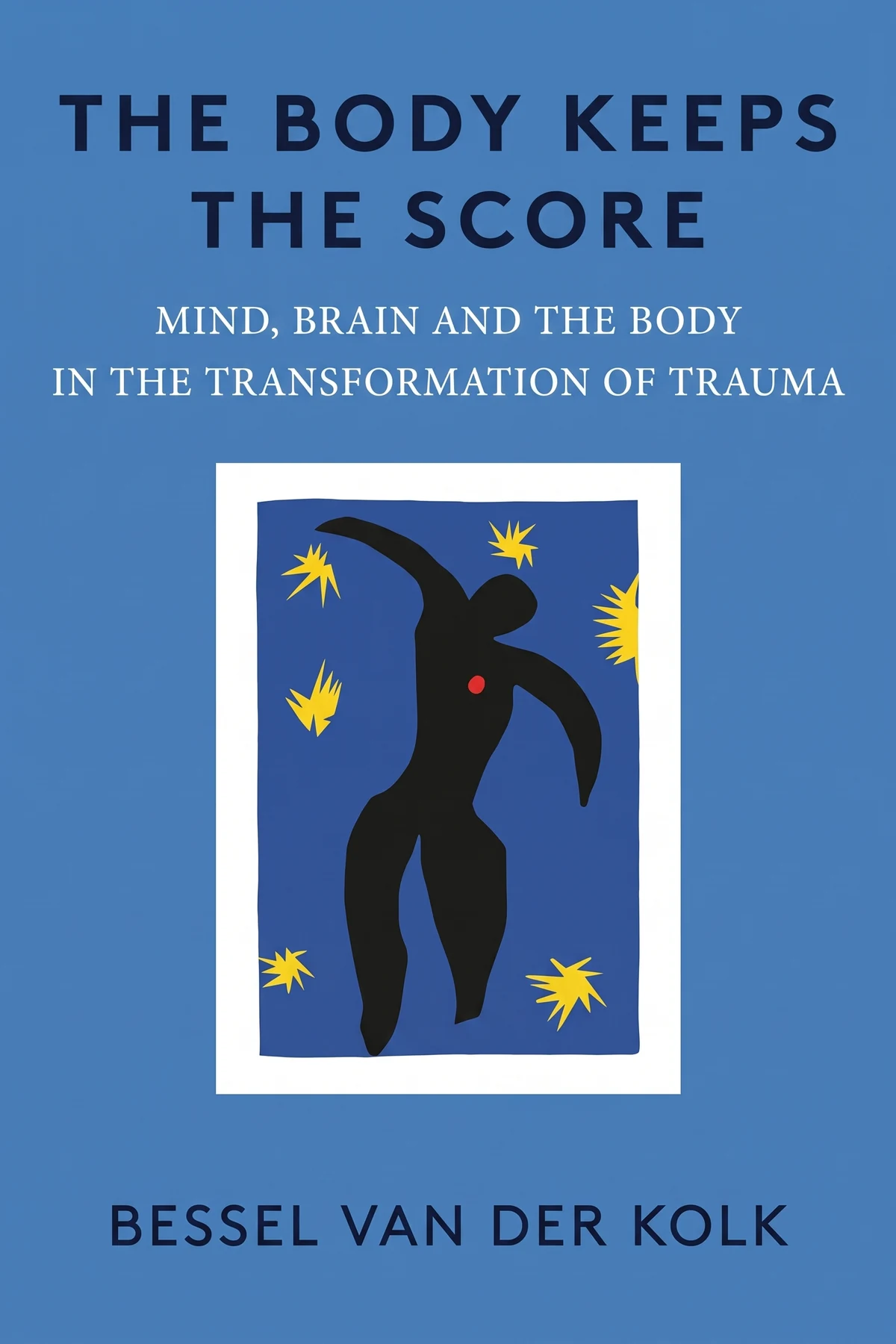

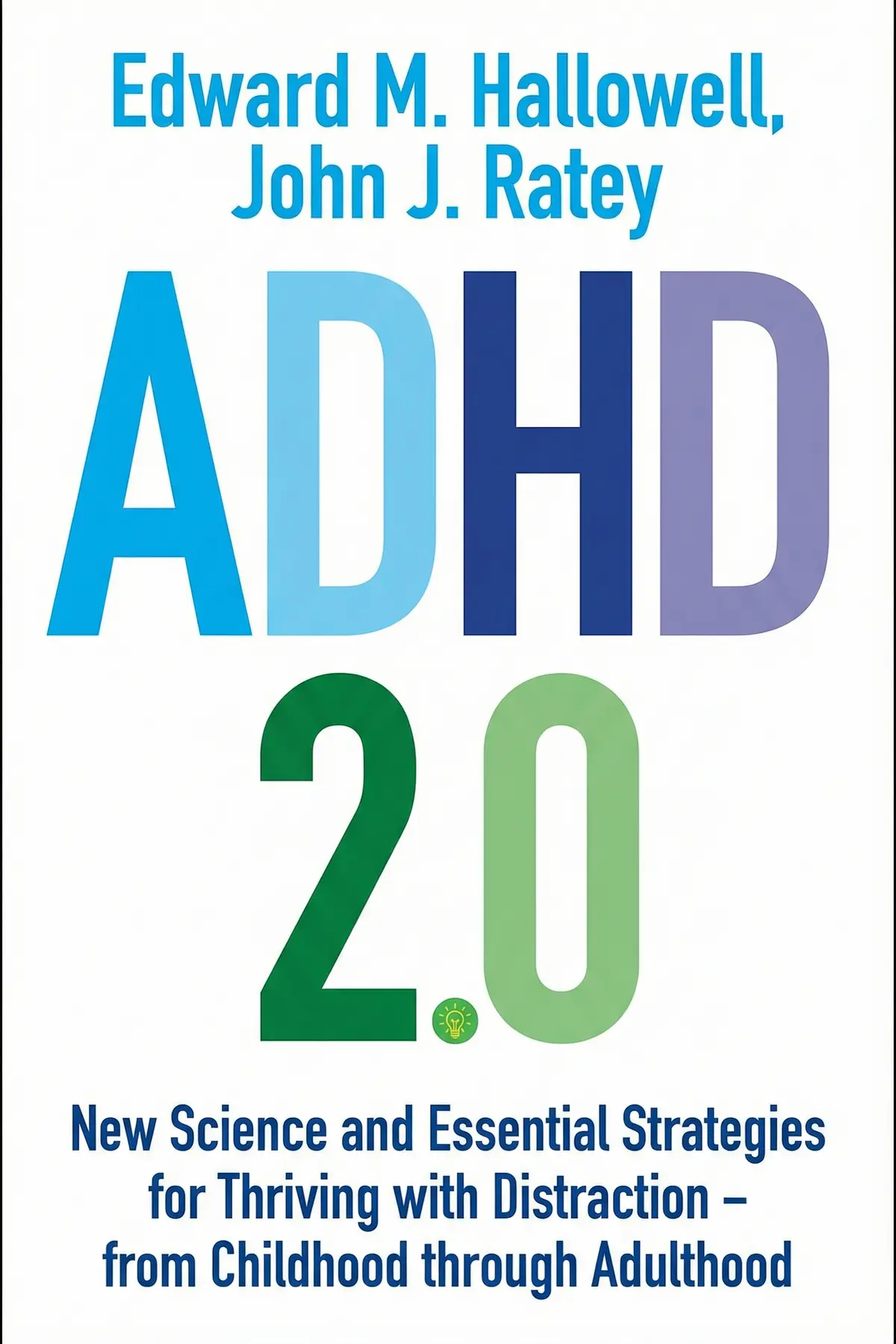
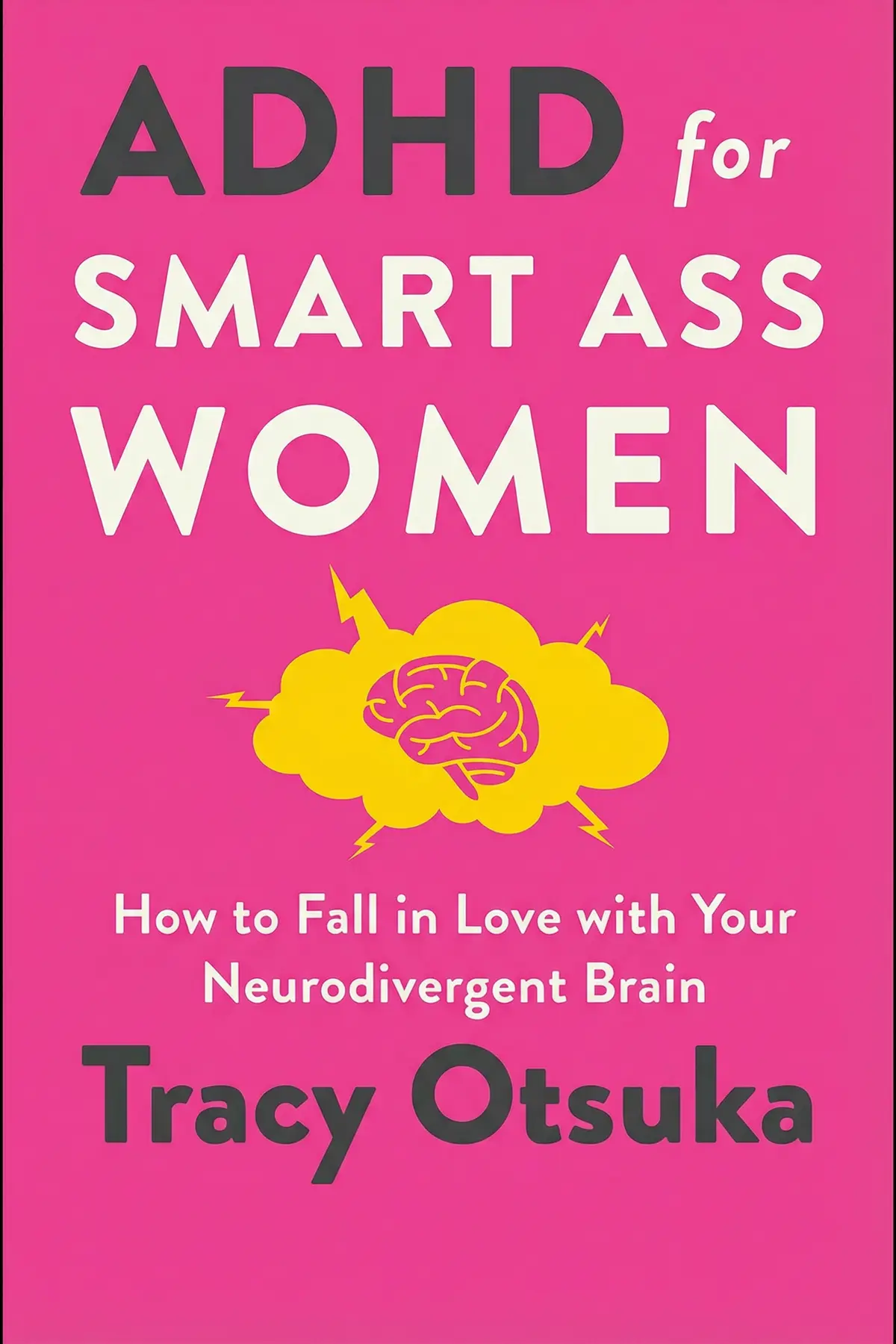
Readers also enjoyed
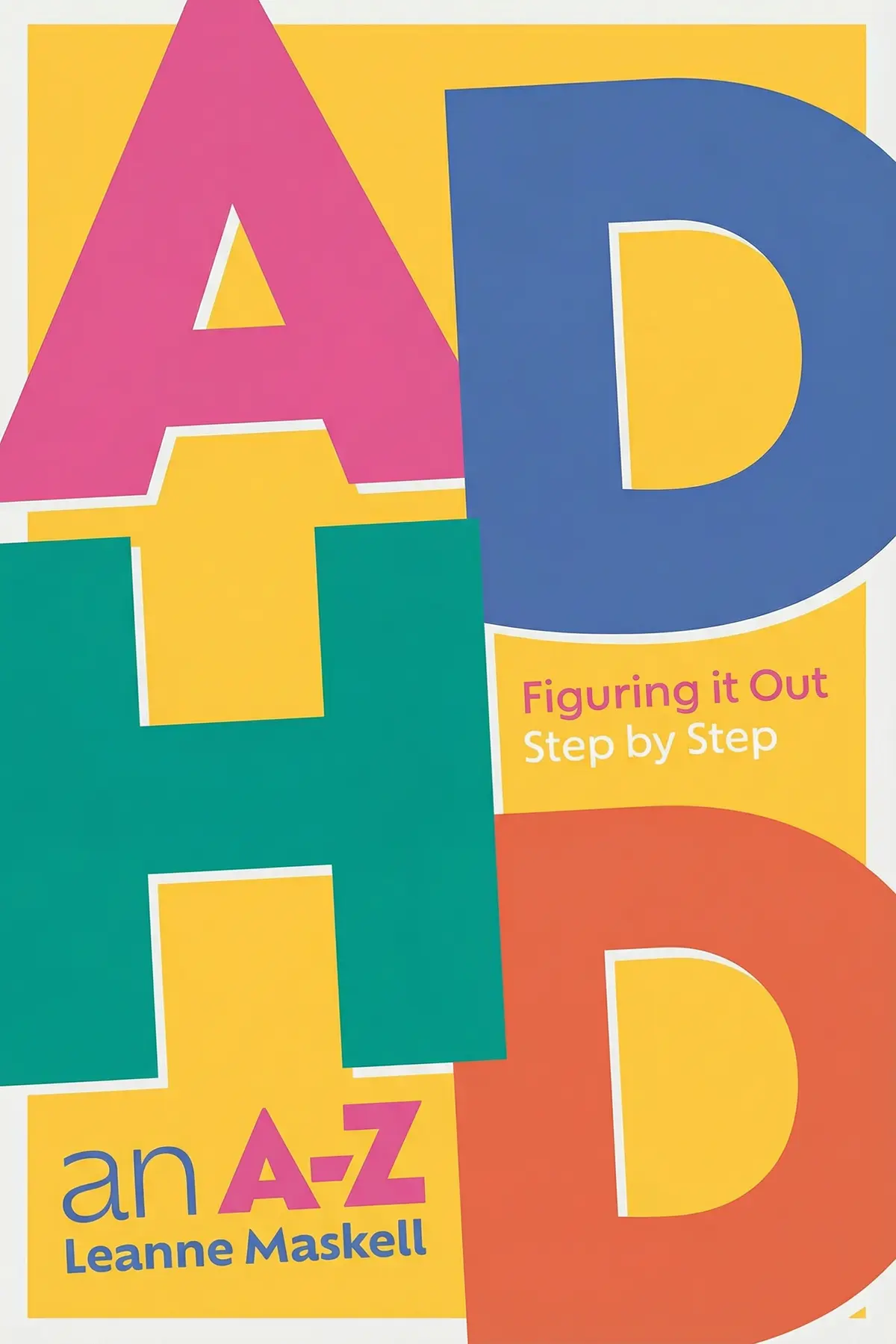
ADHD an A-Z: Figuring It Out Step by Step
Leanne Maskell
Alcoholics Anonymous
Alcoholics Anonymous World Services
A Liberated Mind: How to Pivot Toward What Matters
Steven C. Hayes
AUDIO SUMMARY AVAILABLE
Listen to How to Do the Work in 15 minutes
Get the key ideas from How to Do the Work by Nicole LePera, plus 5,000+ more titles in English and Thai.
- 5,000+ titles
- Listen as much as you want
- 7-day free trial
- Cancel anytime







