
18 min 45 sec
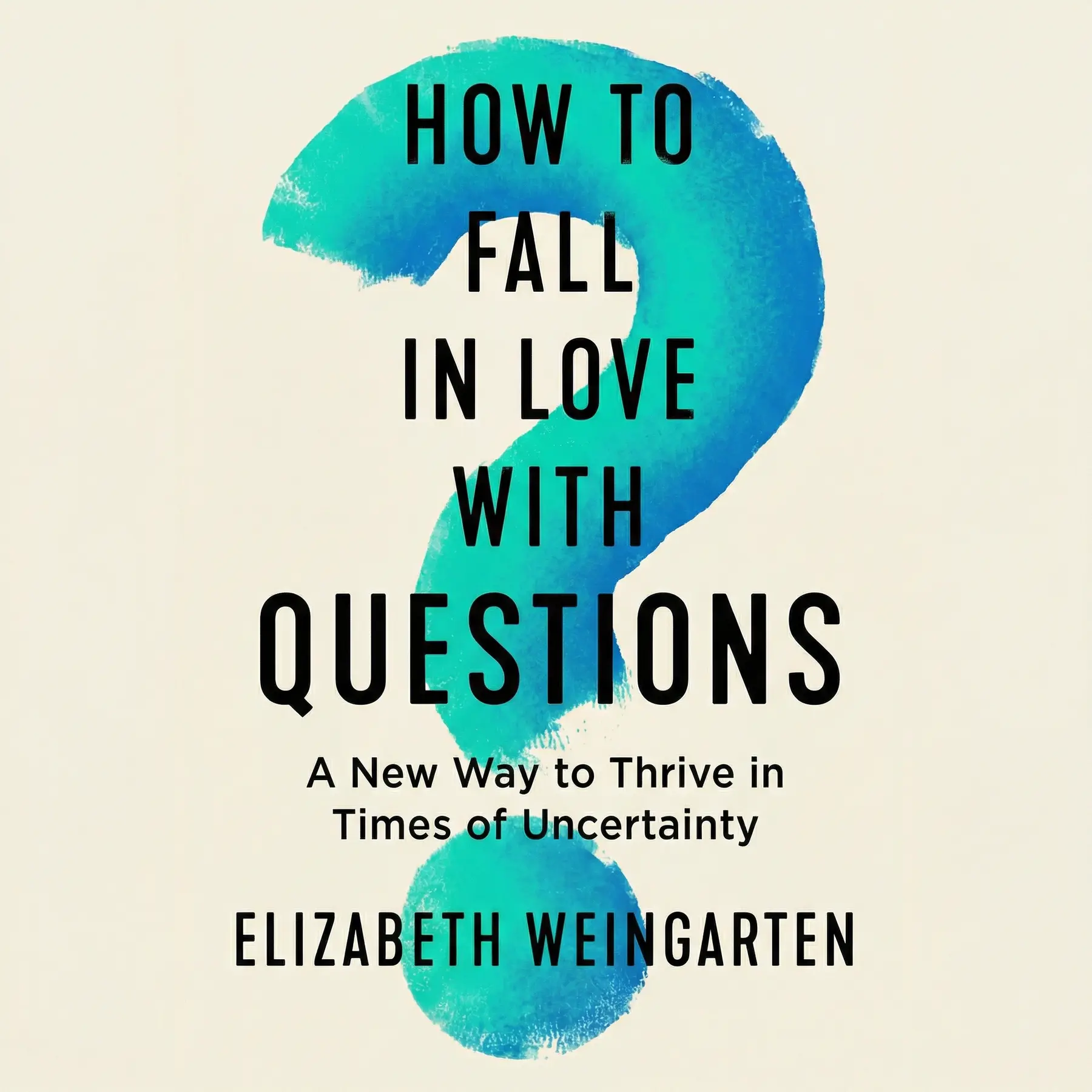
How to Fall in Love with Questions: A New Way to Thrive in Times of Uncertainty
Explore how curiosity can reshape your life. This guide demonstrates how embracing uncertainty through the art of questioning leads to deeper relationships, professional innovation, and a clearer sense of self.
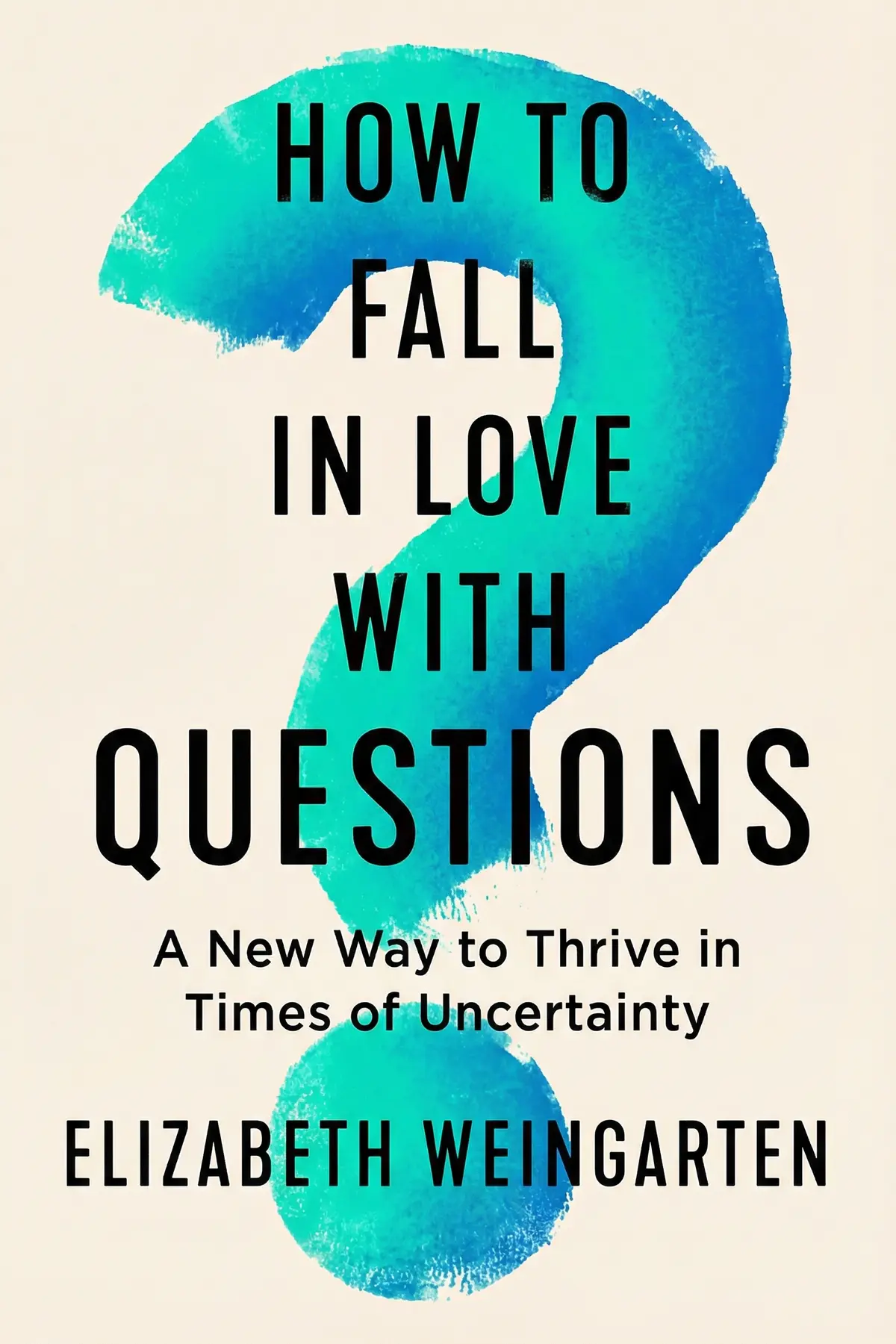
Table of Content
1. Introduction
1 min 35 sec
In our fast-paced, digital world, we are often rewarded for having the fastest answer. We celebrate the person who speaks first in a meeting, the leader who appears to have total certainty, and the expert who claims to have the final word on any given subject. But what if this obsession with the finish line—the answer—is actually holding us back? What if the real power lies not in the resolution, but in the search itself?
Consider the most innovative minds that have ever lived. From scientists to artists to social reformers, they didn’t start with a solution. They started with a itch of curiosity, a willingness to admit they didn’t know everything, and a profound commitment to asking better questions. They understood something that many of us have forgotten: uncertainty isn’t an obstacle to success; it’s the very soil in which growth and discovery take root. When we try to bypass uncertainty, we also bypass the possibility of finding something truly new.
This exploration of Elizabeth Weingarten’s work invited us to shift our perspective. It’s about more than just being inquisitive; it’s about a fundamental restructuring of how we interact with our own minds, our colleagues, and our loved ones. Over the next several segments, we will look at how to fall in love with questions as tools for transformation. We’ll see how curiosity can be reclaimed as an adult skill, how questions can mend or deepen our human connections, and how they can even serve as a compass in the professional world. Ultimately, we are going to learn how to stop fearing the unknown and start treating it as a space of infinite potential. By the end, the goal isn’t to have all the answers, but to feel more comfortable—and even excited—about the questions that define your life.
2. The Biological and Psychological Roots of Curiosity
2 min 47 sec
Discover why our brains are naturally wired to fear the unknown and how reclaiming your childhood sense of wonder can lead to world-changing breakthroughs.
3. Strengthening Relationships Through Inquiry
3 min 02 sec
Learn how to move beyond transactional conversations and use deep questions to forge authentic trust and empathy with those around you.
4. Using Internal Inquiry to Build Self-Knowledge
3 min 10 sec
Unlock a more authentic version of yourself by turning the power of questioning inward and challenging the scripts you’ve been living by.
5. Fostering Innovation and Collaboration in the Workplace
2 min 55 sec
See how intellectual humility and a culture of questioning can replace the pressure to be ‘right’ and drive breakthrough success in any career.
6. The Art of Living Within Uncertainty
3 min 20 sec
Shift your perspective to see unresolved questions not as problems to be fixed, but as expansive spaces where your future self is being built.
7. Conclusion
1 min 56 sec
As we wrap up our journey through How to Fall in Love with Questions by Elizabeth Weingarten, let’s take a moment to reflect on the core shift we’ve explored. We live in a world that is obsessed with the destination—the promotion, the marriage, the finalized plan, the perfect answer. But as we’ve seen, the most vibrant parts of our lives actually happen in the ‘search.’
We’ve learned that curiosity is a biological gift that we can choose to reclaim at any age, allowing us to see possibilities where others see dead ends. We’ve seen how moving away from the ‘expert’ mindset can heal our relationships, turning conversations into shared adventures rather than just exchanges of information. We’ve explored how questioning our own internal scripts can free us from the limitations of our past, and how bringing an inquisitive spirit to the workplace can spark the kind of innovation that changes entire industries.
Most importantly, we’ve talked about the courage it takes to live inside a question without rushing to a conclusion. This is perhaps the most radical act of all. In a society that is increasingly polarized and frantic for certainty, your willingness to stay curious is a superpower. It allows you to stay open to the humanity of others and the mystery of your own life.
So, as you step back into your day, I want to leave you with one final challenge. Don’t look for an answer today. Instead, look for a better question. Look for a moment where you would normally be certain, and instead, be curious. Whether you are sitting in a meeting, talking to a friend, or reflecting on your own future, give yourself the grace of not knowing. Let your questions be your guide, and trust that if you stay close to them, they will lead you exactly where you need to go.
Thank you for spending this time with us. If you found these ideas helpful, please consider leaving a rating—we truly value your feedback. We’ll see you next time.
About this book
What is this book about?
In an era that demands instant answers and constant expertise, many of us have lost the fundamental human ability to wonder. We treat uncertainty as a problem to be solved or a threat to be neutralized, rather than an invitation to explore. This summary of How to Fall in Love with Questions challenges that mindset, arguing that the quality of our lives is determined by the quality of the questions we are willing to ask and live with. By examining the intersection of behavioral science and storytelling, the book reveals how curiosity serves as a bridge between where we are and where we want to be. It provides a roadmap for using inquiry to strengthen personal bonds, navigate complex workplace dynamics, and uncover personal truths. The promise is simple yet profound: by letting go of the need for immediate certainty, you gain the freedom to innovate, the depth to connect, and the resilience to thrive in a world that is constantly changing. It is not just about finding answers, but about transforming your relationship with the unknown.
Book Information
About the Author
Elizabeth Weingarten
Elizabeth Weingarten is a journalist and applied behavioral scientist whose work bridges research and storytelling. She has held editorial roles at Slate and Behavioral Scientist and contributed to publications including the Atlantic, Harvard Business Review, and TIME. Weingarten has also led research programs on human behavior and decision-making at New America, ideas42, Torch, and Udemy.
Ratings & Reviews
Ratings at a glance
What people think
Listeners describe this book as a must-read that is both deep and intellectually stimulating, with one individual noting how it offers the bravery needed to confront and reshape questions. Furthermore, the work is celebrated for its empathetic prose, personal narratives, and approachable subject matter. Listeners also value the tempo, with one person likening the experience to the highlight of a book club discussion, and the substance, with one review emphasizing its blend of scientific research and captivating material.
Top reviews
Anchalee
Elizabeth Weingarten has written a guide for the modern soul that feels less like a dry self-help manual and more like a warm, late-night conversation with a brilliant friend. She tackles the paralyzing nature of uncertainty with a compassionate writing style that makes the reader feel seen and understood. The way she weaves together the history of Alexander Fleming’s accidental discovery of penicillin with her own vulnerability is truly masterful. I especially appreciated the deep dive into how curiosity can act as a buffer against anxiety, transforming the terrifying 'not knowing' into a fertile space for growth. While she does share a lot of her own relationship struggles, I found those moments grounded the lofty philosophical concepts in real-world stakes. It takes courage to admit you don’t have the answers, and this book gives you the tools to do just that. If you’re feeling stuck in the 'impatient age' of instant Google results, this is the perfect antidote. It's thought-provoking, human, and ultimately quite transformative.
Show moreGrace
Can we really learn to sit with not knowing? In an era where every answer is a smartphone click away, Weingarten’s book is an essential plea for slowing down. The truth is, I’m the kind of person who seeks certainty at all costs, so the idea of 'living the questions' felt radical to me. I was fascinated by the mention of exposure-based therapies and how practicing uncertainty in safe environments can actually lower symptoms of depression. The author writes with such a compassionate tone that even the most 'mystical' sections about Rilke felt grounded in a universal human experience. I loved the variety of examples, from Eleanor Roosevelt’s self-reflection to the way physicists like Richard Feynman delight in 'confused wonder.' This book isn't about giving you answers; it’s about changing your relationship with the unknown. It’s a philosophical journey that provides real courage to face the messy parts of life. I’ll be thinking about these concepts for a very long time.
Show moreChanida
The opening chapter hooked me immediately with the idea that our brains are wired to avoid surprise. We’ve become so addicted to certainty that we’ve lost the ability to be truly curious, and Weingarten is here to help us win that back. I found the stories about Eleanor Roosevelt and her habit of challenging her own fears to be incredibly inspiring. The book does a wonderful job of showing that questions aren't just for getting information; they are for building trust and intimacy. I loved the focus on oral historian Studs Terkel and the 'secret' of his authentic interest in others. Personally, I didn't mind the personal stories at all. They made the author feel like a real person struggling with the same things we all do. It’s a compassionate, relatable, and deeply thought-provoking read that I would highly recommend to anyone feeling overwhelmed by the complexity of the world. It’s about finding the joy in discovery itself.
Show moreNoi
Finally got around to reading this, and it’s a solid four-star experience for anyone feeling weighed down by the need to be 'in control' at all times. Weingarten makes a compelling argument that we are most human when we embrace patience and agency during periods of doubt. The chapter on Studs Terkel was a personal favorite; it perfectly illustrated how sincere inquiry creates a bridge between people. I’ve started applying her advice of asking open-ended questions like 'What feels hardest about that?' in my own life, and the shift in my relationships has been noticeable. To be fair, some of the personal stories felt a little long-winded, and I can see why some readers might find the focus on her own anxiety a bit much. But the core message—that questions are the antidote to the stagnation of modern life—is powerful. It’s a refreshing take that mixes hard science with deeply engaging material. Definitely worth a read if you're navigating a big life transition.
Show moreKwame
What a refreshing take on curiosity! As someone who works in a fast-paced environment, the section on how organizations reward quick answers over deep inquiry really hit home. Weingarten shows how we can foster a culture of continuous learning just by changing the way we debrief after projects. I appreciated the mix of historical figures and modern psychological research. It makes the concept of 'falling in love with questions' feel like a practical skill rather than just a poetic idea. Look, the book does get quite personal, and if you aren't in the mood for an author's internal monologue about their dating life, you might get annoyed. But if you can look past that, the insights on using internal questioning to increase your sense of agency are excellent. It’s a book that encourages you to stop living on autopilot. The pacing is great, almost like the best parts of a deep book club conversation. I’m glad I picked it up.
Show moreFah
After hearing about this book in a professional development seminar, I decided to give it a try. I’m glad I did! Weingarten’s exploration of how curiosity acts as a 'superpower' is both engaging and scientifically grounded. I found the distinction between action-oriented productivity and the 'patience' required for true insight to be a major eye-opener. The book is full of human stories that make the research feel more tangible. My favorite takeaway was the idea of keeping a journal of meaningful questions to track how our thinking evolves over time. Not gonna lie, some parts of the narrative are a bit 'floaty,' and I skipped over a few of the more repetitive Rilke sections. But overall, it’s a very worthwhile read for anyone navigating a period of change. It offers a fresh approach to a topic that usually feels too abstract. It’s a 4-star read that I’ll likely revisit when I’m facing my next big decision.
Show moreIsabelle
Ever wonder why we're so afraid to say 'I don't know'? This book dives into that fear and offers a way out through the art of questioning. I really appreciated the workplace application—especially the story of Claude Shannon. It’s a great reminder that true innovation comes from challenging basic assumptions rather than just looking for the fastest solution. The writing is very accessible and the tone is incredibly kind. While the author does lean heavily on her own life experiences, which might not resonate with everyone, I found her honesty about her own anxiety to be quite brave. It helps bridge the gap between 'knowing' the science of curiosity and actually 'living' it. The book provides a sense of courage to reframe our daily uncertainties as invitations rather than threats. It’s a thoughtful, engaging read that manages to be both philosophical and practical at the same time. A really solid addition to my shelf.
Show moreMia
There are some genuine nuggets of wisdom buried here, though the structure feels a bit disjointed at times. On one hand, you have fascinating studies about how curiosity scores correlate with mental health. On the other, there is a lot of focus on the author's specific life choices and her relationship anxiety. I found the segments on workplace innovation and Claude Shannon to be the strongest parts of the book. Those sections felt practical and clear. However, the narrative often veers back into personal territory that felt a bit too 'niche' to be fully effective for a broad audience. It’s a bit of a mixed bag. The writing is certainly accessible and interesting, but it didn't quite deliver the 'mind-blowing' revelation I was expecting from the title. I’d recommend it to younger readers who are just starting to navigate the 'big questions' of adulthood, but older readers might find some of the ruminations a bit tiresome.
Show moreOat
I picked this up hoping for a deep dive into the psychology of curiosity, but I felt like I was reading someone's personal diary instead of a cohesive study. Frankly, the author’s constant rumination over her own relationship status became repetitive and, at times, a bit cringey. It overshadowed the actual science. I was very interested in the sections on Claude Shannon and information theory, but those felt like brief interludes in a memoir about anxiety. The frequent returns to the Rilke poem also felt a bit mystical and murky for my tastes, making the overall message feel nebulous rather than actionable. There is a great topic hidden in here about how we avoid ambiguity, but it gets buried under too many personal anecdotes that didn't feel universally relatable. If you enjoy very personal, introspective memoirs, you might like it. However, if you are looking for a rigorous exploration of how to ask better questions in a professional or scientific context, this might miss the mark for you.
Show moreYam
Not what I expected. I was hoping for a more objective look at the science of inquiry, but this felt more like a therapy session for the author. The marketing suggests a broad guide to thriving in uncertainty, yet a huge portion of the text is devoted to her specific relationship drama. It’s hard to get much out of a book about such a broad concept when the examples are so narrowly focused on one person's internal anxiety. The constant references to Rilke became quite tiresome after a while, and the writing felt a bit too mystical and 'woo-woo' for me. There are some good points about how smartphones take away our opportunities to practice tolerating uncertainty, but those felt like small islands in a sea of personal rumination. I really wanted to like this because I'm a big believer in curiosity, but the execution just didn't work for me. It felt too self-absorbed to be truly helpful as a self-improvement book.
Show moreReaders also enjoyed
Abundance: The Inner Path to Wealth
Deepak Chopra
59 Seconds: Change Your Life in Under a Minute
Richard Wiseman
A Guide to the Good Life: The Ancient Art of Stoic Joy
William B. Irvine
AUDIO SUMMARY AVAILABLE
Listen to How to Fall in Love with Questions in 15 minutes
Get the key ideas from How to Fall in Love with Questions by Elizabeth Weingarten, plus 5,000+ more titles in English and Thai.
- 5,000+ titles
- Listen as much as you want
- 7-day free trial
- Cancel anytime







