
18 min 03 sec
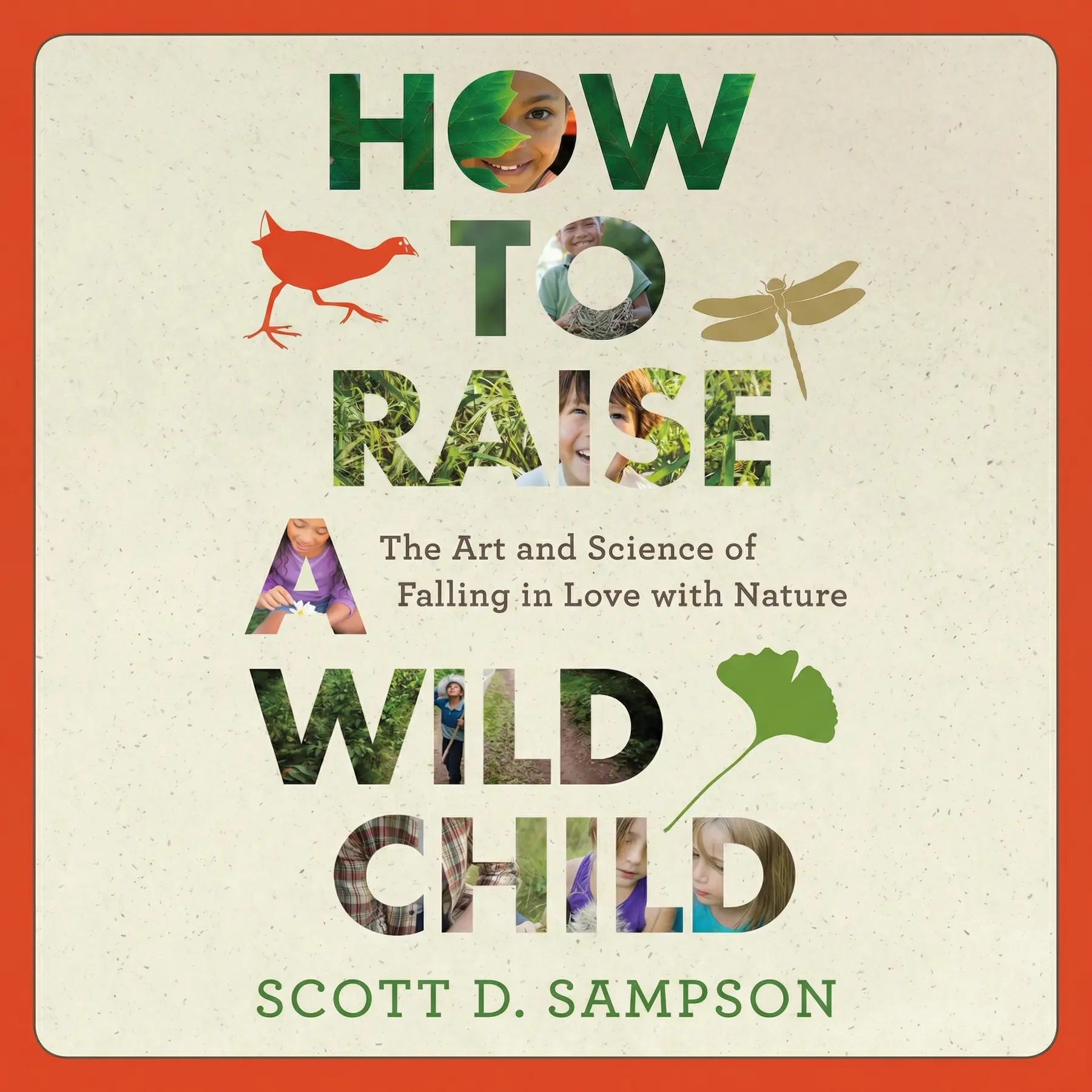
How to Raise a Wild Child: The Art and Science of Falling in Love With Nature
A comprehensive guide for parents and educators to help children rediscover the wonders of the outdoors, fostering physical health, emotional well-being, and a lifelong ecological connection in a digital-first world.
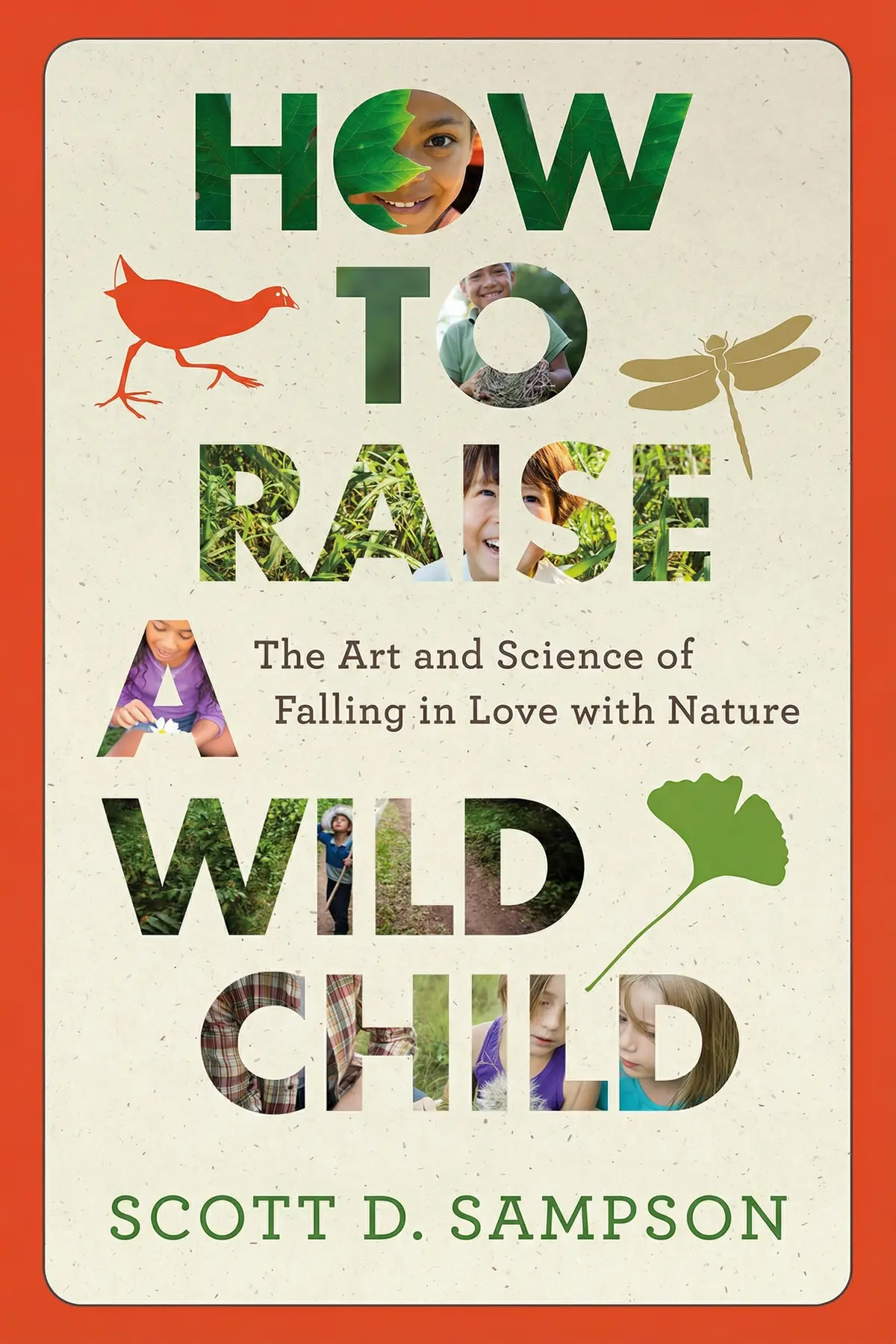
Table of Content
1. Introduction
1 min 35 sec
Think back to your own childhood for a moment. For many of us, the most vivid memories involve the feeling of grass underfoot, the smell of rain on hot pavement, or the thrill of discovering a secret hideout in a nearby thicket. There was a certain wildness to being a kid—a freedom to explore that felt infinite. But if you look at the world today, that landscape has changed dramatically. The bustling outdoor scenes of the past have been replaced by a quiet, indoor existence. Today’s children are more likely to be experts on virtual worlds than the ecosystems in their own backyards.
As a parent or educator, you might feel a pang of nostalgia, but this isn’t just about missing the “good old days.” There is a growing body of evidence suggesting that this shift toward an indoor lifestyle is having a tangible impact on the well-being of the next generation. We are seeing higher rates of stress, physical health challenges, and a general lack of engagement with the physical environment.
How to Raise a Wild Child serves as a vital intervention. It’s a guide designed to help us bridge the widening gap between children and the natural world. The throughline here is simple yet profound: falling in love with nature is a learned behavior, and as adults, we have the power to be the guides who lead the way. Over the next several minutes, we will explore why this connection is so vital, how we can foster it regardless of where we live, and how we can use everything from simple sticks to modern technology to raise a generation that is healthy, imaginative, and deeply connected to the Earth.
2. The Great Indoor Migration
1 min 58 sec
Explore the modern factors keeping children away from the outdoors, from parental safety concerns to the allure of high-tech digital entertainment.
3. The Biological Necessity of Nature
2 min 04 sec
Discover how reconnecting with the environment serves as a powerful antidote to modern childhood struggles like ADHD, obesity, and low academic performance.
4. The Three Dimensions of the Natural World
2 min 06 sec
Learn to identify the different types of nature available to your family, making it easy to find outdoor opportunities even in a busy city.
5. Becoming a Nature Mentor
1 min 47 sec
Shift your role from a supervisor to a guide by using storytelling and curiosity to deepen your child’s outdoor experiences.
6. Bringing the Outdoors into the Classroom
1 min 41 sec
Explore the role of schools in fostering environmental connection and how teachers can turn any lesson into an outdoor adventure.
7. Nature Play Across Developmental Stages
2 min 01 sec
Understand how the needs of children evolve from the simple imaginative play of toddlers to the confidence-building adventures of teenagers.
8. Cultivating the Hybrid Mind
1 min 38 sec
Discover how to balance the digital and natural worlds by using technology as a tool for exploration rather than a distraction.
9. Finding Wildness in the Urban Jungle
1 min 45 sec
Explore practical strategies for connecting with nature in cities, ensuring that urbanization doesn’t mean a total loss of ecological identity.
10. Conclusion
1 min 28 sec
As we wrap up our look at How to Raise a Wild Child, the central message remains clear: the bond between a child and the natural world is a precious resource that requires active cultivation. In an age of screens and packed schedules, it is easy to let this connection slip away, but the costs to our children’s health, creativity, and happiness are too high to ignore.
By becoming nature mentors, we can transform simple daily routines into opportunities for wonder. Whether it’s through the imaginative play of a toddler with a stick, the independent exploration of a pre-teen in a local park, or a teenager’s wilderness adventure, nature offers something for every stage of development. We don’t have to choose between technology and the outdoors; instead, we can foster a hybrid mind that uses the tools of the future to appreciate the wonders of the present.
Here is your actionable takeaway for today: the next time you feel the urge to buy your child a new, flashy toy, try heading outside instead. Remember that nature provides the most versatile and enduring playthings ever created. A handful of stones, a pile of dry leaves, or a sturdy branch can spark more imagination than any gadget. Take a walk, ask a few curious questions, and let the wildness of the world do the rest. Your child—and the planet—will be better for it.
About this book
What is this book about?
Modern childhood has largely moved indoors, replaced by glowing screens and structured schedules. How to Raise a Wild Child explores the profound consequences of this shift, identifying the rise in health issues like obesity and ADHD as symptoms of a growing disconnect from the natural world. The book serves as an essential manual for reversing this trend, arguing that nature is not a luxury, but a fundamental requirement for a child's development. Through the lenses of science and practical mentorship, the narrative explains how parents can transform from supervisors into nature mentors. It categorizes nature into accessible levels—from the local park to wilderness adventures—and shows how to integrate technology to enhance, rather than replace, outdoor experiences. The promise of the book is a path toward raising children who are not only healthier and more creative but also deeply bonded to the planet they will one day inherit.
Book Information
About the Author
Scott D. Sampson
Scott D. Sampson is a renowned dinosaur paleontologist and a dedicated science communicator. He serves as the primary program ambassador for Nature Rocks, a strategic initiative launched by The Nature Conservancy with the goal of inspiring families to head outdoors and discover the wonders of the natural world.
Ratings & Reviews
Ratings at a glance
What people think
Listeners find this work to be a carefully crafted and useful handbook, and one listener points out the wide variety of advice on mentoring in the natural world. Furthermore, the text offers significant value for parents, acting as essential reading for anyone who works with kids. Listeners also value how the content strengthens children's bond with the environment and encourages an appreciation for the outdoors, while providing ideas for nature-based play.
Top reviews
Goy
Ever wonder why your kids seem so much calmer when they're playing in the dirt? Scott Sampson breaks it down beautifully in this essential guide for modern parents. This isn't just a list of games; it’s a philosophy on how to become a "Coyote Mentor" for your children. I loved how it addressed the different developmental stages, from the "lantern consciousness" of toddlers to the need for autonomy in teenagers. The suggestion to create a "nature club" with other families was a total game-changer for our neighborhood! It’s inspired us to look at our local park not just as a playground, but as a living classroom. Yes, there is some science involved, but it provides the necessary foundation to understand how deeply we are connected to the earth. Every educator and parent should have this on their nightstand. It truly strengthens the bond between our youth and the natural world.
Show moreMonthon
Picked this up after seeing a recommendation on a parenting forum, and I’m so glad I did. It’s a total deep dive into how we can raise kids who actually care about the planet. Look, we all know screens are an issue, but Sampson provides a way forward that isn't just "fear-based." He encourages us to be mentors who listen and ask questions rather than just providing all the answers. I particularly enjoyed the sections on "indigenous stories" and the "Great Cosmic Mother"—it adds a spiritual layer to the science that I found very moving. It’s one of the few parenting books that I think actually has the power to change your lifestyle for the better. If you have any influence over children, whether you're a parent, teacher, or grandparent, you need to read this. It’s an inspiring collection of wisdom that feels very authentic to our current struggle.
Show moreTom
Finally got around to reading Scott Sampson’s guide, and it’s a solid resource for any parent feeling the modern "indoor" squeeze. As someone who grew up with Dr. Scott on Dinosaur Train, I appreciated his voice here, though it’s definitely more academic than his TV persona. The book does a fantastic job explaining why our kids need the dirt and the trees, offering a clear roadmap for mentoring rather than just supervising. I loved the "Coyote mentoring" concept—it really changes how you think about your role in their outdoor play. To be fair, the first half is quite heavy on the "why," which might feel repetitive if you're already an avid nature lover. However, the later sections provide actionable tips for different age milestones that I found incredibly helpful. It’s an essential addition to the modern parent's library if you want to help your children build a lifelong bond with the planet.
Show moreTee
As someone who cares deeply about conservation, I found this book incredibly grounding. Sampson, a paleontologist, brings a unique evolutionary perspective to parenting that you won't find in your typical lifestyle guides. He doesn't shy away from the reality of the digital age, either. Instead of telling us to throw away our phones, he discusses the "hybrid mind" and how to use technology to actually deepen our connection to the outdoors. Taking nature photos or using bird-watching apps are great ways to bridge that gap for older kids. The truth is, some parts are a bit wordy, and he repeats himself toward the end. But the core message about fostering a "sense of wonder" is so vital. It’s helped me realize that I don’t need to be an expert on trees or bugs to be a good mentor—I just need to be curious alongside my kids.
Show moreVimolwan
Wow. This book really made me stop and re-evaluate our daily routine. We live in a pretty urban area, and I always felt like "nature" was something we had to drive two hours to find. Sampson’s advice on "nearby nature" changed that mindset completely. We’ve started noticing the birds in the local park and even the weeds growing in the sidewalk cracks. The section on rethinking schoolyards to be more green and less "pavement and litigation-proof plastic" was especially eye-opening. While the writing can be a bit dense with scientific jargon in the beginning, the emotional payoff is worth it. It’s a well-thought-out guide that reminds us that we are part of nature, not separate from it. My kids are already showing more coordination and creativity just from a few weeks of more unstructured outdoor play. Solid four stars for making me a more intentional parent.
Show moreSiriphen
After hearing so much about "nature deficit disorder," I wanted a book that offered more than just a diagnosis. "How to Raise a Wild Child" delivers exactly that. It's a comprehensive resource that provides a wide range of strategies for guiding children through the wilderness at every stage of their development. I appreciated the specific mentions of things like "sit-spots" and nature journaling, which are simple enough for any family to start. To be fair, I did find the author's frequent mentions of his own daughter a little repetitive, and sometimes it felt a bit like he was showing off his coyote mentoring skills. But if you can look past the occasionally "perfect" tone, the actual advice is top-notch. It’s given me the confidence to let my kids take more "calculated risks" outside, which has been great for their confidence. A very valuable guide.
Show morePlernpiriya
Frankly, this is probably the most thorough guide to nature parenting on the market right now. Scott Sampson manages to weave together ecology, psychology, and practical mentoring in a way that feels very cohesive. I will warn readers that he is a scientist through and through—there’s a lot of talk about evolution and the Big Bang, which I found fascinating, but it might not be for everyone. My favorite part was the "Way of the Coyote" section; it’s a brilliant way to describe the balance between being a teacher and a companion. The only reason I’m not giving it five stars is that it can be a bit repetitive, and the "How to" title implies a bit more activity-based content than the book actually delivers. It’s more about shifting your mindset than following a recipe. Still, it’s a highly recommended read for those looking to ignite a genuine passion for the environment in the next generation.
Show moreSakura
This book was a bit of a mixed bag for me, unfortunately. While I completely agree with the premise that we need to "re-wild" our kids, the "How to" part of the title felt slightly misleading at times. I picked this up hoping for specific activities to do with my toddler, but found that most of the advice is geared toward older children, starting around age five or six. Frankly, I spent a lot of time wading through scientific justifications and personal anecdotes about the author's own life. I already know nature is good for them; that's why I bought the book! That said, the chapters on "place-based learning" and how to balance technology with the outdoors were thought-provoking. If you can get past the dense background info, there are some real gems here. It just takes a lot of digging to find the practical bits among the theories.
Show moreAndrei
The chapter on the "Age of Competence" was easily the highlight of the book for me. It gave me a lot of perspective on why my ten-year-old is suddenly craving more independence and how to facilitate that safely in a natural setting. However, I have to agree with other reviewers who said the book could have been about a hundred pages shorter. Once you get past the mid-point, it feels like the same three points are being recycled. "Get outside, let them play, be a mentor." I got it the first five times! Also, if you’re looking for a very structured "to-do" list, you might be disappointed. It’s more of a conceptual guide than a workbook. It’s a decent read for the inspiration factor alone, but it definitely requires some skimming if you value your time. Not bad, just a bit bloated for what it is.
Show moreGame
Not what I expected at all, and to be honest, it was quite a struggle to finish. My main gripe is that it feels like the author is constantly preaching to the choir. If you are the type of person to buy a book about raising a wild child, you probably already understand that nature is important for brain development and physical health. Yet, about 70% of the text is dedicated to convincing the reader of these facts. I wanted more dirt-under-the-fingernails advice and fewer lectures on the history of biology or the Big Bang theory. It’s well-written, but the tone felt a bit self-congratulatory at times, especially with the personal stories of his "perfect" outdoor parenting. If you want a quick list of things to do outside this weekend, this isn't it. You’re better off just going for a walk and leaving the book on the shelf.
Show moreReaders also enjoyed

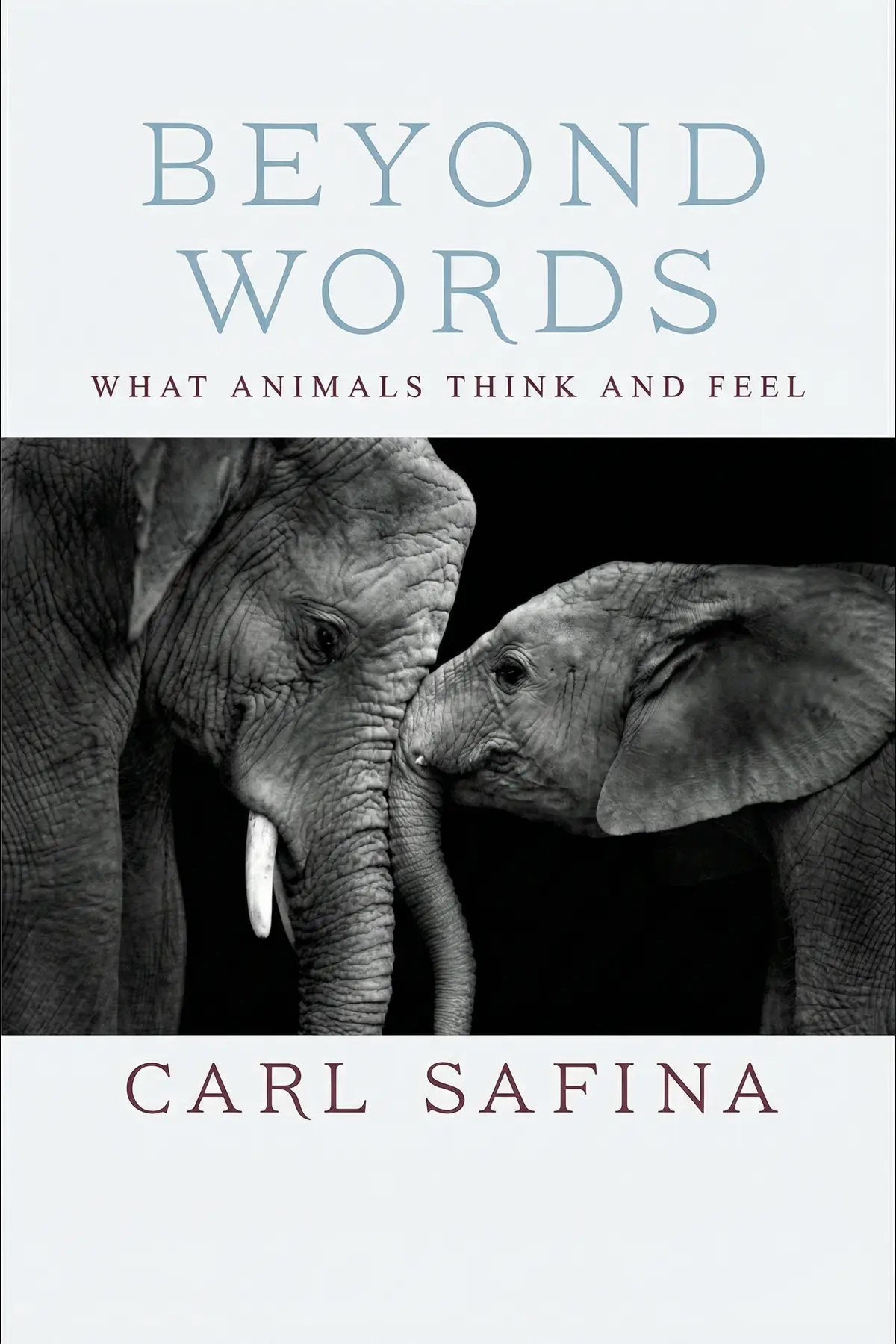
Beyond Words: What Animals Think and Feel
Carl Safina

Bad Therapy: Why the Kids Aren't Growing Up
Abigail Shrier

Battle Hymn of the Tiger Mother
Amy Chua

AUDIO SUMMARY AVAILABLE
Listen to How to Raise a Wild Child in 15 minutes
Get the key ideas from How to Raise a Wild Child by Scott D. Sampson, plus 5,000+ more titles in English and Thai.
- 5,000+ titles
- Listen as much as you want
- 7-day free trial
- Cancel anytime







