
18 min 13 sec
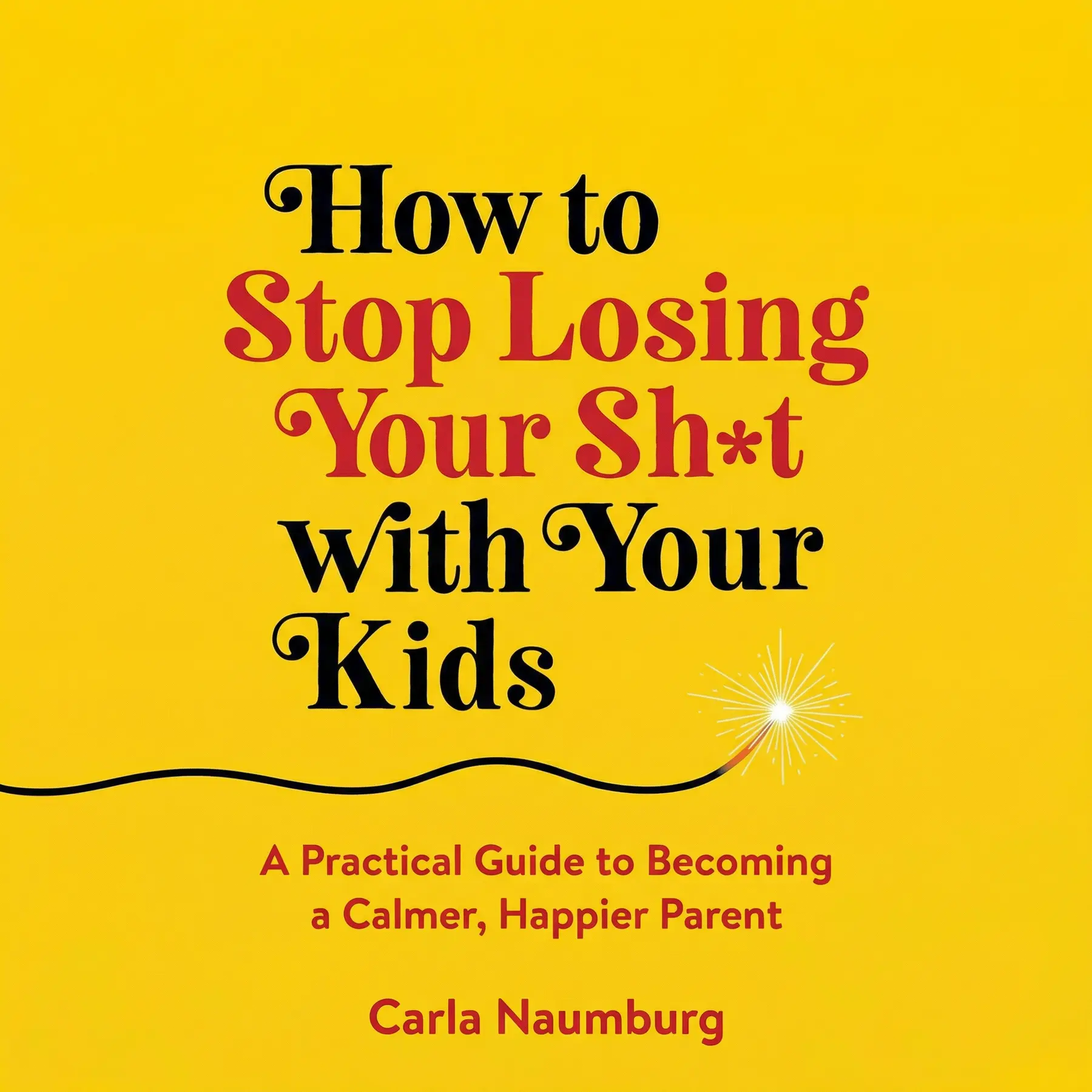
How to Stop Losing Your Sh*t with Your Kids: A Practical Guide to Becoming a Calmer, Happier Parent
Discover a compassionate and practical approach to parental emotional regulation. This guide explains why we lose our tempers, how to identify triggers, and provides actionable techniques to stay calm amidst the chaos.
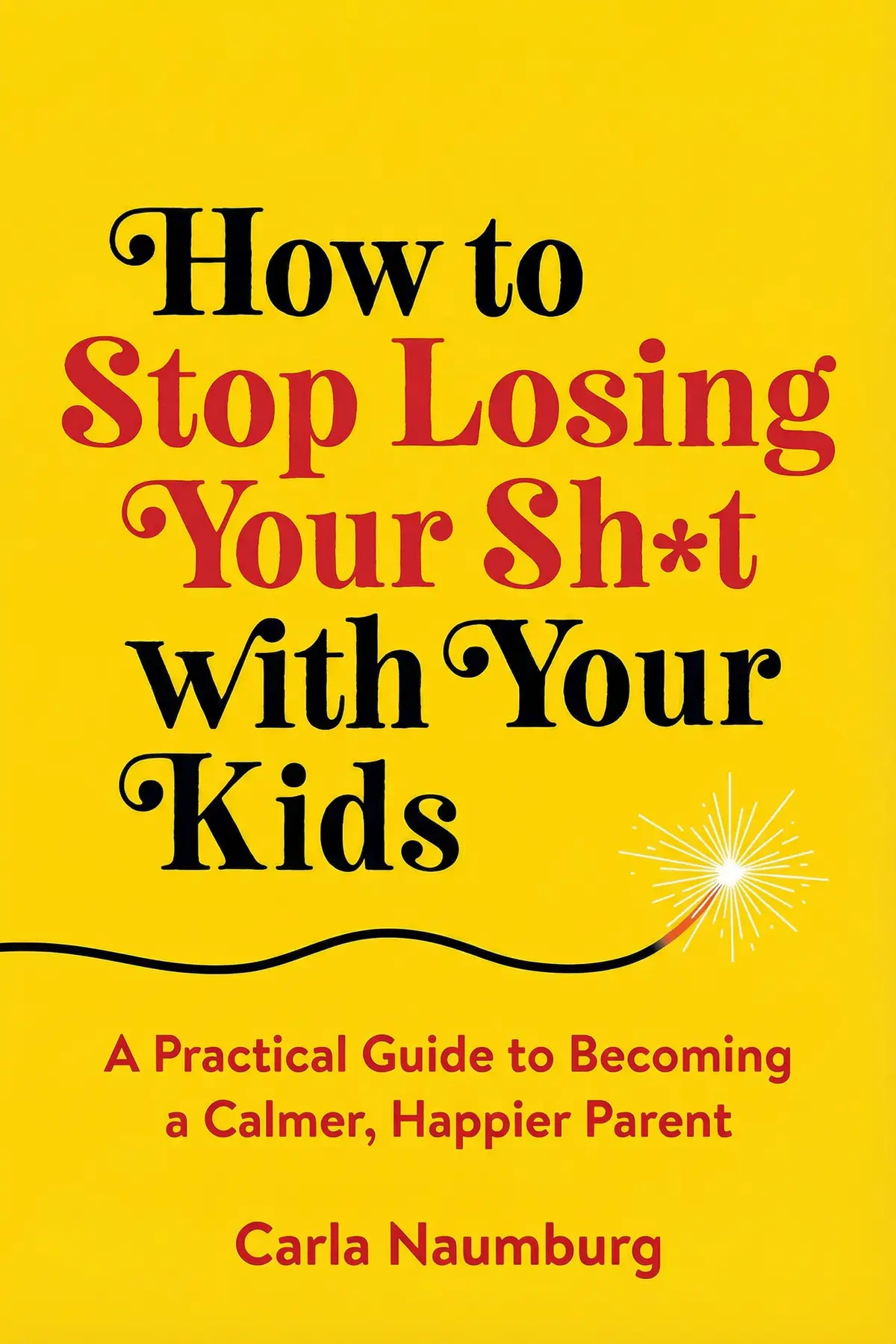
Table of Content
1. Introduction
1 min 47 sec
Every parent knows the feeling of the ‘internal snap.’ It is that precise moment when the noise becomes too much, the mess becomes too large, and your patience finally evaporates. In an instant, you are no longer the calm, collected adult you want to be; instead, you are yelling, perhaps even screaming, at the very people you love most in the world. Afterward, the silence is heavy with guilt. You promise yourself it won’t happen again, yet, a few days or even hours later, the cycle repeats. If this sounds familiar, you aren’t a bad parent—you are a human parent struggling with the immense neurological and emotional demands of raising children.
This exploration is designed to help you break that cycle. We are going to look at why these outbursts happen from a biological perspective and why your brain sometimes treats a spilled glass of juice like a life-threatening emergency. More importantly, we are going to walk through a series of practical, evidence-based strategies to lower your baseline stress and increase your capacity for patience. This isn’t about achieving a state of perfect, zen-like motherhood or fatherhood where nothing ever bothers you. That is an impossible standard. Rather, it is about learning to recognize the rising tide of frustration before it reaches the breaking point.
Over the course of this summary, we will establish a throughline of mindfulness and self-care. We will see how small shifts in how we handle our daily tasks, how we treat our own bodies, and how we talk to ourselves can create a significant buffer against the ‘sh*t-losing’ moments. By the end, you’ll have a roadmap for navigating the most difficult parenting days with more grace, less yelling, and a lot more self-compassion.
2. The Mechanics of the Meltdown
2 min 19 sec
Understand the biological and psychological forces that cause parents to snap, shifting the perspective from personal failure to a natural response to overwhelm.
3. Identifying and Mitigating Personal Triggers
2 min 26 sec
Explore the specific factors that make you vulnerable to losing control and learn why managing your own response is more effective than controlling your child.
4. The Myth of Multitasking and the Power of One
2 min 32 sec
Discover how the modern drive to do everything at once is actually a primary cause of parental irritability and how to reclaim your calm.
5. Building the Foundations: Sleep, Support, and Kindness
2 min 25 sec
Learn why basic self-care isn’t a luxury but a fundamental requirement for staying sane and patient as a parent.
6. The Strategic Use of Physical and Mental Space
2 min 16 sec
Understand why constant togetherness can be detrimental and how creating intentional distance can actually strengthen your bond with your children.
7. The Emergency Protocol: Notice, Pause, and Reset
2 min 47 sec
Master a simple three-step technique to interrupt the cycle of anger in the heat of the moment and prevent a total explosion.
8. Conclusion
1 min 41 sec
Breaking the habit of losing your temper with your children is not about reaching a destination of perfect calm; it is about committing to a practice of awareness. Throughout this journey, we have seen that our meltdowns are often the result of an overwhelmed nervous system, not a lack of love or character. By identifying our personal triggers and understanding the biological ‘why’ behind our reactions, we strip away the shame that keeps us stuck in the cycle of anger.
We have explored how foundational habits like prioritizing sleep, embracing single-tasking, and seeking out a support village create a buffer that makes us more resilient. We’ve learned that taking space—both physical and mental—is not an act of abandonment but a necessary strategy for emotional sustainability. And in those inevitable moments when the pressure climbs, we now have a simple protocol: Notice the signs, Pause for a moment of clarity, and Do Literally Anything Else to break the tension.
The throughline of all these strategies is mindfulness—the ability to be present with your feelings without being consumed by them. As you move forward, remember that progress is rarely linear. There will be good days and hard days. The goal is simply to have a few more of the former and a few less of the latter. Each time you choose to breathe instead of yell, you are not only helping yourself; you are teaching your children how to handle their own big emotions. By treating yourself with the compassion you deserve, you become better equipped to offer that same grace to your kids, leading to a home that is defined by connection rather than conflict.
About this book
What is this book about?
Raising children is one of life’s most rewarding experiences, but it is also one of the most draining. Many parents find themselves trapped in a cycle of frustration and outbursts, feeling guilty about losing their temper but unsure how to stop the reactivity. This summary addresses the biological and psychological roots of parental ‘meltdowns,’ revealing that these moments are rarely a choice but rather a reaction to being pushed past our limits. Through a focus on mindfulness and self-compassion, the narrative provides a toolkit for staying grounded. It covers the dangers of multitasking, the importance of foundational self-care like sleep, and the necessity of building a support network. By learning to notice the signs of an impending explosion and utilizing the power of a strategic pause, parents can transform their relationship with their children and themselves.
Book Information
About the Author
Carla Naumburg
Carla Naumburg, PhD, is a clinical social worker and parenting expert known for her accessible and relatable advice on managing the challenges of parenthood. Her expertise lies in mindfulness and self-compassion, which she integrates into her work to help parents reduce stress and stay calm. She is also the author of other best-selling books, including Parenting in the Present Moment and Ready, Set, Breathe.
Ratings & Reviews
Ratings at a glance
What people think
Listeners find this parenting resource to be a fast-paced, realistic listen that is full of useful tips and wit. It helps the audience better understand their emotions and provides excellent insights, with one listener noting its rich explanation of neurobiology and science. Listeners value the approachable nature of this mindful parenting guide, with one review specifically highlighting its focus on preventing parental meltdowns.
Top reviews
Wan
Finally, a parenting book that doesn’t make me feel like a total failure for having a temper. Carla Naumburg’s approach is incredibly refreshing because she treats the reader like a peer rather than a patient, sharing her own messy moments with brutal honesty. The core strategy—Notice, Pause, and Do Literally Anything Else—is deceptively simple, yet it’s the only thing that actually works when my kids are screaming in the car seat. I’ve spent years trying to be the 'perfect' mom, but this book taught me that being awesome and screwing up aren't mutually exclusive. The focus on self-compassion really changed my perspective on why I snap in the first place. It is a quick, funny read that I’ll probably keep on my nightstand for a long time.
Show moreLily
Wow, I didn't expect to laugh so much while reading about my own emotional meltdowns. Naumburg’s writing feels like a late-night phone call with a best friend who just gets it. The way she describes the car seat struggle—the screeching toddler, the stiff-as-a-board body—was so relatable I felt seen for the first time in years. Her emphasis on 'progress, not perfection' is exactly what modern parents need to hear when we are drowning in social media images of perfect families. I particularly liked the distinction between appropriate concern and toxic explosions. This book doesn't just tell you to be better; it explains the 'why' behind our anger and offers small, reachable steps to cool down. It’s warm, vulnerable, and incredibly helpful for anyone who feels like they’re losing their mind daily.
Show moreWacharapol
Frankly, this is the first parenting book I have ever actually finished. Most of them are dry and clinical, but this one is readable, informative, and actually memorable. I read several passages out loud to my husband because the examples of losing control were just so spot-on for our household. The science of why we need more sleep and less work is explained in a way that feels motivating rather than like another chore on the to-do list. Naumburg’s focus on reconnection and apologizing to your kids after a meltdown is perhaps the most powerful part of the book. It’s about repairing the relationship and modeling emotional resilience for the next generation. I’m going to keep this close by and refer to the summary section in the back whenever I feel my stress levels rising.
Show morePor
Every parent needs this on their nightstand for those days when the screaming just won't stop. The three-step method—Notice, Pause, and Do Literally Anything Else—has become my daily mantra. I love how Naumburg validates the fact that parenting is physically and emotionally exhausting without offering 'toxic positivity.' Instead, she gives you the tools to manage your own physiological response to stress. Her humor kept me engaged through the chapters on neurobiology, and her vulnerability made me feel less alone in my struggles. It’s a quick read that doesn't demand too much of your limited time, which is perfect for any parent in the trenches. If you’re looking for proactive and attainable advice to stop the yelling, this is the book for you. It’s all about progress, and this book makes that feel possible.
Show moreWitthaya
As a mother of three, I found the breakdown of neurobiology surprisingly grounding during a very chaotic week. Understanding that my stress hormones spike and lead to long-term health issues like high blood pressure gave me a physical reason to prioritize my own calm. Naumburg explains how our emotional buttons get bigger when we are exhausted, which resonated deeply after a month of sleepless nights and constant multitasking. While the writing style is very conversational and 'buddy-buddy,' which might grate on some, I felt it made the science easier to digest. The focus on single-tasking was a total game-changer for me because I finally stopped trying to answer emails while preparing dinner. It didn't fix every single outburst overnight, but I definitely have a much better support network now.
Show moreOscar
Look, we all know we shouldn't scream at our kids, but actually stopping the 'toxic explosion' when you're triggered is the hard part. This book provides a very practical roadmap for those high-stress moments by identifying the specific things that push our buttons. I loved the section on how loud noises and multitasking create a perfect storm for a parenting meltdown. Since reading this, I’ve been more intentional about finding mental space and actually asking my support crew for help instead of doing it all. The book is a bit repetitive in places, and some chapters could have been trimmed down significantly without losing the core message. However, the actionable advice on 'Notice, Pause' is something I can actually remember in the heat of the moment. It’s a solid, mindful parenting guide for anyone feeling burnt out.
Show moreAndrei
After hearing Carla on a podcast, I knew I needed to dive into her full strategy for managing triggers. The way she frames our children as 'experts at pushing buttons' without blaming them for their development is a vital perspective shift. I spent a lot of time highlighting the section on building a support network of professionals, friends, and a core crew. It’s easy to deprioritize your own needs when you're a parent, but this book makes it clear that self-care is a prerequisite for not losing your sh*t. The writing is very punchy, though occasionally the humor feels a little forced to keep the 'buddy' tone going. Still, the message about catching yourself before the blow-up is invaluable. I’ve already noticed a difference in how I handle the 50th time my kids ignore my requests.
Show morePrim
Is it a little wordy at times? Yes, but the core message about single-tasking and triggers is worth the price of admission. I honestly struggled with the 'buddy' tone at the beginning, but once I got into the meat of the strategies, I found myself nodding along. The book does a great job explaining that multitasking is a myth that only serves to raise our stress levels. By focusing on doing less, I’ve actually been able to stay calmer when my kids are acting out. I appreciated the specific tips on how to create physical and mental space even when you're stuck in the house all day. It’s a very practical guide that focuses on the parent’s behavior rather than trying to fix the kids. It’s a solid addition to any mindful parenting library.
Show moreAnong
To be fair, much of the advice here falls into the category of 'common sense,' yet the reminder was still necessary for my current state of mind. Parenting two boys who are close in age is a recipe for constant overstimulation and noise. While Naumburg does repeat herself quite a bit, those affirmations were actually what I needed to hear when I was feeling guilty about a recent outburst. The concept of single-tasking is probably the most practical takeaway for me, as I’m always trying to do twenty things while the kids are crying. It’s not a groundbreaking scientific journal, despite the author's background, but it’s a quick and gentle read. I’d recommend it if you’re currently in the thick of it and just need someone to tell you it’s okay to be imperfect. It falls somewhere in the middle for me.
Show moreOn
This book should have been a long-form blog post instead of a 200-page manual. I felt like the first half was mostly filler fluff that just repeated the same basic ideas about getting enough sleep and breathing. While the PhD credentials promised something more academic, most of the 'science' felt very surface-level and recycled from basic mindfulness articles I've already seen online. To be fair, I did appreciate the author’s honesty about her own struggles, but the 'trying-too-hard-to-be-your-pal' tone started to feel a bit forced after fifty pages. If you have absolutely no experience with meditation or self-care, you might find some gems here, but for seasoned parents, it’s mostly common sense. There is some helpful info toward the end, but you have to wade through way too much fluff to get there.
Show moreReaders also enjoyed

AUDIO SUMMARY AVAILABLE
Listen to How to Stop Losing Your Sh*t with Your Kids in 15 minutes
Get the key ideas from How to Stop Losing Your Sh*t with Your Kids by Carla Naumburg, plus 5,000+ more titles in English and Thai.
- 5,000+ titles
- Listen as much as you want
- 7-day free trial
- Cancel anytime







