
22 min 30 sec
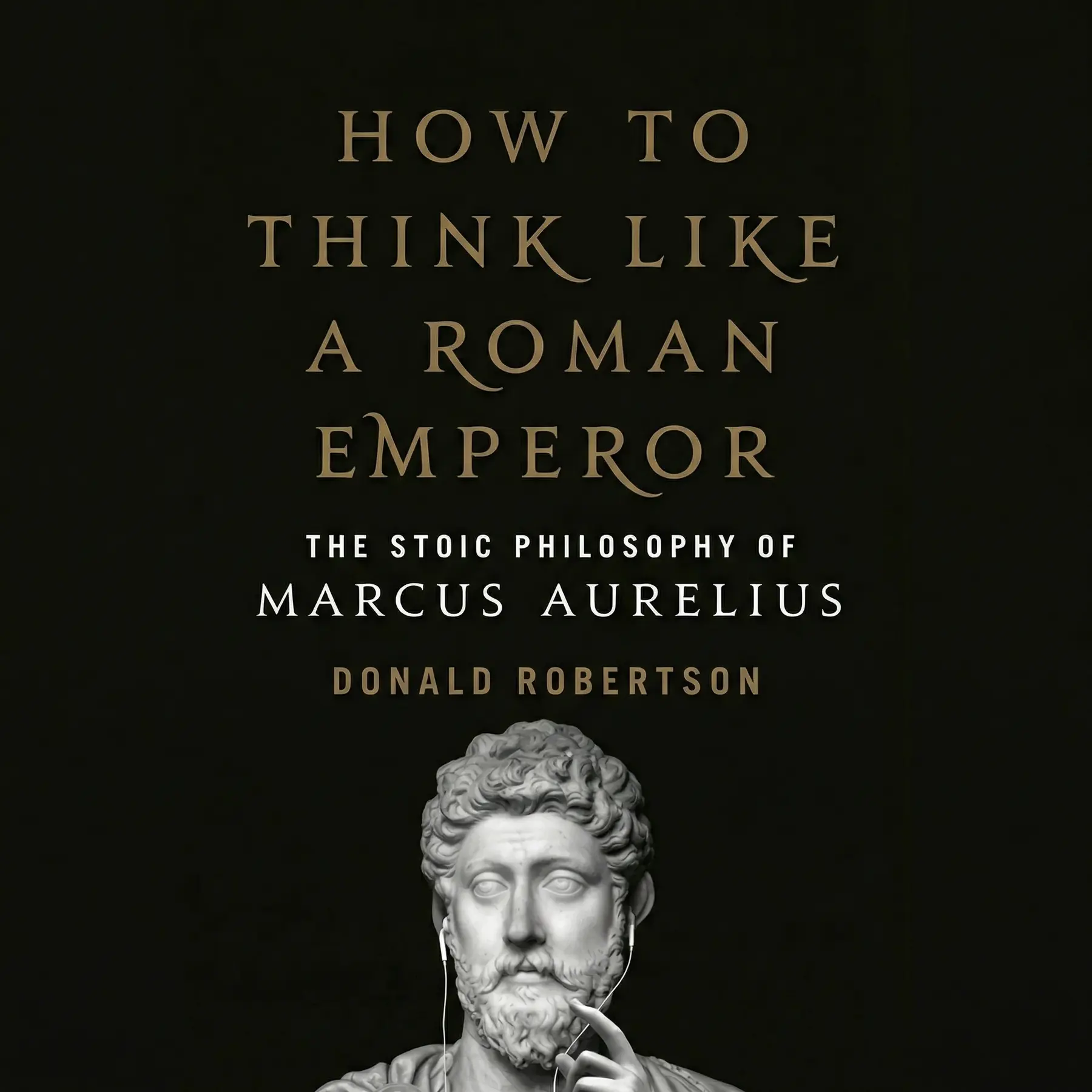
How to Think Like a Roman Emperor: The Stoic Philosophy of Marcus Aurelius
Explore the intersection of ancient Stoicism and modern psychology through the life of Marcus Aurelius. Learn practical techniques to manage emotions, endure hardship, and lead a life of profound virtue and purpose.
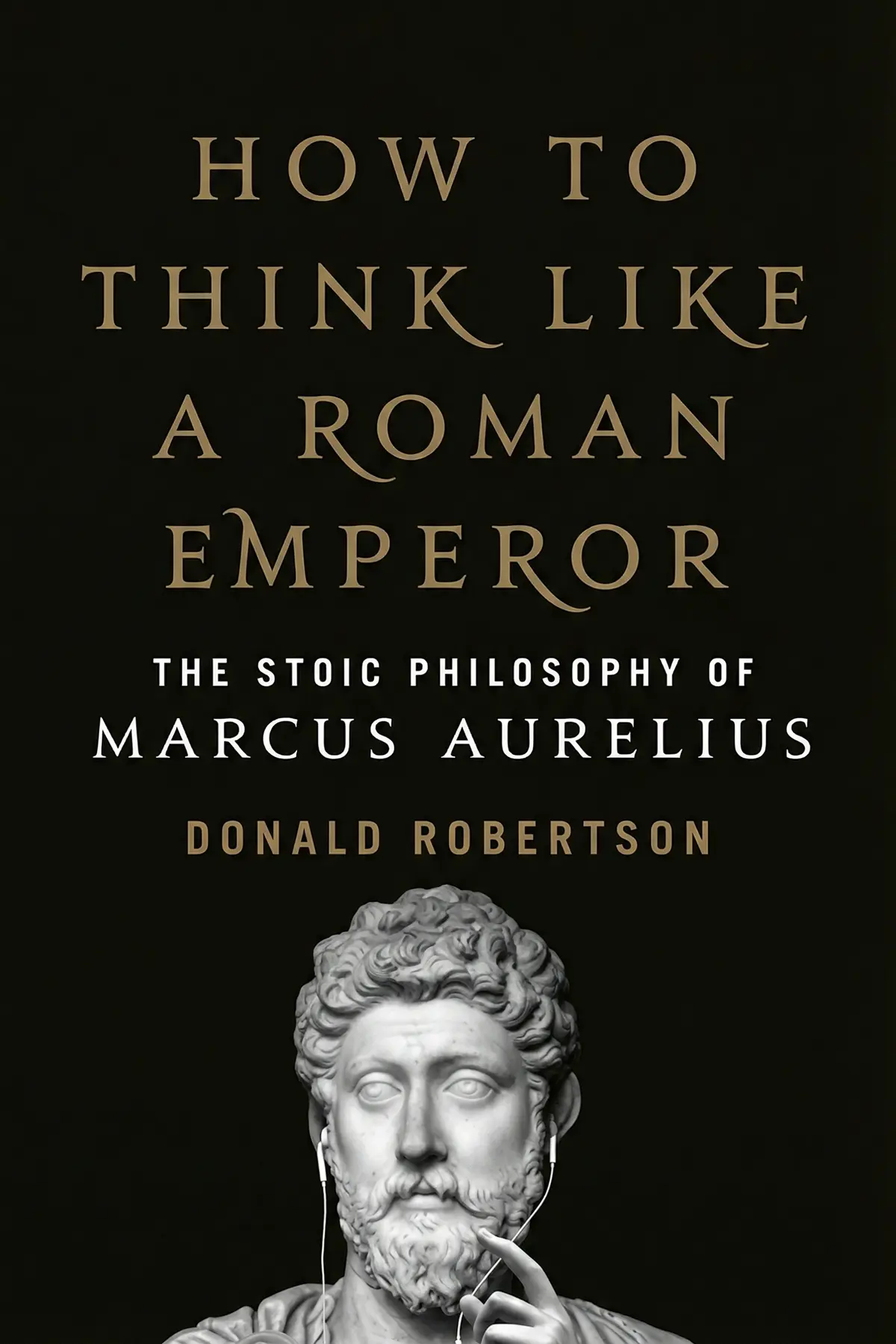
Table of Content
1. Introduction
1 min 52 sec
Imagine standing at the pinnacle of the known world, holding absolute power over millions, while simultaneously facing a relentless tide of personal loss, physical illness, and political instability. This was the reality for Marcus Aurelius, the last of Rome’s Five Good Emperors. But how did he remain composed, just, and even-tempered in such a high-pressure environment? The answer lies not in his royal status, but in his philosophical training. Marcus Aurelius was more than a monarch; he was a devoted student of Stoicism, a school of thought that emphasizes logic, virtue, and resilience.
In our journey through these insights, we are going to explore how you can adopt this imperial mindset to handle the stresses of the twenty-first century. We often mistake Stoicism for a cold, emotionless way of being—a ‘stiff upper lip’ that ignores the reality of human feeling. However, as we will see, true Stoicism is a vibrant, deeply psychological approach to living that seeks harmony with the world around us. It isn’t about becoming a robot; it’s about becoming a more rational, compassionate, and stable human being.
We will look at how Marcus Aurelius used specific mental exercises to manage his anger, how he reframed the concept of pain, and why he believed that preparing for the worst was actually the key to living his best life. By the end of this exploration, you’ll have a toolkit of ancient strategies that are surprisingly relevant to modern mental health. We’ll see why taking a cold shower might be the best thing you do for your character and how changing the way you speak can de-escalate the most heated conflicts. This is about more than history; it’s about a throughline of wisdom that stretches from the halls of Roman palaces to the challenges of your daily life.
2. Harmony with the Natural Order
1 min 55 sec
Discover why the Stoics believed that aligning your life with the laws of nature is the only path to true satisfaction and logical living.
3. The Four Pillars of Virtue
2 min 10 sec
Learn how the cardinal virtues of wisdom, morality, courage, and moderation serve as an unwavering internal compass for navigating life’s storms.
4. Achieving Authentic Happiness
2 min 03 sec
Explore the Stoic secret to emotional stability and how separating yourself from your passions leads to a deeper form of fulfillment.
5. The Reality of Impermanence
2 min 11 sec
Understand why contemplating your own mortality and the inevitable passage of time can actually lead to a more ego-free and rational life.
6. Stoicism is Not Suppression
2 min 04 sec
Debunk the myth of the ’emotionless Stoic’ and discover the joy and cheerfulness that often define a truly philosophical life.
7. The Mental Geography of Pain
2 min 10 sec
Explore the unique Stoic techniques for managing physical suffering by isolating sensation from judgment.
8. The Strength of Voluntary Hardship
2 min 06 sec
Learn why intentionally choosing discomfort today can protect you from the unexpected tragedies of tomorrow.
9. Mentorship and the Imaginary Guide
2 min 01 sec
Discover how seeking external accountability and using ‘imaginary mentors’ can help you stay true to your highest ideals.
10. The Power of Objective Language
2 min 15 sec
Learn how the Stoic practice of counter-rhetoric can help you de-escalate conflict and see the world with greater clarity.
11. Conclusion
1 min 43 sec
The life of Marcus Aurelius serves as a powerful testament to the idea that our happiness and our character are within our own control, regardless of the weight of the world on our shoulders. Through the lens of Stoicism, we’ve seen that living ‘in accordance with nature’ isn’t a passive state, but an active, daily commitment to reason, virtue, and self-discipline. We’ve learned that by mastering our emotions through cognitive distance, reframing our experience of pain, and preparing for adversity through voluntary hardship, we can develop an inner fortress that remains unshakable in the face of any storm.
As we close this exploration, the most important takeaway is that Stoicism is a practice, not a destination. Marcus Aurelius didn’t wake up one day as a perfect sage; he worked at it every single morning, writing in his journals and holding himself accountable to his ideals. You can begin this journey today with a single choice: choose a simple word instead of a dramatic one, take a moment to observe a rising emotion before acting on it, or perhaps, take that cold shower to prove to yourself that you are in charge of your comfort.
By adopting these Roman principles, you move away from a life of reacting to external events and toward a life of intentional action. You move away from the pursuit of fleeting pleasures and toward the attainment of an authentic, lasting happiness. The path of the emperor is available to anyone willing to look inward, embrace the truth of impermanence, and strive, hour by hour, to do the right and virtuous thing. In the end, to think like a Roman emperor is simply to think like a truly free human being.
About this book
What is this book about?
This guide bridges the gap between historical philosophy and contemporary self-improvement by examining the mindset of one of Rome’s most respected leaders, Marcus Aurelius. It offers a deep dive into the Stoic school of thought, revealing how its foundational principles can be applied to navigate the complexities of modern life. The book promises to transform your perspective on stress, pain, and social interaction by teaching you the mental habits that sustained an emperor through plague, war, and political turmoil. Readers will discover how to cultivate resilience using tools like cognitive distance and voluntary hardship. Rather than advocating for the suppression of feelings, the text illustrates a path toward authentic happiness rooted in character and reason. By adopting a Roman emperor’s approach to ethics and communication, you can learn to remain calm in the face of adversity, speak with clarity and truth, and find a sense of peace that is independent of external circumstances. It is essentially a manual for mental fortitude and ethical living.
Book Information
About the Author
Donald Robertson
Donald Robertson is an experienced psychotherapist who practiced in London for two decades. Originally from Scotland, he has become a leading voice in the modern Stoic movement. Since 2011, Robertson has been a key figure in organizing Stoic Week, an international initiative designed to help people integrate Stoic philosophy with the insights of modern psychology.
Ratings & Reviews
Ratings at a glance
What people think
Listeners find the writing exceptionally accessible and appreciate its expert exploration of Stoic principles, which are woven together with pertinent psychological insights. Additionally, the book offers actionable steps through cognitive behavioral therapy exercises and provides an impressive mix of historical biography and psychology. Listeners also value the captivating story of Marcus Aurelius’ life, the author's style, and the substantial detail, with one listener pointing out how thoroughly it examines the internal framework of Stoicism.
Top reviews
Joe
Picking this up felt like a gamble because philosophy often feels dry and detached from reality. Robertson completely flips that script by weaving together the life of Marcus Aurelius with modern cognitive-behavioral techniques. I found the connection between ancient wisdom and clinical psychology to be the most compelling part of the book. It’s not just a history lesson; it’s a toolkit for emotional resilience. Frankly, seeing how the Emperor handled the plague and personal loss makes my daily stresses feel much more manageable. The writing is accessible, yet it maintains a depth that makes you want to highlight every other sentence. If you want to understand how to actually live these principles, this is the place to start.
Show moreUdom
Wow, I didn't expect to feel so emotionally connected to a man who lived nearly two millennia ago. Robertson’s depiction of Marcus’s grief over his children and his struggles with physical pain made him feel like a real human being rather than a marble bust. This isn't just a list of quotes; it’s a deep dive into the mind of a leader who was trying to stay virtuous under impossible pressure. The practical techniques for managing desire and fear are framed so beautifully within the Emperor’s life story. Personally, I found the chapter on 'the view from above' to be life-changing for my anxiety. It’s a rare book that manages to be both intellectually stimulating and deeply comforting at the same time.
Show morePrim
The chapter on managing anger alone makes this book worth the price of admission. Robertson takes the Stoic idea that we are disturbed not by events, but by our opinions of them, and turns it into a series of actionable steps. I’ve read a lot of self-help, but this feels more grounded because it’s rooted in a philosophy that has stood the test of time. The anecdotes about Marcus’s interactions with his court and his enemies provide a vivid backdrop for the psychological lessons. It’s fascinating to see how the 'philosopher king' actually put his ideas into practice during times of war and betrayal. I finished this feeling more equipped to handle my own temper and setbacks.
Show moreEthan
Ever wonder how a 2,000-year-old ruler would handle the stresses of the modern world? This book provides a convincing answer by showing how Marcus Aurelius used Stoicism to navigate plague, war, and political unrest. Robertson’s dual perspective as a therapist and a historian is what makes this work so unique and powerful. The exercises for 'premeditation of evils' and objective representation are explained with such clarity that you can start using them immediately. I especially liked the section on how Marcus modeled himself after his mentors. It reminded me that we all need examples of virtue to follow in our own lives, even if they come from the distant past.
Show moreIff
Robertson does something brilliant here by making Stoicism feel like a living, breathing practice rather than an academic curiosity. The way he integrates the 'Socratic method' and CBT into the narrative of Marcus’s reign is seamless and thought-provoking. I found myself reflecting on my own reactions to daily frustrations and realizing how much energy I waste on things I cannot change. To be fair, it’s a lot of information to take in at once, and I’ll probably need to reread it several times to fully absorb everything. But the writing is so engaging and the insights are so profound that I don't mind the extra effort. This is easily the best introduction to Stoic philosophy I’ve ever come across.
Show moreSelin
Gotta say, I was skeptical about how well ancient philosophy would translate into a modern-day guide, but the results are surprisingly effective. Robertson uses the life of the Emperor as a case study for Stoic practice, which makes the concepts much easier to digest than a dry philosophical text. To be fair, some of the historical details about the Marcomannic Wars felt a bit heavy-handed for a book about mindset. But the core message—that we have power over our minds, not external events—is delivered with real conviction. It’s a great companion piece to 'Meditations' and helps clarify some of the more obscure passages in Marcus’s own writing. Definitely worth your time.
Show moreCaleb
As someone who has struggled to get through the original 'Meditations,' this book was the bridge I needed. It provides the historical context of the Roman Empire that helps explain why Marcus Aurelius wrote what he did. To be fair, some of the psychological exercises felt a bit repetitive toward the middle, but they were undeniably practical. Robertson explains the concept of the 'ruling faculty' in a way that feels applicable to a 21st-century job or family crisis. Not gonna lie, I preferred the biographical chapters over the more clinical CBT sections, but the synergy between the two is impressive. It’s a solid 4-star read for anyone looking to build a thicker skin in a chaotic world.
Show moreAmy
Finally got around to reading this after seeing it recommended in several philosophy groups, and it lives up to the hype. Robertson manages to keep the language down-to-earth while exploring complex ideas about the nature of virtue and reason. I appreciated how he distinguishes between Stoicism and just being 'unemotional,' which is a common misconception that many people hold. Look, the book is exceptionally well-researched, and you can tell the author is an expert in both history and therapy. My only minor complaint is that the writing can feel a bit dense in the later chapters when discussing logic. However, the overall package is a fantastic guide for anyone wanting to improve their mental health through ancient wisdom.
Show moreAisha
Is it a biography or a manual? The book tries to be both, and while it succeeds in being informative, it sometimes loses its narrative momentum. I enjoyed learning about the figures who influenced Marcus, like Rusticus and Epictetus, but the tone shifts can be jarring. One moment you are on a battlefield in Pannonia, and the next you are doing a breathing exercise. Truth is, I found the Stoic advice occasionally boiled down to 'just don't let it bother you,' which is easier said than done. It’s a decent introduction for beginners, but those already well-versed in Stoicism might find the CBT comparisons a bit redundant. Still, the research is top-notch and Robertson clearly knows his subject matter deeply.
Show moreLandon
Not what I expected from the title. I was hoping for a more straightforward biography of Marcus Aurelius, but the book spends far too much time on cognitive behavioral therapy. If I wanted a psychology primer, I would have bought a textbook instead. Frankly, the constant jumping back and forth between ancient Rome and modern clinical settings was distracting and broke my immersion. The author’s voice is pleasant enough, but the structure felt disjointed to me. I also felt the Stoic principles were presented as a magic pill for all of life's problems, which feels a bit naive. It wasn't for me, though I can see why people interested in self-improvement would enjoy it.
Show moreReaders also enjoyed
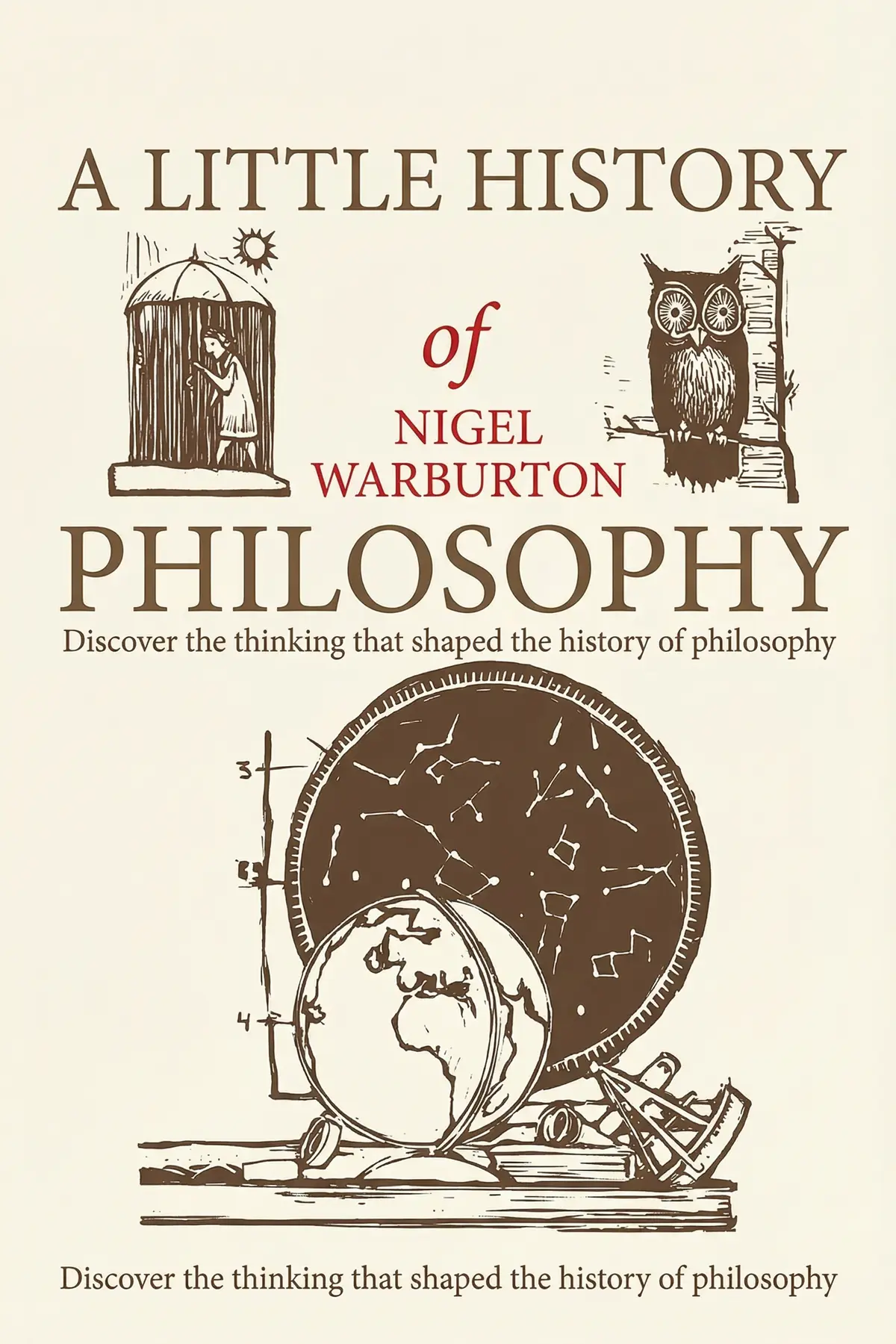
A Little History of Philosophy
Nigel Warburton
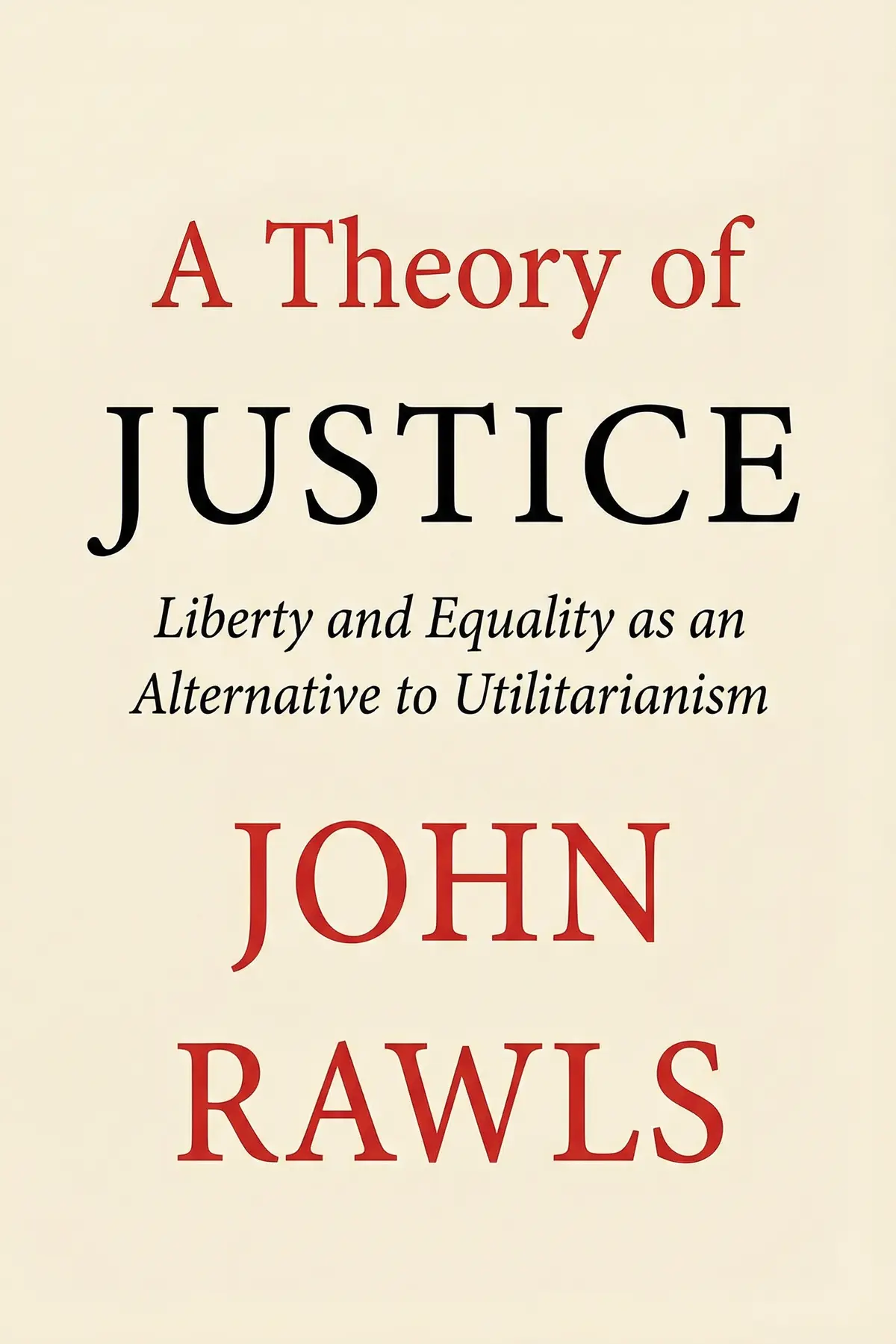
A Theory of Justice
John Rawls

59 Seconds: Change Your Life in Under a Minute
Richard Wiseman
AUDIO SUMMARY AVAILABLE
Listen to How to Think Like a Roman Emperor in 15 minutes
Get the key ideas from How to Think Like a Roman Emperor by Donald Robertson, plus 5,000+ more titles in English and Thai.
- 5,000+ titles
- Listen as much as you want
- 7-day free trial
- Cancel anytime







