
6 min 38 sec
Humanocracy: Creating Organizations As Amazing As the People Inside Them
A radical rethink of organizational design, Humanocracy argues for dismantling traditional bureaucracy. It offers a blueprint for creating workplaces that celebrate human ingenuity, adaptability, and passion rather than stifling them.
Table of Content
1. Introduction
1 min 02 sec
Have you ever wondered why so many professional environments feel like they were designed to sap the life out of the people working there? We often find ourselves in organizations that operate like machines, prioritizing rigid control over individual contribution. This creates a world of disengaged employees whose natural creativity and drive are buried under layers of red tape. It is a strange paradox: as individuals, humans are remarkably adaptable and inventive, yet our workplaces are often the exact opposite—static, conforming, and stuck in the past.
In this BookBits summary, we are exploring a movement to change that. We are diving into the concept of building organizations that aren’t just efficient, but are actually as amazing as the people inside them. We will look at how to dismantle the traditional bureaucratic weight and replace it with a system that treats every person as a source of innovation. By the end, you’ll see how a shift toward human-centric structures can turn a stagnant company into a thriving, resilient community.
2. The High Cost of Bureaucratic Control
1 min 14 sec
Traditional management structures were built for a different age, and today they act as a hidden tax on productivity and individual human spirit.
3. Empowerment Through Decentralization
1 min 13 sec
True organizational agility comes from pushing authority down to those who are actually doing the work, rather than hoarding it at the summit.
4. Learning from the Nucor Model
1 min 05 sec
The success of the American steel giant Nucor proves that a flat hierarchy and high trust can lead to industry-leading performance.
5. The Microenterprise Revolution at Haier
1 min 10 sec
By breaking a massive corporation into thousands of tiny units, Haier has redefined what it means to be a global leader.
6. Conclusion
54 sec
As we wrap up, the message is clear: the era of the soul-crushing bureaucracy must come to an end. We’ve seen how companies like Nucor and Haier have shattered the traditional mold, proving that when you put human creativity and passion at the center of your strategy, profitability and innovation naturally follow. This isn’t just about changing a few policies; it’s about a complete transformation of how we think about work.
By moving away from rigid control and toward a contribution-centric model, we create organizations that are finally worthy of the people who inhabit them. The transition to a human-centric model is a journey, but it is one that offers a more productive economy and a more fulfilling future for everyone involved. What this really means for you is the possibility of a workplace where your ideas actually matter and your potential is finally unleashed. It’s time to move beyond being a cog in the machine and start building something truly amazing.
About this book
What is this book about?
Most modern organizations are built on principles of control and standardization, artifacts of a bygone era that treat people like cogs. Humanocracy challenges this bureaucratic tax, arguing that the rigidity of traditional management destroys innovation and disengages the workforce. The book presents a compelling case for a new paradigm where organizations are built around the human spirit rather than the management hierarchy. By examining successful real-world models, it shows how to foster a culture where every employee is empowered to act as an entrepreneur. The promise is clear: by putting humanity at the center of business, leaders can unlock massive reservoirs of untapped potential, leading to higher profit, better resilience, and more fulfilling careers. It isn’t just a guide to better management; it is a manifesto for a more vibrant, inventive world of work where the human element is finally prioritized over the system.
Book Information
About the Author
Gary Hamel
Gary Hamel is a renowned management thinker and has been a faculty member at the London Business School for over three decades. As the director of the Management Lab, he has authored several influential books, including Leading the Revolution and The Future of Management. Michele Zanini is a prominent figure in organizational design and innovation. As a consultant and researcher, Zanini specializes in helping organizations move beyond bureaucratic limitations to become more adaptable and innovative.
Ratings & Reviews
Ratings at a glance
What people think
Listeners describe this work as expertly written and suggest it is a vital resource for corporate leaders. They value the concepts explored, with one listener noting the inclusion of many actionable strategies, while another draws attention to the detailed case studies. The book earns praise for its people-first philosophy and organizational framework, with one review particularly highlighting how it aids in stripping away impediments to output. Listeners find the material motivating, with one remarking on how it prompts readers to step up and take charge.
Top reviews
Elan
After hearing Hamel speak on a podcast, I knew I had to grab this. It is a powerful battle cry against the 'psychotic' nature of modern corporations that treat people like soulless assets. The authors argue that humans are naturally resilient while organizations are brittle, and they prove it through fascinating deep dives into companies like Haier and Nucor. I loved the concept of the 'burecotomy'—the idea that we must aggressively cut out the layers that stifle creativity. While some might find the manufacturing examples a bit specific, the underlying principles of ownership and meritocracy are universal. It is easily the most inspiring management book I have read in years. If you are tired of being infantilized by HR policies and rigid hierarchies, this is the roadmap you have been waiting for.
Show moreClara
Wow, I did not expect a business book to make me feel this seen as a human being. We have spent decades squeezing the emotion and color out of our jobs for the sake of 'efficiency,' and this book finally calls it what it is: a tragedy. The authors highlight how we've allowed 'entitled' leaders to make decisions they aren't equipped for simply because of their title. I found the 7 principles—especially Openness and Experimentation—to be a perfect framework for the future. The writing is sharp and energetic, even if some of the data points are a bit dense. This isn't just a book for CEOs; it is for anyone who believes that work should be a vehicle for bettering our lives. It is a significant, heroic call to action that I will be recommending to my entire leadership team.
Show moreYam
As someone who has spent years drowning in 'suffocating rules,' reading this felt like coming up for air. The authors nail the description of how the typical organization 'infantilizes' its best people. I loved the specific details about how Haier manages its ecosystem of thousands of micro-enterprises. It proves that you can be both big and fast if you are willing to trust your people. The truth is, we can't afford the 'pernicious side effects' of the old model anymore. Hamel and Zanini provide a compelling argument that the organization should be an instrument for human growth, not the other way around. It's an essential read for anyone who wants to build something that actually survives the next decade of disruption. Highly recommended!
Show moreDimitri
The chapter on meritocracy alone is worth the price of admission here. Hamel and Zanini successfully argue that we must replace the 'authoritarian power structures' of the past with a model that maximizes contribution rather than control. I've read many books on innovation, but few address the structural barriers to productivity as clearly as this one does. They highlight that the greatest threat to any company is the 'unwillingness of senior leaders to write off their own depreciating intellectual capital.' It’s a biting, brilliant critique of why big companies fail. The examples are concrete, the flow is logical, and the call to be 'fully human' at work is genuinely inspiring. Even if you can only implement one of the seven principles, your organization will be better for it.
Show moreTantipat
Ever wonder why your morning meetings feel like a slow descent into madness? Hamel and Zanini have the answer, and they don't hold back in their critique of the 'industrial age' management model. The book provides numerous practical solutions for distributed responsibility, which I found refreshing compared to the usual vague leadership advice. I particularly enjoyed the section on the 'Power of Markets' and how internal services should have to compete for business. However, as a tech worker, I found the heavy focus on the steel industry and AC companies a bit clunky and dated for a modern software environment. Still, the core message about prioritizing expertise over rank is essential. It took me a while to get through the denser chapters, but the insights on organizational resiliency made it worth the effort.
Show morePooja
Look, we all know bureaucracy is a nightmare, but this is the first time I have seen a genuine roadmap to dismantle it. The BMI survey at the end of the chapters is brilliant because it forces you to confront the 'toxic politicking' in your own backyard. Personally, I think the authors' focus on meritocracy was a bit confused at times, but their examples of 'micro-enterprises' were eye-opening. The book is well-written and serves as a wake-up call to mega-companies that are currently dying under their own weight. My only gripe is that it could have been about 50% shorter. By the time you get to the final section, you've heard the same 'human-centric' story several different ways. Despite the repetition, the core ideas are too important to ignore in today's hyper-competitive market.
Show moreTariq
Picked this up because I was tired of the same old 'management guru' fluff, and I was pleasantly surprised by the depth of the 7 principles. The authors provide a very clear step-by-step instruction manual for 'hacking' your way out of the bureaucratic prison. I found the chapter on 'The Power of Ownership' particularly moving, as it connects financial incentives with actual human dignity. My only hesitation is that the writing can be a bit 'rah-rah' at times, which might turn off more analytical readers who want hard data over anecdotes. But honestly, the message is so vital that the occasional over-enthusiasm is easy to forgive. It is a bold, prudent, and necessary look at how we work. Make sure to check out the online BMI survey—it is a total reality check.
Show moreTong
To be fair, the first hundred pages felt like a manifesto I have heard many times before. While Hamel makes excellent points about how bureaucracy 'defends the status quo,' the book often reads like a series of cherry-picked case studies. He focuses on the 'vanguard' companies but never really addresses the messy failures of trying to implement these ideas in legacy environments. Truth is, the middle section became a bit of a slog with endless lists of attributes that lacked a cogent narrative. I appreciated the chapter on the Bureaucratic Mass Index, which is a great tool for self-assessment, but the overall tone felt a bit too 'rah-rah' for my taste. It is a decent read for the theory, but I struggled to see how a mid-level manager could actually trigger a transformation without total executive buy-in.
Show moreIvan
Finally got around to finishing this on the recommendation of Adam Grant, but I am left feeling a bit conflicted. On one hand, the critique of how power is the 'ability to afford not to learn' is one of the most profound things I have read in a management book. On the other hand, the authors make broad generalizations about human nature that don't always ring true. Not everyone wants to be an entrepreneur at work; some people just want a stable 9-to-5 with clear rules. The lack of scientific rigor in the case studies bothered me—they only show you the successes and never the 'Humanocracy' experiments that went off the rails. It is an interesting philosophical exercise, but it lacks the investigative depth needed to be a truly definitive guide for large-scale organizational change.
Show morePensuda
Frankly, this book feels like it was written in a vacuum where every employee is a self-motivated entrepreneur and theft doesn't exist. It is far too utopian. In many global environments, the rigid oversight and 'tedious processes' the authors hate are actually there to prevent massive inventory loss and corruption. You simply cannot give everyone 'free reign' in a culture that isn't already perfectly aligned. The authors seem allergic to the idea that some people actually prefer clear tasks and structure over constant 'strategy hacking.' While the success stories of Morning Star are interesting, they feel like anomalies rather than a scalable model for a 50,000-person legacy firm. It's a nice thought, but the lack of comparative rigor regarding the risks of decentralization makes it feel more like a sales pitch than a serious manual.
Show moreReaders also enjoyed
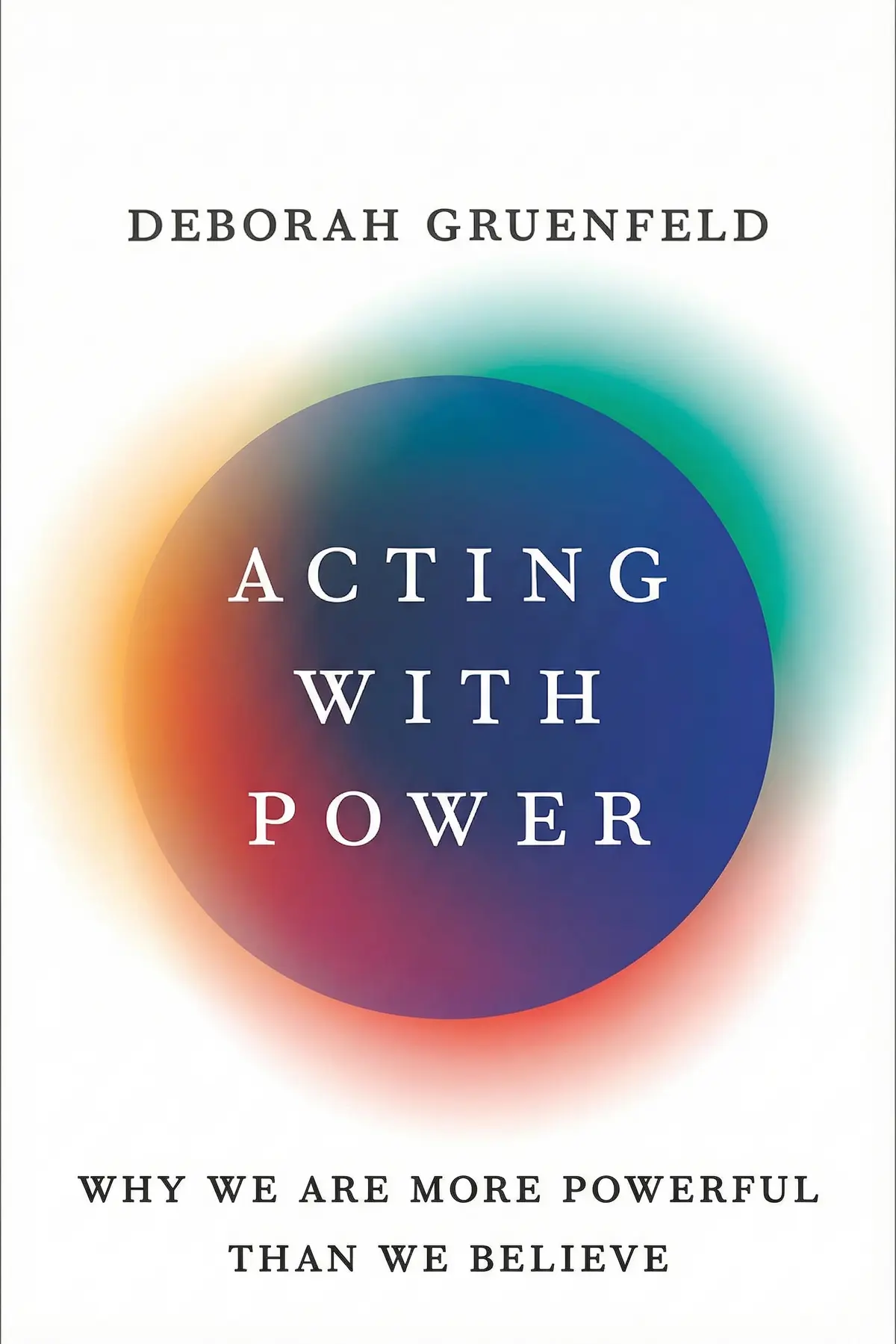
Acting with Power: Why We Are More Powerful Than We Believe
Deborah Gruenfeld
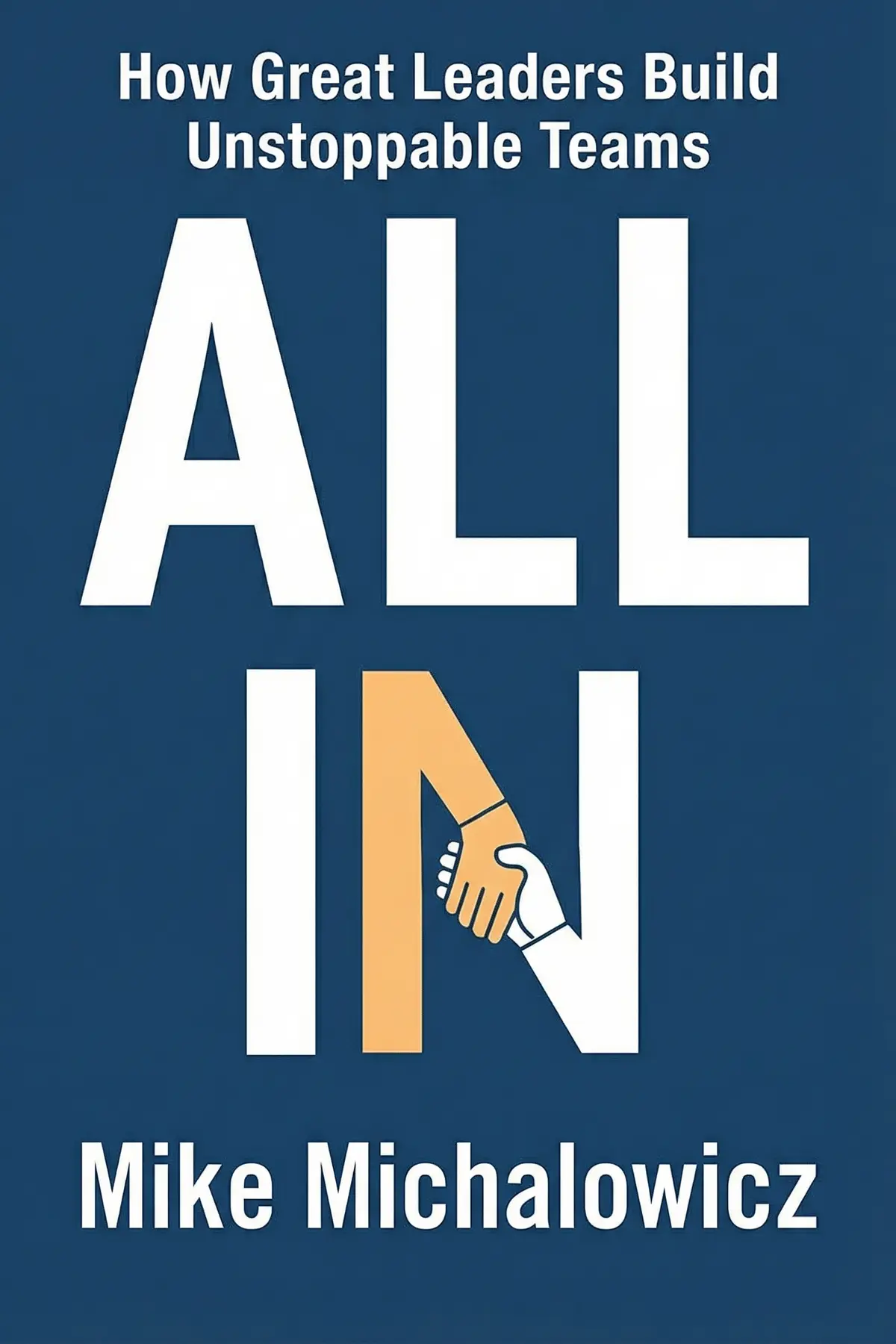
All In: How Great Leaders Build Unstoppable Teams
Mike Michalowicz
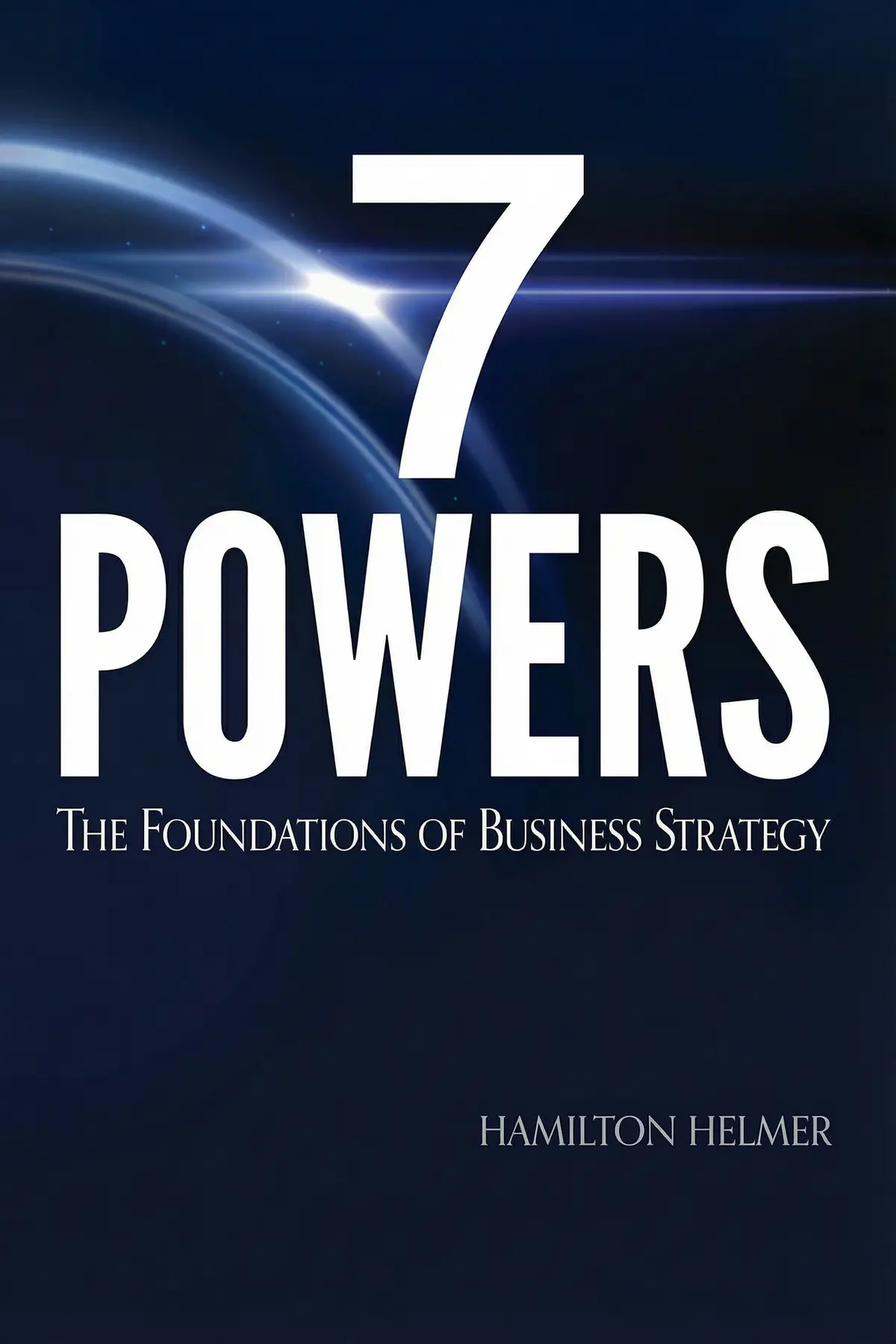
7 Powers: The Foundations of Business Strategy
Hamilton Helmer

A Bigger Prize: How We Can Do Better Than the Competition
Margaret Heffernan
AUDIO SUMMARY AVAILABLE
Listen to Humanocracy in 15 minutes
Get the key ideas from Humanocracy by Gary Hamel, plus 5,000+ more titles in English and Thai.
- 5,000+ titles
- Listen as much as you want
- 7-day free trial
- Cancel anytime







