
15 min 05 sec
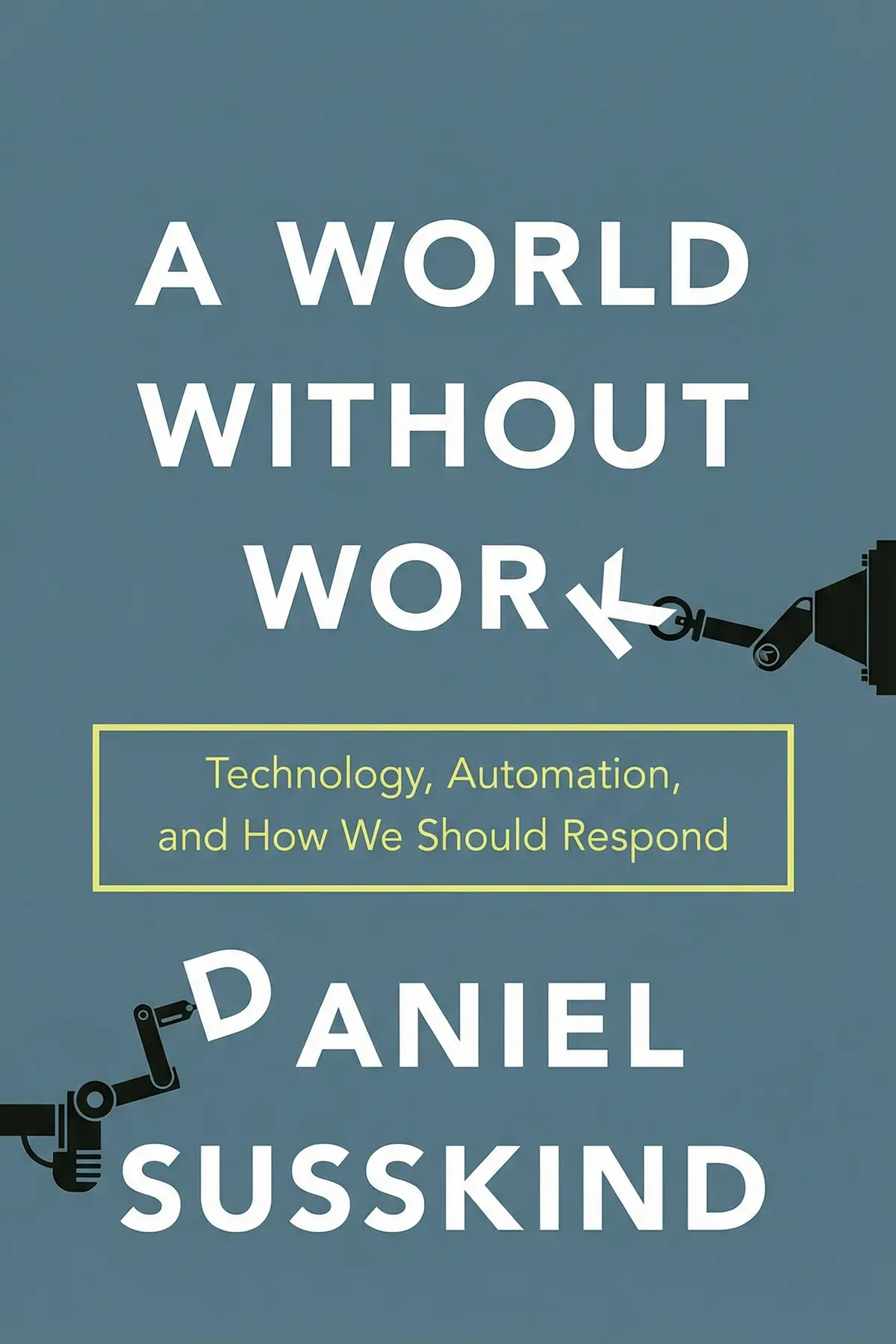
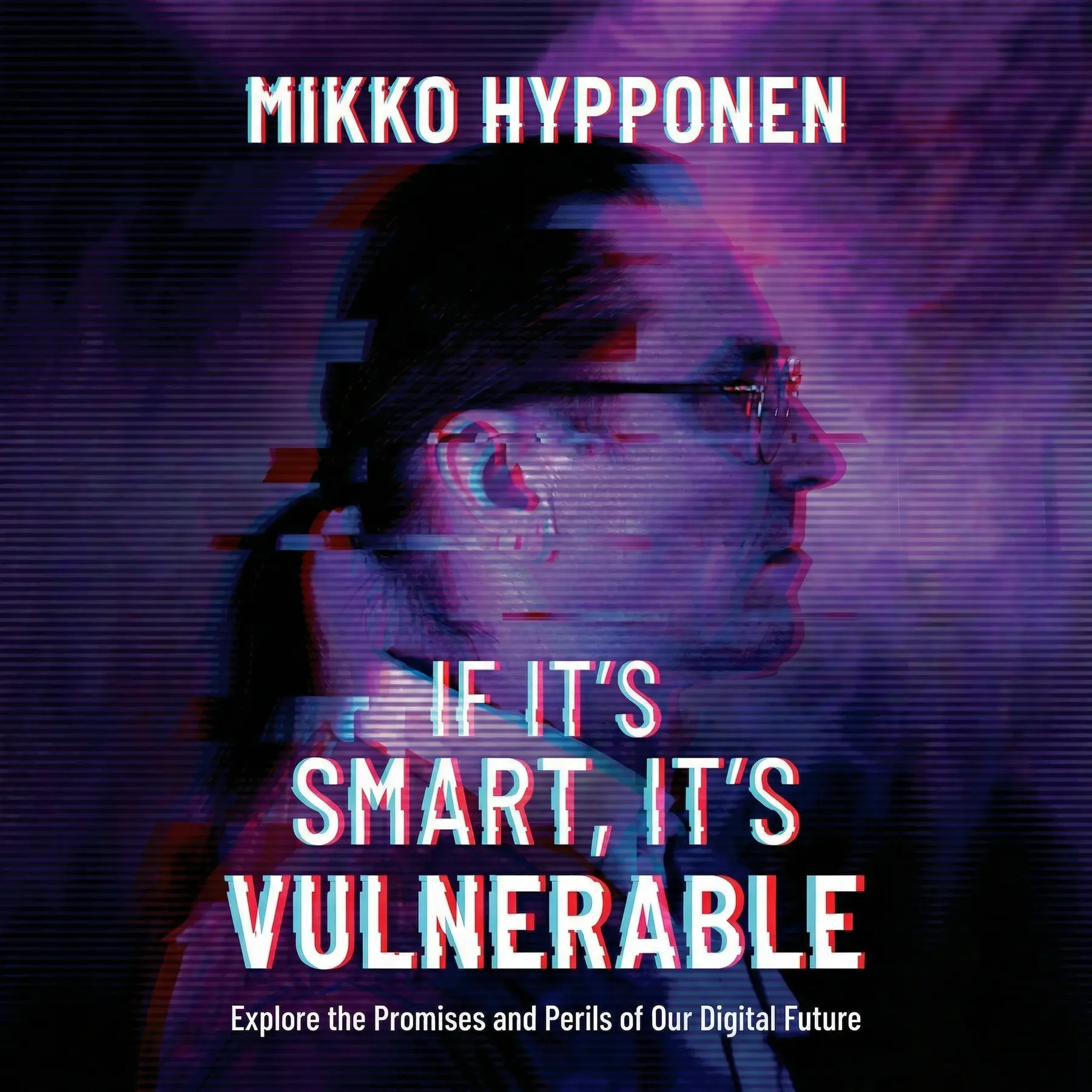
If It’s Smart, It’s Vulnerable
If It's Smart, It's Vulnerable explores the inevitable security risks of our connected world. It traces internet history and cybercrime's evolution, offering a roadmap for protecting our data and digital future.
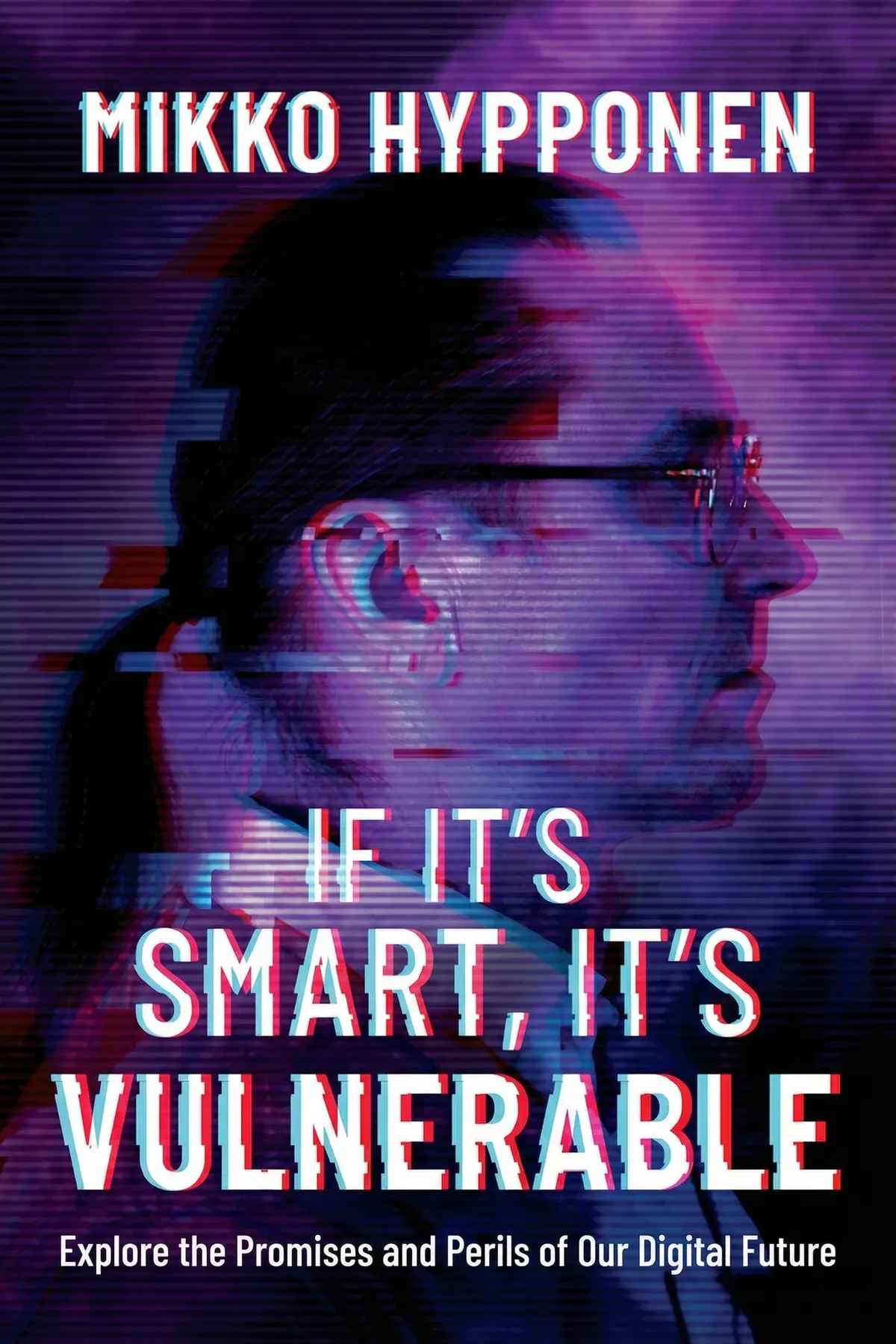
Table of Content
1. Introduction
1 min 44 sec
When we think about the internet, we often imagine a cloud—something ethereal, invisible, and weightless that exists everywhere and nowhere at once. But this is a bit of an illusion. The digital world is deeply rooted in physical reality. It is a massive web of undersea cables, humming server farms, and the billions of small devices we carry in our pockets. This grand experiment in human connectivity has redefined how we live, work, and interact, but it has also introduced a fundamental truth that we can no longer ignore: if a device is smart enough to be useful, it is smart enough to be hacked.
We have moved from an era where technology was a tool we used to an era where technology is the environment we inhabit. As we grant more autonomy to machines and integrate artificial intelligence into the core of our infrastructure, we face a set of risks that were once the stuff of science fiction. The challenge isn’t just about stopping a computer virus; it’s about protecting the integrity of our societies and our personal privacy. This summary explores that digital evolution, looking at where we’ve been and where we are heading. We will examine the shift from academic curiosity to global battlefield, the rise of state-sponsored espionage, and the emerging threat of autonomous malware. By understanding the throughline of these developments, we can stop being passive victims of progress and start becoming informed architects of our own digital safety. It is time to look under the hood of the information superhighway and see exactly what makes it so vulnerable.
2. The Evolution of the Internet's Foundation
2 min 28 sec
Discover how the internet grew from a small military project into a global necessity, and why its original design didn’t account for modern security threats.
3. The High Cost of Interconnectivity
2 min 25 sec
Explore why the convenience of our smart devices often comes at the expense of our privacy and security in an interconnected world.
4. Digital Espionage and the New Spy Games
2 min 22 sec
See how traditional spying has been transformed into a high-tech game of bits and bytes, where data is the ultimate prize.
5. The Rise of Autonomous Threats
2 min 20 sec
Learn about the dangers of giving machines more control, and what happens when AI begins to make decisions without human oversight.
6. Building Resilience in a Hostile Digital Landscape
2 min 21 sec
Discover how nations and individuals can adapt to the ‘Digital Wild West’ through proactive defense and ethical technology design.
7. Conclusion
1 min 25 sec
As we look toward the future, the message is clear: the digital world is not a separate realm, but an integral part of our physical existence. The vulnerabilities we face are the price we pay for the incredible connectivity and convenience that the internet provides. We have journeyed from the simple, trust-based days of ARPANET to a complex era of digital espionage and artificial intelligence, and there is no going back. However, being aware of these risks doesn’t mean we should live in fear. Instead, it should empower us to be more deliberate about the technology we use and the way we protect our information.
The throughline of our digital history shows that while threats evolve, so do our defenses. By practicing good digital hygiene, supporting ethical technology design, and treating cybersecurity as a shared responsibility, we can navigate the uncertainties of the digital age. The internet remains one of the greatest inventions in human history, a tool for freedom, innovation, and connection. Our goal is to ensure it stays that way. As you move forward, remember that your security is in your hands. Stay curious, stay skeptical, and above all, stay vigilant. The digital future is ours to shape, provided we have the wisdom to see its perils and the courage to address them head-on.
About this book
What is this book about?
We live in an age where connectivity is no longer a luxury but a fundamental requirement for modern life. From our kitchen appliances to our national power grids, the digital and physical worlds have merged into a single, complex ecosystem. While this integration provides immense benefits, it also creates a massive surface area for attacks. If It's Smart, It's Vulnerable examines this reality, revealing how the very technologies meant to empower us can be turned against us by criminals, state actors, and autonomous systems. Cybersecurity veteran Mikko Hypponen takes us on a journey from the early days of the internet to the cutting-edge frontiers of artificial intelligence. He explains why the internet’s original architecture was ill-equipped for today’s threats and how the landscape has shifted from simple viruses to sophisticated geopolitical warfare. The book promises to change how you view your devices, moving beyond fear toward a state of informed vigilance. By the end, listeners will understand the mechanics of digital risk and possess the practical knowledge needed to secure their personal and professional lives in an increasingly unpredictable digital landscape.
Book Information
About the Author
Mikko Hypponen
Mikko Hypponen is a world-renowned cybersecurity researcher and expert based in Finland. He has been at the forefront of digital defense since 1991, serving as the Chief Research Officer at the prominent cybersecurity firm F-Secure. Over several decades, Hypponen has built a reputation as one of the most respected voices in the industry, having authored a wealth of articles and books centered on malware analysis, data breaches, and the protection of privacy. His deep technical knowledge and experience tracking global cyber threats make him a vital authority on the security of our interconnected future.
Ratings & Reviews
Ratings at a glance
What people think
Listeners find the book engaging and simple to follow, with one listener noting it chronicles decades of experience through 80 ultra-short stories. The work is praised for its high-quality cybersecurity information, with one listener emphasizing its ability to convey the essence of modern software without getting bogged down in technical details.
Top reviews
Sirinat
Wow. Mikko Hypponen has managed to turn what could have been a dry technical manual into a gripping history of the internet’s darker side. This isn't just a book about code; it feels like a collection of campfire stories for the digital age, spanning over thirty years of frontline defense. I was particularly fascinated by the journey to Pakistan to find the creators of the Brain virus—it’s rare to see that level of human connection in a tech book. The way he describes IoT devices as the 'asbestos of the internet' is a wake-up call that everyone needs to hear. Frankly, even if you don't know your IP address from your home address, you’ll find this easy to follow. He strips away the jargon and leaves you with a stark, sometimes scary, but ultimately hopeful view of our connected future. I finished this and immediately went to double-check my router settings. Highly recommended for anyone who owns a smartphone.
Show moreAdam
Finally got around to reading this and I'm genuinely impressed by how accessible it is. Most cybersecurity books are written by people who want to prove how smart they are by using the most complex words possible. Hypponen does the opposite. He writes for the average person, explaining why our current rush to connect every single appliance to the web is a looming disaster. The chapter on the Brain virus was a standout, showing the human face of the people who started it all. Look, the internet is broken in many ways, but Mikko’s passion for it still shines through every page. It's a quick read, maybe too quick, but the insights stay with you. Not gonna lie, I’m a bit more paranoid about my smart home setup now. It’s a fascinating, scary, and essential look at the digital world we’ve built for ourselves.
Show moreHang
The chapter on the history of viruses really puts our current situation into perspective. We’ve come a long way from the Brain virus to the massive ransomware attacks we see today. Mikko Hypponen has been there for all of it, and his perspective is invaluable. I loved the way he broke down complex ideas into simple analogies, like the asbestos comparison. It's a fast-paced journey through thirty years of digital history that never feels like a lecture. Gotta say, his optimism about the internet, despite seeing the worst of it, is actually quite refreshing. This book doesn't just scare you; it educates you on the 'why' behind the vulnerabilities. It’s a must-read for anyone curious about how the web actually works under the hood. Absolutely brilliant work from a true veteran.
Show moreKom
This book is a fascinating, if somewhat frightening, look at the world we live in. Mikko Hypponen has a way of making you realize that every convenience we have comes with a hidden cost. His 'Law' is becoming more true every single day as we connect more of our lives to a network that wasn't built with security in mind. The writing style is punchy and direct, which I really appreciated. In my experience, most books on this topic are either too academic or too alarmist, but Mikko strikes a good balance. He clearly loves the internet, which makes his warnings about its vulnerabilities carry more weight. It's not a perfect book—some sections feel a bit repetitive—but it's an important one. If you use a computer, you should probably read this just to understand the risks you're taking every day.
Show moreSai
Picked this up on a whim after seeing Mikko speak online, and it’s a solid, breezy read. The structure is unique, consisting of dozens of bite-sized stories that make it perfect for a commute or a quick lunch break. He moves effortlessly from the early days of floppy disk viruses to the complex cyber warfare of today. Truth is, some of the chapters felt a bit too short, like he was just scratching the surface before jumping to the next anecdote. I would have loved a deeper dive into the technical side of a few cases. That said, his perspective as the Chief Research Officer at F-Secure gives him a level of authority that most tech writers lack. To be fair, he does lean into the 'tech-bro' vibe occasionally with some name-dropping of industry giants like Tesla or SpaceX. It’s an entertaining memoir masked as a security guide, and it definitely makes you rethink your smart toaster.
Show moreMattanee
As someone who works in IT, I didn't learn a massive amount of new technical information, but I thoroughly enjoyed the storytelling. Hypponen’s Law—'If it’s smart, it’s vulnerable'—is the central pillar here, and he defends it with decades of experience. The book feels very personal, almost like you're sitting at a bar with him while he recounts his greatest hits from F-Secure. Personally, I found the sections on the evolution of cybercrime from hobbyists to state-sponsored actors to be the most compelling. My only real gripe is that it occasionally feels a bit self-indulgent with the 'I was there' anecdotes. However, the writing is sharp and the message is clear: we are trading security for convenience at an alarming rate. It’s a great gift for that one friend who thinks their smart lightbulbs are perfectly safe and secure.
Show moreSamuel
Ever wonder why your smart fridge needs an internet connection? Mikko Hypponen explains exactly why that’s a terrible idea in this engaging, if somewhat fragmented, book. It’s a very easy read, avoiding the dense jargon that usually plagues this genre. I found the '80 ultra-short stories' format to be both a blessing and a curse; it keeps things moving, but I often wanted more detail on the specific hacking cases. The tone is conversational and the insights into the early internet are fantastic. Frankly, it’s more of a memoir about the life of a cybersecurity expert than a technical guide, but that’s what makes it so readable. I did notice some of the slightly outdated views on gender that other reviewers mentioned, which was a bummer. Overall, it's a solid 4 stars for being an eye-opening look at our digital dependencies.
Show moreFelix
Not what I expected given the title. I was looking for a more practical guide on how to secure my personal devices, but this is much more of a career memoir and a collection of essays. Mikko is clearly a legend in the field, and his stories about tracking hackers are genuinely interesting, yet the book lacks a cohesive structure. It jumps around chronologically, and some of the entries feel like recycled blog posts from the early 2010s. Also, some of the casual gendered language—calling every reporter 'he' unless specified—was a bit grating for a modern publication. In my experience, the '80 short stories' format works against it because you never get enough momentum. It’s a decent enough overview of the history of malware, but it’s more of a coffee table book for techies than a deep educational resource. If you already follow cybersec news, you probably know half of these stories already.
Show moreSureerat
After hearing so much hype about Mikko, I expected something a bit more substantial. The book is definitely entertaining and he is a great storyteller, but it felt a bit disjointed at times. It’s less of a cohesive argument and more of a 'greatest hits' compilation of his career at F-Secure. The truth is, it’s very easy to read, which is great for beginners, but more experienced tech folks might find it a bit too basic. I enjoyed the historical context, especially the bits about Linus Torvalds and the early virus scene in the 80s and 90s. However, the constant jumping between topics—from IoT to crypto to personal anecdotes—made it hard to stay engaged. It’s a decent introduction to the world of cybersec, but don’t expect to come away with any new technical skills. It’s more about the mindset than the mechanics.
Show moreYulia
Disappointed by the lack of depth here. While the title promises a deep dive into vulnerabilities, the book is really just a series of surface-level anecdotes and name-dropping. It feels like a collection of LinkedIn posts stitched together. To be fair, the stories are okay, but they lack any real technical substance for someone looking to actually learn about security protocols. Plus, the way he discusses things like Bitcoin and Tesla feels very 'tech-guru' without acknowledging the massive environmental or social downsides. It’s very 'look at me and the famous people I know.' If you want a light, entertaining read about a guy's career in Finland, sure. But if you're looking for a serious analysis of modern cybersecurity threats, this isn't it. It's too shallow and far too repetitive for my taste. Look elsewhere for actual expertise.
Show moreReaders also enjoyed
AUDIO SUMMARY AVAILABLE
Listen to If It’s Smart, It’s Vulnerable in 15 minutes
Get the key ideas from If It’s Smart, It’s Vulnerable by Mikko Hypponen, plus 5,000+ more titles in English and Thai.
- 5,000+ titles
- Listen as much as you want
- 7-day free trial
- Cancel anytime







