
16 min 07 sec
Available in:English
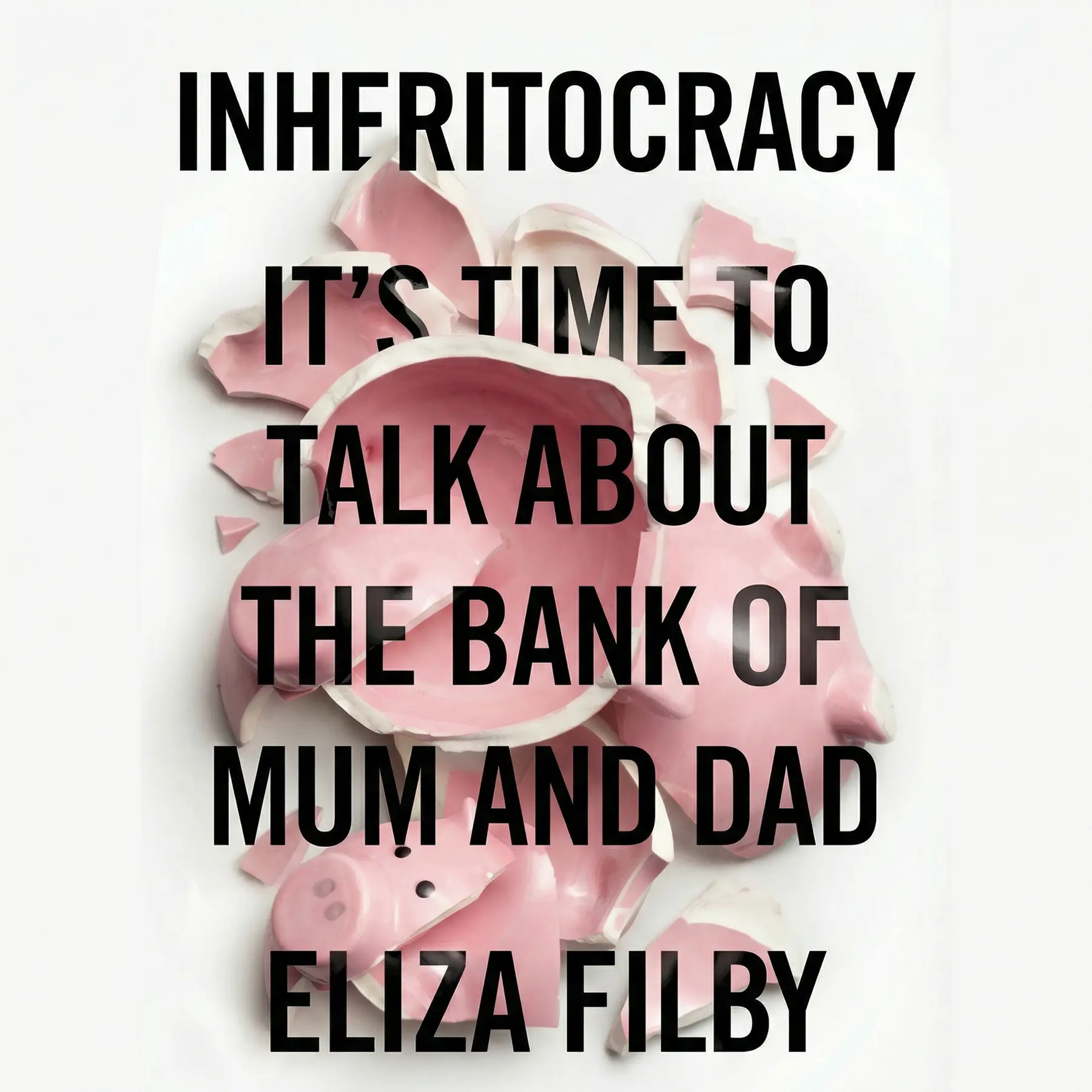
Inheritocracy: It's Time to Talk About the Bank of Mum and Dad
By Eliza Filby
Inheritocracy examines how the massive transfer of wealth from baby boomers to their children is replacing meritocracy with a system where family assets determine life success more than talent or effort.
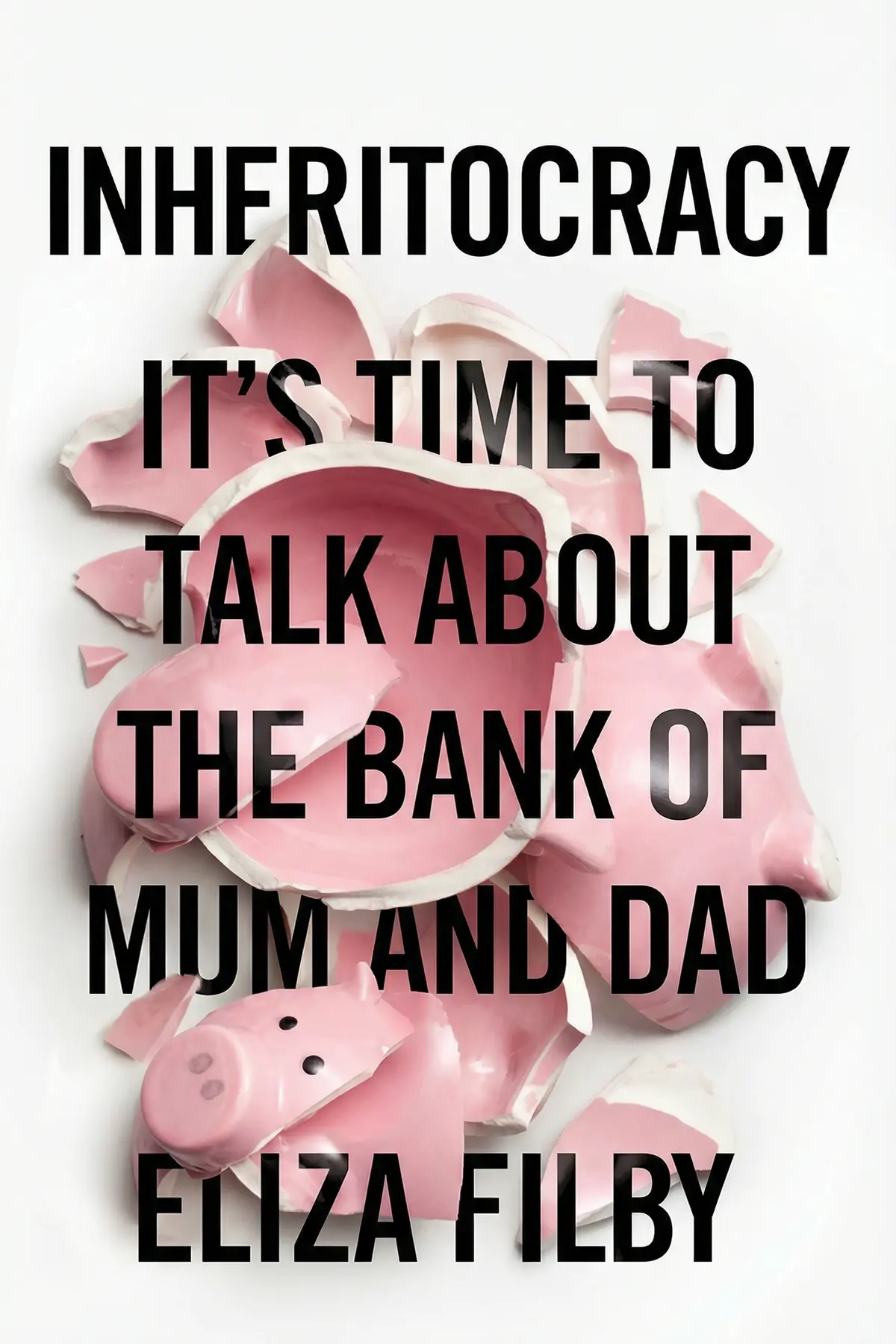
Table of Content
1. Introduction
1 min 44 sec
Imagine a young professional in their late twenties. They have a respectable job, a solid education, and they work hard every day. Yet, for years, they struggle to save for a home, watching prices climb higher and higher. Then, seemingly overnight, they announce they’ve bought a flat in a desirable neighborhood. You know their salary doesn’t cover that mortgage, so how did it happen? The answer is becoming the defining story of our era: the Bank of Mum and Dad.
In this exploration of Eliza Filby’s work, we are looking at the emergence of what she calls an inheritocracy. This is a society where the milestones of adulthood—owning a home, starting a family, or even pursuing a creative career—are no longer the rewards for individual grit. Instead, they are increasingly the result of parental support and inherited assets. We are currently standing at the precipice of one of the largest transfers of wealth in human history, as the baby boomer generation prepares to pass trillions to their children.
But this isn’t just a story about lucky individuals; it’s a story about a structural shift in our economy. As we dive into these ideas, we’ll see how this windfall isn’t being shared equally. It is creating a new class divide, one that exists within generations rather than just between them. Throughline of our discussion today is simple but profound: the promise of meritocracy—the idea that talent plus effort equals success—is being replaced by a system where who your parents are matters more than what you can do. Let’s look at how we got here and what it means for our collective future.
2. The False Divide of Generational Warfare
2 min 23 sec
Have you ever wondered why the debate between Boomers and Millennials feels so intense yet misses the mark? We explore why the real divide isn’t actually between age groups but between friends sitting at the same table.
3. The Erosion of the Meritocratic Promise
2 min 37 sec
Why does the old promise of ‘work hard and you’ll get ahead’ feel increasingly like a fairy tale? Discover how the decline of the welfare state turned a merit-based society into one where family background reigns supreme.
4. Adulthood as a Gated Community
2 min 33 sec
Becoming an adult used to be about independence, but what happens when that freedom requires a parental deposit? We examine how the Bank of Mum and Dad is reshaping everything from housing to our romantic lives.
5. The Cycle of Compounding Inequality
2 min 23 sec
Inheritance isn’t just a single event at the end of a life; it’s a lifelong momentum. Learn how ‘living inheritances’ create a compounding cycle of wealth that leaves those without family backing further behind.
6. The Looming Collision of Care and Inheritance
2 min 35 sec
A massive wealth transfer is coming, but it faces a multi-billion-dollar hurdle: the cost of growing old. Explore the political and personal tensions that arise when care bills collide with the hope of an inheritance.
7. Conclusion
1 min 52 sec
As we wrap up our journey through the landscape of the inheritocracy, the picture that emerges is one of a society at a crossroads. We have moved away from the postwar dream of a meritocratic world where your destiny was in your own hands. Instead, we are entering an era where family wealth acts as a silent architect, building walls for some and opening doors for others. The Bank of Mum and Dad has become a necessary crutch for the younger generation, but it’s a crutch that not everyone can reach.
This isn’t just about the unfairness of some people getting a head start. It’s about how this system changes our very culture—how it influences where we live, who we marry, and what kind of careers we feel safe to pursue. When inheritance matters more than income, the incentive to innovate and work hard begins to wither. We risk becoming a society of ‘insiders’ and ‘outsiders,’ defined by a birth lottery rather than our shared values or individual talents.
The challenges ahead are significant. We have to grapple with the rising costs of an aging society and the reality that our housing and labor markets are no longer working for those without family backing. But the first step toward a more equitable future is simply acknowledging the reality of the inheritocracy. By bringing these hidden financial flows into the light, we can start to have a real conversation about the kind of society we actually want to build. Whether we choose to reinforce these walls of inherited privilege or start building new ladders of opportunity is the great political and social question of our time. It’s time to decide if we want our future to be defined by what we do, or simply by what we inherit.
About this book
What is this book about?
Inheritocracy explores a fundamental shift in modern society: the transition from a world where your career and hard work defined your future to one where your parents' bank account does. Eliza Filby investigates the phenomenon of the Bank of Mum and Dad, showing how it has become a primary driver of the housing market and social mobility. The book promises to pull back the curtain on the silent economic force of inheritance. It explains why younger generations are increasingly divided not by their own achievements, but by their access to family windfalls. By looking at the decline of the welfare state and the rise of property values, Filby reveals how we have inadvertently built an inheritocracy that threatens the very idea of a fair society.
Book Information
About the Author
Eliza Filby
Eliza Filby is a British historian and author who explores generational changes in her work. Her writing has appeared in The Times, The Guardian, the Financial Times and the New Statesman. She received the Europa Forum’s Millennial Leaders Award for her research on generations in 2022. Filby hosts the It’s All Relative podcast and is the author of the #MajorRelate newsletter.
Ratings & Reviews
Ratings at a glance
What people think
Listeners find the examination of the "Bank of Mum and Dad" and familial wealth transfers to be stimulating, even if views are split regarding how the author blends her personal story with broader social commentary. Many listeners enjoy the clever, sharp prose and how the work deconstructs the illusion of merit-based success in the current economic landscape. Furthermore, they emphasize the deep dive into the escalating price of senior care; specifically, one listener points out the grim truth of how medical bills can "evaporate" an expected inheritance. They also note that the book acts as an important prompt for tough dialogues concerning economic advantages and the changing nature of societal agreements.
Top reviews
Noi
The chapter on elderly care costs absolutely floored me. We all talk about inheriting the family home as the ultimate safety net, but Filby illustrates how easily that 'wealth' can evaporate into the black hole of five-figure monthly care fees. It’s a sobering reality check for my generation. I found her writing style incredibly engaging and conversational, making complex socio-economic shifts feel like a chat over coffee. Truth be told, I hadn't considered the 'fourth stage' of life as a wealth-drainer before this. Some might find the London focus a bit narrow, but the broader points about the shifting social contract are universal. My parents and I are finally having the 'difficult conversation' about money because of this book. It is a necessary, albeit slightly anxiety-inducing, look at what the next thirty years really look like for families.
Show moreAndrew
Finally got around to reading this after seeing Filby speak at a conference and she did not disappoint. It’s probably the best mapping of the Millennial experience I’ve encountered so far. She perfectly captures the frustration of being 'mortgaged to the eyeballs' while watching the previous generation sit on property goldmines. The way she dismantles the myth of the self-made man in the 21st century is brilliant. I loved the wit and the emotional nuance she brought to the interviews. It’s not just about the cash; it’s about the psychological safety net that allows some to take risks while others can't afford a single mistake. A total page-turner that I’ve already recommended to my entire WhatsApp group. If you want to understand why Gen Y feels so burnt out, this is the blueprint.
Show moreAnucha
Ever wonder why the economy feels rigged even when you're doing everything 'right'? Inheritocracy answers that question by exposing the shaky foundations of our modern social contract. Filby moves beyond simple 'Boomer-bashing' to look at the structural ways wealth is now trapped within families rather than circulating through wages. Her analysis of how social capital—who you know and the networks you leverage—is just as vital as the cash is masterfully handled. The book is well-researched and manages to be thought-provoking without being overly academic. Frankly, it’s a necessary cartography of the current class divide. Even the more personal memoir segments serve to ground the high-level economic theories in a recognizable, human reality. This is essential reading for anyone interested in why social mobility has hit a brick wall.
Show moreMarco
Filby hits a nerve with her deep dive into how inheritance is replacing income as the primary driver of success in the UK. The concept of the 'Inheritocracy' is terrifyingly real for those of us watching the property ladder pull further away while others get a massive leg up. I appreciated the blend of statistics and personal narrative, though the memoir elements occasionally felt like a distraction from the harder economic data. It’s a wake-up call about the Bank of Mum and Dad. While the author's own background is clearly privileged, she doesn't shy away from admitting how that shaped her path. The book is witty, sharp, and deeply depressing if you aren't expecting a windfall. It’s essential reading for understanding why our social mobility has stalled so catastrophically. To be fair, a bit more focus on solutions would have been nice, but the analysis of the current mess is spot on.
Show moreSuthida
Picked this up on a whim and ended up finishing it in two sittings because the prose is just so accessible. Filby explores the 'Bank of Mum and Dad' with a level of honesty that's usually missing from these debates. It’s refreshing to see someone actually name the privilege instead of pretending everyone started at the same starting line. The writing is snappy and the anecdotes are mostly entertaining, though I did find myself skimming some of the more memoir-heavy sections toward the middle. The real value here is the discussion on how inherited wealth is destroying the idea of meritocracy in the UK. It makes you realize that the 'hustle' is a lie if you don't have the bankroll behind you. A few points felt repeated, but the overall message is powerful and timely.
Show moreSkylar
As a millennial parent currently drowning in childcare costs, this book felt like a personal attack—in a good way. Filby perfectly articulates the gap between our lives and our parents' lives at the same age. My Boomer dad actually got quite annoyed when I shared some of her points, which usually means the author is onto something important! The research into how we're reverting to a pre-Victorian model of inherited status is fascinating and scary. I wish there was more focus on policy solutions, as it left me feeling a bit hopeless by the end of the final chapter. Still, the prose is lively and the case studies provide a great cross-section of the 'squeezed' middle class. It’s a thought-provoking read that will definitely spark some heated dinner table debates.
Show moreA
This book is a challenging read that forced me to unpack my own relationship with money, class, and my parents. While it covers a lot of ground—from education to the 'soft boy' phenomenon—it really excels when discussing the 'fourth stage' of life. The realization that my parents' property wealth might be entirely consumed by health care costs was a total lightbulb moment. It changes the whole 'Inheritocracy' narrative from one of guaranteed wealth to one of extreme volatility and potential disappointment. The author’s voice is engaging, although the short snapshots of other people’s stories sometimes felt a bit rushed and didn't land as strongly as they could have. Overall, it is a 4-star experience that provides a lot of food for thought regarding our collective future.
Show moreSuthee
Frankly, I didn't think I'd finish a book on housing policy and intergenerational wealth this quickly, but Eliza Filby is an excellent storyteller. She manages to take a dry subject like intergenerational wealth transfer and make it feel like a pacy social drama. The juxtaposition of her own upbringing with the current economic climate makes for an interesting, if sometimes polarizing, read. I did feel the focus on 'emasculated' boyfriends was a bit of a weird tangent that didn't quite land, but the core message about the death of the meritocratic ideal is undeniable. It’s a witty, sharp, and occasionally frustrating book that accurately captures the zeitgeist of 2024. Not everyone will agree with her politics, but you can't ignore the data she presents. A great conversation starter for anyone feeling the squeeze.
Show moreTum
To be fair, I wanted to love this more than I did. Filby is an articulate speaker, but the book felt a bit unfocused at times, drifting between a rigorous economic critique and a personal memoir about her ex-boyfriends. The 'soft boy' commentary and mocking of past relationships felt out of place next to the housing crisis data. As someone living outside of London, the narrative felt heavily skewed toward a specific type of upper-middle-class urban experience that doesn't always translate. However, her points about social capital and the 'invisible' legs up that some people get are spot on. It’s a decent 3-star read that starts a vital conversation about the myth of meritocracy, even if it doesn't offer many concrete solutions for those of us without a safety net. The research is there, but the structure is a bit messy.
Show moreNitaya
Not what I expected from the title, which promised a more balanced look at economics. Instead, it felt like a relentless critique of the current system from someone who has clearly benefited from every part of it. The author identifies as a 'champagne socialist,' and it shows; there’s a staggering lack of self-awareness in mocking her own privilege while offering zero practical alternatives for the working class. The tone is often smug and the focus on her personal life felt like filler for a thesis that wasn't quite long enough. Look, the data on the housing crisis is fine, but you can find that in any newspaper without the side order of 'poor little rich girl' anecdotes. It’s too London-centric and ideologically blinkered for my taste. I found it frustrating to pull out any value for those of us outside her social circle.
Show moreReaders also enjoyed

Adults in The Room: My Battle With Europe’s Deep Establishment
Yanis Varoufakis

A Biography of Loneliness: The History of an Emotion
Fay Bound Alberti

A Force for Good: The Dalai Lama's Vision for Our World
Daniel Goleman
1929: Inside the Greatest Crash in Wall Street History--and How It
Andrew Ross Sorkin
A Room of One’s Own
Virginia Woolf
AUDIO SUMMARY AVAILABLE
Listen to Inheritocracy in 15 minutes
Get the key ideas from Inheritocracy by Eliza Filby, plus 5,000+ more titles in English and Thai.
- 5,000+ titles
- Listen as much as you want
- 7-day free trial
- Cancel anytime







