
15 min 58 sec
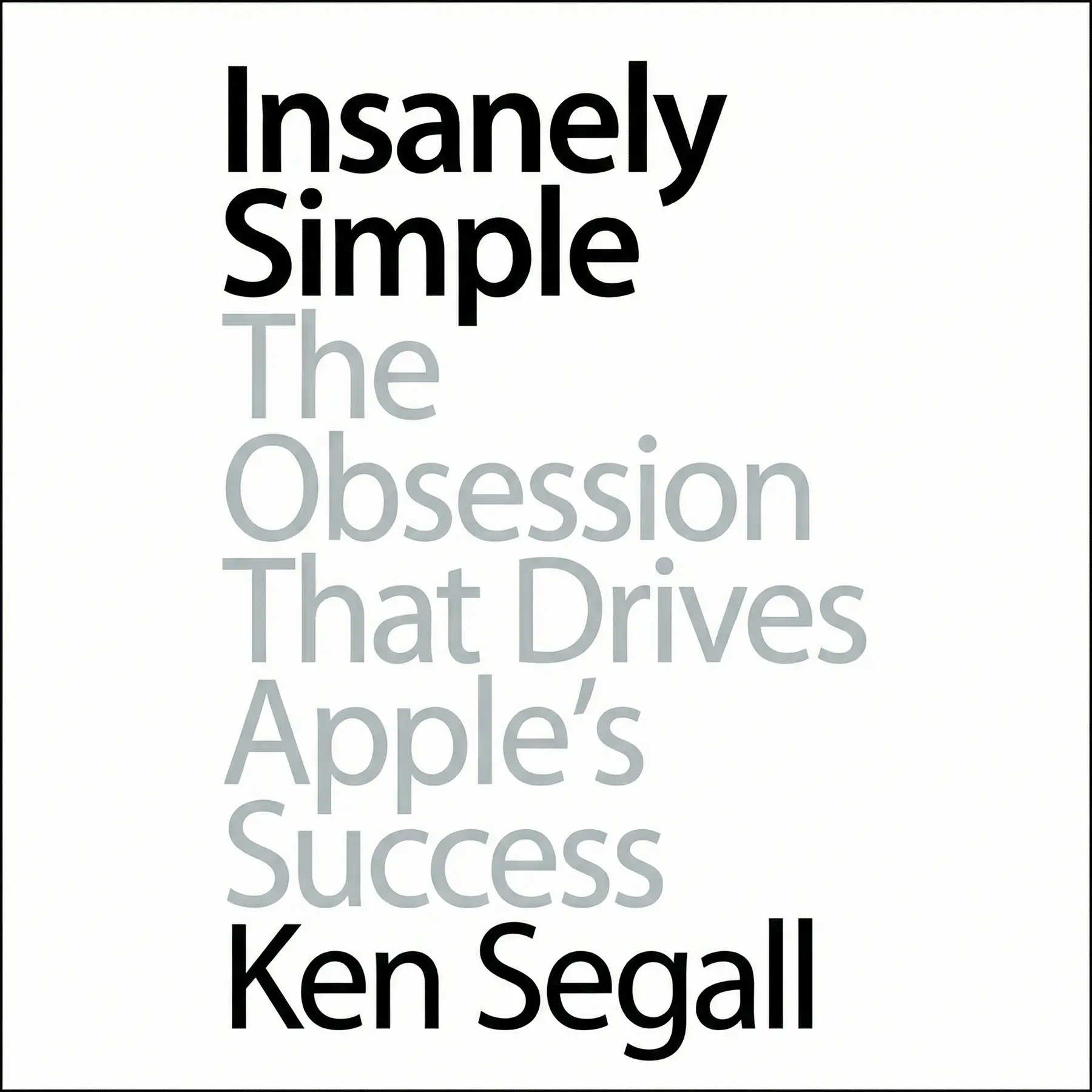
Insanely Simple: The Obsession that Drives Apple’s Success
By Ken Segall
Explore the philosophy of simplicity that propelled Apple to global dominance. Ken Segall reveals how Steve Jobs used minimalist principles to streamline products, communication, and organizational structure for maximum impact.
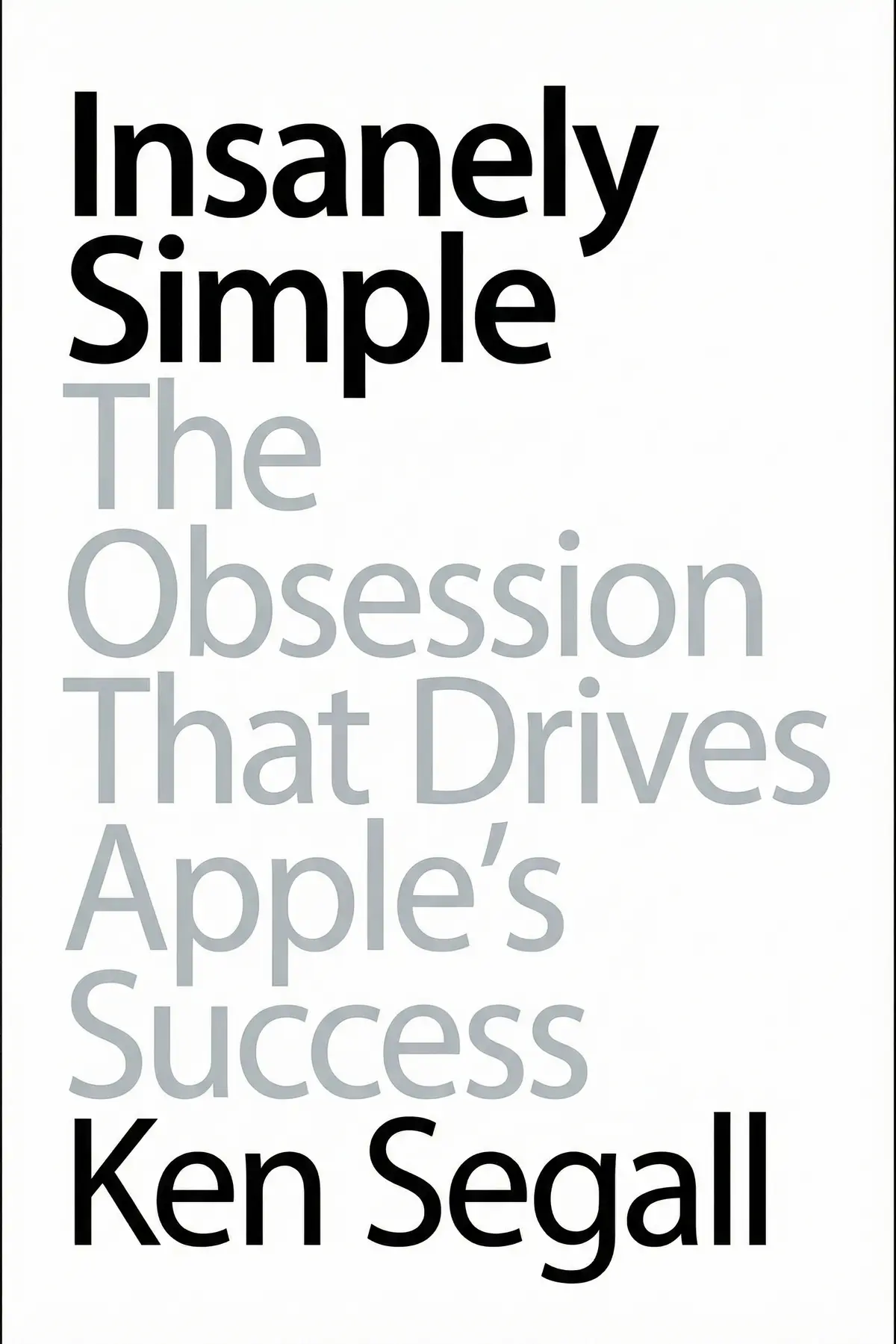
Table of Content
1. Introduction
1 min 12 sec
In our modern era, we are constantly bombarded by complexity. Whether it is the overwhelming number of choices in a grocery aisle or the endless layers of bureaucracy in a corporate office, complexity has a way of creeping into every corner of our lives. We often mistake this complexity for sophistication or thoroughness. We think that having more options, more features, or more people involved in a project will lead to a better result. However, the history of one of the world’s most successful companies suggests the exact opposite is true.
The success of Apple wasn’t built on being more complicated than the competition; it was built on an almost religious devotion to simplicity. This throughline—the idea that the simplest solution is usually the most effective—was the driving force behind everything Steve Jobs touched. It wasn’t just a design aesthetic; it was a management style, a marketing strategy, and a way of life. By looking at how this ‘obsession’ transformed a struggling computer maker into a global titan, we can find lessons on how to streamline our own work, lead more effectively, and connect more deeply with the people we serve. Let’s explore how cutting away the noise can lead to a level of clarity and success that most people only dream of.
2. The Biological Root of Simplicity
1 min 33 sec
Humans are hardwired to seek the path of least resistance, a trait shared with the most resilient species on our planet.
3. The Strategic Advantage of Physical Minimalism
1 min 20 sec
Stepping into a workspace or retail environment should provide instant clarity rather than a sense of overwhelm.
4. Why Massive Teams Kill Momentum
1 min 21 sec
Large groups often lead to stalled projects and diluted ideas, whereas lean teams move with precision and speed.
5. The Rule of One Hundred
1 min 22 sec
Limiting the number of key players ensures that every team member is truly elite and fully engaged.
6. Cutting Through the Feedback Loop
1 min 15 sec
Direct communication from the top down prevents the ‘corporate telephone game’ from ruining great ideas.
7. The Psychological Benefit of Tight Deadlines
1 min 11 sec
A limited window of time forces a team to focus on what truly matters, preventing over-complication.
8. Innovating Through Subtraction
1 min 28 sec
True progress often comes from removing features rather than adding them, creating a more intuitive experience.
9. Selling Values Instead of Specs
1 min 15 sec
A great brand connects with the heart by communicating what it stands for, not just what it does.
10. Wielding the Simple Stick
1 min 16 sec
Maintaining simplicity requires a constant, active effort to strike down complexity wherever it arises.
11. The Power of Limited Choice
1 min 10 sec
Reducing the number of options available to customers increases their satisfaction and reduces regret.
12. Conclusion
1 min 35 sec
In the end, the story of Apple’s rise is not just a story of technological genius; it is a testament to the power of focus. By ruthlessly pursuing simplicity, Steve Jobs and his team were able to create products and experiences that felt human, intuitive, and essential. They proved that complexity is often just a mask for a lack of clarity. When you truly understand your mission, you don’t need a thousand pages of documentation or a dozen different product versions to explain it. You can say it with a single button or a single image.
As you move forward in your own career or business, remember that the most difficult thing to do is often the simplest. It takes courage to say no to a good idea so that you can say yes to a great one. It takes discipline to keep your teams small and your deadlines tight. And it takes a high level of passion to keep fighting the ‘weeds’ of complexity that naturally grow in any organization. But the rewards for this effort are immense. When you simplify, you don’t just make things easier; you make them better.
Your actionable takeaway today is to look at your most important current project and find one thing you can remove. Don’t add a new feature or another meeting; instead, identify a layer of bureaucracy or a piece of ‘clutter’ that is slowing you down and cut it out. Apply the ‘Simple Stick’ to your own life and see how much faster you can move when you aren’t carrying unnecessary weight. True success doesn’t come from doing more; it comes from being insanely simple in everything you do.
About this book
What is this book about?
Have you ever wondered why some of the world’s most powerful technologies feel so effortless to use? The answer lies in a deep-seated obsession with simplicity. In this exploration of Apple’s inner workings, former creative director Ken Segall pulls back the curtain on the principles that guided Steve Jobs. From the naming of the iMac to the design of the iPhone, every decision was filtered through a lens of radical minimalism. This isn't just a story about design; it's a blueprint for business efficiency. You will discover how to eliminate the bureaucratic clutter that slows down most corporations, why small teams outperform large ones, and how to communicate your brand’s values with striking clarity. By the end, you’ll understand how to apply the 'Simple Stick' to your own projects, ensuring that your ideas are as streamlined and effective as the world’s most iconic devices.
Book Information
About the Author
Ken Segall
Ken Segall is a veteran of the advertising world who served as a creative director for agencies working with NeXT and Apple. Having worked closely with Steve Jobs for many years, Segall played a pivotal role in shaping the brand's identity. He is the creative mind responsible for the 'i' prefix in iconic products like the iMac and iPod, and he was a key contributor to the legendary 'Think Different' advertising campaign. Beyond his tenure at Apple, Segall has also lent his creative expertise to major global brands including Dell, BMW, and Intel.
Ratings & Reviews
Ratings at a glance
What people think
Listeners find this book remarkably easy to read and fast-moving, filled with excellent bits of genuine wisdom and practical concepts. The text is straightforward in all aspects, utilizing great anecdotes and a fun writing style to create an uplifting experience. While listeners appreciate how effective the advice is, with one mentioning it is vital reading for tech and creative firms, some consider the content to be repetitive.
Top reviews
Roo
Wow, Segall managed to distill the essence of Apple's success into something that feels actually attainable for the rest of us. The focus on 'brutal simplicity' changed the way I look at my own small business projects and how I communicate with clients. I loved the section on why small teams are the only ones that actually get things done; it’s a total rejection of corporate bloat. The prose is punchy and energetic, making it one of those rare business books you can actually finish in a weekend. It reminds me a lot of Seth Godin's work but with more behind-the-scenes grit. If you want to understand how a single idea can transform a brand, stop overthinking and just buy this book. It’s essential reading for anyone in the creative or tech space.
Show moreNongnuch
Ever wonder why Apple products feel so intuitive while their competitors feel like a jigsaw puzzle? Segall explains it perfectly through the lens of a marketer who was actually in the room when it happened. The writing is snappy, humorous, and completely devoid of the usual dry business jargon that makes these books a chore. I particularly connected with the idea of the 'Brand Bank'—the notion that every great product builds credit for when things inevitably go wrong. It’s a fast-paced journey through the history of modern computing that feels both nostalgic and forward-thinking. To be fair, it is very biased toward the Apple way of life, but when the results are this successful, it’s hard to argue with the logic. This is definitely a book I’ll be gifting to my colleagues.
Show moreLucas
Truth is, I wasn't expecting to be this inspired by a book about marketing. Segall shows that Apple’s success wasn't just about the hardware, but about a fanatical devotion to making things easy for the human beings on the other end. The anecdotes about Steve Jobs are both terrifying and enlightening, painting a picture of a man who refused to tolerate any form of corporate clutter. It’s a very quick read, mostly because the style is so conversational and the stories are genuinely entertaining. I’ve already started implementing the 'small team' rule in my own projects and the results have been immediate. If you’re tired of bloated processes and confusing product lines, this book will feel like a breath of fresh air. Get it, read it, then simplify your life.
Show morePloy
This book provides a compelling window into the inner workings of Apple during the second Jobs era. Segall’s concept of the 'Brand Bank' is a genuine revelation for anyone trying to understand why some companies can weather scandals while others fold instantly. It’s an easy read that moves at a clip, though I’ll admit the author spends quite a bit of time bashing competitors like Dell and Microsoft. While his loyalty is clear, the insights into the 'Think Different' campaign and the philosophy of small, efficient meetings are worth the price of admission. It’s definitely a marketer’s perspective, but the leadership lessons on clarity and avoiding 'mercy invitations' to meetings are universally applicable. Some sections feel a bit like he’s preaching to the choir, yet the anecdotes about Steve’s brutal honesty keep the pages turning.
Show moreVilaiporn
As someone who has spent years in the tech industry, I found the 'no-nonsense' approach described here incredibly refreshing. Segall emphasizes that complexity is a choice, and usually a bad one that confuses customers and slows down innovation. The chapter on keeping meetings small and only including essential decision-makers should be mandatory reading for every middle manager in America. Truth is, the book could have been a bit shorter, as the author tends to circle back to the same themes of Apple’s perfection quite often. But the specific stories about the 'i' prefix and the 'Think Different' speech offer a level of detail you won't find in the standard biographies. It’s a fast, engaging read that will make you want to go through your own company with a pair of shears.
Show moreTod
Finally sat down to read this and was pleasantly surprised by how much of a page-turner it is. Segall has a great voice—it feels like you're sitting in a bar with him while he tells you all the secrets of working with a legend. He really hammers home the point that 'Simple' isn't just a design aesthetic, but a management style that requires constant vigilance. The 'Think Different' chapter was a highlight for me; it captured the emotional weight of that era perfectly. My only gripe is that the book itself is a bit repetitive, which is ironic for a text advocating for streamlined efficiency. Still, the nuggets of insight regarding human psychology and consumer choice are fantastic and very relevant for today’s market.
Show moreFang
Looking for a fast, insightful read on leadership? This is it. Segall captures the 'Apple magic' without getting bogged down in technical specs. He focuses on the 'Stick'—the idea that you have to be relentless about your core values or complexity will inevitably creep back in. I loved the specific examples of how Apple trimmed their product lines to make shopping easier for the customer. It's a great reminder that more choice isn't always a benefit. While the author’s hero worship of Jobs is a bit thick in places, the underlying message is solid. The book itself is physically easy to read with plenty of white space, practicing what it preaches in terms of design. It’s a solid addition to any business library, even if it does repeat its main thesis a few times too many.
Show moreElla
Picked this up hoping for a masterclass in minimalism, but what I got was mostly a collection of war stories from the advertising trenches. Don’t get me wrong, the stories about Steve Jobs are fascinating and Segall has a very conversational, witty writing style. However, the book suffers from a lack of editing and becomes incredibly repetitive after the first few chapters. He makes a brilliant point about simplicity, but then proceeds to make that same point thirty more times with slightly different adjectives. Is it inspirational? Sure. Is it practical? Not as much as I’d hoped. It’s a fast-paced read, but you could probably get the gist of the entire philosophy by reading the first fifty pages and skipping the rest of the fluff.
Show moreRotjanee
Not what I expected, but still worth a look if you are a die-hard Apple fan. The book is essentially a series of anecdotes loosely tied together by the theme of simplicity. Some of the stories are gold, especially the bits about Jobs' intensity and the creative process behind famous ads. But frankly, the author’s definition of simplicity feels a bit hollow at times. He argues that 'simple' is better, but then describes processes that were incredibly difficult and required 'brutal' management to achieve. Is that actually simple, or just a different kind of complexity? I also found the constant mockery of Dell to be a bit petty and distracting. It’s a decent read for the historical context, but don't expect a step-by-step manual for your own business.
Show morePia
The core issue with this book is that Segall never truly defines what 'Simplicity' is beyond 'whatever Steve Jobs decided to do that day.' Personally, I found the tone to be a bit too close to Stockholm Syndrome, as he describes objectively toxic management behavior as 'visionary' or 'brutally honest.' There are some interesting nuggets about the iMac rollout, but they are buried under layers of hero worship and constant bashing of other brands. As a consultant, I also found it unprofessional how he aired dirty laundry regarding his former clients. For a book that praises the beauty of simple things, it sure does ramble a lot. I struggled to finish the audiobook because the narration felt monotonous and the content was just too thin to justify the length.
Show moreReaders also enjoyed
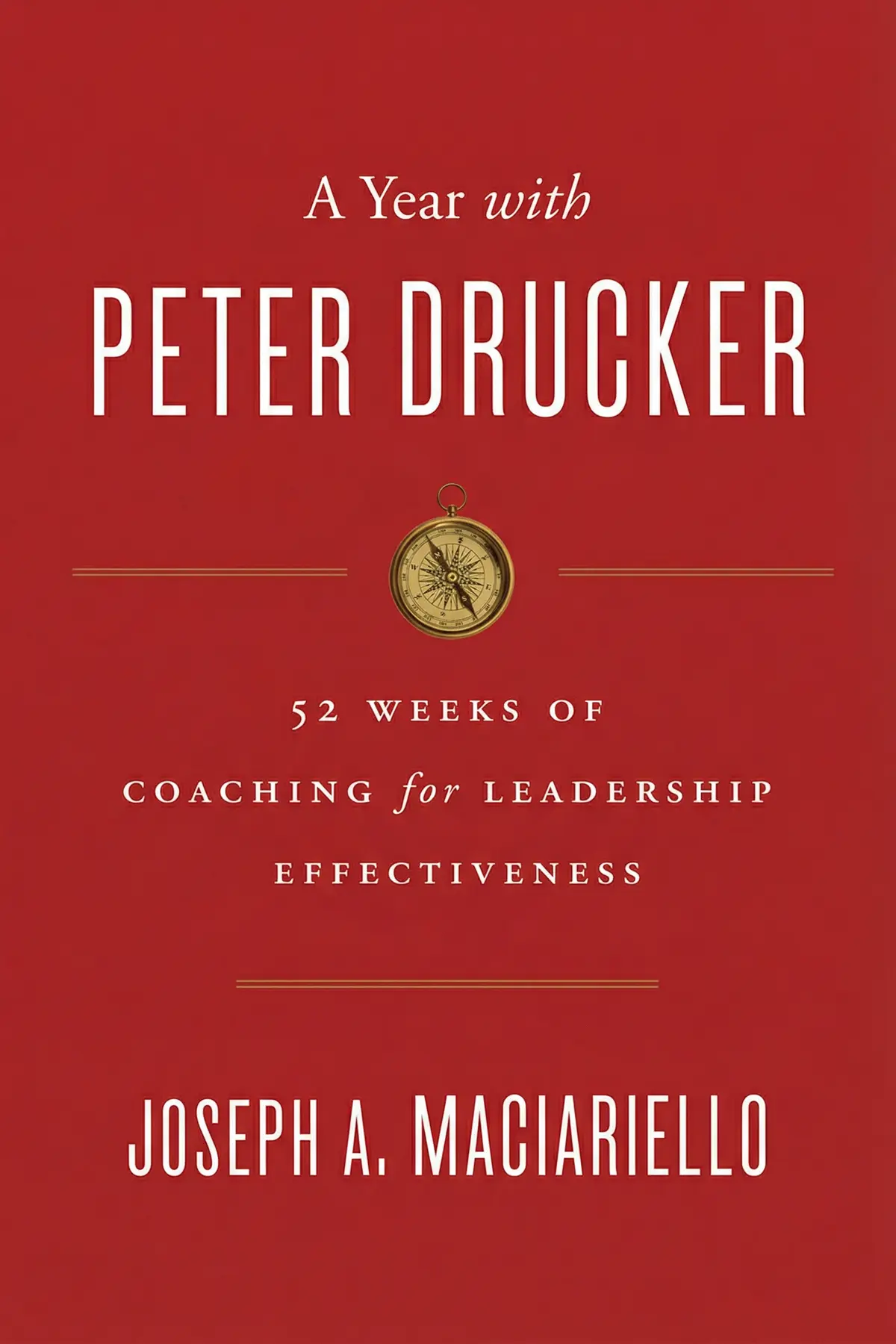
A Year with Peter Drucker: 52 Weeks of Coaching for Leadership Effectiveness
Joseph A. Maciariello
Acting with Power: Why We Are More Powerful Than We Believe
Deborah Gruenfeld
All In: How Great Leaders Build Unstoppable Teams
Mike Michalowicz
AUDIO SUMMARY AVAILABLE
Listen to Insanely Simple in 15 minutes
Get the key ideas from Insanely Simple by Ken Segall, plus 5,000+ more titles in English and Thai.
- 5,000+ titles
- Listen as much as you want
- 7-day free trial
- Cancel anytime







