
21 min
It’s the Manager: Moving From Boss to Coach
A deep dive into why managers are the single most important factor in organizational success, exploring how leadership must evolve from command-and-control to a coaching-based model for the modern workforce.
Table of Content
1. Introduction
1 min 53 sec
The modern workplace is currently navigating through a period of unprecedented turbulence. If you look around, you’ll see that disruptive startups are toppling industry giants, technology is automating roles that once seemed permanent, and the very nature of how we communicate has been rebuilt from the ground up. Yet, in the middle of all this technological and structural upheaval, many organizations are making a critical mistake: they are trying to manage 21st-century people with 20th-century methods.
There is a fundamental truth that often gets lost in the talk of algorithms and global supply chains: the success of an organization lives or dies based on the quality of its managers. It is the person sitting in the manager’s chair who determines whether an employee feels inspired to do their best work or feels like just another cog in a machine. This summary, based on the findings of Jim Clifton and Jim Harter, acts as a guide to this new reality. It is built on massive amounts of data from Gallup to explain why the old-school boss is becoming a relic of the past.
As we move through these ideas, we’re going to look at why the workforce of today is fundamentally different from the one that came before it. We will explore how the goals of younger workers have shifted from simply seeking stability to seeking significance. We’ll also dive into the practical side of leadership—how to hire without letting your brain trick you into making biased choices, how to have conversations that actually lead to growth, and how to build a culture where everyone feels safe and valued.
The overarching theme you’ll notice is the shift from ‘bossing’ to ‘coaching.’ It’s about moving away from an environment of command and control and toward one of development and empowerment. If you’ve ever wondered why some teams thrive while others with similar resources fail, the answer is almost always the manager. By the end of this journey, you’ll have a clear understanding of what the next generation of leadership looks like and how you can start implementing it today to future-proof your career and your company.
2. The Shift from Paycheck to Purpose
1 min 55 sec
Discover why the latest generation of workers is trading the security of a steady salary for the fulfillment of a meaningful mission.
3. Why Coaching Beats Managing
1 min 55 sec
Learn why the old-fashioned boss is being replaced by the modern coach in high-performing organizations.
4. Defining Culture Through Brand and Purpose
1 min 55 sec
Uncover the secret to building a unified workplace culture that resonates with both your team and your customers.
5. Overcoming the Psychological Traps of Hiring
2 min 00 sec
Explore the hidden biases that often lead managers to choose the wrong candidates and how to avoid them.
6. The Science of Better Recruitment
2 min 06 sec
Ditch the guesswork and learn a proven four-step framework for identifying top-tier talent.
7. Mastering the Three Essential Coaching Conversations
1 min 57 sec
Improve team performance and engagement by learning when and how to have the right talks with your staff.
8. Building a Culture of Safety and Integrity
1 min 55 sec
Learn why a zero-tolerance policy for harassment is the foundation of a healthy, productive workplace.
9. Navigating the New Gig Economy
1 min 50 sec
Discover how to manage a blended workforce of traditional employees and freelance gig workers.
10. Future-Proofing Your Career Through Relationships
1 min 50 sec
Find out why human interaction and social skills will become your most valuable assets in the age of automation.
11. Conclusion
1 min 44 sec
As we reach the end of this exploration, the core message should be clear: in the modern world of work, the manager is the most critical link in the chain of success. We have seen how the expectations of the workforce have shifted from a simple paycheck to a deep desire for purpose and meaning. We’ve explored how the traditional, autocratic boss is being replaced by the supportive, strengths-based coach. And we’ve looked at the practical steps needed to build a fair, safe, and effective organization.
The transition from a traditional supervisor to a modern coach isn’t always easy. it requires a change in mindset, a commitment to ongoing communication, and a willingness to let go of old ideas about control. But the rewards for making this shift are immense. When you focus on your people’s strengths, when you give them a clear purpose, and when you communicate with them frequently and honestly, you unlock a level of performance that a ‘boss’ could never achieve.
The world will continue to change. Technology will continue to disrupt, and new economic models will continue to emerge. But the fundamental need for human connection and growth at work will remain. By becoming a manager who coaches, you aren’t just doing your job better; you are helping your team members live better lives. You are creating an environment where people can thrive, and in doing so, you are building a resilient, future-proof organization. The future of work isn’t just about the tools we use; it’s about the people who use them, and the managers who lead them. Start today by having that first ‘quick connect’ conversation, and watch how it begins to transform your team.
About this book
What is this book about?
The landscape of employment is undergoing a radical transformation, driven by technological shifts and a fundamental change in what workers value. This book argues that the traditional role of the boss is dead, and the era of the manager-as-coach has begun. Drawing on extensive Gallup research, the authors demonstrate that the quality of an individual's manager is the most significant predictor of their engagement and productivity. The text provides a roadmap for navigating these changes, focusing on the specific needs of millennials and Generation Z, who prioritize purpose over a mere paycheck. It also tackles the complexities of the gig economy, the necessity of eliminating hiring biases, and the urgent requirement for a culture of integrity and safety. By shifting the focus to development and strengths-based coaching, organizations can bridge the gap between executive strategy and front-line execution. This summary offers practical insights for anyone looking to build a resilient, high-performing team in an era of constant disruption.
Book Information
About the Author
Jim Clifton
Jim Clifton is the CEO and chairman of Gallup, and the best-selling author of The Coming Jobs War. Jim Harter, PhD, is Gallup's chief scientist of workplace management and well-being. Harter is also the coauthor of the New York Times best seller 12: The Elements of Great Managing.
Ratings & Reviews
Ratings at a glance
What people think
Listeners find this work to be an accessible and educational resource, offering hands-on advice for leading within organizations. They also value its inspiring nature, and one listener points out that it provides concrete strategies for enhancing team culture and productivity. On the other hand, opinions on the prose are divided, as several listeners characterize the writing as low quality. Furthermore, the specific material for managers and its disjointed structure earn varied responses.
Top reviews
Koi
Finally got around to finishing this, and I’m genuinely impressed by how Gallup translates massive data sets into something a human can actually use. Most business books are filled with anecdotal fluff, but Clifton and Harter provide actual evidence for why the manager is the single most important factor in engagement. I particularly liked the shift in mindset from 'boss' to 'coach,' which feels much more in line with what younger employees are looking for today. The short, punchy chapters make it easy to digest in small chunks between meetings. Truth is, if you’re trying to future-proof your leadership style, these insights on the gig economy and employee well-being are non-negotiable. It’s a roadmap for anyone navigating the weird, post-pandemic landscape of modern work.
Show moreArthit
Ever wonder why your team isn't hitting their goals despite having all the resources they need? This book argues that the answer is almost always the manager, and the research back-up is pretty hard to argue with. I loved the application of human science to the modern workplace, especially the parts focusing on Millennials and Gen Z. These generations aren't just looking for stability; they want a coach who cares about their development as human beings. The authors take a zero-tolerance approach to issues like hiring bias, which is refreshing to see in a business text. It’s a very motivational read that pushed me to rethink how I approach my one-on-ones every week.
Show moreLayla
Gallup delivers a powerhouse of data-driven insights that every CEO should probably hand out to their leadership teams. It shifts the focus away from traditional 'command and control' styles and highlights why individual strengths are the key to organizational success. I particularly appreciated the discussion on the gig economy and how to maintain employee well-being in a world that is constantly shifting toward automation. The short chapters are perfect for busy professionals, and the 34 Strengths guide at the back is a resource I’ll keep on my desk for months. It makes a compelling case for why the manager is the linchpin of the modern enterprise.
Show moreWaree
The chapter on culture really stood out to me as the highlight of the entire publication. It’s not a traditional narrative book by any means; it feels more like a curated collection of research briefings that you can dip in and out of depending on your needs. To be fair, a huge chunk of the back half is just a glossary of the 34 CliftonStrengths, which felt a bit like a sales pitch for their assessment tools. However, the data regarding how managers influence performance is just too solid to ignore. I found the sections on diversity and inclusion a bit dated, as they seem to miss the nuances of modern identity conversations. Still, it’s a high-level overview that offers enough actionable ideas to justify the shelf space.
Show moreArm
As a director responsible for over fifty people, I appreciate the brevity and focus of this research summary. Each section is only a few pages long, which is perfect for someone with a packed schedule who needs a quick hit of inspiration. The authors do a great job explaining the 'what' and 'why' behind modern management, even if they occasionally skip over the 'how.' Not gonna lie, I was a bit annoyed that the physical copy is required to get the assessment code, but the insights on the Q12 engagement tool are worth it. It’s interesting to see how the workforce is changing from wanting just a paycheck to wanting purpose. This is a solid resource for anyone leading a startup or a large organization.
Show moreFrida
After hearing my colleagues rave about the Gallup research, I picked this up to see what the hype was about. It is a very timely piece that accurately describes the 'squeeze' middle managers feel between executive demands and frontline employee expectations. The roadmap provided for transforming the managerial role into a coaching role is genuinely useful. I did find the chapters on technology and automation a bit surface-level, but the core message remains strong. Gotta say, the emphasis on offering meaning and purpose in the workplace is the most important lesson here. It’s a quick read that provides plenty of food for thought for our next professional development session.
Show moreIsabelle
Not what I expected when I bought a management book, but it’s helpful nonetheless. While there are some gold nuggets of wisdom scattered throughout, the structure feels incredibly fragmented. It reads more like a sequence of blog posts than a cohesive argument, which might frustrate readers looking for deep, flowing prose. Personally, I found the 'Just Trust Me Bro' vibe of some of the unsourced statistics a little off-putting, though Gallup generally has a good reputation for data. It’s an informative read if you want a quick pulse check on the industry, but it doesn't quite live up to its ambitious title. I think I would have been just as happy reading a few articles on the Gallup website.
Show moreKwan
Look, if you already use the CliftonStrengths system, this book is essentially a massive reinforcement of everything you already know. It’s basically a long-form commercial for their ecosystem, which makes it feel less like an objective study and more like marketing. The stats and charts are engaging for data nerds, but the actual coaching advice lacks the depth needed to be fully actionable in the real world. My biggest gripe is the pricing and the way they gate the strengths test behind a code that doesn't come with library or used copies. It’s a decent enough reference guide, but it definitely isn't an essential read for anyone who has already mastered basic leadership principles.
Show moreJune
Frankly, the biggest disappointment was the digital experience of trying to read this on my e-reader. For a book that talks so much about the future of work and technology, the lack of flexible e-book formats is a major oversight. As for the content, it’s a bit of a mixed bag. The data on employee engagement is top-tier, but the actual 'Manager' parts of the book are buried under a lot of self-promotion for the CliftonStrengths assessment. I appreciate the concise chapters, but it sometimes feels like the authors are afraid of diving too deep into any one topic. It’s a good introduction to Gallup’s philosophy, but don't expect a comprehensive masterclass.
Show moreIff
This book should have been a single PDF summary or a long-form article on LinkedIn. It feels inherently mechanical, reducing the complex nuances of human leadership to a series of bullet points and listicles. I’m all for efficiency, but the writing style is so dry and fragmented that I struggled to stay engaged for more than ten minutes at a time. A huge portion of the page count is just filler documentation or definitions that you could easily find online for free. In my experience, great management requires a level of empathy and storytelling that this book completely ignores in favor of stats. It's not a 'bad' book, but it’s certainly not worth the price of admission.
Show moreReaders also enjoyed
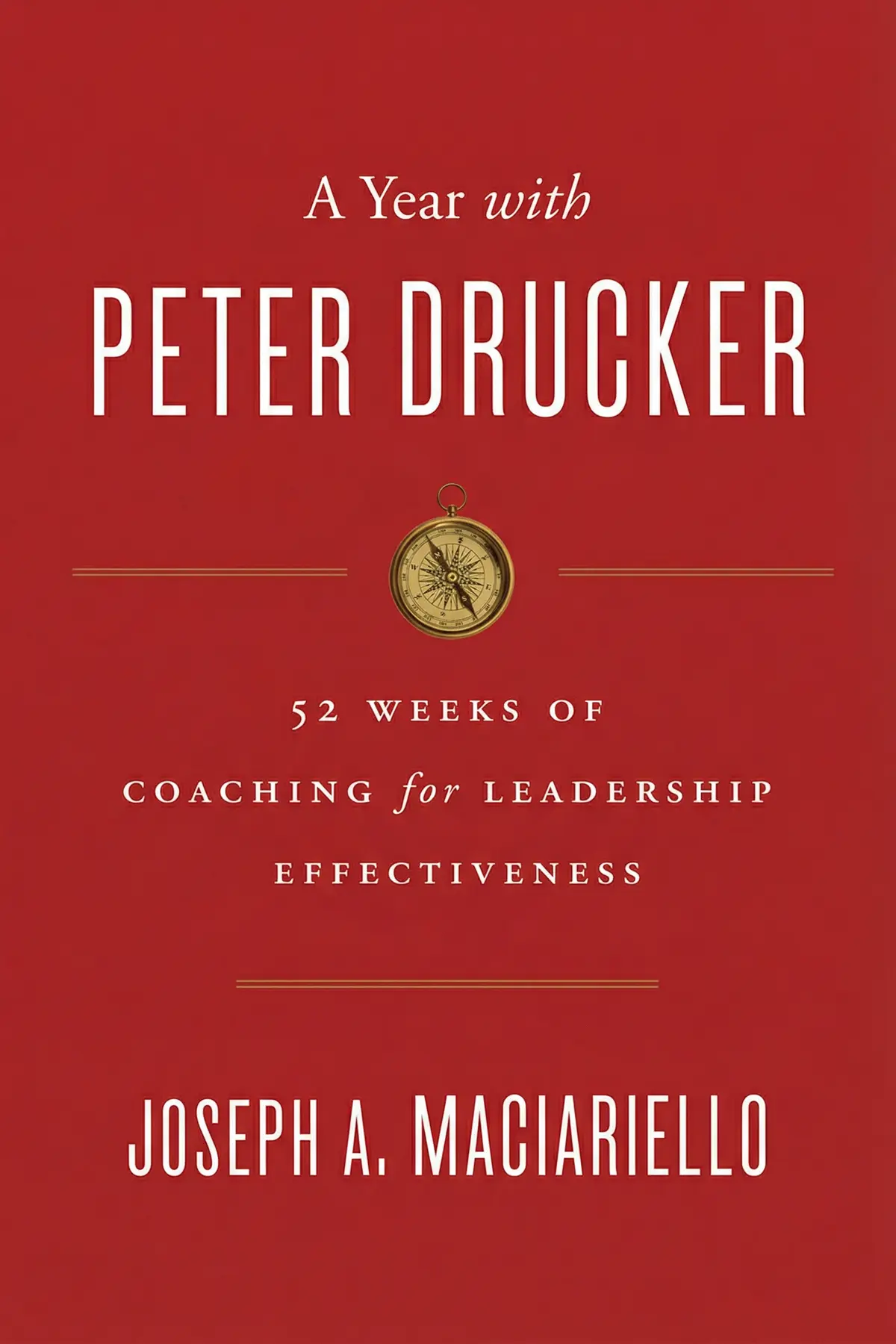
A Year with Peter Drucker: 52 Weeks of Coaching for Leadership Effectiveness
Joseph A. Maciariello

Acting with Power: Why We Are More Powerful Than We Believe
Deborah Gruenfeld
AUDIO SUMMARY AVAILABLE
Listen to It’s the Manager in 15 minutes
Get the key ideas from It’s the Manager by Jim Clifton, plus 5,000+ more titles in English and Thai.
- 5,000+ titles
- Listen as much as you want
- 7-day free trial
- Cancel anytime







