
15 min 29 sec
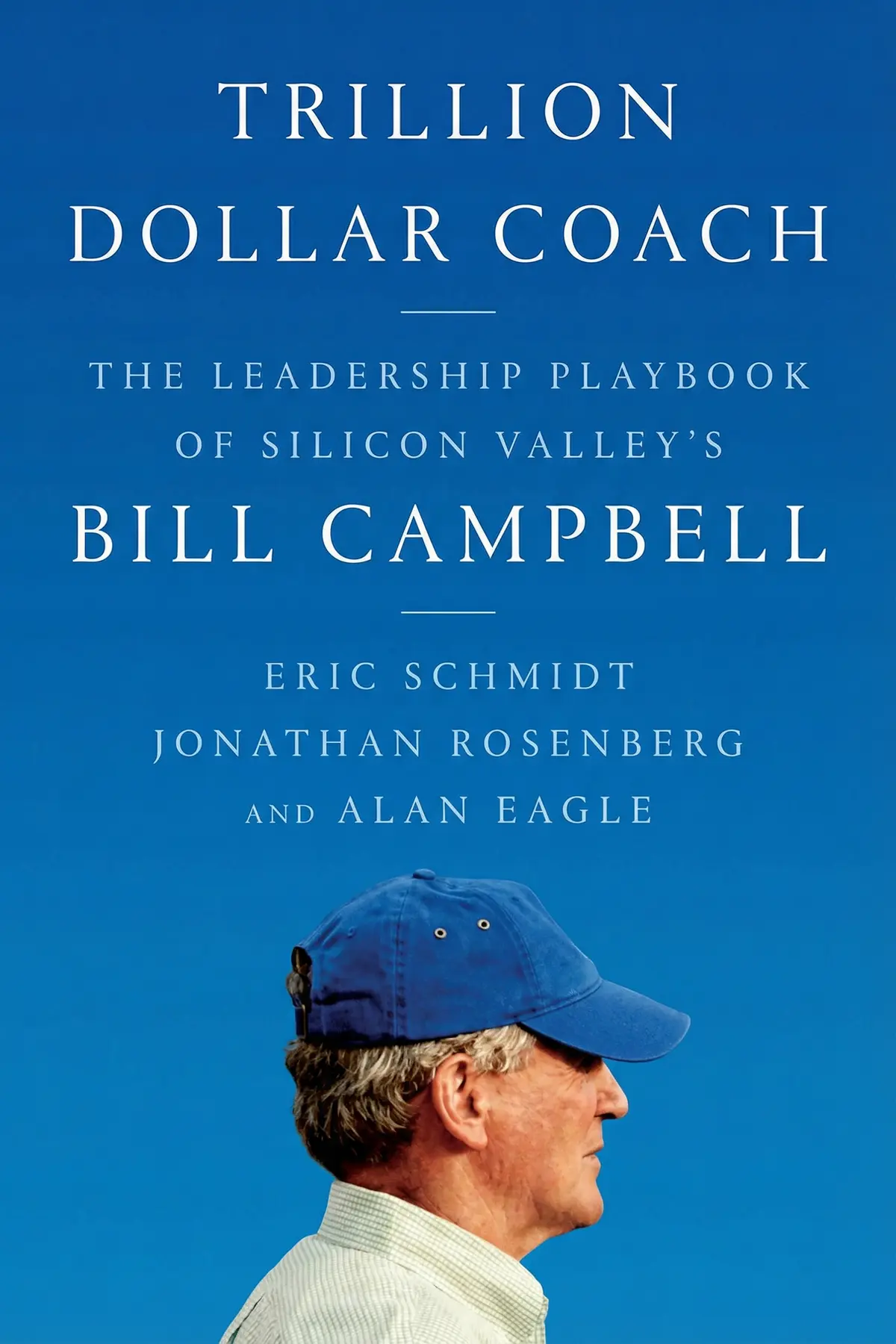
Learned Excellence: Mental Disciplines for Leading and Winning from the World's Top Performers
Learned Excellence explores the psychological blueprint used by elite performers. It breaks down the five mental disciplines required to move beyond talent and achieve sustained high performance in all areas of life.
Table of Content
1. Introduction
1 min 35 sec
In the quest for success, we often look at elite athletes, visionary CEOs, or special forces operators and assume they possess some innate ‘magic’ that we lack. We see their achievements and imagine a level of focus or resilience that is simply out of reach for the average person. But what if excellence isn’t a gift you’re born with, but a series of choices you make? What if the difference between a one-hit wonder and a sustained peak performer is simply a matter of discipline—specifically, five mental disciplines that can be learned, practiced, and mastered?
This exploration of excellence shifts the focus from what people *are* to what people *do*. It’s about moving away from the frantic, high-stress pursuit of goals that often leads to burnout and moving toward a structured, strategic approach to high performance. The journey we are about to take involves looking inward to find your core compass, adjusting the lens through which you view the world, and building a daily architecture that supports your highest ambitions.
Whether you are trying to lead a multinational corporation, navigate the complexities of parenthood, or push your physical limits, the principles remain the same. Excellence is a holistic endeavor. It requires alignment between your values and your actions, a commitment to a rigorous process, the strength to handle life’s inevitable storms, and the wisdom to know when to rest. As we walk through these five mental disciplines, you’ll see how they build upon one another to create a foundation for a life that isn’t just successful, but deeply fulfilling and sustainable. Let’s begin the process of turning potential into performance.
2. Establishing Your Internal Compass
2 min 14 sec
Excellence begins with deep self-awareness. Discover why a ten-word personal credo and a multi-dimensional approach to goal-setting are the essential foundations for any high-performance journey.
3. The Power of Choosing Your Perspective
2 min 31 sec
Mindset is often treated as a fixed personality trait, but elite performers treat it as a deliberate choice. Learn how to tailor your mindset to your specific roles.
4. Architecture for Performance
2 min 32 sec
Amateurs focus on results, while professionals focus on process. Discover the time-management and information-filtering techniques that turn ambition into consistent output.
5. Building Resistance to the Storm
2 min 29 sec
Adversity is inevitable, but your reaction to it can be trained. Learn the visualization and ‘black box’ techniques used to maintain focus under pressure.
6. The Necessity of Rest and Integration
2 min 30 sec
True excellence is a marathon, not a sprint. Discover why strategic recovery and the ‘4444’ breathing technique are vital for long-term high performance.
7. Conclusion
1 min 38 sec
As we conclude this journey through the architecture of excellence, it’s important to remember the central premise: none of these traits are accidental. The world-class performers Eric Potterat and Alan Eagle have studied—from Navy SEALs to Olympic athletes—all follow a structure. They don’t rely on how they feel on any given day; they rely on their disciplines.
We’ve seen how excellence begins with the clarity of a personal credo and a holistic set of goals. We’ve learned that mindset is a choice, not a destiny, and that by staying in our ‘circle of control,’ we can navigate even the most complex roles. We explored the power of a color-coded process and the necessity of vetting the information that fuels our minds. We discovered that resilience is something we can train through visualization and the ‘black box’ technique. And finally, we recognized that the ultimate peak performance is one that is sustainable, supported by intentional balance and the strategic use of recovery.
Excellence is not a destination you reach and then stop; it is a continuous cycle of practice and refinement. It requires the courage to look at yourself honestly and the persistence to work on your mental game every single day. The path is demanding, but the reward is a life of true potential and deep meaning. By applying these five disciplines, you are no longer leaving your success to chance. You are building it, piece by piece, through the power of learned excellence. Now, take that first step—perhaps by writing your ten-word credo—and begin the transformation today.
About this book
What is this book about?
What separates the world’s most successful people from everyone else? It isn’t just natural talent or luck; it is a specific set of mental habits that can be studied and adopted. In this summary of Learned Excellence, you will discover the comprehensive framework developed by performance psychologist Eric Potterat and communications expert Alan Eagle. They argue that high performance is a skill that can be developed through five core disciplines. This guide promises to take you through the foundational elements of personal values and goal-setting, the deliberate choice of a productive mindset, and the meticulous construction of a daily process. You will also learn how to build a high tolerance for adversity and the importance of strategic recovery to avoid burnout. By the end, you will have a roadmap for excellence that balances professional ambition with personal fulfillment, ensuring that your peak performance is not a fleeting moment but a sustainable way of life.
Book Information
About the Author
Alan Eagle
Eric Potterat, PhD, is a renowned performance psychologist with a history of training some of the most elite individuals on the planet. During his twenty-year career in the US Navy, where he retired as a commander, he developed the mental toughness curriculum for the Navy SEALs. He has also worked with Red Bull athletes and the US women’s soccer team. Alan Eagle is an author and communications specialist who spent sixteen years at Google. He is well-known for co-authoring the bestsellers How Google Works and Trillion Dollar Coach, bringing his expertise in leadership narratives and corporate culture to this collaboration.
Ratings & Reviews
Ratings at a glance
What people think
Listeners find this book compelling and accessible, offering significant lessons that help top achievers improve further. They also value its real-world utility; one listener points out that it provides strategies for reaching peak performance, while another remarks on its direct relevance to both work and private life. Furthermore, the content is packed with fascinating anecdotes and encourages deep reflection, as one listener points out how it pushes readers to adopt new perspectives.
Top reviews
Thawee
Wow, the insights here regarding elite performance are absolutely top-tier. As someone who constantly looks for ways to optimize my professional output, I found the chapter on 'adversity tolerance' to be incredibly illuminating. Potterat’s background with Navy SEALs and Olympic athletes shines through every page, providing a level of credibility that most self-help books simply cannot match. It’s refreshing to see a book that prioritizes recovery and balance as much as it does grit and process. Look, the truth is that excellence isn't a gift you are born with; it's a series of disciplines you have to practice every single day. I’ve already started implementing the 'black box' technique to review my weekly setbacks and it’s already changing how I approach my morning routine. This is essential reading for anyone serious about reaching their full potential.
Show moreTern
Finally got around to reading this, and I have to say, the margins of my copy are now absolutely covered in notes. The way Eagle and Potterat break down the concept of a 'personal credo' makes the abstract idea of values feel suddenly very concrete and actionable. To be honest, I usually roll my eyes at 'mindset' books, but this one feels grounded in real-world stakes rather than just vague platitudes. The 'staying in the circle' concept is something I’ve started teaching my kids because it’s so simple yet incredibly powerful for emotional regulation. It’s an impactful read that touches on the holistic aspects of being a better human, not just a better worker. Definitely a must-read for anyone serious about personal growth and achieving sustained excellence without burning out.
Show moreAnchalee
Picked this up on a whim and I’m so glad I did. The authors managed to take complex psychological concepts and make them feel amazingly relatable and easy to implement in a daily routine. I loved the focus on the 'black box' technique for learning from mistakes—it’s such a simple shift in perspective but it makes a massive difference in how you handle failure. Not gonna lie, I was struggling with burnout, and the 'Balance and Recovery' chapter was exactly the wake-up call I needed to hear. It’s a spectacular book that challenges you to think differently about what success actually looks like in the long run. Highly recommended for anyone trying to better themselves without losing their sanity in the process. It’s practical, engaging, and genuinely life-changing if you do the work.
Show moreSoontorn
As someone who manages a high-pressure team, I found this book to be an invaluable resource for leadership development. The five-discipline framework is easy to communicate to others, and the 'staying in the circle' mantra has already become a staple in our weekly meetings. Truth is, we often get bogged down by things we can't control, and this book provides the mental tools to redirect that energy back into effort and behavior. I especially appreciated the sections on visualization and how to handle setbacks with grace. The writing is engaging and the stories are genuinely interesting, which makes the lessons stick much better than a dry textbook would. This is the kind of book you keep on your desk for frequent reference. It really challenges you to realize your true potential both professionally and personally.
Show moreKae
After hearing so much buzz about Dr. Potterat’s work, I finally dove into this guide and came away mostly impressed. The five-discipline framework provides a very clear roadmap for anyone trying to bridge the gap between their current state and their true potential. I particularly enjoyed the focus on the 'Process' discipline, which challenges you to refine your approach rather than just working harder. Frankly, some of the early chapters on mindset felt a bit standard, but the specific stories about high-stakes environments kept me turning the pages. The writing style is direct and punchy, making it easy to consume during a busy work week. It’s a great resource for leaders who need to coach their teams through periods of intense pressure and change. You won't regret picking this up for the practical tactics alone.
Show moreSau
Ever wonder how certain people seem to thrive under immense pressure while others just crumble? Potterat and Eagle do a fantastic job of deconstructing the mental architecture required to stay calm and effective when the stakes are at their highest. The chapter on contingency planning was a personal highlight for me, as it offered practical ways to build resilience before a crisis actually hits. I’m giving it 4 stars instead of 5 only because the middle section dragged a little bit with repetitive anecdotes. That said, the emphasis on excellence being 'learned and earned' is a message that more people need to hear in our era of instant gratification. It’s a thoughtful, well-organized framework that I’ll likely return to whenever I feel my focus starting to slip or my goals becoming blurry.
Show moreRod
The chapter on 'Process' alone makes this book worth the price of admission. I’ve read a lot of self-help, but the way Eagle explains how to meticulously plan and refine your daily actions really clicked for me this time. There is a certain grit to this book that I found refreshing; it doesn’t promise easy results, but rather highlights the 'conscious, constant work' required for excellence. Personally, I would have liked more scientific data to back up some of the claims, but the anecdotal evidence from top performers is certainly compelling. It’s a solid 4-star guide that provides a comprehensive framework for anyone looking to step up their game. It’s not just about winning once; it’s about sustaining that level of performance over a lifetime through balance and recovery. A very thought-provoking read.
Show moreDavid
Is this book groundbreaking? Not exactly. While Potterat and Eagle lay out a very structured path through their five mental disciplines, many of the core concepts felt like things I’ve encountered in other performance psychology titles. To be fair, the section on crafting a personal credo was quite helpful for my own introspective process this month. It’s a solid 3-star read because it’s well-written and the 'learned and earned' philosophy is vital, even if it isn't revolutionary. I appreciated the emphasis on staying in your circle—focusing only on attitude, effort, and behavior—which is a great reminder for anyone feeling overwhelmed. If you are new to the genre, this is a perfect starting point, but veterans might find themselves skimming the more familiar sections. It's a decent addition to the shelf, just not a game-changer.
Show morePaiboon
This book is definitely a mixed bag for me. While I can’t deny that the authors have impressive resumes, the actual content often felt like a repackaging of existing sports psychology principles. The idea of focusing on what you can control—attitude, effort, behavior—is something we’ve heard a thousand times before. However, I did find the discussion on 'balance and recovery' to be a necessary addition to the usual high-performance narrative. It’s not a bad book by any means, but I was hoping for something a bit more groundbreaking given the hype surrounding it. If you want a concise summary of peak performance tactics, this is a decent choice, but don't expect to have your mind blown by entirely new concepts. It’s solid, reliable, but slightly repetitive for those who read extensively in this category.
Show moreWillow
Not what I expected. Honestly, I found the majority of 'Learned Excellence' to be a collection of common-sense advice that you could find in a dozen other books on the shelf. While the stories about athletes are entertaining, the actual 'mental disciplines' felt overly simplified and lacked the depth I was looking for from a clinical psychologist. The 'Value and Goals' section, for instance, didn't offer any tools I haven't seen in basic corporate workshops over the last decade. Maybe I’m just not the target audience for this specific type of motivational writing. If you’re already well-read in the productivity and performance space, you can probably skip this one without missing much. It’s a quick read, but I didn't feel like my perspective shifted in any meaningful way after finishing it.
Show moreReaders also enjoyed
A Guide to the Good Life: The Ancient Art of Stoic Joy
William B. Irvine
A High-Performing Mind: Strengthen Your Mind and Live Your Best Life
Andrew D. Thompson
Abundance: The Inner Path to Wealth
Deepak Chopra
59 Seconds: Change Your Life in Under a Minute
Richard Wiseman
AUDIO SUMMARY AVAILABLE
Listen to Learned Excellence in 15 minutes
Get the key ideas from Learned Excellence by Alan Eagle, plus 5,000+ more titles in English and Thai.
- 5,000+ titles
- Listen as much as you want
- 7-day free trial
- Cancel anytime







