
16 min 57 sec
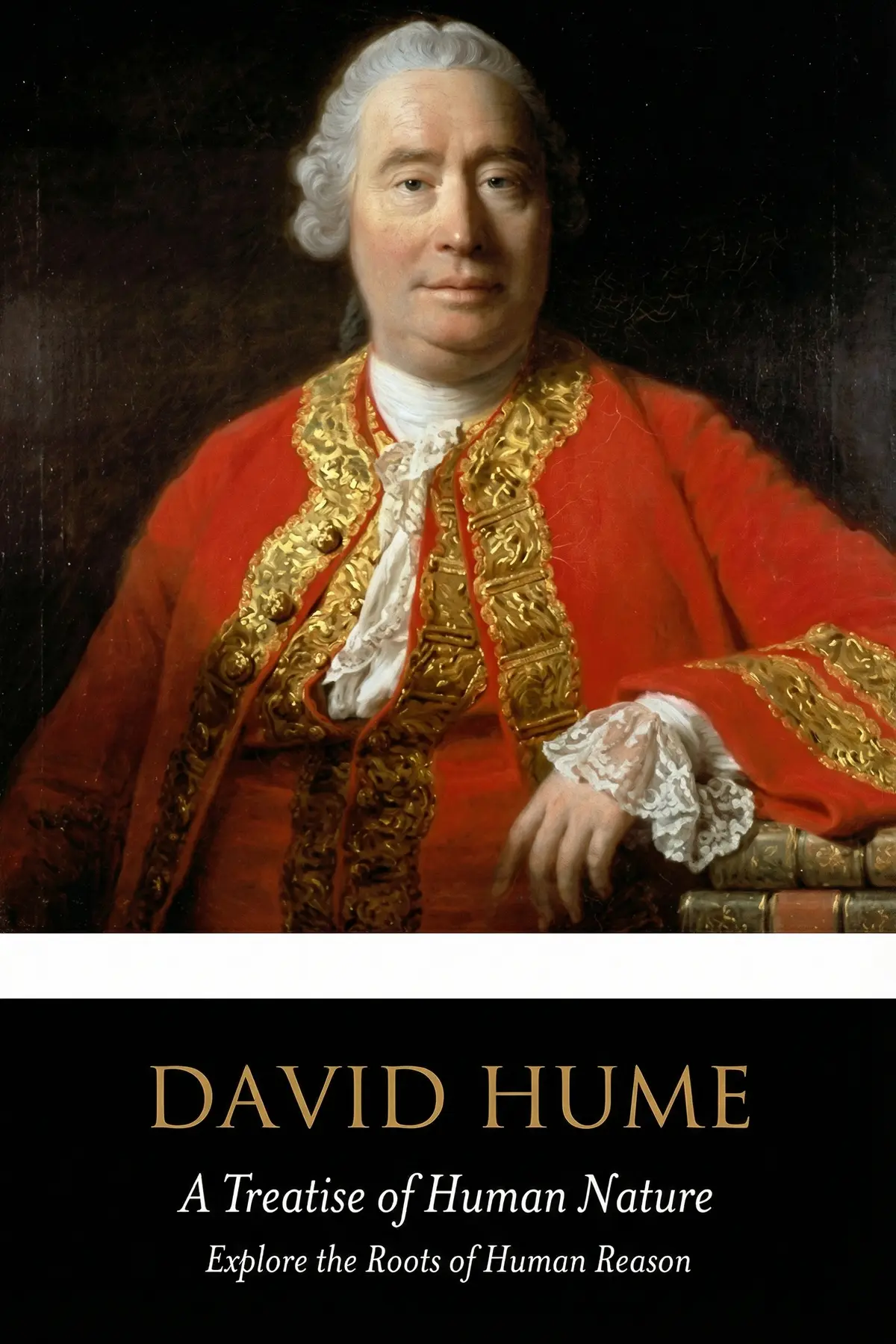
Lessons in Stoicism: What Ancient Philosophers Teach Us about How to Live
By John Sellars
Discover how the ancient wisdom of Roman Stoics like Seneca and Marcus Aurelius can help you navigate modern stress, master your emotions, and find lasting tranquility through the power of your own character.
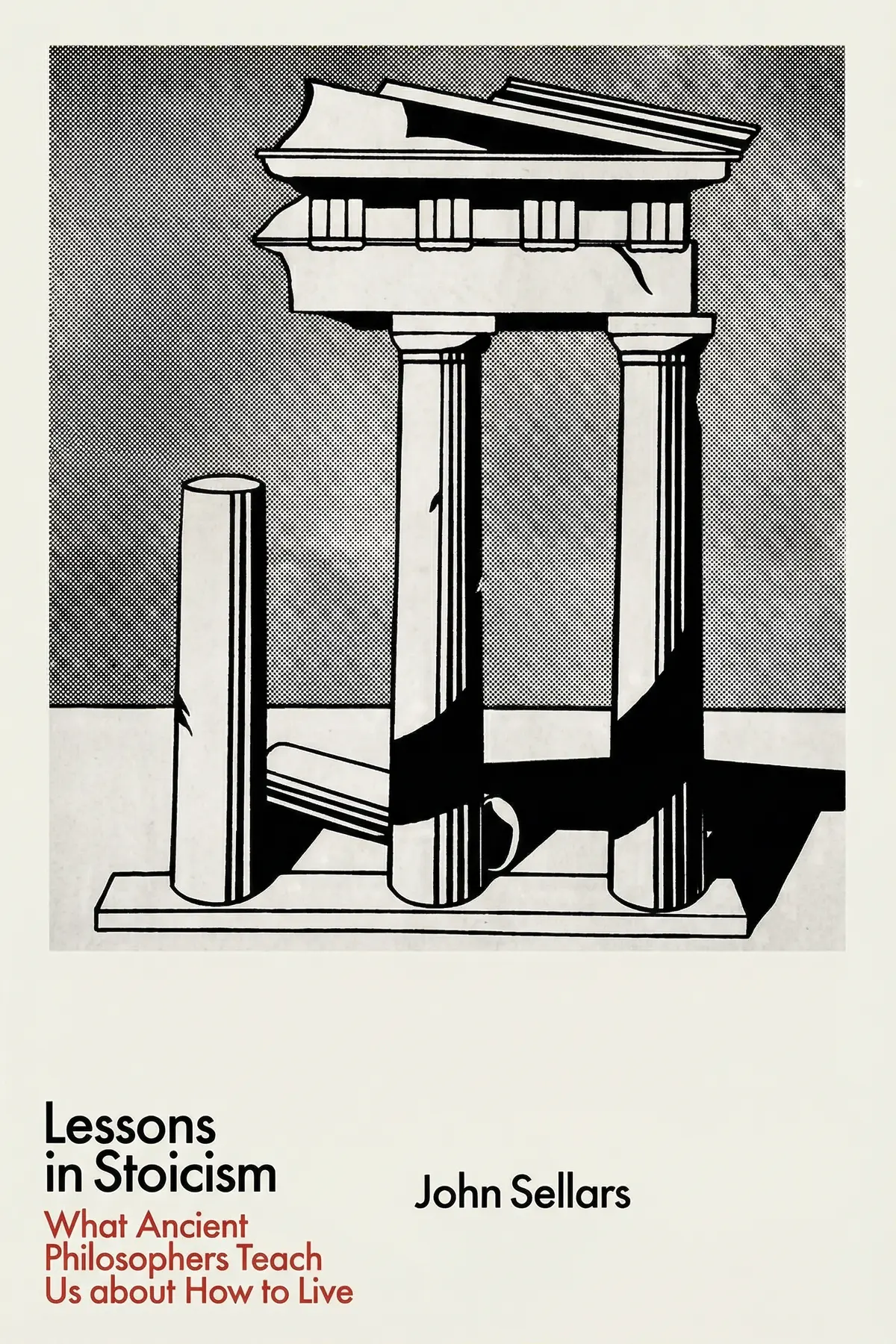
Table of Content
1. Introduction
1 min 42 sec
Have you ever felt like the world is moving just a little too fast? We live in an era defined by constant noise, shifting expectations, and a relentless stream of events that feel entirely out of our hands. It is no surprise, then, that many people are looking backward to find a way forward. Specifically, they are looking toward an ancient school of thought that has survived for millennia: Stoicism. This isn’t just an academic subject; it’s a practical survival guide for the human soul.
In our exploration of philosopher John Sellars’s work, we are going to dive into the core principles of this ancient Greek and Roman philosophy. We aren’t just looking at abstract theories, but at the lived experiences of three monumental figures: Seneca, a high-ranking advisor in the Roman court; Epictetus, who began his life in chains as a slave; and Marcus Aurelius, an emperor who ruled the known world. Despite their vastly different social standings, they all arrived at the same conclusion: true peace doesn’t come from changing the world around you, but from changing the world within you.
Throughout this journey, we will uncover a central throughline. Stoicism is about reclaiming your agency. It teaches us that while we cannot control the weather, the economy, or the opinions of our neighbors, we have absolute authority over our own minds. By the end of this summary, you will understand how to view your challenges through a different lens, how to protect your time like it’s your most precious treasure, and how to interact with the world with a sense of calm purpose. Let’s begin by looking at how the Stoics viewed the very foundation of a good life.
2. Character as the Foundation of Happiness
2 min 46 sec
Explore why the Stoics believed that true wealth has nothing to do with your bank account and everything to do with the state of your inner self.
3. The Power of the Dichotomy of Control
3 min 08 sec
Discover the simple but life-changing rule that separates the things you should care about from the things you should let go.
4. Mastering the Storm of Emotion
2 min 44 sec
Learn why the Stoics viewed intense anger as a form of short-term insanity and how you can reclaim your calm.
5. The Economy of Time
2 min 27 sec
Seneca’s startling realization about how we waste our most limited resource, and how to start living fully today.
6. The Global Citizen and Our Shared Humanity
2 min 31 sec
Break down the walls of isolation and learn how Stoicism connects the individual to the entire human race.
7. Conclusion
1 min 39 sec
As we wrap up our look at the lessons provided by John Sellars, it is clear that Stoicism is far more than a historical curiosity. It is a vibrant, living practice that offers a way to maintain our sanity in an increasingly unpredictable world. We have seen that the path to a good life begins with a simple but profound choice: to focus our energy on our own character and judgments, while letting go of the need to control the external world.
We’ve learned that wealth and status are merely ‘indifferents’ that can be used for good or ill, and that our true value lies in how we exercise wisdom, justice, courage, and moderation. We’ve explored the ‘dichotomy of control,’ learning to aim our arrows with total commitment while remaining at peace even if the wind blows them off target. We’ve seen that emotions like anger are not inevitable, but are the results of judgments we can choose to change. And finally, we’ve recognized the value of our time and our connection to the wider human community.
The throughline here is agency. Stoicism reminds us that we are never truly helpless as long as we have our minds. If you take away only one thing from this summary, let it be this: the next time you feel overwhelmed by a situation, stop and ask yourself, ‘Is this thing I’m worried about truly in my control?’ If the answer is no, give yourself the permission to let it go. Focus instead on the one thing you *can* do: choose your response with dignity and reason. That is the beginning of the Stoic life, and the beginning of true freedom.
About this book
What is this book about?
Lessons in Stoicism provides a clear and accessible entry point into one of history’s most practical philosophies. By focusing on the teachings of three legendary figures—Seneca, Epictetus, and Marcus Aurelius—this summary explores how to build a life centered on virtue rather than external success. It tackles the fundamental questions of human existence: How do we handle disappointment? What is the secret to emotional resilience? And how should we treat the people around us? The book’s promise is rooted in the idea that our happiness is an internal job. You will learn to distinguish between what you can change and what you must accept, helping you to reclaim your time and energy. From managing road rage to facing our mortality with grace, these ancient lessons offer a timeless toolkit for anyone seeking a more centered, purposeful, and ethical life in a chaotic world.
Book Information
About the Author
John Sellars
John Sellars is a professor of philosophy at Royal Holloway, University of London and a prominent expert on Stoic thought. He has authored several acclaimed books that explore the practical applications of ancient philosophy, focusing on how these historical ethics can be applied to modern living. His work is recognized for making complex philosophical concepts accessible to a general audience.
Ratings & Reviews
Ratings at a glance
What people think
Listeners find this book to be an excellent starting point for learning about stoicism, with one listener highlighting how it dives directly into practical philosophy. The material is concise and stays on topic, while one listener provides a helpful overview of the roots of ancient stoicism. Furthermore, the text is highly accessible, and one listener characterizes the prose as "tight and clear."
Top reviews
Jiraporn
This slim volume packs a massive punch for its size. Sellars manages to condense the wisdom of the Roman big three—Seneca, Epictetus, and Marcus Aurelius—into something you can finish in a single sitting. The writing is incredibly tight and clear, stripping away the academic fluff to reveal what actually matters for living today. I particularly appreciated how he reframes the "emotionless" stereotype; it’s not about being a stone, but about not letting your brain get hijacked by every little inconvenience. It’s practical philosophy at its finest. While it’s very short, it feels complete and authoritative. I will be recommending this to anyone who feels like the world is currently a total dog's breakfast.
Show moreKob
Wow, this was exactly the mental reset I needed this week. I love how Sellars tackles the idea that being "stoic" means having no feelings. He explains that it's actually about consistency and integrity, rather than just being a cold, unfeeling robot. The formatting is great—laconic and straight to the point, which feels very appropriate for the subject matter. It’s rare to find a philosophy book that you can keep in your pocket and reference when you're feeling overwhelmed by the news. It makes the "big ideas" feel manageable and, more importantly, usable in everyday life. If you’re tired of the smartphone-induced brain rot, spend an hour with this instead.
Show moreBun
The chapter on misconceptions about Stoicism is worth the price of the book alone. Sellars directly addresses the negative connotations the word has picked up in modern English. He clarifies that the Stoics didn't think Nature was indifferent, but rather a rational system we are lucky to participate in. The writing is clear, concise, and remarkably persuasive. It feels like a masterclass in "less is more." I especially liked the recommended reading list at the back—it’s a helpful roadmap for where to go next once you finish this. It really helped me understand why my friends have been so focused on this lately. Five stars for the clarity.
Show morePhimwan
Look, I’ve struggled with anxiety for years, and this little book offered more comfort than a dozen self-help manuals. Sellars doesn't promise a magic cure, but he offers a framework for deciding what is worth your energy. The idea of viewing things from a "cosmic perspective" really resonated with me. It’s fascinating to see how these Roman thinkers were dealing with the same stressors we are today, just without the internet. The text is tight and moves quickly through the essentials of managing emotions and social awareness. It’s a beautiful little primer that I’ll probably keep on my nightstand for a long time. It’s just very human.
Show moreWissanu
Finally got around to reading this after seeing it recommended on a dozen different blogs. It’s an excellent introduction to the trio of Seneca, Epictetus, and Marcus Aurelius. Sellars avoids the trap of making philosophy sound like a chore. Instead, he presents it as a toolkit for navigating a world that often feels like a complete mess. The book is gorgeous in its simplicity and hits all the key points about wealth, fame, and self-control without sounding preachy. For a professor to write something so accessible for ordinary readers is a real gift. It’s the perfect antidote to the chaos of modern life. Totally worth the hour it takes to read.
Show moreConnor
Ever wonder why everyone seems to be talking about Stoicism lately? I grabbed this because my social circle is suddenly obsessed with Marcus Aurelius and I wanted to know what the fuss was about. Sellars makes the core concepts incredibly accessible without dumbing them down. He highlights that Stoicism isn't just about self-discipline; it's about our duty to humanity and being part of a larger community. The section on "two commonwealths" really changed how I viewed the philosophy. It’s a very quick read, maybe under 70 pages, which makes it perfect for a commute or a quiet afternoon. My only minor complaint is that I wanted more depth on some of the earlier Greek founders, but for a primer, it’s stellar.
Show moreLena
Picked this up after failing to get through a very dry, antiquated translation of Seneca. What a difference a good writer makes! Sellars explains these ancient ideas in a way that feels modern and actionable. The book is organized beautifully, starting with the self and moving outward toward our role in the cosmos. It’s less of a textbook and more of a friendly guide to managing your own reactions. I found the discussion on what we can and cannot control to be particularly timely given how chaotic life feels right now. It’s refreshing to find a philosophy book that doesn't require a PhD to enjoy. Definitely a great way to get started if you’re curious.
Show moreTim
After hearing so much hype about ancient philosophy, I was worried this would be another "bro-stoicism" manual, but it’s actually quite scholarly and balanced. Sellars does a fantastic job explaining the origins of the movement without getting bogged down in dates and names. The focus is heavily on the Roman thinkers, which provides a great foundation for understanding the practical side of things. I appreciated the emphasis on how we are all part of one global community. Truth is, I found it much more "helpful" and informative than I expected from such a short text. It’s a great refresher for long-time practitioners but perfectly welcoming for absolute beginners.
Show moreDream
To be fair, this is a very decent introduction, but it felt a bit too brief for my liking. If you've already read Meditations or any of the popular Ryan Holiday books, you probably won't find much new information here. Sellars is a professor, so the information is accurate and hits the mark, but I finished it in about forty minutes. I was hoping for more analysis on the intersection of Stoicism and modern psychology, like the comparison to the movie Inside Out mentioned in some other reviews. It’s a nice little gift book, but maybe too lightweight for someone looking for a deep dive into the history of the school. It’s a solid read for the quality of writing, even if the content is thin.
Show moreGift
Maybe I'm just not the target audience, but I found this incredibly underwhelming. It's barely a book; more like a long essay that's been printed with wide margins to justify the price. While the information is fine, it doesn't offer any unique insights that you couldn't find in a ten-minute YouTube video. I was expecting more from a professor of philosophy. If you want a real challenge or a deep understanding of the soul, look elsewhere. It's just too "brief" to be meaningful for me. I gave it two stars because the cover is nice, but that's about it. It’s over-simplified and doesn’t dive into the heavy lifting.
Show moreReaders also enjoyed
A Guide to the Good Life: The Ancient Art of Stoic Joy
William B. Irvine
A Little History of Philosophy
Nigel Warburton
A Theory of Justice
John Rawls
Anarchism: A Very Short Introduction
Colin Ward
AUDIO SUMMARY AVAILABLE
Listen to Lessons in Stoicism in 15 minutes
Get the key ideas from Lessons in Stoicism by John Sellars, plus 5,000+ more titles in English and Thai.
- 5,000+ titles
- Listen as much as you want
- 7-day free trial
- Cancel anytime







