
A Force for Good: The Dalai Lama's Vision for Our World
Daniel Goleman
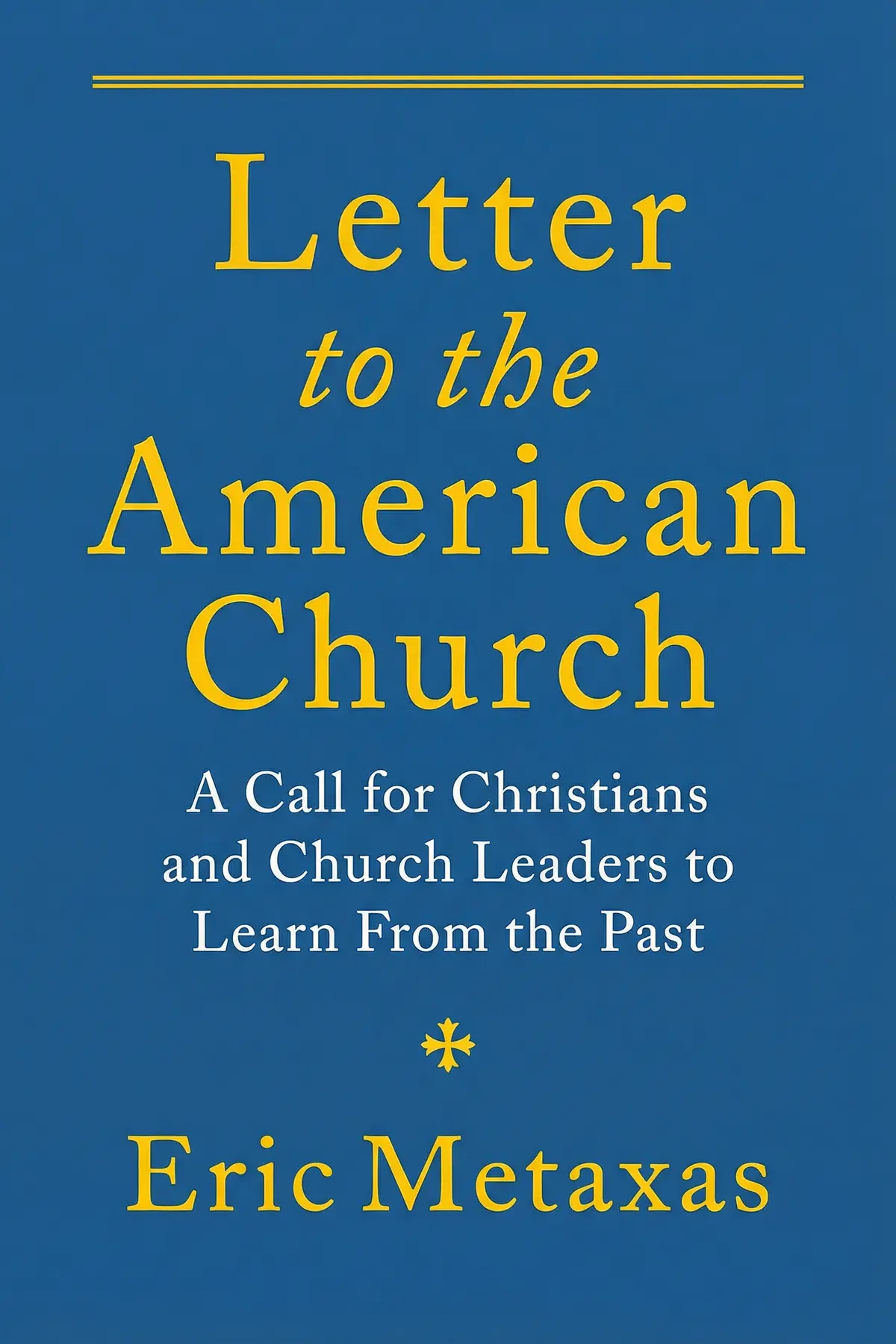
A compelling appeal to the modern faithful, this summary explores the urgent necessity for religious leaders and believers to engage with the political and social issues of the day to avoid historical tragedies.
1 min 26 sec
Imagine standing at a crossroads where the path you choose determines not just your personal future, but the moral trajectory of an entire nation. This is the weight of the moment we find ourselves in today. For many people of faith, there is a growing sense of being pushed to the margins, silenced by a culture that increasingly views religious conviction as something that should be kept behind closed doors. But what if that silence isn’t a virtue? What if, instead, it is a dangerous abdication of duty?
In this look at the core themes of Eric Metaxas’s work, we are confronted with a chilling historical parallel. We often look back at the dark chapters of the twentieth century and wonder how a civilized society could allow the unthinkable to happen. The answer, quite often, lies in the quietness of good people who believed that their faith required them to stay out of the ‘messiness’ of politics. This summary serves as a clarion call to move past that hesitation. We will explore how a misunderstanding of the separation of church and state has disarmed the faithful, why the lessons of 1930s Germany are more relevant than ever, and how a truly mature faith demands action in the public square. This isn’t just about politics; it’s about the soul of the church and the responsibility to live out one’s values in a world that desperately needs them. By the end, you’ll see why neutrality is an illusion and why the time for a quiet, private faith has passed.
1 min 57 sec
Explore why the modern interpretation of the separation between church and state is actually the reverse of what the American founders originally intended for the nation’s spiritual health.
2 min 01 sec
Discover the haunting parallels between the current American cultural shift and the silence that allowed a dark regime to rise in 1930s Europe.
2 min 13 sec
Unpack the theological debate between faith and works, and see why a belief that doesn’t manifest in public action is essentially incomplete.
2 min 06 sec
Understand the psychological trap that keeps people from speaking up and why a single voice can be the catalyst for a massive cultural shift.
2 min 04 sec
Learn to distinguish between merely ‘appearing’ loving and the radical, sometimes controversial, love that defines the life of a true truth-teller.
2 min 09 sec
Examine the practical reality of living a life where faith is the total identity, requiring a commitment that outweighs any secular law or social norm.
1 min 34 sec
As we look at the landscape of the twenty-first century, the message of Eric Metaxas serves as a final, urgent warning. We cannot afford the luxury of thinking that someone else will fight the moral battles of our time. The invisible barrier that has kept so many people of faith from engaging in the political process is a phantom—a construct of a culture that wants the church to stay irrelevant. But as we have explored, a faith that does not manifest in action is no faith at all. We have seen the wreckage that follows when a religious community tries to find a ‘middle ground’ with a regime or a culture that is moving away from the truth.
The throughline of this entire discussion is responsibility. We are responsible for the light we have been given. We are responsible for the lessons of history, and we are responsible for the neighbors we are called to protect. Moving forward, the actionable takeaway is simple but profound: evaluate where you have been silent out of fear and resolve to speak. Whether it’s in your local community, through your vote, or in your everyday conversations, let your faith be visible. Do not be intimidated by the ‘spiral of silence’ or the false definitions of love that the world offers. Instead, embrace the mature, wholehearted commitment that the moment demands. The American church has the opportunity to be a force for incredible good, but only if it has the courage to be the church in every sphere of life. The time for hesitation is over; the time for a living, active faith is now.
This exploration of faith and national identity serves as a wake-up call to the American religious community. It argues that the current cultural climate has pressured believers into a dangerous silence, one that closely mirrors the paralysis of the German church during the 1930s. By examining the life and warnings of Dietrich Bonhoeffer, the text highlights the catastrophic risks of remaining neutral in the face of moral crises. Readers will discover how historical misunderstandings of theology—specifically the relationship between faith and good works—have led to a modern church that is often hesitant to take a stand. The promise of the book is to provide a roadmap for reclaiming a robust, active faith that isn't afraid to speak truth to power. It challenges the idea that being 'spiritual' means being 'apolitical,' urging a return to a biblical model of courage and engagement that seeks to protect the vulnerable and uphold justice in every sphere of society.
Eric Metaxas is a prominent voice in American cultural and religious discourse, known for his work as a four-time New York Times bestselling author. Beyond his books, he reaches a wide audience as the host of The Eric Metaxas Radio Show, a nationally syndicated program. His writing spans a vast range of genres, from deep scholarly biographies to whimsical children’s literature, all while remaining focused on the intersection of faith and public life.
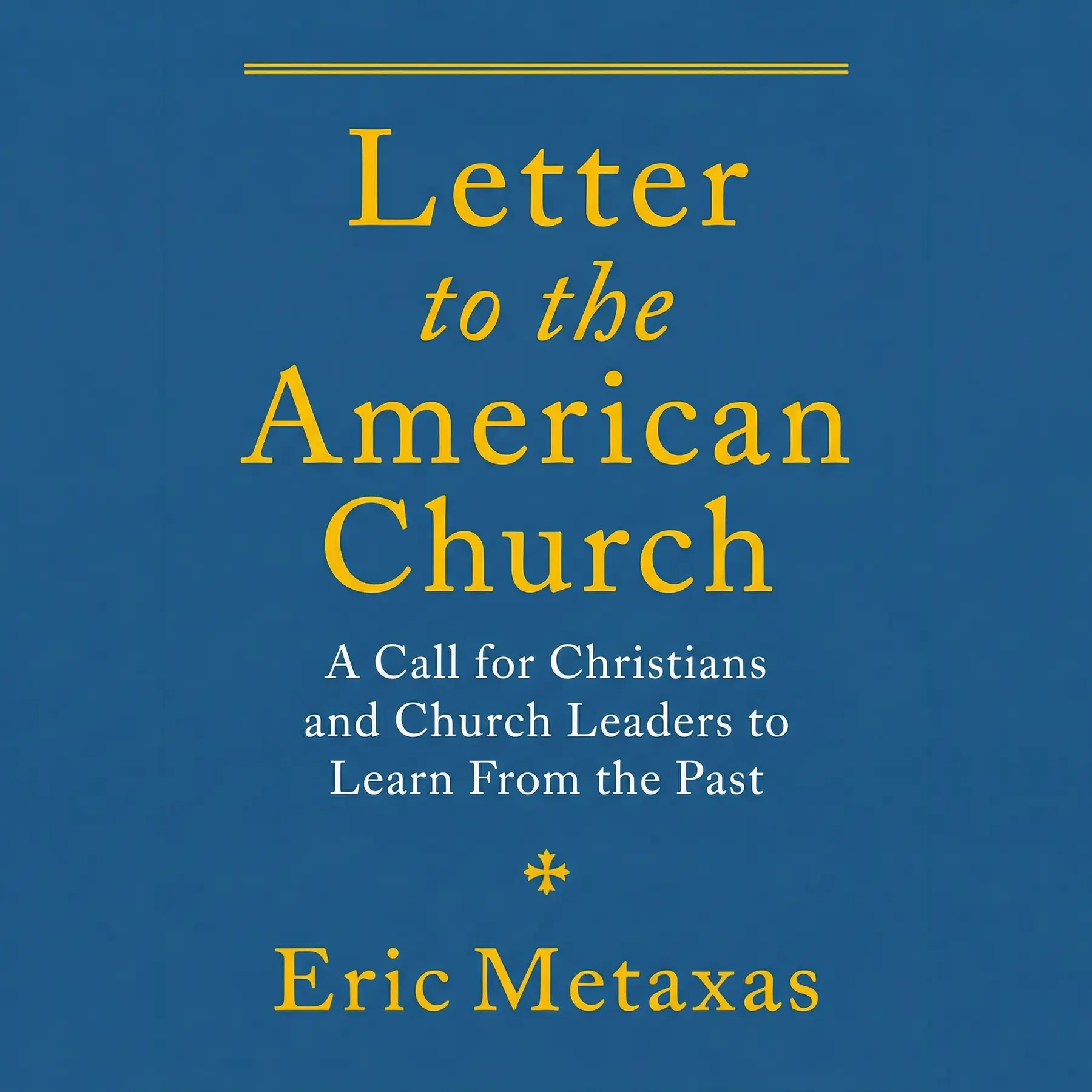
Listeners find this text approachable and intellectually stimulating, commending the thorough research and historical context provided. The prose is praised for its quality, with one listener highlighting how the author beautifully conveys the truth in love. Listeners view the work as a clarion call to all serious Christians, enabling them to understand the reality of today's world. Its tempo is described as sobering, and listeners emphasize its weight, with one listener calling it an essential read for survival.
This book is a gut-punch for the modern believer who feels like something is fundamentally off in our culture. Metaxas delivers a sobering message that functions as an eleventh-hour alarm for a sleepy institution. By drawing direct, uncomfortable parallels between the 1930s German church and today’s American pews, he forces you to confront the cost of silence. The research into Bonhoeffer is top-tier, which isn't surprising given the author's background, but here it feels more urgent than historical. I found the writing style to be remarkably accessible despite the heavy subject matter. It isn't just a history lesson; it is a clarion call to stand for truth in love before the window of opportunity closes. Truth is, many will find this polarizing because it demands action rather than mere agreement. If you are looking for a comfortable Sunday read, look elsewhere. This is for those who believe the church should be the conscience of the nation.
Show moreWow, talk about a timely warning. As someone who has always admired Dietrich Bonhoeffer, seeing his legacy applied so directly to our current situation was incredibly powerful. Metaxas doesn't pull any punches when he describes the American church as weak and compromised. He argues that we have traded our prophetic voice for tax-exempt status and social acceptance, and frankly, it’s hard to disagree. The book is beautifully written and captures a sense of urgency that is missing from most modern Christian literature. It’s not just about politics; it’s about whether we actually believe the Gospel enough to live it out when the stakes are high. Personally, I found the chapters on the 'Spiral of Silence' to be the most convicting part of the whole experience. This is a survival guide for the faithful in a world that is increasingly hostile to traditional values. Share this with your pastor immediately.
Show moreAs a pastor who has struggled with the 'silence' Metaxas describes, I found this deeply convicting and necessary. It is easy to justify our passivity as being 'peaceful,' but this book exposes that for the fear-based compromise it often is. Eric conveys the truth in love, but it is a tough love that demands repentance. The historical research is deep, yet the prose remains accessible to the average person in the pew. I’ve read a lot of books on Bonhoeffer, but this one applies his theology to the American context with startling clarity. It makes you realize that being a Christian isn't just about personal piety; it's about standing as a bulwark against evil in the public square. This is a clarion call that every serious believer should heed. It’s a quick read but a heavy one, meant to be meditated upon and acted upon. Truly an essential resource.
Show moreNot what I expected, but it certainly forced me to look in the mirror. Metaxas has written a profound declaration of what it means to have a living faith in a dying culture. The similarities he draws between our current 'pre-war' moment and the 1930s are genuinely frightening. He speaks with a level of courage that is rare today, challenging the 'middle of the road' Christianity that seeks to please everyone while standing for nothing. I loved the emphasis on the fact that God's truth is not relative and that we have a duty to protect the vulnerable. The book is short, but it packs a massive punch in every chapter. It’s a wake-up call to stop worrying about tax-exempt status and start worrying about the judgment of God. If you care about the future of this country and the integrity of the faith, you need to read this.
Show moreFinally got around to reading this after seeing the buzz online, and it definitely lived up to the hype. The pacing is excellent for a non-fiction book, making it very easy to digest in just a few sittings. Metaxas has a way of conveying harsh truths without sounding unloving, which is a rare skill in today’s polarized climate. He really digs into the 1954 tax code amendment and how it essentially gagged the American pulpit, which was a historical angle I hadn’t fully considered before. My only real gripe is that I wanted more practical steps for small-town churches that don't have a massive platform. Still, the historical parallels are haunting and will stay with me for a long time. It’s a thought-provoking piece that challenges the 'love of money' that often keeps religious institutions from taking a stand. Essential reading for anyone concerned about the direction of the country.
Show moreDoes the American church mirror the 1930s German church? Metaxas argues a resounding 'yes,' and his evidence is quite compelling. The way he weaves historical data with modern cultural trends is nothing short of brilliant. I appreciated how he called out the cowardice of leaders who hide behind the 'stay out of politics' excuse to avoid controversy. However, there were moments where the rhetoric felt a bit one-sided, focusing almost exclusively on threats from the left while ignoring potential pitfalls on the right. In my experience, the church needs to be wary of all worldly idols. That said, the core message about the necessity of speaking truth to power is vital. It’s a sobering look in the mirror for anyone who has chosen comfort over conviction. The writing is punchy and moves fast, keeping you engaged even through the denser historical sections. Definitely worth your time.
Show morePicked this up because I wanted to understand the parallels people were drawing between our era and Nazi Germany. Metaxas is a master storyteller, and he makes the history come alive in a way that feels very relevant to today’s headlines. He focuses heavily on how the German church’s silence allowed evil to flourish, which serves as a terrifying lesson for us. I found his critique of the IRS regulations on churches to be one of the most interesting parts of the book. It’s a perspective you don't hear often. While I think some of his comparisons to movements like BLM are a bit hyperbolic, his overall point about the church needing a backbone is spot on. It’s a call-to-arms that manages to stay grounded in a love for the nation. It’s the kind of book that starts a lot of necessary, if difficult, conversations in small groups.
Show moreAfter hearing Eric on his radio show, I knew this book would be intense. It’s a sobering exploration of how easily a society can slip into darkness when the people of God remain silent. The chapters on the 1954 Johnson Amendment were eye-opening for me; I never realized how much of our 'silence' was legally incentivized. To be fair, the book is very focused on the American context, so it might not resonate as much with international readers. I also thought the deification of figures like Reagan was a little much at times. However, the core argument—that the church must be active in the world rather than just a social club—is undeniably true. It’s a fast-paced, high-stakes read that will leave you feeling both convicted and inspired to do more. Great for anyone who feels like the world is moving too fast in the wrong direction.
Show moreMetaxas writes with immense passion, but the central metaphor often feels stretched thin. To be fair, his historical insights into the German church are fascinating and clearly well-researched. However, the jump from the 1930s Third Reich to modern-day American cultural issues like CRT or tax codes felt like a bridge too far for me. I was also surprised by the lack of direct biblical citations to support such a massive theological argument. Instead of a deep scriptural study, it feels more like an elongated argumentative essay. While I agree that complacency is a major issue within our congregations, I wish he had offered more nuance regarding how we engage with those who disagree with us. The tone can feel a bit alarmist at times, which might alienate the very people who need to hear the message of courage. It’s a provocative read, but I'm not entirely sold on the execution.
Show moreFrankly, I have mixed feelings about this one. On one hand, Metaxas is a gifted writer and his passion for the church is evident on every page. On the other hand, he seems to deify Bonhoeffer to a degree that makes the theology feel a bit unbalanced. I also found the lack of clear definitions for terms like 'socialism' or 'CRT' to be frustrating from an intellectual standpoint. He rails against these things as inherently evil but doesn't spend much time explaining why from a biblical perspective. The book feels more like a political manifesto dressed in religious language than a traditional theological work. I do agree that we shouldn't be silent in the face of injustice, but I worry the rhetoric here might incite more division than dialogue. It’s a fascinating read for the historical context alone, but take the modern applications with a grain of salt.
Show moreDaniel Goleman
Eckhart Tolle
Tracy Rosenthal
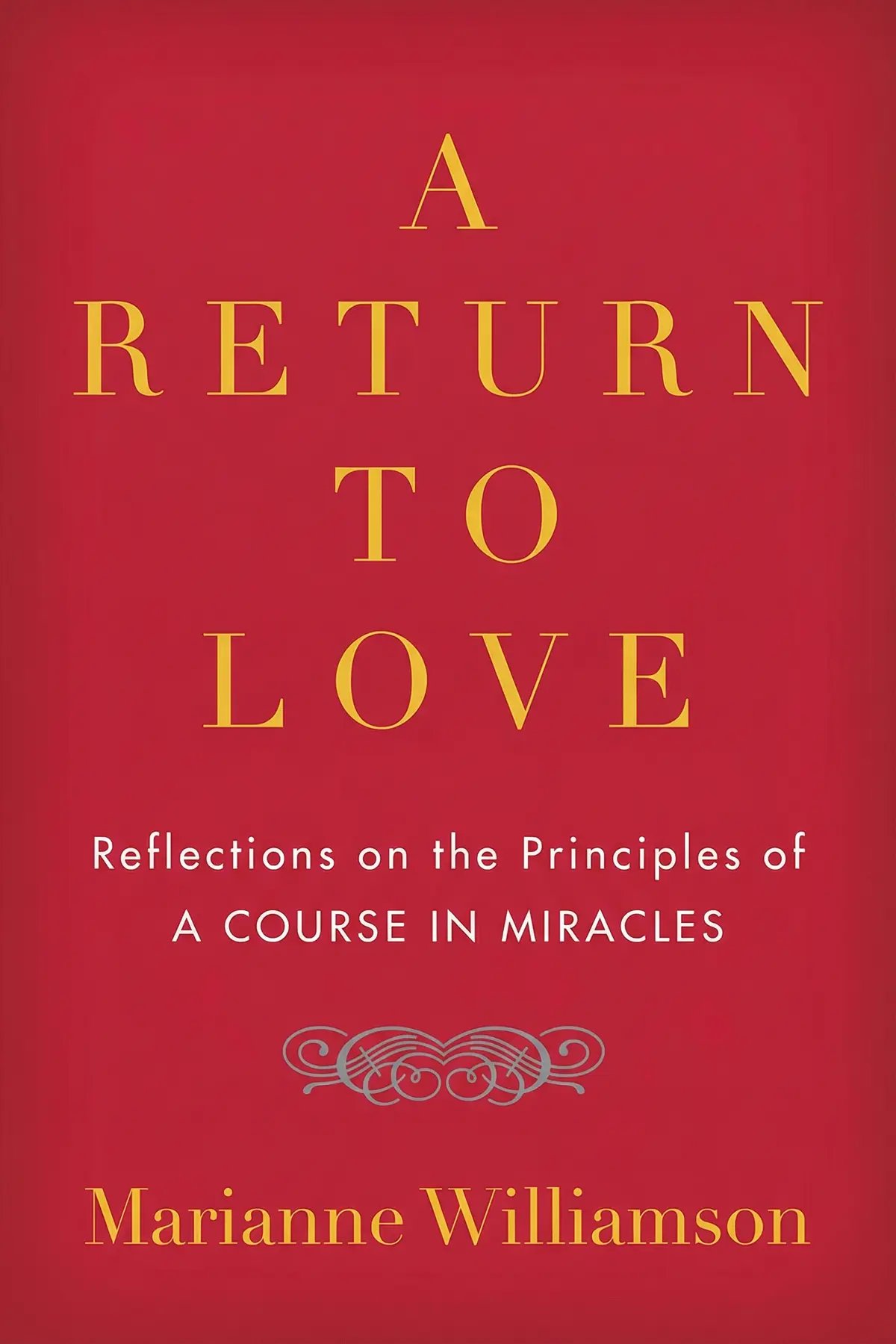
Marianne Williamson
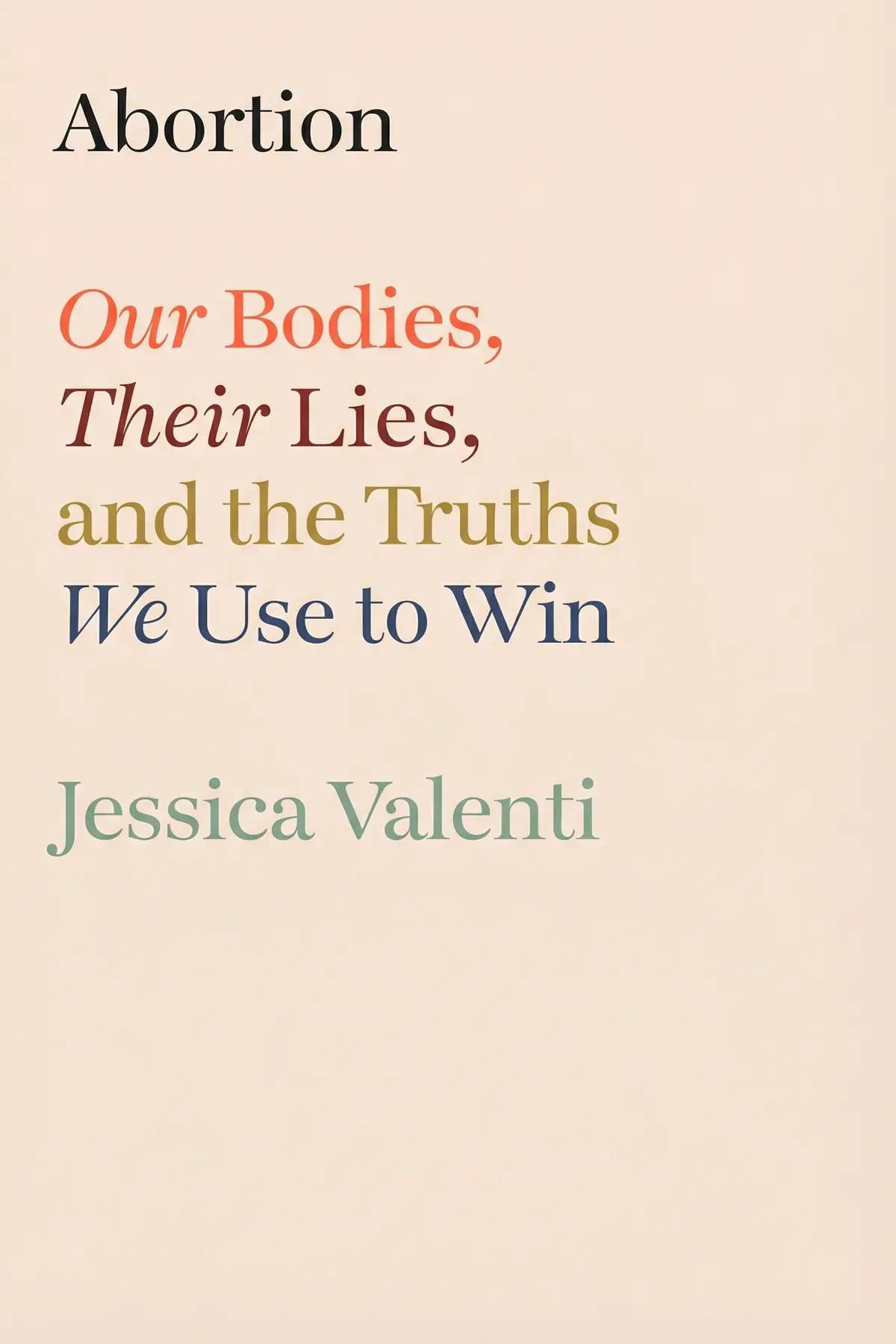
Jessica Valenti
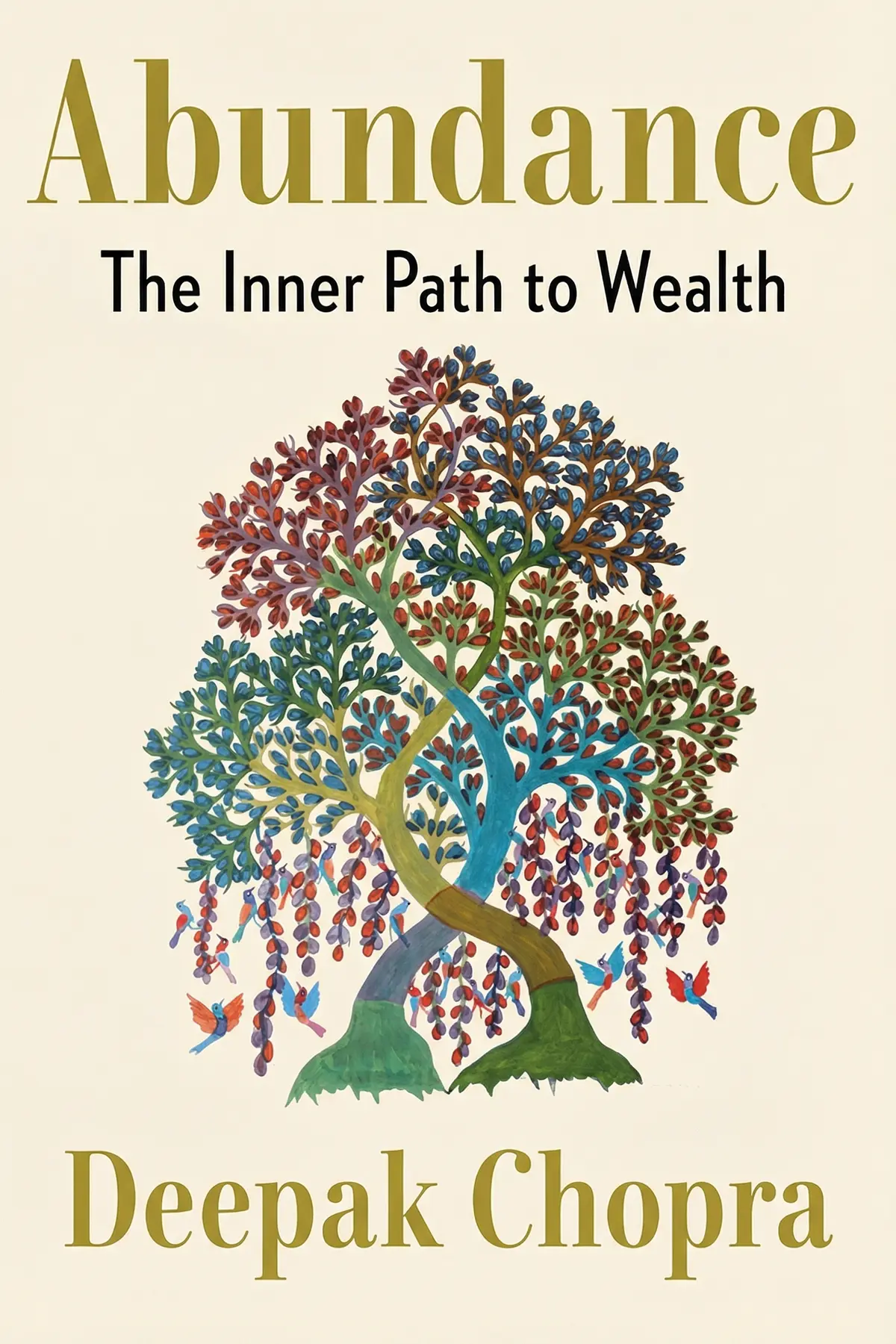
Deepak Chopra
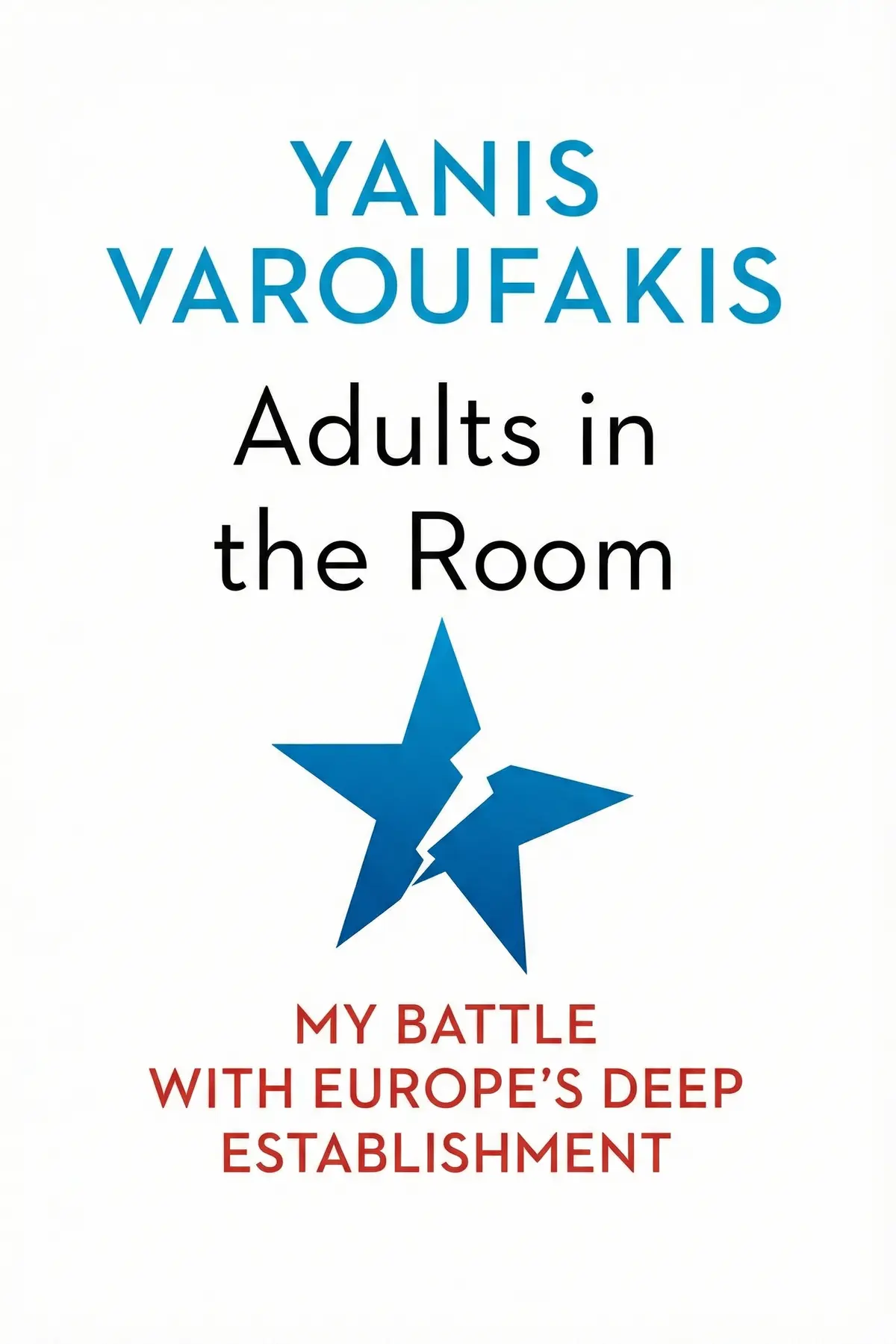
Yanis Varoufakis
AUDIO SUMMARY AVAILABLE
Get the key ideas from Letter to the American Church by Eric Metaxas, plus 5,000+ more titles in English and Thai.







