Taking Sexy Back: How to Own Your Sexuality and Create the Relationships You
Alexandra H. Solomon
Discover how the path to lasting love begins with deep self-reflection. This guide offers practical strategies for building relational self-awareness, navigating cultural pressures, and fostering genuine intimacy through courage and introspection.
2 min 02 sec
We live in a world that is obsessed with the idea of ‘happily ever after.’ From the moment we are old enough to watch movies or read stories, we are fed a steady diet of grand romantic gestures, instant soulmate connections, and effortless unions. But as most of us eventually discover, real life rarely follows a Hollywood script. When our personal relationships fall short of these cinematic ideals, we often find ourselves caught in a cycle of confusion, blame, or the nagging feeling that we simply haven’t found the ‘right’ person yet.
But what if the key to a better love life isn’t about finding a different person, but about becoming a different version of ourselves? This is the central premise of the work we are about to explore. We often treat love as something that happens to us, or something we find in the outside world, like a treasure hunt. However, the true foundation of a healthy, lasting partnership is built from the inside out. It requires a specific kind of internal work known as relational self-awareness.
In this summary, we are going to look at the practical mechanics of how relationships actually function when the honeymoon phase fades. We will move past the steamy romance novels and the feel-good comedies to understand the psychological patterns that dictate how we pick our partners and how we interact with them. You’ll learn why your childhood home might still be influencing your current dating choices and how to rewrite the stories you tell yourself about your worth and your partner’s mistakes. We will also touch on the modern challenges of technology and how it can either connect us or drive a wedge between us.
By the end of this journey, you’ll see that loving bravely isn’t about being fearless; it’s about having the courage to look at yourself with total honesty. It’s about understanding your needs, acknowledging your vulnerabilities, and realizing that you have the power to create the stable, vibrant bond you’ve always wanted. Let’s begin by exploring the most important relationship you will ever have—the one you have with yourself.
3 min 24 sec
Unlocking a better love life starts with a mirror, not a searchlight. Explore how your personal history and hidden vulnerabilities dictate the types of partners you choose and how you relate to them.
3 min 06 sec
The stories we tell ourselves about our partners’ mistakes can either build a bridge or a wall. Learn how to transition from black-and-white thinking to a more nuanced, realistic perspective.
3 min 00 sec
Societal expectations of love and gender often create a ‘one-size-fits-all’ trap. Discover how to critically examine these outside forces to build a relationship that truly fits your authentic self.
2 min 55 sec
Is there really just one perfect person out there for you? Explore why the ‘soulmate’ myth can be harmful and how to find fulfillment by accepting the limits of any partnership.
2 min 49 sec
Great physical connection isn’t just about chemistry; it’s about communication. Learn why understanding your own desires is the first step toward a fulfilling sex life with a partner.
2 min 52 sec
Our instinct in a fight is often ‘fight or flight,’ but these reactions usually escalate the problem. Discover how to create the space needed to transform an argument into an opportunity for growth.
2 min 41 sec
Apologies are the ‘glue’ that holds a relationship together during tough times. Learn the anatomy of a real apology and why forgiveness is a gift you give to yourself as much as your partner.
2 min 58 sec
In an age of constant digital distraction, being truly present is a revolutionary act. Discover how to quiet the noise of technology and practice the self-compassion needed for lasting connection.
1 min 49 sec
The journey toward a fulfilling and healthy relationship is rarely a straight line. It is a path filled with twists, turns, and the occasional roadblock. But as we have explored, the most important tools for navigating this path aren’t found in a ‘perfect’ partner, but within ourselves. By developing relational self-awareness, we stop being victims of our past and start becoming architects of our future. We learn to see the patterns of our childhood, the power of the stories we tell, and the influence of the culture we live in.
True intimacy requires the bravery to be seen as we really are—flaws, vulnerabilities, and all. It requires us to move past the myth of the effortless soulmate and embrace the reality of the fellow traveler. We’ve seen that managing conflict isn’t about winning an argument, but about maintaining a connection, and that a sincere apology followed by genuine forgiveness is the ‘glue’ that holds everything together. We’ve also seen that in our distracted, digital age, the simple act of being fully present for another person is a revolutionary form of love.
As you move forward from this summary, I want to leave you with one actionable piece of advice: take the time to ‘interview’ your history. If your parents are still around, ask them about their own relationship struggles and triumphs. If they aren’t, reflect on the lessons you learned in their house. By looking at your past with the eyes of a compassionate adult, you can gain incredible insight into why you love the way you do. Remember, you don’t have to be perfect to be worthy of a great love. You just have to be willing to do the work, to stay present, and to love bravely. Your most fulfilling relationship is not something you find; it is something you build, one conscious choice at a time.
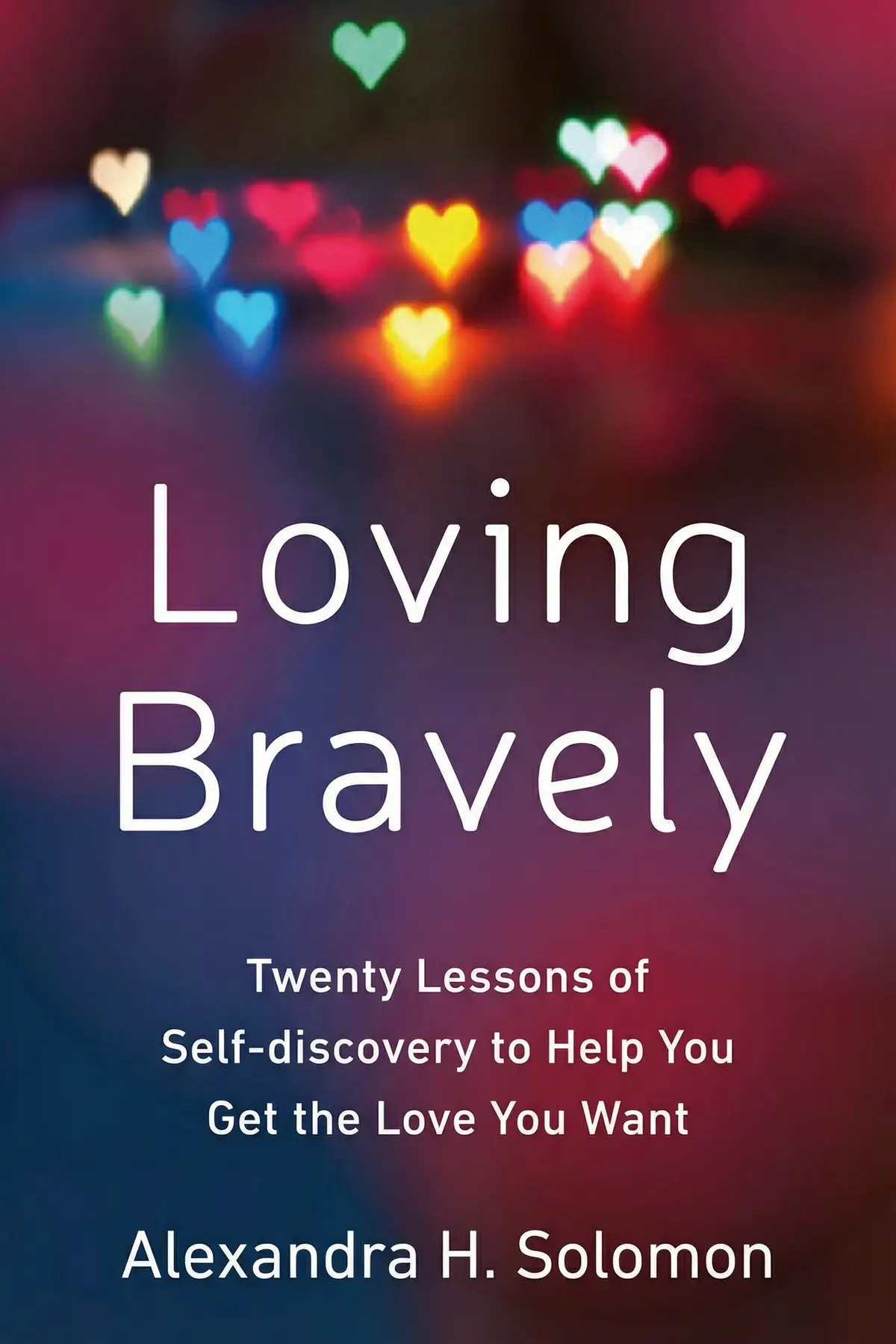
Many people approach dating by focusing on finding the perfect partner, but this often leads to a cycle of frustration and disappointment. This summary explores the groundbreaking concept of relational self-awareness, arguing that the health of our romantic connections is directly tied to our understanding of our own histories, wounds, and narratives. By looking inward first, we can identify the subconscious patterns we learned in childhood and choose to break free from harmful habits. Throughout these chapters, you will learn how to challenge cultural myths about soulmates and gender roles, how to transform conflict into a bridge for connection, and why the most important ingredient for a great sex life is self-knowledge. The book promises to equip you with the tools needed to move beyond reactive behaviors and toward a more conscious, intentional way of loving. Whether you are single, dating, or in a long-term partnership, you will gain insights into making better romantic choices and maintaining a stable, vibrant bond that stands the test of time.
Alexandra H. Solomon, PhD, serves as a clinical psychologist and holds the position of assistant professor of psychology at Northwestern University’s Family Institute. As a recognized authority on the complexities of romance and modern love, her insights have reached wide audiences through features in the Atlantic, the Huffington Post, and O, The Oprah Magazine.
Alexandra H. Solomon
Listeners describe the work as both educational and stimulating, with one review pointing out that it addresses numerous vital facets of relationships. The prose is highly regarded, as one listener emphasizes the brief and accessible nature of the chapters. Listeners value the guide's sincerity and worth for the price, finding it straightforward to apply, with one noting its use of familiar examples.
Few relationship books actually give you a roadmap for the work you need to do on yourself before you can show up for someone else, but Loving Bravely delivers exactly that. Dr. Solomon manages to blend her clinical expertise with a tone that feels like a warm conversation with a wise friend. I was especially struck by the 'Name, Connect, Choose' process. It sounds simple, but naming your story and connecting with the underlying emotions before choosing how to act is profound. Frankly, it’s the most honest look at vulnerability I’ve read in years. The section on the 'stories we carry' about love helped me realize how much baggage from my childhood was still dictating my reactions today. This isn't just about finding 'the one'; it’s about becoming a person who is capable of sustaining a deep, authentic connection. I highly recommend this to anyone, whether you are single, dating, or decades into a marriage.
Show morePicked this up on a whim, and the chapter on boundaries alone was worth the price of admission. Understanding the difference between being 'connected but not protected' (porous) versus 'protected but not connected' (rigid) helped me identify exactly why my past relationships failed. Dr. Solomon’s writing is thoughtful and provocative, pushing you to take responsibility for your role in relationship challenges without being accusatory. I loved the list of 'mental nutrients' and the seven daily activities we need for balance—it made me realize how much I was neglecting my own 'reflection time.' The truth is, it’s much easier to blame a partner than it is to look at our own imperfections. This book doesn't let you off the hook, but it gives you the grace to grow. It’s a beautiful, essential read for anyone who wants to love more authentically. I’ve already bought copies for two of my friends who are struggling with their dating lives.
Show moreEver wonder why you keep falling into the same frustrating patterns with your partners? This book is the mirror you didn't know you needed. Alexandra Solomon explains that loving bravely means committing to relational self-awareness, which is basically the opposite of the 'easy love' we see in movies. I found the section on 'viewing your partner as deeply connected to you and completely separate' to be incredibly profound. It's so easy to lose yourself in someone else or, conversely, to try and control them. The exercises provided, like writing down what you were taught about forgiveness growing up, really helped me uncover some destructive beliefs I didn't even know I had. Not gonna lie, some of the introspection is painful, but it's the kind of 'good pain' that leads to actual change. The poem at the end was the perfect, beautiful touch to wrap up such a transformative journey. Essential reading for every human.
Show moreThe truth is, most of us enter relationships totally unprepared, like we’re taking a driving test without ever having been behind the wheel. Loving Bravely is the manual we should have been given. I was particularly moved by the author's take on vulnerability as a 'sacred gift' that deserves respect. In a world that tells us to be 'chill' and 'unbothered,' Solomon argues that catching feelings isn't a failure—it's a sign of life. Her advice on how to suspend the ego’s desire to defend and clarify during an argument was a total lightbulb moment for me. I’ve started using the 'what kept you from...' phrasing instead of 'why did you...' and the difference in my partner’s reaction is night and day. This book is honest, challenging, and deeply compassionate. It’s not just a book you read; it’s a book you practice. I'll be keeping this on my nightstand for a long time.
Show moreLooking at our own role in relationship conflicts is incredibly uncomfortable, but Solomon makes the process feel safe and necessary. I loved how the book was organized into 20 lessons; it made the huge task of 'self-discovery' feel much more manageable and less overwhelming. The distinction between the seven daily 'mental nutrients'—like playtime and downtime—helped me see that my relationship stress was actually coming from my own lack of balance. The writing is polished and professional yet stays very accessible for a general audience. I especially appreciated the focus on forgiving our own 'tender spots' as much as our partner's. It’s a rare book that manages to be both highly intellectual and deeply emotional at the same time. If you’re tired of the same old dating advice and want to actually grow as a human being, this is the book for you. It really is a masterpiece on modern intimacy.
Show moreAfter hearing so much buzz about Dr. Solomon’s work, I finally dove into this guide on relational self-awareness. It’s a refreshing change of pace from standard dating advice because it forces you to look inward rather than just critiquing your partner. I found the concept of 'love as a classroom' particularly transformative; it shifts the perspective on conflict from a battle to be won to a lesson to be learned. To be fair, some of the anecdotes felt a bit long-winded, and I found myself skimming a few pages here and there. However, the practical tools like the XYZ statements—'when you did X, in situation Y, I felt Z'—are absolute game-changers for communication. It’s not a quick fix, but it provides a solid foundation for anyone willing to do the hard work of self-reflection. The chapters are short and digestible, making it easy to return to specific lessons when you’re feeling triggered or reactive in your own life.
Show moreWow. This book really slapped me hard—repeatedly—in the best way possible. I realized that I had been clinging to a 'story' that love should be chill and easy, which was actually just a way for me to avoid being vulnerable. Solomon exposes how the 'hookup culture' facade of being chill is often just a mask for shame. Personally, the chapter on 'building the cushion' was exactly what I needed to hear. The writing is incredibly easy to understand, and the author uses relatable examples that don't feel forced or overly clinical. I did feel that some of the academic theories could have been condensed, as the book gets a little dense in the middle sections. Regardless, the advice on how to listen to understand rather than just listening to respond is something everyone needs to practice. It’s a solid 4-star read that I’ll likely revisit when I feel my boundaries getting a bit too rigid again.
Show moreAs someone who usually gravitates toward faith-based relationship books, I wasn't sure how I'd feel about a secular psychological approach. However, I found many of the concepts here to be deeply valuable and compatible with a growth mindset. Dr. Solomon is clearly an expert in her field, and her 'Name, Connect, Choose' framework is a brilliant way to handle emotional triggers. I did find myself skipping over some of the longer anecdotes, as they felt a bit redundant after the point was already made. Also, while the 'mental nutrients' section was interesting, it felt a little disconnected from the core focus on romantic relationships. Still, the practical tips on communication—like avoiding 'you should' statements—are incredibly helpful for de-escalating conflict. It’s a thought-provoking read that encourages you to stop looking for the right person and start being the right person. A very solid addition to any self-help shelf.
Show moreTo be fair, I went into this expecting a standard dating guide, but it is much more of a psychological deep dive into your own past. While I enjoyed the reading experience at the time, looking back a few weeks later, I find that only a few key concepts really stuck with me. The distinction between porous, rigid, and healthy boundaries was helpful, but some of the other sections felt a bit repetitive. I also felt like the author’s tone occasionally leaned a bit too far into the 'woo-woo' territory for my personal taste. That said, the reflection questions at the end of each chapter are quite valuable if you actually take the time to write out your answers. It’s a decent book for self-discovery, but if you’re looking for quick tips on how to handle a specific relationship crisis, you might find the pace a little slow. It’s definitely more about the long game of self-growth.
Show moreFrankly, I have mixed feelings about this one. On one hand, the author is clearly brilliant and the concept of 'relational self-awareness' is something we should all be taught in school. On the other hand, the book felt quite repetitive in the latter half, and I struggled to stay engaged with the student stories. I think it could have been about 50 pages shorter without losing the core message. I did appreciate the 'X-Y-Z' communication tool and the focus on choosing 'I' statements over accusatory 'you' statements. Those are practical takeaways I can use immediately. But as a whole, it felt like a lot of build-up for some fairly standard psychological advice. It's a good book for beginners in the world of self-help and therapy, but if you've already done a lot of work on yourself, you might find much of this to be common sense. 3 stars for the effort and the clear organization.
Show moreAUDIO SUMMARY AVAILABLE
Get the key ideas from Loving Bravely by Alexandra H. Solomon, plus 5,000+ more titles in English and Thai.