

11 min 58 sec
Making Habits, Breaking Habits: Why We Do Things, Why We Don’t, and How to Make Any Change Stick
By Jeremy Dean
Jeremy Dean explores the science of habitual behavior, revealing how our brains operate on autopilot. He provides actionable strategies to deconstruct negative patterns and replace them with sustainable, positive routines.
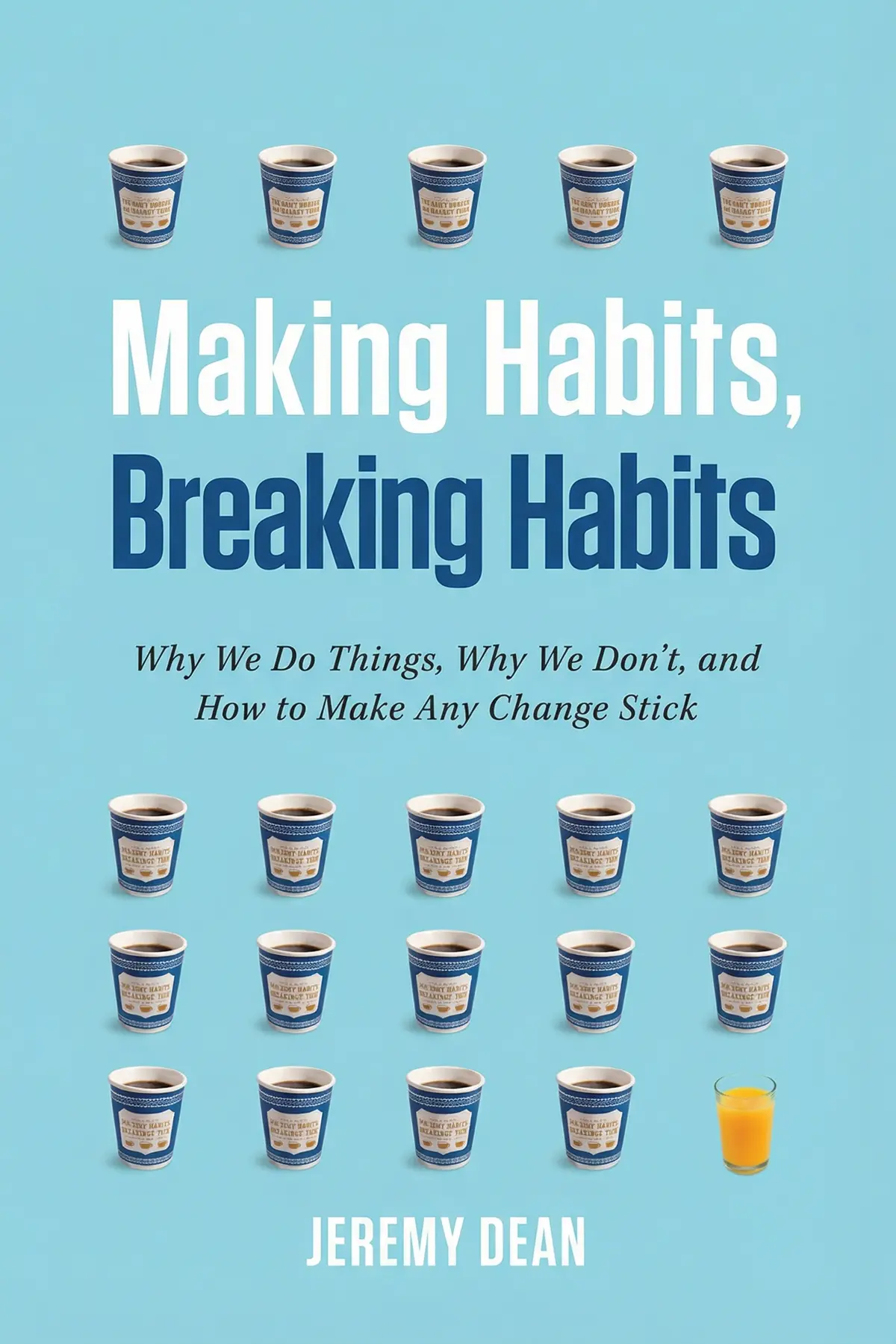
Table of Content
1. Introduction
1 min 34 sec
Have you ever found yourself pulling into your driveway after a long commute, only to realize you don’t remember the last five miles of the drive? Or perhaps you’ve walked into a room and flicked the light switch, even though you knew the bulb was burned out. These moments offer a glimpse into the powerful, invisible force that runs a significant portion of our lives: our habits.
We often like to believe that we are the conscious masters of our own destiny, making deliberate choices from the moment we wake up until we close our eyes at night. However, the reality is much more surprising. A massive chunk of our daily existence is actually handled by an internal autopilot. While this can be incredibly efficient—allowing us to brush our teeth or tie our shoes without a second thought—it can also be a double-edged sword. When our autopilot begins to drive us toward negative behaviors, whether that is mindless snacking, constant procrastination, or even cycles of negative thinking, we can feel trapped in a loop we didn’t consciously choose.
In this exploration of Jeremy Dean’s work, we are going to look at the mechanics of why we do what we do. We will pull back the curtain on the science of automaticity and explore how the brain forms these deep-seated connections. More importantly, we will discuss how to step back into the driver’s seat. By understanding the triggers, the contexts, and the psychological frameworks that sustain our routines, we can learn to break the chains of old habits and cultivate new ones that actually serve our long-term goals. The journey ahead is about moving from mindless repetition to mindful living, and it starts with understanding the subtle patterns that define our days.
2. The Mechanics of the Autopilot Mind
2 min 14 sec
Discover how our brains use automaticity to save energy and why your most frequent actions eventually become entirely devoid of emotion.
3. The Hidden Reach of Routine
2 min 19 sec
Learn why your habits extend far beyond physical actions, influencing everything from your social interactions to your deepest thought patterns.
4. Engineering Positive Change
2 min 17 sec
Explore a structured framework for building lasting habits by identifying obstacles and using the power of ‘if-then’ planning.
5. Strategies for Breaking the Cycle
2 min 07 sec
Uncover why breaking a habit is about more than just willpower and how mindfulness can help you reclaim control.
6. Conclusion
1 min 27 sec
As we have seen, our lives are largely constructed from the bricks of our habits. From the way we communicate with colleagues to the silent scripts that run through our minds when we face a challenge, these automatic patterns define our reality. While the autopilot mind is an incredible tool for efficiency, it is not a fixed destiny. By understanding that habits are built on a foundation of repetition, context, and association, we gain the power to renovate our behavior.
The path to change isn’t about massive, overnight transformations or heroic displays of willpower. Instead, it’s about the small, strategic shifts we make every day. It’s about using the WOOP framework to plan for obstacles, employing ‘if-then’ intentions to bypass difficult decisions, and using mindfulness to wake up from our unconscious routines.
To leave you with some immediate, actionable steps, consider how you might hack your environment to improve your health. If you want to eat better, focus on visibility and convenience: place a bowl of fresh fruit on the counter and hide the treats in a hard-to-reach cupboard. Use smaller plates to naturally reduce your portions without feeling deprived. You can even try eating with your non-dominant hand; the sheer awkwardness of the task forces you to slow down and listen to your body’s signals of fullness. These small changes, applied consistently, are the secret to reclaiming your life from the grip of mindless habit and creating a future designed by choice, not by chance.
About this book
What is this book about?
Making Habits, Breaking Habits offers a deep dive into the psychological mechanisms that govern our daily routines. We often think of habits as mere physical repetitions like morning coffee or a regular gym session, but Jeremy Dean illustrates that they go much deeper, influencing our social interactions and even our internal thought processes. The book promises to pull back the curtain on the autopilot mode that dictates over a third of our waking hours. By understanding the science behind automaticity and context-based associations, readers gain the tools to rewire their behavior. Dean moves beyond simple willpower, introducing evidence-based techniques like the WOOP framework and if-then planning. The promise is clear: you can transition from being a passenger in your own life to being the driver. Whether you are looking to shed a long-standing vice or cultivate a healthier lifestyle, this guide provides the roadmap for lasting behavioral transformation through small, calculated psychological shifts.
Book Information
About the Author
Jeremy Dean
Jeremy Dean is a professional psychologist and the creator of the widely read website PsyBlog. His platform focuses on translating complex scientific research into accessible insights about how the human mind functions. Dean's work and the findings featured on PsyBlog have gained significant international recognition, being featured in major publications such as The New York Times, Wired, and The Guardian.
Ratings & Reviews
Ratings at a glance
What people think
Listeners find the material thoroughly researched and accessible, offering substantial insights that prompt fresh perspectives on behavioral patterns. They value the hands-on methodology, with one listener highlighting how the work converts scientific studies into actionable advice. The title earns praise for its clear prose and comprehensive references, establishing it as a useful tool for experts in the field.
Top reviews
Viroj
Finally, a self-help book that doesn't feel like it's trying to sell me snake oil through platitudes. Jeremy Dean provides a deeply researched look at the psychology of routine, specifically highlighting the 'WOOP' exercise: Wish, Outcome, Obstacle, and Plan. I found the 'if-then' implementation intentions to be life-changing for my morning gym routine because they remove the need for constant willpower. The truth is, most books tell you to 'just do it,' but Dean explains why our brains crave the path of least resistance and how to navigate that. It's not a quick fix, but it's the real science of how change actually happens over those crucial 66 days.
Show moreAey
As a professional in the mental health field, I found the reference section alone to be worth the price of admission. Jeremy Dean does an excellent job of translating complex psychological studies into practical guidelines that are easy for the layperson to understand. I specifically appreciated the nuance he brings to 'thought suppression' and why it usually backfires when we try to quit bad habits like smoking. This isn't your typical 'feel-good' manual; it’s a grounded, realistic look at the 50% of our lives that we spend on autopilot. It makes you think about your daily routine in a completely different and more intentional way.
Show moreSofia
What sets this apart from other habit books is the total lack of rose-colored glasses or sugar-coating. Dean doesn't promise you can change your life in three easy steps; instead, he shows you the messy reality of the human mind. I loved the bits about using mindfulness to become more aware of our automated actions throughout the day. It turns out that noticing the behavior is half the battle when you're trying to pivot toward something new. The book is easy to digest and filled with actionable tips, like how to use 'pre-commitment' to keep your future self on track. If you want actual science, this is the one.
Show moreNatchaya
Ever wonder why you check Facebook five times before you’ve even finished your first cup of morning coffee? Dean’s section on digital habits and the 'rat pressing a lever' analogy really hit home for my own rodent-like brain. It’s scary how much of our behavior is automated by context and environmental cues we don't even notice. I really liked the focus on 'implementation intentions' because it gives you a concrete script to follow when things get tough. My only gripe is that the book design could have been better to highlight the actual actionable steps. Still, it's a solid 4-star read for anyone wanting to understand their own repetitive mind.
Show moreOtt
Picked this up because I've been trying to break my late-night snacking habit for several years now. What I learned from Dean is that I’ve been going about it all wrong by relying on sheer, exhausted willpower. He explains that habits are contextual, so changing the situation is often more effective than trying to resist the urge directly. I started using his 'coping planning' technique to identify temptations before they happen, and it's actually working for me. The book is well-written and clear, though it does get a little repetitive in the middle chapters. Overall, it's a very helpful resource for making small, lasting changes.
Show moreErn
Jeremy Dean takes a refreshingly unsentimental look at how we form and reshape our behaviors over time. I particularly enjoyed the chapter on happiness habits and the idea of 'hedonic adaptation'—how we get used to good things until they lose their spark. He offers great advice on how to keep those habits fresh by introducing variety into our daily routines. While some parts of the book felt like a retread of information I've seen elsewhere, the focus on 'if-then' links provided a practical framework I could actually use. It’s an insightful read for anyone interested in the intersection of psychology and daily life.
Show moreKavya
The information here is solid, but I definitely struggled with the delivery and the pacing. To be fair, Dean is a psychologist, so the writing leans more toward the academic and dry side of things throughout. I felt like the first half of the book was just an endless description of habit types that most people already recognize. However, the second half picks up when he discusses pre-commitment strategies and the importance of environmental cues. It’s a decent overview of current research, but I personally found 'The Willpower Instinct' much more engaging and better structured for the average reader to actually finish.
Show moreHemp
Not gonna lie, I had some very mixed feelings about this one after finishing the last chapter. On one hand, the science is clearly top-notch and well-referenced, but on the other, the organization is a bit of a mess. I would have loved to see more case studies or personal anecdotes to break up the dense data and research. The author is British, which occasionally leads to some phrasing that feels a bit stiff, though that wasn't a dealbreaker for me. It provides a good overview of things like the WOOP method, but the editing could have been much tighter to improve the flow of information.
Show morePing
Too much fluff for my liking, frankly, and I really wanted more substance regarding brain chemistry. While I appreciated the scientific grounding, I found the book incredibly repetitive as Dean spent way too much time defining what habits are rather than telling us how to fix them. The author comes across as a bit condescending, almost shaming people for their lack of discipline without ever sharing his own struggles or proof that he has changed his own life. If you are looking for a practical guide with personal warmth, you might want to look elsewhere. It felt like a collection of academic papers stitched together without a cohesive heart or a clear roadmap for the reader.
Show moreAisha
Extremely disappointed in this purchase and the lack of actionable advice compared to the hype. It felt like a total repackaging of old research that you could find for free on a dozen psychology blogs without much effort. There is very little original content here, and the author's tone felt dismissive toward the very people who would be buying this for help. Frankly, the book is quite wordy and repetitive, often circling back to the same points without adding new value. I was hoping for deep insights into brain chemistry, but instead, I got a lot of odd sentence structures and vague advice. Save your money and just Google habit research instead.
Show moreReaders also enjoyed

A Liberated Mind: How to Pivot Toward What Matters
Steven C. Hayes
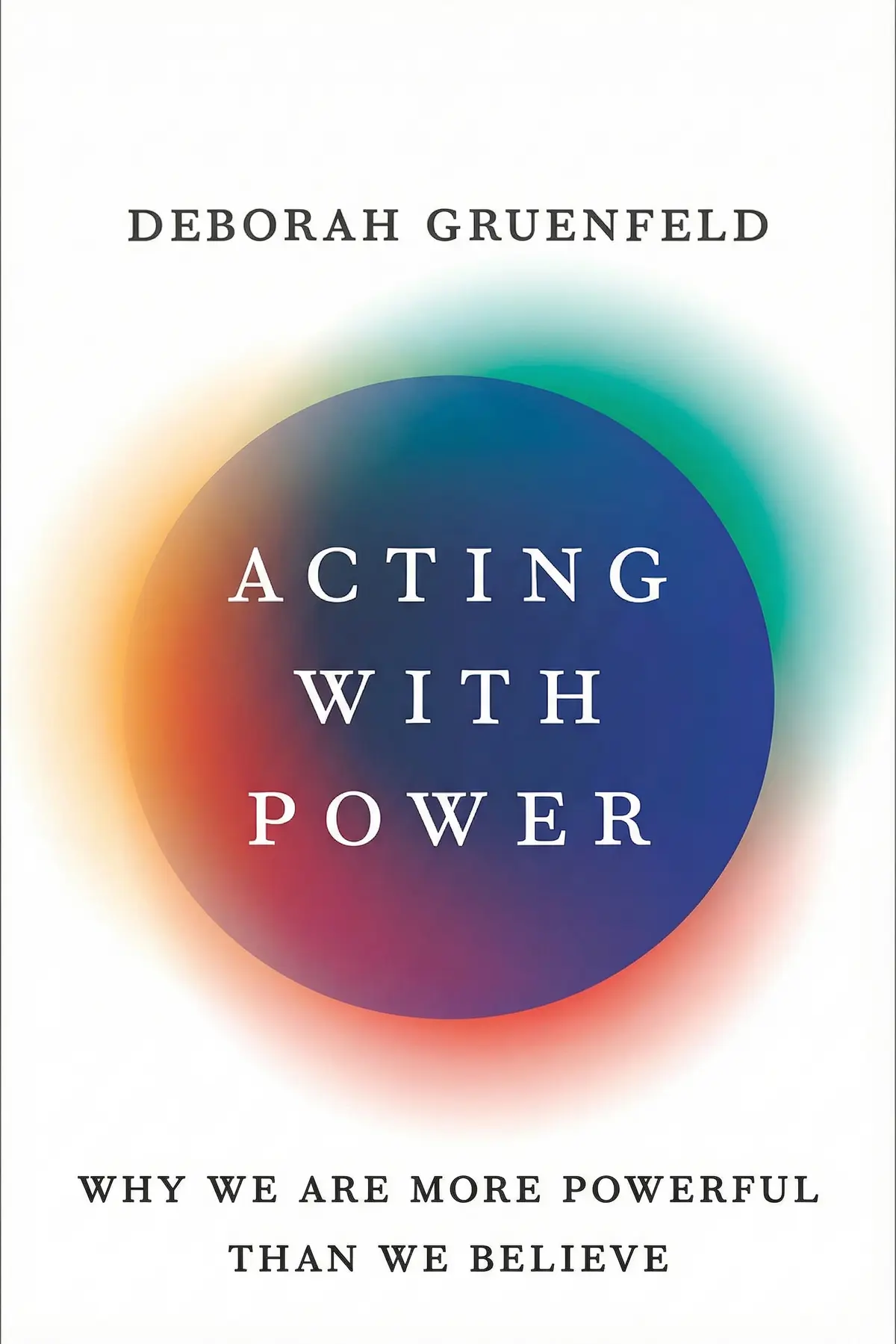
Acting with Power: Why We Are More Powerful Than We Believe
Deborah Gruenfeld

Age of Propaganda: The Everyday Use and Abuse of Persuasion
Anthony Pratkanis
AUDIO SUMMARY AVAILABLE
Listen to Making Habits, Breaking Habits in 15 minutes
Get the key ideas from Making Habits, Breaking Habits by Jeremy Dean, plus 5,000+ more titles in English and Thai.
- 5,000+ titles
- Listen as much as you want
- 7-day free trial
- Cancel anytime







