
18 min 17 sec
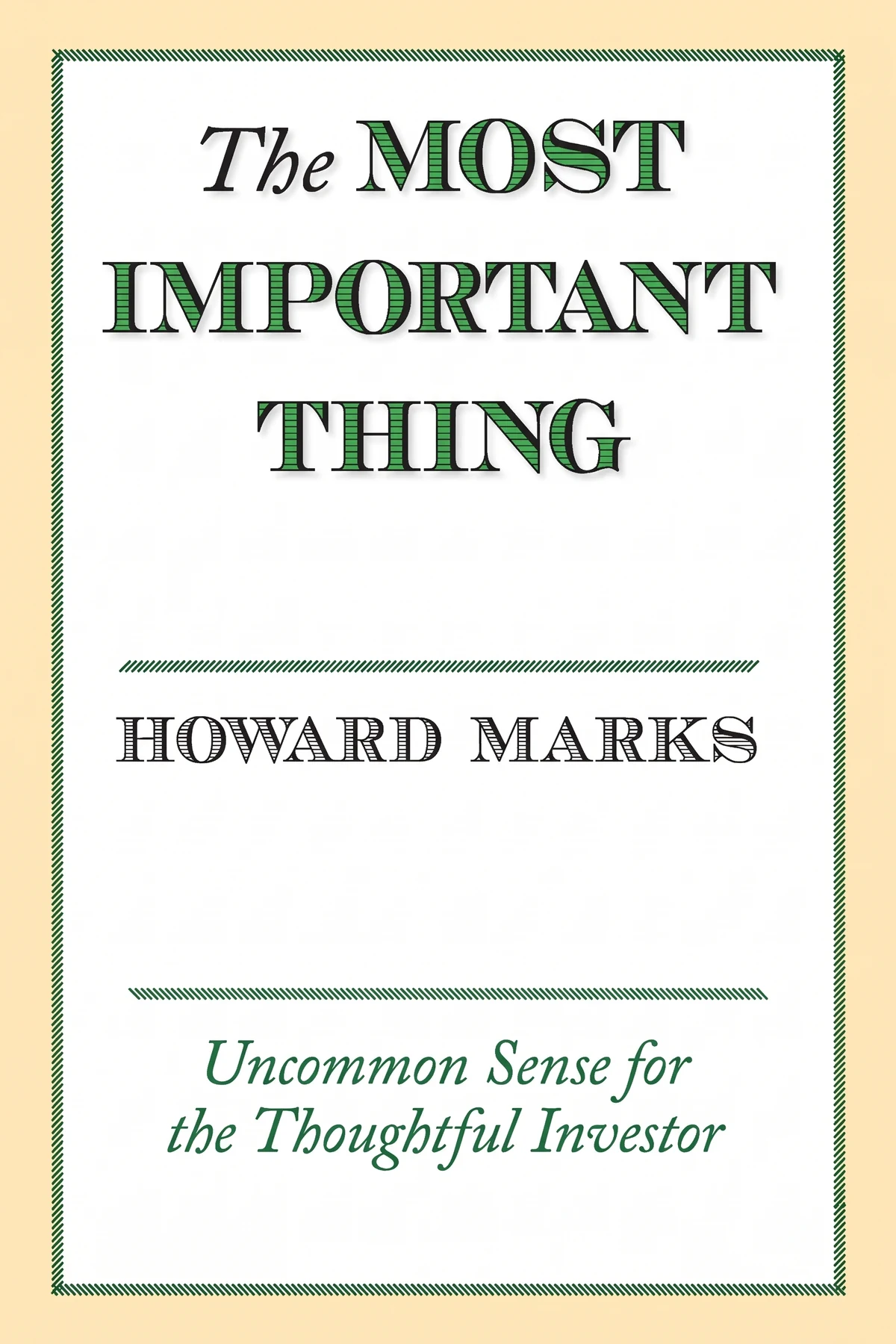
Mastering the Market Cycle: Getting the Odds on Your Side
By Howard Marks
A guide for investors on navigating market fluctuations, understanding the psychological drivers of booms and busts, and learning how to position a portfolio for long-term success through cycle awareness.
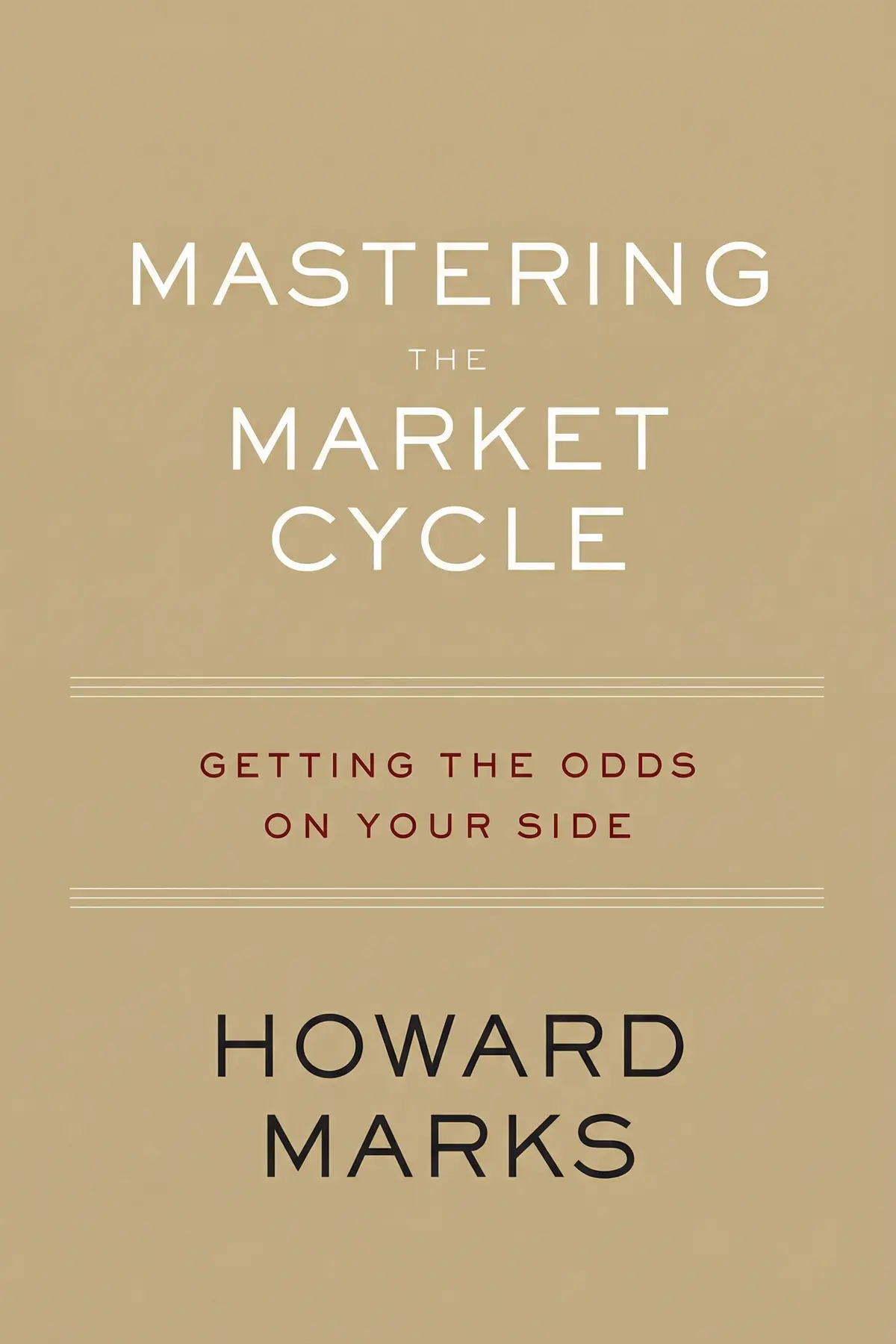
Table of Content
1. Introduction
1 min 46 sec
Think about the life of a professional investor for a moment. Imagine you have spent over four decades navigating the complex world of global finance, eventually founding your own massive capital management firm and overseeing billions of dollars. In all those years, through the crashes and the bull markets, what do you think is the one thing your clients would ask you about more than anything else?
According to veteran investor Howard Marks, the answer isn’t about specific stock picks or hot new technologies. Instead, the questions are almost always about positioning. Clients want to know where we are right now. Are we at the top of a peak, or are we climbing out of a valley? Is the current market healthy and rising, or is it on the verge of a painful decline? They want to know where they stand within the market cycle.
This fascination with cycles isn’t just a curiosity; it is the fundamental key to achieving superior performance. Most people look at the market as a series of random events, but those who truly excel understand that there is an underlying rhythm to the world of money. While cycles are often misunderstood or even ignored, they are the linchpin that connects value to price and risk to reward.
Our goal today is to pull back the curtain on these repetitive patterns. We want to understand how they work so we can stop being surprised by them and start using them to our advantage. We are going to look at why investors often need to swim against the current of popular opinion, why every great boom contains the seeds of its own bust, and why the markets that seem the safest are actually the ones where you face the greatest danger.
By the time we finish, you will have a deeper sense of how these fluctuations drive the world of finance. You will be equipped to move past the noise of the daily news and focus on the tendencies that truly matter, bringing you one step closer to the mindset of a master investor.
2. The Art of Buying Value and Embracing the Knowable
2 min 19 sec
Success in investing comes from focusing on information you can actually verify rather than making wild guesses about the distant, unpredictable future of the global economy.
3. Predicting Tendencies Over Certainties in Financial Patterns
2 min 14 sec
While market movements aren’t as regular as the seasons, they follow repetitive tendencies that allow prepared investors to anticipate what might happen next in a boom-bust sequence.
4. The Tension Between Long-Term Growth and Short-Term Chaos
2 min 36 sec
Markets generally grow over the long haul, but this steady climb is often masked by wild, short-term fluctuations that can confuse and mislead the unwary observer.
5. The Psychological Pendulum That Drives the Market
2 min 25 sec
Human emotions like greed and fear are the real engines behind market swings, often pushing prices far beyond what is logical or sustainable.
6. Finding Opportunity in the Paradox of Risk
2 min 36 sec
Counter-intuitively, the highest risk in any market exists when investors feel most secure, while the safest opportunities appear when everyone else is terrified.
7. The Fundamental Engines of Long-Term Economic Growth
2 min 45 sec
The steady upward trend of an economy is powered by two simple levers: how many people are working and how much they can produce in an hour.
8. Conclusion
1 min 36 sec
As we wrap up our look at the mechanics of the market, the most important takeaway is that cycles are inevitable. They are not disruptions to the system; they *are* the system. Whether it’s the long-term growth of a nation’s economy or the frantic ups and downs of the stock market, everything moves in a pattern of expansion and contraction. The superior investor is the one who stops fighting these cycles and starts learning how to read them.
Remember that while the details of each cycle will be different, the rhythm remains the same. You must stay focused on the ‘knowable’—the actual value of what you are buying—and use that as your anchor when the storms of psychology start to blow. When the crowd is screaming with joy and buying at any price, have the discipline to be cautious. When the world is convinced that the end is near and prices are in the basement, have the courage to look for value.
One of the best things you can do to sharpen this skill is to expand your horizons. Don’t just read financial reports. Read history. Read about the rise and fall of empires, or even read classic literature that explores the depths of human emotion. The more you understand how people behave under pressure and how systems change over time, the better you will be at identifying the next turn in the market cycle.
Ultimately, mastering the market cycle isn’t about having a crystal ball. It’s about having a compass. It’s about knowing where you are, understanding the tendencies of the environment, and having the emotional control to act when others are reacting. If you can do that, you won’t just survive the next market shift—you’ll be in a position to thrive because of it.
About this book
What is this book about?
This exploration of the financial world examines the repetitive yet unpredictable patterns known as market cycles. It moves beyond simple stock picking to help you understand the broader environment in which investments live and breathe. By analyzing the intersection of economic trends, human psychology, and historical data, this summary provides a framework for identifying where the market stands at any given moment. The core promise here is to elevate your perspective from a casual observer to a superior investor. You will learn why the most dangerous time to invest is when everyone believes there is no risk, and why the greatest opportunities emerge when the majority is paralyzed by fear. By mastering the rhythm of these cycles, you can gain a significant edge, positioning your capital to capture growth while others are swept away by the inevitable shifts in the financial tide.
Book Information
About the Author
Howard Marks
Howard Marks is a prominent American investor and author. He is the cofounder of Oaktree Capital Management, based in Los Angeles, which manages over $122 billion in assets. Marks is highly regarded for his insightful investment memos, which are followed by major figures like Warren Buffett. This book is his follow-up to The Most Important Thing.
Ratings & Reviews
Ratings at a glance
What people think
Listeners find the text thought-provoking and filled with useful market expertise, making it a required read for those new to investing. Additionally, the writing is clear and to the point, and listeners deem it a highly useful tool. That said, opinions are divided on how easy it is to digest; while some find it simple to follow, others label it as simplistic. Several listeners also point out that the information can be quite repetitive.
Top reviews
Ubolwan
Is it possible to actually time the market? Howard Marks argues that while you can’t predict the future with precision, you can certainly prepare for it by understanding where we are in the cycle. This book is a masterclass in market temperament. Truth is, most people try to find a crystal ball when they should be looking at a compass. The recurring theme that 'history doesn't repeat but it rhymes' is hammered home here, which might feel repetitive to some, but it’s a vital reinforcement for disciplined investing. I particularly enjoyed the breakdown of the credit cycle—it’s often the most overlooked part of the mosaic. While the prose is simple, the implications for your portfolio are massive. You won’t find complex math here, just high-level wisdom from a man who has successfully navigated five decades of market insanity.
Show moreLucas
Wow. Marks has a way of making the most complex financial concepts feel like common sense. I loved The Most Important Thing, and this feels like a perfect companion piece that goes deeper into the timing aspect. The core idea that we can't predict but we can prepare is exactly what every retail investor needs to hear right now. It's not about catching the exact bottom, but about knowing when the odds are in your favor versus when you're just gambling with the crowd. Some parts are definitely repetitive, but I think that’s intentional to make sure the cause-and-effect logic sticks in your brain. It is simply a superb guide on temperament and discipline.
Show moreKek
Directly addressing the elephant in the room: yes, this book repeats itself quite a bit. But in the world of investing, where we are bombarded with noise daily, maybe we need to hear the fundamentals on a loop. Marks explores the interrelatedness of the profit, risk, and economic cycles with incredible clarity. It’s fascinating to see how one stage doesn't just precede the next, but actually causes it. The book feels timeless because it focuses on human nature, which never changes. Even if the graphs are just conceptual illustrations, the logic behind them is sound and battle-tested over fifty years of professional experience.
Show moreNongnuch
The chapter on 'Taking the Temperature' changed how I view my weekly watchlist entirely. Instead of looking for 'cheap' stocks, I’m now looking at the environment: is there too much capital chasing too few deals? Are investors acting with prudence or FOMO? Marks highlights that the biggest risk is often the belief that there is no risk. His reflection on the 2008 bailout was a humble touch, acknowledging that even the best-laid plans involve a degree of external luck. It's a sophisticated, philosophical take on money that moves way beyond the spreadsheets. This is investment thinking on the highest level, even if it feels a bit familiar to long-time fans.
Show moreNitaya
This book serves as a fantastic bridge between basic economic theory and the gritty reality of institutional investing. Marks focuses on the 'why' behind market swings, specifically targeting investor psychology and the pendulum of risk. Look, you aren't going to get a step-by-step 'how-to' guide for day trading in these pages. Instead, you get a framework for understanding whether the market is currently in a state of euphoria or despair. It gets a bit dry toward the middle when he goes through every sub-cycle, like the profit and distress cycles, but the cumulative effect is a much deeper respect for market forces. It’s an intermediate-level read that requires some patience to get through the slower chapters, but the payoff is worth the effort.
Show moreLena
Finally got around to finishing this, and I have to say, the chapter on the credit cycle alone is worth the price of admission. Marks explains how the availability of 'easy money' fuels the booms and sets the stage for the inevitable busts in a way that is very easy to visualize. It’s an eye-opening look at how human greed and fear drive the numbers we see on our screens every day. Personally, I found the writing style very accessible, almost like a conversation with a mentor. While it lacks the dense data some quants might want, the qualitative insights are what really matter for long-term survival. Definitely a must-read for anyone serious about portfolio management.
Show moreTantipat
As someone who is relatively new to the world of finance, I found this to be an invaluable resource. It’s rare to find a legendary investor who can explain things without hiding behind jargon or complex formulas. The book is thought-provoking because it forces you to look at the market as a series of human reactions rather than just a line on a graph. I feel much better equipped to handle the next downturn without panicking now. The truth is, most of us are our own worst enemies when the cycle turns, and Marks provides the psychological armor needed to stay rational when everyone else is losing their heads.
Show moreWoravit
After hearing so many rave reviews for his first book, I found myself a bit underwhelmed by the actual content here. To be fair, if you haven't read his Oaktree memos, this will be life-changing stuff. However, for those of us who have followed Marks for years, it feels like a recycled collection of his previous writings stitched together. The book is incredibly repetitive, often saying in twenty pages what could have been said in five. He spends a lot of time on 'conceptual' graphs that lack any real data or values along the axes, which makes the advice feel a bit too abstract for my taste. It’s a decent primer on market psychology, but I expected much more new material and perhaps some quantitative substance.
Show morePlernpiriya
Not what I expected given the hype, but still a solid addition to the library for those who need a refresher on market history. The book definitely leans heavily on his past memos, which gives it a 'best of' compilation vibe rather than a cohesive new thesis. Not gonna lie, I caught myself skimming through some of the later chapters because the point had already been made three times in the first hundred pages. However, the sections on capitulation and the 'fool doing at the end what the wise man does at the beginning' are pure gold. It’s a good book that could have been a great one if it was edited down by about 50 pages.
Show moreNarongrit
Picked this up hoping for a masterclass, but it felt more like a firm grasp of the obvious. I’ve been in the financial services field for over a decade, and I struggled to find anything that wasn't covered in a 101-level economics course. The author spends far too much time quoting himself and patting himself on the back for his 2008 calls while admitting that a lot of it was dependent on government intervention. Frankly, the lack of quantitative substance is frustrating. There are almost no numbers, just vague descriptions of cycles 'causing' one another. It feels like an extended memo that was forced into a book format just because the general consensus was that we were due for a recession.
Show more
Readers also enjoyed
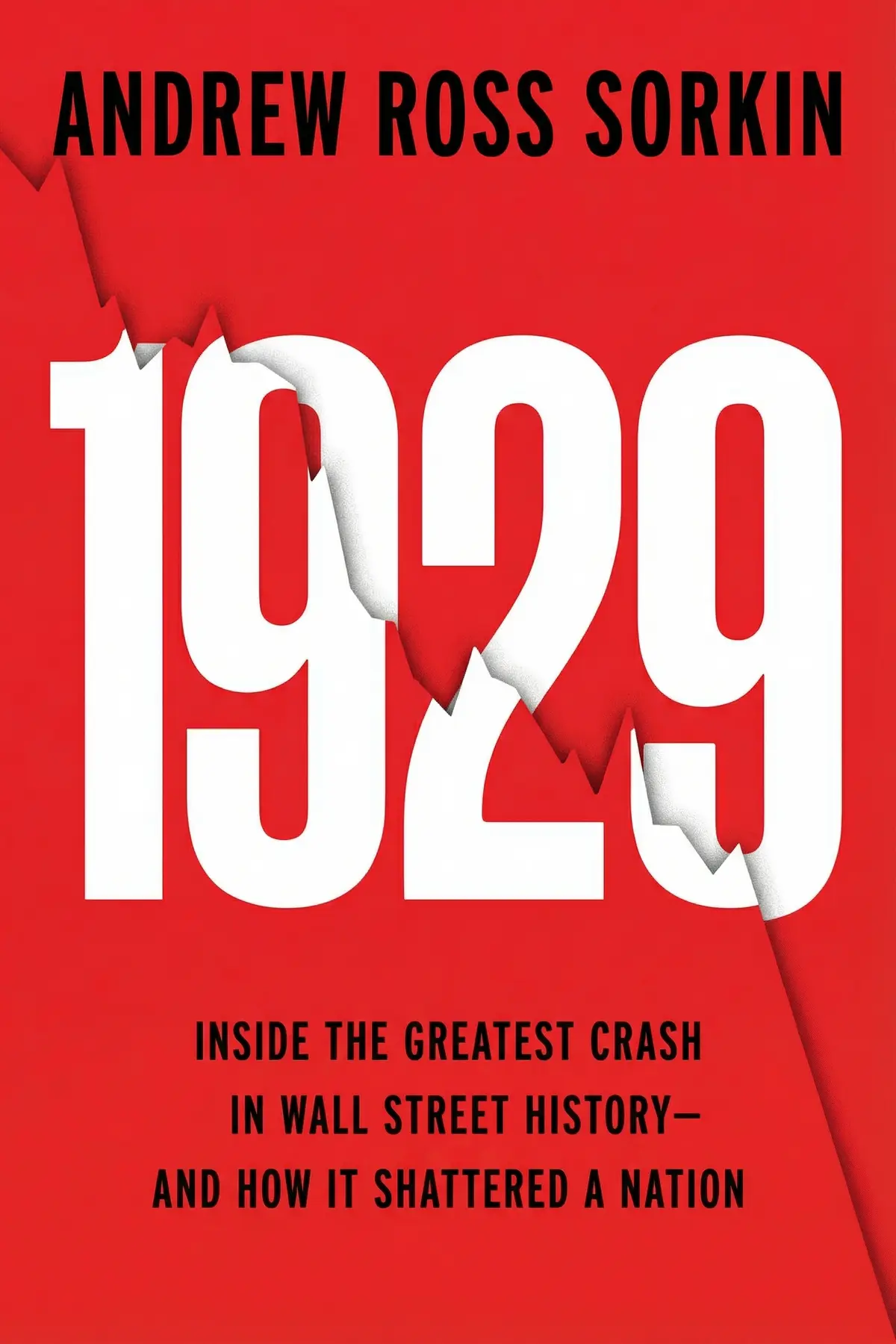
1929: Inside the Greatest Crash in Wall Street History--and How It
Andrew Ross Sorkin
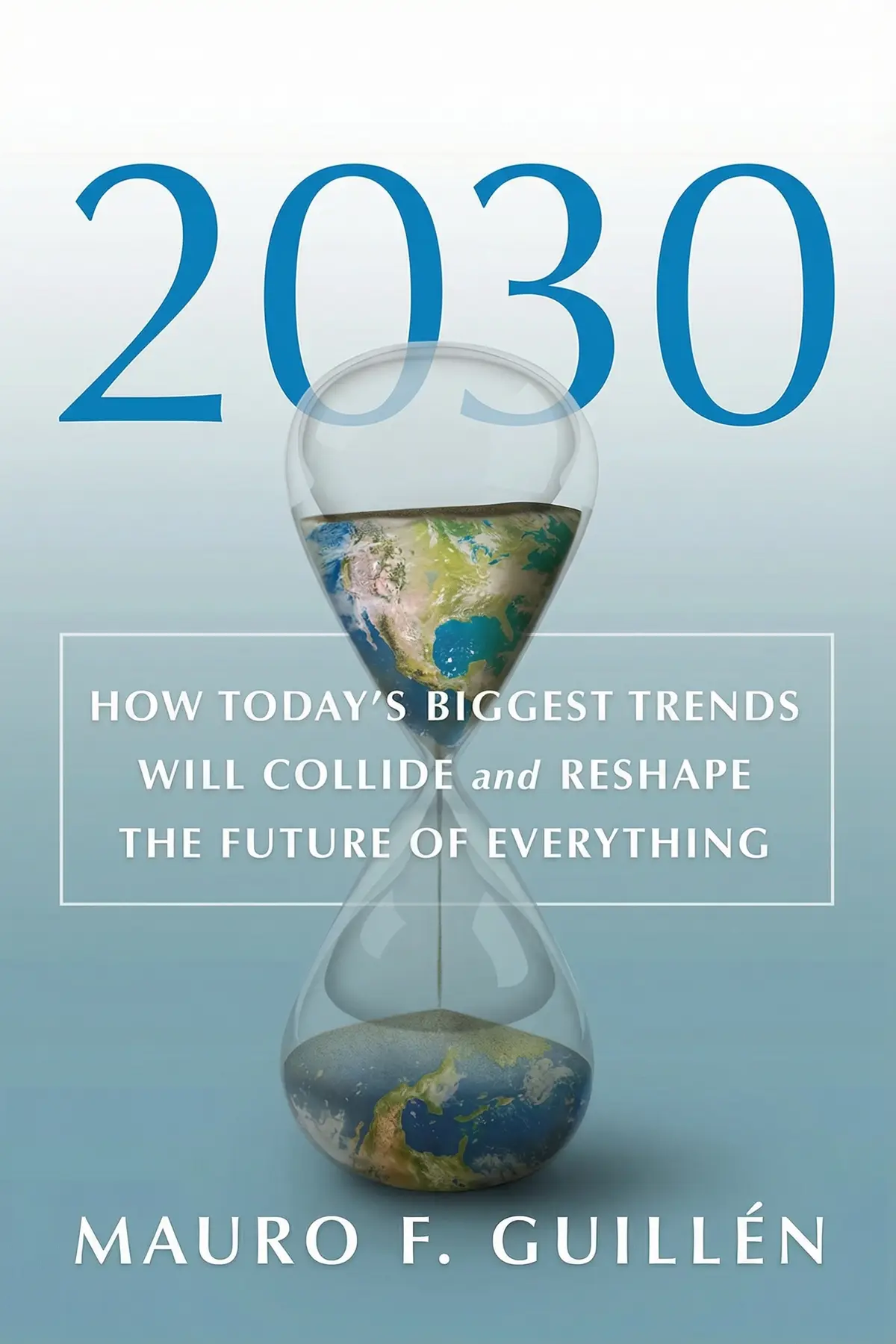
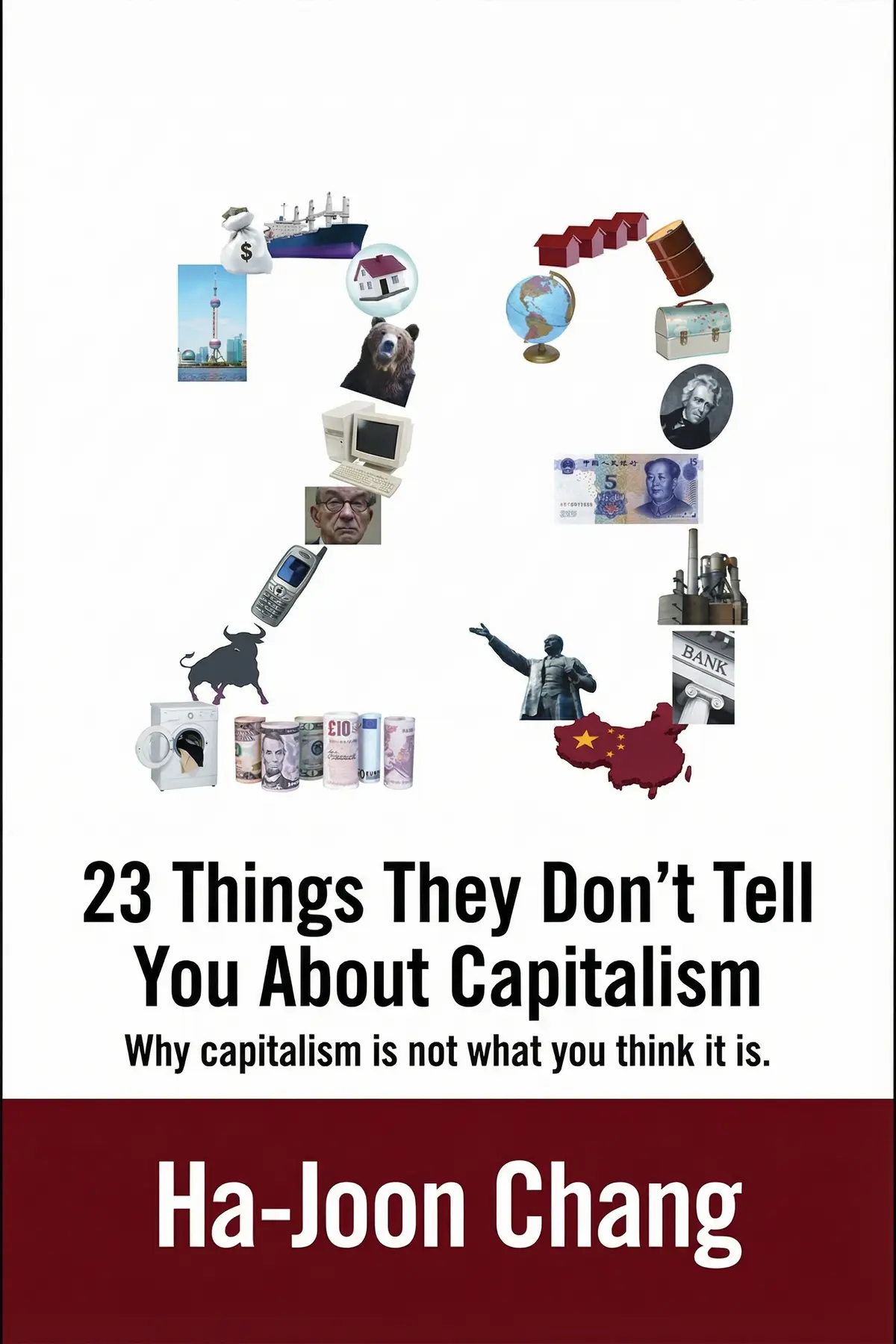
23 Things They Don’t Tell You About Capitalism
Ha-Joon Chang
A Little History of Economics
Niall Kishtainy
A Splendid Exchange: How Trade Shaped the World
William J. Bernstein
AUDIO SUMMARY AVAILABLE
Listen to Mastering the Market Cycle in 15 minutes
Get the key ideas from Mastering the Market Cycle by Howard Marks, plus 5,000+ more titles in English and Thai.
- 5,000+ titles
- Listen as much as you want
- 7-day free trial
- Cancel anytime







