
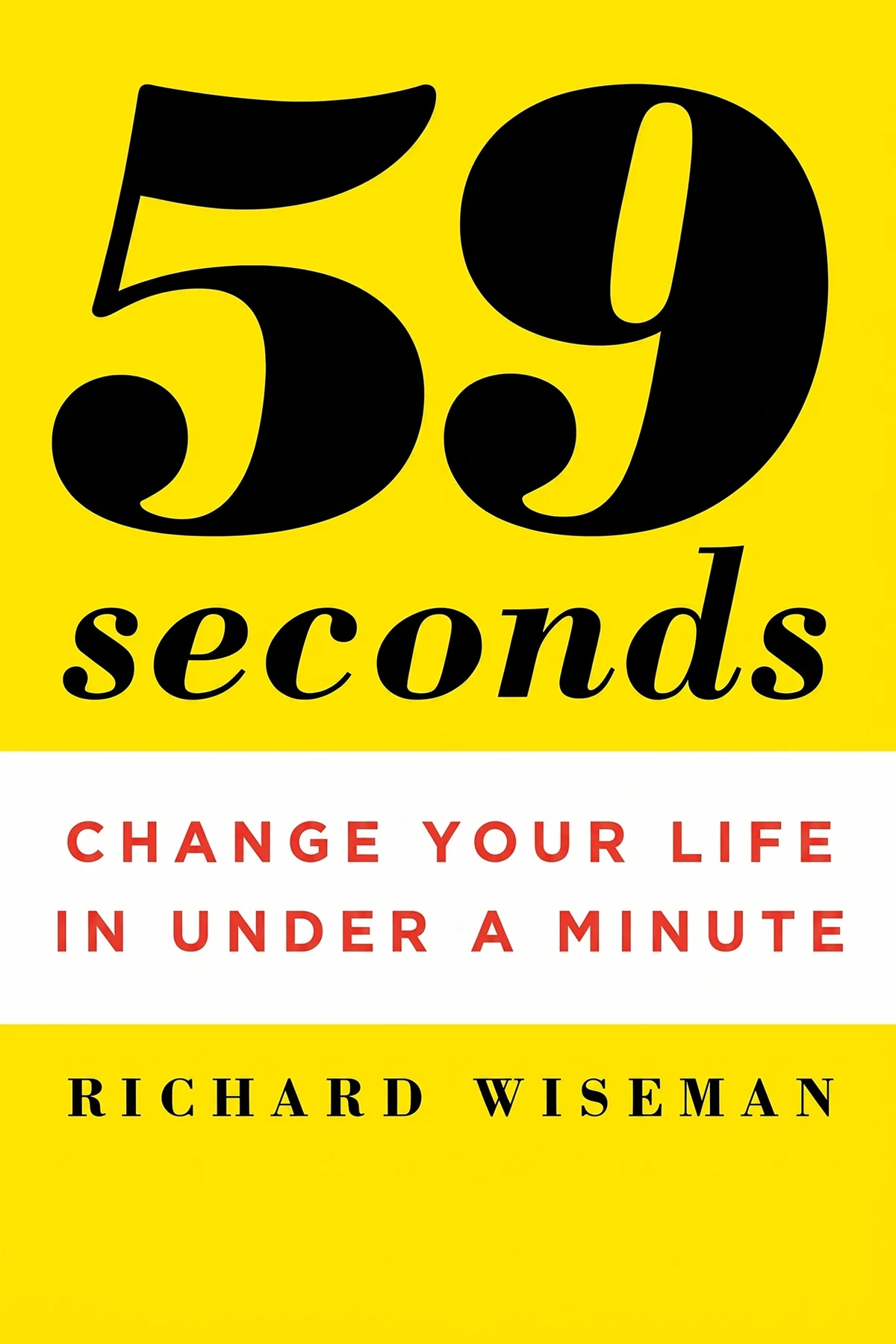
59 Seconds: Change Your Life in Under a Minute
Richard Wiseman
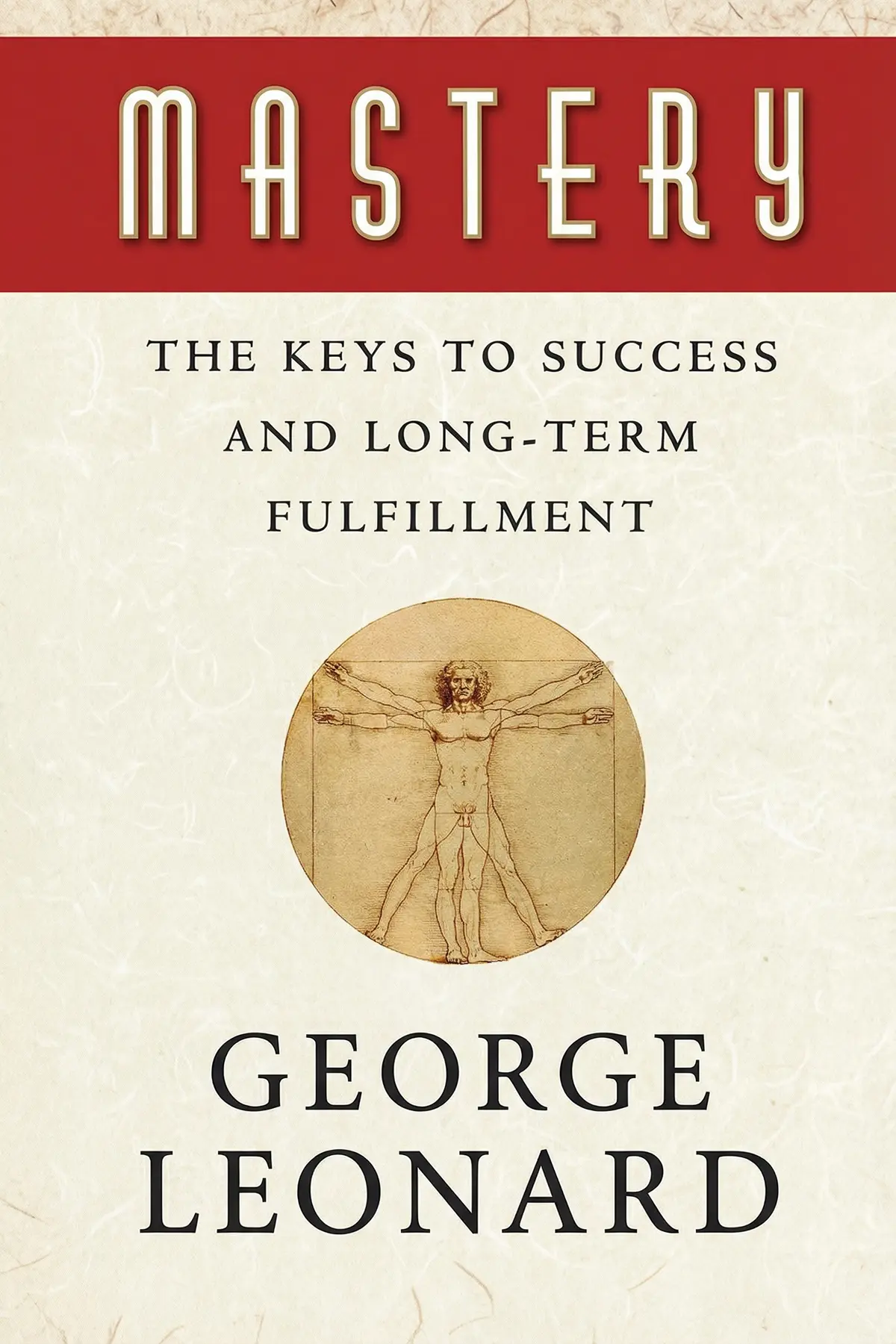
A profound exploration of the psychological and practical requirements for achieving excellence. This summary explains why true success is a lifelong journey characterized by steady practice rather than quick results or superficial recognition.
1 min 21 sec
We live in a culture that is obsessed with the finish line. Every day, we are bombarded with advertisements and social media posts promising that we can reach our goals in record time. We are told we can lose weight in two weeks, learn a language in a month, or strike it rich with a single clever investment. This environment has conditioned us to view the process of learning as a necessary evil—a hurdle we must jump over as quickly as possible to get to the prize on the other side.
But what if this focus on the destination is exactly what is keeping us from becoming truly great? What if the real secret to a fulfilling life isn’t found in the moments of victory, but in the quiet, repetitive hours of practice that lead up to them? This is the central premise of George Leonard’s philosophy. He suggests that the modern world has led us astray by devaluing the journey itself.
In the pages that follow, we are going to explore what it actually looks like to walk the path of excellence. We will dive into the psychological traps that catch most people, learn why our own bodies sometimes rebel against our progress, and discover the specific tools required to turn any pursuit into a lifelong source of joy. Whether you are an athlete, an artist, or a professional, these insights will help you reframe your struggles not as failures, but as the essential landscape of the master’s journey. Let’s begin by looking at why we need to change our fundamental relationship with time and achievement.
2 min 16 sec
Excellence is not a final destination but a continuous way of living that requires a fundamental shift in how we view progress and personal satisfaction.
2 min 35 sec
Recognizing the common ways people sabotage their own growth is essential for staying on the path of long-term development.
1 min 49 sec
Success is built on the dual pillars of expert instruction and a fundamental reimagining of what it means to practice every day.
2 min 17 sec
Advancing to the next level requires a combination of mental discipline, the ego’s surrender, and the courage to test your boundaries.
2 min 29 sec
Achieving long-term mastery involves understanding your body’s natural resistance to change and finding ways to fuel your journey indefinitely.
1 min 42 sec
The path of mastery is not reserved for a select few geniuses or world-class athletes. It is a way of life that is available to anyone willing to change their relationship with time, effort, and their own ego. We have seen that the greatest obstacle to excellence is often our own desire for a quick fix, and that the secret to long-term fulfillment lies in learning to love the plateau. By identifying the habits of the Dabbler, the Obsessive, and the Hacker, we can correct our course and commit to a more sustainable way of growing.
Remember that mastery is built on five pillars: seeking expert guidance, treating practice as a ritual, surrendering to the process, using the power of visualization, and leaning into your personal edges. When you face resistance—whether from a society that demands instant results or from your own biological urge to stay the same—recognize it as a sign that you are on the right track.
If you want to start applying these principles today, you don’t need to sign up for a marathon or quit your job. Start with something simple. The next time you find yourself doing a mundane task, like washing the dishes, don’t rush through it just to get it over with. Instead, treat it as a practice. Pay attention to the temperature of the water, the movement of your hands, and the most efficient way to clean each plate. By bringing this level of mindfulness to a daily chore, you are training your brain to find joy in the process rather than the result. This is the essence of mastery. It is the realization that every moment is an opportunity to practice, and every plateau is a chance to build the foundation for your next great leap forward.
Mastery by George Leonard dismantles the modern obsession with instant gratification and quick fixes. It introduces readers to the concept of the "plateau"—the long periods of practice where progress seems invisible but is actually most vital. Leonard identifies three common personality types that fail to achieve their potential: the Dabbler, the Obsessive, and the Hacker, and explains why each one stalls on the path to greatness. Through the lens of martial arts, sports, and professional life, the book provides five essential keys to sustained development: finding the right instruction, treating practice as a way of life, surrendering to the learning process, using visualization to manifest success, and pushing one's personal limits. Ultimately, the work promises a shift in perspective that transforms daily drudgery into a source of deep fulfillment, teaching listeners how to maintain energy and commitment for the long haul.
George Leonard was an American writer, editor and educator, known for his books The Transformation and The Way of Aikido. He was president of the Esalen Institute, president of the Association for Humanistic Psychology, founder of Leonard Energy Training (LET) – a practice inspired by the martial art of Aikido – and a co-founder of the Aikido Tamalpais dojo in California.
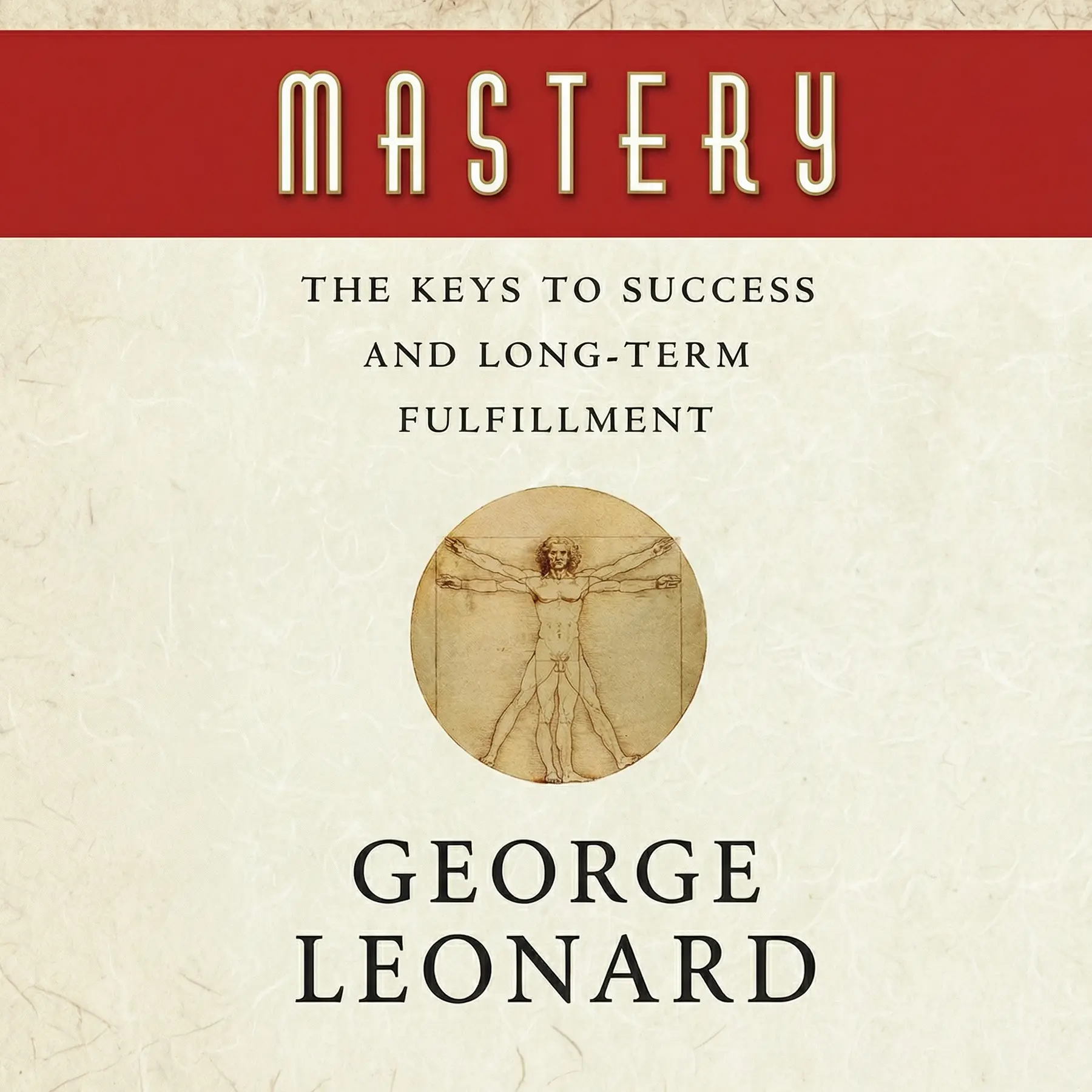
Listeners find this book to be a brief and accessible roadmap to attaining mastery, filled with functional advice that aids in self-drive and life outlook. They admire its direct prose and consider it a mandatory read, with one listener characterizing it as a page-turner. The book receives acclaim for its flow, with one review noting how it expertly navigates contradictions, and listeners find it both pleasant and useful for their personal paths.
As someone who has spent years hopping from one hobby to another, this book felt like a direct confrontation with my own restlessness. George Leonard’s breakdown of the 'Dabbler,' 'Obsessive,' and 'Hacker' is painfully accurate, and I finally realized why I always stall out right when things get difficult. The truth is, we live in a culture that treats the plateau like a failure rather than the very place where growth happens. This book offers a much-needed life perspective that shifts the focus from climactic goals to the beauty of the daily grind. It’s a concise, easy-to-read guide that I will likely revisit every time I feel the itch to quit a new project. Frankly, the lesson about being willing to look like a fool—to 'wear the white belt'—is something I wish I’d learned a decade ago. It is a genuine page-turner that forces you to re-evaluate your entire approach to success and long-term fulfillment.
Show moreWow, this is a profound meditation on what it actually means to live a life of purpose and dedication. Leonard explains that mastery is not a destination you eventually reach, but a journey that continues for as long as you live. This perspective shift changed how I view my professional development and my hobbies; I no longer fear the long stretches where I do not seem to be improving. The book is incredibly concise, yet it manages to cover everything from physical fitness to the importance of telling the truth. I particularly loved the section on 'loving the plateau'—it is such a counter-intuitive idea in a world obsessed with constant upward movement. In my experience, most self-help books are three hundred pages of fluff, but this is a rare exception that delivers high value in every single chapter. It is a truly riveting read that I have already recommended to three different friends this week.
Show morePicked this up on a whim after seeing it mentioned in a podcast and I ended up finishing it in just two sittings. It is rare to find a book that is both this short and this packed with actionable wisdom. Leonard argues that we are all 'learning animals,' and that our potential is virtually infinite if we can just learn to endure the plateaus. The way he describes the 'Mastery Curve' helped me realize that my recent lack of progress was not a sign to quit, but a necessary stage of the process. I found the sections on visualization and the mental game to be particularly illuminating, reminding me of how top athletes like Jack Nicklaus prepare. This is not just a book about getting better at a skill; it is about a way of being in the world. It is an enjoyable, straightforward read that provides a much-needed antidote to our fast-paced, distracted culture.
Show moreIs it possible to find deep fulfillment in the mundane act of washing the dishes or driving a car? Leonard suggests that if we approach these tasks with the heart of a master, the answer is a resounding yes. This book is a masterclass in staying present and finding joy in the practice itself, rather than just the final results. I was struck by the idea that we must be willing to fail and try again for as long as we live to truly excel. The writing is incredibly engaging and the pacing is perfect, making it a very easy book to get through in a single weekend. It navigates the contradictions of ambition and peace in a way that feels authentic and earned. For me, this was more than just a self-help book; it was a required read for anyone trying to build a meaningful life. It is practical, honest, and deeply encouraging.
Show moreAfter hearing various high-performance coaches rave about this book, I finally sat down with Leonard’s guide to excellence. What I found was a refreshingly straightforward manual that cuts through the noise of modern 'hustle culture' and instant gratification. The author expertly navigates contradictions, showing how extreme discipline can actually lead to a sense of freedom and spontaneity. Personally, I found the breakdown of the different learner types—especially the Obsessive who burns out quickly—to be the most helpful part of the text. It is a short, punchy book that does not waste time with flowery prose, yet it manages to offer deep insights into human potential. My only minor gripe is that some of the sports examples felt a bit dated, but the core principles remain timeless. If you are looking for a realistic approach to self-motivation, this is a required read that will stay on my shelf for a long time.
Show moreThe chapter on the five keys to mastery provided exactly the kind of structured guidance I was looking for to improve my craft. Leonard’s writing is clear and unpretentious, making complex psychological states feel accessible to the average reader. Not gonna lie, I was a bit skeptical of how much I could learn from a martial artist, but his insights on 'the path' apply to everything from corporate leadership to parenting. He emphasizes that being a master requires a willingness to look foolish and make mistakes, which is a hard pill to swallow for perfectionists. The pacing is excellent, and the book avoids the trap of being overly academic while still feeling deeply intellectual. While I felt some of the household analogies, like the one about washing the dishes, were a bit long-winded, they eventually drove home the point of mindfulness. This is a solid, practical tool for anyone who wants to stop dabbling and start achieving results.
Show moreFrankly, I was surprised by how much this slim volume impacted my daily routine and my general outlook on long-term goals. Picked this up because I wanted to understand the 'mastery mindset,' and Leonard delivers a no-nonsense roadmap for staying committed. He talks about how our society is addicted to the 'quick fix,' which makes the slow, deliberate process of mastery feel alien and frustrating to most of us. By identifying the common pitfalls, like the 'Hacker' who settles for mediocrity, he gives you the tools to diagnose your own behavior. The book is an easy-to-understand guide that does not sugarcoat the hard work required to reach the top. I enjoyed the personal anecdotes from his dojo, as they grounded the philosophical concepts in real-world experience. It is a page-turner for anyone interested in personal growth, even if you have no interest in martial arts specifically. This book definitely helps with self-motivation.
Show moreEver wonder why some people seem to excel at everything they touch while others just bounce from one failed attempt to the next? Mastery explains that the difference is not just talent, but a fundamental relationship with the process of learning. Leonard provides a great guide to achieving your goals by teaching you how to embrace the inevitable slumps in progress. The distinction between the 'Obsessive' who wants immediate results and the 'Master' who loves the practice was a huge 'aha' moment for me. While the book is quite short, it is a page-turner that provides a lot of practical wisdom for self-motivation. Truth is, I did find some of the analogies a bit repetitive, but the overall message is so important that it is easy to overlook the minor flaws. It is a solid read that offers a realistic and helpful life perspective for anyone serious about their passions.
Show moreTo be fair, I appreciate the central philosophy here, but I found the writing style a bit dry and repetitive at times. Leonard draws heavily from his background in Aikido, which is fascinating in small doses, but it occasionally felt like he was stretching a few good ideas to fill the page count. I struggled with the sections on mundane tasks, like the detailed explanation of how an air conditioner works to illustrate feedback loops. While the logic holds up, the pacing slowed down significantly during those long-winded metaphors. That said, the 'Mastery Curve' is a brilliant framework that helps you navigate the contradictions of long-term improvement. It is not a life-changing masterpiece for me, but there is enough practical wisdom to make it a worthwhile read for anyone stuck in a rut. I would recommend it as a supplemental text rather than a primary source of inspiration for your personal development journey.
Show moreLook, I really wanted to like this given all the five-star reviews, but I found the vast majority of the content to be total filler. There are a few interesting points about the 'plateau' that I have spent some time thinking about, but they could have been summarized in a blog post. Instead, we get pages and pages of 'dribble' about checking tire pressure or how an air conditioning system works. I do not see how spending four pages on the mechanics of an indicator light helps me with personal development or professional success. Compared to classics like 'Think and Grow Rich,' this just feels like it is in a much lower league of utility. The writing style is a bit dull and it failed to keep my attention for long stretches. I am considering just giving this away, as I do not think it is a valuable addition to my permanent library.
Show moreRichard Wiseman
William B. Irvine
Andrew D. Thompson
Deepak Chopra
AUDIO SUMMARY AVAILABLE
Get the key ideas from Mastery by George Leonard, plus 5,000+ more titles in English and Thai.







