
16 min 28 sec
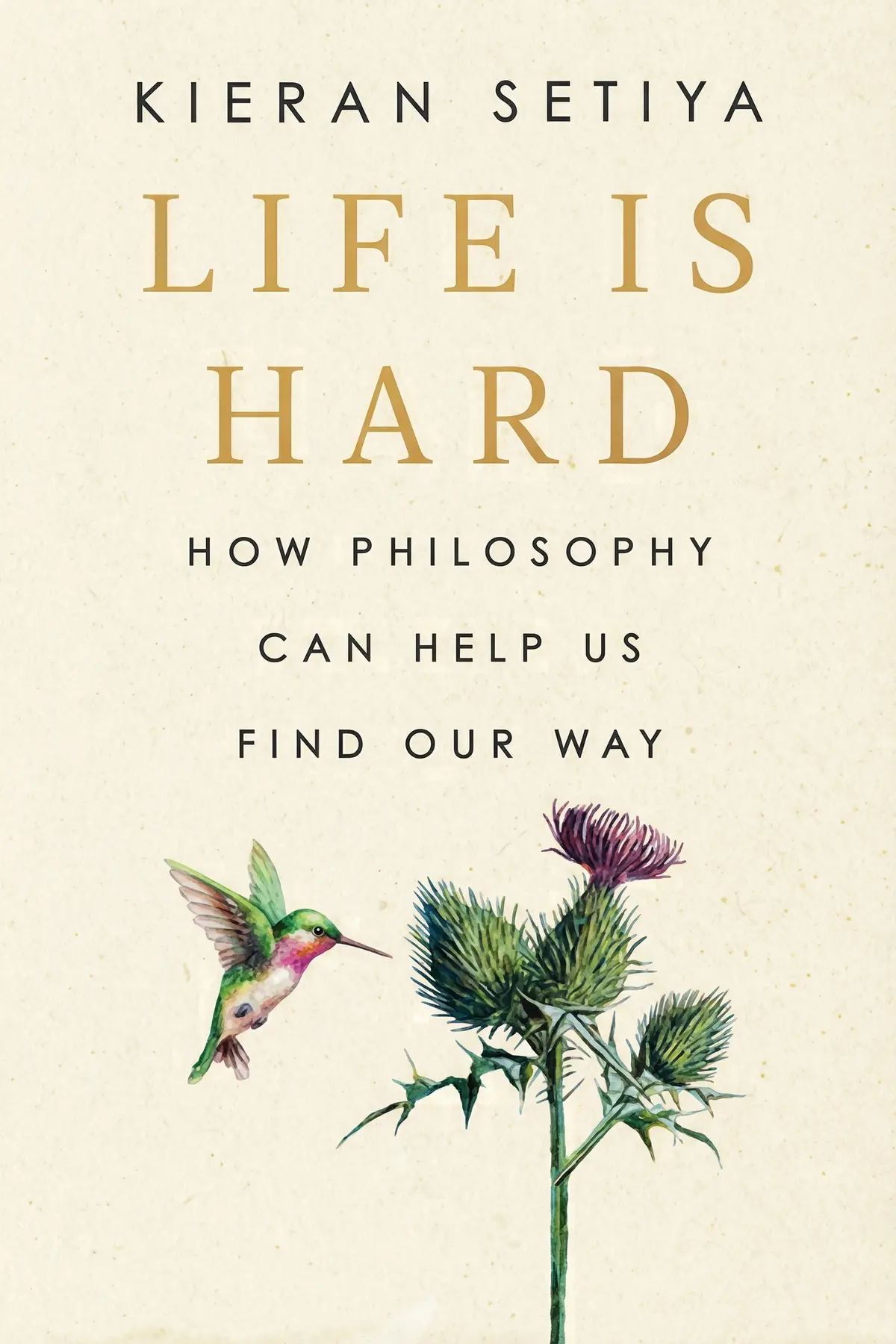
Midlife: A Philosophical Guide
Midlife explores the philosophical challenges of middle age, offering a roadmap to navigate regret and mortality. By shifting focus from goals to the present process, Kieran Setiya reveals how to find renewed fulfillment.
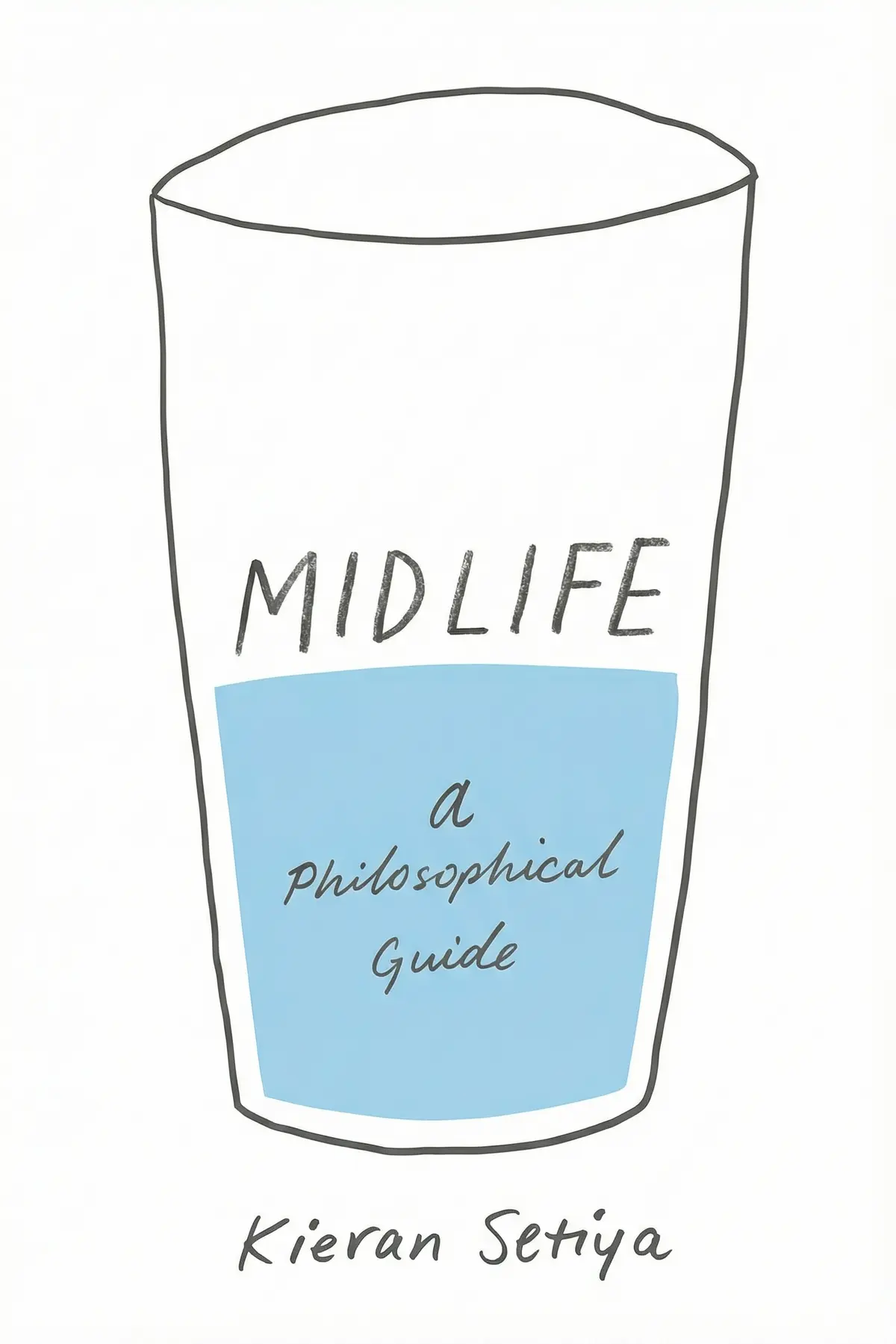
Table of Content
1. Introduction
1 min 56 sec
For many of us, the arrival of middle age feels less like a celebration and more like a quiet, unsettling realization. It is the moment when the horizon of the future, which once seemed vast and filled with infinite possibilities, begins to narrow. You might look at your calendar and see a sequence of predictable milestones: more work deadlines, another decade of birthdays, and the distant silhouette of retirement. At the same time, the physical reality of aging starts to make itself known. A backache that won’t go away or a new wrinkle in the mirror becomes a visceral reminder that our time is not infinite.
In this phase of life, it is incredibly common to find ourselves haunted by ‘what ifs.’ We dream of the careers we didn’t pursue, the relationships we let slip through our fingers, or the versions of ourselves that only exist in a parallel reality. This internal friction is what we’ve come to call the midlife crisis. But what if this period doesn’t have to be defined by panic or dissatisfaction? What if the tools to navigate these turbulent years have been hidden in the history of philosophy for over two millennia?
This exploration isn’t about buying a sports car or making a radical, impulsive change. Instead, it’s about a fundamental shift in perspective. We will look at how the greatest thinkers in history—from ancient poets to Victorian philosophers—approached the problems of aging, choice, and meaning. We’ll uncover why the pursuit of happiness often leads to misery, why missing out on certain life paths is actually a sign of a life well-lived, and how we can face our own mortality without being paralyzed by fear. By the end, you’ll see that middle age isn’t just a slump to be endured, but a unique opportunity to re-evaluate how we relate to time and the world around us. Let’s begin this journey through the throughline of philosophical resilience.
2. The Origin and Reality of the Midlife Crisis
2 min 29 sec
Discover how the concept of middle-aged turmoil transitioned from an artistic observation to a documented psychological phenomenon that many people experience today.
3. The Paradox of Chasing Happiness
2 min 05 sec
Explore why an obsessive focus on personal satisfaction often backfires and how finding meaning in external interests can lead to a more fulfilling life.
4. Accepting the Inevitability of Missing Out
2 min 00 sec
Learn why the pangs of longing for other lives are a natural result of a world rich with different, valuable paths that cannot all be taken.
5. The Logic Behind Overcoming Regret
1 min 52 sec
Understand the philosophical reasons why undoing the past would mean losing the things you cherish most in the present.
6. Facing the Reality of Mortality
2 min 01 sec
Examine ancient and modern philosophical arguments that help de-escalate the fear of death as we age.
7. The Power of Atelic Living
2 min 13 sec
Discover how shifting your mindset from goal-completion to process-enjoyment can eliminate the ‘Is this it?’ feeling of middle age.
8. Conclusion
1 min 52 sec
As we reach the end of this philosophical exploration, the central throughline becomes clear: middle age is not a decline to be feared, but a pivot point to be understood. The ‘crisis’ we often feel is actually a collection of natural reactions to the human condition. It is the recognition that we cannot do everything, that our time is finite, and that success doesn’t always bring the peace we expected. But as we have seen, each of these challenges contains the seeds of its own resolution.
By following the wisdom of John Stuart Mill, we can stop the exhausting, direct pursuit of happiness and instead find it by engaging with the world around us. By understanding the incommensurability of values, we can view our missed opportunities not as failures, but as evidence of a world that is beautifully and overwhelmingly full of good things. We can release the grip of regret by realizing that our past ‘mistakes’ are the very things that brought us to the people and moments we love today. And finally, by shifting from a goal-oriented to a process-oriented life—moving from the telic to the atelic—we can find a sense of fulfillment that isn’t dependent on the next big achievement.
The most actionable path forward is simple but profound: savor the rich details of your actual life rather than the vague outlines of your imagined ones. When you find yourself drifting into ‘what ifs,’ bring your attention back to the specific, intricate reality of your current situation. The smell of coffee, the sound of a friend’s voice, the complexity of a difficult project—these are the real textures of existence. By grounding yourself in the process of living, you transform middle age from a period of loss into a time of deep, philosophical discovery. Middle age is not the end of the story; it is the moment when you finally learn how to read it.
About this book
What is this book about?
Midlife: A Philosophical Guide addresses the profound transition many individuals face as they reach their middle years. Often characterized by a sense of urgency, the realization of mortality, and the mourning of lost potential, this period can feel like an inescapable crisis. This guide seeks to transform that narrative by applying centuries of philosophical wisdom to the specific anxieties of the modern middle-aged experience. The promise of this exploration is not to provide a simple cure for aging, but to offer a new framework for understanding it. By examining the nature of happiness, the inevitability of regret, and the difference between goal-oriented living and process-oriented fulfillment, the book provides listeners with the tools to navigate these years with grace. It encourages a shift from looking backward at what might have been to engaging deeply with the richness of the present. Ultimately, it serves as a roadmap for finding meaning in the face of life’s limitations.
Book Information
About the Author
Kieran Setiya
Kieran Setiya serves as a professor of philosophy at the Massachusetts Institute of Technology, where he focuses his scholarly efforts on ethics, epistemology, and the philosophy of mind. Beyond his academic work, he is a prominent contributor to public philosophy. Setiya has authored several notable books including Knowing Right from Wrong, Practical Knowledge, and Reasons Without Rationalism.
Ratings & Reviews
Ratings at a glance
What people think
Listeners find the work thought-provoking, describing it as an introductory resource on philosophical inquiry that provides a wide range of examination. They also appreciate its readability, high-quality prose, and wit, with one listener mentioning it is especially appropriate for retirees. Furthermore, the work receives praise for its utility, as one listener notes it acts as a manual for navigating mid-life crises. Listeners find the tempo soothing, while one review emphasizes its relatable way of addressing personal struggles.
Top reviews
Sam
Finally got around to reading this as I approach sixty, and I found it immensely comforting. Setiya’s writing has a soothing pacing that mirrors the atelic lifestyle he encourages throughout the chapters. Unlike most self-help books, this doesn't promise a new you; it simply offers a better way to inhabit the 'you' that already exists. The way he navigates the fear of death and the regret of roads not taken felt deeply relatable to my own experience. I particularly enjoyed the sections on why having too many options leads to inevitable regret, which is a surprisingly liberating realization. The book functions as a gentle philosophical primer that is especially suitable for retirees or those nearing the end of their careers. It’s rare to find a book about aging that manages to be both intellectually rigorous and genuinely kind. This stayed with me long after I finished the final page.
Show moreIvan
After hearing Setiya on a podcast, I knew I needed the full text to help navigate my own career transition. The book shares a beautiful epigraph from the Talmud that set the tone for the entire reading experience. It’s a phenomenal examination of why we feel inadequacy despite having 'checked all the boxes' of a successful adult life. I loved the careful, analytical style he uses to dismantle the fear of mortality and the sting of past mistakes. It feels less like a lecture and more like a therapeutic conversation with a very wise, very human friend. The way he discusses the plurality of values in a human life helped me stop mourning the careers I didn't choose. For anyone who feels like they are just 'doing more of the same,' this book is a godsend. It provides a map through the fog of middle age that is both practical and profound.
Show morePlernpiriya
The truth is that aging feels like a slow-motion car crash until you find the right perspective to frame it. Kieran Setiya has written a brilliant, relatable guide that avoids the cheesy tropes of typical midlife self-help. His exploration of the 'telic' treadmill—the idea that our goals are essentially suicidal because we want to finish them—is worth the price of the book alone. I found his approach to personal crises to be incredibly humane and grounded in common sense. The book is short, dense, and packed with insights that I have already started applying to my own hobbies and work. It’s a phenomenal coincidence that I found this right when I needed it most. Even if you aren't a fan of philosophy, the humor and clarity here make it accessible to anyone. This is the kind of book you buy in bulk to give to your friends when they turn forty.
Show moreDream
This book provides a much-needed intellectual framework for that nagging sense of emptiness that often hits in our forties. Setiya explores the 'telic' versus 'atelic' distinction with great clarity, helping us understand why checking off life goals can leave us feeling surprisingly hollow. I appreciated how he draws on Schopenhauer without making the text feel like a dense, dusty lecture. The writing is approachable and frequently humorous, which balances the weightier discussions about mortality and missed opportunities. Personally, the concept of process-oriented living changed how I view my daily routine and professional achievements. While some arguments felt a bit repetitive toward the end, the core message is incredibly grounding for anyone feeling the 'downward slope.' It is a soothing, thoughtful primer that treats the reader like an adult rather than someone looking for quick-fix mantras. Definitely a worthwhile read if you enjoy philosophy applied to real-world anxieties.
Show moreAdam
Gotta say, the distinction between living for a result and living for the process changed my morning commute entirely. Setiya argues that we spend our lives chasing 'telic' goals that vanish once we achieve them, leaving us in a state of constant pursuit. By shifting focus to 'atelic' activities—things we do for their own sake—we can find a more sustainable kind of peace. The humor scattered throughout keeps the mood from getting too dark, even when he’s discussing Schopenhauer’s gloomy outlook on human desire. I did feel that the chapter on FOMO and 'lives not lived' could have been expanded, as that’s a huge part of the crisis. Still, the writing quality is top-notch and the arguments are easy to follow without a degree in ethics. It’s a smart, readable guide for anyone who feels like they’re just running on a treadmill. Well worth the time.
Show moreMo
As someone who recently quit a high-pressure job to seek a more atelic life, this book resonated with me. Setiya captures that 'hollow' feeling of achievement perfectly, describing it as a treadmill of lacking and extinguishing our own goals. I found the section on 'maintenance' as a valuable activity particularly insightful, as it counters the constant drive to build and produce. The writing is thoughtful and the pacing is just right for a book meant to be pondered over slowly. My only gripe is that it proceeds on almost entirely atheistic grounds, which might leave some readers looking for more spiritual depth feeling a bit left out. Nevertheless, it’s a brilliant modern take on Stoicism and how to live well in the face of inevitable decay. It helped me realize that my desire for change wasn't a 'crisis,' but a rational shift in perspective.
Show moreBook
Ever wonder why philosophers ignored the midlife crisis for so long? Setiya answers this well in the opening, but the rest of the book was a bit hit-or-miss for me. To be fair, the distinction between goals and processes is a powerful tool for re-evaluating one's career and hobbies. However, the pacing felt uneven, and some chapters lacked the punch of the original essay that inspired the book. It’s an excellent modern philosophy work, but it occasionally dips into territory that feels a bit too academic for a casual weekend read. I found myself skimming the parts about Aristotle to get back to the more personal, relatable anecdotes. It is a solid 3-star read—decent enough to recommend to friends, but not life-changing. If you want a quick summary, just listen to his podcast interviews instead of buying the whole volume.
Show moreTern
Look, this is a fine book if you are already into philosophy, but it isn't particularly amigable for a total novice. While the writing is clear, the density of references to various philosophers can feel a bit overwhelming at times. I appreciated the breadth of examination regarding regret and the 'succession of projects' that dominates our younger years. But honestly, I was looking for something a bit more practical and less theoretical in its approach to daily life. Some of the sections felt a bit padded, as if an excellent long-form essay was stretched to meet a book's word count. To be fair, the humor and the relatable personal anecdotes do help move things along. It’s a decent primer, but maybe not the definitive guide I was hoping for when I picked it up. A mixed bag that works better in parts than as a whole.
Show moreSoontorn
Picked this up hoping for a deep societal analysis of why my generation feels so burnt out, but it fell short. Truth is, Setiya largely ignores the material and social conditions that actually cause modern midlife distress. He mentions the history of the crisis, yet fails to address how job precarity or predatory consumerism shape our mental state. Instead, he offers what feels like 'philosophy-lite'—a mix of mindfulness and atelic activity that sounds nice but feels a bit out of touch. If you are struggling with rent or healthcare, being told to enjoy the 'process' of life feels like a bit of a slap in the face. The prose is elegant and the author is clearly brilliant, but the scope is too narrow for my taste. It felt more like a personal essay for the academic elite than a guide for the rest of us. It is okay as a thought experiment, but not as a practical tool for survival.
Show moreFang
Not what I expected from an MIT professor, frankly. This book ended up being a profound disappointment because it feels like a high-brow version of 'new-age' fluff. The author spends too much time recommending meditation and vague mindfulness as the cure for deep existential dread. Where is the critique of the industrial society that exploits us and then tells us to do yoga to fix it? He treats the midlife crisis as a purely internal, mental glitch rather than a rational response to a crumbling social contract. The lack of any mention regarding economic inequality or labor issues makes his advice feel incredibly hollow and privileged. If you want to read someone quote Epictetus while ignoring the real world, this is for you. Otherwise, save your money and look for something with more backbone. It’s just another piece of the 'coaching' industrial complex wrapped in a philosophy degree.
Show moreReaders also enjoyed
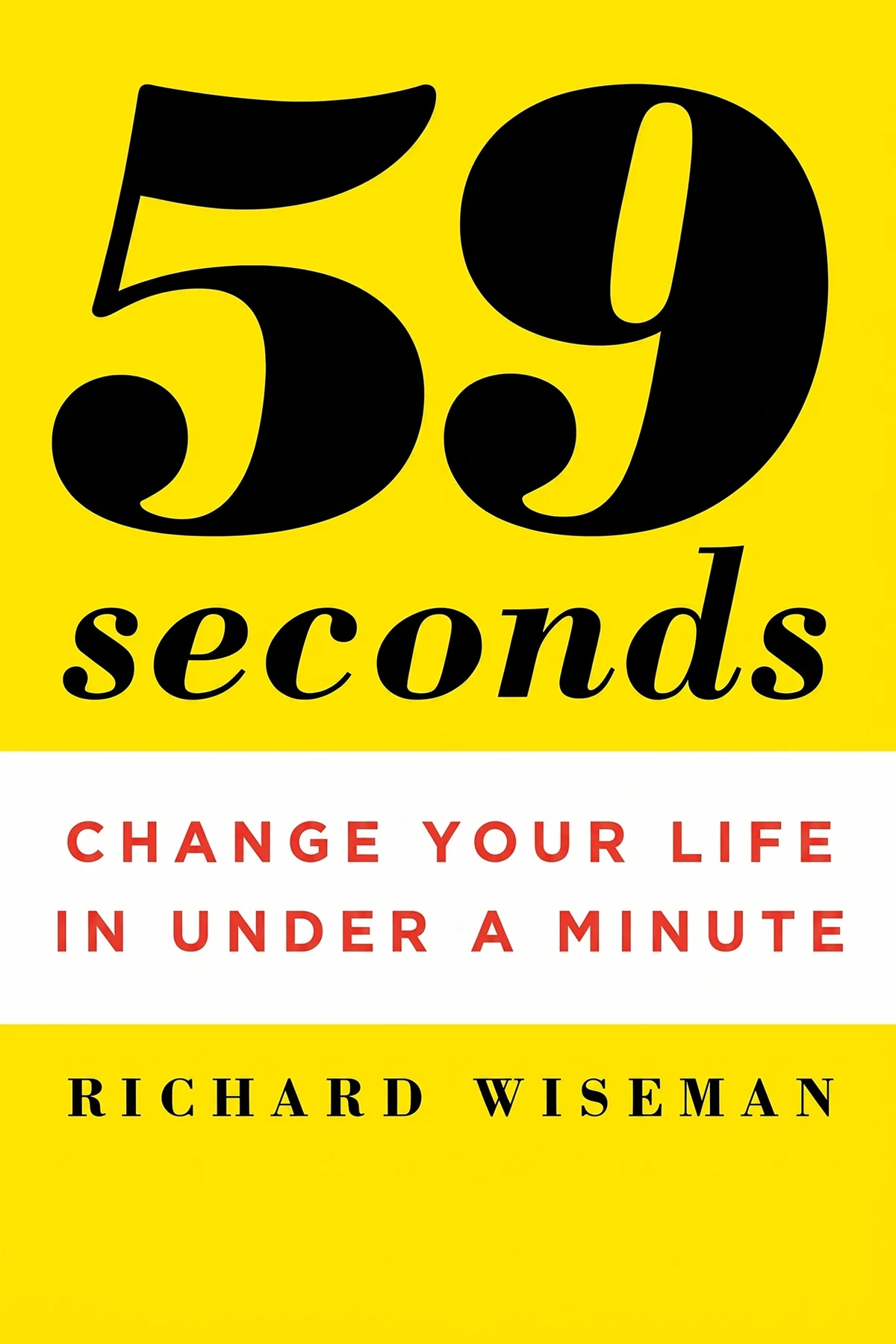
59 Seconds: Change Your Life in Under a Minute
Richard Wiseman
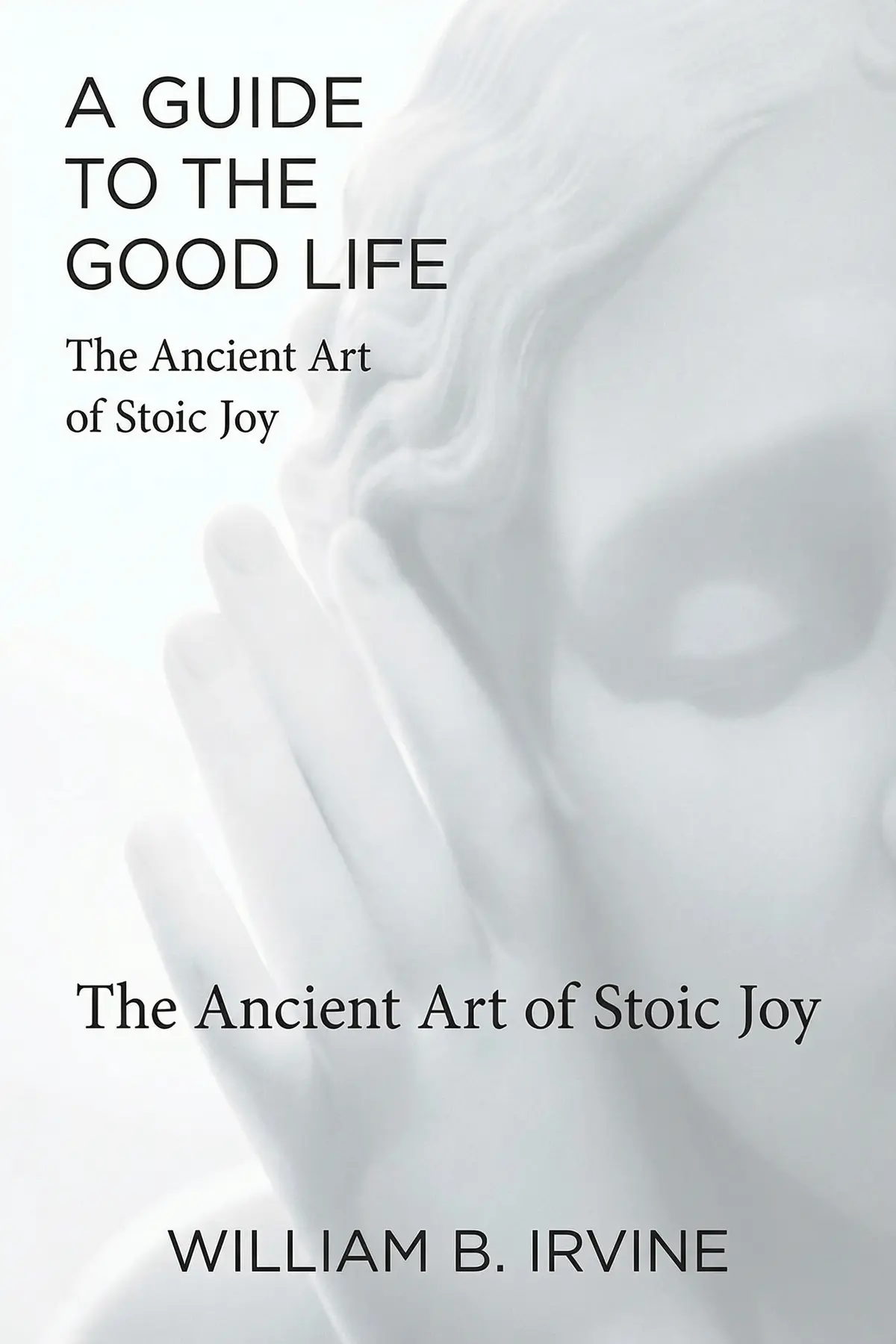
A Guide to the Good Life: The Ancient Art of Stoic Joy
William B. Irvine
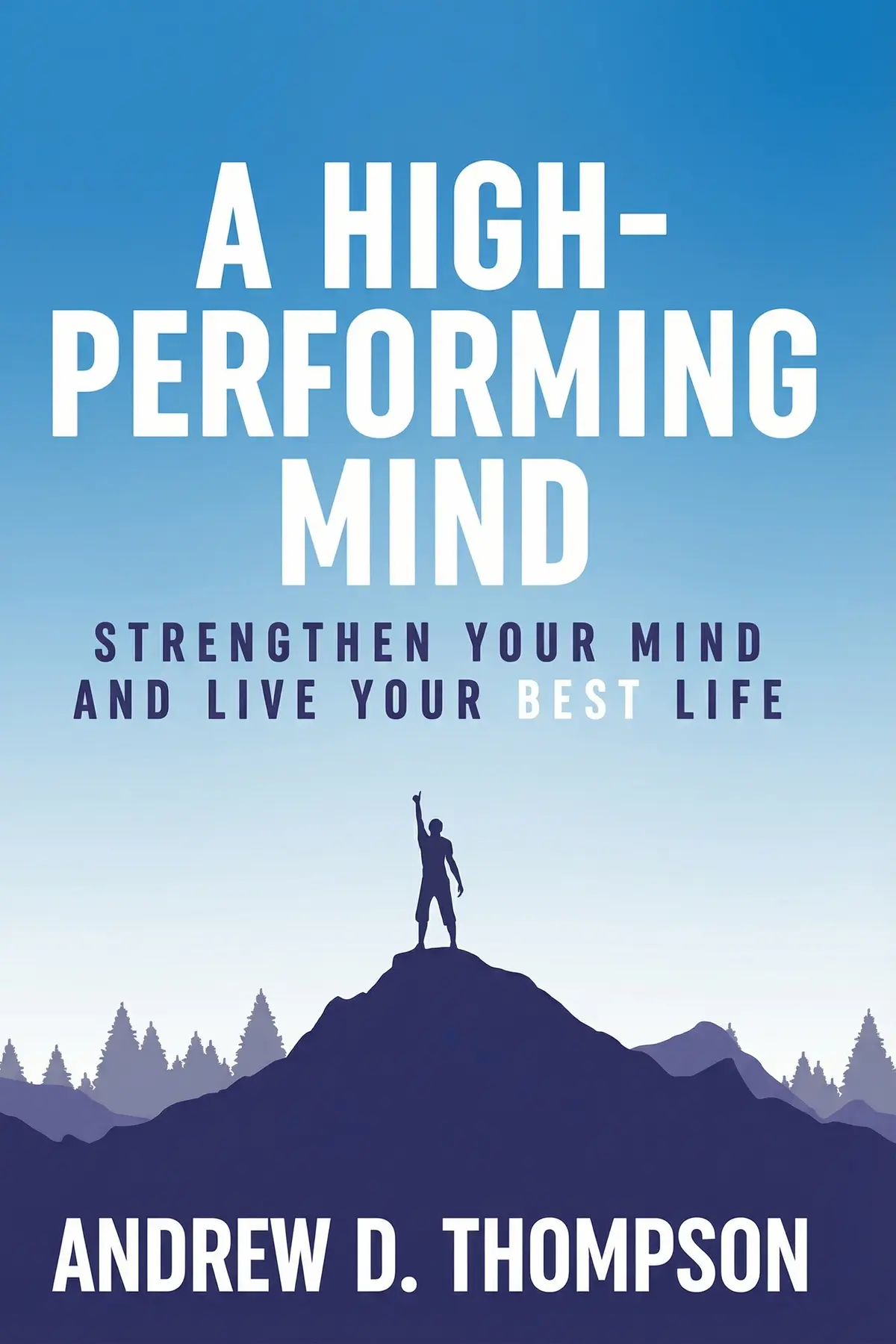
A High-Performing Mind: Strengthen Your Mind and Live Your Best Life
Andrew D. Thompson
AUDIO SUMMARY AVAILABLE
Listen to Midlife in 15 minutes
Get the key ideas from Midlife by Kieran Setiya, plus 5,000+ more titles in English and Thai.
- 5,000+ titles
- Listen as much as you want
- 7-day free trial
- Cancel anytime







