
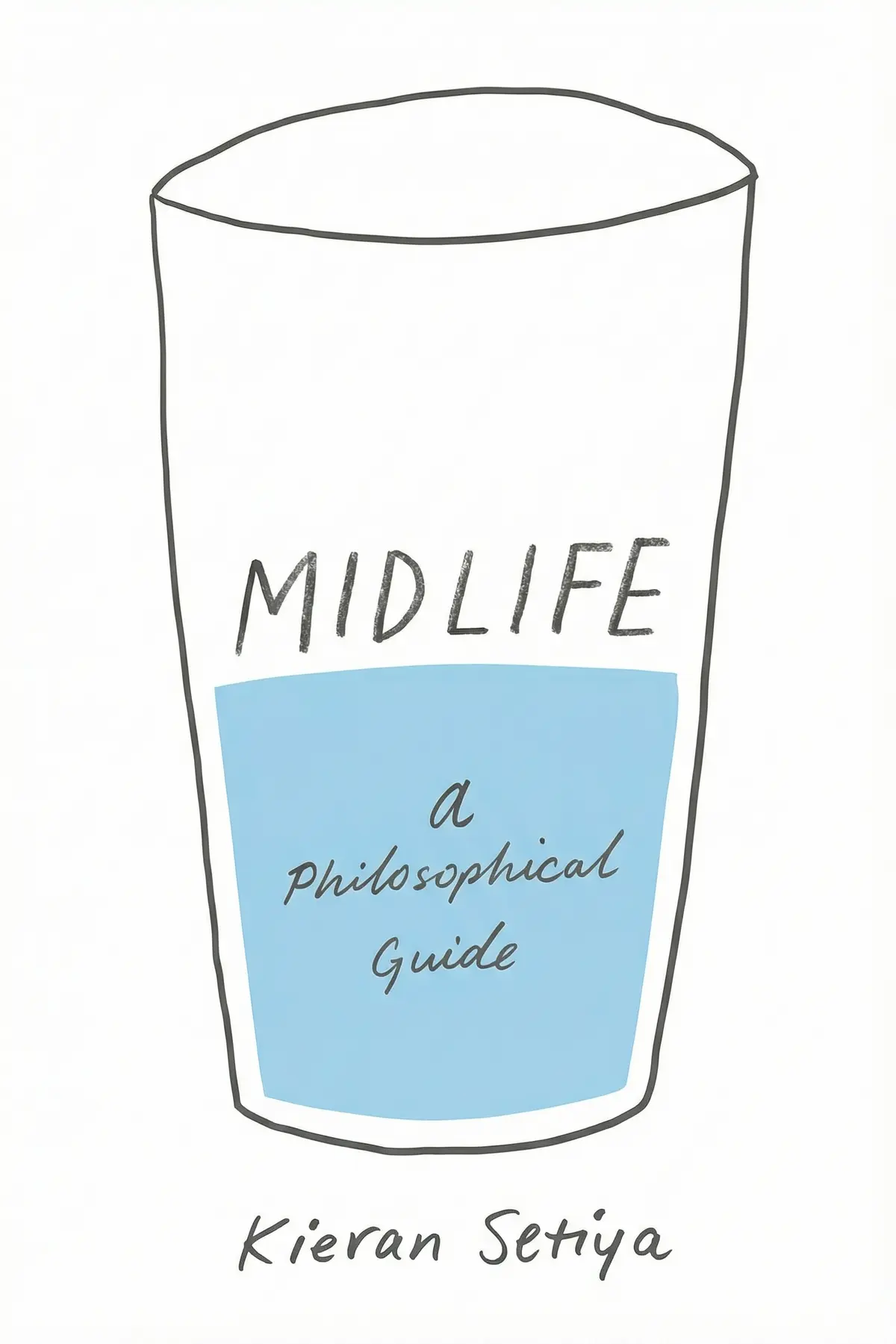
Midlife: A Philosophical Guide
Kieran Setiya
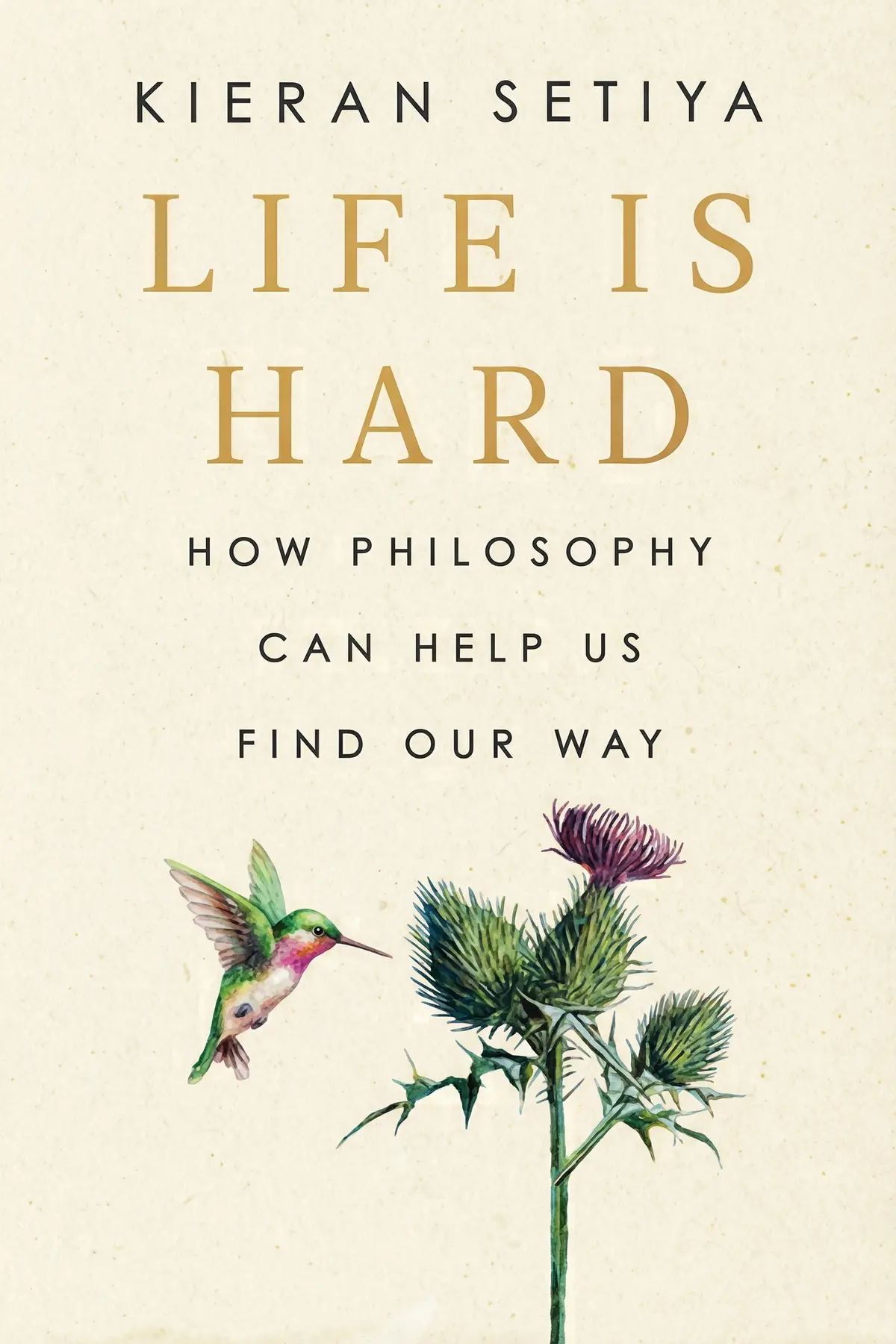
A compassionate exploration of the inevitable hardships of existence, offering philosophical tools to navigate pain, loneliness, grief, and failure while still finding a life worth living.
1 min 25 sec
We often treat happiness as the default setting for a successful life. We are told that if we just work hard enough, think positively enough, or find the right hack, we can smooth out the rough edges of our existence. But the reality is that life is inherently hard. It is marked by physical discomfort, the sting of rejection, the weight of regret, and the inevitable shadow of loss. When these things happen, our culture often tells us to look for a quick fix or, worse, to just try and ignore the struggle altogether.
However, there is a different path—one that doesn’t involve pretending everything is fine. This path involves looking directly at our hardships and asking what they can teach us about the human condition. In this summary, we are going to explore the throughline of resilience through honest acceptance. We will see how philosophy can serve as a practical guide for navigating the difficulties of infirmity, loneliness, grief, and failure. This isn’t about finding a way to make life easy; it’s about finding a way to live a meaningful, valuable life even when things are difficult. By drawing on the insights of great thinkers, literature, and personal experience, we can learn to stop fighting against the reality of our struggles and start learning how to walk through them. Let’s begin by looking at what happens when our bodies don’t behave the way we want them to, and how we can find value in a life marked by physical limitations.
2 min 32 sec
Chronic pain and disability can feel like they strip away the value of life, but they actually reveal a universal truth about human restriction.
2 min 26 sec
Understanding why loneliness hurts requires us to rethink why we value other people and how they value us in return.
2 min 15 sec
Grief is not a mountain to be climbed in stages, but a chaotic sea that we must learn to sail through with the help of ritual.
2 min 07 sec
Viewing your life as a story with a single goal is a recipe for failure; true fulfillment comes from focusing on the journey itself.
1 min 33 sec
As we have seen, the hardships of life—pain, loneliness, grief, and failure—are not bugs in the system of human existence; they are features. Philosophy doesn’t offer us a way to escape these realities, but it does offer us a way to change our relationship with them. We’ve learned that physical limitations don’t rob a life of its value because no one is truly ‘unrestricted.’ We’ve seen that loneliness can be addressed by recognizing the inherent dignity in others, shifting our focus from our own lack to the common bond of humanity. We’ve explored the idea that grief is a non-linear testament to love, and that rituals help us carry that weight together. And finally, we’ve recognized that failure loses its sting when we stop trying to live a perfect story and start appreciating the granular beauty of the process.
The throughline here is honesty. When we stop pretending that life should be easy, we free up our energy to actually live it. We can find joy in the midst of discomfort and meaning in the wake of loss. The actionable takeaway is to move through the world with a bit more compassion for yourself and others, knowing that everyone is carrying a heavy load. Focus on the small, present moments—the ‘little things’ that make up the vast majority of your time. By doing so, you’ll find that while life is indeed hard, it is also incredibly rich, and more than worth the struggle. You don’t need a perfect life to have a good one; you just need the courage to face the one you have.
Life is undeniably difficult. From the physical toll of chronic illness to the emotional weight of losing a loved one, struggle is a fundamental part of the human experience. In this summary of Life Is Hard, we explore why trying to simply fix or ignore these problems often fails us. Instead, we look at how the wisdom of philosophy and the insights of literature can help us face our challenges with honesty and resilience. The promise here is not a cure for suffering, but a shift in perspective. By examining how we define friendship, how we process loss, and how we measure success, we can find a way to live well even when our circumstances are far from ideal. Through the lens of thinkers like Kant and Aristotle, and through the raw reality of personal memoir, this summary provides a roadmap for navigating the most difficult parts of being alive, helping us find meaning in the midst of the mess.
Kieran Setiya is a professor of philosophy at MIT. His writing has been featured in the Los Angeles Review of Books, the TLS, the London Review of Books, the New York Times, Aeon, and the Yale Review. He is also the author of Midlife.
Kieran Setiya
Listeners find value in the book's sincere perspective, with one person sharing that the chapter on grief transformed their life. The material is praised for its accessibility; one listener remarks that it is primarily composed of excerpts from excellent sources. They appreciate the provided insights, with one individual highlighting the way it weaves together wisdom from the annals of philosophy.
Look, life is messy and often unfair, and Setiya is one of the few philosophers who says it out loud. This isn't a book about fixing your life; it's a book about living the life you actually have. The writing is accessible without being 'dumbed down,' which is a hard balance for an academic to strike. I found the insights into how we perceive our own failures to be life-changing. He manages to synthesize centuries of wisdom into something that feels urgent and relevant. It’s a beautiful, heartfelt piece of work that I’ll be recommending to everyone I know.
Show moreThis book found me at exactly the right moment. Dealing with personal loss is a lonely experience, but reading Setiya’s reflections on grief felt like sitting down with a very wise friend. He draws from so many great sources—Dostoevsky, Woolf, even film—to show that our suffering doesn't isolate us; it connects us to the human condition. It's a masterful blend of memoir and moral philosophy. While some readers might find his political leanings distracting, I felt they were a necessary part of acknowledging the external realities that make life hard. Truly a transformative read that provides comfort without being cloying.
Show moreThe chapter on grief alone makes this worth the price of admission. Setiya doesn't offer platitudes or tell you that 'everything happens for a reason,' which is incredibly refreshing. He treats the reader like an adult who knows that life can be genuinely terrible. I loved how he integrated literature and history into his arguments about chronic pain and adversity. The prose is direct and sincere, though I'll admit some of the political detours felt a bit out of place given the intimate tone of the earlier chapters. Still, it’s a rare book that feels both intellectually rigorous and deeply empathetic.
Show moreFinally got around to finishing this, and I’m glad I did. It’s not your typical 'stay positive' manual. Setiya argues that being happy isn't the same as living well, which is a distinction we often ignore in our productivity-obsessed culture. His vulnerability about his own physical struggles makes the philosophy feel less like an abstract puzzle and more like a lifeline. I did find the pacing a bit uneven toward the end, especially the sections on climate change. Truth is, those parts felt a bit more like a checklist of modern anxieties than a cohesive philosophical conclusion. Nonetheless, it’s a thoughtful, grounded guide.
Show moreAs someone who usually avoids the self-help aisle, I found this surprisingly palatable. Setiya doesn’t pretend he has all the answers, but he offers a lucid companionship through the dark parts of life. The way he weaves together the thoughts of Iris Murdoch and Simone Weil is masterly. It’s a book for people who find the 'good vibes only' movement repulsive. My only real gripe is that he sometimes holds back right when the discussion gets interesting, likely to keep it accessible for a mainstream audience. I would have loved to see him dive deeper into the technical ethics.
Show moreNot what I expected, but in a good way. This book is a meditation on how to keep your feet when the storm is raging. Setiya moves through topics like infirmity, loneliness, and failure with a quiet grace. He emphasizes the importance of relationships and service over the pursuit of some individualistic perfection. It's honest, occasionally bleak, but ultimately consoling. I found the discussion of 'telic' versus 'atelic' activities from his previous work making a welcome return here. A few chapters felt a bit like they were preaching to the choir, but the core message is deeply resonant.
Show morePicked this up because the subtitle promised a way through the mess of existence. Setiya has a companionable tone, and his background with chronic pain gives him real credibility. However, the book feels a bit like a 'Philosophy 101' highlights reel at times. He skips over major objections to his points, preferring to stay on the surface of complex issues like hope and justice. While the chapters on failure and loss were insightful, the pivot to global crises felt rushed and disconnected from the personal narrative. It's a decent read for a Sunday afternoon, though it won't necessarily solve your existential dread.
Show moreAfter hearing so much about this, I finally sat down with it. It’s a strange mix of profound insights and irritating jargon. I really resonated with the idea that we should stop chasing 'ideal' happiness and just focus on living decently. That’s a powerful, grounding message. But the writing style is hit-or-miss—sometimes eloquent, other times surprisingly monotonous. The author draws on Virginia Woolf and Aristotle, which is great, but he often argues with them in a way that feels a bit dismissive. It’s worth a look if you’re into moral philosophy, but keep your expectations in check regarding the self-help aspect.
Show moreIs it possible for a book about the hardest parts of life to be... boring? I found myself nodding off as the author drifted into long-winded tangents that frequently missed the point. He tries to bridge the gap between high-level theory and memoir, but it feels clunky. One moment we're talking about his chronic pain, and the next we're lost in some esoteric academic debate. The prose is quite dry, almost like lecture notes that haven't been edited for a general audience. I did appreciate the bits about Simone Weil, but they were buried under layers of lackluster presentation. It simply didn't hit the mark for me.
Show moreStarted with the Wittgenstein quote and high hopes, but things went downhill fast. I wanted philosophy, not a repetitive lecture on climate change and radical politics. The author uses terms like 'marginalized people' and 'fascism' so loosely it loses all meaning. To be fair, Setiya is an MIT professor, but the writing feels like a collection of campus slogans rather than timeless wisdom. If I wanted to read Karl Marx or Ta-Nehisi Coates, I would have bought their books instead. It’s a shame because the opening promise of lifting the weight of suffering was exactly what I needed. Instead, I got a monotonous drone about how capitalism is the root of all evil. It's pretentious and narrow-minded. Pass.
Show more
William B. Irvine
Nigel Warburton
John Rawls
Colin Ward
Robert Nozick
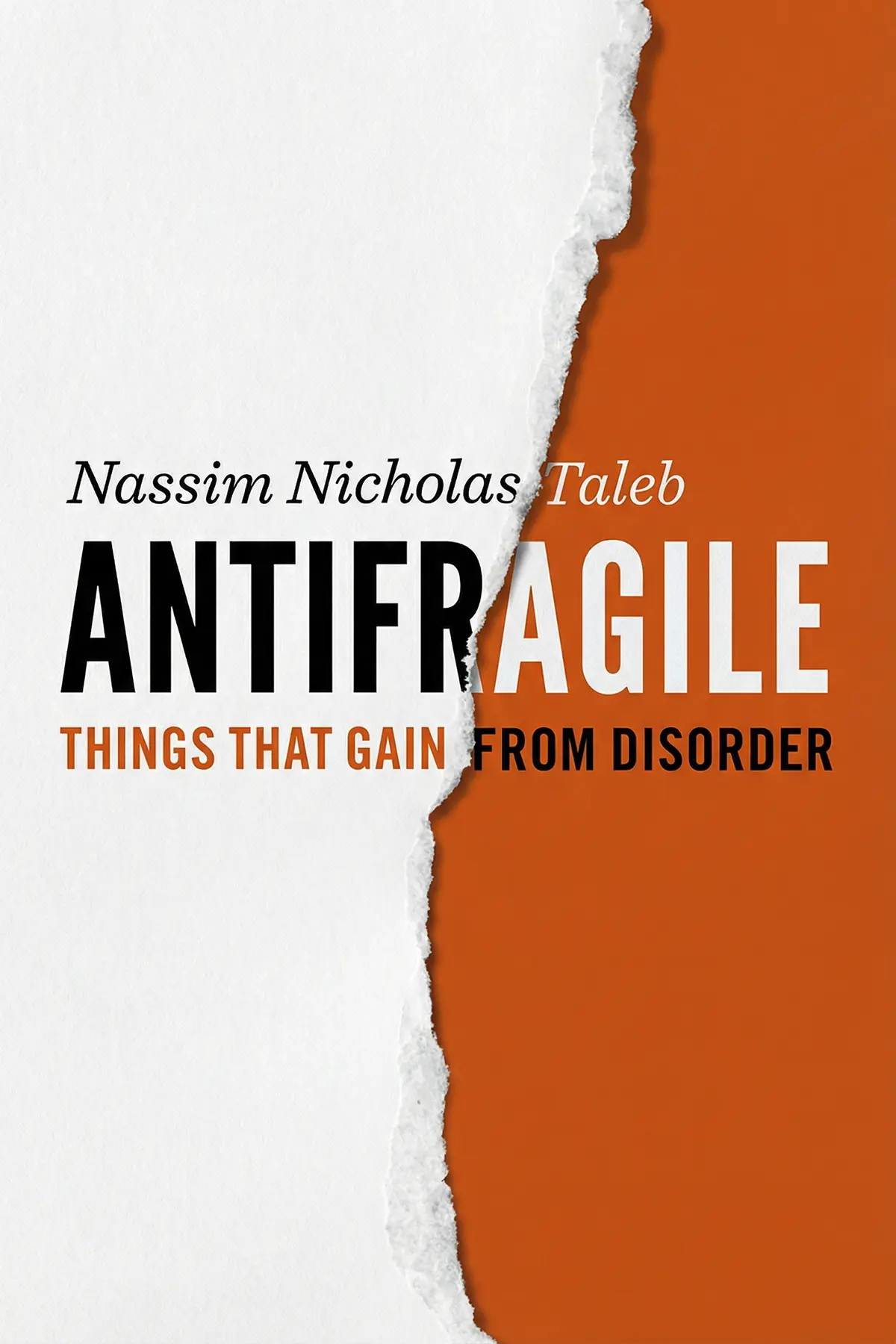
Nassim Nicholas Taleb
AUDIO SUMMARY AVAILABLE
Get the key ideas from Life Is Hard by Kieran Setiya, plus 5,000+ more titles in English and Thai.







