

19 min 07 sec
Mindfulness: An Eight-Week Plan for Finding Peace in a Frantic World
Discover a scientifically validated eight-week program to reduce stress and reclaim your life. This guide breaks down mindfulness into practical daily steps for finding lasting peace in a chaotic world.
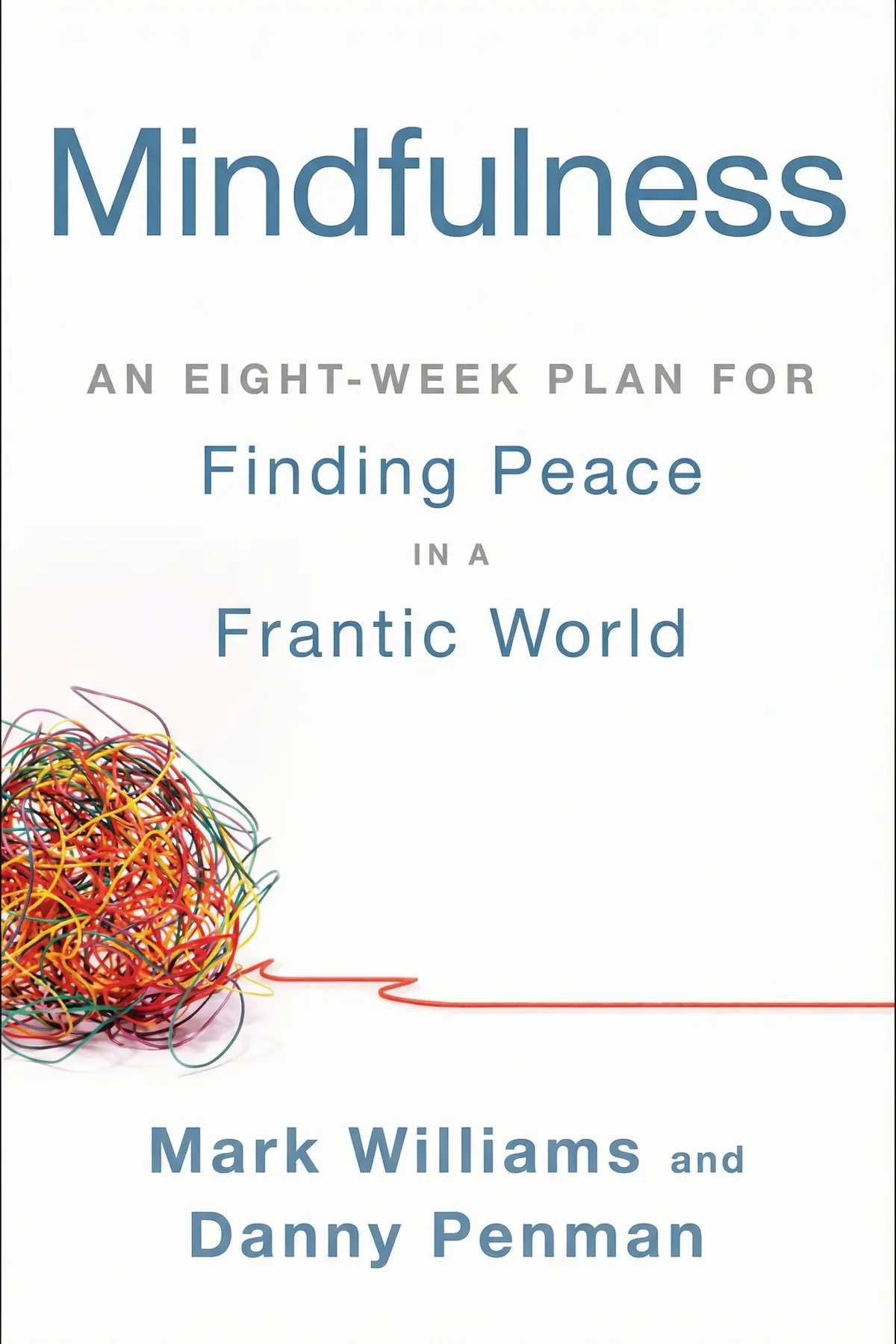
Table of Content
1. Introduction
1 min 25 sec
Have you ever felt like you’re moving through your life on a treadmill that’s set just a little bit too fast? You’re checking off tasks, answering emails, and navigating daily chores, but at the end of the day, you can’t quite remember where the time went. This is the hallmark of the frantic world we live in. It’s a state of constant ‘doing,’ where our minds are always three steps ahead of our bodies, worrying about the future or dissecting the past.
But there is an alternative. Mindfulness isn’t about escaping your life or retreating to a mountain top; it’s about learning how to be fully present in the life you already have. It is a mental training technique that has been used for centuries but is now being rediscovered through the lens of modern science. Research shows that simple, consistent practices can fundamentally change how our brains process stress, sadness, and even physical pain.
In this summary, we are going to explore a structured eight-week plan designed to help you reclaim your peace of mind. We’ll look at why so many people get mindfulness wrong, the hard evidence that proves it works, and the vital distinction between a mind that is always ‘doing’ and one that is simply ‘being.’ By the time we’re finished, you’ll have a roadmap for integrating these practices into your daily routine, allowing you to meet life’s challenges with a sense of calm, curiosity, and compassion. Let’s begin by clearing away the fog and looking at what mindfulness actually is—and what it definitely isn’t.
2. Debunking Common Myths About Mindfulness
2 min 33 sec
Think meditation requires incense, chanting, or hours of free time? Discover why these popular stereotypes are actually preventing people from finding the calm they deserve.
3. The Scientific Evidence for Mental Training
2 min 37 sec
The benefits of mindfulness aren’t just ‘all in your head.’ Explore the rigorous scientific studies that prove meditation can reshape your brain and boost your health.
4. Choosing Between the 'Doing' and 'Being' Modes
2 min 46 sec
Ever feel like your mind is a hamster on a wheel? Learn how to step off the cycle of constant productivity and rediscover the restorative power of presence.
5. Weeks 1 & 2: Waking Up from Autopilot
2 min 03 sec
The first step to freedom is noticing the invisible habits that run your life. Learn how to tune into your body and breath to reclaim your focus.
6. Weeks 3 & 4: Movement, Sound, and the Flow of Thought
2 min 17 sec
How do we handle the noise of the world and the noise of our own minds? Explore how to find stillness through movement and sound.
7. Weeks 5 & 6: Facing Difficulties with Compassion
2 min 04 sec
What if the secret to overcoming your biggest worries was to stop running away from them? Learn how to turn toward your challenges with a ‘befriending’ mindset.
8. Weeks 7 & 8: Weaving Your Mindfulness Parachute
2 min 02 sec
Mindfulness isn’t a temporary fix; it’s a lifelong skill. Learn how to balance your life and prepare for whatever challenges the future may bring.
9. Conclusion
1 min 20 sec
We have traveled through an eight-week journey that transforms how we engage with our own minds. From debunking the myths that keep us from starting, to understanding the biological changes that occur when we meditate, the path to mindfulness is both practical and profound. The core shift—moving from the relentless ‘doing’ mode into the spacious ‘being’ mode—is the key to finding peace in a world that never seems to slow down.
As you move forward, remember that mindfulness is not a destination you reach and then stay at forever. It is a continuous practice of coming back to the present moment, over and over again. It’s about noticing when you’ve drifted into autopilot and gently, without judgment, bringing yourself back. The beauty of this approach is that every moment is a fresh opportunity to start again.
To make this actionable in your life starting today, try to break just one habit this week. Take a different route to work, eat your lunch without looking at a screen, or simply stop for sixty seconds and feel the air on your skin. These small acts of ‘waking up’ are the building blocks of a mindful life. By stepping out of the frantic stream of thought and into the reality of the present, you don’t just find peace—you rediscover the richness and wonder of being alive.
About this book
What is this book about?
In our hyper-connected, fast-paced modern landscape, many of us feel like we are constantly running just to stay in place. Mindfulness provides a structured, evidence-based pathway out of this cycle of exhaustion. It moves beyond the common misconceptions surrounding meditation, framing it instead as a vital mental training tool backed by clinical psychology and biochemistry. The book promises a transformative eight-week journey that shifts the mind from a restless 'doing' mode into a restorative 'being' mode. By following the specific meditations and awareness exercises outlined, readers learn to observe their thoughts without judgment, handle physical pain more effectively, and break the loops of negative thinking that lead to anxiety and depression. It is a practical manual for anyone seeking mental clarity and emotional resilience.
Book Information
About the Author
Mark Williams
Mark Williams is a former professor of clinical psychology at Oxford University and a co-founder of the Academy of Cognitive Therapy. He is also the author of The Mindful Way Through Depression. Danny Penman is an experienced journalist and author who holds a doctorate in biochemistry.
Ratings & Reviews
Ratings at a glance
What people think
Listeners find this mindfulness guide to be articulated clearly and easy to follow, offering practical directions that make it straightforward to weave into everyday life. The material serves as an excellent resource for novices and aids in reframing one’s outlook, with one listener remarking on how it allowed them to feel more in command of their mind and body. They admire the book’s scientific depth and research-driven foundation, noting its success in lowering stress and anxiety, while one listener pointed out its effectiveness in quieting agonizing rumination and persistent worry.
Top reviews
Narut
Picked this up during a period where my brain felt like a browser with too many tabs open. The 8-week course is surprisingly structured, which helped me stick to it even when I felt like quitting. Personally, the 'body scan' was a total game-changer for my insomnia. It doesn't rely on mystical fluff; instead, it uses solid research to explain why our minds spiral. The writing is accessible, though the anecdotes about 'Sarah' or 'John' feel a bit generic after a while. Still, if you are struggling with that constant background chatter of anxiety, this provides a clear, clinical roadmap. It’s not an overnight fix, but a mental hygiene habit worth building.
Show moreTang
Wow, I didn't realize how much I was living on autopilot until the authors broke down the 'doing' versus 'being' modes. Life has been so frantic lately with work and family obligations that I felt like I was constantly drowning in my own to-do lists. This book didn't just give me another task; it gave me permission to just exist. The 10-minute meditations are manageable even for the busiest schedule. Not gonna lie, I was skeptical about the 'chocolate meditation' at first, but it really highlights how much we rush through life without tasting a thing. It’s a gentle, compassionate guide for anyone who feels like their mind is their own worst enemy.
Show morePita
Ever wonder why your mind keeps circling back to the same stressful thoughts even when you’re trying to relax? This book addresses that 'mental chatter' with such precision and kindness. As someone who has dealt with high levels of anxiety for years, I found the evidence-based approach incredibly grounding. It’s not about becoming some zen master on a mountain; it’s about functioning better in the modern, frantic world. The analogies used to explain stress are creative and easy to remember. I’ve started noticing my 'autopilot' moments at the grocery store or during my commute. It feels like I finally have a remote control for my own brain.
Show moreNongnuch
The eight-week program outlined here is the real meat of the book. While many self-help titles just talk about theories, Williams and Penman give you specific, daily instructions that are easy to incorporate. I found the distinction between the 'doing mode' and 'being mode' to be an absolute epiphany for my work-life balance. My only real gripe is that the arguments for meditation start to feel a bit circular after the third chapter. We get it: it's backed by science! You don't need to keep hitting us over the head with clinical trials every ten pages. That said, it’s a solid resource for beginners who want a structured approach.
Show moreCherry
After hearing so much about MBCT, I finally committed to the daily exercises. The scientific accuracy is what kept me reading. It is refreshing to find a book on meditation that doesn't lean on spiritual jargon but instead explains the neurological benefits. In my experience, the practice of 'gently escorting' your attention back is much more effective than trying to force your mind to be blank. I did find some of the case studies to be a bit 'styled' and unrealistic, almost like caricatures of stressed-out people. Nevertheless, the core methodology is sound and it has significantly reduced my tendency to ruminate on past mistakes.
Show morePing
Personally, I view this book as a performance enhancer for the mind. In a society that pushes us toward constant competition, meditation provides a neutral mindset that allows for better decision-making and clearer thinking. The authors do a great job of showing how we can look at problems squarely without being distorted by fear or hope. Some might find the clinical tone a bit off-putting, but I appreciated the lack of pretension. It’s a practical guide, much like the instructions for an electronic toothbrush, focusing on the repetition and habit rather than 'ah-hah' moments. It has helped me stay calm even when my office environment is in total turmoil.
Show morePia
Finally got around to finishing the 8-week course and I'm feeling much more in control of my reactions. The book is very accessible and avoids the mysticism that usually turns me off from this subject. While the narration in the guided tracks is a bit modulated, the instructions themselves are top-notch. I especially liked the suggestion to do 'mundane' tasks mindfully, like sowing seeds or washing dishes. It makes the practice feel less like a separate chore and more like a lifestyle shift. To be fair, some chapters are quite repetitive, but maybe that’s the point when you’re trying to train a stubborn brain.
Show moreLuke
This book is essentially a user manual for your own brain, though it's wrapped in a somewhat dry package. To be fair, the formatting—white paper and small text—makes it feel more like a textbook than a relaxation guide. I struggled to stay awake during some of the earlier chapters because the prose is quite dense and repetitive. However, the actual exercises are fantastic. I didn't love the meditation tracks because the narrator sounded a bit robotic, like a machine trying to be soothing. Frankly, I think I got the core message by week four, and the rest felt like filler. It’s useful, but be prepared to slog through the presentation.
Show moreKek
Look, the content is life-changing, but the physical format of this book is a struggle. It’s a large, thin volume with paper that feels a bit cheap, which makes the 200 pages feel much longer than they actually are. I found myself nodding off while reading the theoretical sections. However, I cannot deny that the 8-week program actually works if you have the discipline to follow it. The 'sounds and thoughts' meditation helped me detach from the immediate emotional coloring of my stress. I’d recommend the audio version over the physical book to avoid the dry reading experience. It’s a great tool, just not a very engaging 'read' in the traditional sense.
Show moreWichai
Not what I expected after seeing all the rave reviews. Truth is, I found the tone incredibly boring and the layout made my eyes glaze over every time I opened it. I managed to get through about half of the eight-week course before I just gave up because it felt like a chore rather than a relief. The instructions are clear, sure, but the writing lacks any real spark or engagement. It felt like reading a medical manual. If you have a short attention span or need something a bit more inspiring to keep you motivated, this might not be the right fit. I prefer my mindfulness with a little less clinical dryness.
Show moreReaders also enjoyed
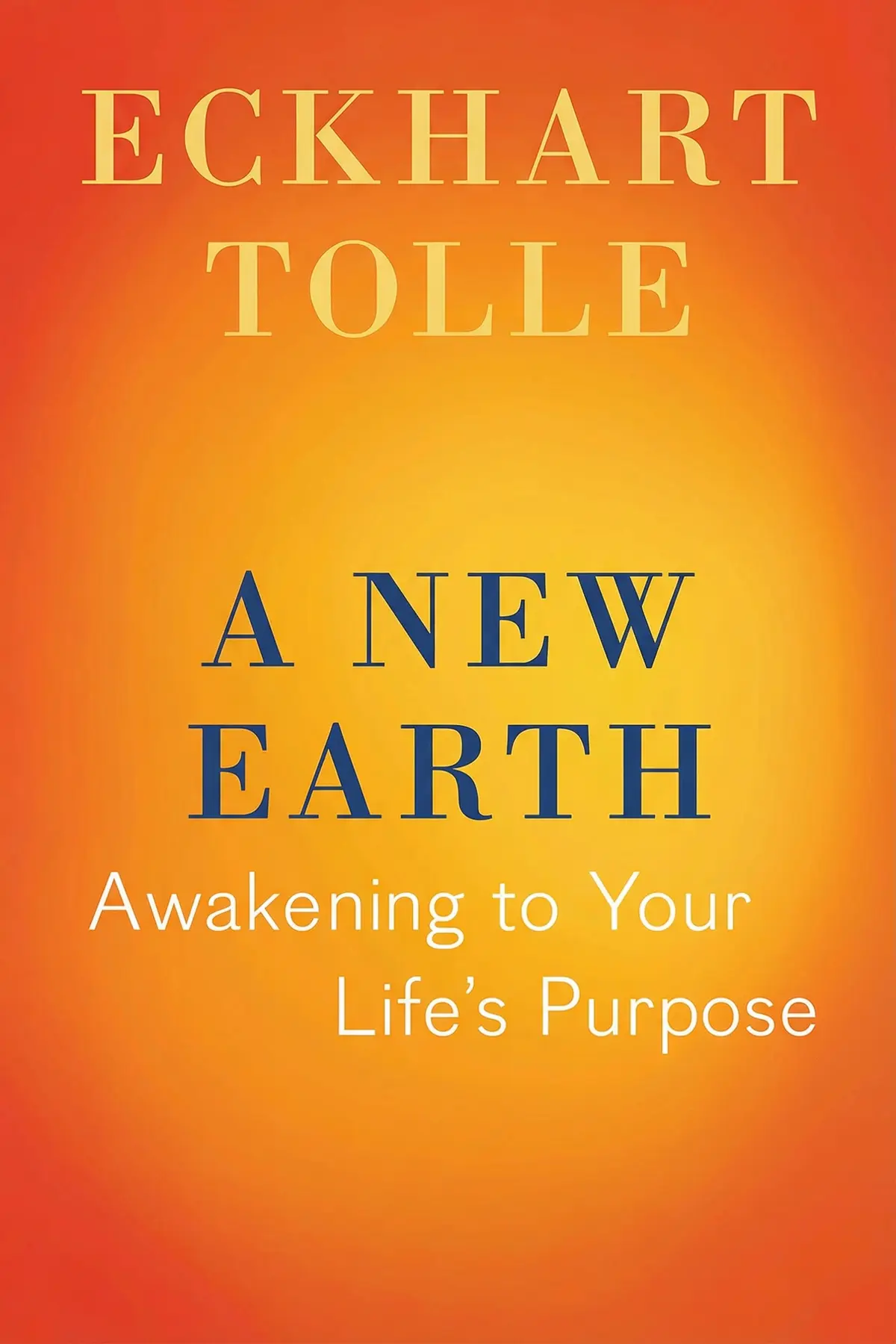
A New Earth: Awakening to Your Life’s Purpose
Eckhart Tolle
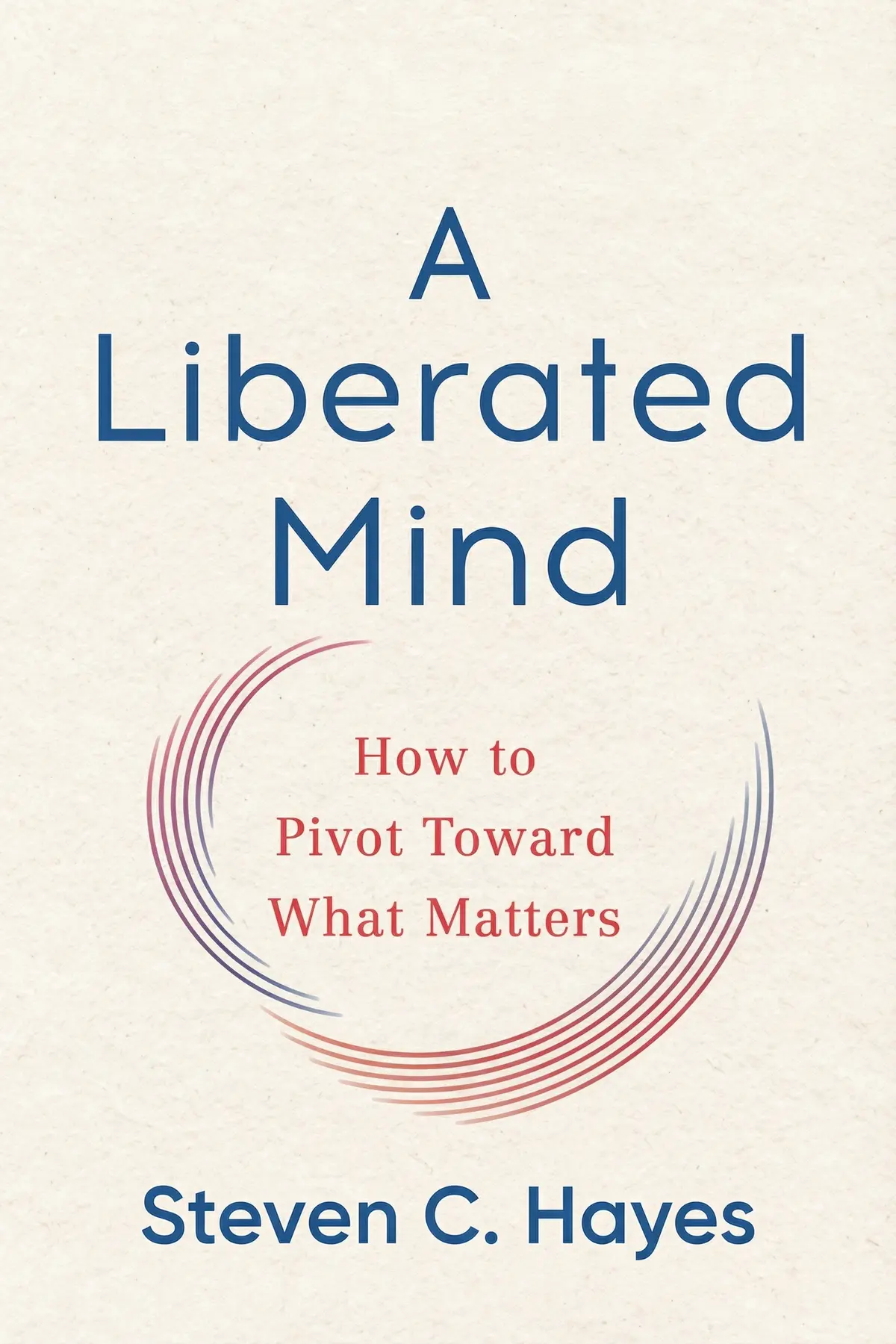
A Liberated Mind: How to Pivot Toward What Matters
Steven C. Hayes
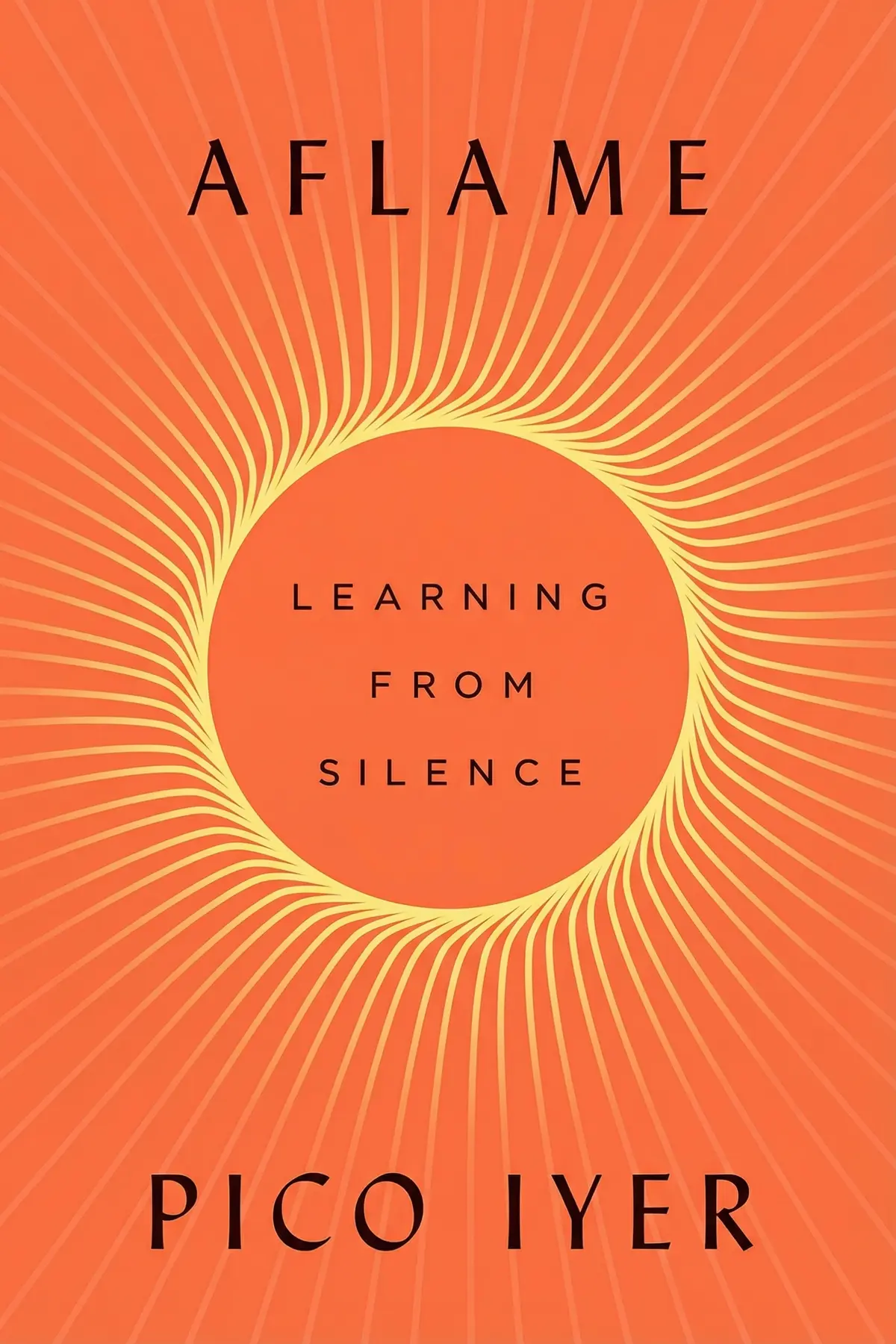
Aflame: Learning from Silence
Pico Iyer
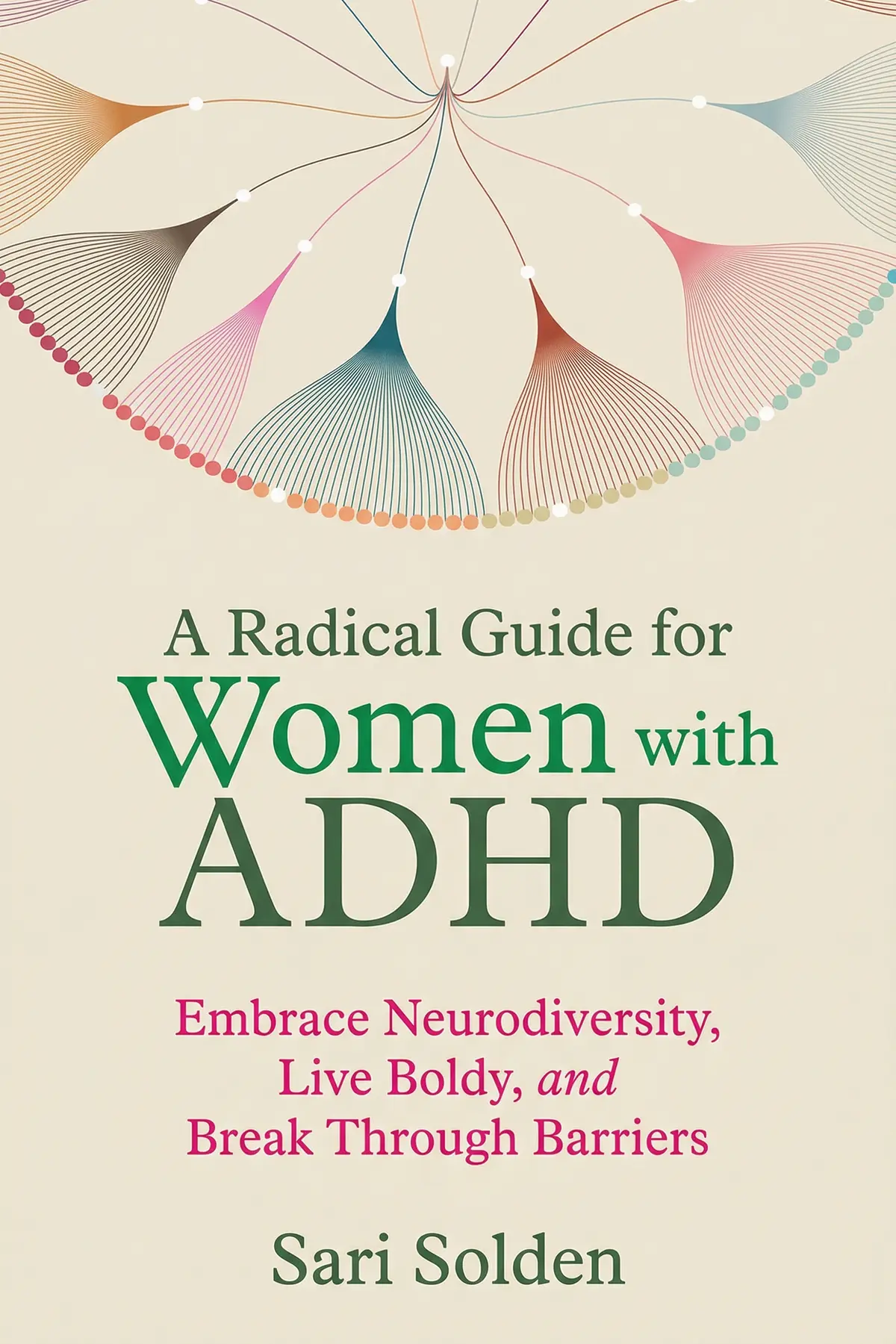
ADHD an A-Z: Figuring It Out Step by Step
Leanne Maskell

AUDIO SUMMARY AVAILABLE
Listen to Mindfulness in 15 minutes
Get the key ideas from Mindfulness by Mark Williams, plus 5,000+ more titles in English and Thai.
- 5,000+ titles
- Listen as much as you want
- 7-day free trial
- Cancel anytime







